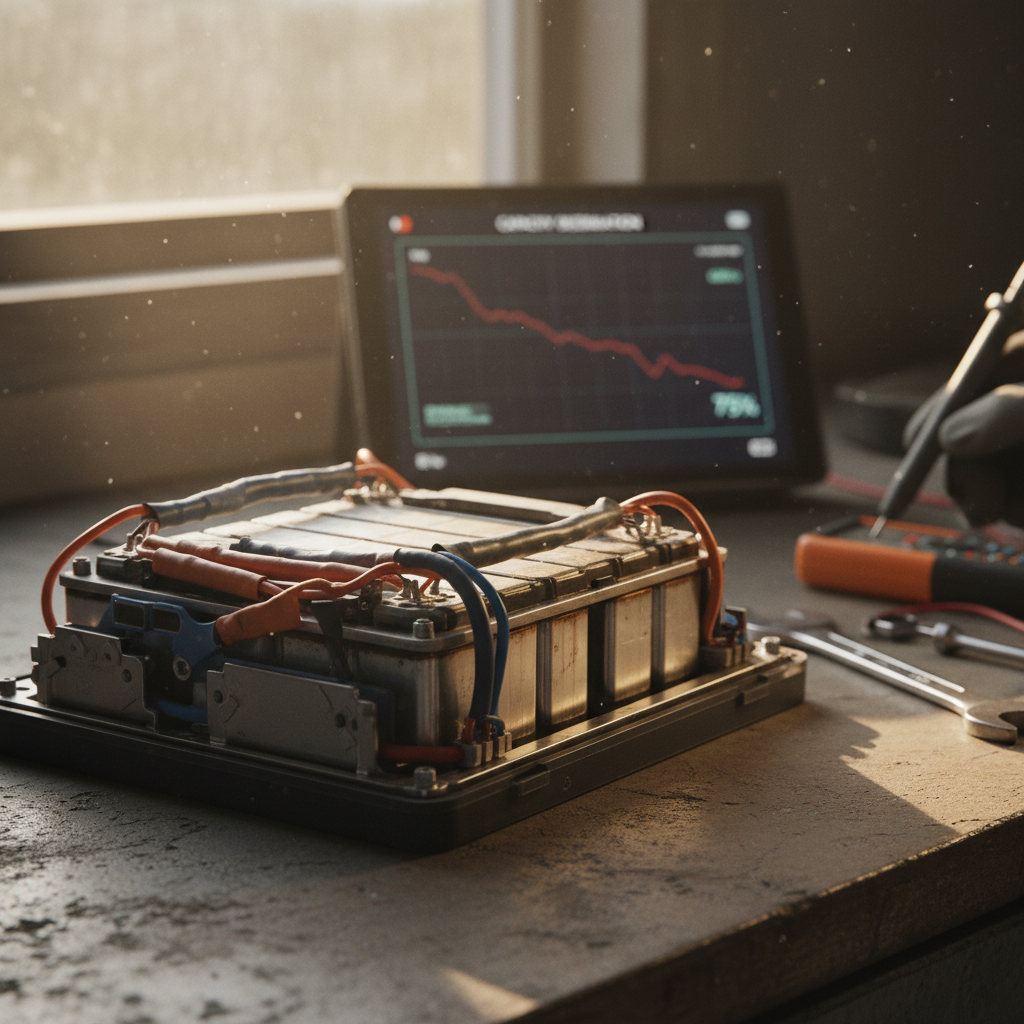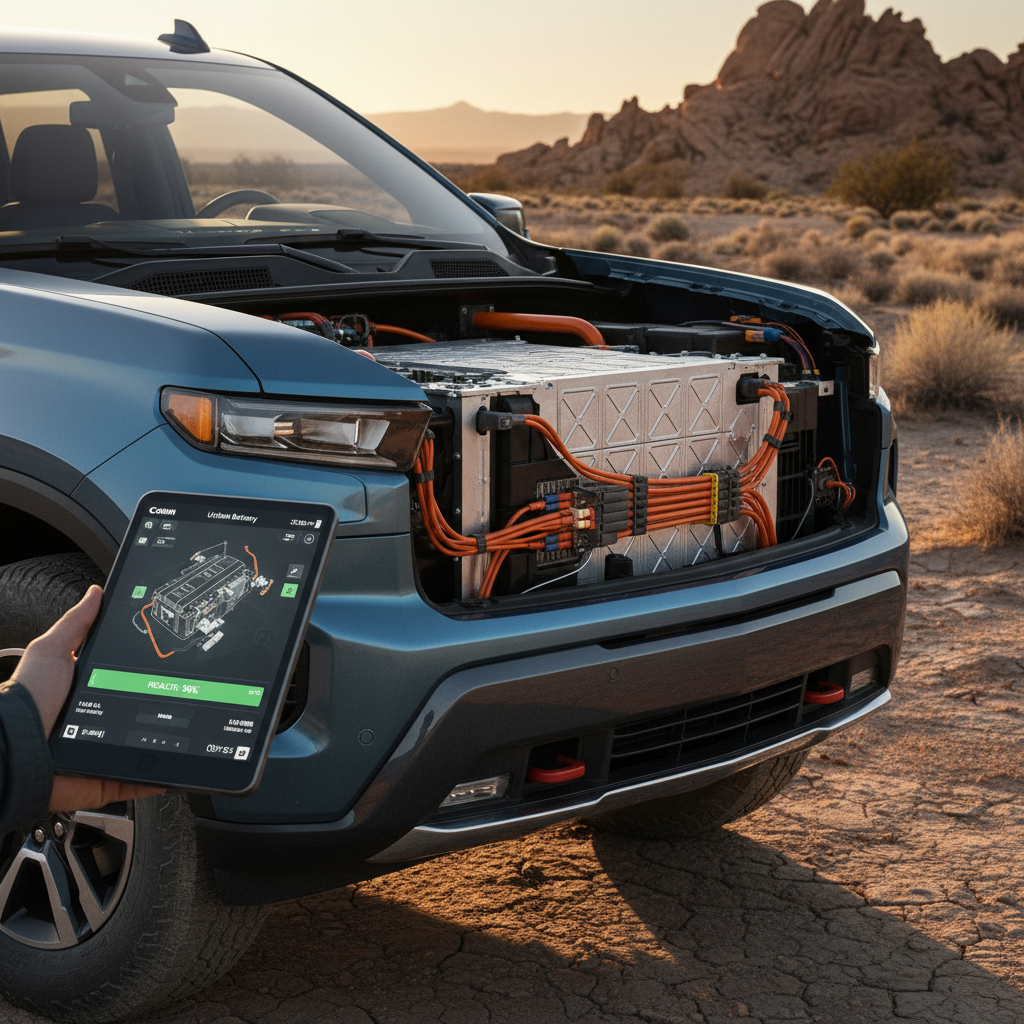
If you’ve watched electric vehicle prices over the last few years, you’ve seen a rollercoaster. New EV discounts, tax credit changes, and rapid tech improvements have pushed used prices down much faster than most buyers expected. It’s natural to ask the big question: when will EV depreciation stabilize so you can buy, or sell, with more confidence?
Quick answer
Why EVs Have Depreciated So Fast
To understand when depreciation might stabilize, you first need to understand why values fell so sharply in the first place. A few forces hit the EV market all at once.
- Rapid price cuts on new EVs from several brands, especially Tesla, which pulled used prices down with them.
- Aggressive incentives and tax credits that made new EVs dramatically cheaper than similar lightly used models.
- Fast improvements in range and charging speed, making earlier EVs feel outdated more quickly than comparable gas cars.
- Buyer concerns about battery longevity and replacement cost, which pushed some shoppers away from older or shorter-range EVs.
- A wave of off-lease and fleet EVs hitting the market with similar specs at the same time, increasing supply.
A perfect storm for resale value
How Fast Are EVs Depreciating Today?
Snapshot of Recent EV Depreciation
Those numbers sound scary, but they mask a key point: depreciation is not uniform. Some EVs, especially older, short‑range models, are dropping like a stone. Others with strong demand, long range, and good charging access are faring much better.
The Big Question: When Will EV Depreciation Stabilize?
No one can give you an exact calendar date, but if you zoom out, vehicle markets tend to stabilize once three things happen: technology matures, incentives and pricing stop whipsawing, and buyers understand what they’re getting. EVs are moving in that direction, just not overnight.
EV Depreciation Outlook: 2026–2035
What different timeframes are likely to look like for values
2026–2027: Late shake‑out
Expect continued above‑average depreciation for many EVs as:
- More off‑lease EVs flood the used market.
- Some tax credits phase out or change.
- Next‑gen batteries and charging tech keep arriving.
Good news: this is also when used prices can be most attractive for buyers who choose carefully.
2028–2030: Stabilization zone
By the late 2020s, most analysts expect EVs to settle into more predictable depreciation curves as:
- Model lineups mature and shrink.
- Battery tech improvements become incremental, not huge leaps.
- Charging coverage feels “good enough” for most drivers.
Depreciation may still be a bit steeper than gas cars, but not dramatically so.
2030–2035: EV as the default
Into the 2030s, as EV share of new sales climbs, used EVs should behave more like today’s gas cars:
- Clear price ladders by age, mileage, and battery health.
- Better historical data for lenders and insurers.
- More confidence that an older EV is still a safe bet.
A practical working assumption
What Could Speed Up or Delay Stable EV Values?
Forces that could speed stabilization
- Slower tech leaps: As range and charging speeds plateau, older EVs look less obsolete.
- More transparent battery data: Widespread use of battery health reports makes it easier to price used EVs fairly.
- Consistent policy: Stable tax credit rules and emissions standards reduce market whiplash.
- Growing used EV demand: As more shoppers want lower‑cost EVs, resale demand catches up with supply.
Forces that could delay stabilization
- Policy shocks: Sudden cuts or changes to EV incentives can slam new prices and ripple into used values.
- Major tech breakthroughs: A big jump in battery chemistry or ultra‑fast charging could make current models feel old quickly.
- Overbuilding supply: If automakers flood the market with similar EVs and then cut prices, used values suffer.
- Persistent battery fear: If shoppers still don’t trust 8–10‑year‑old packs, depreciation will stay elevated.
Remember: forecasts aren’t guarantees
Which EVs Are Most Likely to Hold Their Value?
Even in a choppy market, some EVs are already showing stronger value retention than others. Patterns are emerging that echo what we’ve always seen with gas cars.
Traits of EVs With Better Resale Value
Look for these patterns when you’re shopping used
Strong charging access
Models that plug easily into robust public networks, and, increasingly, native NACS access to Tesla Superchargers, tend to stay in demand.
Shoppers pay more for cars they can confidently road‑trip.
Healthy, long‑range batteries
EVs that started with generous range and show high State of Health (SOH) on a battery report are more appealing.
Think 80%+ SOH and real‑world range that still covers your typical week without anxiety.
Proven reliability & support
Brands with strong software support, over‑the‑air updates, and active service networks tend to hold value better.
Buyers pay for peace of mind that repairs and parts are accessible.
- Popular mainstream models from well‑known brands typically depreciate more slowly than low‑volume experiments or discontinued nameplates.
- EVs with usable winter range, heat pumps, and good efficiency figures tend to remain attractive longer in colder regions.
- Trim levels with balanced equipment, neither stripped nor wildly over‑optioned, often have the broadest appeal in the second‑hand market.
Why battery reports matter so much
What This Means If You’re Buying a Used EV Now
Here’s the good news: today’s depreciation pain for some current owners is creating exceptional buying opportunities for the next owner, if you shop smart. Many one‑ to four‑year‑old EVs are selling at deep discounts versus their original MSRP, yet still offer modern range, safety tech, and low running costs.
Smart Strategy for Buying a Used EV in an Unstable Market
1. Focus on total cost of ownership, not just depreciation
EVs can depreciate more yet still be cheaper to own thanks to lower fuel and maintenance. Run the numbers on electricity vs. gas, insurance, taxes, and likely resale value over your holding period.
2. Buy after the steepest drop
The first 2–3 years are usually where EVs lose value fastest, especially in this part of the cycle. A 3–5‑year‑old EV often offers the best cost-per-mile economics.
3. Demand verified battery health data
Never guess about the pack. Look for an OEM diagnostic or an independent battery health report like the Recharged Score. Avoid cars with poor or unknown SOH.
4. Choose models with clear charging options
Make sure your EV works smoothly with home charging and the public networks where you actually drive. Native or adapter‑based access to large fast‑charging networks is a big plus for resale.
5. Think about your exit strategy
Plan how long you’ll keep the car. If you expect to sell in 3–5 years, lean toward models and trims with broad mainstream appeal and solid battery reputations.
6. Don’t overpay just because it’s electric
Even in a hot tech segment, an EV is still a car. Compare pricing to similar gas and hybrid models and walk away if the deal doesn’t make sense.
Leasing vs. buying in a volatile market
How Recharged Helps You Manage Depreciation Risk
At Recharged, the entire experience is built around taking the guesswork out of used EV ownership, including depreciation risk. You can’t control the whole market, but you can control how well you understand the specific car you’re buying.
Tools to Make Depreciation Less Scary
Why a Recharged EV isn’t just another used car
Recharged Score battery report
Every vehicle on Recharged comes with a Recharged Score Report that includes verified battery health, real‑world range estimates, and pricing benchmarks.
That means you’re not guessing what the pack is worth, you’re seeing it in black and white.
Fair market pricing
Our pricing is grounded in actual market data on EV depreciation, incentives, and demand.
You see how a car compares to similar listings, so you’re less likely to overpay in a fast‑moving segment.
EV‑specialist guidance
Recharged’s EV specialists can walk you through trade‑in options, financing, and how different models are likely to hold value based on your mileage and plans.
You’re not navigating this new market alone.
Whether you’re trading in a current EV, getting an instant offer, or searching nationwide delivery inventory from your couch, the goal is the same: help you buy the right EV at the right price for how long you’ll actually keep it.
FAQ: EV Depreciation and Resale Value
Common Questions About When EV Depreciation Will Stabilize
Bottom Line: When EV Depreciation Will Stabilize
EVs are still in the “messy middle” of adoption. That’s why depreciation has been so unpredictable up to now, and why many experts expect a stabilization window in the late 2020s as technology matures and the used EV market deepens. You don’t have to wait for a perfect, flat depreciation curve to make a smart move, though. If you buy the right used EV, at the right price, with verified battery health and solid charging options, you can come out ahead even in a bumpy market.
That’s exactly what Recharged is built to help you do: turn today’s volatility into an opportunity instead of a risk. When you’re ready to explore used EVs with transparent battery data and fair‑market pricing, you can start and finish the process online, or visit our Experience Center in Richmond, VA, for a more confident path into electric driving.