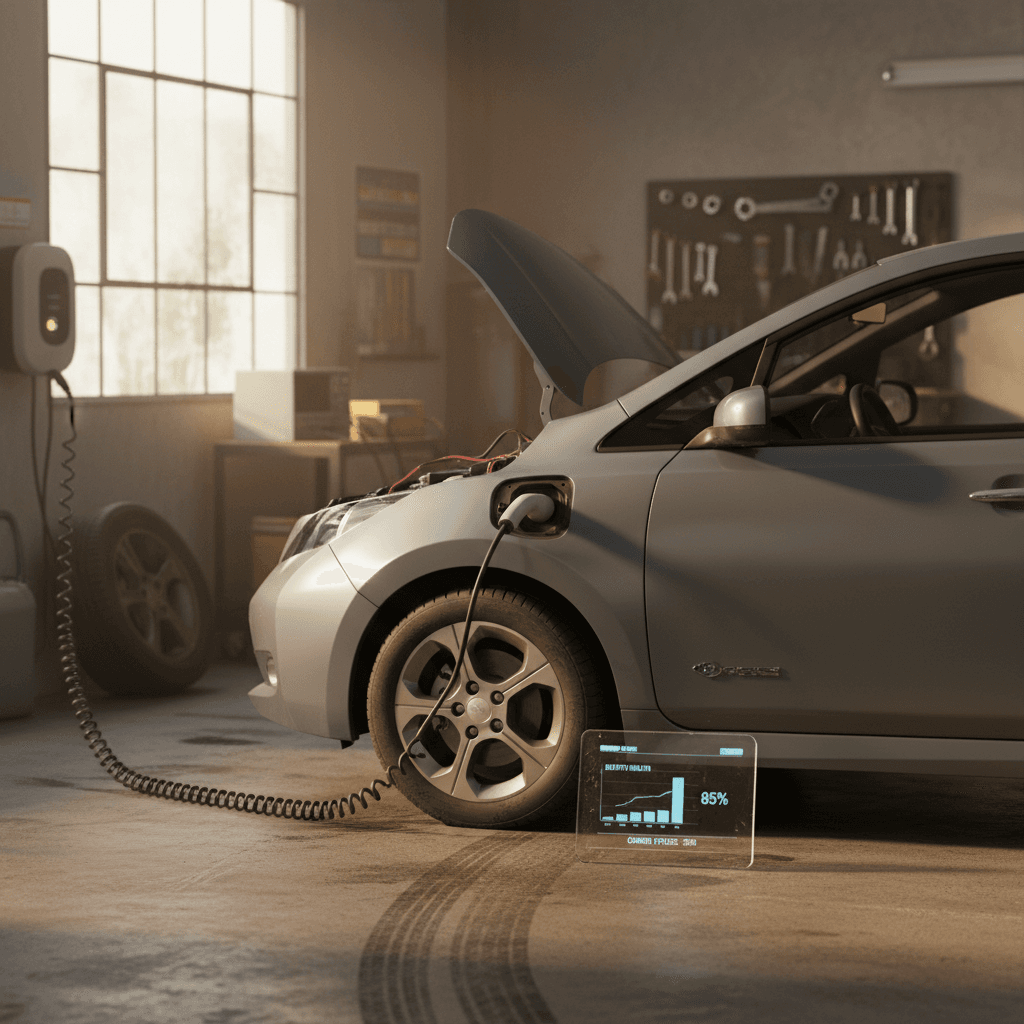
You’re not imagining it: finding the most reliable cheap electric car in 2026 is harder than it sounds. New EVs are getting cheaper, but the real bargains are in the used market, where battery health, recalls, and first‑generation tech can make or break a deal. This guide cuts through the noise so you know which models are safe bets, which to treat with caution, and how to avoid a money‑pit EV.
Quick takeaway
Why “cheap” and “reliable” is a tricky combo for EVs
In reliability surveys, fully electric vehicles still have more problems per vehicle than traditional gas cars and hybrids, mostly tied to batteries, charging hardware, and in‑car electronics. At the same time, the lowest‑priced EVs are often first‑generation efforts or aggressively cost‑cut designs. That combination, new tech plus cost cutting, is exactly what you don’t want if you’re chasing long‑term reliability on a tight budget.
- Many early EVs used first‑generation battery packs and software that have since been improved.
- Some of the cheapest new EVs are built to a price, not to a durability standard you’d want for 10+ years of use.
- Repair networks and parts pipelines are still maturing, so one complex failure can erase years of fuel savings.
Don’t just sort by lowest price
What counts as a cheap electric car in 2026?
In early 2026, the floor on new EV pricing in the U.S. is drifting toward the high‑$20,000s as revamped models like the Chevrolet Bolt and Nissan Leaf re‑enter the market with more competitive MSRPs and range. But for most shoppers asking about the most reliable cheap electric car, the real opportunity is in used EVs priced under about $20,000.
Typical U.S. price bands for budget EV shoppers in 2026
Think total cost, not sticker alone
How we picked the most reliable cheap electric cars
Instead of parroting “top 10” lists, this ranking focuses on models with a track record of durability and realistic used‑market pricing in the U.S. We weighted four factors heavily:
Selection criteria for a reliable cheap EV
What actually matters if you’re planning to keep the car beyond the next payment cycle
Battery durability & thermal management
Look for EVs with liquid‑cooled or actively managed packs that have shown low annual degradation in real‑world use. Batteries are the single most expensive component in the car.
Known issue pattern
Some EVs are fundamentally sound but plagued by a specific software bug or charger fault; others have scattered, unpredictable issues. For a cheap daily driver, you want boringly consistent.
Warranty safety net
A remaining 8–10‑year battery warranty can turn a scary used EV purchase into a calculated risk. We favor models where you can realistically still be within that coverage at used‑car prices.
Real‑world range & efficiency
A “cheap” EV that forces you into constant fast‑charging is going to feel unreliable even if nothing ever breaks. We prioritize cars that still offer usable daily range after normal degradation.
Price assumptions
Top picks: most reliable cheap used electric cars
For most U.S. shoppers in 2026, the most reliable cheap electric car will be a used compact hatchback or small crossover with a history of solid battery performance and a simple, mature powertrain. Here are the standouts that consistently punch above their price.
Most reliable cheap used EVs for 2026
Representative models that often show up under $20,000 from mainstream sellers. Always confirm local pricing and individual vehicle condition.
| Model | Typical Used Price Range* | EPA Range When New | Battery Cooling | Why It’s a Strong Cheap Pick |
|---|---|---|---|---|
| Hyundai Ioniq Electric (2017–2019) | $12k–$17k | 124–170 mi | Active air cooling | Excellent efficiency, surprisingly robust battery performance, simple powertrain. |
| Chevrolet Bolt EV (2017–2019, post‑battery recall) | $13k–$18k | 238 mi | Liquid cooling | Strong range, improved packs after recall, lots of real‑world data and parts availability. |
| Hyundai Kona Electric (2019–2021) | $16k–$20k | 258 mi | Liquid cooling | Long range, long warranty, mature tech by late 2010s standards. |
| Second‑gen Nissan Leaf 40 kWh (2018–2020, cooler climates) | $10k–$15k | 151 mi | Passive air | Very affordable, simple hardware; safest in mild climates with documented battery history. |
| Kia Niro EV (2019–2021) | $17k–$22k | 239 mi | Liquid cooling | Crossover practicality, shared tech with Kona, decent reliability record. |
Battery warranties refer to original factory coverage; check build date and mileage to see what’s left.
Always verify recall and battery status
1. Hyundai Ioniq Electric (2017–2019): efficiency nerd’s bargain
If you mainly commute in and around a city and don’t need a crossover, the original Hyundai Ioniq Electric is one of the best answers to “What’s the most reliable cheap electric car I can buy?” Its pack is relatively small, but owners and fleet data show low battery degradation when the car is used normally, and Hyundai backs its batteries with long warranties.
- Extremely efficient: uses less energy per mile than many newer, bigger EVs.
- Simple front‑wheel‑drive layout with few moving parts and few high‑profile failures.
- Plenty of real‑world examples with six‑plus years of use and minimal reported degradation.
- Downside: lower range than newer EVs, plan on short‑to‑medium commutes, not multi‑state road trips.
2. Chevrolet Bolt EV (post‑recall): big range, small price
The Chevrolet Bolt EV is the classic example of a cheap EV that can also be a dependable daily driver, if you buy it right. Early battery‑fire recalls understandably scared some shoppers off, but cars that have had their packs replaced or fully remedied now effectively carry a newer battery in an older shell.
How to shop a Bolt EV safely
- 238 miles of original EPA range makes even a slightly degraded Bolt very usable.
- Liquid‑cooled battery tends to age more gracefully than older air‑cooled designs.
- Small footprint but roomy interior, ideal city car that can also handle highway duty.
3. Hyundai Kona Electric & Kia Niro EV: cheap small crossovers
If you want something taller and more versatile but still cheap to run, the Kona Electric and Kia Niro EV are compelling. They share much of their underlying tech, including battery and motor hardware, and both offer real‑world ranges that still feel generous in 2026.
Kona Electric vs. Kia Niro EV (early model years)
What you trade off when choosing between Hyundai and Kia twins
Hyundai Kona Electric
- Sportier, more compact feel.
- ~258 miles EPA range when new.
- 10‑year/100k‑mile powertrain and battery warranty from Hyundai.
Kia Niro EV
- More conventional crossover look.
- ~239 miles EPA range when new.
- Slightly more interior and cargo space.
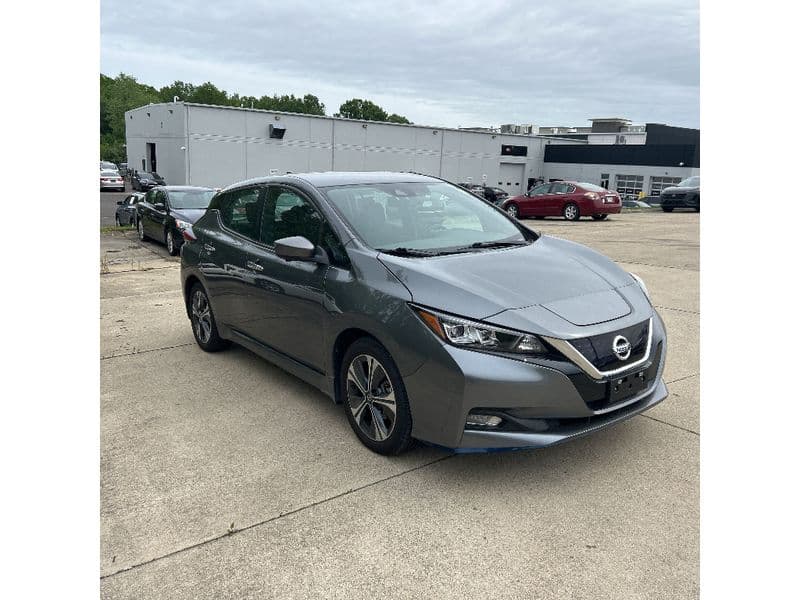
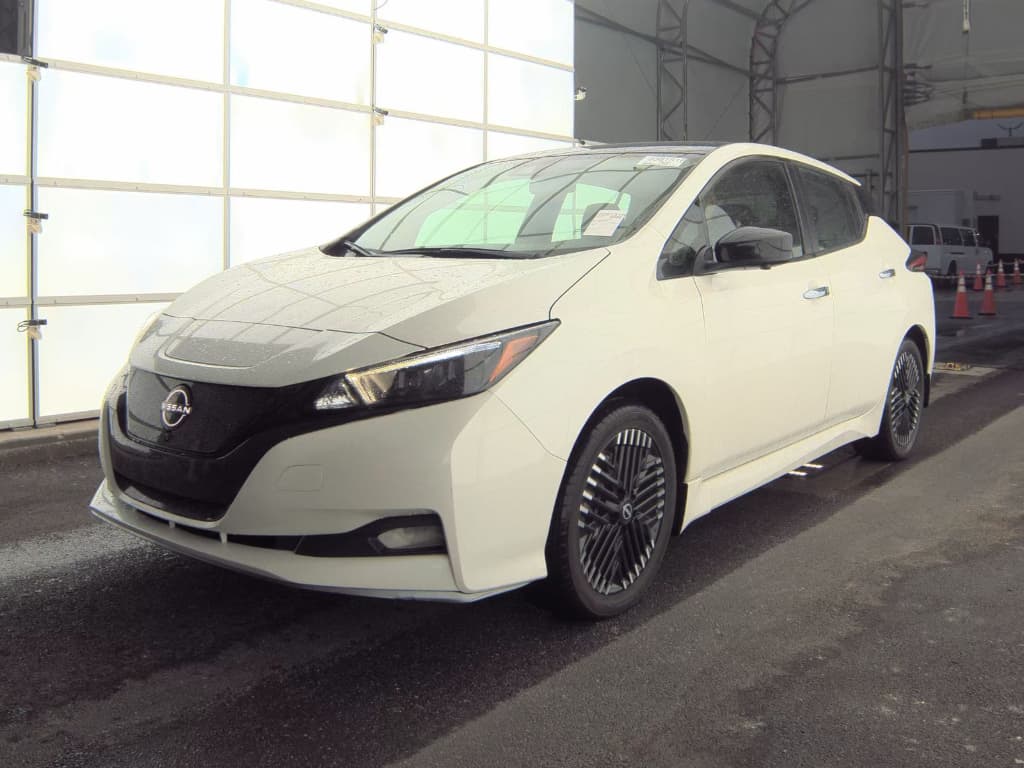
4. Second‑gen Nissan Leaf (40 kWh): the ultra‑budget play
The Nissan Leaf is the original mass‑market EV, and by 2018–2020 the second‑generation 40 kWh cars had ironed out many first‑gen quirks. They’re now some of the cheapest electric cars on the used market, but their air‑cooled batteries make climate and usage patterns crucial.
Leaf buyers: climate really matters
- Simple, proven drivetrain with few catastrophic failures.
- Often under $15,000 from mainstream sellers, even with decent equipment.
- Best suited to commuters who drive well under 100 miles per day and can charge at home.
Models to approach carefully (not automatically bad, but know the risks)
Not every cheap EV is a trap, but some require more homework than others. Here are common budget choices where reliability or long‑term support can be more of a coin flip.
Common budget EVs that demand extra due diligence
Early Nissan Leafs (24 kWh, 2011–2015)
These are often <strong>the cheapest EVs you’ll ever see</strong>, but early air‑cooled packs in hot climates have a long history of rapid degradation. Only consider with a recent, verified battery health report and realistic range expectations.
Compliance‑car one‑offs (Fiat 500e, Spark EV, etc.)
Fun, cheap, and often reliable as appliances, but parts and dealer knowledge can be thin outside EV‑heavy states. Fine for tinkerers; riskier as your only car if you live far from a dealer that understands them.
Obscure imports and ultra‑cheap city EVs
Some low‑cost imports skip modern safety tech or have limited crash data and support networks. If a used EV feels “too cheap for what it is,” ask hard questions about certification, service, and parts.
Avoid buying blind, even at a rock‑bottom price
Battery health matters more than the badge on the hood
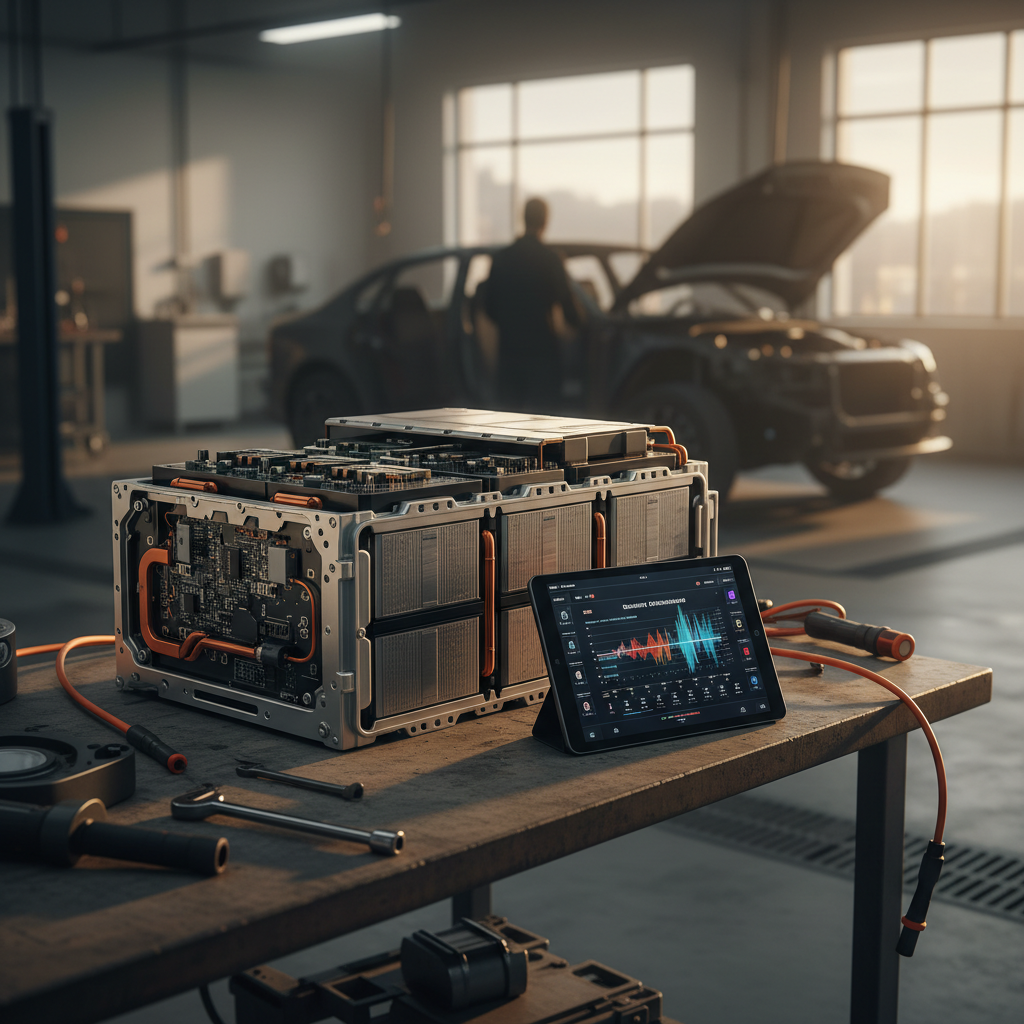
At this point in the EV transition, overall battery tech has matured enough that many mainstream models can easily outlast their 8‑ or 10‑year warranties, if they’ve been treated reasonably well. What separates a “cheap and reliable” EV from an expensive headache is less about brand and more about the specific pack in the specific car you’re looking at.
Signs of a healthy pack
- Capacity loss of roughly 5–15% after 6–8 years is common, not alarming.
- Charging curve still looks normal: no sudden slowdowns at moderate states of charge.
- No history of rapid DC fast‑charging multiple times per day.
- Battery temp and cooling system behave normally in scan data.
Red flags on a cheap EV
- Range that’s 30%+ below original EPA estimate under mild conditions.
- Warning lights or reduced‑power modes tied to the high‑voltage system.
- Evidence of chronic fast‑charging from day‑one (e.g., ride‑share duty cycles).
- Seller can’t or won’t provide any battery or charging history.
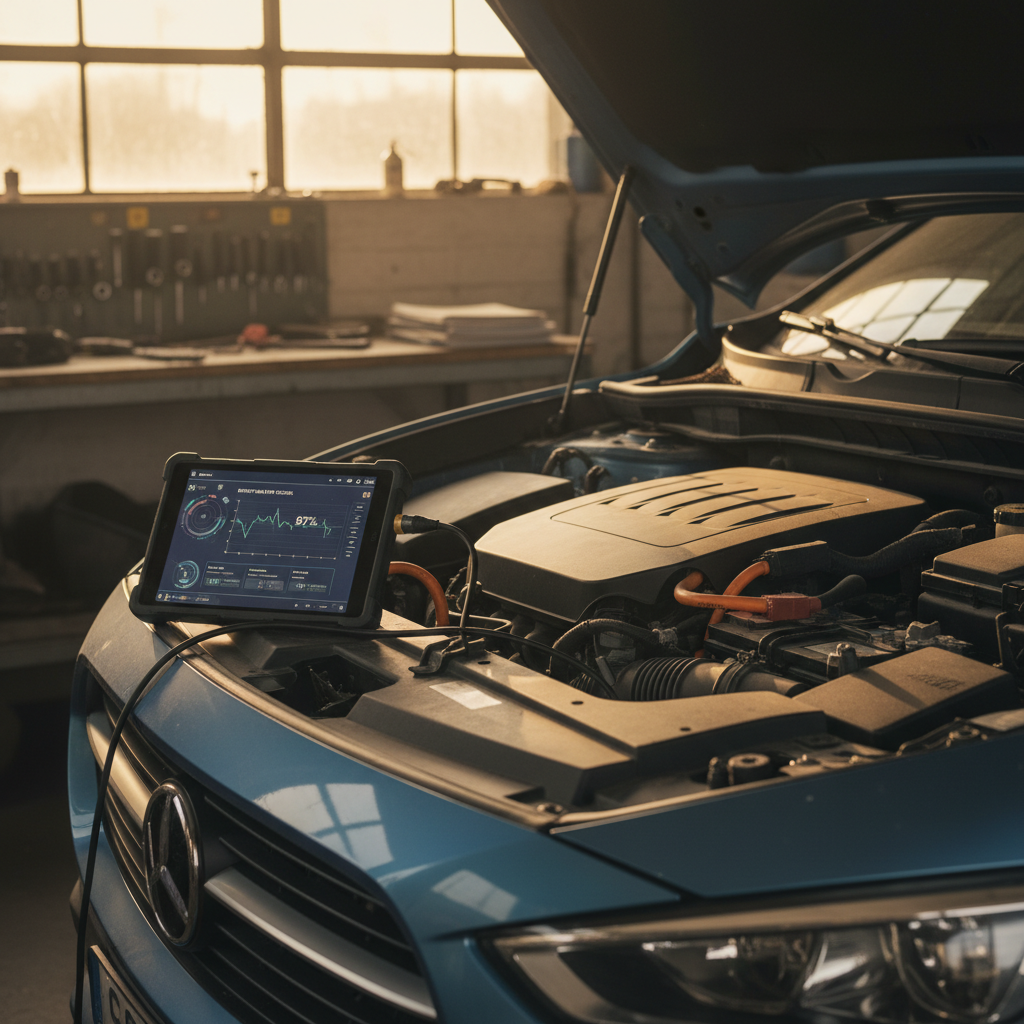
What Recharged’s battery diagnostics add
How to shop smart for a cheap, reliable electric car
If you’re used to shopping gas cars, the EV process adds a few new steps, mostly around range and charging. The checklist below keeps you focused on the reliability levers that matter most when money is tight.
Step‑by‑step: finding a cheap EV that will actually last
1. Define your real‑world range need
Log your driving for a week. If you rarely exceed 60–80 miles per day and can charge at home or work, an older but healthy compact EV may be all you need.
2. Filter by climate and use history
Prioritize cars from <strong>mild climates</strong> and with service records that show mostly Level 2 charging. Avoid ex‑fleet cars that fast‑charged heavily in high heat unless the price truly reflects the risk.
3. Demand a proper battery health report
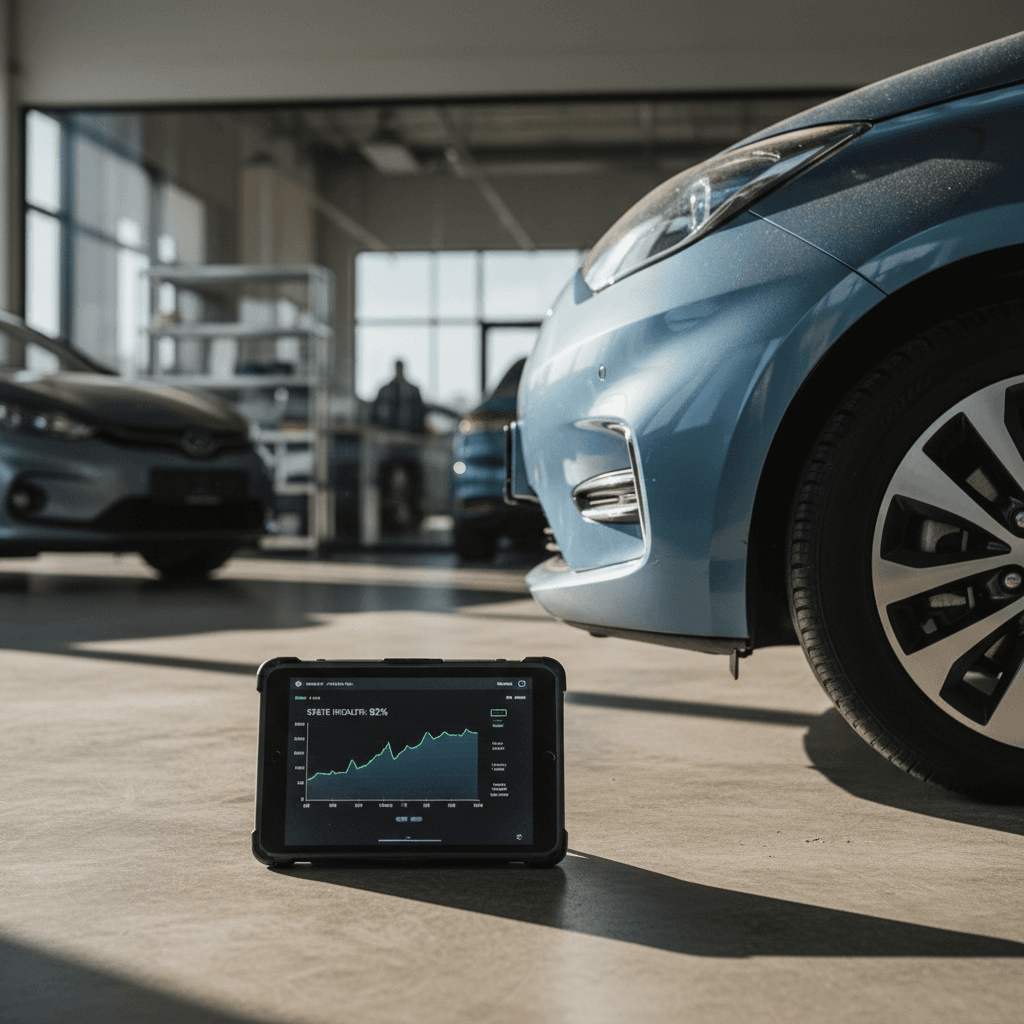
A dealer screenshot of a guessy “battery bar” isn’t enough. Look for tools like <strong>Recharged Score</strong> that quantify remaining capacity and flag abnormal degradation or faults.
4. Verify open recalls and software updates
EVs are software on wheels. Battery recalls and power‑management updates can radically change reliability. Run the VIN through OEM tools and ask the seller to show proof of completed campaigns.
5. Test fast‑charging (if possible)
A 15–30‑minute DC fast‑charge stop on the test drive can reveal cooling problems or charge‑rate throttling you won’t see on a short Level 2 session.
6. Price in future range needs
If you’re pushing the edge of an EV’s range today, a decade of normal degradation will be painful. Spend a bit more upfront for a car whose <strong>current</strong> range gives you headroom.
Don’t forget total cost: warranty, charging and depreciation
Reliability isn’t just about whether the car starts every morning, it’s about how predictable your cost of ownership is over time. The right cheap EV can be boringly affordable; the wrong one can ambush you with a four‑figure repair that kills the value proposition.
Key total‑cost questions for any cheap EV
Ask these before you fall in love with a low monthly payment
Battery & powertrain warranty
Is there still factory coverage on the pack and drive motor? Many mainstream EVs carried 8‑ to 10‑year warranties. Remaining warranty years can be worth real money to you.
Home & public charging costs
Do you have access to affordable home charging, or will you rely on more expensive public networks? A cheap EV that lives at DC fast‑chargers will age faster and cost more to run.
Future resale value
As more affordable new EVs arrive, the floor for used prices will keep evolving. Well‑documented battery health and clean histories will hold value better than mystery cars at fire‑sale prices.
Good news: EV maintenance is still low
Where Recharged fits in if you’re shopping used
Used EVs reward informed shoppers and punish guesswork. That’s why Recharged is built specifically around making used EV ownership simple and transparent, especially for people chasing maximum value.
- Every car includes a Recharged Score report with verified battery health, charging behavior, and fair‑market pricing insights.
- You can finance, get a trade‑in offer, or consign your current vehicle completely online, with EV‑specialist support if you want to talk through options.
- Nationwide delivery and an Experience Center in Richmond, VA make it easy to shop digitally but still get hands‑on help if you’re local.
- Because Recharged only sells EVs, our inspection and pricing processes are tuned to the things that actually matter for electric cars, not just generic used‑car checklists.
If you’re hunting for the most reliable cheap electric car, don’t fixate on a single magic model. Instead, combine a shortlist of proven EVs, the Ioniq Electric, post‑recall Bolt EV, Kona and Niro EV, and well‑cared‑for second‑gen Leafs, with hard data on that specific car’s battery and history. Do that, and an affordable EV can be one of the lowest‑stress, lowest‑cost vehicles you’ll ever own.