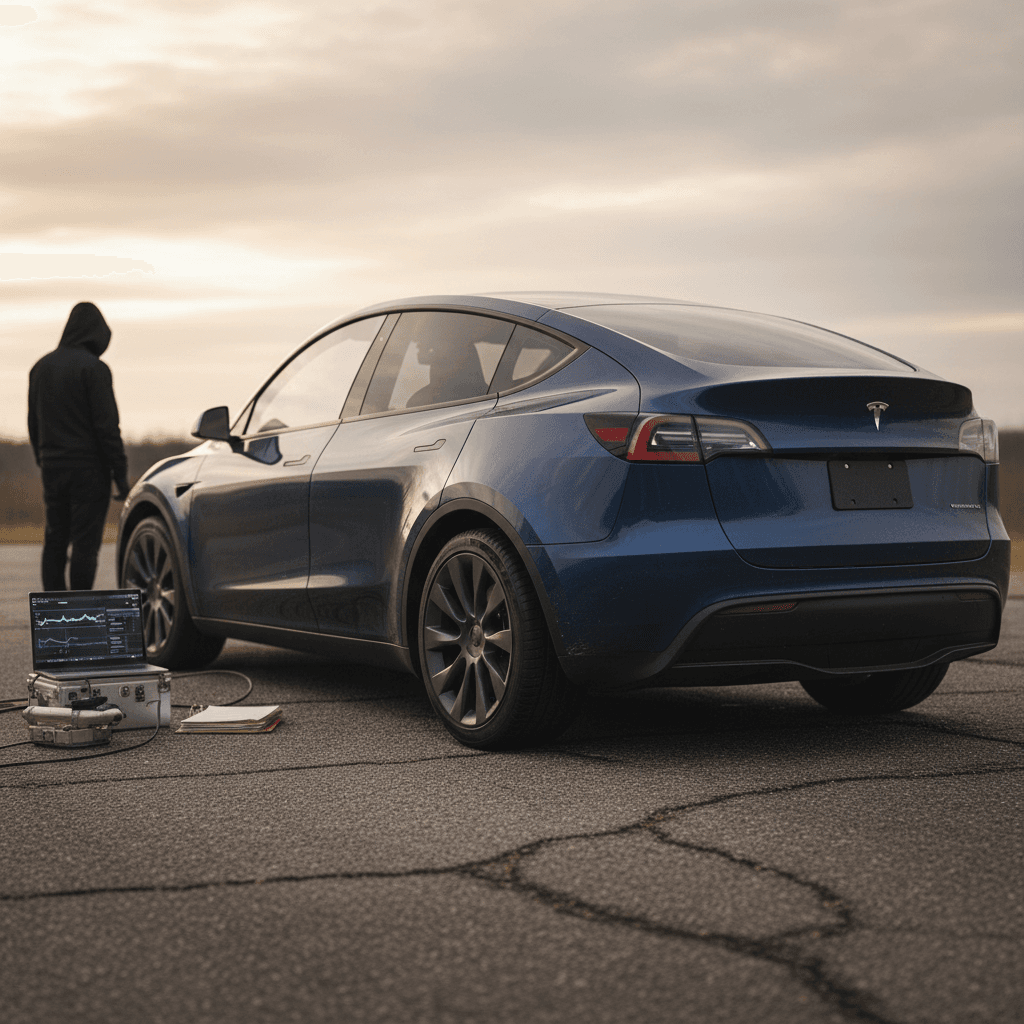
If you’re cross‑shopping EVs right now, the question of Model Y reliability is probably high on your list. The Model Y is one of the best‑selling EVs in the U.S., but it also sits at the center of Tesla’s recall headlines, quality complaints, and intense online fan debates. This guide cuts through the noise with a data‑driven look at how reliable the Model Y really is from 2020–2025, and what that means if you’re thinking about buying one, especially used.
Quick take
Is the Tesla Model Y reliable overall?
The honest answer: overall reliability is about average for a modern EV, but how that plays out depends heavily on what you care about.
Where the Model Y does well
- Powertrain durability: Few reports of motor or inverter failures compared with early Tesla models.
- Battery longevity: Recent data suggests only ~7% capacity loss after 100,000 miles for Model Y packs, which is strong for the segment.
- Simplified hardware: No engine, transmission, or exhaust system to fail; regenerative braking reduces brake wear.
- Over‑the‑air fixes: Many software and some safety issues are resolved without a service visit.
Where owners see problems
- Build quality: Paint, trim alignment, and interior squeaks remain recurring complaints, especially on early years.
- Software and electronics: Glitches with cameras, sensors, and the central screen can be annoying and sometimes safety‑relevant.
- Frequent recalls: The Model Y has been swept up in multiple wide Tesla recalls since launch.
- Service experience: Excellent for some owners, frustrating delays for others, highly region‑dependent.
Reliability vs. recall count
Owner data: what real Model Y drivers report
Owner sentiment on Model Y reliability
Viewed through owner surveys, the Model Y has moved from "early‑production teething issues" toward respectable, middle‑of‑the‑pack reliability. Many owners report trouble‑free operation for years, especially on 2022+ builds, but there is still a meaningful minority who experience multiple service visits for trim, sensors, or rattles.
“Tesla has largely sorted out the big mechanical problems with Model Y. Most of what we see now are classic mass‑production quality nits, panels, seals, software hiccups, rather than fundamental engineering flaws.”
Recalls and safety issues you should know about
If you search for Model Y reliability, you can’t avoid the recall headlines. It’s important to separate the signal from the noise and understand what’s actually being fixed.
Recent Tesla Model Y recalls affecting reliability and safety
This is not a complete list, but covers several widely reported recalls that touch 2020–2025 Model Ys in the U.S.
| Issue | Model years impacted | Risk if unfixed | Typical remedy |
|---|---|---|---|
| Tire pressure monitoring (TPMS) warning may not stay on | 2017–2025 Model 3, 2020–2025 Model Y | Driver might not be warned about low tire pressure, increasing crash risk | Over‑the‑air software update to correct warning behavior |
| Warning light font size too small | 2012–2023 S, 2016–2024 X, 2017–2023 3, 2019–2024 Y | Critical brake warnings harder to read, potential safety non‑compliance | Over‑the‑air software update for larger fonts |
| Rearview camera image loss | 2024–2025 Model Y (and other Teslas) | Reduced rear visibility when reversing | Software update plus hardware replacement in vehicles with stressed circuit boards |
| Seat back weld concerns (front seats) | 2024 Model Y | Seat may not restrain occupant properly in a crash | Seat assembly inspection and replacement where needed |
| Power steering assist loss on some builds | Primarily 2023 Model Y | Higher steering effort at low speeds, especially during parking | Software update and, in some cases, hardware inspection/repair |
Always run the VIN on NHTSA’s recall lookup before you buy a used Model Y.
Non‑negotiable step for used shoppers
From a reliability perspective, the key takeaway is that most of these recalls are software‑centric. They matter for safety and peace of mind, but they don’t necessarily mean the car is prone to mechanical failures the way an oil‑burning engine or weak transmission would be in a legacy car.
Common Model Y problems by model year
Patterns are starting to emerge now that we have five model years of Model Y in the fleet. Here’s a high‑level view of common issues owners report, especially in forums, complaint databases, and survey comments.
Typical Model Y trouble spots by generation
Individual cars vary, inspection matters more than the calendar year.
2020–2021 (early build)
- Build quality nits: Panel gaps, misaligned liftgates, and paint defects more common.
- Wind noise & rattles: Door seals and interior squeaks show up in owner reports.
- Early hardware revisions: More running changes mean some parts are one‑off to those years.
2022–2023
- Improved fit & finish: Fewer alignment complaints, though not gone.
- Electronics & cameras: Occasional backup camera outages and sensor glitches.
- Mirror vibration reports: Some owners note driver‑side mirror shake at highway speeds, affecting rear‑ward visibility.
2024–2025
- Average predicted reliability: Mainline testers now expect about average reliability versus the new‑car market.
- Seat & camera recalls: Some 2024–2025 cars swept into structural seat weld and rear camera recalls.
- Polished experience overall: Many owners report zero defects, but it’s not yet Toyota‑Camry boring.
Don’t over‑generalize by year

Battery degradation: how well does the pack hold up?
EV shoppers often equate reliability with battery life, and for good reason. The good news is that, so far, the Model Y’s high‑voltage battery is one of its strongest reliability assets.
Real‑world Model Y battery degradation
- Most owners see a quick 2–5% drop in the first year, then a much slower decline over time.
- Thermal management in the Model Y’s pack is robust, which helps in both very hot and very cold climates.
- There are relatively few verified cases of outright pack failure compared with early Model S/X history.
- Tesla’s battery warranty (8 years / 120k–160k miles depending on variant) adds a safety net for major failures.
Simple habits that protect your pack
Maintenance, repairs, and downtime
One of the Model Y’s quiet advantages is how little routine maintenance it needs. There’s no oil to change, timing belt to replace, or transmission fluid schedule to track.
Typical Model Y ownership tasks
What “maintenance” really looks like in daily life.
Regular maintenance
- Tires: Rotations every 6,000–7,500 miles; replacements more often if you drive aggressively, instant torque wears tires.
- Cabin air filter: Replacement every ~2 years.
- Brake fluid & coolant checks: Periodic inspections, but changes are infrequent thanks to regenerative braking and durable coolant.
- Software updates: Frequent over‑the‑air updates, which can fix bugs or add features.
Where costs can appear
- Glass & trim: Windshields, rear glass, and liftgate struts are common out‑of‑warranty items when damaged.
- Suspension components: Bushings and links can wear, especially on rough roads or with heavier wheels.
- Out‑of‑warranty electronics: Screen or camera hardware failures are rare but not cheap.
- Service capacity: In busy markets, lead times at Tesla Service can stretch, increasing downtime.
How it compares to gas crossovers
Used Model Y reliability checklist
If you’re evaluating a used Model Y, you’re not just buying its spec sheet, you’re buying its history. Here’s how to stack the odds in your favor on reliability.
Pre‑purchase Model Y reliability checklist
1. Run the VIN for recalls and warranty
Check the car on NHTSA’s recall lookup and confirm all <strong>open recalls are completed</strong>. Ask the seller for Tesla service records and confirm whether the basic and battery warranties are still active.
2. Inspect build quality and water ingress
Look closely at panel alignment, liftgate seals, door seals, and under‑floor storage for signs of water leaks. Water intrusion can lead to long‑term electrical and corrosion issues that hurt reliability.
3. Check battery health and charging history
Use the in‑car display to compare current rated range at 100% charge with the original EPA range. A modest drop is normal; big gaps might indicate harsh use. Ask how often the car was fast‑charged and whether it lived in very hot or very cold climates.
4. Drive it on mixed roads
On a test drive, listen for <strong>rattles, suspension clunks, and excessive wind noise</strong>. Check if Autopilot/driver‑assist works as expected and that the backup camera and parking sensors come on reliably every time.
5. Exercise every electronic feature
Test seat adjustments, windows, locks, climate, Bluetooth, navigation, and all cameras. Because the touchscreen runs nearly everything, any glitch here can feel like a much bigger failure than in a traditional car.
6. Get an independent EV‑savvy inspection
Whenever possible, have a third‑party EV specialist evaluate the car, ideally with access to scan tools and battery diagnostics. They can spot suspension wear, hidden body repair, and early signs of costly issues.
How Recharged can simplify this
How Recharged evaluates Model Y reliability
Because the Model Y is such a high‑volume EV, it’s especially important to distinguish great examples from merely average ones. At Recharged, reliability isn’t a guess, it’s baked into how we source, score, and price every used EV, including Teslas.
What goes into a Model Y Recharged Score
Reliability and transparency, quantified.
Battery & charging diagnostics
Mechanical & structural inspection
History, software & pricing
Ready to find your next EV?
Browse VehiclesThe goal is simple: if a Model Y has reliability red flags, unusual battery loss, repeated electronic failures, unresolved structural recalls, it either doesn’t make our marketplace or it’s priced and disclosed accordingly. That’s the kind of context that’s hard to get from a generic car listing.
Tesla Model Y reliability FAQ
Frequently asked questions about Model Y reliability
Bottom line: who the Model Y is (and isn’t) right for
The Tesla Model Y isn’t a Lexus‑quiet appliance, and the recall count can be unsettling if you only look at headlines. But underneath the noise, the core engineering, battery, motor, and basic EV hardware, has matured into a solid, efficient, and relatively low‑maintenance platform. If you’re willing to live with the occasional software quirk or service visit, it can be a very reliable daily driver, especially on 2022+ builds.
If you want a crossover that will never ask you to think about software updates or over‑the‑air recalls, a more traditional hybrid might fit you better. If you value strong charging infrastructure, quick performance, and the simplicity of an EV, and you’re prepared to be a bit more engaged owner, the Model Y remains one of the most compelling options on the road.
And if you’re leaning toward a used Model Y, consider starting your search on Recharged. Every vehicle comes with a Recharged Score Report, battery‑health diagnostics, fair‑market pricing, and EV‑specialist support from first click to delivery, so you can focus on whether the Model Y fits your life, not whether the particular one you’re seeing is a gamble.