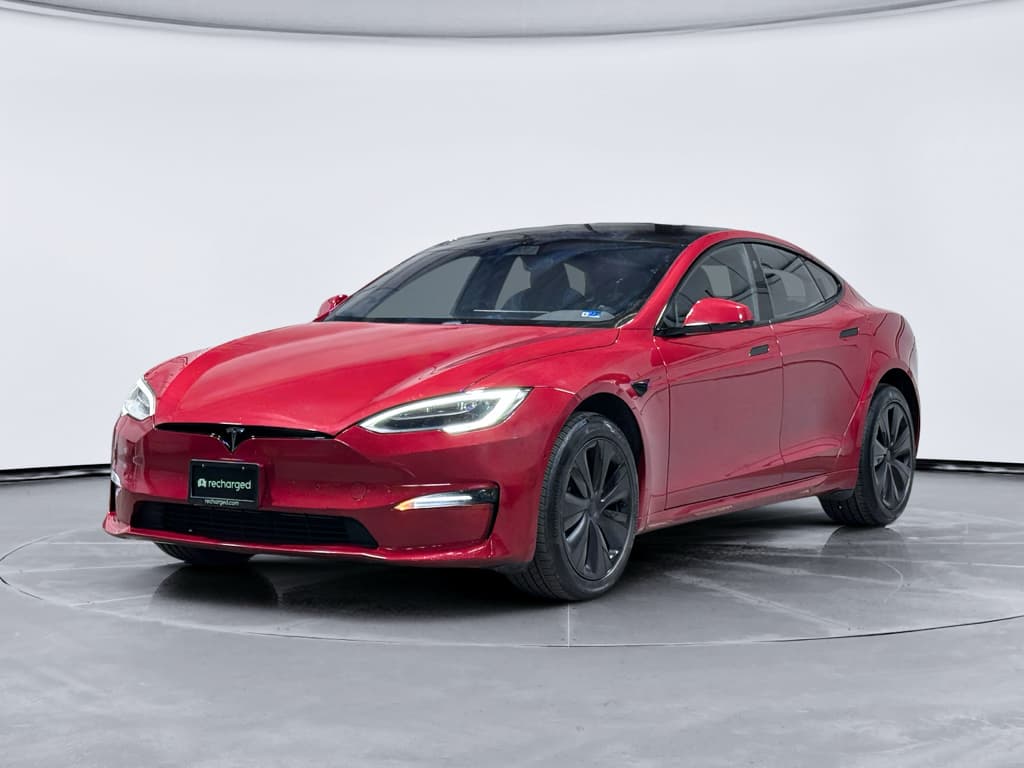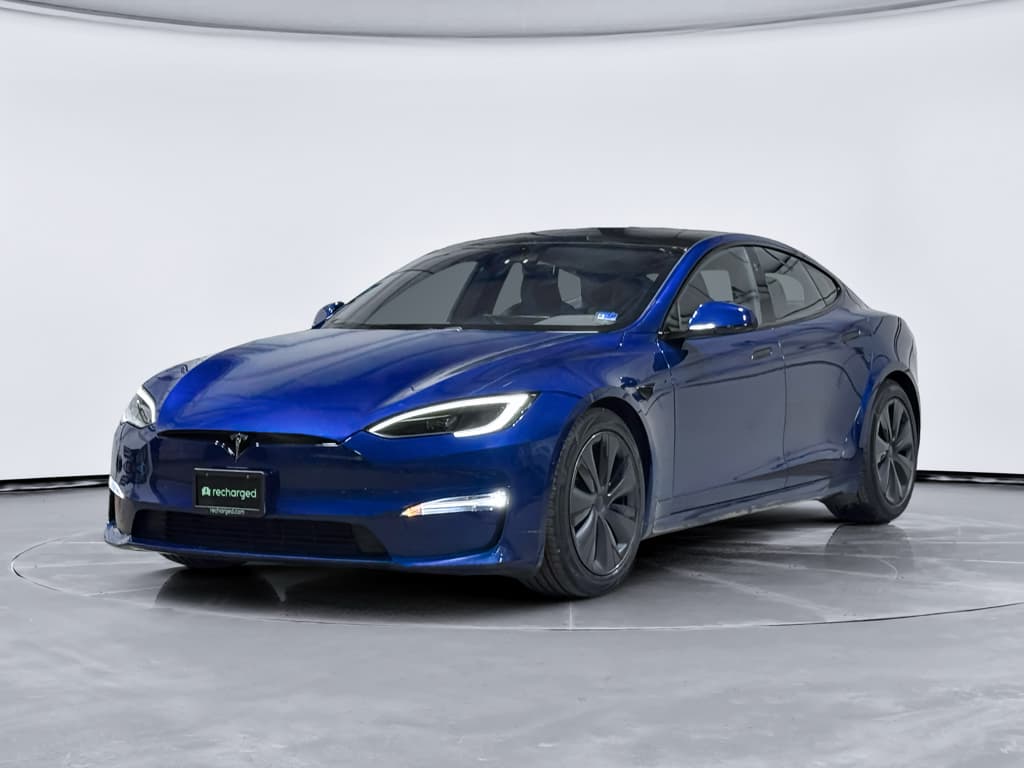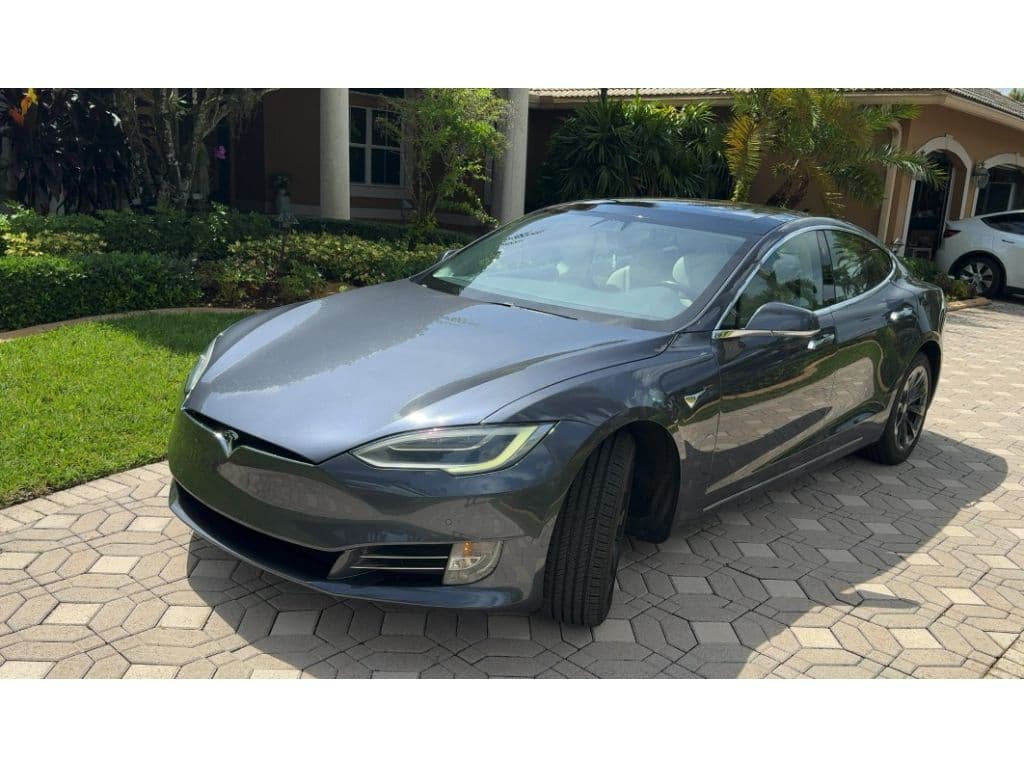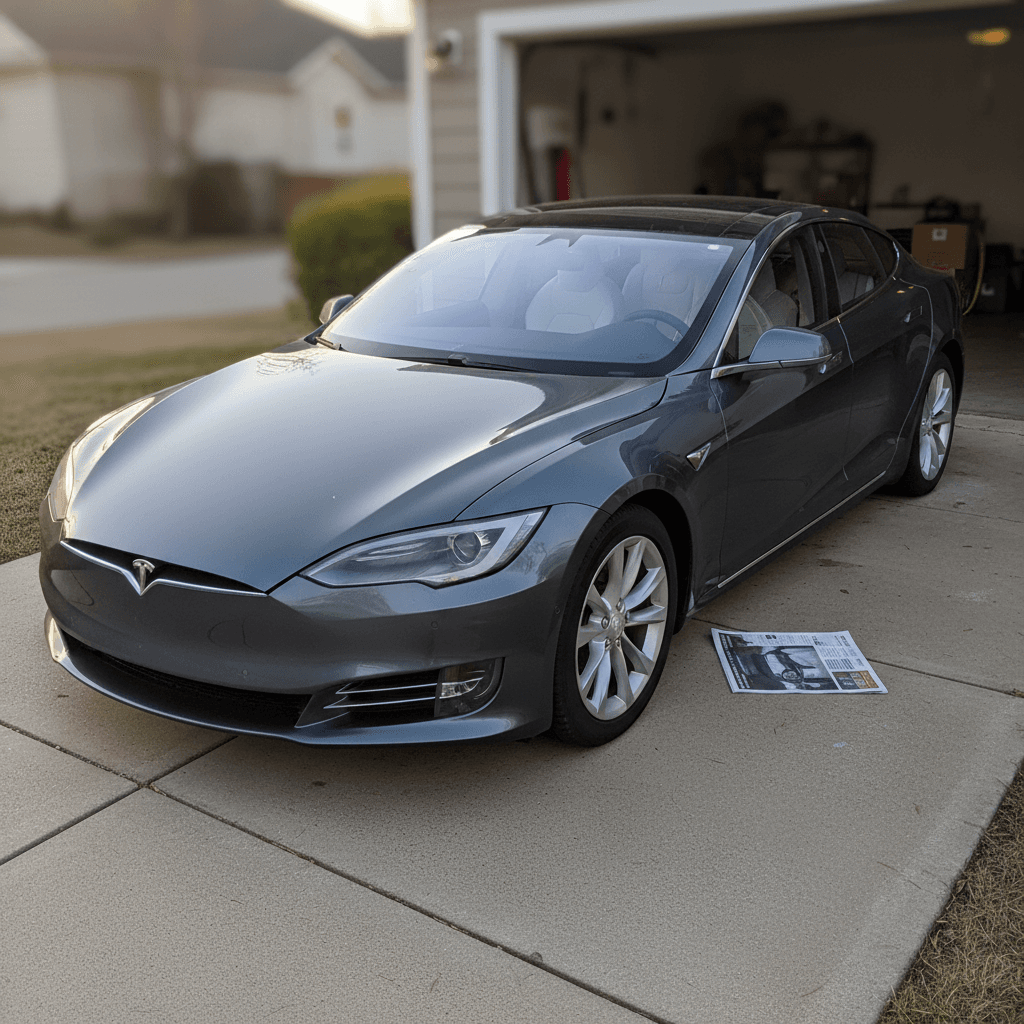
You type “Model S FSD for sale” into a search bar because you want the whole Tesla experience: the big screen, the brutal acceleration, and that eerie feeling when the car seems to drive itself. In 2025, though, Full Self‑Driving, now branded FSD (Supervised), is powerful, controversial, and badly misunderstood. Before you pay a premium for a used Model S that “includes FSD,” it’s worth understanding what you’re actually buying.
Quick context
Why hunt for a Model S FSD for sale?
The Model S is still Tesla’s flagship sedan: long‑legged range, super‑quick even in base dual‑motor form, and a minimalist cockpit that looks like it was shipped from the near future. Add FSD (Supervised) and you get Tesla’s most advanced driver‑assist software baked into that package. For many buyers, a used Model S with FSD feels like a way to buy tomorrow’s tech at yesterday’s price.
What shoppers want from a Model S with FSD
Three common reasons buyers specifically search for FSD‑equipped cars
Less driving fatigue
You’re hoping FSD (Supervised) will handle the grind, long commutes, traffic slog, late‑night highway stints, while you supervise.
Cutting‑edge tech
You want the most advanced version of Tesla’s software, with frequent over‑the‑air updates and new tricks unlocked over time.
Resale appeal
You’re betting that a Model S with FSD attached will be easier to resell, especially as more drivers get used to semi‑automated driving.
A smarter search term
What FSD (Supervised) actually does on a Model S
Tesla’s current package is officially called Full Self‑Driving (Supervised). That last word is doing a lot of work. The car can initiate lane changes, navigate complex city streets, take turns, handle roundabouts, and respond to lights and signs, but you must stay alert, hands ready, eyes on the road. Think of it as a brilliant but impulsive teenage driver that never gets tired, and never gets the final say.
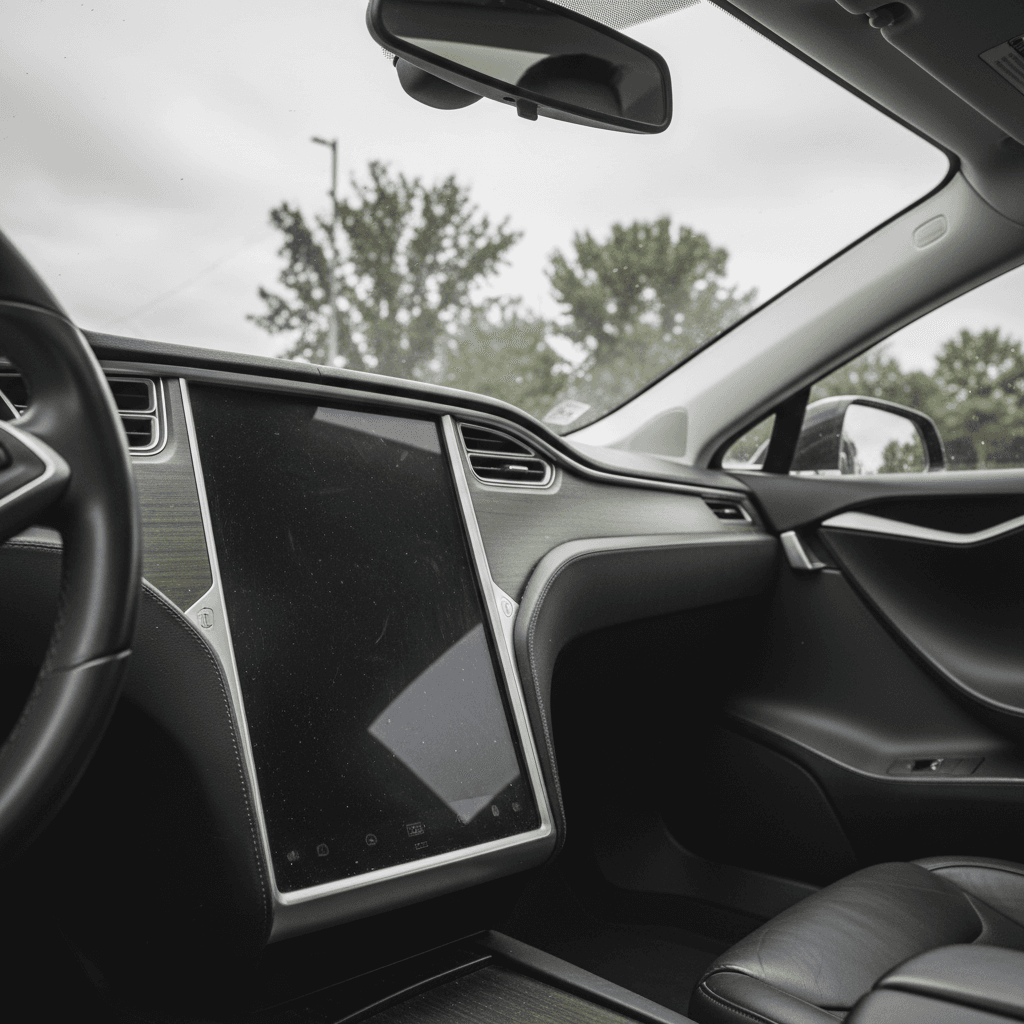
- Drives for you (sort of): FSD (Supervised) will follow your navigation route, make lane changes, take exits, and negotiate intersections, under your supervision.
- Sees 360 degrees: The camera suite watches for cars, cyclists, pedestrians, and lane lines, rendering them as a live 3D model on the screen.
- Parks itself: Autopark can handle parallel and perpendicular spaces when conditions are right.
- Summon features: On supported cars, Summon can move the car in and out of tight spots or come find you in a lot, again, with you watching closely.
Don’t confuse FSD with Autopilot
FSD pricing in 2025 – and what it’s worth on a used Model S
Tesla has treated FSD pricing like a yo‑yo over the years. In North America it’s bounced from $10,000 to $15,000, then down to around $8,000 as a purchase option, with a $99/month subscription widely available. That volatility makes used pricing tricky: the original owner may have paid one number, Tesla is currently charging another, and your use case might justify something else entirely.
FSD by the numbers in 2025
What this means used
Does FSD transfer to the next owner? The fine print
Here’s the critical bit: FSD is software tied to the car’s VIN and Tesla account, and Tesla’s policies on transferability have changed more than once. Historically, if FSD was purchased with the car and remained active on the account, it stayed with that car when sold. More recently, Tesla has run limited promotions allowing owners to transfer FSD to a new Tesla and, in some cases, has removed previously active FSD during trade‑ins or configuration changes.
How to confirm FSD really comes with the used Model S
1. Ask for a software screen photo
Request a clear photo of the car’s ‘Software’ screen showing “Full Self‑Driving (Supervised)” as an active package. “Autopilot” or “Enhanced Autopilot” alone is not enough.
2. Match VIN and screenshot
Make sure the VIN in the photo matches the VIN on the listing, the title, and the physical car. It sounds basic; it isn’t always done.
3. Check status in the Tesla app at delivery
If you’re buying from a dealer or marketplace, log into the Tesla app with the car assigned to you and confirm FSD is present after Tesla completes the ownership transfer.
4. Watch for language hedging
Phrases like “FSD capable” or “hardware ready for FSD” usually mean the car does not currently have FSD activated. Those cars can subscribe, but you aren’t getting the full package included.
5. Be cautious with “free FSD” claims
Some early cars received complimentary trials or owner‑specific perks that don’t survive an account change. Always assume nothing is free unless you can see it active under your own Tesla account.
One more harsh reality
How much extra should you pay for a Model S with FSD?
Used pricing is a street fight between what the seller wants to recoup and what FSD is worth to you today, in your life. As a rule of thumb, you rarely see a used Model S command the full original FSD price as a premium. The market has already discounted yesterday’s software prices, and it knows that a buyer can always subscribe instead of buying FSD outright.
Putting a value on FSD in a used Model S
Approximate premiums you might reasonably pay versus an otherwise similar Model S without FSD.
| Your driving profile | How often you’ll use FSD | Rough FSD premium that can make sense |
|---|---|---|
| Daily commuter, lots of highway | Very often | $4,000–$6,000 if you’ll keep the car 5+ years |
| Weekend / second car | Sometimes | $2,000–$3,000, or just rely on subscription when needed |
| Short‑term keeper (2–3 yrs) | Occasionally | Focus on a good deal; consider $99/month instead of a big FSD premium |
| Tech‑curious, light mileage | Infrequently | Low premium or none at all; spend savings on a newer battery and better tires |
| Road‑trip family car | Heavy seasonal use | Moderate premium plus a plan to subscribe during road‑trip months only |
These ranges assume similar year, mileage, condition, and battery health. Local market conditions will move the numbers up or down.
Why battery health often matters more than FSD
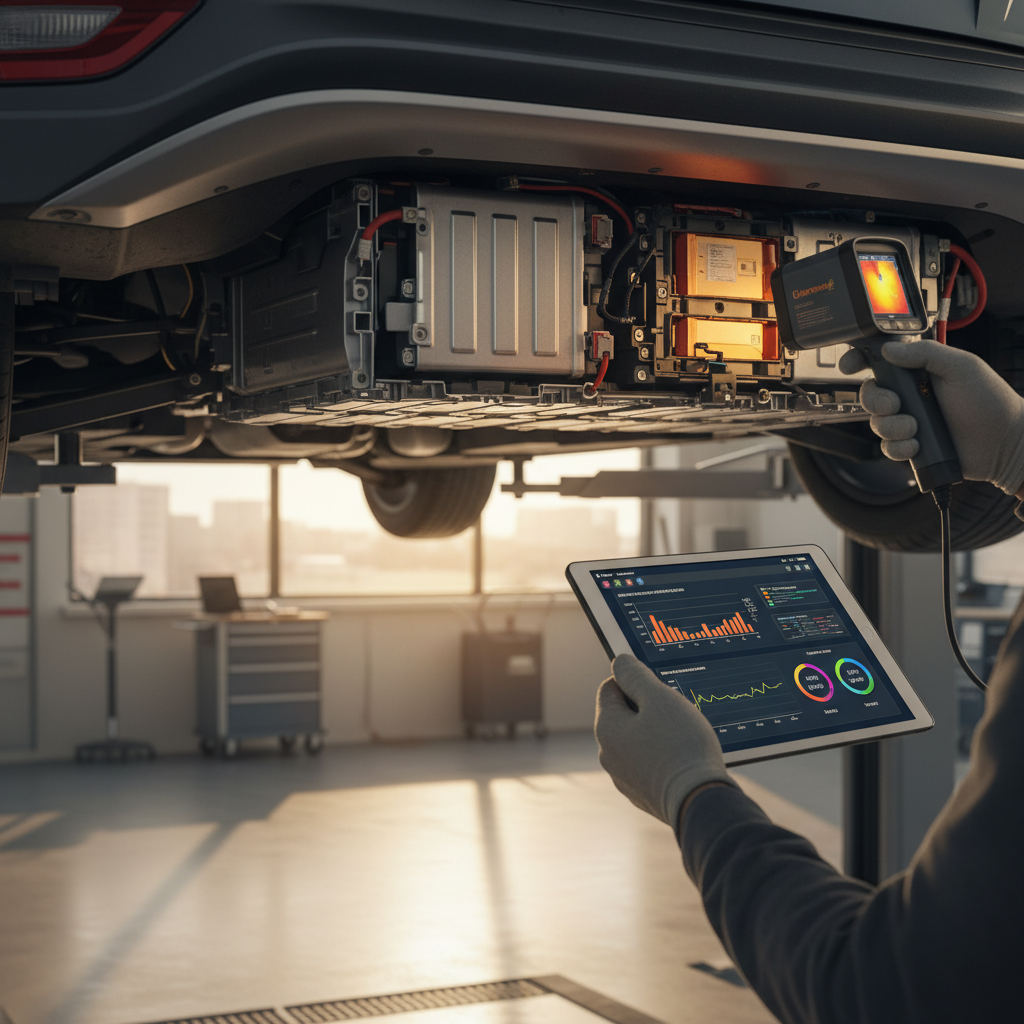
The most expensive “option” on any used Model S isn’t FSD, it’s the high‑voltage battery pack. Range loss and DC fast‑charging abuse will shape your day‑to‑day life far more than whether the car can self‑navigate an off‑ramp. A brilliant FSD sedan with a tired pack is like a smartphone with genius apps and a dying battery.
How Recharged helps here
Ready to find your next EV?
Browse VehiclesWhen battery matters more than FSD
Two Model S scenarios you might face
Car A: Great pack, no FSD
Newer build, healthier battery, strong DC‑fast‑charging performance, no FSD. You can add FSD (Supervised) later via subscription if you love it.
Car B: FSD, weaker pack
Older build, higher degradation, full FSD included. Cheaper today – but you’ll live with shorter range and slower road trips for as long as you own it.
Rule of thumb
How to shop smart for a used Model S with FSD
Shopping for a Model S FSD for sale is part tech hunt, part detective work. The good news: a little structure goes a long way. Whether you’re browsing Recharged, a local dealer, or private classifieds, the same principles apply.
Used Model S FSD shopping checklist
Confirm hardware and software
Check for FSD (Supervised) on the Software screen and make sure the car has the right hardware generation (cameras, computer) listed. Avoid cars where the seller is vague about hardware upgrades.
Pull a battery‑health report
On Recharged, the Recharged Score gives you objective battery data. Elsewhere, ask for third‑party diagnostics or at least detailed range figures at 100% charge compared to original spec.
Audit charging history
Ask how often the car was Supercharged vs. home‑charged, and look for signs of heavy DC fast‑charging, which can accelerate degradation over time.
Inspect for suspension and tire wear
Model S is heavy and quick; it can be hard on tires and suspension. Uneven wear or clunks over bumps are red flags, especially on higher‑mileage FSD cars that have seen lots of highway miles.
Test‑drive FSD (Supervised) yourself
Insist on engaging FSD where legal and safe. Get a feel for how it behaves in your kind of traffic. If the seller refuses, treat that as data.
Check warranty and service history
Verify remaining battery and drive‑unit coverage and review records for past repairs, especially for MCU replacements, door handles on older cars, and any FSD‑related service notes.
Digital buying doesn’t have to be blind
Ownership costs: subscriptions, updates, and future value
When you buy a Model S with FSD included, you’re not just buying today’s feature set; you’re buying into Tesla’s ongoing software drama. There will be updates that wow you, updates that annoy you, and the occasional regulatory over‑the‑air tweak that reins the system in.
- Subscription flexibility: Even if your car didn’t come with FSD, you can often turn it on for about $99/month, then cancel when you’re not road‑tripping or commuting heavily.
- Insurance impact: Some insurers now ask whether driver‑assist systems are active. Rates vary by state and carrier; assume nothing and get quotes with and without FSD usage noted.
- Regulatory risk: Ongoing safety investigations can lead to mandatory software changes. That’s not a reason to avoid FSD, but it is a reason not to overpay for speculative robotaxi dreams.
- Resale story: A clean, well‑documented Model S with intact battery health and FSD active will likely be more attractive on the used market than a base car, but only if everything is clearly documented for the next buyer.
Long‑term keeper
If you plan to keep the car 6–10 years, paying a fair premium for FSD can make sense, especially if you use it daily. You’ll amortize the cost over a lot of miles and enjoy the feature’s evolution.
Serial upgrader
If you swap cars every 2–3 years, tying thousands of dollars of value to one car is risky. In that case, a lower‑mileage Model S without FSD plus a subscription when needed can be the more rational play.
Common pitfalls when buying a Model S FSD
Any hot technology attracts bad assumptions and sloppy listings. Model S with FSD is no exception. The same myths keep showing up, and they keep costing buyers money.
Five mistakes to avoid with used Model S FSD
These trip up buyers again and again
Confusing “capable” with “included”
“FSD capable” means the hardware is there, but the software is not purchased or active. Treat those cars as non‑FSD unless proven otherwise.
Paying full new‑car FSD value
On a used Model S, it rarely makes sense to pay the full current new‑car FSD price as a premium. The software is older, your ownership horizon is shorter.
Ignoring account‑level risks
Because FSD is tied to Tesla’s back end, you need clear paperwork and clean ownership transfer. A sloppy account change can leave you without FSD even if the car had it before.
Not test‑driving the system
Some people love FSD’s behavior; others find it unnerving. You won’t know which camp you’re in until you try it on real roads.
Overtrusting the tech
FSD (Supervised) is an assistant, not a chauffeur. If you mentally clock out, you’re using it wrong, and unsafely.
Forgetting opportunity cost
Every dollar you pour into FSD is a dollar you aren’t spending on a fresher battery, newer hardware, or extended coverage. Balance the ledger.
Safety first, always
FAQ: Buying a Model S with FSD (Supervised)
Frequently Asked Questions
Bottom line: should you hold out for a Model S with FSD?
If you find a clean, well‑priced Model S FSD for sale with strong battery health, clear software documentation, and a driving feel you like, it can be a terrific way to experience Tesla at full strength. But FSD is an accessory to the ownership experience, not the foundation. Prioritize the basics, pack health, maintenance history, build year, and how the car feels in your hands, then decide how much FSD is worth to you in real dollars, over real years, on real roads.
Recharged exists to make that decision easier. With digital‑first shopping, expert EV support, the Recharged Score battery‑health report, trade‑in options, and flexible financing, you can chase the future‑tech feel of a Model S with FSD without gambling on the fundamentals. And that, in 2025, is the smartest kind of self‑driving: you staying firmly in control of the deal.