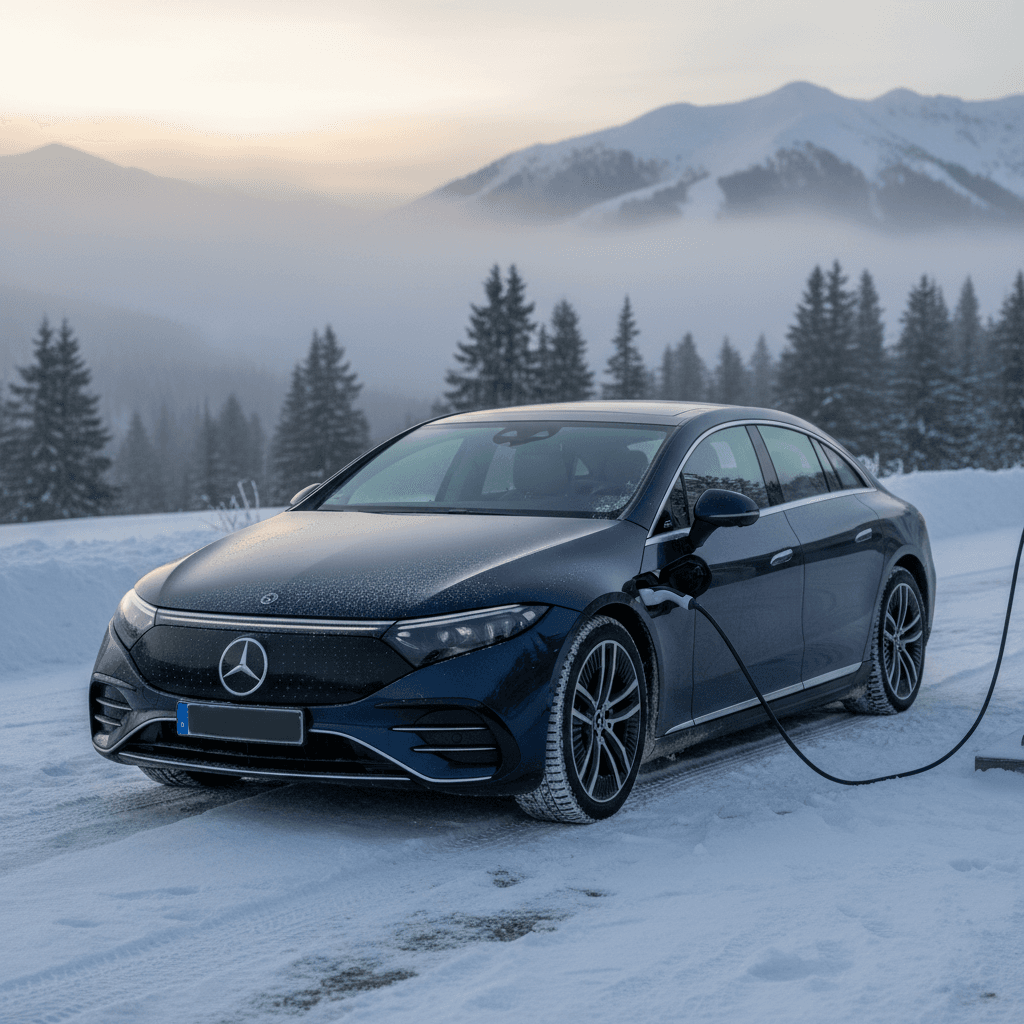
If you own or are shopping for a Mercedes EQE, you’ve probably heard that **EV range drops in winter**. The question is how much the *Mercedes EQE range in cold weather* is affected, and what you can do so a January cold snap doesn’t derail your commute or road trip. This guide walks through real-world numbers, why range falls, and practical steps to keep your EQE comfortable and efficient when the temperature plunges.
Key takeaway on EQE winter range
Overview: Mercedes EQE range in cold weather
The Mercedes EQE family (sedan and SUV) sits in the **mid‑200s to just over 300 miles of EPA‑rated range**, depending on year, battery, and whether you choose rear‑wheel drive or 4MATIC all‑wheel drive. That’s on paper, in standardized test conditions around 70°F. Real‑world winter driving is a different story: cold packs slow the EQE’s battery chemistry, your heater pulls significant energy, and snow, slush, and winter tires all increase rolling resistance.
Typical Mercedes EQE range benchmarks
Those are directional numbers, not promises. The **exact Mercedes EQE winter range** you see will depend heavily on how cold it is, how fast you drive, how much you rely on cabin heat, and whether the car and battery are preconditioned before each trip.
EPA ratings vs real-world Mercedes EQE range
To understand winter range, it helps to start with the **EPA ratings and typical real‑world results in mild weather**. Different EQE variants are positioned differently:
Mercedes EQE: paper range vs typical real world (mild weather)
Approximate EPA ratings and what many drivers report seeing in mixed driving around 60–75°F. Numbers are directional and will vary by driver and conditions.
| Model example | Drivetrain | EPA-rated range (mi) | Typical real world (mi) | Notes |
|---|---|---|---|---|
| EQE 350+ Sedan | RWD | ~300–305 | ~270–290 | Most efficient long‑range sedan variants |
| EQE 350 4MATIC Sedan | AWD | ~260–280 | ~230–260 | Extra traction, slightly less efficiency |
| EQE SUV 350+ | RWD | ~270–280 | ~240–260 | Taller SUV body adds drag |
| EQE SUV 350 4MATIC | AWD | Low‑ to mid‑250s | ~220–240 | Heavier, more frontal area, AWD losses |
| AMG EQE variants | AWD, performance‑tuned | ~220–250 | ~190–220 | More power, wider tires, performance bias |
Use these as context before you factor in additional winter losses.
EPA range is not a guarantee
In independent and owner testing, EQE sedans and SUVs often **match or slightly exceed EPA range in mild weather** when driven at moderate highway speeds. But once temperatures drop below freezing, a 260‑mile EPA rating can look much more like 190–210 miles of comfortable, real‑world winter range if you’re using heat and driving at U.S. interstate speeds.
How much range does the EQE lose in winter?
No two winters – or drivers – are the same, but there are clear patterns in **Mercedes EQE range in cold weather** from owner reports and EV testing in general. The big levers are temperature, trip length, and driving style.
What EQE owners typically see in cold weather
Approximate range impact bands to help you plan, not exact promises
Cool (40–55°F / 4–13°C)
Expected impact: ~5–15% range loss vs. mild weather.
- Battery still relatively efficient.
- Cabin heat and seat heaters start to matter.
- Most EQEs still feel close to EPA rating on longer drives.
Cold (25–40°F / -4–4°C)
Expected impact: ~15–30% range loss.
- Battery chemistry slows; pack takes longer to warm up.
- Short trips are hit hardest because you re‑heat the cabin each time.
- Highway at 70–75 mph may sit closer to 2.0–2.4 mi/kWh.
Very cold (below 20°F / -7°C)
Expected impact: 30%+ range loss possible.
- Pack is cold‑soaked if parked outside.
- Strong heater use and winter tires add drag.
- Plan conservatively, especially for rural chargers.
Rule of thumb for trip planning
That means a rear‑drive EQE 350+ that can realistically do around 270 miles in mild weather might behave more like a **~190–215‑mile car on a full charge in a typical winter**, especially if you use the heater for comfort and spend time at 70–75 mph.
Why cold weather hurts Mercedes EQE range
The EQE isn’t unique here – **every EV loses range in winter** – but understanding what’s happening inside your car helps you make smarter choices. Four main factors are at work.
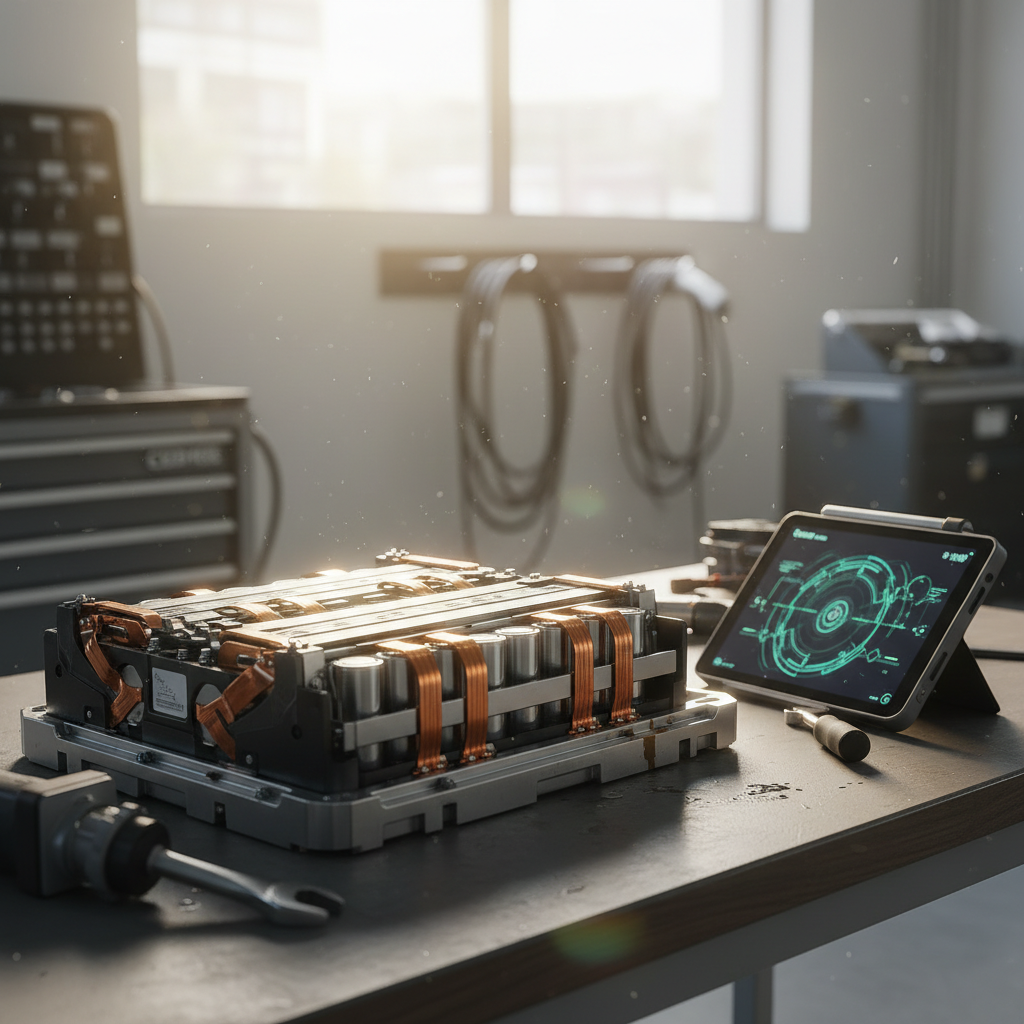
- Colder battery chemistry. Lithium‑ion cells are least efficient when they’re cold. At low temperatures, internal resistance rises, so your EQE needs more energy from the pack to deliver the same power to the wheels.
- Cabin heating is energy‑hungry. Unlike a gas car that can use engine waste heat, the EQE has to create heat from electricity. Even with efficient climate systems, keeping a big cabin at 72°F on a 15°F day can pull several kilowatts continuously.
- Thicker air and higher rolling resistance. Cold, dense air increases aerodynamic drag, especially at highway speeds. Winter tires, snow, and slush all increase rolling resistance as well, so the EQE has to work harder to maintain speed.
- Short‑trip penalty. In winter, you pay a range penalty every time the car and cabin warm up from cold. Many short drives with hours of parking in between will show worse efficiency than one continuous trip using the same total miles.
Why your EQE’s guess‑o‑meter swings in winter
EQE tech that helps in cold weather
Mercedes has quietly baked a lot of **winter‑friendly technology** into the EQE lineup. Some features are standard on newer model years, while earlier builds may have them as options or software‑assisted behaviors.
Cold-weather features in the Mercedes EQE
Leverage these systems before you reach for the defrost button
Efficient heat pump (select trims, newer MYs)
Many EQE variants now offer an integrated heat pump that reuses waste heat from the power electronics and battery. In cool to moderately cold conditions, this can cut HVAC energy use noticeably versus simple resistive heating, helping preserve range.
Pre‑Entry Climate Control
Using the Mercedes me app or in‑car scheduling, you can pre‑heat the cabin while the EQE is still plugged in. That means you arrive to a warm car and a warmed‑up battery without taking a big chunk out of your driving range.
Navigation with Electric Intelligence
With built‑in EV routing, the EQE can plan winter‑friendly routes that account for elevation, speed limits, and temperature. It will steer you to appropriate fast chargers and estimate state of charge at arrival, which is especially valuable on cold road trips.
Battery preconditioning for DC fast charging
When you route to a DC fast charger in the navigation, the EQE can precondition the battery on the way so it’s at a better temperature for fast charging. That doesn’t just speed up charging – it also minimizes the efficiency hit of trying to fast‑charge a cold pack.
Good news for winter EQE shoppers
Winter driving strategies for EQE owners
You can’t change physics, but you can absolutely **change how hard winter hits your Mercedes EQE’s range**. Most of the big wins come from how you heat the car, how you drive, and how you plan your trips.
10 practical ways to protect EQE range in cold weather
1. Pre‑heat while plugged in
Use Pre‑Entry Climate Control to warm the cabin (and indirectly the battery) while the EQE is still charging. This shifts most of the heating load to the grid instead of your high‑voltage battery.
2. Rely on seat and steering‑wheel heaters
Turn the cabin setpoint down a few degrees and lean on the heated seats and wheel. They use far less energy but keep you just as comfortable, which directly preserves range.
3. Use Eco or Comfort drive modes
Eco and Comfort soften throttle response and can trim top‑end power. That makes it easier to avoid spike‑y acceleration that wastes energy when the battery is already working harder in the cold.
4. Smooth, slower highway speeds
Every EV suffers at high speed in cold air. In an EQE, cruising at 65–70 mph instead of 75–80 mph can be the difference between needing a mid‑trip top‑up and getting home on one charge.
5. Check tire pressures regularly
Tire pressure drops roughly 1 psi for every 10°F of temperature fall. Under‑inflated tires increase rolling resistance and hurt range. Use the recommended winter tire pressures for your EQE.
6. Clear snow and ice completely
Snow caked in wheel wells and underbody panels adds drag and weight. Clearing it off – along with the roof and hood – helps the EQE slip through the air the way Mercedes engineered it.
7. Use scheduled departure times
If your EQE supports scheduled departures, set them on cold nights. The car can time cabin pre‑heat and battery conditioning around your routine, so you always leave with a warm pack and full charge.
8. Park indoors or out of the wind when possible
A garage or sheltered spot can easily mean a 10–20°F difference versus being fully exposed. That smaller temperature delta helps the EQE hold onto heat between trips and reduces the energy needed to warm up.
9. Avoid many short, cold starts
If you can batch errands into one longer loop instead of several separate cold starts, you’ll spread the warm‑up penalty over more miles and see noticeably better consumption figures.
10. Keep software and navigation up to date
Mercedes continues to refine thermal‑management and navigation logic over the air. Staying current helps your EQE make smarter decisions about preconditioning, charging stops, and energy use in winter.
Don’t run your battery to 0% in extreme cold
Charging your Mercedes EQE in cold weather
Cold doesn’t just affect **how far** you can drive on a charge – it also affects **how quickly** your EQE can charge, especially at DC fast chargers. The same sluggish battery chemistry that hurts range also limits how many kilowatts the pack can safely accept until it warms up.
Home and Level 2 charging
- Keep the EQE plugged in overnight in winter whenever possible. The car can use small amounts of power to maintain pack temperature and be ready for the morning.
- Schedule charging to finish near departure time. The battery warms slightly while charging, so ending a charge right before you leave gives you a warmer, more efficient pack.
- If you park outside, consider a properly installed Level 2 home charger so you can reliably pre‑heat without worrying about outlet limitations.
DC fast charging and preconditioning
- Whenever you plan to use a DC fast charger, set it as your destination in the EQE’s native navigation instead of just using CarPlay/Android Auto. That’s what tells the car to start preconditioning the battery.
- Arriving with a warm, lower‑state‑of‑charge battery (for example, 10–30%) lets the EQE take higher power earlier and shortens charging stops.
- On cold days, expect the first 10–15 minutes of a fast charge to be slower than summer, even with preconditioning. Build that into your trip timing.
Use winter to learn your personal charging curve
Planning trips in winter with a Mercedes EQE
Long winter drives are where **good planning pays off**. The EQE’s combination of a sizable battery and smart navigation makes it a capable winter road‑tripper, but you’ll want to dial back the optimism you might use in July.
Sample winter trip planning scenarios for the EQE
How you might adjust your planning assumptions for different EQE variants on a cold‑weather road trip.
| Vehicle example | Seasonal conditions | Target cruise speed | Conservative planning range | Charging strategy |
|---|---|---|---|---|
| EQE 350+ Sedan (RWD) | 25°F, dry roads | 65–70 mph | ~190–210 mi | Plan DC fast stops every 160–180 miles; arrive with 10–20% SOC. |
| EQE 350 4MATIC Sedan | 20°F, mixed snow | 65 mph | ~170–190 mi | Shorter hops of 140–160 miles; favor sites with multiple chargers. |
| EQE SUV 350+ | 30°F, winter tires | 65–70 mph | ~180–200 mi | Assume ~30% loss vs mild‑weather EPA; avoid back‑to‑back 200‑mile legs. |
| AMG EQE Sedan | 15°F, wet roads | 60–65 mph | ~160–180 mi | Use more frequent, shorter stops; pay extra attention to speed and HVAC use. |
These are planning examples, not guarantees – always leave extra buffer in poor weather.
Let the car do some of the work
Used Mercedes EQE: what to watch for in cold climates
If you’re shopping a **used Mercedes EQE** in a northern state or Canada, winter performance becomes part of the due‑diligence checklist – especially if the vehicle has spent several seasons in a harsh climate.
Cold-climate checklist for a used EQE
Questions to ask and data to pull before you sign
Battery health and diagnostics
Ask for a recent battery health report, not just the dashboard range estimate. At Recharged, every EQE includes a Recharged Score battery health report so you can see usable capacity and how it compares to similar vehicles.
Winter equipment and history
Confirm whether the EQE has winter tires, how often they were used, and whether the car has spent time in areas that heavily salt roads. Inspect for corrosion on suspension and underbody components.
Heat pump and cold‑weather options
Verify which cold‑weather features the specific VIN has – heat pump, heated windshield, pre‑entry climate control, etc. Two similar‑looking EQEs can behave differently in winter depending on options.
Real-world winter consumption logs
Some sellers will share trip‑computer screenshots from winter driving. Even a handful of recent kWh/100‑mile figures at cold temperatures can tell you more than the static range readout.
DC fast‑charging history
Occasional winter fast charging is fine, but a history of daily DC fast use from cold may indicate harder thermal cycles. A good health report or Recharged Score helps you separate normal usage from abuse.
Delivery and support in your climate
If you’re buying online, make sure you have support from EV‑savvy specialists who understand winter use. Recharged offers nationwide delivery, trade‑in support, and guidance tailored to cold‑climate ownership.
How Recharged helps EQE buyers in cold states
Ready to find your next EV?
Browse Vehicles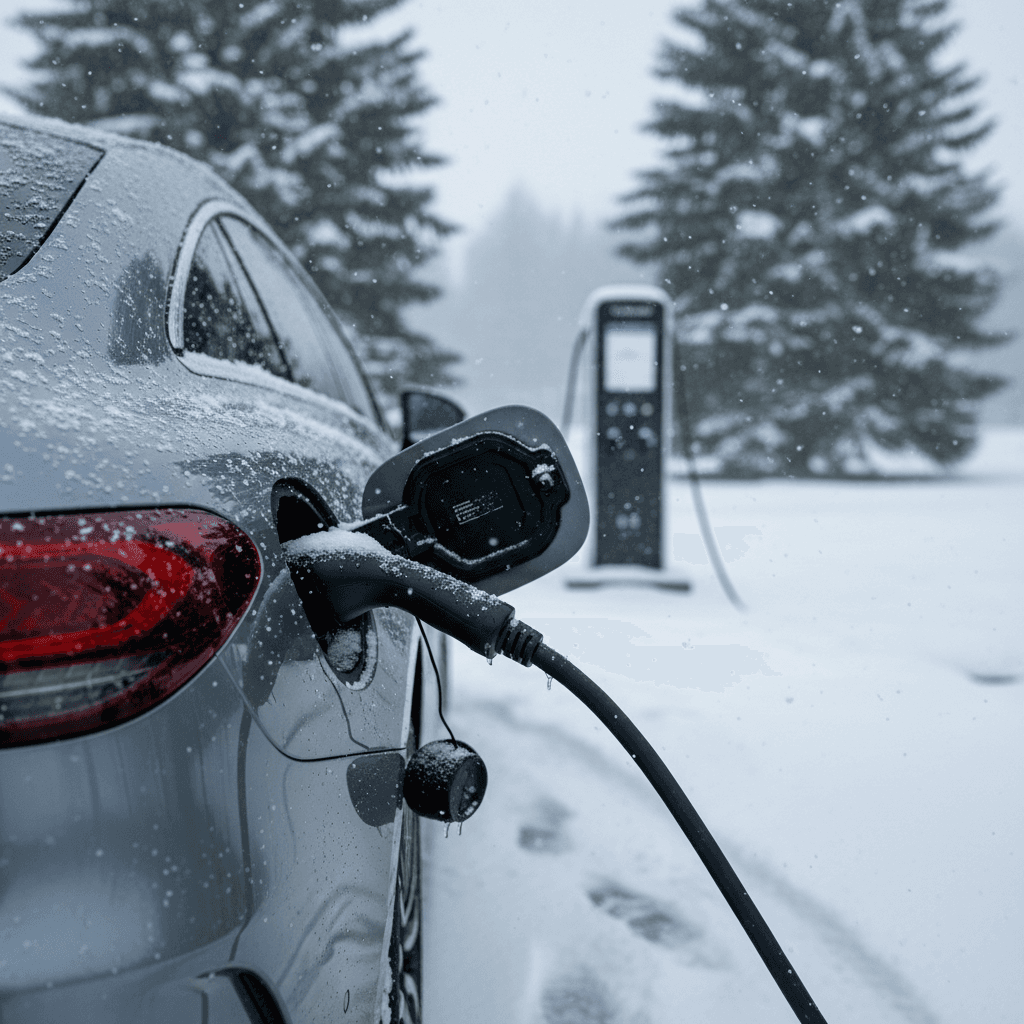
FAQ: Mercedes EQE range in cold weather
Frequently asked questions about EQE winter range
Bottom line: winter range in the Mercedes EQE
The **Mercedes EQE range in cold weather** isn’t immune to physics, but it’s also not something to fear. Expect meaningful – but manageable – winter losses, on the order of 20–35% depending on temperature, speed, and how you use the heater. In return, you get a quiet, composed luxury EV that’s remarkably stable and confidence‑inspiring on snow and ice when paired with the right tires.
If you’re already an EQE owner, focus on **preconditioning, smart HVAC use, and realistic trip planning** to keep winter driving low‑stress. If you’re shopping for a used EQE, make sure you understand the car’s battery health, cold‑weather feature set, and typical winter range for your routes. Recharged can help you do that homework with **Recharged Score battery diagnostics, EV‑savvy guidance, and nationwide delivery**, so your next EQE feels like the right choice in January as well as July.