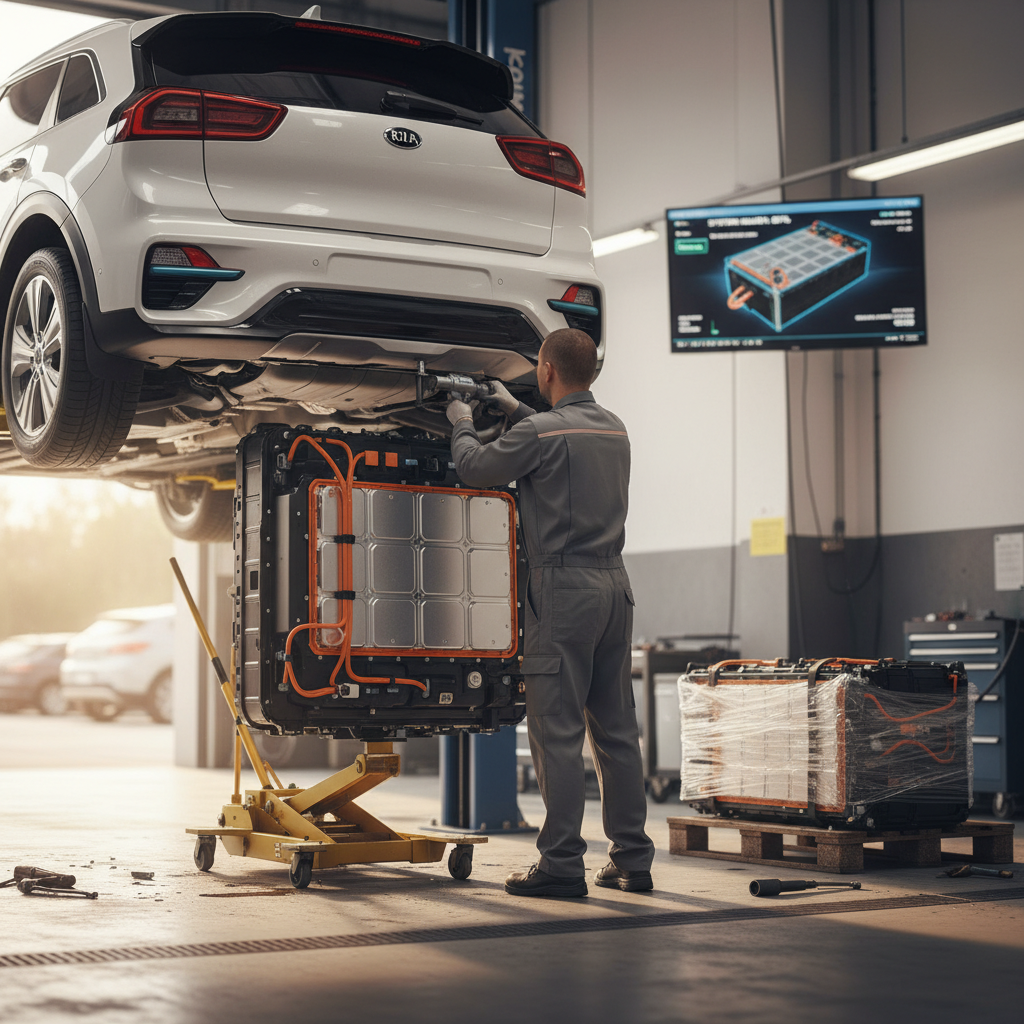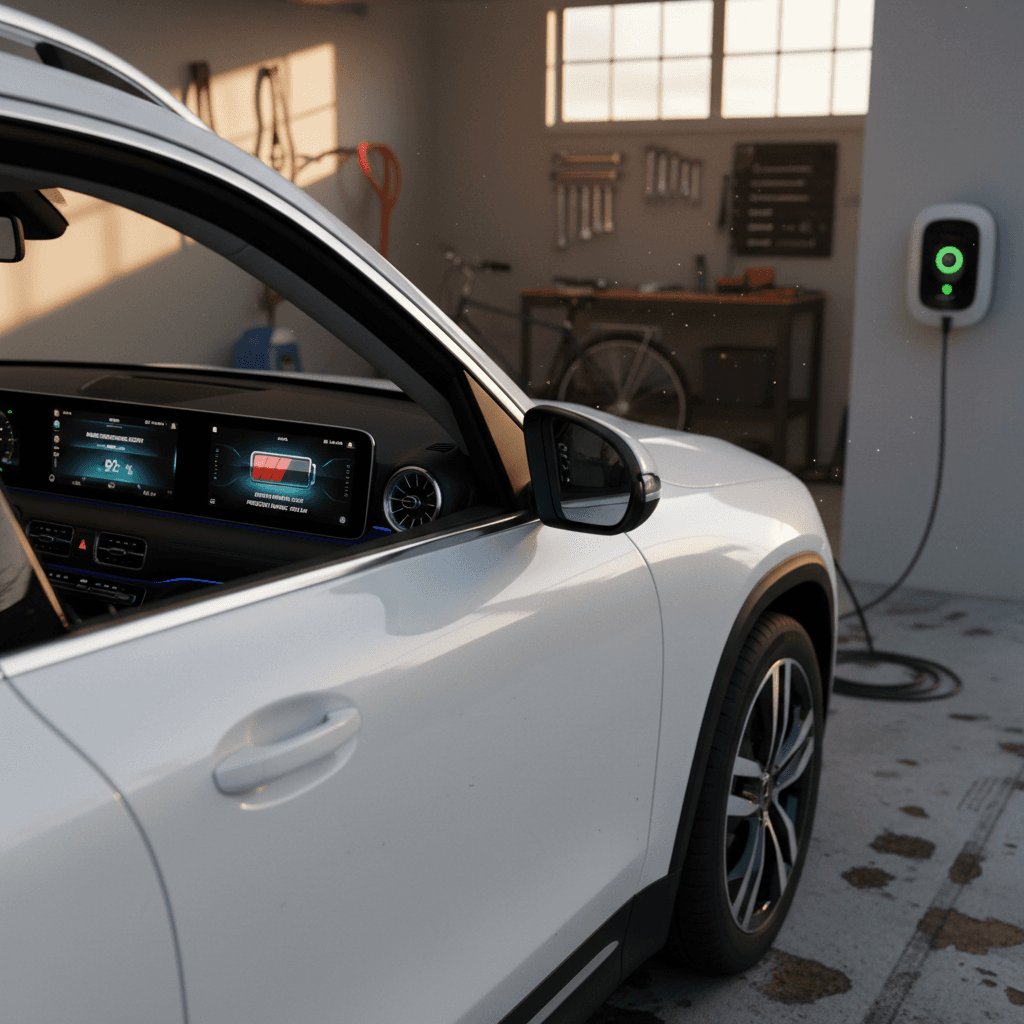
If you own a Mercedes EQB or you’re shopping for a used one, learning how to maximize battery life is one of the smartest things you can do. The EQB’s pack is engineered to last for many years, but your charging, driving, and storage habits can make a meaningful difference in how much range you keep and how confident you feel on every trip.
Big picture
Why battery care matters for your Mercedes EQB
Your EQB’s high‑voltage battery is the most valuable single component in the vehicle. It drives your usable range, impacts charging speed, and heavily influences resale value. Mercedes backs the pack with a long battery warranty, but that doesn’t make it immune to gradual capacity loss if it’s constantly fast‑charged to 100% and stored in extreme heat.
What good (or bad) battery habits affect
Three areas where your behavior really shows up over time
Real‑world range
Healthy batteries hold more usable energy, which means more miles per charge. Poor habits can shave noticeable range off your EQB’s EPA estimate over the years.
Charging speed
Battery management systems can dial back peak charging power when a pack ages or has been stressed, stretching a 30‑minute stop into 45–50 minutes.
Resale & trade‑in value
Buyers of used EVs care about verified battery health. A stronger pack usually means stronger offers when it’s time to sell or trade.
At Recharged, every used EQB we sell includes a Recharged Score battery health report, so you can see how the pack is doing in the real world before you commit. But no report can make up for years of abuse. The earlier you adopt good habits, the more they pay off later.
EQB battery basics: what you’re working with
Before you fine‑tune your habits, it helps to know a few fundamentals about the Mercedes EQB’s battery and charging behavior.
Mercedes EQB battery and charging snapshot
Typical specs for recent U.S. EQB models (250+, 300 4MATIC, 350). Always check your owner’s manual for exact figures.
| Item | Typical value | What it means for you |
|---|---|---|
| Usable battery capacity | ≈70 kWh | Enough for a practical mix of city and highway driving when driven efficiently. |
| Max AC charging (home / Level 2) | 9.6–11 kW | A 240V home charger can fully recharge overnight from low state of charge. |
| Max DC fast charging | ~100–110 kW | Well‑suited to 10–80% road‑trip sessions in roughly 30–35 minutes when conditions are ideal. |
| Optimal daily charge window | ~20–80% | The sweet spot that balances convenience and long‑term battery health. |
| Chemistry | Lithium‑ion | Similar to most modern EVs; same general care principles apply. |
Numbers are approximate and can vary slightly by model year and market.
Don’t chase the spec sheet
Daily charging habits that maximize EQB battery life
Battery degradation is driven far more by patterns than by one‑off events. Your everyday charging routine has more impact than that occasional high‑speed road trip. Here’s how to structure it for your Mercedes EQB.
Smart everyday charging habits for your EQB
1. Aim for a 20–80% state‑of‑charge (SoC) window
For daily driving, try to keep your EQB between about 20% and 80% SoC. This avoids both the deep discharges and the long sits at 100% that tend to accelerate wear on lithium‑ion cells.
2. Use AC Level 2 as your default
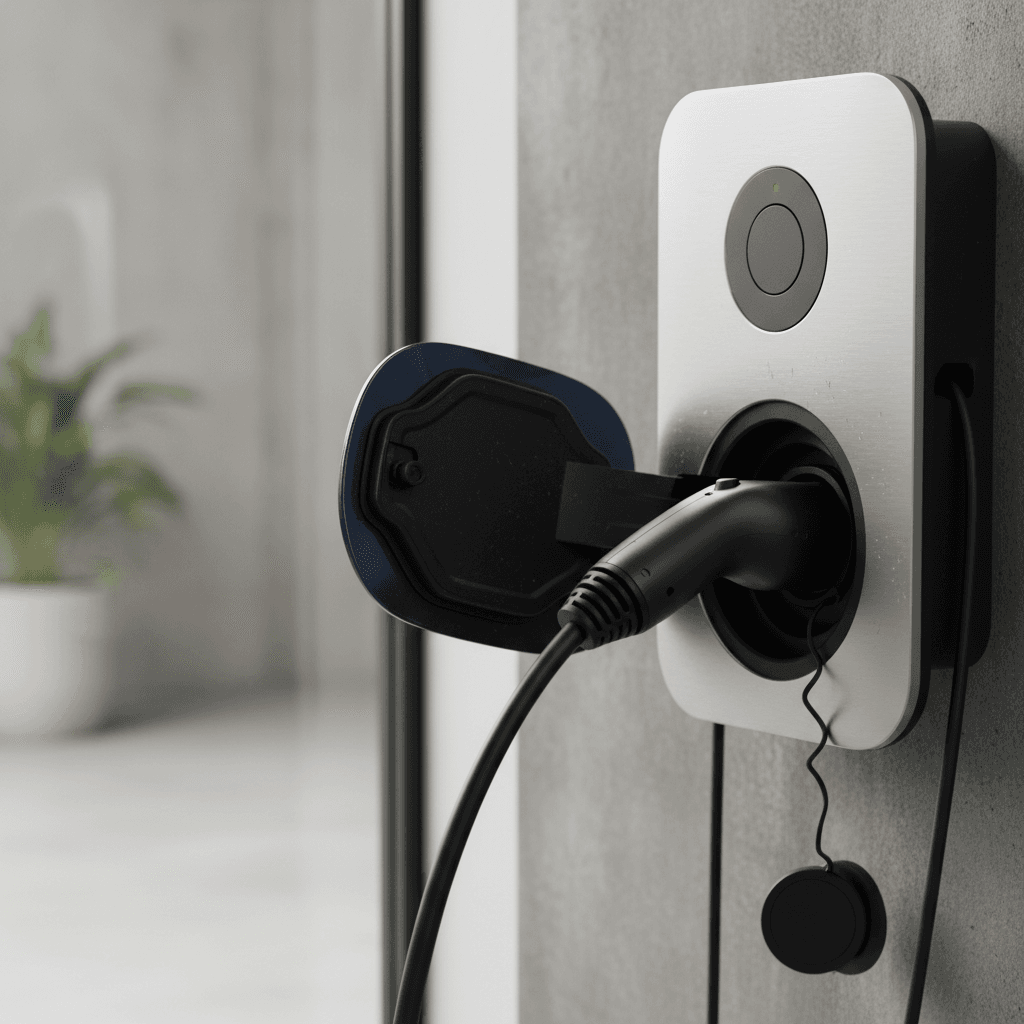
Whenever possible, charge at home or work on Level 2 AC, not DC fast charging. Slower, gentler charging is easier on the battery and still gets you a full pack overnight.
3. Set a charge limit in the EQB menus
Use the EQB’s charging settings to cap daily charging around 80–90%. Raise the limit closer to 100% only when you truly need the extra range for a trip.
4. Avoid habitually arriving home nearly empty
Running to very low SoC occasionally is fine, but don’t make a habit of parking your EQB at 0–5% and letting it sit. Try to plug in when you arrive home below roughly 30–40%.
5. Schedule charging to finish before departure
If your utility offers off‑peak rates, use scheduled charging so the car completes its charge shortly before you leave. That way, the pack spends less time sitting at a high state of charge.
6. Don’t worry about topping off occasionally
Charging to 100% for a big road trip or after a long day is not going to ruin your battery. The problem is living at 100%, not visiting it once in a while.
Watch out for “just in case” 100% charging
How to use DC fast charging without hurting the battery
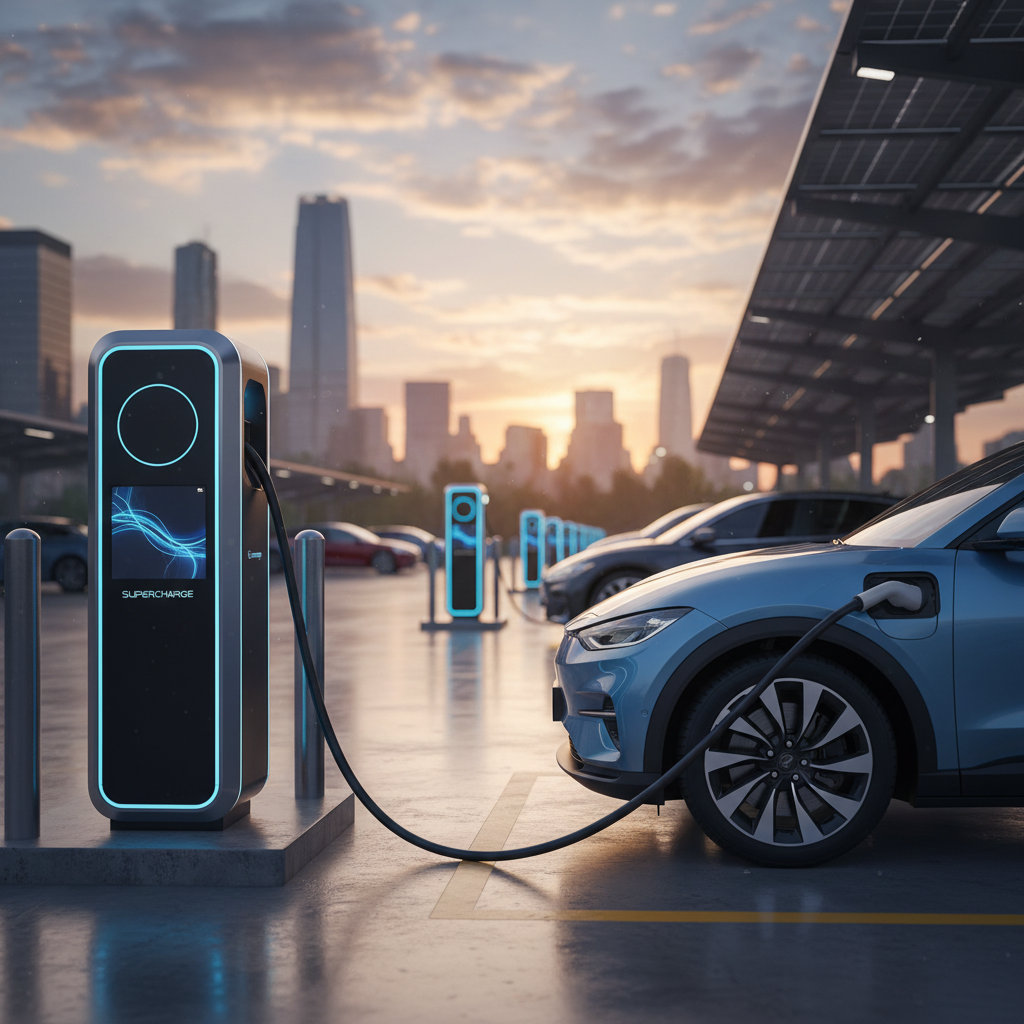
The EQB can accept roughly 100–110 kW on a capable DC fast charger, which translates to a fairly predictable 10–80% session in about half an hour when the pack is warmed up and the charger is behaving. That’s plenty for long‑distance use, but fast charging is also where owners worry most about battery wear.
DC fast‑charging: best practices
- Think of DC as a road‑trip tool. Use it primarily when you’re traveling, short on time, or don’t have access to home charging.
- Arrive between ~10–40% SoC. The EQB will pull its best power when the battery is relatively low but not stone‑cold.
- Unplug near 70–80%. Above that, the car will taper power sharply. You pay more time for fewer miles and add more stress to the cells.
- Use navigation to the charger. On many EQBs, setting the DC charger as your destination allows the car to precondition the battery for better charging and less stress.
DC fast‑charging: what to avoid
- Back‑to‑back 0–100% DC sessions. Repeatedly running the car to low SoC, then fast‑charging to full, is hard on the pack.
- Parking at 100% after fast charging. If you must charge full on DC, drive off soon rather than leaving the car sitting with a hot, full battery.
- High‑power DC in extreme heat. In very hot conditions, the car may need to work the cooling system harder to protect the pack. If you’re not in a hurry, a slower charger or AC top‑up can be kinder.
- Chasing the last few percent. The jump from 80% to 100% on DC can nearly double your session time with little benefit for most trips.
Ignore the charger rating arms race
Driving habits that protect range and battery health
How you drive your Mercedes EQB day in and day out influences both your range and the gentle (or not‑so‑gentle) life your battery leads. Good technique can keep your average consumption in check and reduce how often you need deep charges.
Four EQB driving habits that pay off
Small changes that add up over thousands of miles
Smooth, predictable acceleration
Hard launches and frequent full‑throttle bursts aren’t just tough on tires. They spike power draw from the pack and generate more heat. Use the EQB’s instant torque to merge confidently, then settle into a steady pace.
Moderate highway speeds
The EQB’s boxy shape and tall stance mean that air resistance ramps up quickly with speed. Keeping to, say, 65–70 mph instead of 80+ mph can noticeably reduce consumption and how often you need big charging sessions.
Use Eco or Comfort drive modes
Sport mode is fun but tunes the throttle and sometimes climate system more aggressively. For daily commuting, Eco or Comfort smooths power delivery and may trim HVAC use, helping both range and long‑term battery comfort.
Leverage regeneration smartly
Use the EQB’s adjustable regen levels to recapture energy you’d otherwise waste as heat in the brakes. Strong regen in stop‑and‑go, lighter on the highway, often works well.
A good rule of thumb
Temperature, climate control, and your EQB’s battery
Lithium‑ion batteries are most comfortable in moderate temperatures, not too hot, not too cold. Your Mercedes EQB includes sophisticated thermal management, but your choices still matter, especially if you live in a climate with real seasons.
- Avoid leaving the car parked for days with a nearly full battery in extreme heat. If you must park in a hot climate, set the charge limit a bit lower and, when possible, use covered or indoor parking.
- In very cold weather, expect slower charging and reduced range. The car will warm the battery as you drive or as you precondition, but if you can, start your trip soon after charging finishes.
- Use departure‑time preconditioning while plugged in. Warming or cooling the cabin and, when equipped, the battery while on shore power reduces the energy you draw from the pack itself.
- If you’re storing the EQB for several weeks, aim to leave it at around 40–60% SoC in a sheltered location, not at 100% or near empty.
Let the car do the thermal thinking
Software updates, battery management and recalls
Mercedes, like other EV makers, continually refines its battery management software. Some updates improve charging behavior or add features. Others may intentionally slow peak charging or adjust usable capacity to protect the pack if potential risks are identified.
Why updates matter
- Address known issues or edge cases in the battery management system.
- Fine‑tune charging curves for different temperatures and charger types.
- Occasionally trade a bit of speed or capacity for better long‑term durability and safety.
- Ensure your EQB stays aligned with current warranty and safety standards.
What you should do
- Review release notes or dealer communications before major updates when possible.
- If a recall involves the high‑voltage battery or BMS, schedule it promptly.
- If you notice big changes in range or DC speed after an update, document it. Keep screenshots from fast‑charging sessions and talk with your dealer.
- For used EQBs, ask which battery‑related updates and recalls have already been performed.
Battery warranty vs. software limits
Extra care tips if you own or are buying a used EQB
If you’re shopping for, or already driving, a used Mercedes EQB, battery health goes from theoretical concern to a line item in your budget. The good news: the same habits that help a new EQB age gracefully can also stabilize an older pack and preserve the range it has left.
Used EQB battery care and shopping tips
Protect the pack you have, and verify the one you’re buying
1. Get a real battery health assessment
Before buying a used EQB, look for a documented battery health report rather than just trusting the dash. Recharged includes a Recharged Score battery diagnostic on every EQB we sell so you know how the pack has aged in the real world.
2. Review service and update history
Ask for records that show high‑voltage battery or BMS work, recalls, or major software updates. Consistent maintenance and completed recalls are reassuring signs.
3. Watch how the car behaves on DC fast charging
If you can, observe a 20–70% DC fast‑charge session before buying. Consistent, reasonably quick charging suggests a healthy pack and properly functioning thermal management.
4. Track real‑world efficiency over time
After purchase, keep an eye on your average consumption and how many miles you get from, say, 70% to 20%. That’s often more meaningful than the displayed "guess‑o‑meter" range.
If you’d rather not decode all of this yourself, Recharged’s EV specialists can walk you through a used EQB’s battery report, expected real‑world range, and charging behavior so you know exactly what you’re getting into, before you sign anything.
Quick checklist: maximizing Mercedes EQB battery life
Mercedes EQB battery life checklist
Use 20–80% SoC for daily driving
Keep most of your driving and charging within this band, reserving 0% and 100% for occasional edge cases and trips.
Default to home or workplace Level 2 charging
Use AC charging overnight or while parked at work; think of DC fast charging as your road‑trip and time‑pressure option.
Limit time spent at 100%, especially in heat
If you need a full charge, time it so you leave relatively soon after it finishes, rather than letting the car sit full in the sun.
Moderate speeds and drive smoothly
High sustained speeds and aggressive driving spike energy use and may make you rely on deeper cycles more often.
Use climate preconditioning while plugged in
Condition the cabin (and, when equipped, the battery) from shore power instead of your high‑voltage pack whenever possible.
Stay current on software updates and recalls
Battery‑related updates are usually there to keep your EQB safe and healthy. Ask questions if you see big behavior changes.
Mercedes EQB battery life: FAQ
Frequently asked questions about Mercedes EQB battery life
Maximizing your Mercedes EQB’s battery life isn’t about babying the car, it’s about stacking the odds in your favor with a few smart habits. Keep daily charging in a sensible range, reserve DC fast charging for when you truly need it, be mindful of temperature and storage, and stay on top of software updates. If you’re shopping used, insist on a transparent look at battery health. Recharged was built around that kind of transparency, pairing each used EQB with a verified battery report and EV‑savvy guidance so you can enjoy the benefits of electric driving without wondering what’s happening beneath the floor.