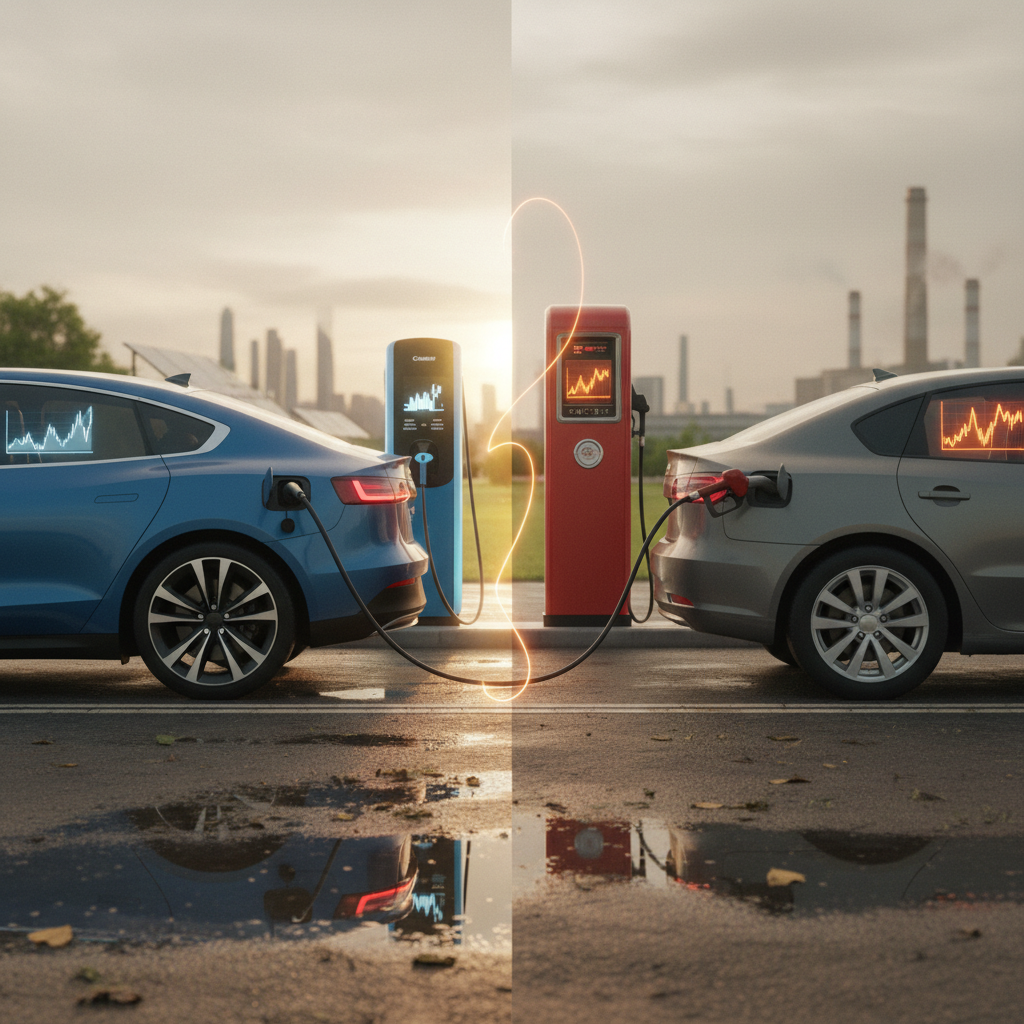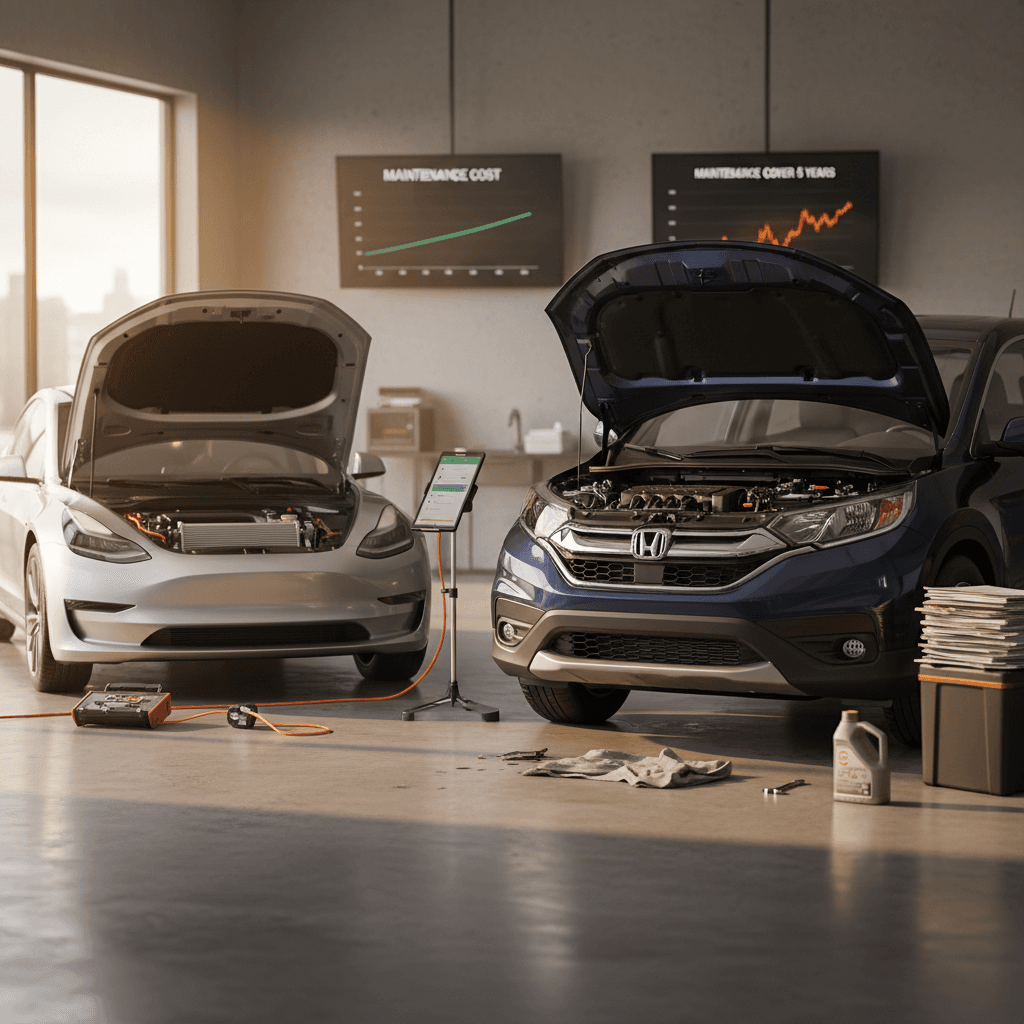
When people compare the maintenance cost of electric cars vs gas, they usually hear one of two extremes: “EVs are basically maintenance‑free” or “EV repairs will bankrupt you.” The truth, especially in 2025, sits in between. Routine service is significantly cheaper in an electric car, but when things do break they can be pricier. Understanding that tradeoff is the key to smart buying, especially if you’re considering a used EV.
Quick takeaway
Why maintenance costs matter more than ever
Sticker price still grabs the headlines, but ongoing costs increasingly determine whether a vehicle actually fits your budget. Insurance, energy, and especially maintenance and repairs all add up over time. As federal EV tax credits wind down and interest rates remain elevated, more buyers are asking a basic question: if I move to electric, will I spend more or less keeping the car running compared with gas?
The answer depends on three things: how many miles you drive, how long you keep the car, and whether you’re looking at new or used. This guide focuses specifically on maintenance and repair costs, using up‑to‑date data and then translating that into what it feels like in your wallet.
EV vs gas maintenance costs at a glance
Headline numbers: EV vs gas maintenance costs
Let’s put some hard numbers on the table before we dive into the details.
Average annual maintenance cost: electric vs gas
Approximate U.S. averages for mainstream compact and midsize vehicles, assuming 12,000–15,000 miles per year and routine maintenance only (not crash repairs).
| Vehicle type | Approx. annual maintenance | Per‑mile maintenance cost | What’s included |
|---|---|---|---|
| Battery‑electric (EV) | $300–$500 | ~$0.05–$0.07 | Tires, inspections, brake fluid, cabin filters, minor parts |
| Hybrid / Plug‑in hybrid | $500–$700 | ~$0.07–$0.09 | EV items + some engine and exhaust service |
| Gas (ICE) | $700–$900 | ~$0.09–$0.11 | Oil, filters, spark plugs, belts, transmission service, more frequent brakes |
These are blended averages from consumer studies and industry analyses, not specific to any single model.
Rule of thumb
What electric cars don’t need to service
The biggest reason EVs are cheaper to maintain than gas cars is simple: they have far fewer moving parts. A modern gas engine has hundreds of components spinning, sliding, and combusting every time you start it. An EV has a battery pack, one or two electric motors, and a single‑speed gearbox. That mechanical simplicity wipes out entire categories of maintenance.
Common services EVs eliminate
These are regular line items on a gas‑car maintenance schedule that simply don’t exist on a battery‑electric vehicle.
Oil & filters
No engine oil means no oil changes, oil filters, or used‑oil disposal. Over 5–10 years this alone can save hundreds of dollars.
Transmission service
Most EVs use a simple single‑speed reduction gear. They don’t have multi‑speed automatic transmissions that need periodic fluid changes or can experience costly failures.
Spark & fuel system
No spark plugs, ignition coils, fuel injectors, fuel filters, or emissions‑control hardware like oxygen sensors and catalytic converters to service or replace.
Exhaust & emissions
EVs don’t have exhaust systems, mufflers, or tailpipes. They also skip emissions testing, which some states require for gas vehicles.
Accessory belts
Many EVs drive accessories like power steering and A/C electrically, so there’s no complex serpentine belt system to maintain or replace.
Engine‑related diagnostics
No check‑engine‑light chases for misfires, evap leaks, or emissions faults. Software issues still happen, but they’re often resolved by over‑the‑air updates.
Why this matters for used EVs
Maintenance items EVs and gas cars still share
Despite the differences, electric and gas cars are still cars. They share plenty of components that wear out with time and miles, and those costs are roughly similar regardless of what powers the vehicle.
Don’t forget scheduled EV service
Repairs: the part of the story most people miss
Routine maintenance is only half the picture. The more nuanced question is what happens when something breaks, especially after a collision. Here the calculus can flip: EVs often need fewer repairs overall, but each repair can cost more.
How repairs differ between EVs and gas cars
Fewer failures vs higher severity.
Gas cars: more frequent, cheaper repairs
Gas cars have more systems that can fail: engines, turbos, transmissions, exhaust, emissions hardware. Individual repairs might cost $300–$2,000 each, but independent shops and abundant parts keep prices relatively predictable.
EVs: fewer repairs, higher bill when they happen
EVs dodge engine and transmission failures, but their high‑voltage batteries, inverters, and electronics are costly when damaged. Recent insurance and repair data show post‑accident EV repairs can run 20–30% higher than equivalent gas‑car repairs, largely due to parts cost and specialized labor.
It’s important to keep perspective: major EV component failures remain rare, and most EVs carry 8–10‑year battery warranties that cover defects. But if you’re buying used, especially out of warranty, you want to know how the car has been driven, charged, and repaired.
Totaled for minor damage?
5‑year cost comparison: EV vs gas
Let’s translate all of this into a simple five‑year ownership comparison for a typical U.S. driver doing about 12,000 miles per year (60,000 miles total). We’ll focus purely on maintenance and repairs, not fuel, insurance, or depreciation.
Estimated 5‑year maintenance & repair costs
Illustrative averages for mainstream compact/midsize vehicles purchased new in 2025, owned for five years.
| Cost category (5 years) | Battery‑electric EV | Gasoline vehicle |
|---|---|---|
| Routine maintenance | $1,500–$2,000 | $2,500–$3,500 |
| Repairs (non‑collision) | $1,000–$1,500 | $1,200–$1,700 |
| Total (maintenance + repairs) | $2,500–$3,500 | $3,700–$5,200 |
| Approx. savings vs gas | , | EV saves ~$1,200–$1,700 over 5 years |
Individual models will vary, but the relationship between EV and gas maintenance costs is consistent across multiple studies.
Where fleets are already seeing this
Long‑term considerations: battery life and warranties
The big scary line item everyone talks about is battery replacement. A modern EV battery pack can still cost five figures if you pay out of pocket, but that scenario is less common, and more nuanced, than headlines suggest.
- Most modern EVs lose only around 1–2% of usable battery capacity per year, so an 8‑year‑old car might still retain 80–85% of its original range.
- In the U.S., EV batteries in new vehicles are typically covered for 8 years or 100,000 miles (sometimes more) against excessive capacity loss or failure.
- Pack prices have fallen dramatically over the last decade, and many repairs today involve replacing only modules or related electronics, not the entire pack.
- For many owners, the first traction‑battery replacement, if it’s ever needed, falls beyond their ownership period. It’s more relevant for second or third owners.
Battery health matters more than age
Used EV vs used gas: what to expect on maintenance
On the used market, maintenance risk often matters more than fuel economy. A cheap gas car with a neglected maintenance history can turn into a money pit overnight. With a used EV, the risk profile shifts: you’re less worried about internal engine damage and more focused on battery health, prior crash repairs, and the state of high‑voltage components.
Used gas car: typical maintenance risks
- Hidden engine wear from skipped oil changes.
- Automatic transmission issues from dirty or burned fluid.
- Expensive repairs like timing‑chain, head‑gasket, or turbo failures.
- Higher likelihood of exhaust, emissions, and cooling‑system work.
These risks grow as mileage climbs past 100,000, and they’re hard to fully assess with a quick test drive.
Used EV: different but manageable risks
- Battery degradation reducing range and value.
- Past fast‑charging habits or thermal stress if the car lived in very hot or very cold climates.
- Prior collision damage affecting the battery pack or high‑voltage cabling.
- Out‑of‑warranty electronics like on‑board chargers or inverters.
These are real concerns, but with the right diagnostics, they’re far easier to quantify than hidden engine wear in a gas car.
How Recharged reduces used‑EV maintenance risk
Ready to find your next EV?
Browse VehiclesHow to budget for maintenance on an EV
If you’re coming from a gas car, it can feel strange not planning around oil changes and transmission service. Here’s a practical framework for budgeting maintenance on a daily‑driver EV.
EV maintenance budgeting checklist
1. Set an annual maintenance envelope
For a mainstream EV, planning on <strong>$400–$600 per year</strong> for maintenance and minor repairs is reasonable for most drivers. If you drive significantly more than 15,000 miles per year, bump that number up.
2. Add a tire fund
EVs are often heavier and quicker off the line, which can eat tires. Consider setting aside $150–$250 per year specifically for tire wear, especially if you have a performance model or low‑profile tires.
3. Keep a “rare repair” buffer
Because big EV repairs are less frequent but pricier, it’s wise to keep a modest emergency fund, say $500–$1,000, available for unexpected repairs, just as you would with any modern car.
4. Follow the service schedule
Even though service visits are less frequent, don’t skip them. Brake‑fluid and coolant checks, software updates, and recalls all protect both your safety and your warranty coverage.
5. Pay attention to software alerts
Many EVs now use connected diagnostics to alert you to issues early. Take warning lights and app notifications seriously, they’re often catching problems before they become expensive.
6. Factor in home charging hardware
If you install a Level 2 charger, remember that’s a one‑time capital cost plus occasional maintenance, not an ongoing repair item. Many households effectively amortize this over 5–10 years of ownership.
Considering a used EV?
FAQ: electric vs gas maintenance costs
Frequently asked questions about EV vs gas maintenance
Bottom line: is an EV cheaper to maintain?
If you strip away the hype, the picture is clear: electric cars are generally cheaper to maintain than gas cars, especially over a 5‑ to 10‑year ownership window. They sidestep routine engine service, reduce brake wear, and suffer fewer of the mechanical failures that can sink an aging gas car. The tradeoff is that when EVs do need major out‑of‑warranty repairs, often after collisions, the bills can be higher. That’s a manageable risk if you buy the right vehicle and know its history.
For new‑car buyers, those lower maintenance costs combine with cheaper fuel (especially if you can charge at home) to offset higher purchase prices over time. For used‑EV shoppers, the key is visibility: battery health, prior repairs, and a realistic view of ongoing costs. That’s exactly what Recharged was built for, pairing verified battery diagnostics, fair pricing, and EV‑specialist support so you can choose a car that keeps both your driving experience and your maintenance budget under control.