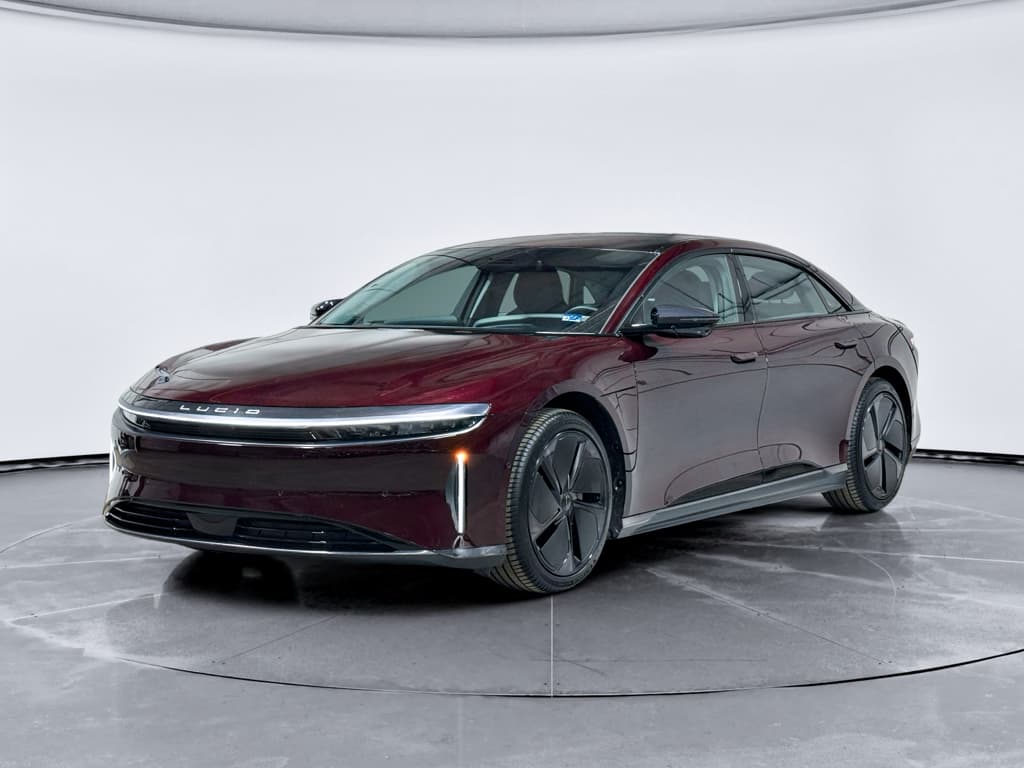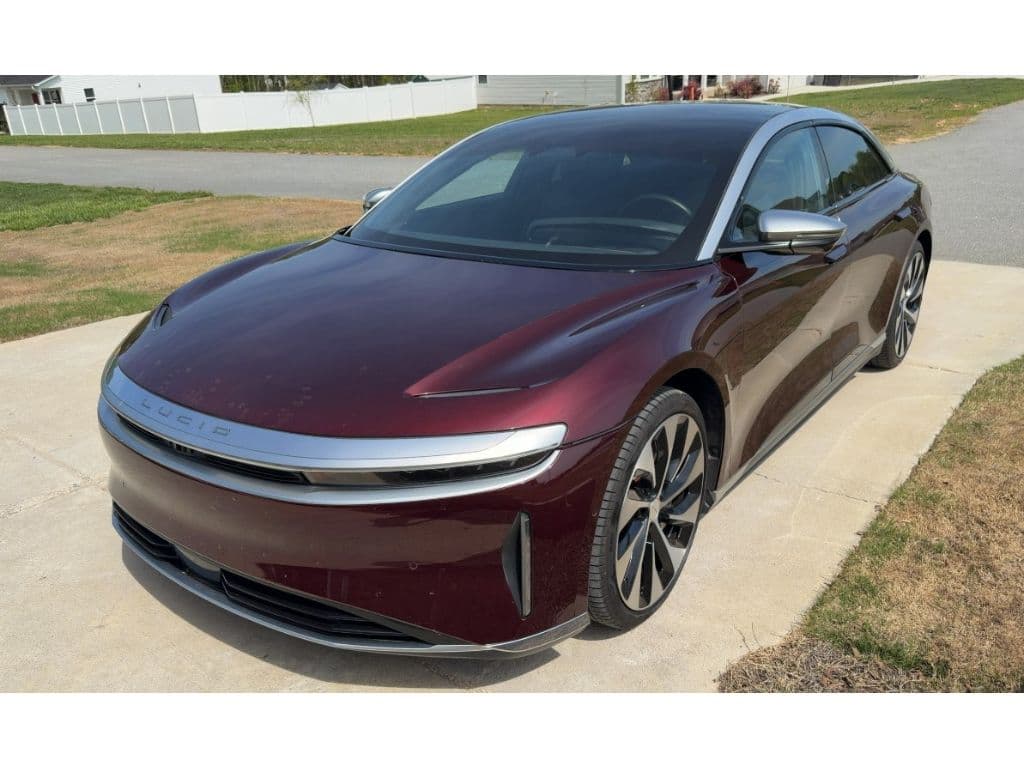
If you’re eyeing a Lucid Air, or already own one, it’s natural to wonder about towing capacity and range. After all, this is one of the longest-range EVs on the market. Can it double as a tow vehicle for a small camper or utility trailer, and how much range would you give up if you did?
Quick answer
Can the Lucid Air tow at all?
Here’s the key thing to understand up front: Lucid does not currently publish a towing capacity for the Air sedan. On spec sheets for Dream Edition and Grand Touring models, the towing field is usually marked “N/A” or “No,” and European-style towbar options are not listed from the factory for North American cars.
Some EVs, especially in Europe, offer modest tow ratings even when they’re not marketed as heavy haulers. That’s not the case here. For the Air, Lucid’s engineering priorities were ultra-long range, high efficiency, and luxury-sedan dynamics, not pulling a trailer up a mountain pass.
Warranty and safety note
Lucid Air towing capacity by trim and model year
Let’s translate Lucid’s spec sheets into plain English. For current and recent Air trims, Pure, Touring, Grand Touring, and the high-performance variants like Dream Edition and Sapphire, the story is essentially the same in the U.S. and Canada.
Lucid Air towing capacity by trim (North America)
Factory-published tow ratings for Lucid Air sedan models, where available.
| Model / Trim | Model years (US) | Factory tow rating | Official tow package |
|---|---|---|---|
| Air Pure | 2023–present | None published / N/A | Not offered |
| Air Touring | 2022–present | None published / N/A | Not offered |
| Air Grand Touring | 2022–present | None published / N/A | Not offered |
| Dream Edition (Range & Performance) | 2022–2023 (limited) | None published / N/A | Not offered |
| Air Sapphire | 2024–present (limited) | None published / N/A | Not offered |
Lucid Air is designed as a long-range luxury sedan, not a tow vehicle.
Why no tow rating?
Payload, roof load, and what you can safely carry
While the Lucid Air isn’t tow-rated, it does have published specs for payload and roof load. For many owners, that’s enough for bikes, skis, and luggage without touching a trailer.
Typical Lucid Air load limits (approximate)
Exact numbers vary slightly by trim and options, but they all tell the same story: the Air is built to carry people and gear inside the car, not a heavy trailer behind it.
Use your payload wisely
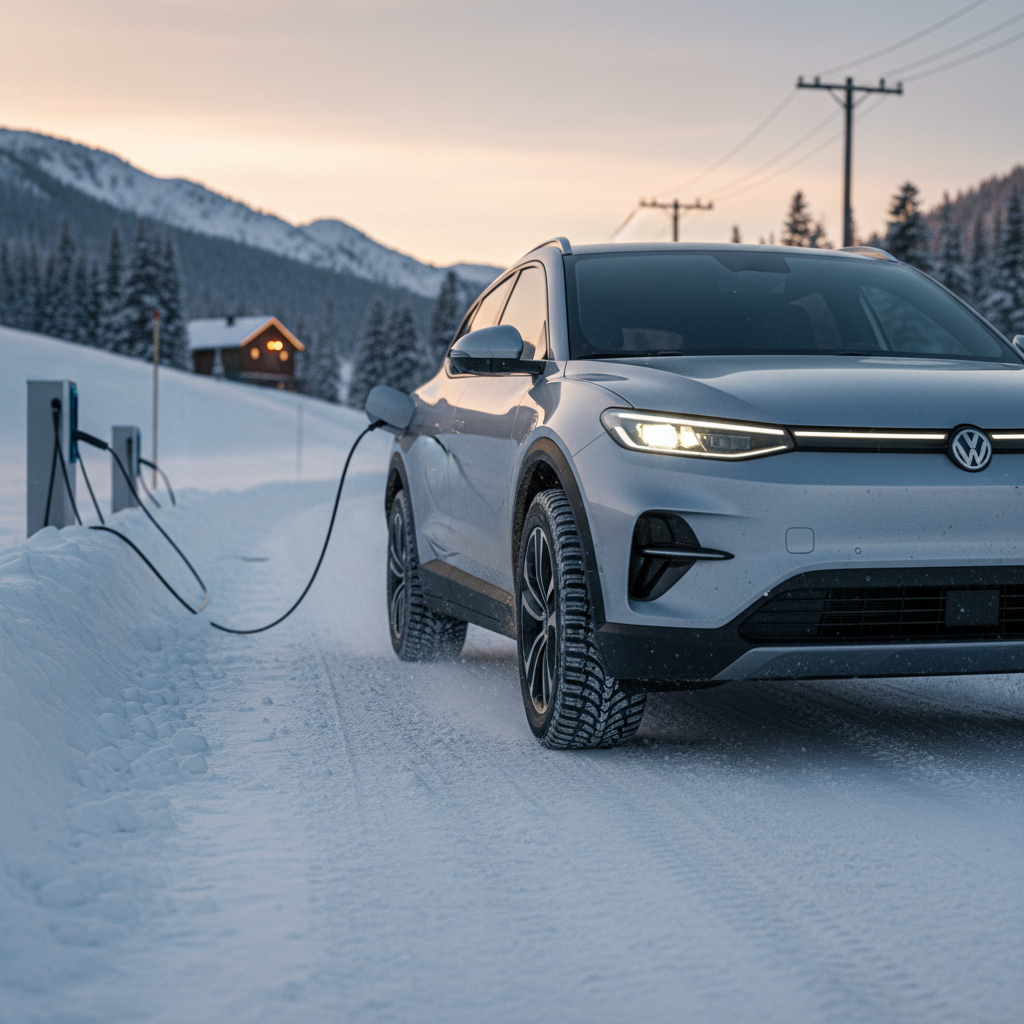
How towing affects EV range
Even though the Lucid Air itself isn’t tow-rated, it’s useful to understand how towing affects EV range in general. That way you can evaluate whether a tow-capable EV, like Lucid Gravity or a rival SUV, will meet your needs.
Why towing slashes EV range
Three main forces ganging up on your battery
Extra weight
Aerodynamic drag
Higher sustained load
Across the EV market, owners commonly report 30–50% range loss when towing at highway speeds. Shape, weight, speed, temperature, and elevation all play a role, but heavy, tall trailers on fast interstates are the worst case.
Don’t plan based on EPA range when towing
Lucid Air range expectations when towing (theory vs reality)
Lucid Air trims are famous for their range. Depending on wheel size and trim, EPA estimates can stretch w well over 400 miles, and Grand Touring models are rated above 500 miles under ideal conditions. That makes the Air very attractive to long-distance drivers.
If the Air were tow-rated, you’d still expect towing to take a heavy bite out of that range. Using patterns seen from other EVs, a reasonable expectation for a tow-rated Lucid Air with a small camper or cargo trailer at highway speeds would likely be something like:
- Light, low-profile trailer (small utility, light teardrop): maybe 40–50% range loss at 60–70 mph.
- Boxy camper or tall cargo trailer: potentially 50–60% range loss at highway speeds.
- Slow back-road travel with a very light trailer: somewhat better, but still significantly below EPA range.
In other words, even an ultra-efficient sedan like the Air can’t “cheat physics.” That long range gives you more margin than most EVs, but the fundamental towing penalties remain.
Where the Air shines instead
Lucid Gravity vs. Lucid Air for towing duties
Lucid clearly understands that some customers want to tow. That’s why the new Lucid Gravity SUV, built on a related platform but with a tow-focused mission, offers an available factory tow package and a rated towing capacity of up to 6,000 pounds when properly equipped.
Lucid Air: luxury long-range sedan
- No published tow rating for North American models.
- Payload and roof load suitable for passengers, luggage, bikes, and skis.
- Exceptional highway range and strong DC fast-charging performance.
- Lower ride height and sedan packaging limit off-pavement and campsite access.
Lucid Gravity: tow-capable SUV
- Factory tow package with up to ~6,000 lb capacity on many trims.
- Integrated trailer brake controller and hitch-view camera on tow-equipped models.
- Higher seating position, more ground clearance, and SUV cargo flexibility.
- Software modes that account for trailer weight and improve stability.
If towing is on your must-have list
Ready to find your next EV?
Browse VehiclesIs aftermarket towing with a Lucid Air a good idea?
When an automaker says nothing about towing, aftermarket companies often step in with hitches labeled “for bike racks and cargo carriers only.” It’s tempting to assume those parts can quietly double as tow hitches. With a high-dollar EV like the Air, that’s a risky assumption.
Risks of towing with an unrated Lucid Air
What you’re accepting if you tow anyway
Unknown structural limits
Warranty and liability
Legal and safety exposure
Reasonable compromise: hitch for accessories only
Shopping used Lucid Air: what to ask about towing and range
On the used market, the Lucid Air is starting to appear in meaningful numbers, especially early Dream Edition and Grand Touring cars. If towing capacity and range are on your mind, here’s how to shop smart.
Key questions to ask when evaluating a used Lucid Air
1. Has the car ever towed a trailer?
Ask the seller directly and look under the rear bumper for signs of a hitch or bracket. Even if towing isn’t a deal-breaker, you’ll want to know how the car was used.
2. Any aftermarket hitches or wiring?
A removed hitch can still leave wiring splices or mounting holes. Note anything non‑factory and share it with any inspection shop or marketplace doing a battery/vehicle health report.
3. What does real-world range look like?
Have the owner describe their typical highway range at 70–75 mph and how often they fast-charged. This is more telling than EPA numbers, especially if they took frequent road trips.
4. Any history of overloading?
If the seller routinely loaded four adults, gear, and a cargo box, the car hasn’t been abused, but you may see more wear on tires and suspension. Pair that anecdote with a thorough inspection.
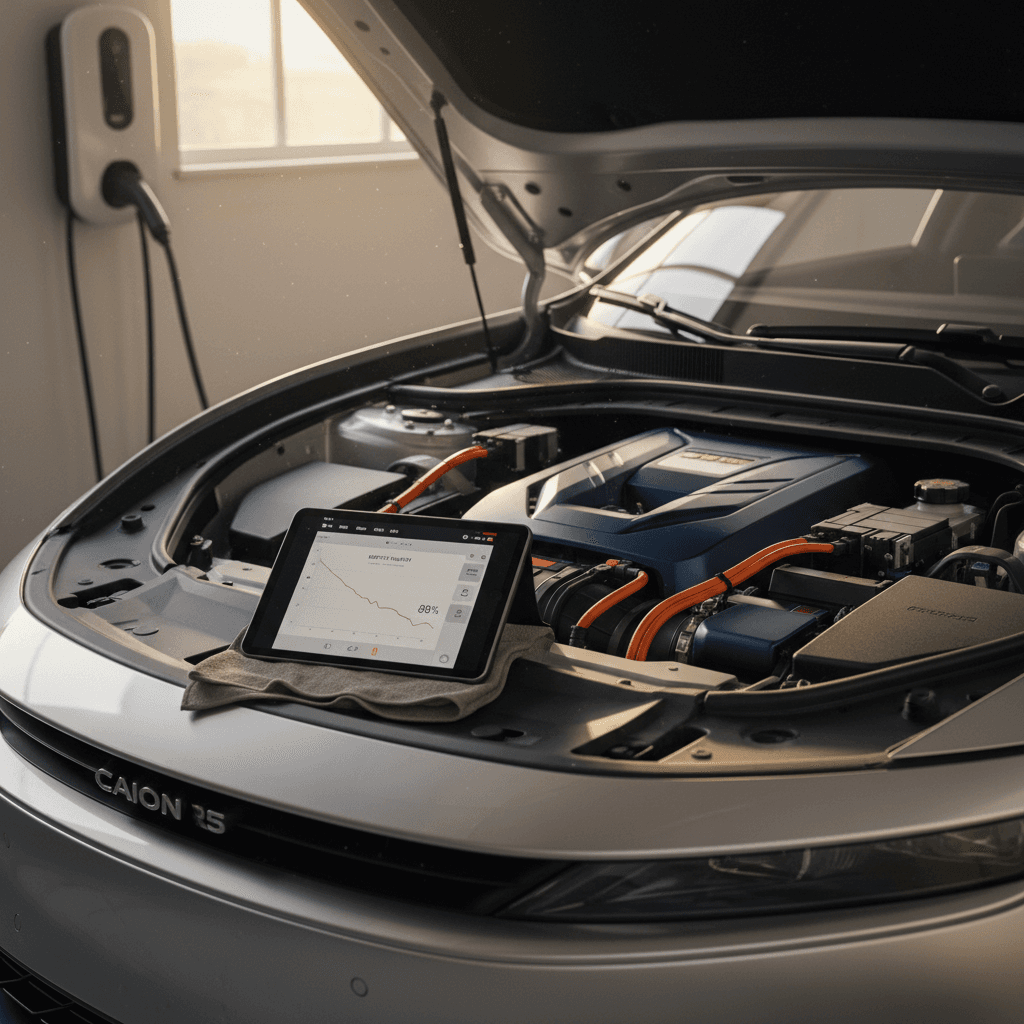
5. Has the battery been health-checked?
A professional battery assessment, like the <strong>Recharged Score</strong>, gives you objective insight into capacity and fast‑charging performance, critical if you plan long-distance road trips.
How Recharged can help
Checklist: deciding if a Lucid Air fits your towing needs
Use this quick checklist to decide whether a Lucid Air matches your real-world hauling plans, or whether you should be looking at Lucid Gravity or another tow‑rated EV instead.
Is a Lucid Air right for your towing and range needs?
You rarely or never tow a trailer
If your life is mostly commuting, weekend trips, and the occasional ski or beach run, the Air’s lack of tow rating probably won’t matter. Roof racks and cargo boxes handle most needs.
You care more about range than tow ratings
If 400–500 miles of potential range and fewer charging stops are your priorities, the Air is one of the best tools for the job.
You need to tow 2–6 times a year
If those trips are essential, like towing a small camper or boat, you’re better off with a tow‑rated EV or plug‑in hybrid, even if the range is lower on paper.
You regularly tow heavy or long distances
In this scenario, the Lucid Air is the wrong tool. Look at tow‑focused EVs (Lucid Gravity, Rivian, certain Hyundais/Kias) or even a conventional tow rig as a dedicated hauler.
You’re open to a second, dedicated tow vehicle
Many EV owners keep a long‑range EV sedan for daily use and a separate truck or SUV for towing duty. It can be cheaper, and less stressful, than forcing one vehicle to do everything.
FAQ: Lucid Air towing capacity and range
Frequently asked questions about Lucid Air towing and range
Bottom line: should you tow with a Lucid Air?
If your top question is “What is the Lucid Air towing capacity and range?” the practical answer is simple: the Air is not designed or rated to tow, and its real strength is moving people and gear long distances without a trailer. For drivers who rarely tow, that’s not a drawback, it’s a sign that you’re shopping the right kind of EV.
If you truly need to tow, whether it’s a small camper, pair of jet skis, or a utility trailer, you’ll be better served by a tow-rated EV SUV or truck. Lucid’s own Gravity SUV is one promising option, and the broader used‑EV market now offers several capable tow rigs. A marketplace like Recharged can help you compare long‑range sedans like the Air with these more trailering‑friendly choices, complete with verified battery health data so you know exactly what you’re getting.
In the end, matching the vehicle to the job will save you money, reduce stress on long trips, and protect the battery you’re investing in. For effortless long‑range driving, a Lucid Air is hard to beat. For towing, let something else do the heavy lifting.