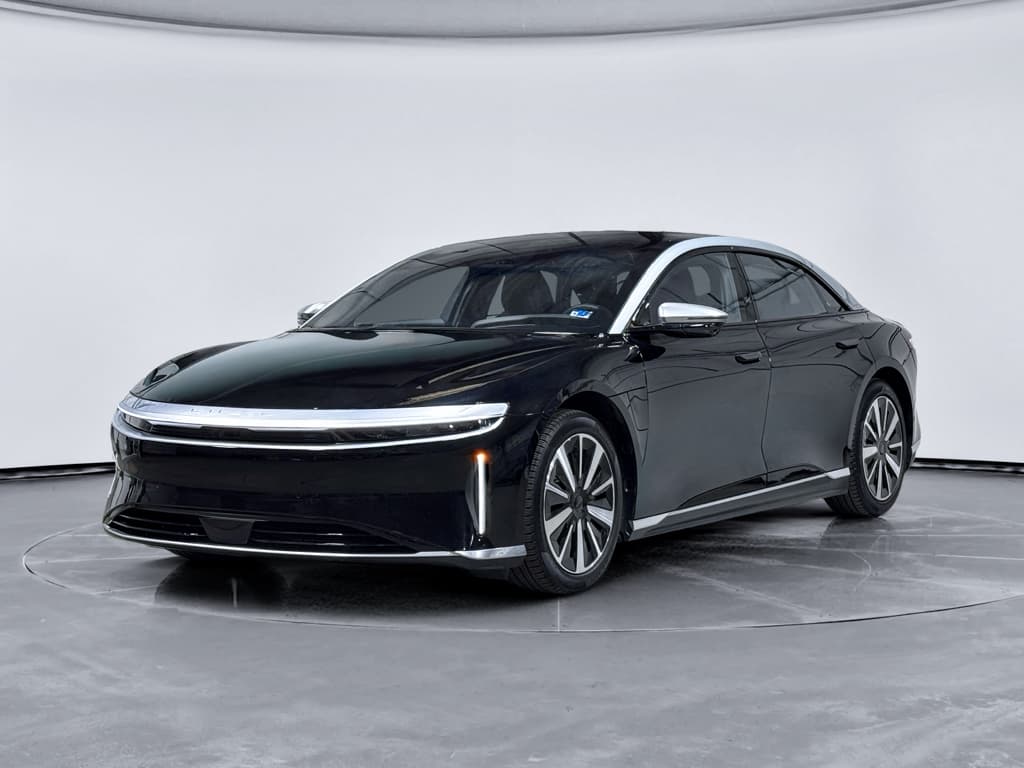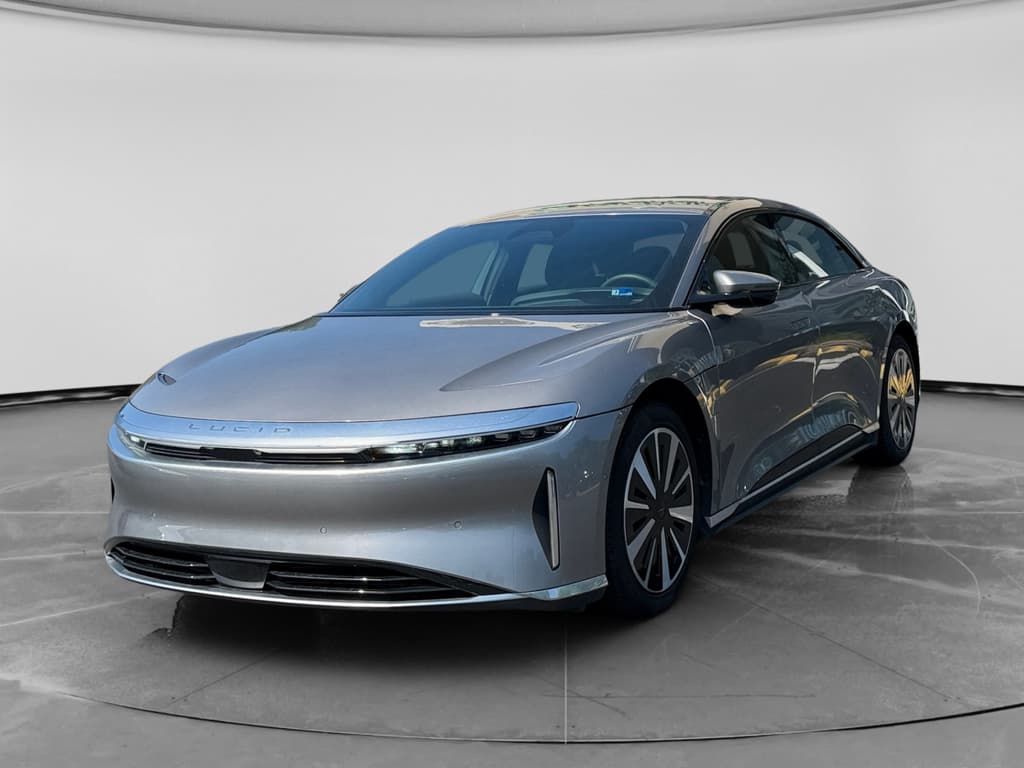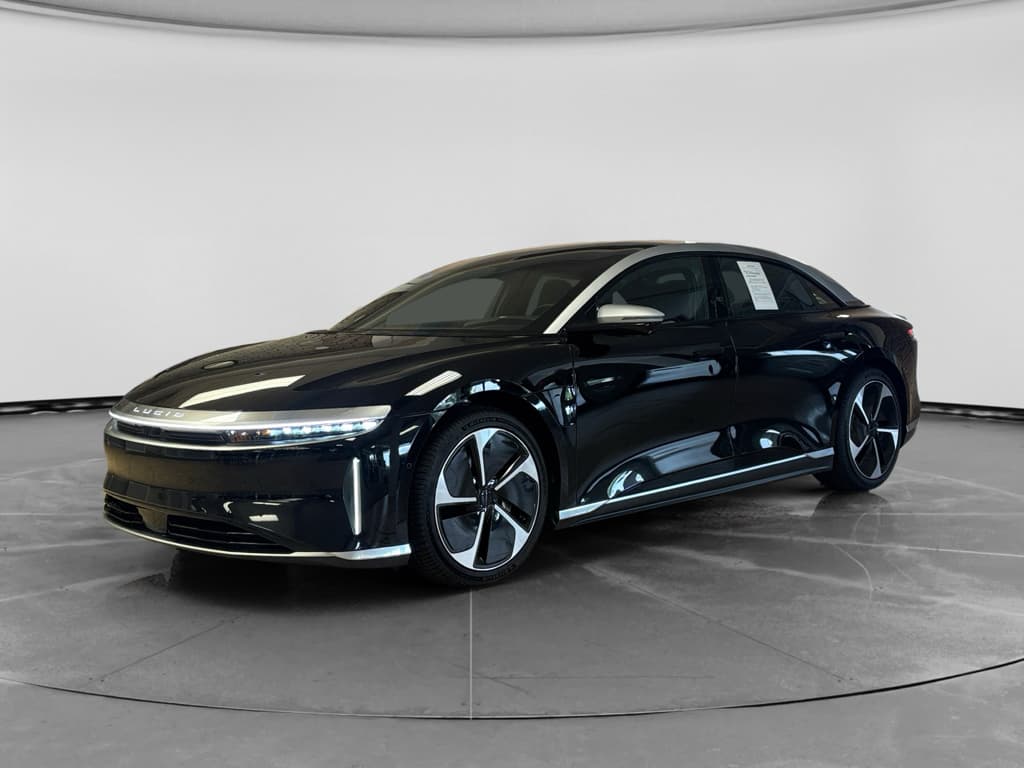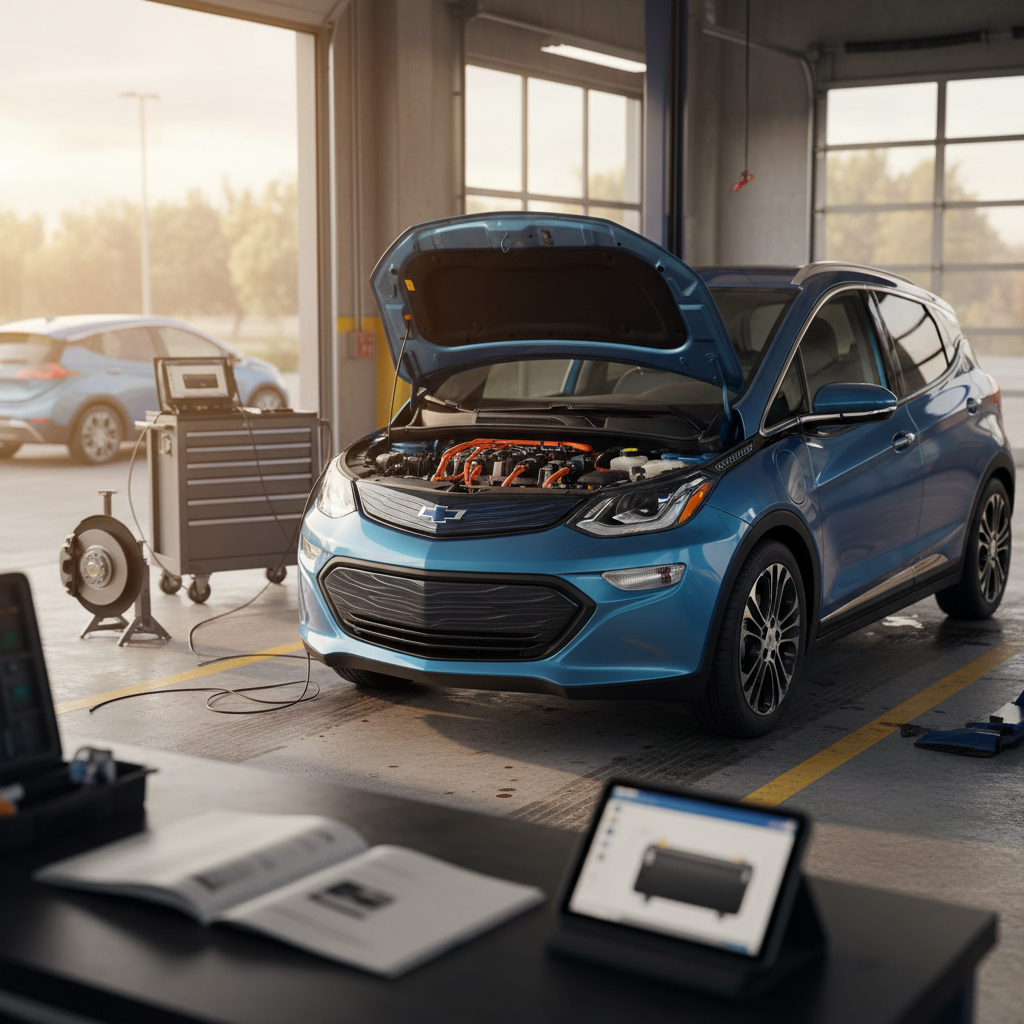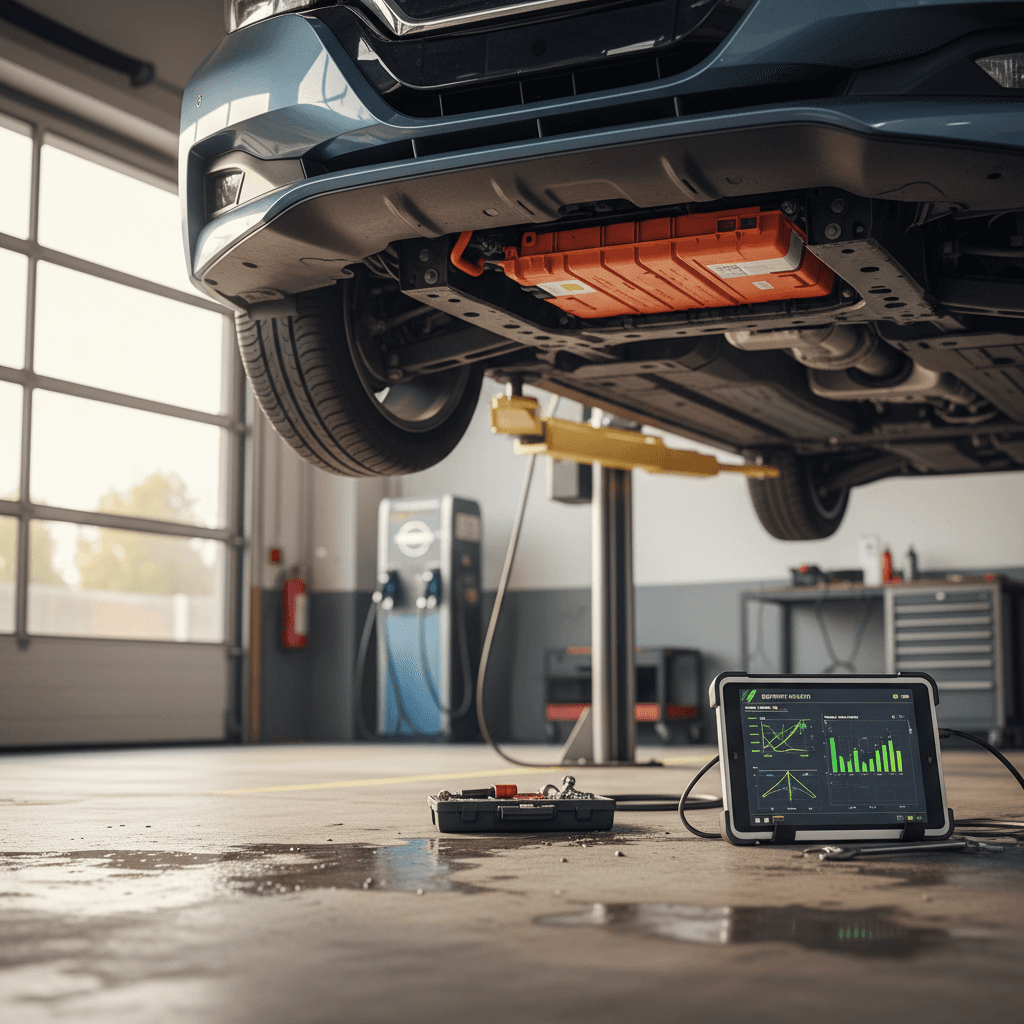
If you’re eyeing a Lucid Air, you’re probably wondering whether the maintenance cost on a six‑figure luxury EV will sting like a German gas sedan, or feel closer to a low‑drama Tesla. The good news: thanks to its electric powertrain, a Lucid Air’s maintenance cost is generally lower than a comparable Mercedes S‑Class or BMW 7 Series, and in the same ballpark as other premium EVs. The catch is that the car is complex, the service network is still young, and tires and repairs can get pricey if you’re not prepared.
Key takeaways
Lucid Air maintenance cost at a glance
Lucid Air maintenance in context
What this article can and can’t tell you
Why EVs like the Lucid Air cost less to maintain
Start with the basics: the Lucid Air doesn’t have an engine, transmission, exhaust system, or a traditional fuel system. That wipes out a long list of regular services that drive up costs on gas luxury sedans, oil changes, spark plugs, timing chains, transmission fluid, and emissions components. Across the broader market, studies consistently find that EVs cost 30–60% less to maintain than comparable gas vehicles over the first several years of ownership, largely because there’s simply less to service.
- No oil changes or engine‑related services
- No multi‑speed transmission to flush or rebuild
- No exhaust, catalytic converters, or complex emissions gear
- Less brake wear thanks to strong regenerative braking
- Software‑heavy design that allows many issues to be diagnosed or even fixed over‑the‑air
Lucid leans hard into this EV advantage. The Air’s service menu is dominated by inspections, tire rotations, brake fluid and coolant checks, filters, and software updates. Where things get expensive is when you cross from "maintenance" into collision damage or out‑of‑warranty component failures, which is true of most modern EVs, not just Lucid.
Lucid Air service intervals and typical visits
Lucid positions the Air as a low‑maintenance luxury EV. Instead of old‑school 5,000‑mile service stamps, you’ll mostly see time‑based inspections and a handful of wear items with multi‑year intervals. Exact recommendations vary by model year and driving conditions, but a realistic pattern for a daily‑driven Air looks like this:
Typical Lucid Air service items and intervals
Approximate timing and content of common maintenance items for a Lucid Air. Always verify against your specific owner’s manual and service advisor.
| Item | Typical interval | What’s done | Typical cost range* |
|---|---|---|---|
| Tire rotation & inspection | Every 6,000–7,500 miles or 6–12 months | Rotate tires, check tread, inspect brakes and suspension | $60–$150 |
| Cabin air filter | Every 2 years (more in dusty areas) | Replace interior HVAC filter | $80–$200 |
| Brake fluid check/service | Inspect annually, replace ~3–4 years | Check moisture level; flush/replace fluid as needed | $150–$300 |
| Coolant / thermal system check | At scheduled inspections or ~4 years | Inspect battery and drive‑unit coolant levels and hoses | $0–$300 (inspection vs full service) |
| Alignment check | As needed (after potholes, curb hits, or uneven wear) | Adjust suspension geometry to factory spec | $150–$250 |
| Wiper blades & washer fluid | As needed | Replace blades, top off fluid | $40–$120 |
These are representative intervals; heavy use, harsh climate, or software bulletins can change recommendations.
How often will you actually see a service center?
Expected annual Lucid Air maintenance cost
Because Lucid’s service network is still maturing and a lot of work is done via mobile techs, there’s no universal price sheet. But we can triangulate from current EV cost‑per‑mile data and luxury‑car parts pricing to build a realistic budget. Recent analyses put typical EV maintenance at roughly $0.03–$0.06 per mile when you spread tires, brake work, inspections, and minor repairs over several years. A gas luxury sedan, by contrast, often lands north of $0.08–$0.10 per mile once you include all the engine and transmission work.
Estimated annual Lucid Air maintenance cost (example)
Illustrative budgets for a Lucid Air driven 12,000–15,000 miles per year. Actual costs will vary by region, driving style, and tire choice.
| Item | Low‑use driver (8,000 mi/yr) | Average driver (12,000–15,000 mi/yr) |
|---|---|---|
| Routine inspections & rotations | $150–$250 | $200–$350 |
| Filters & fluids (averaged over years) | $50–$100 | $75–$150 |
| Tires (averaged over 3–4 years) | $200–$300 | $300–$500 |
| Unexpected minor repairs | $50–$150 | $100–$250 |
| Estimated annual total | ≈ $450–$800 | ≈ $675–$1,250 |
Numbers assume no major collision damage or out‑of‑warranty failures.
Quick rule of thumb
How Lucid Air compares to Tesla and gas luxury sedans
Lucid Air vs Tesla Model S
- Similar core maintenance profile: no oil, fewer routine services.
- Both rely heavily on software and over‑the‑air updates.
- Lucid’s smaller network can mean longer travel for in‑person work, but mobile service is expanding.
- Parts pricing today is broadly comparable to other high‑end EVs.
Lucid Air vs German luxury sedans
- Gas S‑Class / 7 Series require frequent oil services and complex engine/transmission work.
- Owners often see $1,500+ per year in maintenance and repairs as cars age.
- Lucid avoids most of those line items, but tires and alignments can be just as expensive.
Lucid Air vs mainstream EVs
- Mechanically similar story: no engine, minimal routine service.
- But larger, heavier, more powerful than a typical compact EV, so expect higher tire and brake costs.
- Luxury‑grade parts and labor rates push it above a Model 3 or Hyundai Ioniq 5, but still below top‑tier gas sedans overall.
Where Lucid Air lands in the real world
Big-ticket items: battery, brakes, tires, and repairs
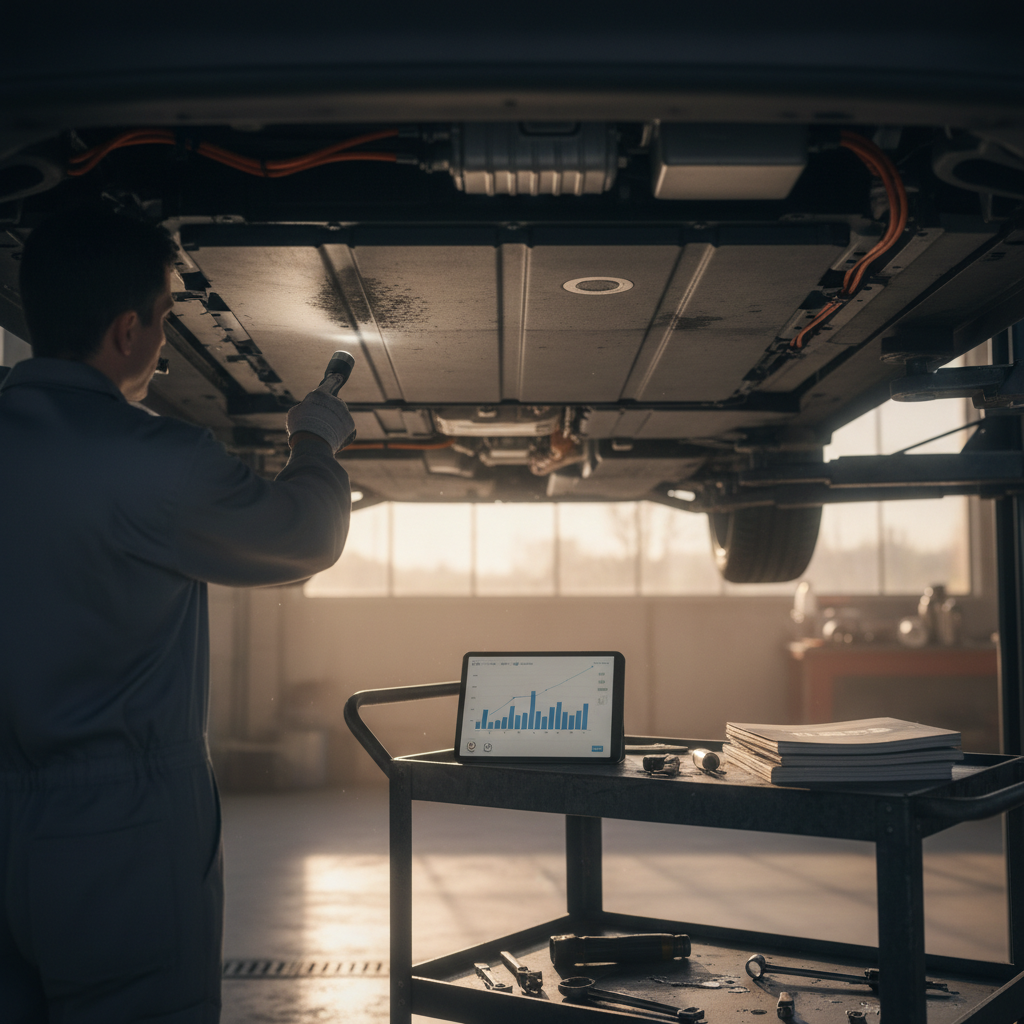
Most Lucid Air owners won’t spend big money on scheduled services. The real budget swings show up in three places: tires, brakes (eventually), and repairs after accidents or out‑of‑warranty failures.
Lucid Air’s main long‑term cost drivers
Know where the large bills can come from so you’re not surprised.
High‑performance tires
The Air is heavy and powerful. That’s great for acceleration, less great for tire life. Many owners see 25,000–35,000 miles from a set of performance tires, less if they drive hard.
Expect $1,200–$2,000 for a full set of premium tires mounted and balanced.
Brakes & rotors
Regenerative braking dramatically reduces wear, so pads can last far longer than on a gas sedan.
But when you do need pads and rotors, luxury‑grade hardware and labor can run $800–$1,500+ for an axle at dealer rates.
Repairs & body work
Like other EVs, the Air can be more expensive to repair after collisions due to complex electronics and battery protection structures.
Industry‑wide, EV repair bills tend to run 20–30% higher than comparable gas vehicles when crashes are involved.
Battery replacement fears, in perspective
Lucid Air warranty coverage and what it really protects
A big reason Lucid Air maintenance costs stay modest in the early years is warranty coverage. While exact terms vary a bit by model year and trim, the broad pattern matches what you see across the EV market: a shorter basic warranty plus a long battery and powertrain warranty.
Typical Lucid Air warranty structure (U.S.)
Representative warranty coverage patterns for Lucid Air models sold in the mid‑2020s. Always confirm details for the specific car you’re considering.
| Warranty type | Typical term | What it covers |
|---|---|---|
| Basic (bumper‑to‑bumper) | 4 years / 50,000 miles | Most non‑wear components: electronics, interior hardware, many driver‑assistance systems. |
| Powertrain | 4 years / 50,000 miles (often paired with basic) | Electric motors, reduction gearboxes, related driveline components. |
| High‑voltage battery | 8 years / 100,000+ miles (varies by trim) | Battery pack defects and, in many cases, capacity loss beyond a defined threshold. |
| Corrosion / perforation | Up to 10–12 years in many cases | Rust‑through on body panels (not surface corrosion). |
Coverage is time‑or‑mileage, whichever comes first.
What’s not "maintenance" but still matters
Real-world owner factors that change your costs
Two Lucid Air owners can end up with very different maintenance costs, even with identical cars. That’s because real‑world usage matters at least as much as the service schedule on paper.
Four things that swing Lucid Air maintenance costs
1. How aggressively you drive
Hard launches and high‑speed runs don’t just burn energy, they chew through tires and eventually brakes. Drive the Air like a long‑range tourer and tires last longer; treat it like a supercar and you’ll be on a first‑name basis with your tire shop.
2. Road quality and climate
Pothole‑ridden streets, snowy winters, and frequent freeze‑thaw cycles mean more alignment checks, more suspension wear, and sometimes faster corrosion on exposed hardware. Mild‑climate highway commuters typically see the lowest maintenance bills.
3. Service network access
If you live near a Lucid Service Center or within range of mobile service, you’ll have an easier time sticking to low‑cost preventative maintenance. If the nearest location is several hours away, you’re more likely to bunch work together, and potentially defer small issues until they’re bigger.
4. Ownership horizon
First owners usually live entirely within the warranty window, which keeps repair risk low. Second or third owners, especially past 8 years, need to budget more conservatively for out‑of‑warranty electronics or driveline issues, even if they’re unlikely.
Tips to keep Lucid Air maintenance costs low
Stay ahead on simple items
- Rotate tires on schedule. Front‑rear rotation helps even out wear on a heavy, powerful EV like the Air.
- Watch your tire pressures. Under‑inflation accelerates wear and hurts efficiency; over‑inflation can compromise grip and ride quality.
- Schedule annual checkups. A quick inspection can catch early suspension or brake issues before they become expensive.
Use the EV strengths
- Maximize regenerative braking. Strong regen means your friction brakes last longer; use "one‑pedal" style driving when safe.
- Lean on software diagnostics. Pay attention to warnings and alerts; many issues can be addressed before they cascade into larger failures.
- Charge and store smart. Avoid living at 100% state of charge or deep‑cycling to 0% daily; that’s good for long‑term battery health even under warranty.
Budgeting alongside your Lucid Air payment
Buying a used Lucid Air: how to evaluate maintenance risk
Used Lucid Air prices have been under real pressure, just like the rest of the used EV market. That’s great for your upfront budget, but it also means you can’t afford nasty surprises on the back end. For a second‑owner Lucid, the maintenance story is less about oil changes (there aren’t any) and more about battery health, remaining warranty, and how the previous owner treated the car.
Used Lucid Air maintenance & risk checklist
Confirm battery health and warranty
Look for documentation on battery state of health and remaining 8‑year high‑voltage warranty. Large unexplained range loss or a car close to warranty end deserves sharper pricing or extra diagnostics.
Review service history
Ask for records of software updates, recalls, and basic maintenance like rotations and brake fluid service. Gaps don’t automatically mean trouble, but consistent care is a positive signal.
Inspect tires and alignment
Uneven wear can hint at past curbing or suspension issues. On a heavy EV, a proper alignment is worth the money, and misalignment will show up quickly in the tread.
Scan for warning lights and fault codes
Make sure no persistent drivetrain or battery warnings are active. If you’re buying from a third party, insist they have a Lucid service check or independent EV‑specialist inspection done before you sign.
Evaluate collision history
Battery‑adjacent damage and structural repairs can get expensive and may affect warranty coverage. A clean repair history is worth paying for in this segment.
How Recharged helps de‑risk a used Lucid Air
Ready to find your next EV?
Browse VehiclesLucid Air maintenance cost FAQ
Frequently asked questions about Lucid Air maintenance
Bottom line: is a Lucid Air expensive to maintain?
Taken in isolation, Lucid Air maintenance cost is not the budget‑breaker many shoppers fear. Routine service tends to be simpler and cheaper than on a traditional flagship sedan, and the long battery warranty keeps the scariest repair off the table for most first owners. Where you’ll feel the Lucid’s luxury status is in tires, occasional alignment or brake work, and any out‑of‑warranty repairs that involve advanced electronics or crash damage.
If you’re comparing a Lucid Air to a gas luxury sedan, maintenance is one of the categories that pushes you toward the EV. If you’re cross‑shopping with smaller or older EVs, expect the Air to cost a bit more to keep in top shape, but to repay you with range, performance, and refinement. And if you’re looking at a used Lucid, pairing today’s softer prices with verified battery health and transparent history, through tools like the Recharged Score Report, is the smartest way to lock in the maintenance advantage without inheriting someone else’s deferred‑maintenance headaches.