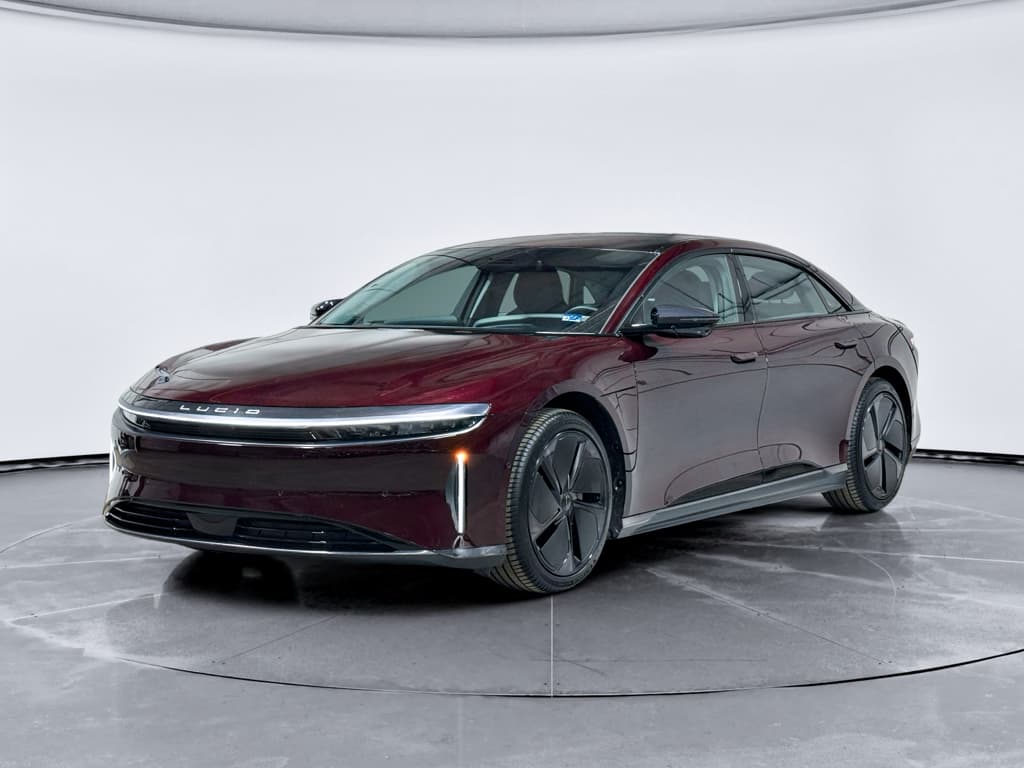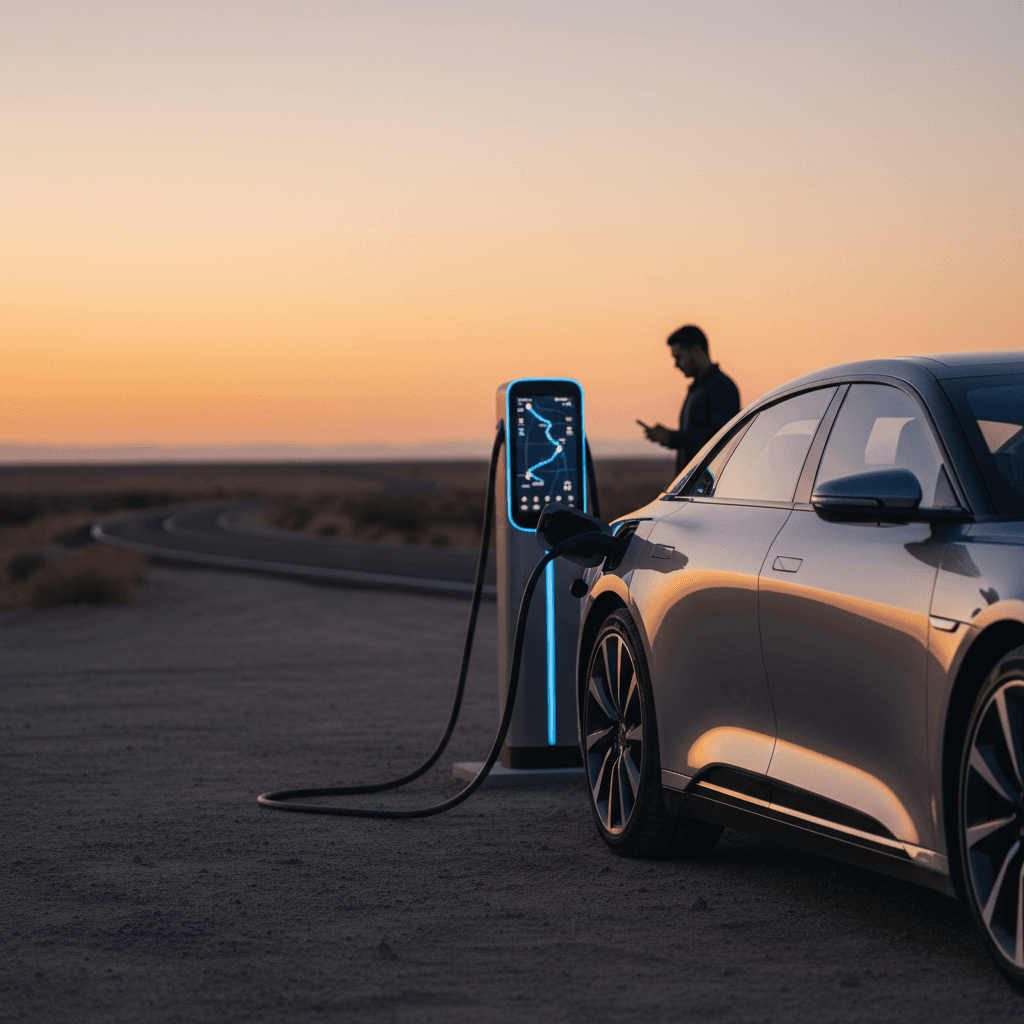
The Lucid Air is one of the best long-distance EVs you can buy, with segment‑leading EPA range and strong fast‑charging performance. But to actually enjoy those miles on a real road trip, you need more than a big battery, you need a plan. These Lucid Air long distance driving tips will help you turn eye‑catching range numbers into confident, low‑stress highway travel.
Lucid Air at a Glance
Why the Lucid Air Excels at Long-Distance Driving
Core Advantages for Highway Travel
Why the Lucid Air makes such a compelling EV road trip car
Long EPA Range
Many Lucid Air variants sit near the top of the EV market for official range. That means fewer charging stops and more flexibility when routes are sparse.
Strong DC Fast Charging
The Air supports high peak DC charging speeds, especially when you arrive with a low state of charge (SoC). That lets you grab meaningful range in 20–30 minutes.
Comfortable Highway Cruiser
Quiet cabin, strong acceleration, and advanced driver assistance make long hours at the wheel less tiring, crucial when you’re stacking 400–600 miles in a day.
Those strengths are the starting point. The rest of this guide focuses on how you, as the driver, can fine‑tune route planning, charging, and driving habits so your Lucid Air feels as easy on a multi‑state drive as it does around town.
Know Your Lucid Air Range in the Real World
The EPA rating is a helpful benchmark, but your real‑world range will depend on speed, temperature, elevation, wheel size, and how much cargo and passengers you carry. Before a big trip, spend some time learning what your specific Air actually delivers on the highway.
Highway Range Reality Check (Rule-of-Thumb)
Use a Conservative Planning Number
- On a calm‑weather highway test drive, reset a trip meter and track energy use over 50–100 miles at your normal cruising speed.
- Note your average consumption (e.g., kWh/100 miles or mi/kWh) and use that to estimate realistic range from your usable battery capacity.
- Repeat the test in different conditions, cold vs. warm, headwinds vs. tailwinds, so you have a mental ‘best case’ and ‘worst case’.
Build a Smart Charging Strategy for Road Trips
You don’t need to arrive at every charger nearly empty or fill to 100% every time. In fact, the Lucid Air, like most modern EVs, charges fastest when the battery is between roughly 10–60%. Think in terms of hopping between fast chargers, not replicating gas‑tank habits.
Typical DC Fast-Charging Windows for Comfort and Speed
These are general planning bands, always follow Lucid’s official guidance and real‑time recommendations from the car.
| Scenario | Arrival SoC Target | Departure SoC Target | Why It Works |
|---|---|---|---|
| Normal spacing between chargers | 10–20% | 60–70% | Uses the fastest part of the charging curve; short, efficient stops. |
| Sparse network / winter driving | 15–25% | 80–90% | Builds in extra buffer for weather or unexpected detours. |
| Lunch or long break stop | 5–15% | 80–100% | Longer dwell time makes a higher SoC practical without feeling like you’re waiting. |
Adjust these windows based on weather, charger spacing, and your personal comfort level.
Avoid Living at 100%
On a typical highway day, many Lucid Air drivers find that 150–220‑mile legs with 20–35‑minute stops at high‑power DC stations hit a sweet spot between progress and comfort. The Air’s large battery gives you the flexibility to shorten or extend those segments around traffic, weather, or sightseeing.
Optimize Highway Driving Style for Maximum Range
1. Choose a Realistic Cruise Speed
Above about 70–75 mph, aerodynamic drag rises quickly for any car, even a sleek Lucid Air. Dropping from 80 mph to 70 mph can save a surprising amount of energy and unlock an extra 30–50+ miles of usable range on a full charge, depending on conditions.
If the right lane is flowing at 70–72 mph, there’s usually little benefit to blasting past everyone at 80–85 mph, especially when it means extra charging stops.
2. Drive Smoothly, Not Aggressively
High‑power acceleration is fun in the Air, but repeated full‑throttle bursts and late braking burn range. On long trips, think ‘train on rails’: smooth lane changes, gradual throttle inputs, and early regenerative braking where traffic allows.
The payoff is better energy efficiency and less fatigue.
Quick Lucid Air Efficiency Wins
Small habits that add up over a 400‑mile day
Use Drafting (Safely)
Following a large vehicle at a respectful distance (not tailgating) can reduce drag slightly. Don’t force it, but when it’s natural, it can help.
Mind Wheel & Tire Choices
Large wheels and aggressive tires look great but can cost range. If you’re spec‑shopping or buying used, note that smaller, aerodynamic wheel options usually travel farther per kWh.
Plan for Elevation
Climbing long grades consumes extra energy, while descents recover some range via regen. On mountain routes, expect your effective range to be lower than flat‑land driving, especially in winter.
Plan Routes and Stops With the Right Tools
Lucid’s own navigation system can route through compatible DC fast‑charging stations and estimate your arrival SoC. That’s a strong starting point, but most long‑distance Lucid Air drivers combine multiple tools for redundancy and flexibility.
Best Tools for Lucid Air Road Trip Planning
Use at least two, so one can back up the other
Lucid Navigation
Use the in‑car route planner to suggest stops, see projected SoC on arrival, and get real‑time feedback based on your driving and conditions.
Third‑Party Apps
Apps that aggregate public chargers by network, power level, and amenities help you compare options and build a backup plan along your route.
Network Apps
Apps from major networks (like Electrify America or EVgo) show station status, pricing, and stall availability. Handy when deciding between two nearby sites.
Cross‑Check Before Committing to a Long Leg
When you’re buying a used Lucid Air, or evaluating one on a marketplace like Recharged, look closely at the navigation and connectivity features. A car with up‑to‑date software and a healthy data connection will give you more reliable range estimates and charging suggestions on the road.
Manage Cabin Comfort Without Killing Range
Comfort is non‑negotiable on a long trip, but climate control can be a major energy draw, especially in very hot or cold weather. The Lucid Air’s efficient heat pump and software tools give you options to stay comfortable while preserving range.
Smart Climate and Comfort Practices
Precondition While Plugged In
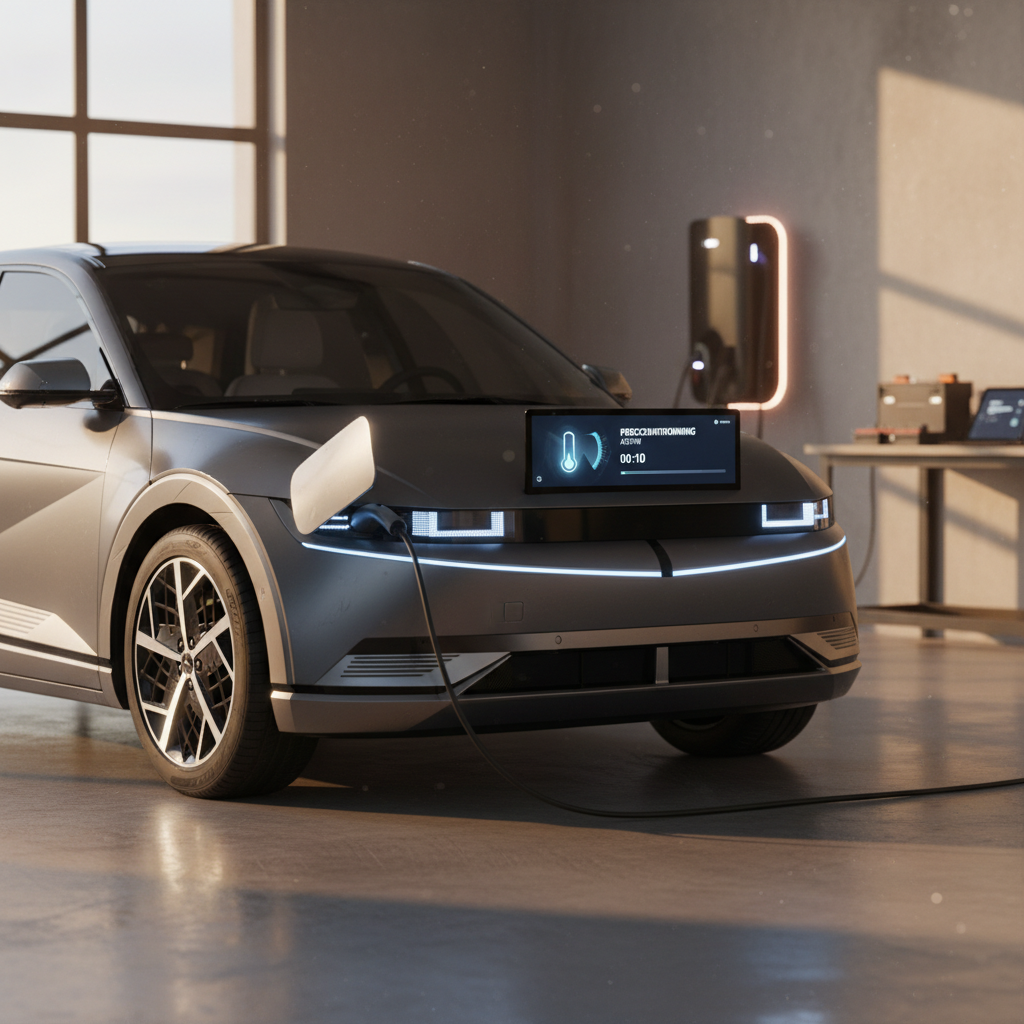
Before you leave a hotel or home charger, use the app or in‑car controls to warm or cool the cabin while still connected. This shifts some of the HVAC load to the grid instead of the battery.
Use Seat and Steering Wheel Heaters
In cold weather, seat and wheel heaters use less energy than blasting cabin air. You can often turn the main temperature down a degree or two and still feel warm.
Avoid Extreme Setpoints
If it’s 100°F outside, setting the cabin to 68°F is much harder on range than 72–74°F. The same goes for cranking heat to the max in winter, moderate is more efficient.
Limit Idle HVAC Use
Running full HVAC for long breaks while parked and unplugged slowly chips away at available range. Use it when you need it, but don’t forget it’s on for 30–40 minutes at a time.
Good News on HVAC Efficiency
Protect Battery Health on Frequent Long Trips
The Air’s large battery pack is engineered for longevity, but repeated long‑distance use adds more fast‑charge cycles and deeper discharges than city driving. A few habits can help keep your pack healthier over the long haul, important whether you plan to keep the car for 10 years or sell it as a used Lucid Air in a few.
Battery-Friendly Habits for Road Warriors
Balance speed, convenience, and long‑term health
Avoid Unnecessary 0–100% Swings
Occasional deep cycles are fine, but if you road trip often, try to keep most fast‑charge sessions in the 10–80% window. Save 90–100% charges for rare, truly long gaps.
Don’t Park Full in the Heat
When possible, avoid leaving the car sitting for many hours at 90–100% SoC in high temperatures. If you must charge full for an early start, finish charging closer to departure time.
Use Fast Charging Strategically
DC fast charging is there to be used, but if you’re stopping overnight and don’t need a quick turn, a slower AC session is easier on the pack and often cheaper.
How Recharged Evaluates Battery Health
Extra Tips for Used Lucid Air Buyers and Owners
If you’re considering a used Lucid Air specifically for long‑distance driving, you’ll want to go a level deeper than paint and interior condition. Road trips are where small differences in battery health, software, and equipment show up quickly.
Used Lucid Air: Road Trip Readiness Checks
Questions and checks to run before you buy or before your first big trip in a used Air.
| Area | What to Check | Why It Matters |
|---|---|---|
| Battery Health | Ask for documented battery health reports or diagnostics (like a Recharged Score). | Gives a realistic sense of long‑trip range vs. the original EPA rating. |
| Charging History | Look for a mix of home AC and DC fast‑charging, not exclusively one or the other. | Extreme patterns (only DC at high SoC) can add stress to the pack over time. |
| Charging Hardware | Confirm DC fast‑charging works properly; test on a reputable high‑power station if possible. | Catching charging issues before a 1,000‑mile drive prevents headaches later. |
| Software & Navigation | Check for recent software updates and functional route‑through‑charger navigation. | An updated system gives better charging recommendations and more accurate range estimates. |
| Tires & Alignment | Inspect tread and wear patterns; misalignment can hurt efficiency and range. | Uneven wear or oversized aftermarket wheels can cut into your highway mileage. |
You can do many of these checks remotely with photos, video calls, or documentation from the seller or marketplace.
A marketplace built around used EVs, like Recharged, can simplify this process. Vehicles come with verified battery health data, transparent pricing, and EV‑specialist support, so you know whether the Lucid Air you’re eyeing is ready for a cross‑country run or better suited as a commuter.
Lucid Air Road Trip Checklist
Pre-Trip Checklist for a Smooth Lucid Air Journey
1. Confirm Realistic Range
Based on your past drives, pick a conservative planning range (often 70–80% of EPA for your trim). Use that, not the marketing number, to space out chargers.
2. Map Primary and Backup Chargers
Use Lucid navigation plus at least one third‑party app to choose DC fast‑charging stops, and save backups in case your first choice is busy or offline.
3. Set a Reasonable SoC Window
Plan to arrive around 10–20% and leave around 60–80% when possible. Adjust upward for bad weather, sparse chargers, or night driving.
4. Update Software and Apps
Check for Lucid software updates a few days before departure. Update any charging apps you’ll rely on, and make sure your accounts and payment methods are active.
5. Inspect Tires and Pressures
Verify tire pressures are at spec (when cold) and tread depth is safe. Underinflated or worn tires hurt efficiency and safety.
6. Pack Charging Essentials
Bring your mobile connector or portable Level 2 EVSE if available, plus any adapters you may need for destination charging at rentals, relatives, or public sites.
7. Plan Comfort & Food Stops
Align charging with natural breaks, meals, restrooms, short walks. The Lucid Air’s long range lets you choose stops for quality of life, not just necessity.
Lucid Air Long-Distance FAQ
Frequently Asked Questions About Lucid Air Road Trips
Bottom Line: Lucid Air as a Long-Distance EV
Driven and planned well, the Lucid Air is more than capable of crushing long‑distance drives, whether that’s a weekend away or a cross‑country trek. Its big battery buys you time between stops, its charging performance keeps breaks efficient, and its comfort features help you arrive less exhausted than you might in an older ICE car.
The key is to treat the range numbers as a tool, not a guarantee: learn your real‑world consumption, keep a sensible SoC window, pair Lucid’s navigation with reliable charging apps, and protect the battery with smart charging habits. If you’re shopping for a used Lucid Air, working with a specialist EV marketplace like Recharged, with battery‑health diagnostics, transparent pricing, and expert guidance, can give you confidence that your car is truly road‑trip ready before you ever merge onto the interstate.