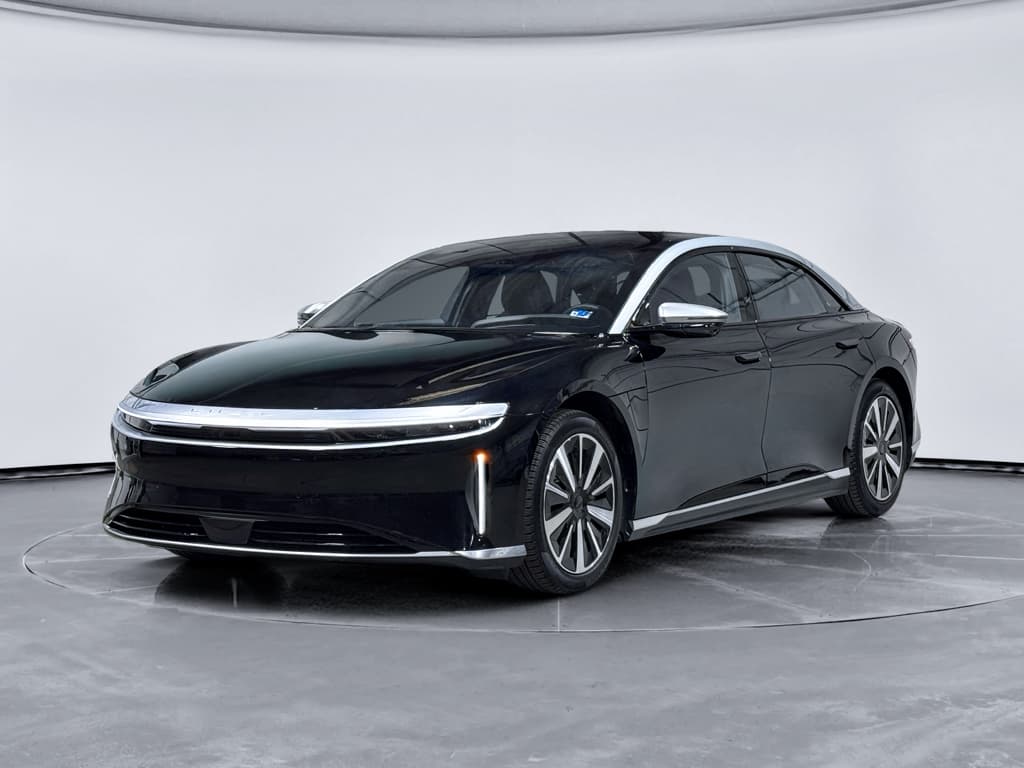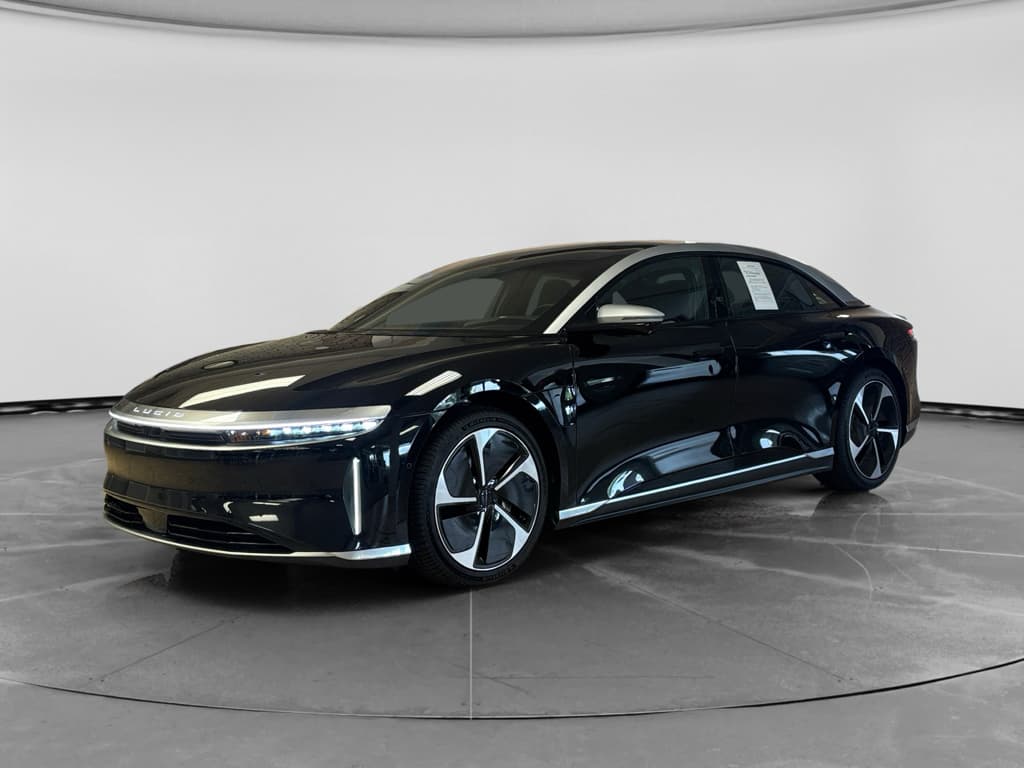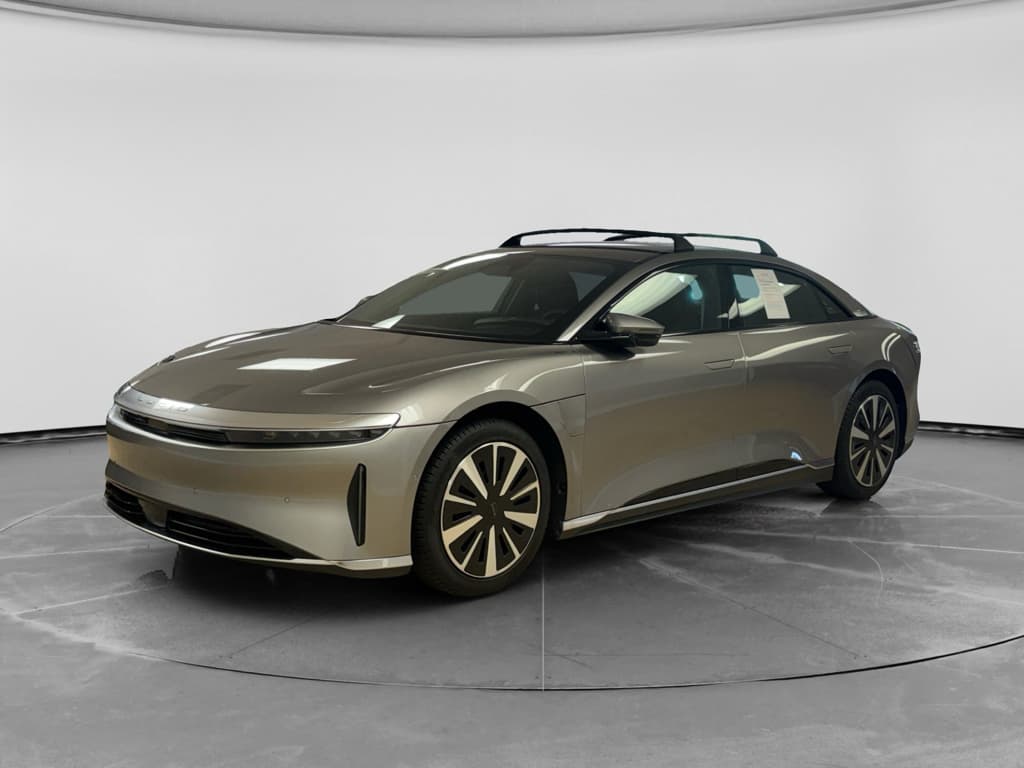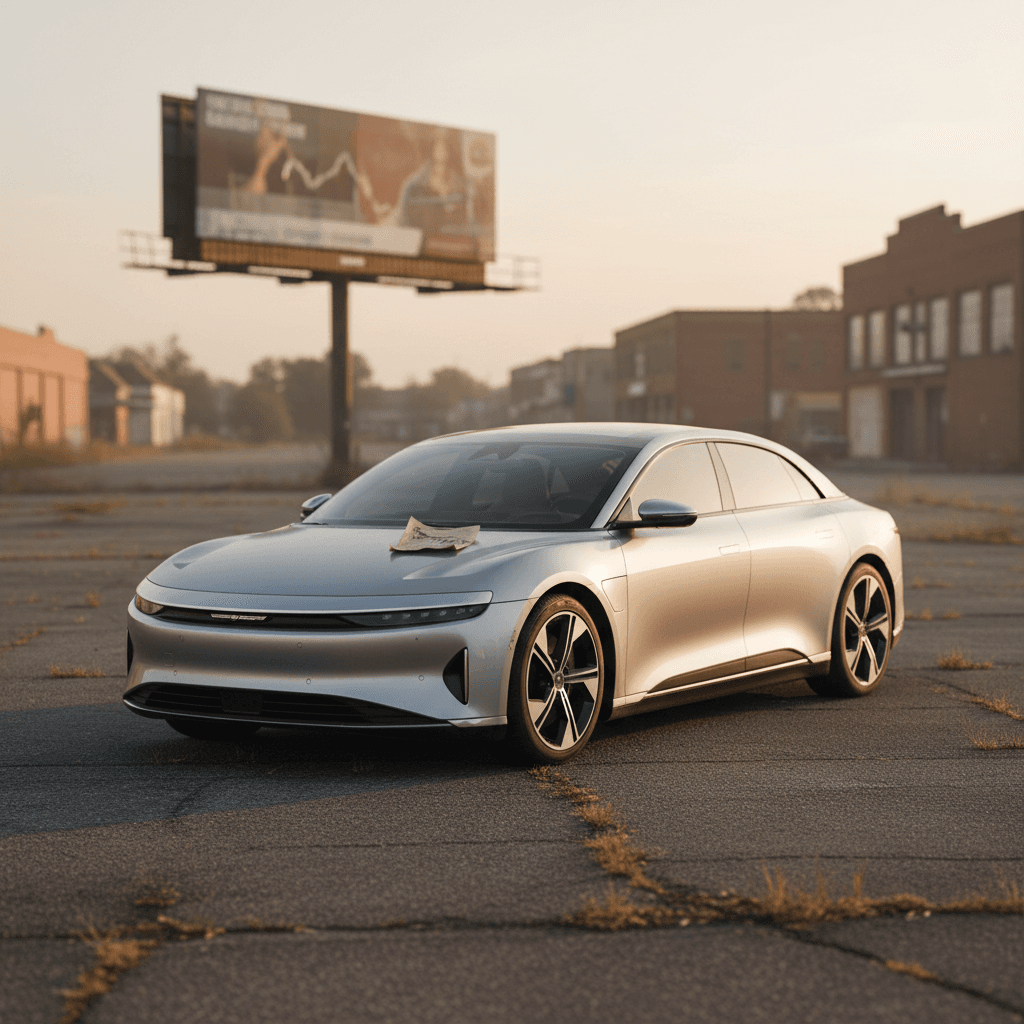
If you’re eyeing a Lucid Air, or watching used prices with interest, you’ve probably heard one thing: early cars have taken a big depreciation hit. That can be painful if you bought new, but it can also create huge opportunity if you’re shopping used. Understanding the real-world Lucid Air depreciation rate is the key to knowing whether this stunning luxury EV is a smart financial move for you.
A young brand in a volatile segment
Why Lucid Air depreciation matters right now
Depreciation is simply how quickly a car loses value over time. With the Lucid Air, it matters for three big reasons: it’s a high-dollar purchase, the brand is still relatively new, and the luxury EV market is moving fast. If you get the timing wrong, you can leave tens of thousands of dollars on the table. If you get it right, you can buy a flagship electric sedan for well under its original sticker price.
Who should care about Lucid Air depreciation?
Different owners feel price swings in different ways
New Lucid Air buyers
If you’re ordering new, you need to know how quickly value typically drops in the first 3 years, and whether leasing or financing makes more sense.
Used Lucid Air shoppers
You’re the ones who can benefit the most from early depreciation, if you know which trims, years, and battery conditions represent real value.
Current Lucid owners
If you already own an Air, depreciation affects when to sell or trade, how you insure it, and whether upgrades and maintenance are financially smart.
How fast does a Lucid Air depreciate?
Because Lucid is a newer brand with lower sales volume, there isn’t the same mountain of resale data you’ll see with Tesla or Mercedes. But looking at recent asking prices and transaction data across the market, you can draw some clear patterns about the Lucid Air depreciation rate.
Approximate Lucid Air depreciation snapshots*
Important note on numbers
The takeaway: early Lucid Airs have been depreciating faster than traditional German luxury sedans and, in many cases, faster than comparable Teslas. But that’s only half the story. The other half is that the Air’s core hardware, performance, range, and cabin quality, remains world-class, which is exactly why used shoppers should be paying attention.
Key factors driving Lucid Air depreciation
Why is the Lucid Air losing value this quickly in its first few years? It isn’t just one thing. A mix of macro economics, EV policy, and Lucid’s own product strategy all play a role.
- Young brand risk: Lucid doesn’t have decades of mainstream recognition like BMW or Mercedes. Some buyers still worry about long-term support, which softens resale demand.
- Price cuts and incentives: As Lucid adjusts pricing and offers incentives on new cars, used prices often follow them down. Shoppers see today’s new pricing and expect a discount from there, not from the original 2022 window sticker.
- Interest rates and payment shock: Higher borrowing costs mean fewer buyers for six-figure EVs. That puts pressure on sellers to lower asking prices, especially on heavily optioned early cars.
- Rapid tech changes: Over-the-air updates help, but new trims, longer-range configurations, and evolving driver-assistance features can make older builds feel dated faster than a comparable gas sedan.
- Charging network perception: Some buyers still default to Tesla for fast-charging convenience, even as more networks add reliability and Lucid improves routing and planning. That perception gap affects demand and resale.
Use the volatility to your advantage
Lucid Air vs Tesla and other luxury EV depreciation
Most people cross-shop the Lucid Air with the Tesla Model S and high-end German sedans like the Mercedes EQE/EQS and BMW i5/i7. Each of these plays by slightly different depreciation rules.
How Lucid Air depreciation stacks up (big-picture view)
High-level comparison of typical early resale behavior among popular luxury EVs. Not a substitute for model-specific price research.
| Model | Early depreciation feel | Main pressure points | Upside for used buyers |
|---|---|---|---|
| Lucid Air | Steeper than average in first 2–3 years | Young brand, price cuts, limited brand awareness | Flagship performance and range at big discounts |
| Tesla Model S | Moderate but unpredictable | Frequent price changes, aging design, strong brand | Broad buyer base, easier resale exit in many markets |
| Mercedes EQS/EQE | Steep in dollars, moderate in % | High original MSRPs, rapid tech updates | Serious discounts on ultra-luxury, quiet limo feel |
| BMW i7/i5 | Similar to high-end gas BMWs so far | Niche demand, complex options | Buyers know the brand, easier to explain to non-EV family |
Approximate early depreciation behavior as of 2024–2025.
Where Lucid Air gets dinged
- Shoppers worry about the long-term future of a small, newer brand.
- High initial MSRPs on early cars create eye-popping dollar losses.
- Fewer used sales so far mean banks and appraisers have less history to lean on.
Where Lucid Air shines
- Incredible range and performance compete with or beat segment leaders.
- Cabin quality and ride comfort hold up very well used.
- For buyers, depreciation turns a six-figure tech marvel into a relatively attainable used EV.
Battery health and the Lucid Air’s resale value
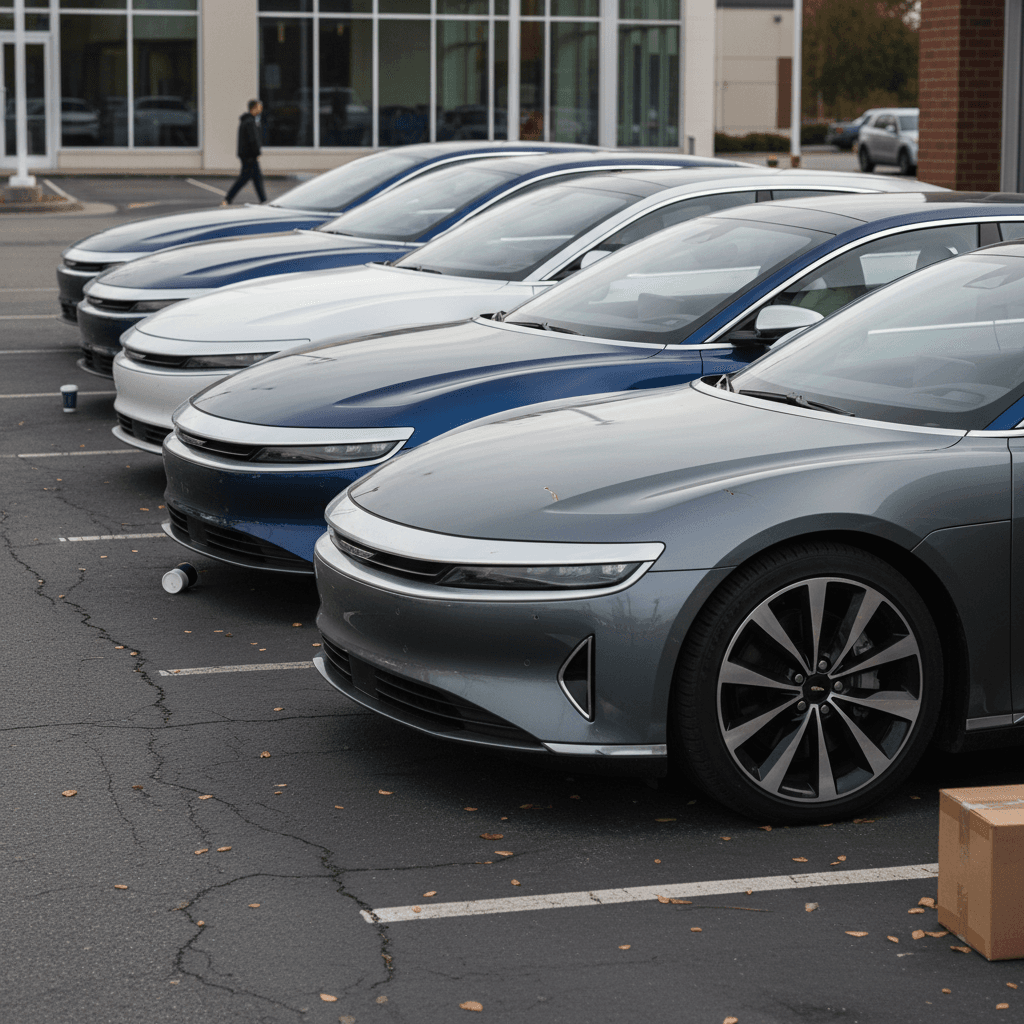
With any EV, depreciation isn’t just about brand and styling, it’s about the battery. The good news for Lucid Air shoppers is that its large battery packs and efficient powertrain mean most cars still show strong real-world range after a few years. But the condition of your specific pack can swing value thousands of dollars either way.
Battery health is the new mileage
- State of health (SOH): This is an estimate of how much usable capacity remains compared with when the pack was new. A strong SOH number supports higher resale value.
- Charging behavior: Frequent DC fast charging, habitually charging to 100%, or leaving the pack at very low charge for days can all stress the battery over time.
- Climate and storage: Extremely hot or cold storage conditions can impact long-term health if the car isn’t managed properly.
- Software and updates: Lucid can tweak range estimates and performance via software; having all updates applied is reassuring to used buyers and can help support value.
How Recharged helps here
Ready to find your next EV?
Browse VehiclesHow trim, model year, and incentives affect value
Two Lucid Airs can look similar at a glance and still have very different resale stories. Trim level, model year, options, and the incentive environment when the car was sold all shape the depreciation curve.
What pushes Lucid Air values up, or down
Not all Airs lose value at the same pace
Performance & halo trims
Dream Edition and Grand Touring models started with sky-high MSRPs, so their dollar losses can be dramatic. The flip side? If you’re buying used, they often offer the most performance per dollar.
Lower trims & later builds
Pure and Touring trims usually carry more modest MSRPs and, in some cases, more refined feature sets. Their depreciation in percentage terms may look similar, but the dollar hit is smaller.
Incentives and price cuts
If a new Lucid Air was sold with a sizable rebate or tax credit, its true starting point was lower than the window sticker. That can compress or distort the apparent depreciation when you compare used asking prices.
Watch the MSRP illusion
Buying a used Lucid Air: smart depreciation strategies
If you’re shopping used, the Lucid Air’s depreciation curve can become your best friend. The trick is knowing which cars to chase, which ones to leave on the lot, and how to separate a bargain from a bad bet.
Checklist: getting a good deal on a used Lucid Air
1. Focus on value, not just discount
Don’t just look at how far below MSRP the car is. Compare the asking price to similar Lucid Airs on the market today, then cross-shop against alternatives like a used Model S or EQS to see if the Lucid still makes sense.
2. Demand transparent battery health
Ask for verified battery diagnostics, not just a range estimate on the dash. On Recharged, the Recharged Score Report puts this front and center so you’re buying confidence, not questions.
3. Look for clean, consistent history
A well-documented service record, clean title, and evidence of regular software updates are early signs of a cared-for car that’s more likely to hold value.
4. Be realistic about warranty coverage
Understand how much factory warranty is left on the battery, drivetrain, and bumper-to-bumper coverage. That matters for resale and your own peace of mind.
5. Consider future buyers
If you plan to sell or trade in a few years, choose colors, interiors, and options that will appeal to the broader market, not just your personal taste.
6. Run total cost of ownership
Combine purchase price, insurance, charging costs, and projected depreciation. A "cheaper" car can become more expensive if it falls further in value or proves difficult to resell.
Let the first owner pay for the learning curve
How to protect your Lucid Air’s value over time
If you’re already driving a Lucid Air, you can’t change what it cost new, but you absolutely can influence how much it’s worth when you’re ready to move on. Depreciation isn’t fully under your control, but plenty of the inputs are.
- Stay on top of software and service: Keep the car fully updated and follow Lucid’s maintenance guidance. A clean digital and service record reassures second owners.
- Treat the battery kindly: Avoid living at 100% charge, don’t regularly run down to 0%, and use fast charging intentionally rather than constantly. Those habits help maintain range and value.
- Protect the interior: The Air’s cabin is one of its calling cards. Use sunshades, avoid harsh cleaners, and address spills or wear early so leather, Alcantara, and trim stay fresh.
- Document everything: Save service invoices, alignment reports, tire receipts, and any communication about repairs or recalls. A neat folder (or digital file) can distinguish your car in a crowded used listing page.
- Time your exit: If possible, avoid selling right after jarring market news, big price cuts, or major new model announcements. A few months can make a surprising difference in what buyers are willing to pay.
Thinking of selling or trading your Lucid Air?
Lucid Air depreciation rate: FAQ
Frequently asked questions about Lucid Air depreciation
Bottom line: is Lucid Air depreciation a deal-breaker?
If you bought a Lucid Air new at peak prices, depreciation has probably felt unkind. But if you’re looking at the market today, that same curve suddenly looks like opportunity. The core car, its range, refinement, and presence, is still a standout. Its young-brand growing pains simply mean more of that car is available for less money on the used market.
Whether you’re buying, selling, or just trying to understand the Lucid Air depreciation rate, the trick is to replace guesswork with data: real transaction prices, verified battery health, and honest condition reports. That’s exactly what Recharged was built to deliver. Start your search for a used Lucid Air, explore your trade-in value, or talk to an EV specialist who spends all day thinking about questions just like yours.