Sticker shock doesn’t always happen at the dealership. For many Lucid Air drivers, it hits later, when the first insurance bill lands. The Lucid Air is a six‑figure, ultra‑luxury EV with complex hardware, so it’s rarely cheap to insure. But if you understand how insurers price this car, you can still find the cheapest Lucid Air insurance available for your situation without leaving yourself exposed.
Quick reality check
Why Lucid Air insurance is so expensive
1. High vehicle value and repair complexity
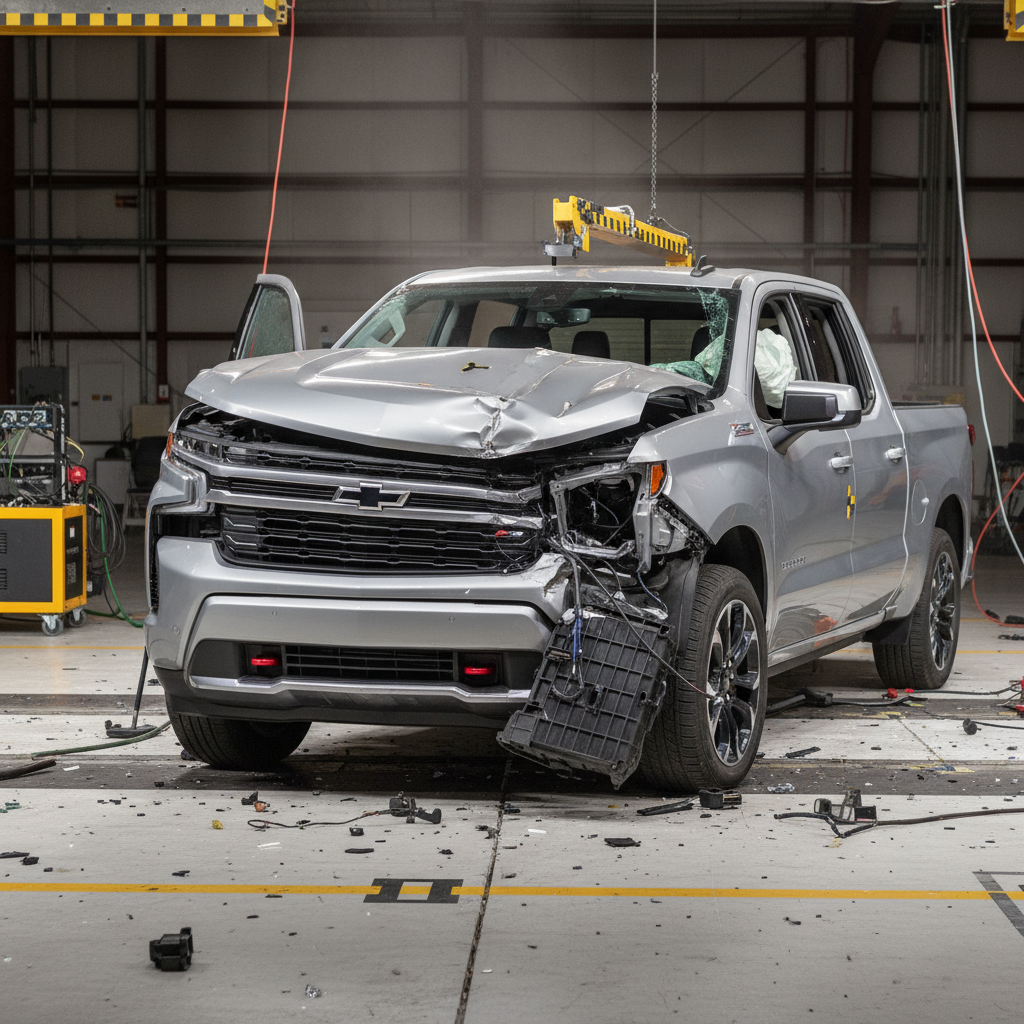
The Lucid Air is a low‑volume luxury EV loaded with aluminum body panels, advanced sensors, and one of the most power‑dense drive units on the market. When something is damaged, you’re not just paying for parts, you’re paying for specialized technicians, calibration, and long repair times.
Even a relatively minor collision can turn into a five‑figure body‑shop estimate, and insurers price that risk in.
2. Limited repair network and parts availability
Lucid’s service network is still small compared with legacy brands. Parts often have to be shipped from a small number of warehouses, and some repairs can only be done at Lucid‑approved facilities. That increases both the cost and the time an insurer has to pay for a rental car, another driver of higher premiums.
Many Lucid owners in forums report repairs that take months, not weeks, which spooks underwriters and pushes rates up.
- Luxury EV classification: Insurers group the Air with vehicles like the Mercedes‑Benz EQS and Porsche Taycan, not mainstream sedans.
- Power and performance: With 0–60 times dipping toward the 2‑second range in higher trims, the Air is in a riskier performance bracket.
- New technology: Advanced driver‑assistance systems can lower crash severity but are extremely expensive to repair when damaged.
How much does Lucid Air insurance cost in 2026?
What drivers report paying to insure a Lucid Air
No two Lucid drivers will see the same quote, but current 2026 data suggests many Air owners land between $2,400 and $4,800 per year for full‑coverage insurance, with outliers below and above that band. Entry trims like the Pure tend to sit on the lower end, while Touring, Grand Touring, and Sapphire models push prices higher.
Typical Lucid Air insurance cost by trim (full coverage)
Illustrative ranges based on recent industry studies and real‑world owner anecdotes. Your own quote may fall outside these bands depending on location and driver profile.
| Lucid Air trim | Indicative monthly range | Indicative annual range | Notes |
|---|---|---|---|
| Air Pure | $450–$600 | $5,400–$7,200 | Lowest rates among Air trims, but still pricier than most mainstream sedans. |
| Air Touring | $550–$750 | $6,600–$9,000 | Popular spec; power and price bump raise premiums. |
| Air Grand Touring | $550–$700 | $6,600–$8,400 | High replacement cost keeps premiums elevated. |
| Air Sapphire | $700–$900+ | $8,400–$10,800+ | Extreme performance plus very high MSRP push this into exotic‑car territory for insurance. |
Use these ranges as a sanity check, not a guarantee, when you start shopping quotes.
Rates vary wildly by ZIP code
Cheapest insurance companies for the Lucid Air
Different insurers view the Lucid Air very differently. In recent rate studies focused on Lucid, companies like Geico, State Farm, Nationwide, Erie, and USAA often show up near the top for cheaper full‑coverage quotes on various Air trims. But what’s “cheapest” for your neighbor’s Touring may be far from cheapest for your Pure.
Where to look first for cheaper Lucid Air quotes
Use these as starting points, not guaranteed winners.
Nationwide, Erie, USAA
Several independent rate comparisons put these three among the lowest average prices for full‑coverage Lucid Air policies, especially in states where they’re strong.
USAA is limited to military families, but can be aggressively priced when you’re eligible.
State Farm & Geico
In at least one 2026 Lucid insurance study, Geico was cheapest for Air Pure and Touring, while State Farm often came out ahead for Grand Touring and Sapphire.
Both reward clean driving histories and multi‑car households.
Regional carriers & Costco Connect
Lucid owners frequently report big savings after switching to regional companies or group plans like Costco Connect. These brands may not top national studies, but can undercut the big names in specific ZIP codes.
Don’t chase a brand, chase the quote
What really drives your Lucid Air rate
- Trim and MSRP: Higher‑priced trims and options increase both replacement cost and the size of potential claims.
- Where you live and park: Dense urban areas with more theft and accidents cost more than quiet suburbs or small towns. A locked garage beats street parking.
- Driving record: Tickets, at‑fault crashes, and DUIs are rate killers. A spotless record is your biggest lever for cheap coverage.
- Annual mileage: The fewer miles you drive, the fewer chances to crash. If your Air is a weekend toy, make sure your insurer knows it.
- Credit‑based insurance score (where allowed): In many states (not all), your credit profile affects price almost as much as driving history.
- Coverage limits and deductibles: Higher liability limits and low deductibles offer better protection but cost more upfront.
- How your Lucid is financed: Leases and loans often require higher coverages, which can limit how low you can push your premium.
Safety helps, but doesn’t erase cost
14 strategies to get the cheapest Lucid Air insurance
Your action plan for cheaper Lucid Air insurance
1. Compare at least 5 real quotes
Start with a broad mix: a couple of national carriers (Geico, State Farm, Nationwide), a strong regional player, and any group or membership‑based options (USAA, Costco Connect). For a car as niche as the Air, the spread between highest and lowest can be thousands per year.
2. Quote all drivers and vehicles together
Insurers love a bundle. List all household cars and licensed drivers when you quote. Multi‑car and multi‑policy discounts can shave a surprising amount off a high Lucid premium, especially if your other vehicles are cheaper to insure.
3. Adjust deductibles strategically
Raising your comprehensive and collision deductibles from $500 to $1,000 can drop premiums noticeably. Just make sure you have that deductible amount set aside in cash; the cheapest policy in the world is useless if you can’t afford to use it after a crash.
4. Right‑size your liability limits
For a high‑value EV, you rarely want state minimums. Aim for at least 100/300/50 or higher, but avoid going to extreme umbrella‑like limits through your auto policy alone. If you need more protection, consider a separate umbrella policy, which can sometimes be cheaper per dollar of coverage.
5. Ask for EV and telematics discounts
Many insurers now offer specific <strong>EV discounts</strong> or safe‑driver programs that track your driving via an app or plug‑in. If you’re a smooth, low‑mileage driver, usage‑based insurance can make a real dent in Lucid pricing.
6. Verify "pleasure use" if you don’t commute daily
If your Lucid Air is a weekend or road‑trip car and you commute in something else, make sure the policy lists it as pleasure use, not a primary commuter. That classification change alone can be worth hundreds per year.
7. Fine‑tune your mileage estimate
Don’t casually accept a default 15,000‑mile estimate if you drive 7,000 miles a year. Keep odometer photos and be honest with the insurer. Lower mileage is one of the cleanest, risk‑based ways to qualify for cheaper coverage.
8. Improve your credit profile over time
In most states, better credit means better insurance rates. You won’t fix this overnight, but paying down revolving debt, avoiding late payments, and limiting new credit applications can slowly move you into cheaper pricing tiers.
9. Take advantage of homeowner and life bundling
If you own a home or carry life insurance, check whether bundling those policies with the same company that insures your Lucid qualifies you for a multi‑policy discount. Sometimes the cheapest way to insure the Air is to move everything else under one roof.
10. Add an experienced driver if appropriate
If your household includes a much more experienced, clean‑record driver, having them listed can sometimes reduce the overall rate, especially if you’re younger. But never misrepresent who primarily drives the car, that can cause claim denials.
11. Re‑shop at 6–12 month intervals
Lucid is still a new brand, and insurers are constantly revising how they price it as more claim data comes in. Set a calendar reminder to shop your policy every renewal. The company that’s cheapest today may not be next year.
12. Explore higher‑tier carriers if you’re a low‑risk driver
Some premium insurers specialize in high‑value vehicles and high‑net‑worth clients. Their quotes can look steep for average cars, but may be competitive for a Lucid Air once they factor in an excellent record, secure garage parking, and low mileage.
13. Consider usage‑based insurance if you rarely drive
If your Air spends most days charging in the garage, a pay‑per‑mile or behavior‑based policy can dramatically reduce costs. Just understand how hard‑braking and nighttime driving are scored, and decide whether you’re comfortable being monitored.
14. Shop insurance before you buy the car
If you’re still in the research phase, get sample quotes for the trims you’re considering, including used models. For some shoppers, a lower‑trim or earlier model year can free up hundreds per month in insurance savings without changing the driving experience much.
Where Recharged fits in
Ready to find your next EV?
Browse VehiclesCoverage you should not cut to save money
With a car as valuable as the Lucid Air, shaving your premium by hollowing out coverage is a false economy. Here’s where you should think twice before dialing things back just to see the lowest possible number.
Smart protection that’s worth paying for
Trim carefully, don’t recklessly under‑insure a six‑figure EV.
Robust liability limits
You’re driving a fast, heavy vehicle that can do a lot of damage in a bad crash. Bare‑minimum liability coverage may not come close to covering injury and property claims, putting your personal assets at risk.
Instead of chasing the absolute cheapest Lucid Air insurance, focus on the cheapest policy that still protects your future.
Comprehensive & collision coverage
On a paid‑off economy car, dropping comp and collision might be reasonable. On a Lucid Air, it’s usually not. One inattentive driver or hailstorm can total a huge chunk of your net worth.
If premiums truly feel unmanageable, it may be a sign the car is stretching your budget too far.
Uninsured/underinsured motorist
Not everyone around you carries good insurance. UM/UIM coverage steps in if someone with little or no coverage injures you or your passengers.
Medical costs and lost wages can easily exceed the repair bill on the car itself.
Gap or lease payoff coverage
If you’re leasing or financing with a small down payment, consider gap coverage so you’re not stuck owing the bank more than the insurer pays after a total loss.
Some Lucid leases bundle gap in; always confirm before you duplicate coverage.
Don’t misrepresent your situation
Insuring a used Lucid Air: where you can actually save
If you’re eyeing a used Lucid Air, or browsing listings on Recharged, the good news is that insurance on a used Air can be meaningfully cheaper than on a brand‑new one, especially after the first few model years.
- Lower actual cash value (ACV): As the car depreciates, the maximum potential payout on a claim falls, and that can translate into lower comprehensive and collision premiums over time.
- More repair data in the system: As insurers handle more Lucid claims, their pricing typically becomes less speculative and, in some cases, more reasonable.
- Ability to choose a trim strategically: A well‑equipped Pure or Touring from a prior year can often deliver the same real‑world experience as a new Grand Touring for much less in both loan payment and insurance.
Use the Recharged Score to your advantage
How insurance fits into Lucid Air total cost of ownership
The monthly payment blind spot
Many buyers focus on the lease or loan payment and assume insurance will be “Tesla‑like.” For the Lucid Air, that assumption can be off by hundreds of dollars per month. If you’re budgeting $1,300 for the car and discover insurance is another $500–$800, the total picture changes fast.
Before you fall in love with a particular spec, build a simple spreadsheet: payment, insurance, charging, taxes, and maintenance.
Thinking in total‑monthly terms
When you evaluate different trims or new vs. used, focus on total monthly cost, not just MSRP. A slightly older Air with a smaller payment and cheaper insurance might free up cash for road trips, home charging upgrades, or a second vehicle.
Recharged’s transparent pricing and battery‑health reports make it easier to compare that total monthly picture across multiple used Airs side by side.
Frequently asked questions about cheapest Lucid Air insurance
Lucid Air cheapest insurance: FAQ
Key takeaways if you want the cheapest Lucid Air insurance
- Expect Lucid Air insurance to cost more than typical luxury sedans and many Teslas, often in the $2,400–$4,800 per‑year range for full coverage.
- The cheapest Lucid Air insurance usually comes from shopping several carriers, bundling other policies, and tailoring deductibles and mileage to your real life.
- Never chase the lowest possible premium by gutting liability, comprehensive, or collision coverage; you’re protecting a high‑value EV and your financial future.
- If you’re still shopping, consider a used Air Pure or Touring through Recharged, where transparent pricing, a Recharged Score battery‑health report, and smart insurance choices can bring the total monthly cost of Lucid ownership back down to earth.
Insuring a Lucid Air will probably never be truly cheap, the car is simply too advanced, too rare, and too expensive to repair. But with a little homework and a clear view of your total monthly budget, you can avoid overpaying. Treat insurance shopping with the same care you put into picking your ideal spec, and you’ll be much closer to the cheapest Lucid Air insurance that still does its job when it matters most.