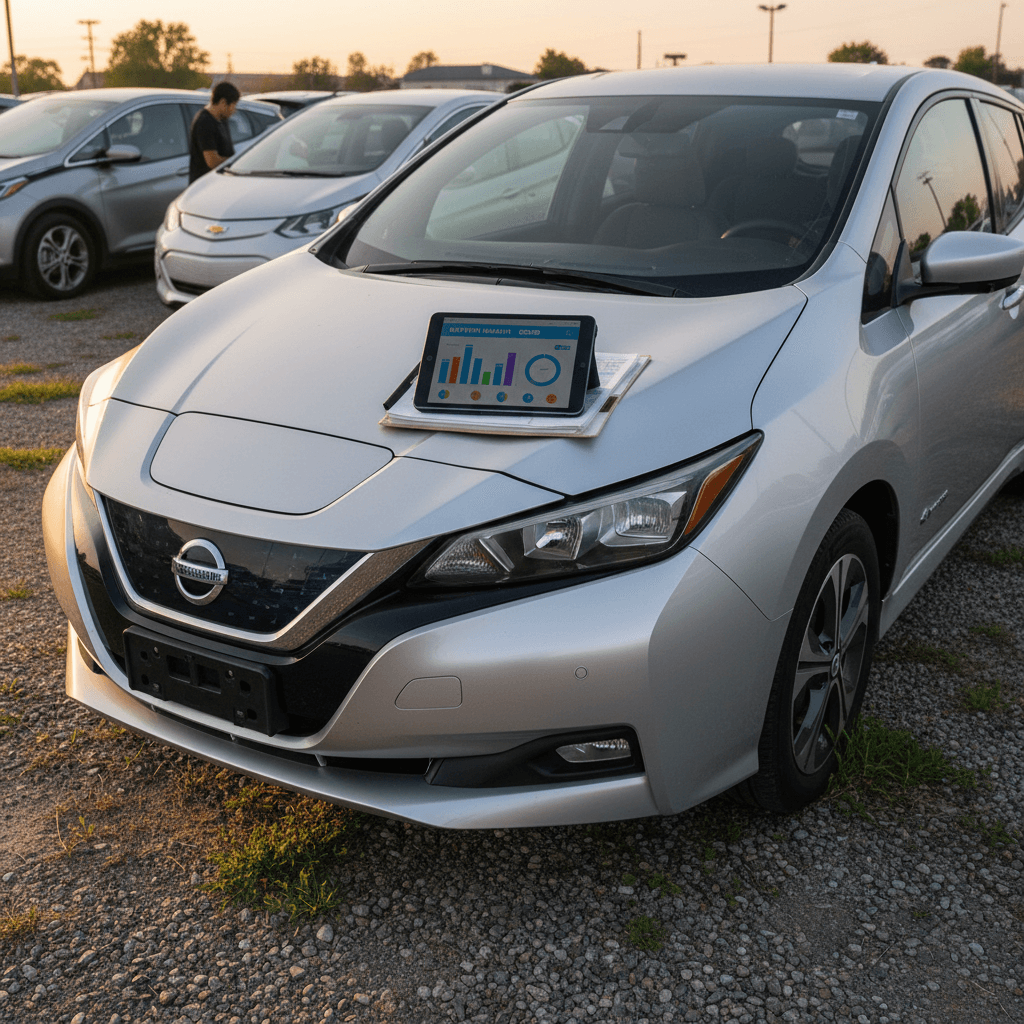
You’d think finding the least expensive electric car in 2025 would be as easy as sorting a list by price. In reality, “cheap” gets complicated fast: discounts, changing tax credits, and the question that matters most, whether you’ll actually like living with the car day in, day out.
Context for November 2025 shoppers
Why “least expensive electric car” is trickier than it sounds
When you search for the least expensive electric car, you’ll see different answers depending on whether a site is looking at MSRP, dealer inventory pricing, leases, or future models that aren’t even on sale yet. Some outlets already talk about the next-generation Chevy Bolt with a sub-$30,000 price, but that car won’t hit showrooms until 2026. Meanwhile, you can walk into a dealership today and find something very different sitting on the lot.
- Some rankings include future models that aren’t on sale yet.
- Some list theoretical “starting at” prices before destination fees.
- Others quietly assume you’ll stack federal or state incentives that may no longer exist for you.
- Almost none factor in what you’ll spend on charging, insurance, or maintenance over time.
So instead of chasing a single magic number, you’re better off asking two questions: “What’s the least expensive electric car I can actually buy right now?” and “Which option will cost me the least to own over the next 5–7 years?” Those are not always the same car.
Budget EV market snapshot for 2025
Cheapest new electric cars you can buy in 2025
Let’s start with what most shoppers want to know first: today, in late 2025, which new electric cars have the lowest starting prices in the U.S.? Exact numbers vary slightly by destination fees and local deals, but here’s where the entry-level market lands.
Cheapest new electric cars in the U.S. (late 2025)
Representative base MSRPs before destination, options, or discounts. Always confirm with a dealer in your area.
| Rank | Model (2025 MY unless noted) | Approx. base price* | EPA range (base trim) | Body style | Key compromise |
|---|---|---|---|---|---|
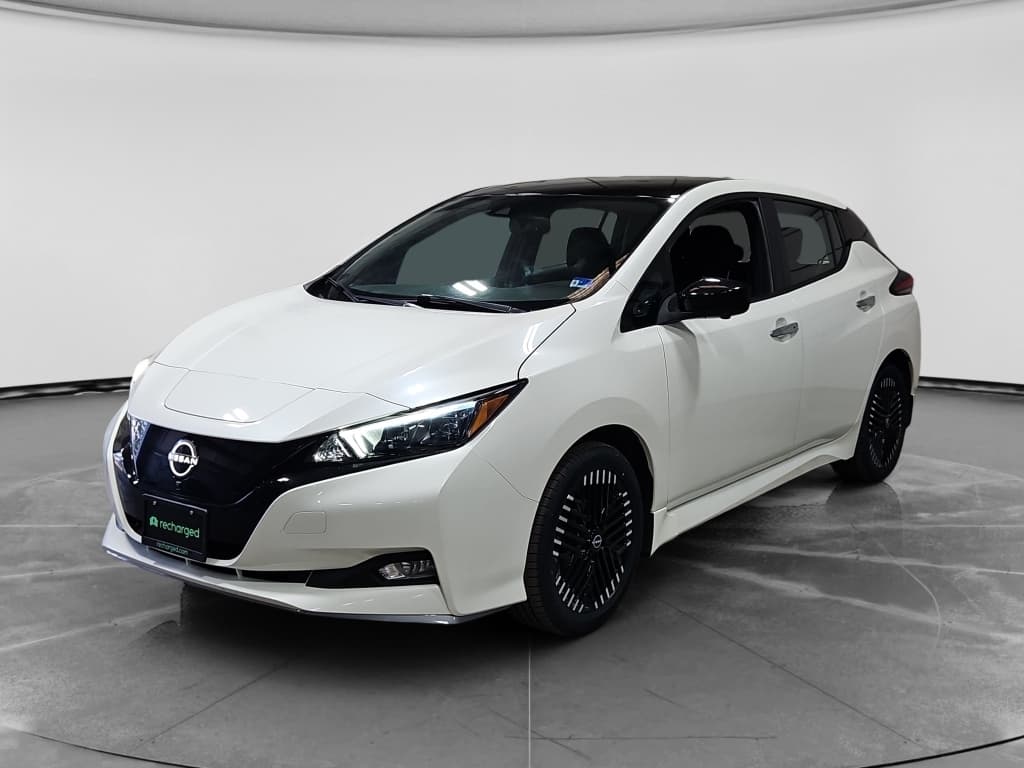
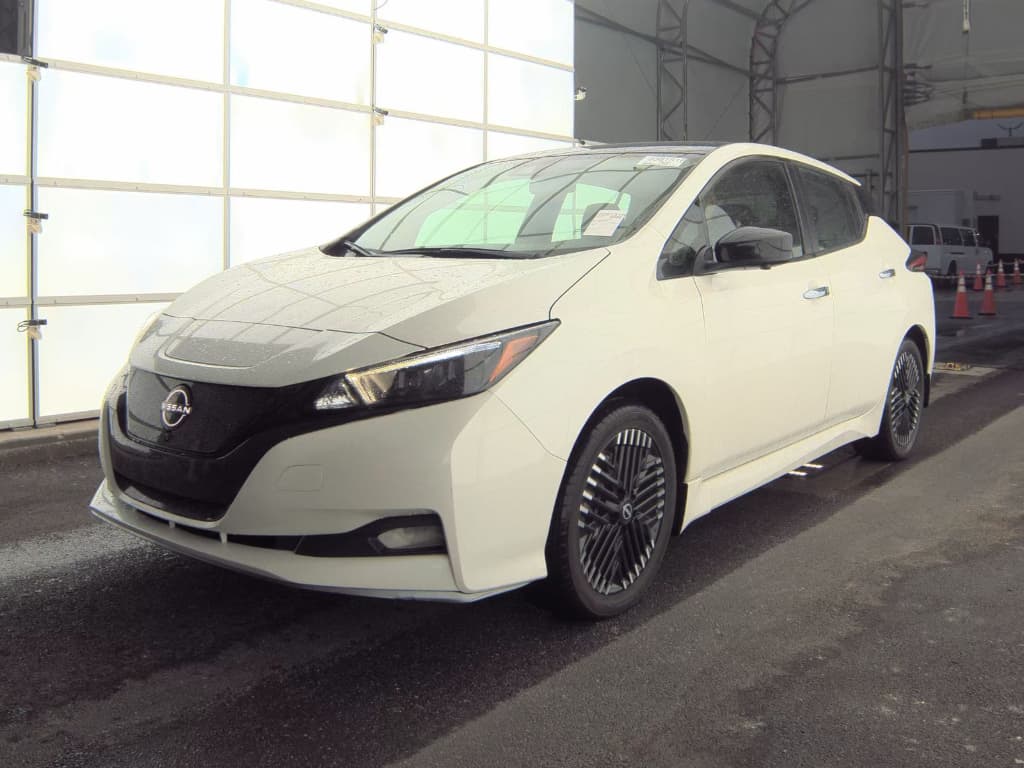
| 1 | Nissan Leaf | Around $29,000 | 149 miles | Compact hatchback | Short range, aging design, CHAdeMO fast-charging port |
| 2 | Mini Cooper Electric | Low $30,000s | TBD, modest | Subcompact hatchback | Tight rear seat, small trunk, range not road-trip friendly |
| 3 | Hyundai Kona Electric | Mid $30,000s | Around 260 miles | Subcompact SUV | Not as roomy as larger SUVs, modest DC fast-charge speed |
| 4 | Fiat 500e | Mid $30,000s | Around 150 miles | Tiny city car | Strictly a city commuter; very small back seat and cargo |
| 5 | Volvo EX30 | Mid–high $30,000s | 260–275 miles (est.) | Subcompact SUV | Compact cabin, options push price up quickly |
These are headline "starting from" prices; real-world out-the-door costs will be higher.
Future cheap EVs aren’t here yet
What you give up (and get) with the least expensive EVs
Why are these cars so much cheaper than a Tesla Model Y or Hyundai Ioniq 5? Because they trade away some combination of range, space, charging speed, tech features, and future-proofing. That’s not automatically a dealbreaker, but you should know where the compromises land.
Typical tradeoffs in the least expensive electric cars
Here’s what budget EVs often sacrifice, and when it matters.
Shorter driving range
Slower fast charging
Smaller, simpler cabins
When a budget EV makes perfect sense
New vs. used: which electric car is really cheaper?
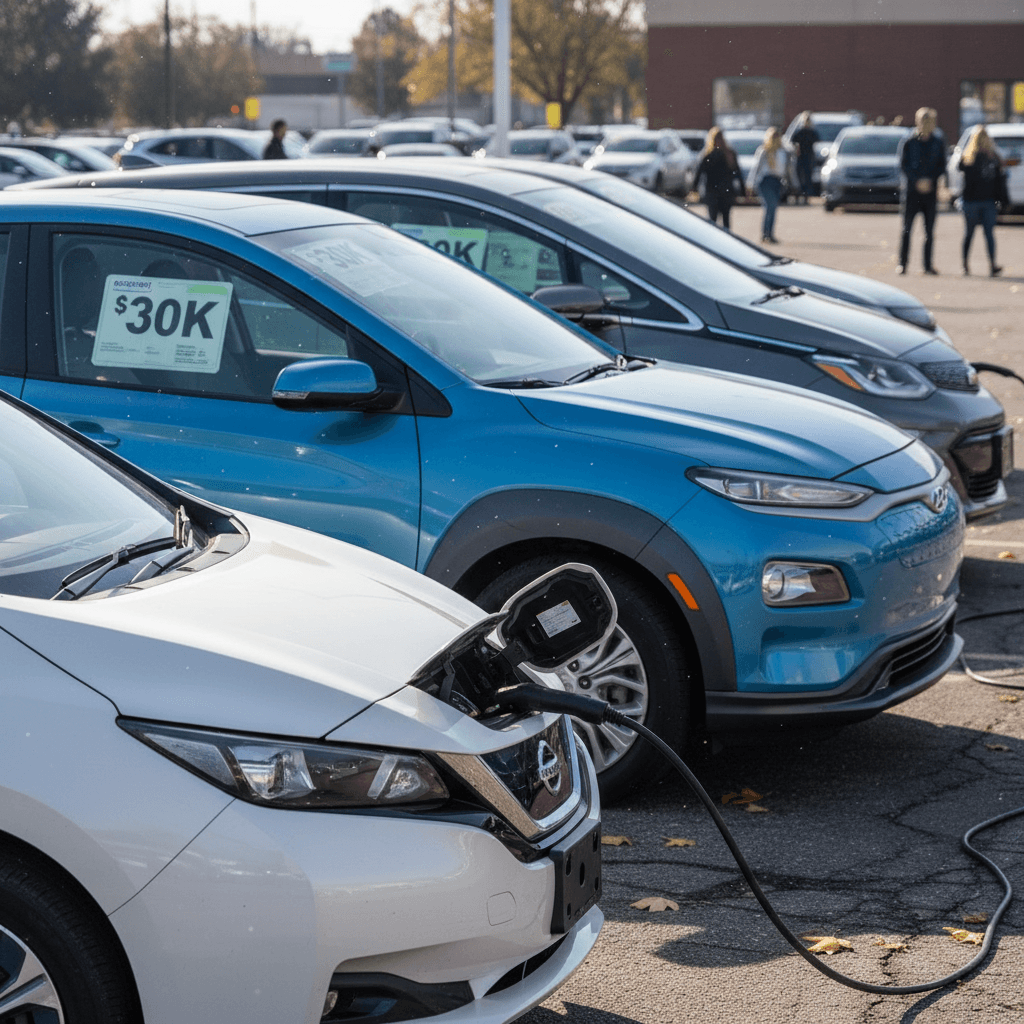
Here’s the twist: in 2025, the “least expensive electric car” many shoppers should buy is not a brand‑new budget EV, but a high‑quality used one. That’s especially true now that the federal tax credit for retail purchases has ended, while the used EV market has matured.
Brand‑new budget EV
- Pros: Full warranty, latest safety tech, often simpler ownership if you’re new to EVs.
- Cons: Higher monthly payment, more depreciation in the first 3 years, and you may be stuck with short range or dated charging tech just to hit the lowest price.
Lightly used EV
- Pros: 15–25% lower price than new, often with more range, better charging speeds, and higher‑end interiors than new budget EVs.
- Cons: Battery health varies, and you need solid information, not just a Carfax and a handshake.
This is where Recharged leans in: every car comes with a Recharged Score Report so you can see verified battery health and fair market pricing before you commit.
Example: when used wins
The real math: total cost of ownership, not just sticker price
A $29,000 EV isn’t actually cheaper than a $33,000 EV if the cheaper one needs big repairs sooner, loses value faster, or doesn’t fit your life so you trade out early. To figure out which electric car is truly least expensive for you, look at total cost of ownership over at least five years.
Key pieces of the cost puzzle
1. Purchase price and financing
Look at the full out‑the‑door price, including destination and fees, then compare actual monthly payments. Recharged can help you <strong>pre‑qualify for financing</strong> on used EVs with no impact to your credit, so you can shop with real numbers.
2. Depreciation
EV values have been moving quickly. A brand‑new budget EV can lose a big chunk of value in the first 2–3 years. A 3‑ or 4‑year‑old used EV has already taken that hit, which is why it can be the financially smarter play.
3. Charging and electricity costs
Home charging is almost always cheaper than public fast charging. Check your utility’s EV rates and estimate your annual mileage. A more efficient EV or smart charging schedule can save hundreds per year.
4. Insurance
Insurance can be higher for some EVs, especially new models with expensive parts. Get quotes on specific VINs or at least trim levels, you might find that one “cheap” EV is surprisingly expensive to insure.
5. Maintenance and tires
EVs skip oil changes, but they still need tires, brake fluid, and cabin filters. Heavier EVs can go through tires faster, so a lighter, smaller budget EV may save a bit here, unless you’re hitting potholes daily.
Use 5‑year math, not 5‑minute math
How to shop smart for a budget EV
If you’re shopping for the least expensive electric car, you’re trying to be practical. Good. The way to stay practical is to be picky about the boring details, charging, battery health, and how you’ll actually use the car, before you fall in love with a monthly payment.
Smart shopping moves for budget‑minded EV buyers
Focus here and you’ll avoid the biggest regrets.
Map your real driving
Plan your charging life
Insist on battery health data
Checklist: before you say yes to a “cheap” EV
Confirm real out‑the‑door price
MSRP is just the starting point. Ask for a full quote with all fees, and beware of add‑ons you don’t want, like expensive paint protection or mystery “market adjustments.”
Test‑drive your actual use case
Don’t just do a quick loop. Try highway speeds, rough pavement, and tight parking. Bring anyone who rides with you often. A budget EV that feels noisy or cramped now will drive you crazy later.
Check battery health and fast‑charge history
On a used EV, request a <strong>third‑party battery health report</strong> and ask how often the car lived on DC fast‑charging. Heavy fast‑charging isn’t automatically bad, but you want to see the whole story, not guess.
Look up charging around you
Open your favorite charging app and pretend you broke down right now. How many stations are nearby? Are they CCS, CHAdeMO, or NACS? A cheap EV with the wrong plug for your local network is not a bargain.
Compare two or three options side by side
Put a new budget EV, a slightly more expensive new EV, and a used EV in a simple spreadsheet. Five‑year cost, range, features. You’ll see quickly which one is your true least‑expensive choice.
Common pitfalls with cheap electric cars
Most people who regret buying a budget EV don’t regret the electricity or the quiet drive. They regret the things they didn’t think about up front. Learn from their pain.
Pitfall #1: Chasing price and ignoring charging
Pitfall #2: Underestimating range needs
Pitfall #3: Assuming all batteries age the same
How Recharged helps you avoid these traps
Ready to find your next EV?
Browse VehiclesFAQ: Least expensive electric car
Frequently asked questions about the least expensive electric car
Bottom line: pay less without hating your EV
If all you do is ask, “What’s the least expensive electric car?” you’ll get a one‑line answer that may or may not fit your life. A better question is, “Which electric car will cost me the least to own while still doing what I need it to do?” Sometimes that’s the entry‑level Nissan Leaf. Just as often, it’s a well‑priced used EV with more range and better charging, backed by real battery health data.
Take a little time to map your driving, understand your charging, and run 5‑year numbers instead of focusing only on the monthly payment. And if you’d like help comparing options, Recharged can walk you through used EV choices, show you each car’s Recharged Score Report, help you pre‑qualify for financing, and even deliver the car to your driveway. Least expensive doesn’t have to mean least satisfying.