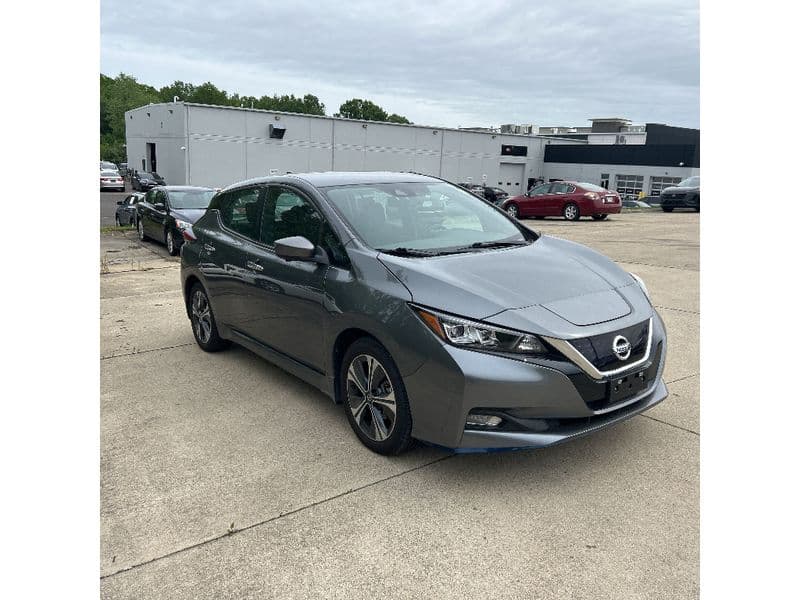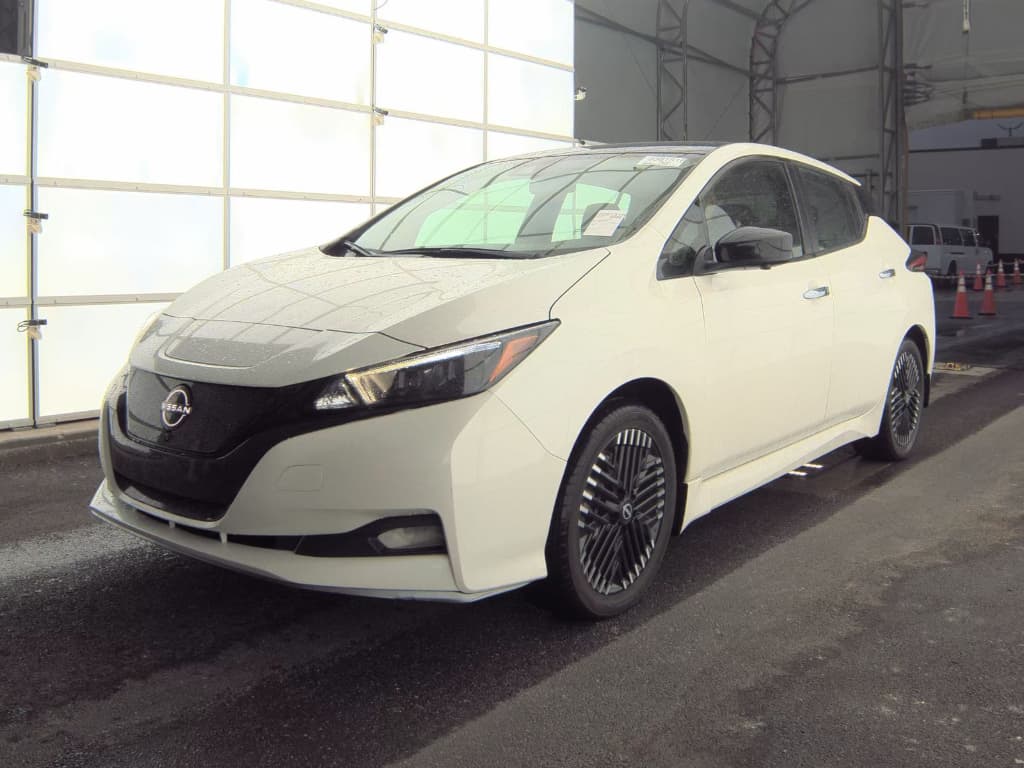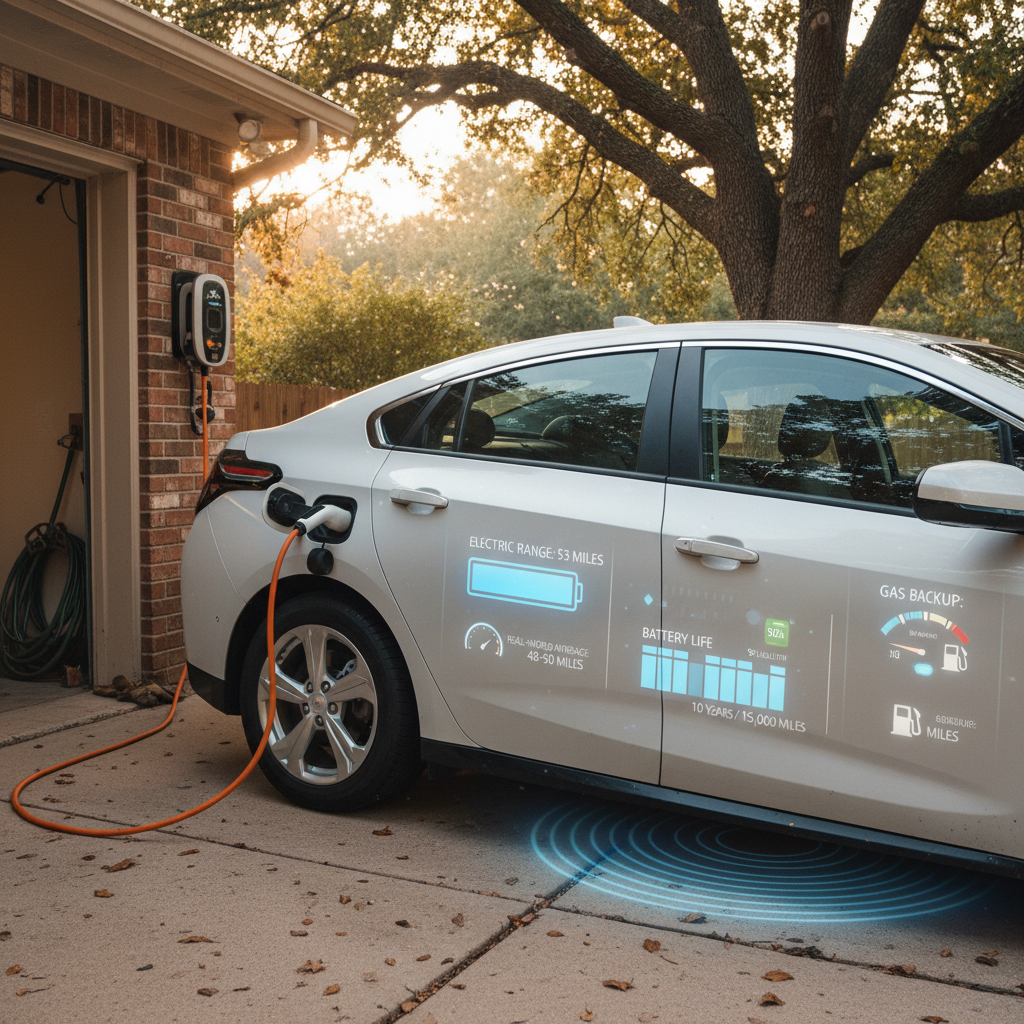
The Nissan Leaf hatchback is the electric car that made EVs feel almost normal. It’s not a spaceship, not a $90,000 status symbol, just a compact five‑door that happens to run on electrons instead of gasoline. More than a decade on, you can now buy a used Leaf for the price of a decent bicycle collection, which is exactly why you need to understand what you’re getting into.
Quick take
Why the Leaf hatchback still matters in 2025
Nissan launched the Leaf in 2010, long before Tesla became a byword for EVs. In 2025, the Leaf hatchback is still one of the cheapest new EVs you can buy in the U.S., with the 2025 Leaf S starting around $29,000 before incentives and the upcoming 2026 third‑generation model promising over 300 miles of range on a single charge for some trims. The result is a strange but attractive proposition: brand‑new Leafs for budget buyers, and a huge used market for everyone else.
Leaf hatchback by the numbers (recent models)
Nissan Leaf hatchback at a glance
Generations of the Leaf hatchback
Same basic shape, very different realities under the floor
1st gen (2011–2017)
The original jelly‑bean Leaf: soft suspension, modest power, and small batteries (24–30 kWh). Early cars were pioneers, and also the ones most notorious for battery degradation, especially 2011–2012 in hot climates.
2nd gen (2018–2025)
Sharper styling, nicer interior, and larger 40 kWh and 62 kWh packs (marketed as 60 kWh). The Leaf Plus trims brought real‑world 200+ mile range, while still using the classic hatchback layout.
3rd gen (2026→)
Arriving at U.S. dealers from late 2025, the next Leaf keeps the hatchback shape but adds a 75 kWh battery, ~303‑mile range in S+ trim, and far better fast‑charging performance, finally competitive with newer EVs.
Naming confusion alert
Range, batteries, and charging: what to expect
Range is where Leaf ownership is either perfectly fine, or deeply irritating. The car itself is honest about what it is: a compact urban hatchback. The marketing people, less so. Here’s how the recent model years stack up.
Leaf hatchback batteries, power, and range (recent U.S. models)
Typical EPA estimates for second‑generation Leafs up through the 2025 model year.
| Model year | Trim | Battery | Power | EPA range |
|---|---|---|---|---|
| 2018–2024 | S | 40 kWh | 147 hp | ~149 mi |
| 2019–2024 | SV/SL Plus | 62 kWh | 214 hp | ~215–226 mi |
| 2025 | S | 40 kWh | 147 hp | 149 mi |
| 2025 | SV Plus | 60 kWh | 214 hp | 212 mi |
Always verify the exact range for the year and trim you’re considering; figures below are representative, not exhaustive.
A word about the 2026 Leaf
Charging: the CHAdeMO elephant in the room
Most Leafs on U.S. roads use CHAdeMO for DC fast charging, an early standard that’s now been largely abandoned in favor of CCS and Tesla’s NACS. On older Leafs, DC fast‑charging speeds are modest, often capped around 50 kW, and CHAdeMO stations are getting harder to find.
- Home & workplace charging: via the J1772 AC connector, the Leaf behaves like any other mainstream EV. On a 240 V Level 2 charger, a 40 kWh pack can go from near empty to full in roughly 8 hours; the 60 kWh pack takes closer to 11 hours.
- Road‑trip charging: if your route doesn’t have CHAdeMO, you don’t have fast charging. That’s why many Leaf owners treat the car as a metro‑area commuter rather than a cross‑country rig.
- Battery comfort zone: keeping your state of charge between roughly 20–80% for daily use and avoiding repeated back‑to‑back DC fast‑charging sessions will keep the pack happier over time.
Practical strategy
Hatchback practicality and interior space
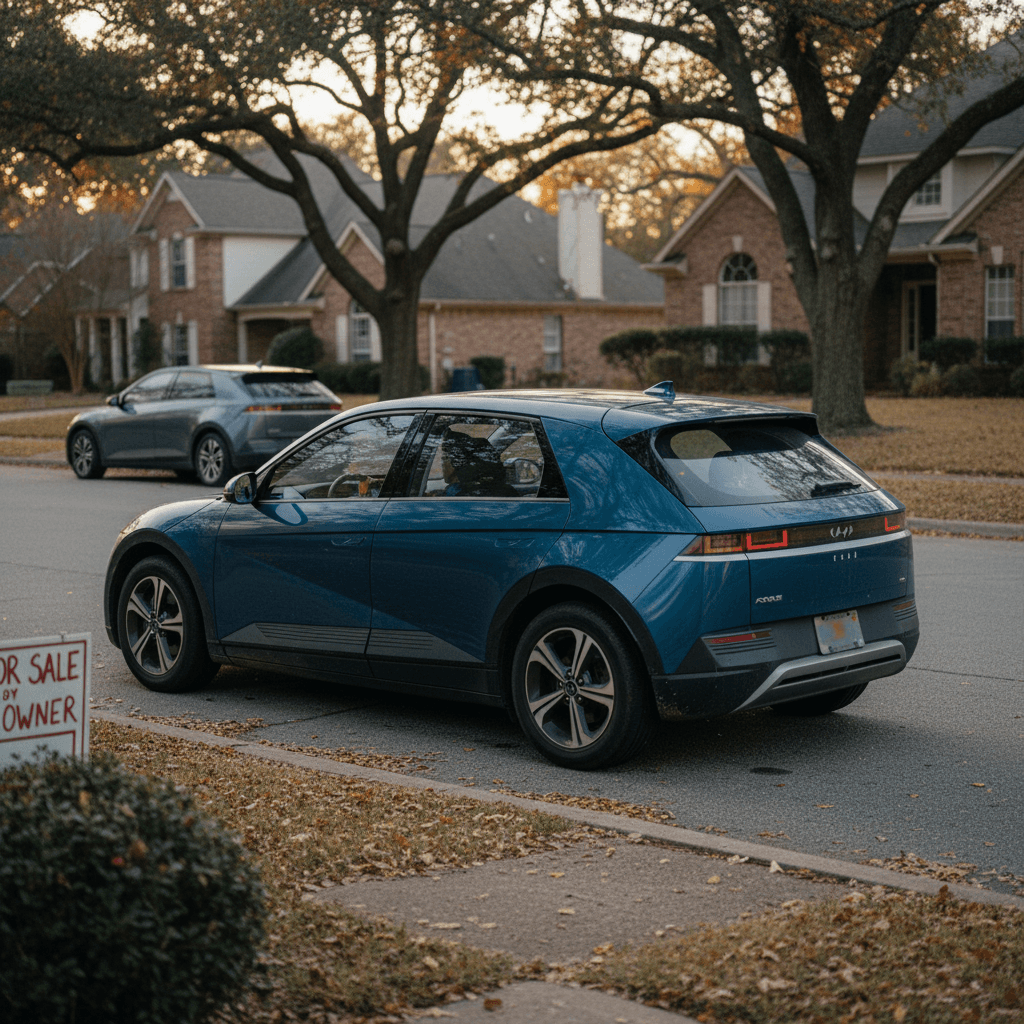
One place the Leaf hatchback quietly shines is practicality. It’s a compact on paper, but the tall roof and boxy tail mean it behaves like a tiny wagon. Current Nissan data lists 23.6 cu. ft. of cargo space behind the rear seats and up to about 30 cu. ft. with them folded. That’s firmly in the “weekend at IKEA” category for a small car.
- Wide hatch opening with a low load floor makes it easy to slide in strollers, luggage, or a bike (front wheel off).
- 60/40‑split folding rear seat backs expand the space quickly, even if the floor isn’t perfectly flat on earlier cars.
- High roofline gives generous headroom for passengers and makes tall items easier to carry than in a comparable sedan.
- Rear seats are adult‑usable; the Leaf is genuinely a five‑door family runabout, not a 2+2 disguised as a hatch.
Cargo-spec weirdness
Best and worst years for a used Leaf hatchback
Because the Leaf has been around since the early days of mass‑market EVs, the used market is a forest of wildly different cars that all look vaguely alike. Some are genuine bargains; others are science experiments in lithium‑ion mortality.
Years to be cautious about
- 2011–2012: Early 24 kWh packs with less robust chemistry. In hot climates especially, many of these cars have lost a large chunk of their original range.
- 2013–2015: Incrementally better, but still small packs and more degradation complaints than later cars. A great buy only if the battery has been replaced or tested as healthy.
- Some 2016–2017: Transitional years; certain cars still use older‑style packs with more degradation reports. Here, history and an actual health report matter more than the odometer.
Safer bets for most buyers
- 2018–2020: Second‑generation Leaf with 40 kWh pack, improved chemistry, and significantly better real‑world durability.
- 2019–2024 Leaf Plus: 62 kWh pack and 200+ mile range make these the sweet spot if you want the classic Leaf hatchback with genuinely useful range.
- 2025 Leaf: Essentially the last of the second gen, useful if you can negotiate end‑of‑cycle pricing or find lightly used cars as the 2026 model arrives.
Simple rule of thumb
Battery health: how to avoid a dud
Battery health is the entire ballgame with a used Leaf hatchback. The car is simple and generally reliable; the pack is the expensive, opaque component that determines whether you love the car or spend every drive staring at the guess‑o‑meter.
- The Leaf’s dash shows 12 little capacity bars next to the battery icon. Missing bars indicate permanent capacity loss, not just low charge on a given day.
- Dropping from 12 to 11 bars may not feel dramatic, but by 9–10 bars you’re talking about a meaningful hit to real‑world range.
- Early Leafs in hot climates can be down to 60–70% of original capacity, or less, without obvious external clues.
- Even newer 40 kWh and 62 kWh cars benefit from a proper diagnostic scan rather than just trusting the dash bars.
Recent recall note
How Recharged de‑risks Leaf batteries
Driving experience: quiet, quick, and city‑focused
The Leaf hatchback will not rearrange your vertebrae the way a high‑end Tesla will. That’s the point. Even early cars are pleasantly brisk around town thanks to instant torque and single‑speed simplicity; newer 214‑horsepower Leaf Plus models are properly quick, with 0–60 mph in the six‑to‑seven‑second neighborhood.
What it feels like to live with a Leaf hatchback
Strengths, compromises, and daily‑driver realities
Urban sweet spot
The Leaf is a natural city car: excellent visibility, tight turning circle, and no gears to think about. One‑pedal driving (e‑Pedal) quickly becomes addictive in stop‑and‑go traffic.
Highway manners
At 70 mph, the Leaf is quiet enough, but the shorter‑range versions can feel range‑limited on long freeway stints. The more powerful Plus cars also feel less winded at speed.
Refinement & comfort
Cushy ride, simple controls, and plenty of sound deadening make it feel more like a small family hatchback than a tech demo. Later cars add nicer materials and more modern infotainment.
How the Leaf compares to other EV hatchbacks
The Leaf hatchback now competes in a crowded field: Chevy Bolt and Bolt EUV (while they last), Hyundai Kona Electric, Kia Niro EV, and a wave of small crossovers. The Leaf’s trump card is price; its Achilles’ heel is aging fast‑charge tech and, on older cars, battery degradation risk.
Leaf hatchback vs. typical rivals (used market view)
How a modern second‑gen Leaf stacks up against popular compact EVs in the real world.
| Model | Body style | Typical used price (US) | EPA range ballpark | Fast‑charge standard |
|---|---|---|---|---|
| Nissan Leaf (40 kWh) | Compact hatchback | Low $10Ks–$20Ks | ~150 mi | CHAdeMO |
| Nissan Leaf Plus (62 kWh) | Compact hatchback | Mid/high $10Ks–$20Ks | ~215–225 mi | CHAdeMO |
| Chevy Bolt EV | Compact hatchback | Similar to Leaf Plus | ~247 mi | CCS |
| Hyundai Kona Electric | Subcompact crossover | Higher than Leaf | ~250–260 mi | CCS |
| Kia Niro EV | Subcompact crossover | Higher than Leaf | ~239–253 mi | CCS |
Exact specs vary by year and trim; think of this as a directional snapshot for shoppers.
Where the Leaf still wins
Checklist: buying a used Leaf hatchback
10 steps to a smart Leaf hatchback purchase
1. Decide your real range needs
List your longest regular trips, commute, school run, weekend visits. If you rarely exceed 60–70 miles a day, a 40 kWh Leaf may be plenty; if you routinely do 120–150 miles, target a 62 kWh/Leaf Plus or newer high‑capacity model.
2. Choose your generation and battery size
For most buyers, a 2018+ Leaf with the 40 kWh pack is a sensible baseline. If budget allows, prioritize a Leaf Plus (62 kWh) or late‑model 60–75 kWh car for more flexibility.
3. Check the battery bars, then go deeper
On the test drive, confirm the car still shows 12 of 12 capacity bars, or understand what that missing bar means for range. Wherever possible, pair this with a professional battery‑health scan instead of guessing.
4. Review climate and usage history
Cars that spent their lives in hot regions and sat at 100% charge for long periods tend to have more degradation. Ask about where the car lived and how it was used, short city trips with nightly home charging are ideal.
5. Verify recall and service history
For 2021–2022 Leafs especially, confirm that any battery‑related recalls or software updates have been completed. A dealer service printout or digital history can save you headaches later.
6. Inspect the charging hardware
Make sure both the J1772 (AC) and CHAdeMO (DC) ports are intact, clean, and close properly. Confirm the included portable EVSE works and consider budgeting for a 240 V Level 2 home charger if you don’t already have one.
7. Test real‑world efficiency
On a mixed test drive, reset the trip computer and watch the mi/kWh figure. Something in the 3.0–4.0 mi/kWh range for gentle driving is a good sign; significantly lower may point to heavy tires or a lead‑footed previous owner.
8. Live with the hatchback layout
Bring the actual cargo you care about, a stroller, bike, instrument cases, and see how they fit. Fold the rear seats, check loading height, and sit in the back yourself if you’ll carry adult passengers regularly.
9. Run the total cost of ownership
Factor in electricity rates, insurance, potential battery replacement down the line, and any Level 2 installation at home. The Leaf’s low purchase price and low maintenance can more than offset these, but the math should be explicit.
10. Prefer verified battery reports
Buying through a platform like <strong>Recharged</strong> that provides a Recharged Score battery‑health report and fair‑market pricing removes guesswork. If you’re buying privately, consider paying for a third‑party EV inspection before handing over funds.
FAQ: Nissan Leaf hatchback
Frequently asked questions about the Leaf hatchback
Is a Leaf hatchback right for you?
The Nissan Leaf hatchback is the original everyday EV, and it still plays that role well, especially in the used market. Treat it like what it is: a compact, practical five‑door with quiet manners and minimal running costs, not a do‑everything electric SUV. If your life is built around home charging and modest daily mileage, a carefully chosen Leaf can be a bargain that pays you back in fuel savings and serenity.
The key is avoiding the battery‑degraded landmines and focusing on verified pack health, the right battery size, and the right price. That’s exactly the problem Recharged was built to solve. Browse Leaf hatchbacks with Recharged Score Reports, compare range and pricing side‑by‑side, and line up financing and delivery without leaving your sofa. The future of driving doesn’t have to be exotic; sometimes it looks like a quietly competent hatchback that just never visits a gas station.