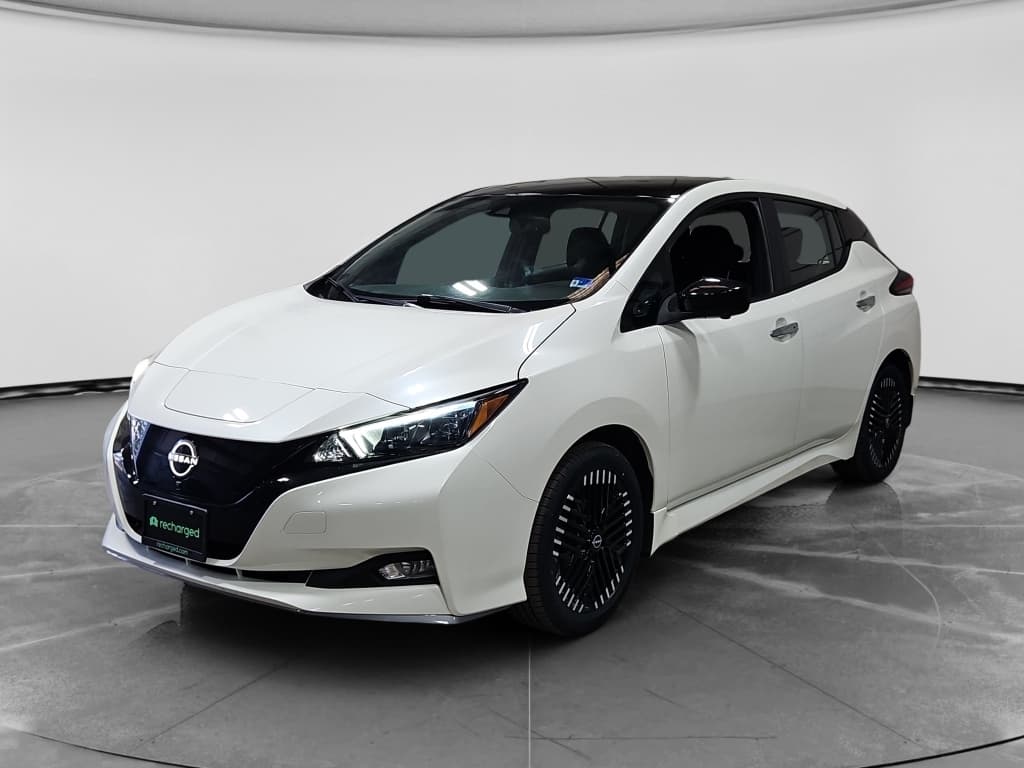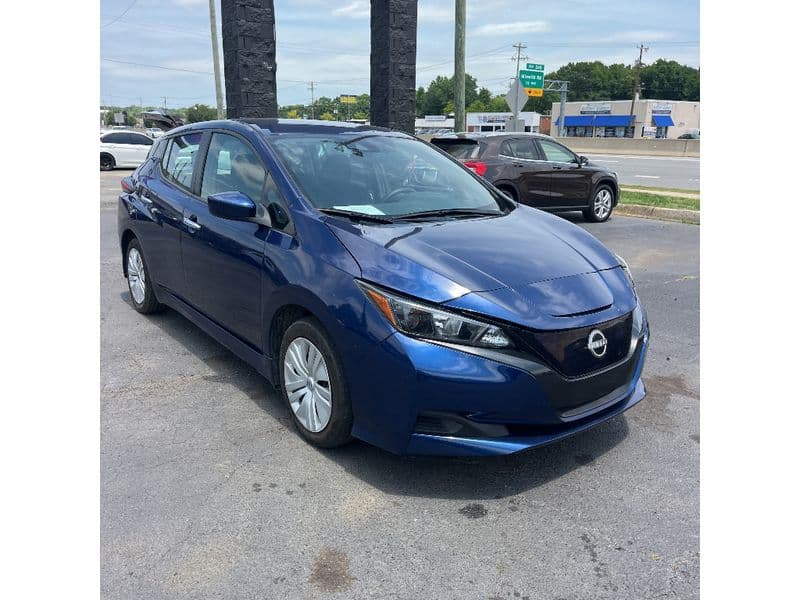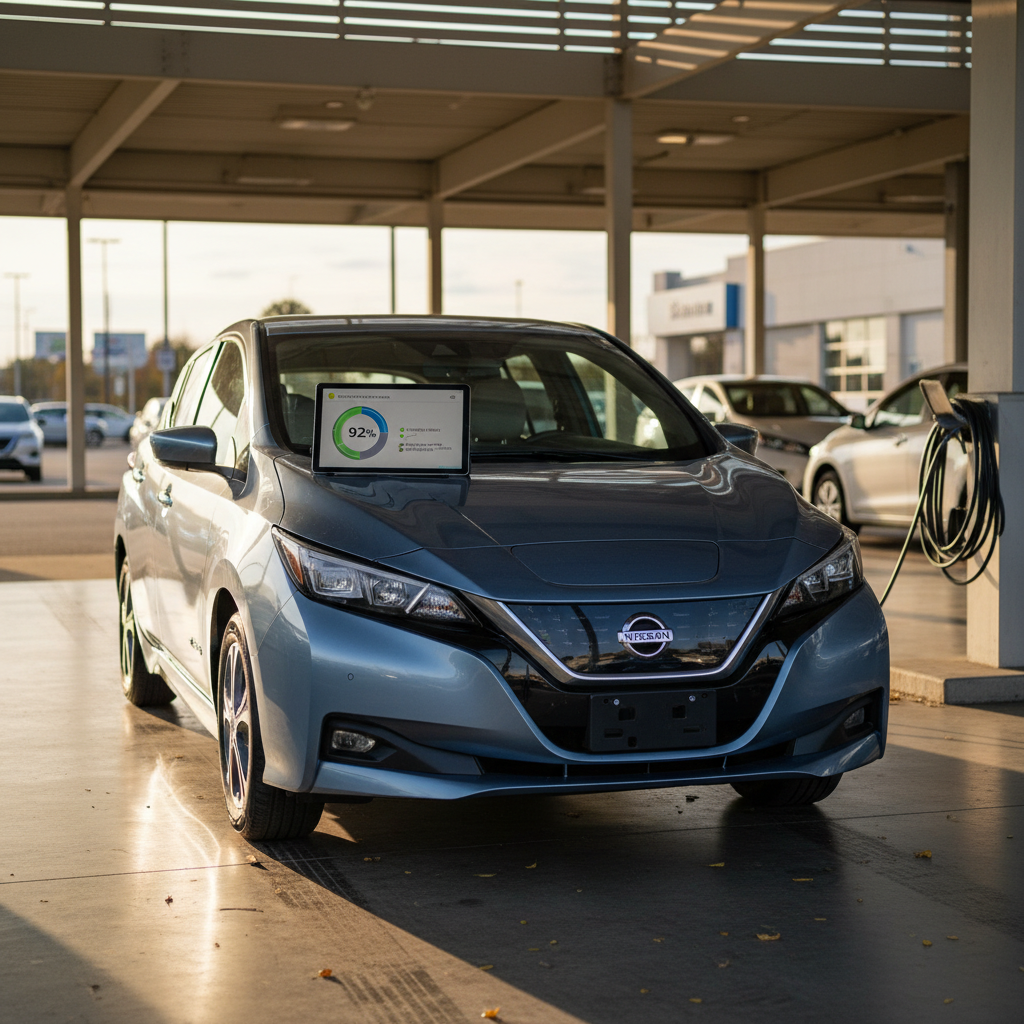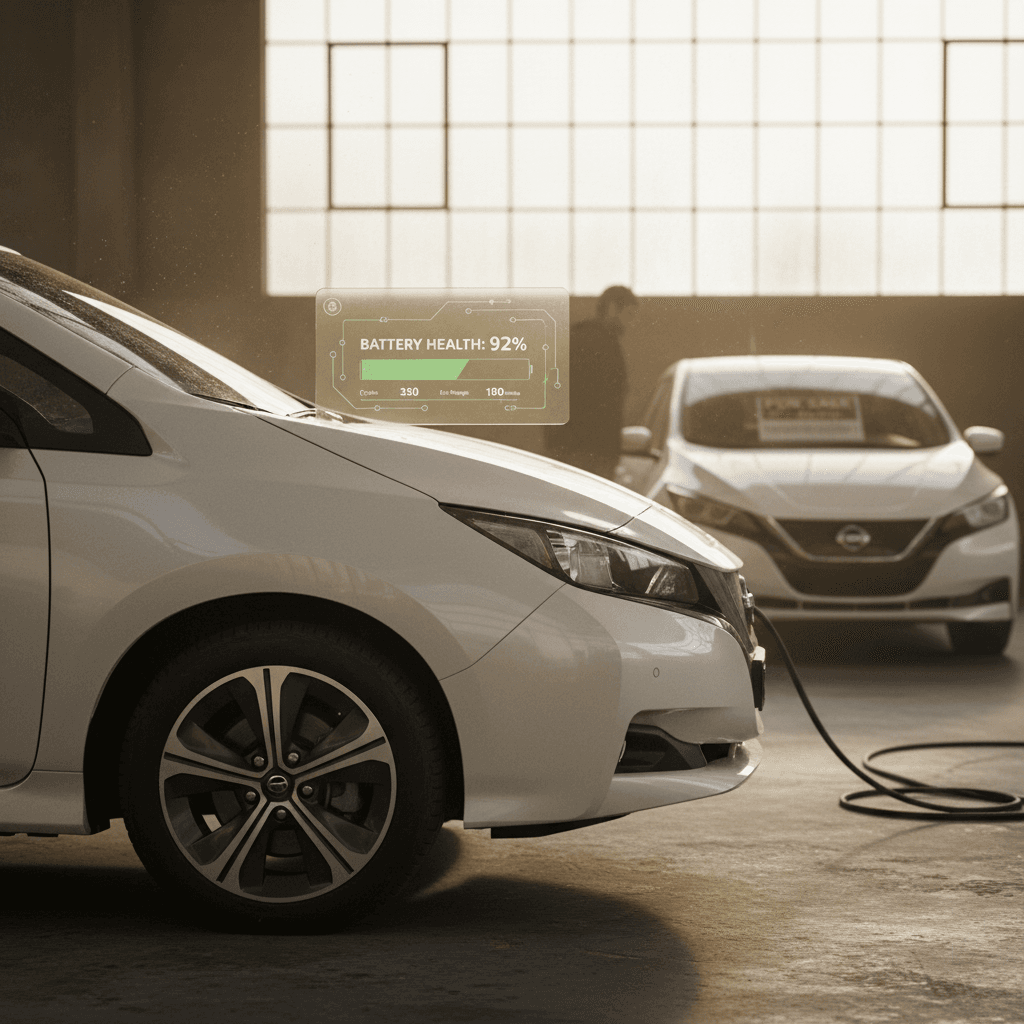
If you’re shopping for an affordable EV, the Leaf electric car will almost always show up on your radar. It’s one of the longest‑running mass‑market EVs, and in 2025 you’ll find everything from first‑generation commuter beaters under $10,000 to nearly new Leafs with modern range and tech. The catch: not every Leaf is a great buy, and battery health matters more than anything else.
At a glance
Why the Leaf electric car still matters in 2025
In a market flooded with new crossovers and six‑figure luxury EVs, the Leaf electric car plays a different role: entry ticket. A new 2025 Leaf S starts around the high‑$20,000s before incentives, and used models can dip well into the four‑figure range. That makes the Leaf one of the most realistic ways for budget‑minded shoppers to go electric without stretching finances.
Nissan has kept the current second‑generation Leaf on sale with two battery options while it prepares an all‑new model expected to bring longer range and more modern packaging. For now, the 2025 Leaf focuses on value and simplicity: front‑wheel drive, compact‑car practicality, and enough range for everyday commuting if you size the battery correctly.
Who the Leaf fits best
Quick specs: Leaf electric car at a glance
Key specs for the 2025 Leaf (U.S. market)
2025 Leaf electric car trims compared
Two simple trims, two different use cases. The base Leaf S is the budget commuter; the SV Plus adds power and range.
| Trim | Battery | Estimated range (EPA) | Horsepower | DC fast‑charge | Typical MSRP* |
|---|---|---|---|---|---|
| Leaf S | ~40 kWh | ~149 miles | 147 hp | Yes (CHAdeMO, up to ~100 kW) | ~$28,000–$29,000 |
| Leaf SV Plus | ~60–62 kWh | ~212 miles | 214 hp | Yes (CHAdeMO, high‑output) | ~$36,000–$37,000 |
Always confirm final specs and pricing on the window sticker, equipment and incentives can change by region.
Note on CHAdeMO
New Leaf electric car vs used: which makes sense?
Buying a new Leaf electric car
If you want a worry‑free warranty and the latest safety tech, a new Leaf S or SV Plus is the simplest path. You get:
- Full factory bumper‑to‑bumper and battery warranties
- Modern driver‑assistance like Nissan Safety Shield 360 and available ProPILOT Assist
- Known range out of the box and predictable degradation
The trade‑off is depreciation. Compact EVs can lose value quickly as newer, longer‑range models hit the market.
Buying a used Leaf electric car
On the used side, Leafs can look like bargain EVs, especially older models. You’ll see:
- Early first‑gen cars often under $10,000
- Second‑gen cars (2018+) with better packs at more approachable prices than many rivals
- Wide variation in battery health, especially on 24 kWh cars
That last bullet is the big story: a cheap Leaf with a weak pack can be an expensive mistake. Battery diagnostics are not optional.
Where Recharged fits in
Leaf battery, range, and charging basics
All Leaf electric cars are fully battery‑electric, no gas tank, no hybrid engine. What changes across years is battery size, cooling approach, and chemistry. Early Leafs launched with a 24 kWh pack; later versions stepped up to 30 kWh, 40 kWh, and 60+ kWh. More capacity generally means more range, but health and climate matter just as much.
- Early 24 kWh cars (roughly 2011–2016) started with modest range and can lose capacity quickly, especially in hot climates.
- 30 kWh updates improved range but still lacked liquid cooling, so heat‑related degradation remained a concern.
- 40 kWh and 60+ kWh second‑gen packs offer significantly better range and chemistry, with more stable performance when cared for properly.
For daily driving, many owners think in terms of usable range rather than the original EPA number. A 40 kWh Leaf rated around 149 miles when new might deliver closer to 110–125 miles in real mixed driving years later, depending on speed, temperature, and battery health.
How to think about range
Used Leaf battery health: what shoppers must know
When you’re evaluating a used Leaf electric car, battery state of health (SoH) is the number that can make or break the deal. Because Leafs lack active liquid cooling on earlier generations, they’re more sensitive to heat than many newer EVs. Two 2015 Leafs with the same mileage can have wildly different range depending on how and where they were driven.
Three ways to gauge Leaf battery health
Always combine more than one method before you commit.
Dash “capacity bars”
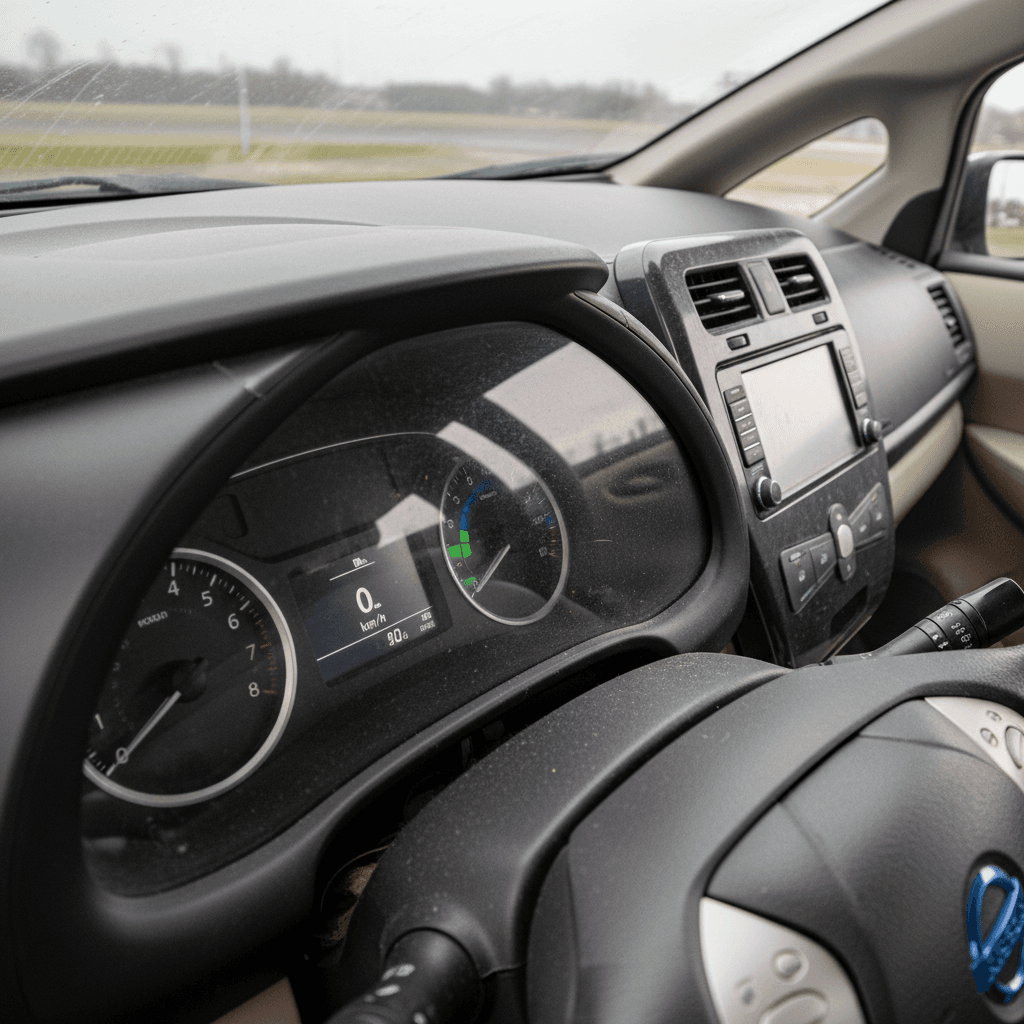
The instrument cluster shows 12 small capacity bars. A healthy pack should still show close to 12; once you’re down to 8–9 bars, real‑world range can feel severely limited.
OBD app scan
With the right dongle and app, you can read battery SoH as a percentage. Numbers in the 90s are strong; anything dipping into the 70s or below needs careful pricing, and maybe a pass.
Third‑party test
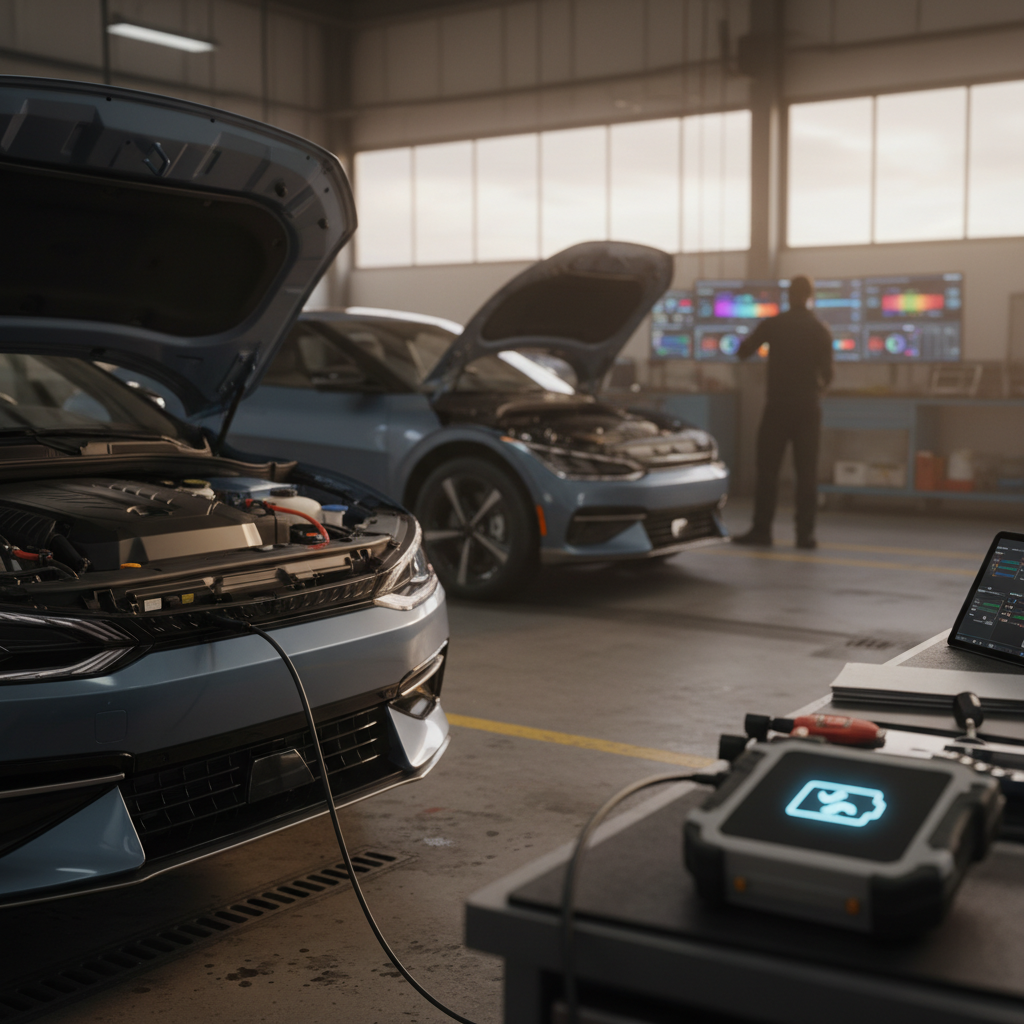
A professional battery‑health test, like the diagnostics behind a Recharged Score, provides a documented baseline that’s far more reliable than a quick test drive.
Don’t skip the battery report
Best and worst Nissan Leaf years for used buyers
Because the Leaf has been around so long, patterns have emerged. Some years are smart budget choices; others are known for steep battery degradation and should be approached with caution.
How different Leaf generations stack up
General guidance, individual cars can still be outliers.
Generally better bets
- 2018+ second‑generation Leafs with 40 kWh or 60+ kWh packs and updated chemistry.
- Cars from cooler climates with documented service and limited DC‑fast‑charging use.
- Low‑mileage examples that still show strong capacity bars and high SoH readings.
Proceed with caution
- 2011–2012 Leafs with 24 kWh packs and early chemistry, especially in hot regions.
- 2016–2017 24 kWh cars, which have also seen notable degradation issues and even legal disputes in some markets.
- Any Leaf with missing battery records or multiple capacity bars gone.
On older Leafs, the difference between a good battery and a tired one can mean 30, 40, even 50 fewer miles of real‑world range. That’s the difference between a comfortable commuter and a car you have to baby.
Look beyond model year
Cost of ownership: is a Leaf really a cheap EV?
The Leaf’s headline appeal is cost. Purchase prices for the Leaf electric car tend to be lower than rivals, and electricity is usually cheaper than gasoline on a per‑mile basis. Insurance and maintenance are generally modest: no oil changes, fewer moving parts, and simple front‑wheel‑drive hardware.
Ownership factors that favor the Leaf
Mind the resale curve
How Recharged helps you shop for a Leaf electric car
If you’re considering a Leaf electric car but don’t want to become an amateur battery engineer, buying through Recharged simplifies the homework. Every vehicle on the platform comes with a Recharged Score Report that includes verified battery diagnostics, fair‑market pricing, and clear reconditioning notes. That’s particularly valuable for Leafs, where unseen battery wear can be the difference between a great deal and a car that can’t make your commute.
What you get when you shop a Leaf through Recharged
Battery transparency plus end‑to‑end support.
Recharged Score Report
Independent battery‑health testing, range estimates, and pricing context so you know exactly what you’re buying.
Flexible ways to sell or trade
Have a vehicle to move first? Use Recharged for trade‑in, instant offer, or consignment before you switch into a Leaf.
Nationwide delivery & support
Shop digitally, then have your Leaf delivered. EV specialists walk you through charging, settings, and ownership basics.
Ready to find your next EV?
Browse VehiclesChecklist: steps before you buy a used Leaf
Your pre‑purchase Leaf game plan
1. Define your real daily range needs
Write down your typical weekday and weekend mileage, including detours. If you never exceed 60–70 miles in a day, an older Leaf with a healthy pack might be enough. If you routinely push 120+ miles, focus on larger packs in better condition.
2. Decide your charging setup
Confirm whether you have or can install Level 2 (240‑volt) charging at home or work. Relying only on public CHAdeMO stations limits your flexibility and may make other EVs more practical than a Leaf.
3. Shortlist the right years and packs
Prioritize 2018+ Leafs with 40 kWh or 60+ kWh packs when your budget allows. If you consider earlier cars, be extra strict about battery health and climate history.
4. Review battery health documentation
Ask for service records, recent photos of the capacity bars, and any prior battery warranty work. If you’re buying through Recharged, study the Recharged Score battery report, it’s your roadmap to expected range.
5. Take a range‑focused test drive
Drive the Leaf on your actual routes if possible. Watch how quickly the state‑of‑charge drops at your normal speeds and in your typical traffic. That experience is more telling than a quick loop around the block.
6. Compare total cost, not just price
Look beyond advertised price to insurance, electricity rates, and expected depreciation. Use financing or pre‑qualification tools, like Recharged’s credit options, to see where a Leaf fits in your monthly budget.
Leaf electric car: frequently asked questions
Frequently asked questions about the Leaf electric car
Is the Leaf electric car right for you?
The Leaf electric car isn’t the flashiest EV on the market, and some older versions carry real battery‑health baggage. But that mix of long production history and rapidly evolving hardware is exactly why the Leaf can be either an exceptional value, or a frustrating compromise, depending on how you shop.
If you value low running costs, quiet commuting, and a realistic purchase price more than cross‑country fast‑charging, a well‑chosen Leaf can make a lot of financial sense. The key is treating the battery as the star of the show: verify its health, sanity‑check the range against your real daily needs, and compare a Leaf against other used EVs rather than just new gas cars. Working with a platform like Recharged, where you get verified battery diagnostics, fair‑market pricing, financing options, and nationwide delivery, can turn that homework into a straightforward decision instead of a gamble.