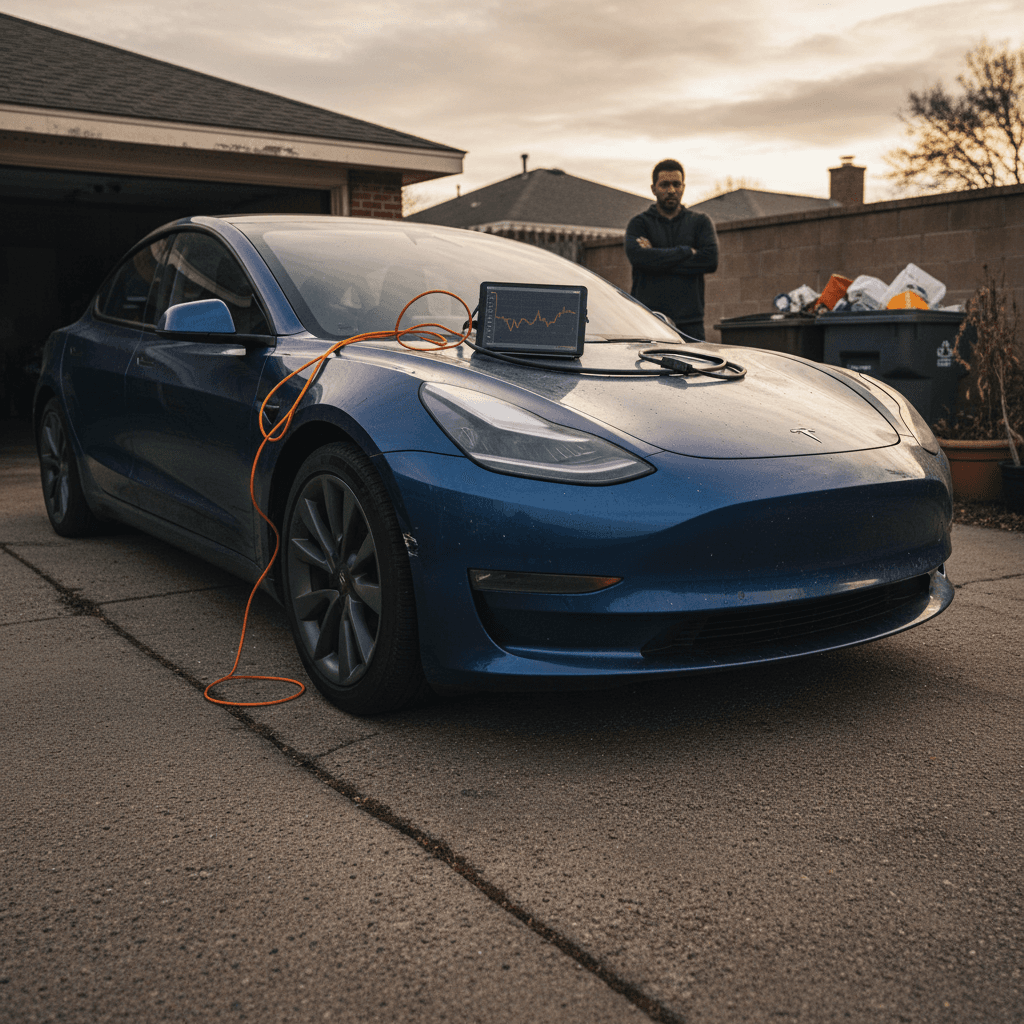
If you’re shopping for a used EV, the 2022 Tesla Model 3 probably sits near the top of your list. It’s quick, efficient, and has access to Tesla’s Supercharger network. But you’ve also heard about 2022 Tesla Model 3 problems, from squeaks and suspension wear to software recalls, and you want the unvarnished story before you buy.
What this guide covers
Should you worry about 2022 Model 3 problems?
Short answer: you should go in with eyes open, not run away. The 2022 Model 3 is generally better than early Teslas, but it’s not a trouble‑free appliance either. Owner surveys and inspection data show more issues than the average 2022 car, especially around suspension and build quality, while core EV components like the battery and brakes tend to hold up well.
2022 Tesla Model 3 reliability snapshot
Key takeaway for shoppers
How reliable is the 2022 Tesla Model 3 overall?
Owner survey data from major testing organizations shows the 2022 Tesla Model 3 scoring below average for overall reliability compared with all 2022 vehicles. The trouble isn’t usually catastrophic failures; it’s a higher‑than‑normal rate of smaller issues that send you back to the service center, rattles, trim fitment, suspension components, and electronic glitches.
- Ride and handling hardware (suspension, wheels, alignment) is a top problem category as Model 3s gain miles.
- Build quality, misaligned panels, interior trim that doesn’t sit quite right, remains inconsistent from car to car.
- Traditional EV strengths like the battery pack, motors, and brakes are relative bright spots.
- Many drivability “problems” are actually software bugs that Tesla addresses with over‑the‑air updates.
Why mileage matters more than age
Most common 2022 Tesla Model 3 problems
The 2022 Model 3 inherited some long‑standing Tesla quirks and added a few of its own. Below are the problem areas that come up most often in owner reports, inspection data, and service bulletins.
Core 2022 Model 3 problem zones
Where shoppers and owners report the most headaches
1. Suspension & wheels
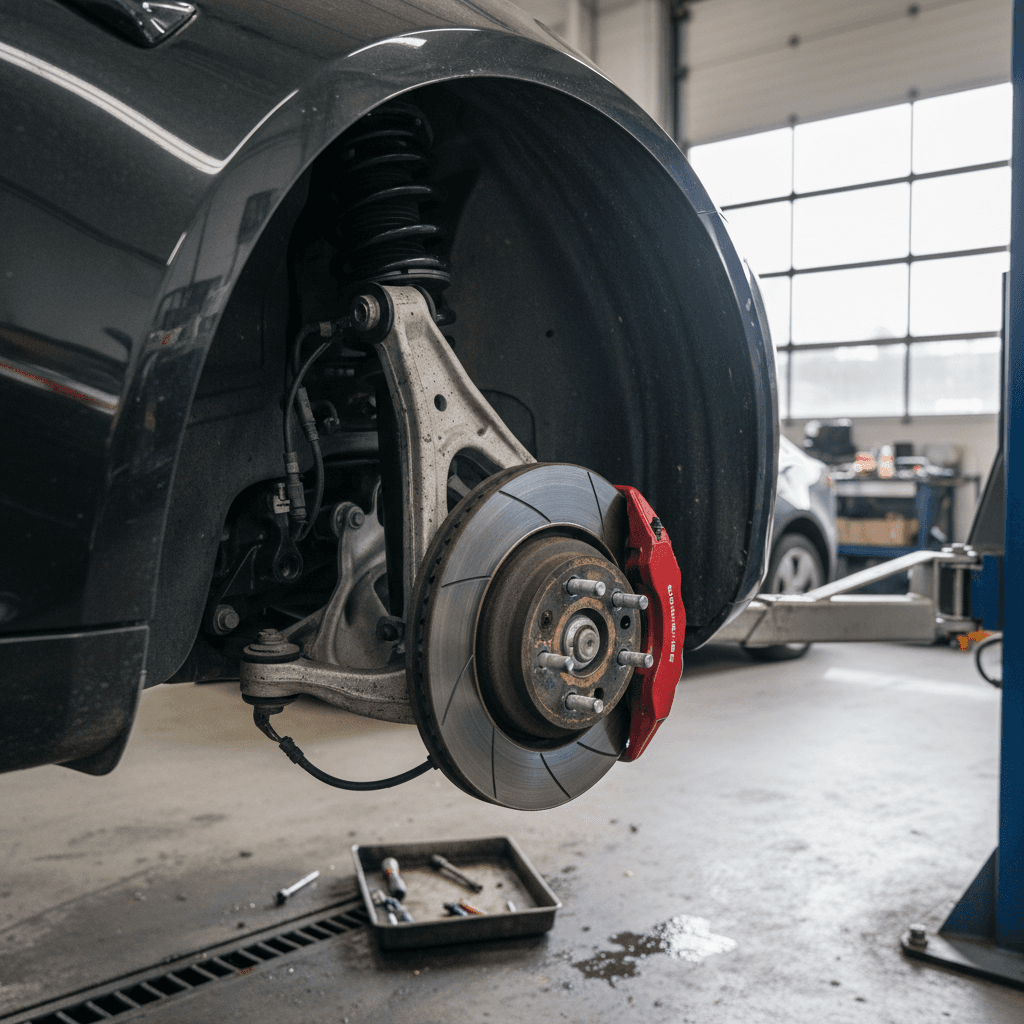
Premature wear in front control arms, ball joints, and bushings shows up as clunks, squeaks, or vague steering. Alloy wheels are also prone to curb rash and pothole damage.
2. Noises & leaks
Owners frequently mention rattles, buzzes, and wind noise from the dash, pillars, doors, and glass roof. Moisture in taillights or seals that let water past are also reported.
3. Software quirks
Center screen glitches, Bluetooth issues, phantom alerts, or Autopilot/FSD behavior that feels inconsistent. Many are fixed via software updates, but they can be frustrating to live with.
4. Build quality defects
Misaligned panels, uneven gaps, interior trim that doesn’t sit flush, loose headliners, and squeaky seats. Individually minor, but they add up.
5. Charging & TPMS faults
A small number of cars see issues with the charge port, onboard charger, or tire‑pressure monitoring system (TPMS), sometimes covered by recalls or service bulletins.
6. Safety‑related recalls
2022 Model 3s are affected by multiple safety recalls, from indicator lights to Autopilot behavior. Most were fixed with over‑the‑air updates, but you should verify they’re done.
Problem mix vs. gas cars
2022 Model 3 recalls and software-related problems
By now, the 2022 Model 3 has accumulated dozens of NHTSA recalls and service campaigns, many shared with other Model 3 years. The raw number looks scary, but most of those were software issues that Tesla fixed remotely, think warning lights not behaving correctly or driver‑assist behavior that needed tweaking.
Examples of 2022 Model 3 recall themes
Not an exhaustive list, always run a VIN check, but these show the kinds of issues involved.
| Recall type | What can go wrong | Typical fix | What to ask a seller |
|---|---|---|---|
| Instrument cluster / UI | Speed or warning indicators may not display as intended in certain drive modes. | Over‑the‑air software update to restore required displays. | "Has every open recall been completed, including software campaigns?" |
| Lighting & visibility | Tail lamps or indicator lights may intermittently not illuminate, reducing rear visibility. | Over‑the‑air software update or, in some cases, lamp replacement. | "Any lingering warning messages or lighting issues?" |
| Autopilot / FSD behavior | Driver‑assist system may behave unpredictably at some intersections or speed limits. | Mandatory software changes pushed over the air. | "What driver‑assist software version is the car on, and are there any open updates?" |
| TPMS behavior | TPMS warning light may not remain illuminated between drive cycles, failing to warn of low tire pressure. | Over‑the‑air software update to meet the standard. | "Have you ever driven with a persistent TPMS warning? Any tire‑pressure sensor replacements?" |
Most 2022 Tesla Model 3 recalls are software‑adjustable issues fixed via over‑the‑air updates.
Don’t ignore recalls just because they’re “software only”
Performance‑trim 2022 Model 3s also saw a recall for a Track Mode user‑interface bug where the vehicle speed units (mph/km/h) could disappear from the display. It’s a good reminder that Tesla’s recalls are often about what the software shows, or doesn’t show, rather than parts falling off the car.
Suspension, wheels, and alignment trouble spots
If there’s one area to scrutinize on a used 2022 Model 3, it’s the undercarriage. Large‑sample inspection data from Europe shows the 2022 Model 3 with significantly more suspension and wheel‑related defects than the average 2022 car, especially at high mileage. Owners and inspectors highlight worn control arms, bushings, and occasional broken springs or damaged wheels.
- Clunking or knocking over bumps, especially at low speeds.
- Squeaks or groans when turning the wheel or entering driveways.
- Uneven tire wear, inside shoulders worn more than the rest of the tread.
- Steering that feels vague, pulls to one side, or needs constant correction.
- Visible curb rash or cracks on one or more alloy wheels.
Quick suspension test drive routine
Battery, range, and charging issues on the 2022 Model 3
The headline here is reassuring: the 2022 Model 3’s battery packs and drive units are not a major weak point so far. Most owners report stable range and normal degradation for a modern EV, often 5–10% loss over the first few years, depending on climate and usage. Serious battery failures are rare compared with gas‑car engine or transmission problems.
- Normal range loss over time, especially for cars fast‑charged heavily or driven in extreme heat or cold.
- Onboard charger or charge‑port issues on a small minority of cars, usually handled under warranty or via service bulletins.
- Supercharging speed that feels slower than expected, often due to battery temperature, state of charge, or long‑term fast‑charging habits.
- Home charging hiccups caused by weak household wiring or mis‑configured circuit breakers rather than the car itself.
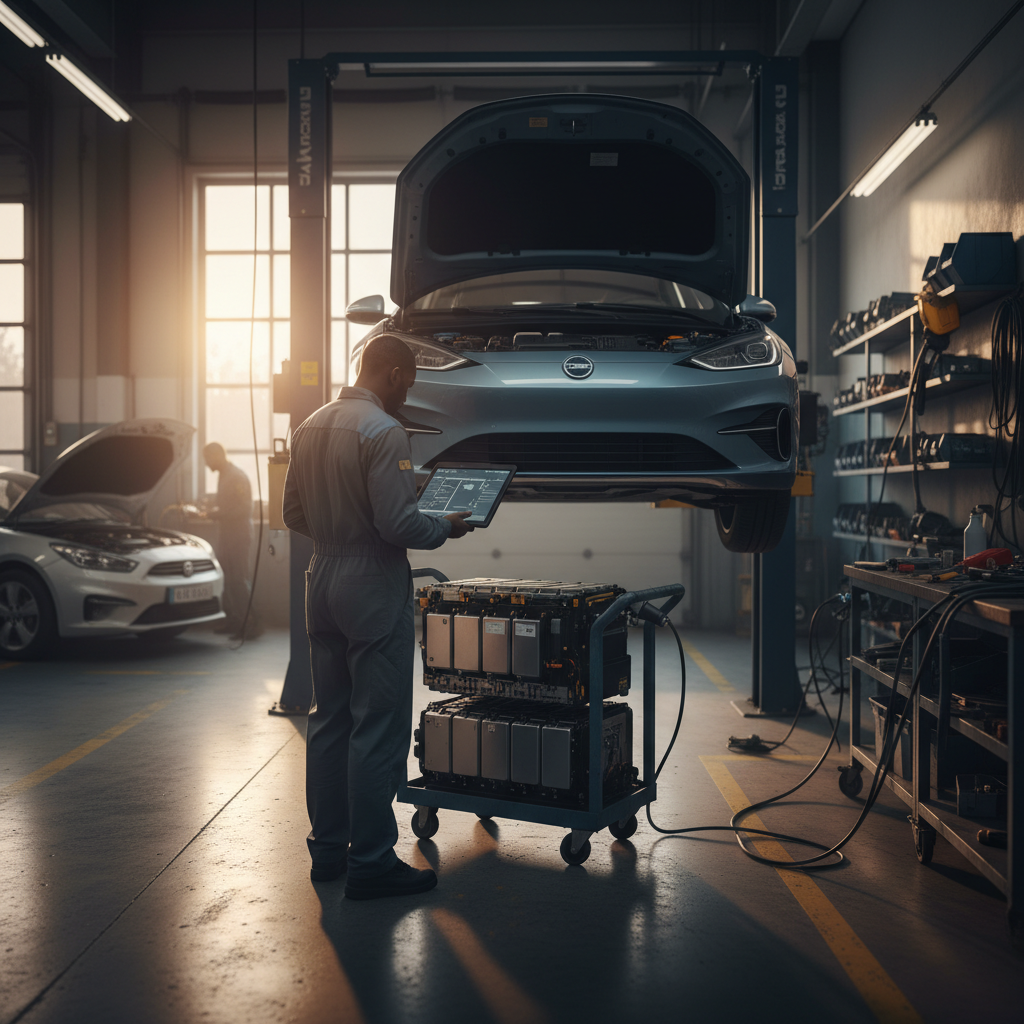
Understanding EV “battery health” on a 2022 Model 3
Every used EV sold through Recharged comes with a Recharged Score battery health report, based on diagnostics that go deeper than the dashboard percentage. That makes it easier to compare one 2022 Model 3 to another and see how previous charging behavior has affected long‑term battery health.
Interior rattles, wind noise, and water leaks
Talking to 2022 Model 3 owners is like talking to apartment dwellers, everyone has a noise story. Build quality has improved compared with early years, but you still see a higher‑than‑average rate of rattles, buzzes, wind noise, and occasional leaks for a car in this price bracket.
Typical noise complaints
- Dashboard and center console rattles on rough pavement.
- Buzzing from headliner, A‑pillars, or B‑pillars at highway speeds.
- Rear seats or seatbacks that click over bumps.
- Sun visor or mirror housings that shake on hot days, then quiet down.
- Wind noise around frameless windows if seals aren’t aligned perfectly.
Water and moisture issues
- Condensation or droplets inside taillights and occasionally headlights.
- Door or trunk seals that allow light water intrusion in heavy rain or car washes.
- Rare but serious cases of water leaks leading to musty odors or mold if left unaddressed.
- Frozen door handles or window edges in very cold, wet climates.
Most of these are fixable with revised seals, trim adjustments, or replacement lamp units, but they can be a nuisance if the car is out of warranty.
How to sniff out leaks and rattles
How 2022 Model 3 problems affect used values
Despite its quirks, the Model 3 remains one of the strongest‑resale EVs on the used market. Demand for Teslas, and access to the Supercharger network, keeps prices higher than many rival EVs of the same age. That said, problem history absolutely matters when you’re comparing two similar 2022 Model 3s.
What pushes 2022 Model 3 prices up or down?
Why two similar cars can be thousands of dollars apart
Clean history & low miles
No accidents, one owner, and mileage under ~30k will command a premium, especially if service records show alignment checks and tire rotations were done regularly.
Recalls & service done
A stack of completed recalls, fixed rattles, and replaced suspension components is a good sign. Unresolved issues become negotiating leverage, or a reason to walk.
Neglected problems
Uneven tire wear, obvious clunks, cracked wheels, or signs of leaks and mold can drag value down sharply and may make the car a poor buy at any price.
This is where structured inspections and objective health reports matter. At Recharged, every 2022 Model 3 we list gets a Recharged Score with documented battery health, problem‑area checks, and transparent pricing so you can see exactly how condition and history affect the number on the window.
Pre‑purchase checklist for a used 2022 Model 3
If you’re buying a 2022 Tesla Model 3 from a private seller or traditional dealer, use this checklist to separate the great cars from the future headaches.
10 things to check on a 2022 Model 3 before you buy
1. Run a VIN recall and history check
Use the NHTSA recall lookup and a vehicle‑history report to make sure there are no open recalls and to verify mileage, title status, and accident history.
2. Inspect suspension and tires
Look for uneven tire wear, especially on the inner edges, and listen for clunks or squeaks over bumps. Check that the steering tracks straight on a flat road.
3. Check wheels for impact damage
Curb rash is mostly cosmetic, but cracks or bends in the rims can cause vibrations and slow leaks. Factor replacement costs into your offer if needed.
4. Look and listen for interior rattles
Drive on a rough road with the radio off. Note any persistent rattles from the dash, pillars, seats, or trunk and ask whether they’ve been addressed under warranty.
5. Test all doors, windows, and the glass roof
Open and close doors and windows several times. Look for misalignment, binding, or excessive wind noise. From inside, inspect seals around the glass roof for gaps or water trails.
6. Examine lights and look for moisture
Turn on all exterior lights and check for fogging or droplets inside the housings. Excess condensation can indicate a poor seal and may require replacement units.
7. Verify charging behavior
Plug the car into Level 2 AC charging if you can. Confirm that the charge port latches smoothly and that the car begins and maintains a normal charging session without errors.
8. Review software status
On the main screen, check for pending software updates and note the current version. A car that hasn’t updated in many months may be behind on important fixes.
9. Inspect for water intrusion and odors
Lift floor mats, open the frunk and trunk, and feel for dampness. A musty smell could mean past leaks or standing water and is difficult and expensive to remedy.
10. Get a professional EV inspection
If you’re serious about a specific car, have a shop experienced with Teslas inspect the suspension, brakes, tires, and underbody, or work with a marketplace like Recharged that does this for you.
How Recharged streamlines this checklist for you
Ready to find your next EV?
Browse VehiclesWhen a Recharged Model 3 makes sense
If you love how the 2022 Model 3 drives but you’re wary of getting stuck with a noisy, suspension‑worn example, buying through Recharged can take a lot of the anxiety out of the process. Our team knows the pattern problems on these cars and checks for them deliberately, then prices each vehicle according to its actual condition and remaining battery health.
- You want transparent, data‑backed insight into battery health rather than guessing from the dash readout.
- You’d rather not haggle with private sellers over rattles, wheel damage, or missing software updates.
- You like the idea of financing, trade‑in, and paperwork handled in one digital experience, with optional nationwide delivery.
- You want access to EV‑specialist support if questions pop up after you take delivery.
The 2022 Tesla Model 3 isn’t perfect, no modern car is, but for many drivers it’s still one of the most compelling used EVs on the road. If you understand the common problems, inspect carefully, and lean on tools like the Recharged Score report, you can enjoy the Model 3’s range and tech without letting its quirks run the show.