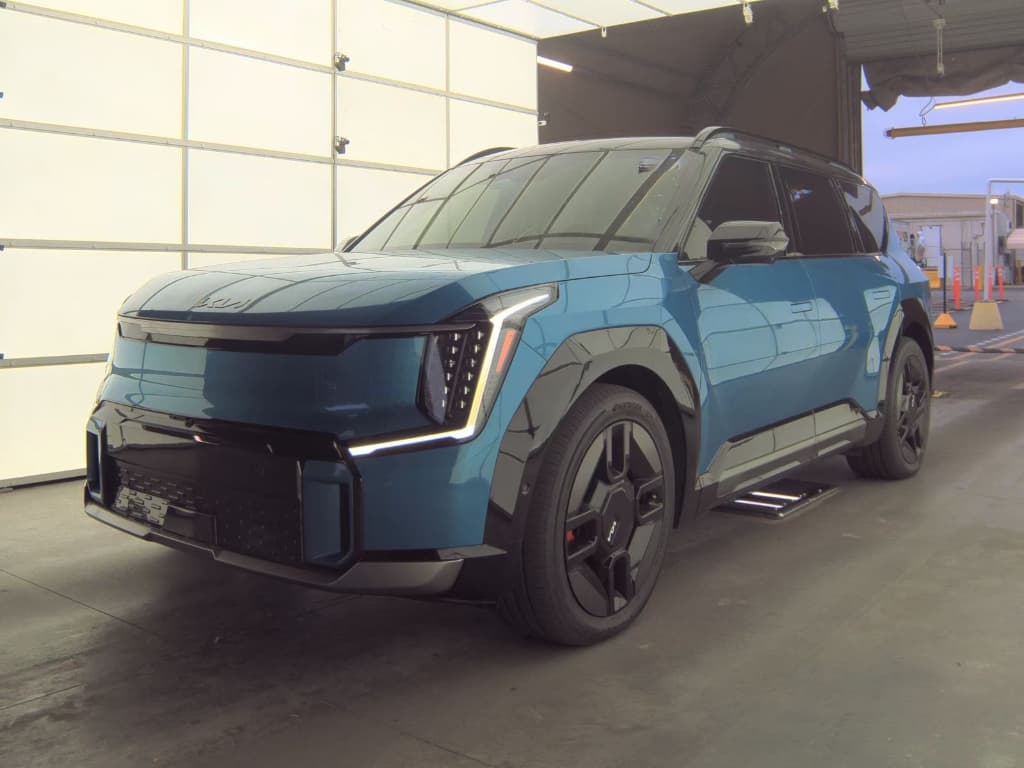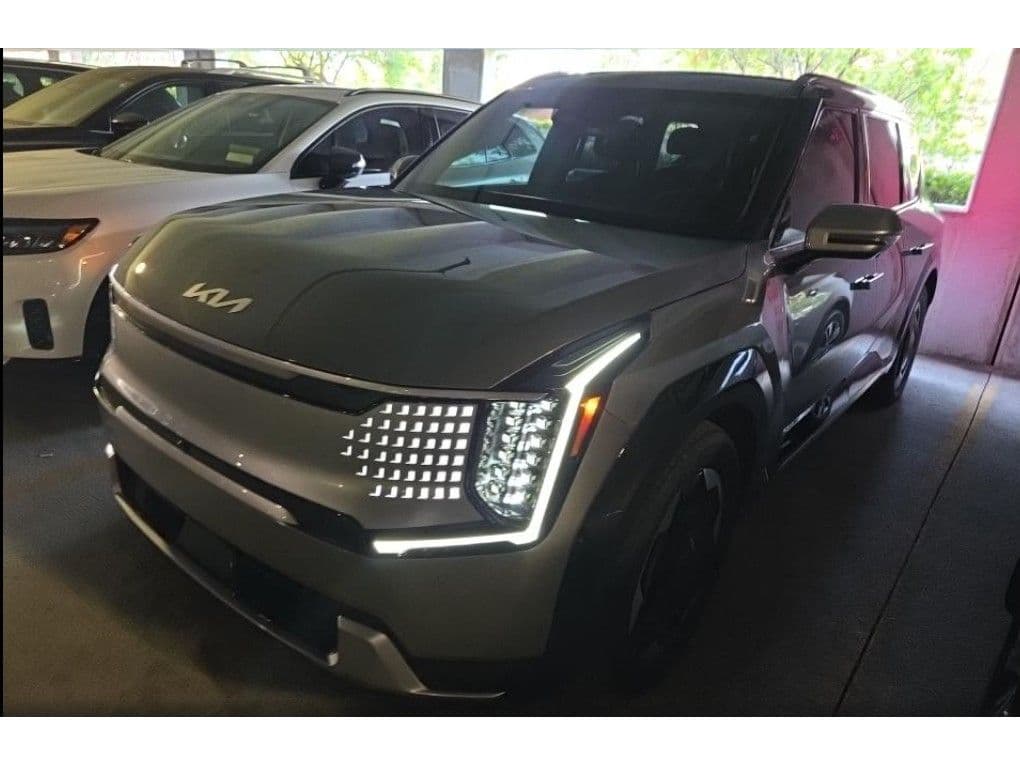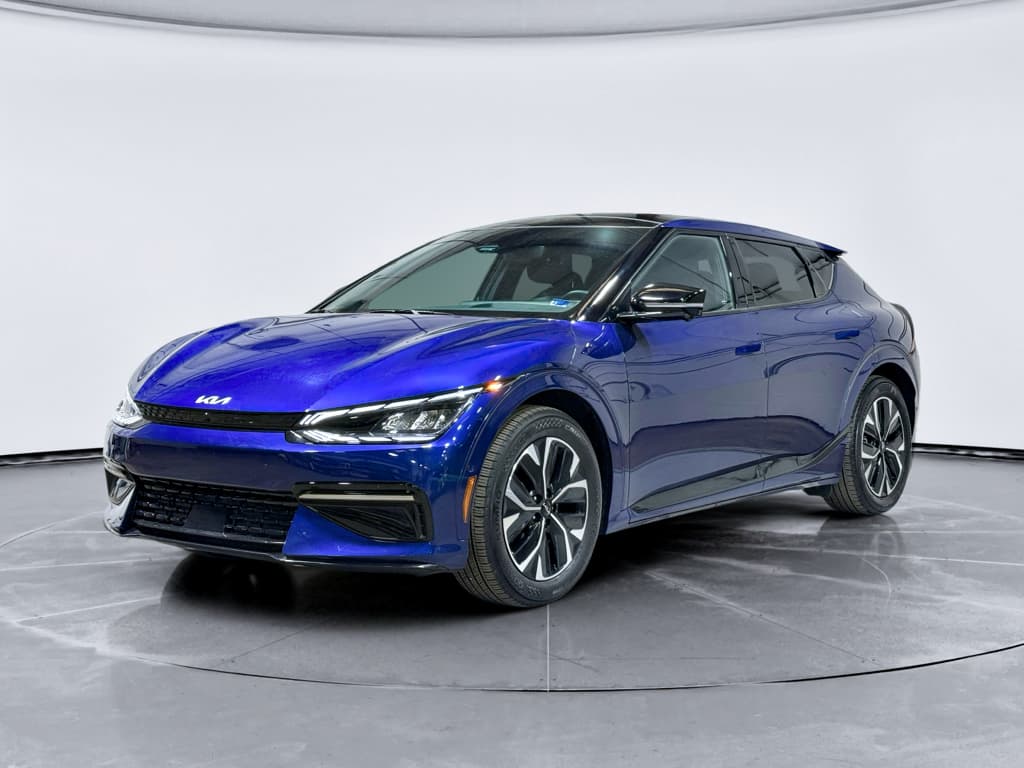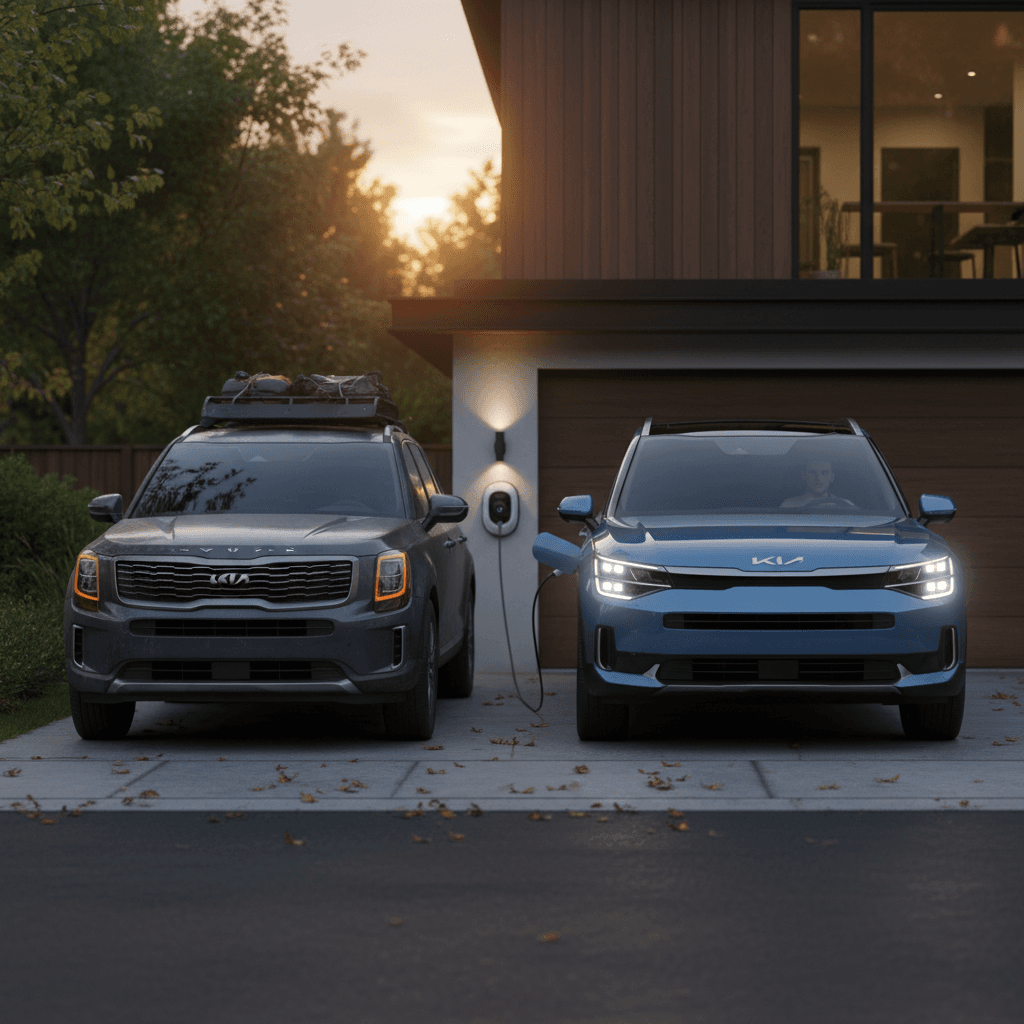
If you love your Kia Telluride but keep eyeing the Kia EV9, you’re not alone. The Telluride owner switch to Kia EV9 is one of the most common three-row SUV questions in today’s EV world: can an all-electric EV9 really replace a gasoline Telluride as your family workhorse?
Gas to EV, same Kia DNA
Who this Telluride-to-EV9 review is for
This owner-style Kia Telluride to Kia EV9 review is written for you if:
- You currently own or lease a Kia Telluride and are EV-curious.
- You like the Telluride’s size and comfort but want lower running costs and tailpipe-free driving.
- You’re shopping three-row SUVs and trying to decide between a Telluride, EV9, or something like a Rivian R1S or Tesla Model X.
- You’re considering a used Kia EV9 instead of a new gas SUV and want to know what daily life actually looks like.
We’ll walk through how the EV9 stacks up against the Telluride on space, comfort, driving feel, charging, and total cost of ownership, and where it might still make sense to keep burning gas.
Quick take: Should a Telluride owner switch to an EV9?
Telluride vs. EV9 at a glance
Bottom line for most Telluride owners
But it’s not for everyone
Telluride vs. EV9: Specs that matter to families
On paper, the Kia Telluride and Kia EV9 are both midsize three-row SUVs, but they go about family duty very differently. Here are the numbers that matter when you’re hauling kids and cargo, not just spec-sheet trivia.
Kia Telluride vs. Kia EV9: Family-focused specs
Key dimensions and capabilities for a Telluride owner considering a Kia EV9.
| Spec | Kia Telluride (gas) | Kia EV9 (electric) | What it means for you |
|---|---|---|---|
| Seating | 7–8 passengers | 6–7 passengers | EV9 usually seats one fewer in the third row, but both work for families. |
| Cargo behind 3rd row | ≈21 cu ft | ≈20–21 cu ft | Both swallow strollers and groceries; EV9 is right in the Telluride’s ballpark. |
| Max cargo (rows folded) | ≈87 cu ft | ≈80+ cu ft | Plenty of space for Costco runs or flat-pack furniture in either SUV. |
| Powertrain | 3.8L V6, ~291 hp | Single or dual electric motors, up to ~379 hp | EV9 feels stronger off the line and far smoother in traffic. |
| Range | ~400–480 mi per tank | ≈250–305 mi per charge | Telluride still has the long-haul range edge; EV9 works best with planning. |
| Fuel/energy | Gasoline, ~20–22 mpg combined | Electricity, ~2.0–2.7 mi/kWh | EV9 slashes fuel spend if your electricity rates are reasonable. |
| Towing | Up to 5,500 lb (properly equipped) | Up to 5,000 lb (select trims) | Both can tow a small camper or boat; EV range drops while towing. |
| Drivetrain | FWD or AWD | RWD or AWD | AWD EV9 delivers instant traction and confidence in bad weather. |
Specs are for recent model years in the U.S. and may vary slightly by trim.
Think in use cases, not just specs
Space, comfort, and cargo: Living with an EV9 after a Telluride
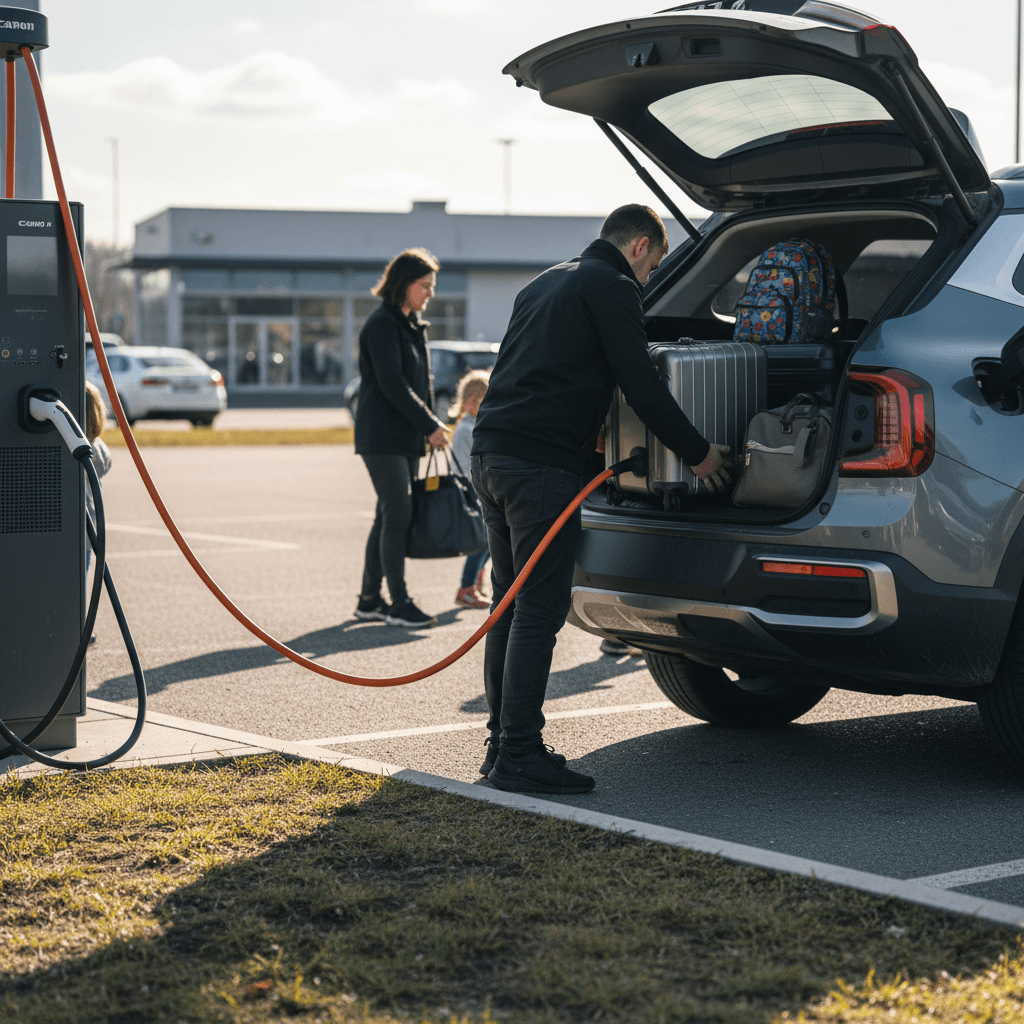
Telluride owners are spoiled: the third row is genuinely adult-friendly, and cargo space is generous. The good news is that the EV9 doesn’t feel like a step backward for most families, it just reshuffles the advantages.
How EV9 cabin life compares to your Telluride
Row by row, from the driver’s seat to the third row
Front row
The EV9 driving position feels familiar to a Telluride owner, but more modern: a wide, horizontal dash with dual screens and fewer physical buttons. Visibility is excellent thanks to a low hood and upright glass. Cabin noise drops dramatically without a V6 up front.
Second row
Both SUVs offer a sliding second row with bench or captain’s chairs. The EV9’s flat floor and boxy roof make it easy for kids to walk through to the third row. Available captain’s chairs with heating/ventilation feel properly luxury-car in both.
Third row
The Telluride’s third row is slightly roomier overall, but EV9 passengers benefit from more headroom and a more planted seating position over the rear axle. Adults will still prefer rows one and two, but kids won’t complain in either SUV.
Behind the third row, both vehicles handle everyday family life with ease. Suitcases, a stroller, and a week’s worth of groceries fit in both. The EV9’s cargo area is a hair tighter with all rows folded, but unless you’re regularly hauling sheet goods or moving apartments, you’re unlikely to notice.
Pro tip for road-trip families
Driving experience: Noise, ride, and performance
Telluride owners already know Kia can tune a chassis. On the road, both the Telluride and EV9 drive like big, confident family SUVs, not sports cars, not wallowy barges. But the EV9’s electric power fundamentally changes how the vehicle feels under your right foot.
From V6 growl to silent shove
The Telluride’s 3.8-liter V6 is smooth and willing, with enough power for highway merges and mountain passes. You feel the downshifts, hear the engine, and occasionally catch the transmission hunting for gears on steep grades.
The EV9 replaces all of that with instant torque and a single-speed transmission. Around town it’s nearly silent, and the response from a stoplight is more like a powerful luxury EV than a family hauler. Dual-motor EV9 trims can feel downright quick for the size.
Ride, handling, and quiet
Both SUVs ride comfortably, but the EV9’s low center of gravity, thanks to a big battery pack under the floor, gives it a planted feel in curves. Wind and road noise are better controlled in the EV9, so conversations in row three are easier.
If you like the Telluride’s relaxed, confident feel, the EV9 will feel like a natural progression rather than a culture shock.
Acceleration reality check
Charging vs. gas: How the EV9 changes your routine
Here’s where the Kia Telluride owner switch to Kia EV9 feels the most different. With the Telluride, you’re on the gas-station schedule. With the EV9, you refuel at home, if you can, and treat public fast charging like a road-trip tool instead of a weekly chore.
What an ex-Telluride owner needs to know about EV9 charging
1. Home charging is the game-changer
If you can install a Level 2 charger (240V) at home, you ‘fill up’ while you sleep. For most families, that means waking up every day with 200–300 miles of range and almost never thinking about public chargers during the week.
2. Daily driving gets simpler
School runs, commuting, errands, everything you used to do in the Telluride just happens with an EV9 that’s always topped off. No stopping for gas, no fumes in the garage, no kids begging for snacks from the mini-mart.
3. Road trips require a little planning
On long trips, you’ll trade one or two gas stops for several 15–30 minute DC fast-charge stops. The EV9’s 800V system lets it add a lot of range quickly on compatible high-speed chargers, but you’ll still want to plan stops around meals and rest breaks.
4. Winter and towing cut into range
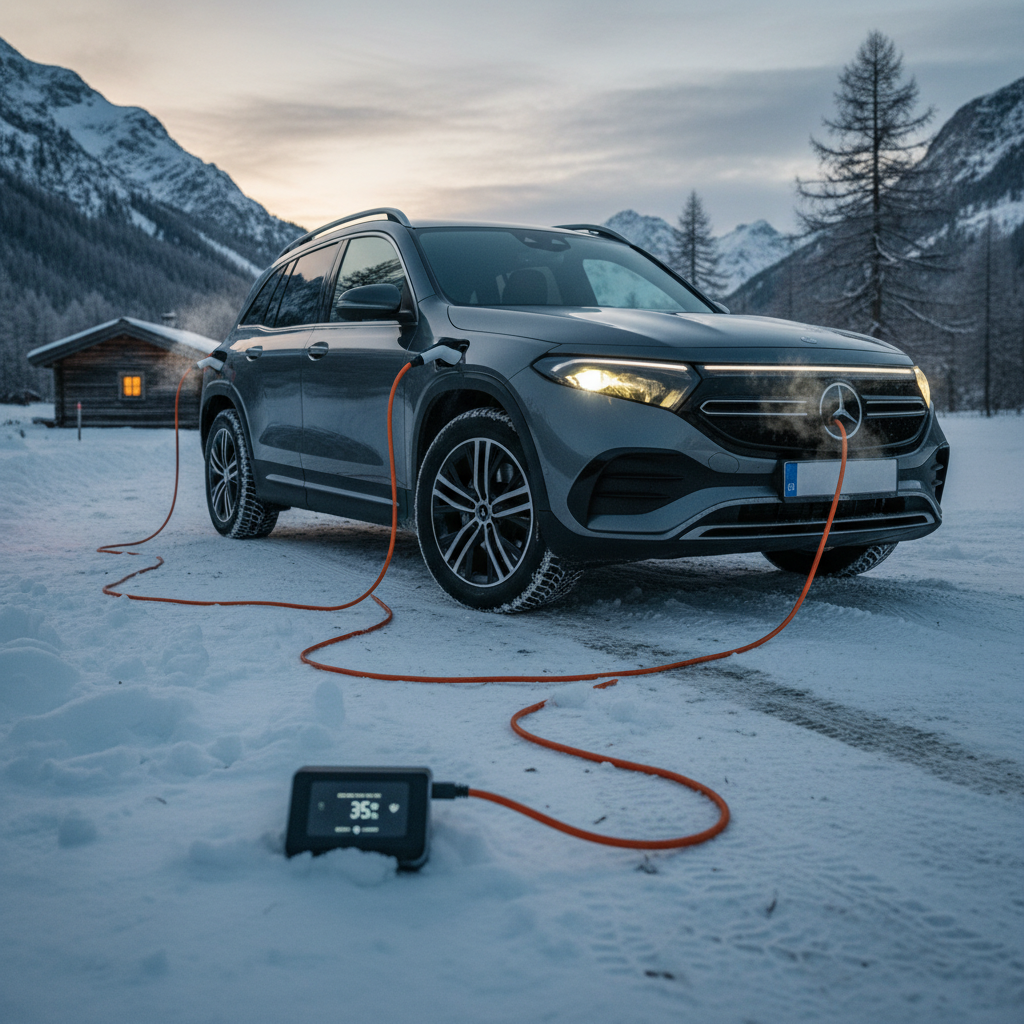
Cold weather or towing will shorten your usable range more dramatically than they affect your Telluride’s gas mileage. It’s manageable, but you’ll want to build extra buffer into winter or towing trips.
5. Apps replace fuel gauges
Instead of hunting for the next gas station, you’ll rely on apps and in-car navigation to route you to fast chargers. Once you learn your favorite networks and locations, the anxiety fades, but there is a learning curve in the first few months.
6. Public charging reliability is still uneven
Unlike gas pumps, not every charger you see will be working or available. In dense urban and suburban areas, there are usually enough options; in rural stretches, you’ll want a Plan B mapped out.
If you can’t charge at home…
Costs: Does EV9 ownership really save money?
New-for-new, a Kia EV9 costs more up front than a Telluride, though incentives can narrow the gap. Where the EV9 claws back ground is in running costs: fuel and maintenance.
Fuel vs. electricity
If your Telluride returns around 20 mpg in mixed driving and you pay typical U.S. gas prices, your monthly fuel bill can add up quickly, especially with a long commute or frequent road trips.
The EV9 trades those gallons for kilowatt-hours. With reasonably priced home electricity, many owners see their ‘fuel’ bill drop significantly. Public fast charging is more expensive per mile, but still often competitive with gasoline.
Maintenance and long-term costs
The Telluride is not an expensive vehicle to maintain by modern standards, but it still needs oil changes, transmission fluid, exhaust components, and other wear items that simply don’t exist on an EV9.
The EV9 still needs tires, brake service (less often thanks to regenerative braking), cabin filters, and coolant service for the battery system, but the maintenance menu is shorter overall.
Use your actual numbers
Owner voices: What Telluride drivers say after switching
Talk to real owners who have made the Telluride to EV9 jump and you’ll hear a recurring line: “It’s basically an electric Telluride.” That’s meant as a compliment. Kia kept most of what people love about the gas SUV and layered on the refinement and instant torque of an EV.
Common reactions from Telluride → EV9 owners
Pulled from real-world stories, condensed into themes
“I don’t miss the gas station.”
Daily life is the big win. Owners who can charge at home say they quickly forget about stopping for fuel and enjoy starting every day with a full ‘tank.’
“It’s so much quieter.”
Highway droning from the V6 is replaced by a quiet whoosh. Conversations with kids in the third row and road-trip podcasts are easier to hear.
“It feels familiar, just more modern.”
The EV9’s cabin layout, driving position, and big SUV feel are instantly recognizable to Telluride owners. The screens and software just feel a generation newer.
The most common regrets
Is a used Kia EV9 a smart upgrade from your Telluride?
Because the EV9 is still relatively new, the used market is just starting to mature, but that’s exactly where a lot of savvy Telluride owners are looking. A low-mileage used EV9 can undercut new pricing and help offset the jump from a gas SUV to a premium-feeling electric flagship.
Why battery health matters more than mileage
Checklist for Telluride owners shopping a used EV9
1. Get an objective battery health report
Ask for a <strong>verified battery health assessment</strong>, not just the dashboard range estimate. Services like the Recharged Score provide diagnostics so you know how much usable capacity remains before you buy.
2. Confirm charging history
If possible, learn whether the previous owner mostly used home Level 2 charging or lived on DC fast charging. Occasional fast charging is fine; heavy fast-charge use over many years can accelerate battery wear.
3. Test your real-world range
On a test drive, note energy consumption at your typical speeds and climate. Don’t just trust the EPA sticker, make sure the usable range fits your actual commute and weekend drives.
4. Inspect for family wear and tear
EV9s, like Tellurides, live hard family lives. Check for seat stains, interior scuffs, and damage to USB ports and seatback pockets from car seats and kid gear.
5. Price in incentives and financing
Used EVs can qualify for different tax credits or local incentives than new models. A retailer like <strong>Recharged</strong> can help you compare out-the-door costs, trade-in value for your Telluride, and financing options side by side.
At Recharged, every used EV9 comes with a Recharged Score Report that verifies battery health, analyzes fair market pricing, and gives you EV-specialist support from your first question through delivery, so the leap from fuel to electrons feels a lot less risky.
How to decide: Telluride or EV9?
You don’t buy a three-row SUV to make a statement, you buy it because your life is full. The right choice between a Telluride and an EV9 comes down to how and where you drive, and what kind of hassles you’re willing to trade.
Choosing your path: Stay with Telluride or move to EV9?
You should strongly consider an EV9 if…
You can install a Level 2 charger at home or have guaranteed overnight charging at work.
Most of your miles are local: commuting, errands, school and activity runs within a 30–50 mile radius.
You value quiet, smooth power and lower emissions more than you value 450+ miles of nonstop highway range.
Your region has growing or solid DC fast-charging coverage on the routes you actually use.
You’re comfortable learning a new charging routine and using apps for trip planning in the first few months.
You may be better off in a Telluride (for now) if…
You can’t reliably charge where you park overnight and public chargers are scarce or unreliable nearby.
You regularly drive 400–600 mile days with minimal stopping time and no interest in 20–30 minute charging breaks.
You tow a camper or heavy trailer long distances several times a year and don’t want to think about range planning.
You live in a very cold climate without garage parking, and minimizing winter range loss is a top priority.
You prefer lower purchase prices up front and are less sensitive to monthly fuel and maintenance costs.
Where Recharged fits in
Ready to find your next EV?
Browse VehiclesFAQ: Switching from Kia Telluride to Kia EV9
Frequently asked questions
If you’re a Kia Telluride owner eyeing the EV9, you’re not crazy, it really is like someone took your familiar family SUV, turned down the noise, turned up the tech, and swapped gasoline for electrons. Whether that trade makes sense for you comes down to charging access, trip patterns, and budget. When you’re ready to run the numbers on a used Kia EV9, Recharged is built to make the switch simple, transparent, and as drama-free as your first quiet morning commute without a gas stop.