If you’ve been living happily with a Kia Sportage but keep eyeing the futuristic Kia EV6, you’re not alone. Plenty of compact‑SUV drivers are wondering whether it’s finally time to trade gas (or hybrid) for a full battery electric. This owner‑style review walks through what really changes when you switch from a Sportage to an EV6: space, comfort, charging, costs, and how it feels to live with every day.
Why this comparison matters
Thinking About Swapping Sportage for EV6?
The Sportage and EV6 sit in the same mental bucket for most shoppers: compact family crossovers with modern styling and lots of tech. The big fork in the road is the powertrain. The Sportage offers gasoline, hybrid, and plug‑in hybrid choices, while the EV6 is 100% electric with up to roughly 300 miles of EPA‑rated range on certain trims and fast DC charging that can add a big chunk of that range in under 20 minutes when conditions are right.
If you’re already comfortable with Kia’s infotainment, safety tech, and warranty, moving from Sportage to EV6 feels less like changing brands and more like upgrading to the next generation of the same idea. The questions you really need to answer are: Will I miss the extra cargo height? Am I ready for public charging? and Does the EV6’s lower running cost beat the Sportage’s simplicity?
Sportage Owner Snapshot: What Changes With EV6?
Trim and year matter
Size and Space: Does the EV6 Feel Smaller Than a Sportage?
On the outside
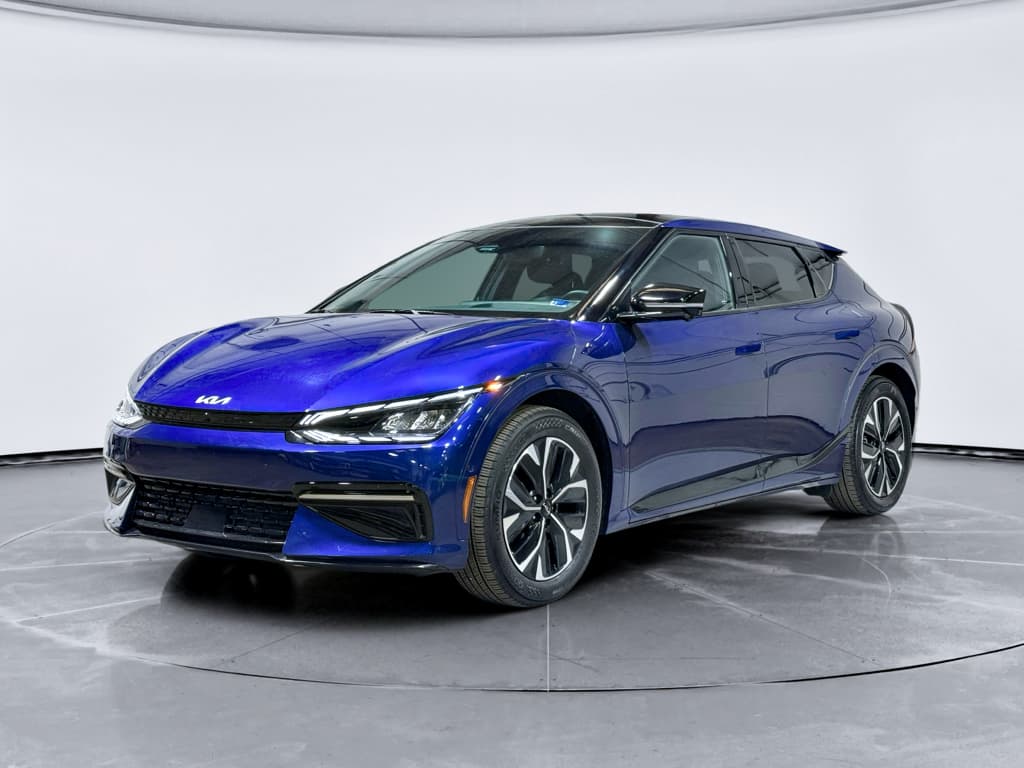
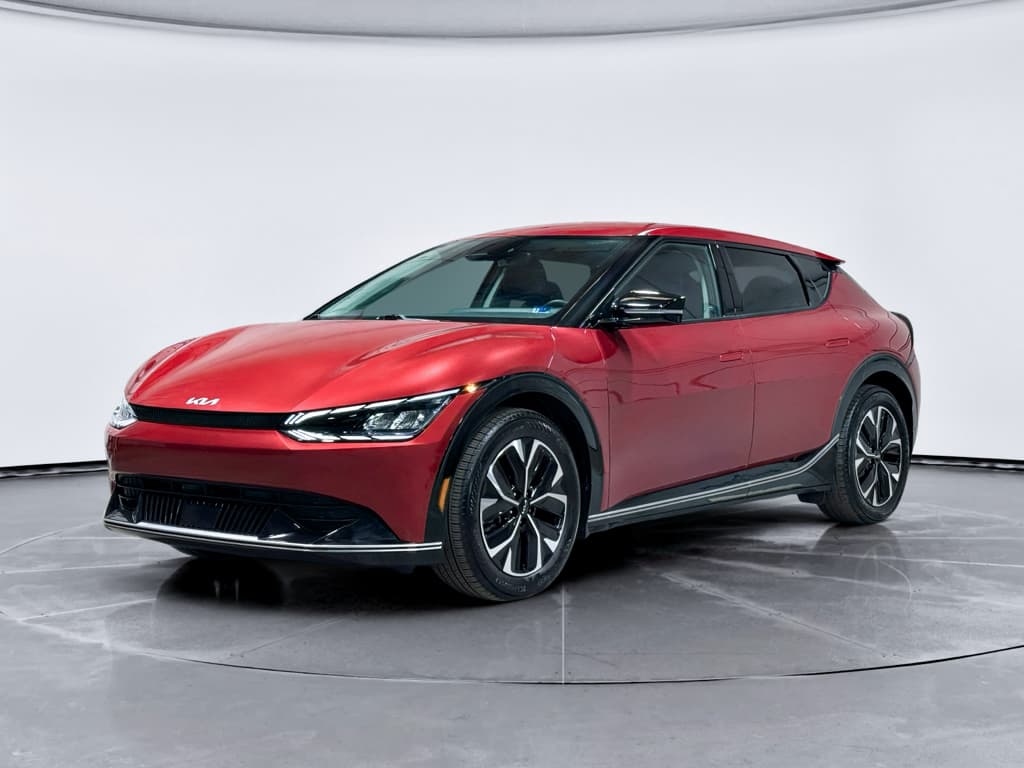
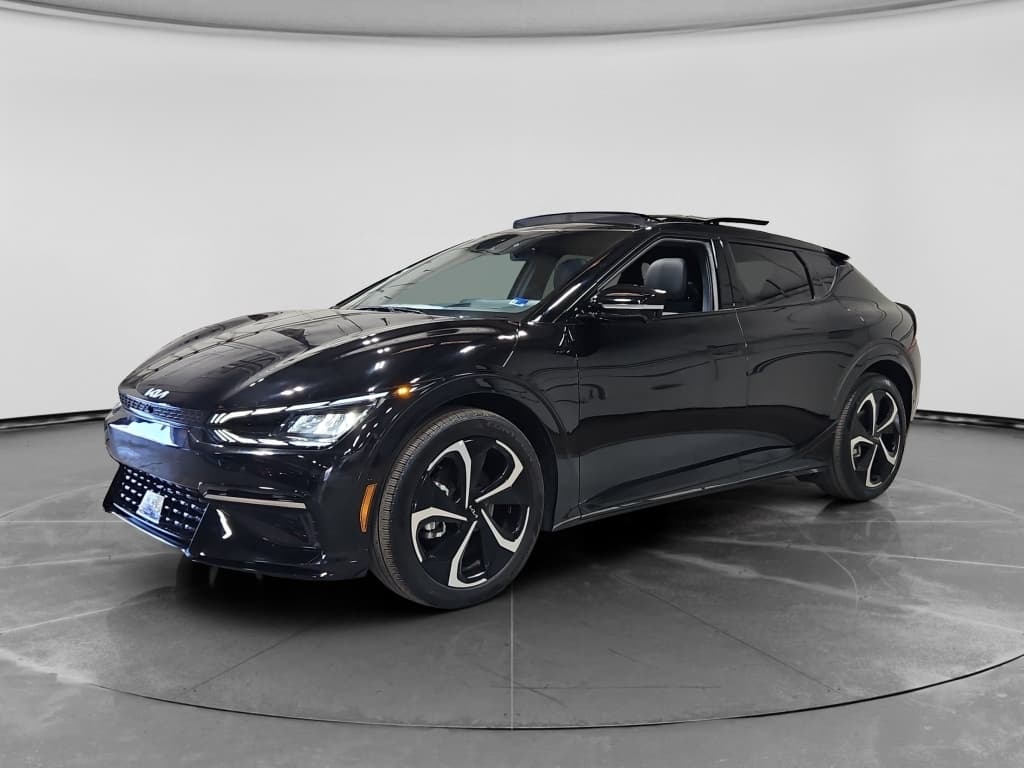
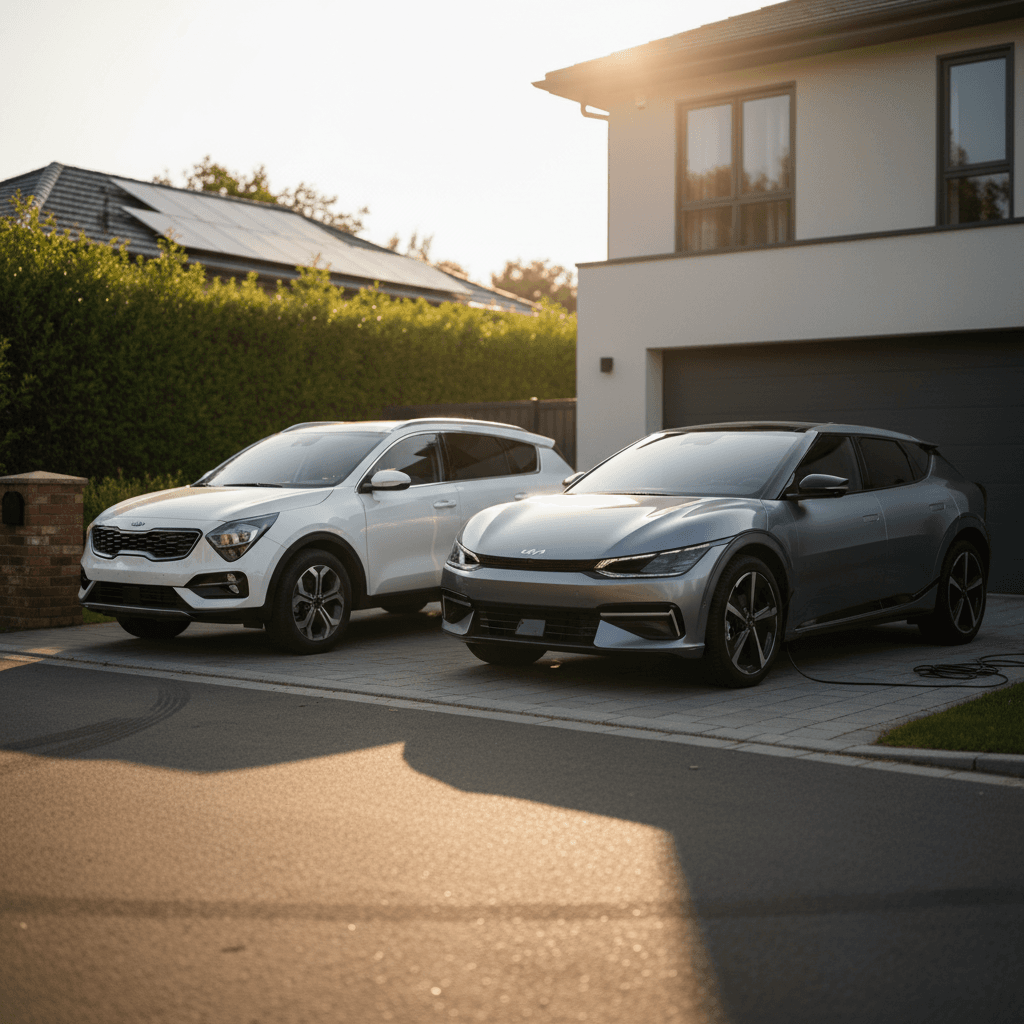
The EV6 is built on Kia’s dedicated E‑GMP EV platform, so its proportions are different from the Sportage’s more upright SUV body. The EV6 is lower and sleeker, with a long wheelbase and short overhangs. In photos it can look like a hatchback, but in person it has the stance of a sporty crossover.
If you’re coming from a Sportage, the first surprise is how long the EV6 looks in profile, yet it’s easier to duck into garages thanks to its lower roof.
On the inside
Sportage owners tend to love the vertical space and easy‑access cargo area. The EV6 answers with a flatter floor and generous legroom front and rear, but its sloping roofline eats a bit into rear headroom and cargo height.
- Rear legroom: generous in both, EV6 feels limo‑like to many front‑seat passengers.
- Cargo: Sportage wins for tall, boxy items; EV6 is fine for strollers, groceries, and luggage but prefers things that fit under a parcel shelf.
Garage test before you buy
Driving Feel: From Traditional SUV to EV Platform
Sportage drivers who sample an EV6 almost always talk first about the smooth, instant shove when you pull away from a stop. Even the single‑motor rear‑wheel‑drive versions feel strong in city traffic, and the dual‑motor all‑wheel‑drive trims can be genuinely quick. There’s no shifting, no waiting for a turbo to spool, and in stop‑and‑go traffic the EV6’s one‑pedal‑style regenerative braking can make commuting calmer.
How Driving the EV6 Feels Different From a Sportage
Same Kia badge, very different on‑road personalities
Instant torque
Press the accelerator and the EV6 just goes. No downshifts, no waiting for revs. If your Sportage is a base gas model, the jump in around‑town punch will feel dramatic.
Lower, more planted
The EV6’s battery pack sits under the floor, giving it a low center of gravity. Compared with a Sportage, it feels more hunkered down and stable in corners, less like a tall SUV.
Quiet and calm
Wind and road noise replace engine sound as your main soundtrack. On smooth pavement the EV6 is whisper‑quiet; coarse asphalt and some tire roar are more noticeable because there’s no engine to cover them up.
Watch your right foot
Range and Charging: Life After Gas Stations
This is the biggest mental leap for Sportage owners. With the gas or hybrid Sportage, you stop wherever fuel is cheapest and you’re back on the road in five minutes. With the EV6, most of your “fueling” happens at home while you sleep, and long trips mean planning around fast chargers instead of gas stations.
Typical Kia EV6 Range and Charging Experience
Approximate figures for common EV6 setups versus a typical Sportage experience. Always check the exact trim and EPA numbers for your car.
| Vehicle | Powertrain | Approx. EPA Range | Home Charge (Level 2) | DC Fast Charge (ideal case) |
|---|---|---|---|---|
| Sportage (gas) | Gasoline | 400–450 mi tank range | 5–10 min fuel stop | 5–10 min fuel stop |
| Sportage Hybrid/PHEV | Hybrid / PHEV | Varies; 30–40 mi EV + gas | Plug‑in overnight (PHEV) | 5–10 min fuel stop |
| EV6 RWD Long‑Range | Battery EV | Up to ~300 mi | ~7 hours 10 min (10–100%) | ~18 min (10–80%) on 350 kW |
| EV6 AWD Long‑Range | Battery EV | Mid‑200s to high‑200s | Similar to RWD | 20–25 min (10–80%) typical |
These are ballpark numbers; weather, speed, and wheels can move them up or down.
Home charging is the game‑changer
Charging Readiness Checklist for Sportage Owners
1. Confirm home charging options
Do you have a garage or dedicated driveway outlet? A 240‑volt circuit (like for an electric dryer) is ideal. Talk with an electrician about adding a dedicated EV circuit if needed.
2. Map your daily mileage
Add up your typical weekday driving. If you usually travel under 150–180 miles in a day, most EV6 trims can cover it easily with overnight home charging.
3. Learn your local fast chargers
Open apps like Kia’s native app, PlugShare, or your utility’s map to see what fast chargers exist along your regular routes and favorite weekend trips.
4. Check workplace or public Level 2
If you can plug in at work or at a regular destination, that takes pressure off home charging and long‑range weekends.
5. Understand weather impact
Cold winters, high speeds, and big wheels all trim EV range. Factor in a comfortable buffer, don’t plan trips to the mile.
Ownership Costs: Sportage vs. EV6
On paper, the EV6 usually starts higher than a comparable Sportage trim when new. But Sportage owners who switch to EV6 typically see that difference clawed back over time through lower energy costs and less routine maintenance. Electricity is often cheaper per mile than gasoline, especially if you charge overnight on time‑of‑use rates, and EVs don’t need oil changes, spark plugs, or exhaust repairs.
Where the Sportage still wins
- Upfront price: A new gas or hybrid Sportage generally undercuts a similarly equipped new EV6.
- Fueling flexibility: If you live in a charging desert or move often, gas stations are still the simpler solution.
- Towing and roof‑box duty: For certain trims and uses, the Sportage’s more traditional SUV shape and tow ratings may be better suited.
Where the EV6 pays you back
- Fuel cost per mile: Many owners report noticeably lower monthly energy bills versus gas, even when paying for some DC fast charging.
- Service: No engine oil, fewer moving parts, and longer brake life thanks to regen braking.
- Incentives: Depending on where you live, new and used EVs may qualify for tax credits or rebates that don’t apply to a Sportage.
How Recharged can help on costs
Ready to find your next EV?
Browse VehiclesComfort, Tech, and Interior Experience
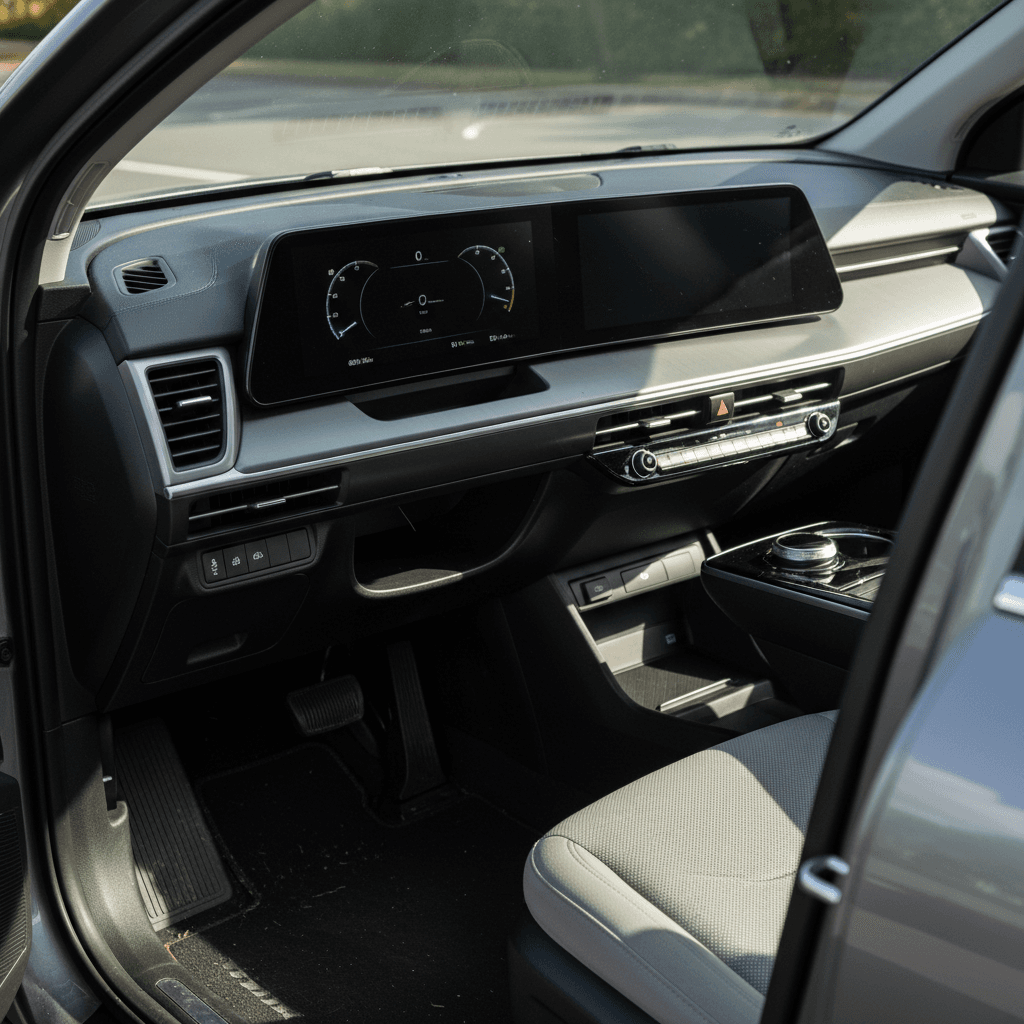
Kia has been on a roll with interiors, and both Sportage and EV6 benefit from that. If you’re coming out of a recent‑generation Sportage, the EV6’s cabin will feel familiar in layout but more futuristic in its details: a sweeping dual‑screen setup, ambient lighting, and materials that feel a half‑step more upscale than many compact SUVs.
Sportage vs. EV6: Inside the Cabin
What changes, and what stays reassuringly familiar
Seating and comfort
Sportage owners generally praise seat comfort. EV6 front seats are wide and supportive, with available ventilation and a "Relaxation" function on some trims for charging‑stop naps. The driving position is lower and more car‑like; great for long drives, but less "commanding" than a Sportage.
Screens and controls
Both use Kia’s modern infotainment with a wide central screen and digital cluster. EV6 leans harder into capacitive controls and touch‑sensitive shortcuts; there’s a learning curve, but Sportage owners will recognize the basic logic and menus.
Safety and driver assists
Adaptive cruise, lane centering, blind‑spot monitoring, and parking aids are available on both. In the EV6, these systems pair nicely with the smooth EV powertrain, making long commutes and highway slogs feel more like a quiet train ride.
Try the lower seating position
Practical Use Cases: Commutes, Kids, and Road Trips
This is where you stop reading spec sheets and think about your life. Most Sportage owners use their crossovers for a mix of commuting, kid‑duty, errands, and the occasional big trip. The EV6 can handle all of that, but how it feels depends heavily on your patterns and where you live.
How the EV6 Fits Different Sportage Owner Lifestyles
Suburban commuter with kids
Daily 30–60 mile round‑trip commutes become trivial with overnight charging, no more gas station stops on the way to daycare.
Rear‑seat space is generous enough for child seats; the main tradeoff is slightly lower hip‑point for buckling little ones.
Groceries and sports gear fit fine, but tall cargo like bikes may require removing a wheel or using a hitch rack.
High‑mileage highway driver
If you’re used to knocking out 500‑mile days in a Sportage with one quick fuel stop, an EV6 will add time for charging, plan on a couple of 15–25 minute fast‑charge breaks.
The payoff is a quieter cabin, less fatigue from engine noise and vibrations, and powerful passing even when you’re loaded with luggage.
Fast‑charging infrastructure quality varies by region; map out several options along your regular long‑distance routes.
City apartment dweller
If you don’t have a dedicated parking spot with power, the switch from Sportage to EV6 is tougher. You’ll rely on public Level 2 and fast chargers.
Look closely at nearby grocery stores, garages, or workplace chargers, can you realistically plug in two or three times a week?
If the answer is yes, the EV6’s smooth, quiet city manners and instant torque make it feel tailor‑made for urban life.
Occasional tower / adventure gear hauler
Check the specific EV6 trim’s tow rating before assuming it matches your Sportage’s capacity, ratings and tongue weights differ.
Roof‑box and rack solutions exist, but they can eat into range at highway speeds; if you’re a frequent camper or boater, do the math carefully.
For many light‑duty outdoor lifestyles (kayaks, bikes, camping gear), an EV6 works fine with a hitch rack and good trip planning.
Be honest about your longest days
Sportage-to-EV6 Buying Checklist
Once you’ve decided you like how the EV6 drives and fits your life, it’s time to pick the right configuration, and, if you’re shopping used, the right specific car. Here’s a checklist tailored to owners stepping out of a Sportage.
Key Decisions When Moving From Sportage to EV6
Pick your drivetrain and battery
Rear‑wheel drive EV6 trims generally deliver the best range and efficiency; all‑wheel drive adds power and traction at the cost of range. If you’re replacing an AWD Sportage in a snowy climate, balance your traction needs against how often you’ll use the extra performance.
Check real‑world range reports
Look beyond the brochure. Read owner experiences for your climate and wheel size; 20‑inch wheels, cold temps, and regular 75+ mph cruising all trim effective range compared with EPA numbers.
Understand charging curve and hardware
The EV6 is known for fast DC charging when the hardware and software cooperate. When you test‑drive, ask the dealer to walk you through preconditioning, battery settings, and how to find compatible high‑power chargers.
Inspect tire and brake wear
EVs are heavy and powerful, and some owners drive them enthusiastically. Uneven tire wear or tired brakes on a used EV6 may hint at harder use than your average grocery‑getter Sportage.
Review recall and service history
Like many new‑generation EVs, early EV6 model years have seen a few software and charging‑system updates. Make sure any open recalls or campaigns have been addressed, and budget time for software updates during ownership.
Get a battery health report
For used EV6s, ask for documented battery health. A <strong>Recharged Score battery diagnostic</strong> can show you remaining capacity and fast‑charge behavior so you’re not gambling on the most expensive part of the car.
Is a Used Kia EV6 a Smart Upgrade From Your Sportage?
For many Kia Sportage owners, especially those with reliable home charging and predictable daily miles, the Kia EV6 feels like a genuine upgrade. It’s quieter, quicker, and more relaxing to drive. It trades some of the Sportage’s boxy cargo practicality and go‑anywhere refueling for the EV perks of waking up with a full battery and skipping gas stations for months at a time.
Where the EV6 truly shines is as a daily‑driver and family hauler that also happens to be fun. If your life includes frequent 400‑ to 600‑mile days in areas with patchy fast charging, or you lack any reliable way to charge at home, your Sportage still has real advantages. But if your longest trips are occasional, and you’re ready to think ahead about charging instead of gas, trading your Sportage for an EV6 can feel less like a compromise and more like stepping into the future a few years early.
If you’re considering a used Kia EV6, buying through Recharged means every car comes with a Recharged Score Report, verified battery health, fair‑market pricing, and EV‑specialist guidance. That makes the jump from Sportage to EV6 a whole lot less mysterious, and a lot more exciting.