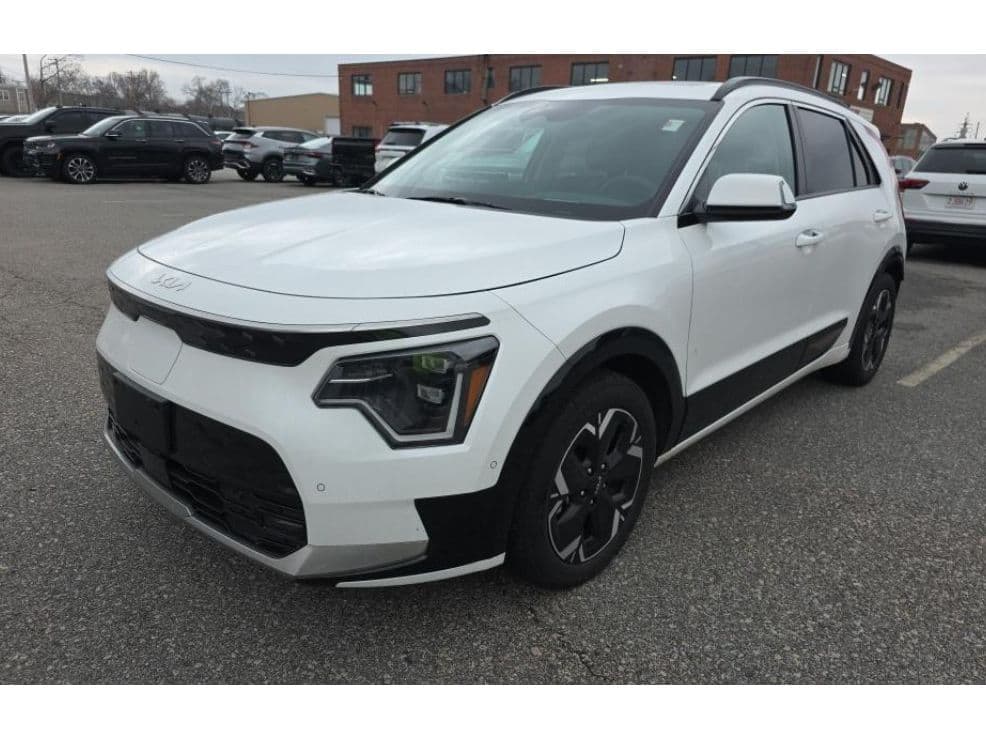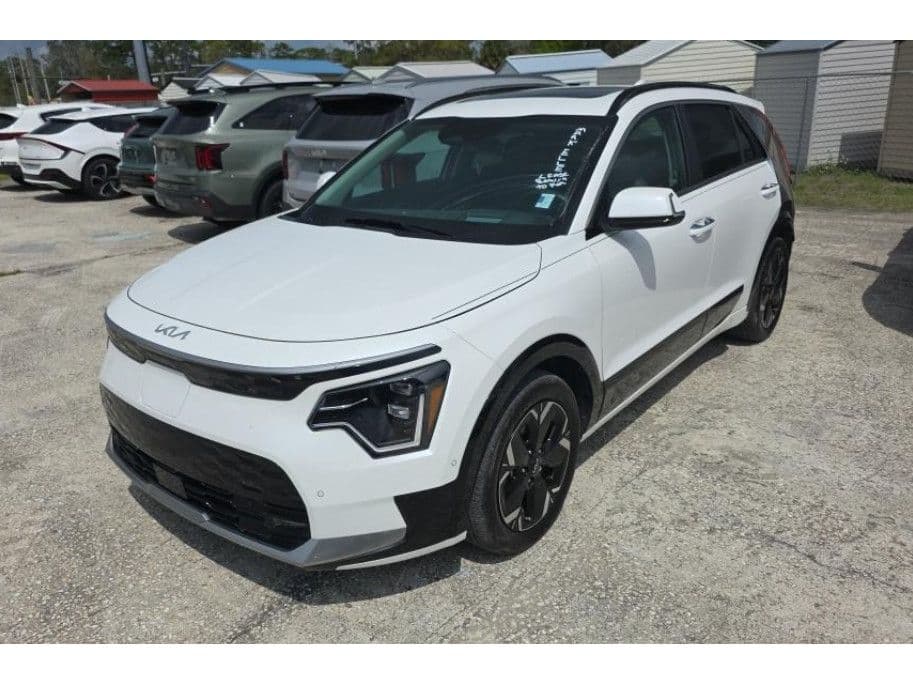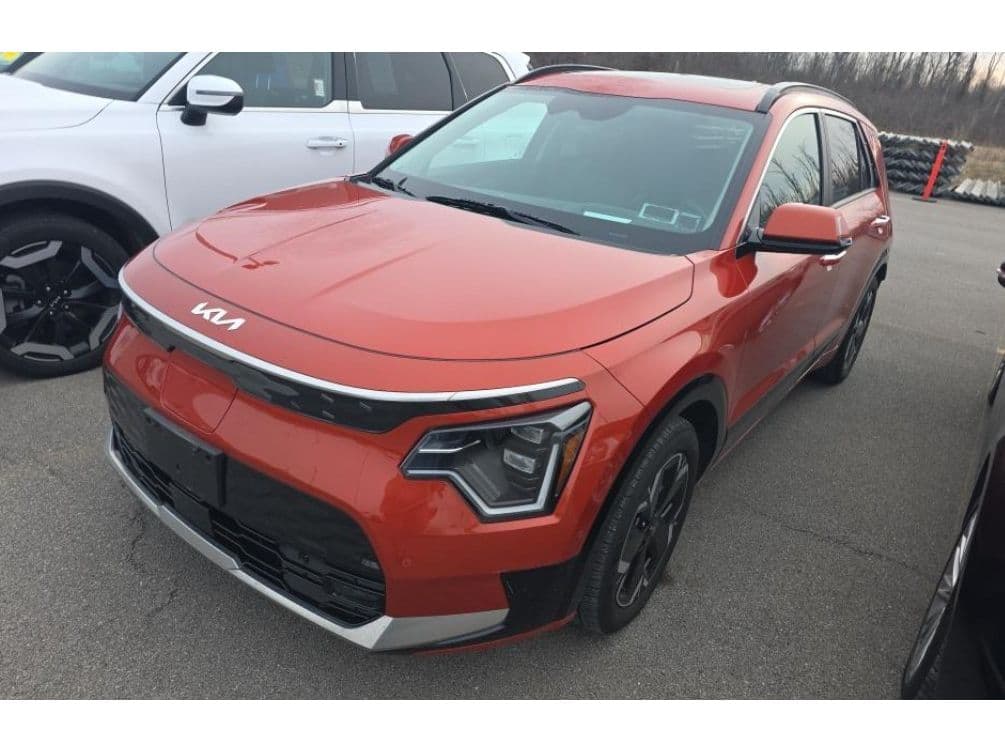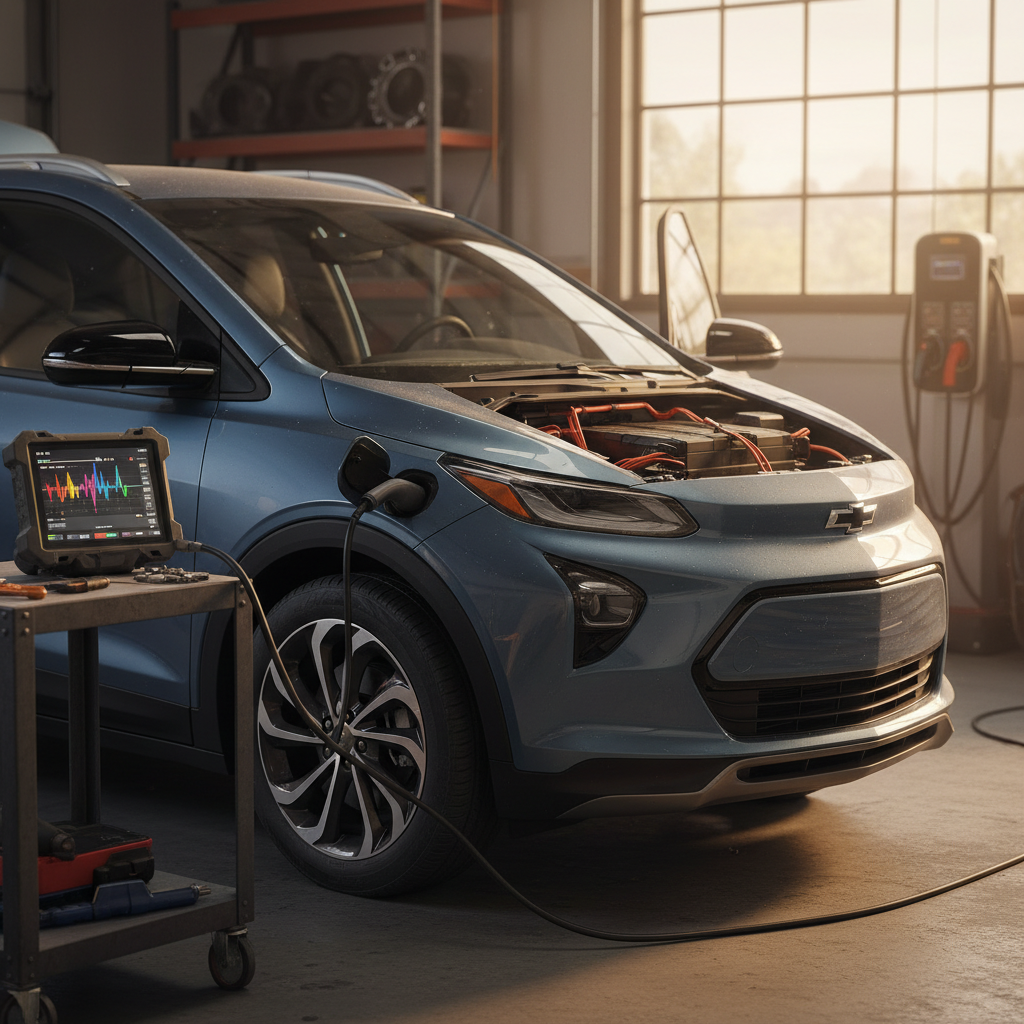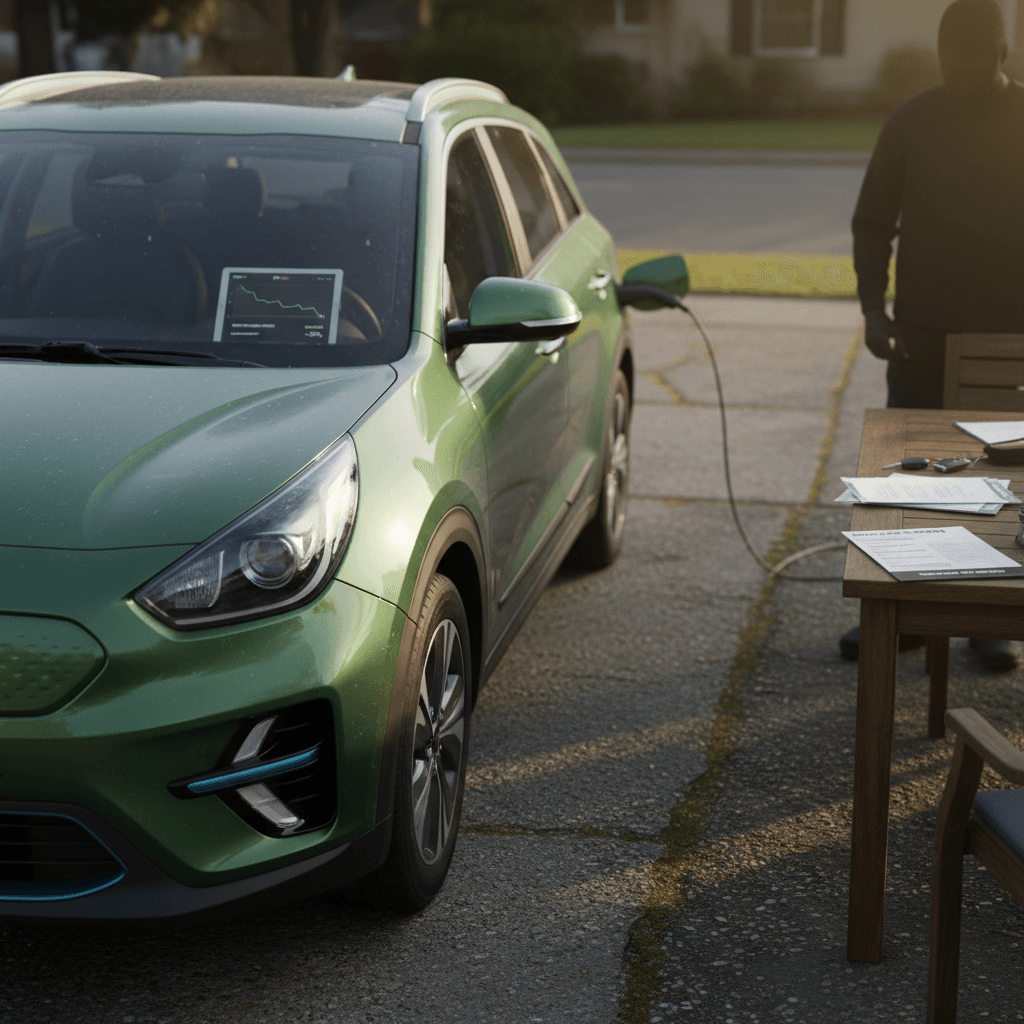
If you’re eyeing a used electric crossover, a 3‑year‑old Kia Niro EV sits in a sweet spot: most of the steep early depreciation has already happened, but the battery warranty and modern tech are still very much in play. Understanding Kia Niro EV value after 3 years helps you decide whether to buy, keep, trade, or sell with clear expectations.
Why 3 years matters
Overview: How the Kia Niro EV holds value after 3 years
Broadly, the Kia Niro EV has held its value better than many early‑generation EVs (think first‑gen Nissan Leaf) but not quite as strongly as some Tesla models. It benefits from the ongoing demand for compact crossovers, solid efficiency, and a usable real‑world range, but its DC fast‑charging speed and brand cachet aren’t top of the segment, which tempers resale.
3-year Kia Niro EV value at a glance (U.S. market)
Think in percentages, not just dollars
Depreciation: What a 3-year-old Kia Niro EV is really worth
While exact numbers change month to month, the pattern is clear: a 3‑year‑old Niro EV typically sells in the low‑to‑mid $20,000s in the U.S., depending on equipment and miles, after starting life in the low‑to‑mid $30,000s new before incentives. That puts real‑world depreciation around 35–45% off MSRP by year three for many examples.
Illustrative price bands for 3-year-old Kia Niro EVs
These example bands show how equipment and mileage can influence where a 3‑year‑old Niro EV might land on the used market. Actual prices vary by region, season and condition.
| Model year & trim | Approx. original MSRP* | Mileage at 3 yrs | Typical asking range | Value retained vs. MSRP |
|---|---|---|---|---|
| EX (earlier generation) | $40,000 | 35,000–45,000 mi | $21,000–$24,000 | 55–60% |
| EX Premium / Wave | $44,000 | 25,000–35,000 mi | $23,500–$27,000 | 55–62% |
| High‑mileage fleet/off‑lease | $40,000 | 50,000–70,000 mi | $18,000–$21,000 | 45–53% |
| Low‑mileage, clean history | $44,000 | <20,000 mi | $26,000–$29,000 | 59–66% |
Price ranges are directional, not guarantees. Always compare to live listings and vehicle‑specific reports.
MSRP vs. what people actually paid
What actually moves Kia Niro EV value up or down
Key drivers of 3‑year Kia Niro EV value
The same model year can swing thousands of dollars depending on these factors.
Mileage & duty cycle
Low annual mileage (under 10,000–12,000 mi/year) supports higher resale, especially when paired with mostly commuter use.
Ride‑hail or delivery duty, frequent DC fast charging, or very high annual miles will all pull value down.
Battery health & charging history
Documented battery health, balanced charging habits (mix of home AC and occasional DC fast charging), and no warning lights help maximize value.
Unknown or aggressive charging history can spook buyers and lenders.
Accident & maintenance history
Clean Carfax/AutoCheck reports, consistent service records, and no major collision repairs push a Niro EV to the top tier of its price band.
Structural damage or repeated body work is a major resale drag.
Region & climate
Sunbelt commuter markets and EV‑mature regions often support stronger pricing and demand for Niro EVs.
Cold‑weather markets and areas with limited charging can see softer pricing but fewer bidders.
Charging access
Niro EVs that lived with home Level 2 charging, or in areas with dense public DC fast charging, are generally more desirable.
Shoppers increasingly ask how and where the previous owner charged.
Options & trim content
Higher‑trim Niro EVs with features like premium audio, advanced driver assistance and sunroofs command more on the used market.
But condition still beats options. A clean EX can beat a rough EX Premium.
Macro forces you can’t control
- Gas prices and interest rates
- Federal and state EV incentives on new cars
- Brand perception versus rivals (Hyundai, Tesla, VW, etc.)
- Overall used‑EV supply, including lease returns and fleet off‑loads
Micro factors you can control
- Keeping accident and damage history clean
- Sticking to regular maintenance and software updates
- Using smart charging habits to protect the battery
- Detailing and documenting the car when it’s time to sell
Good news for current owners
How battery health affects 3-year Niro EV value
Battery condition is the single biggest wild card in Kia Niro EV value after 3 years. The pack is backed by a long warranty, but shoppers and lenders increasingly want hard data, not just a dashboard guess. A Niro EV that can demonstrate strong remaining capacity will reliably bring stronger money than one with unknown or questionable health.
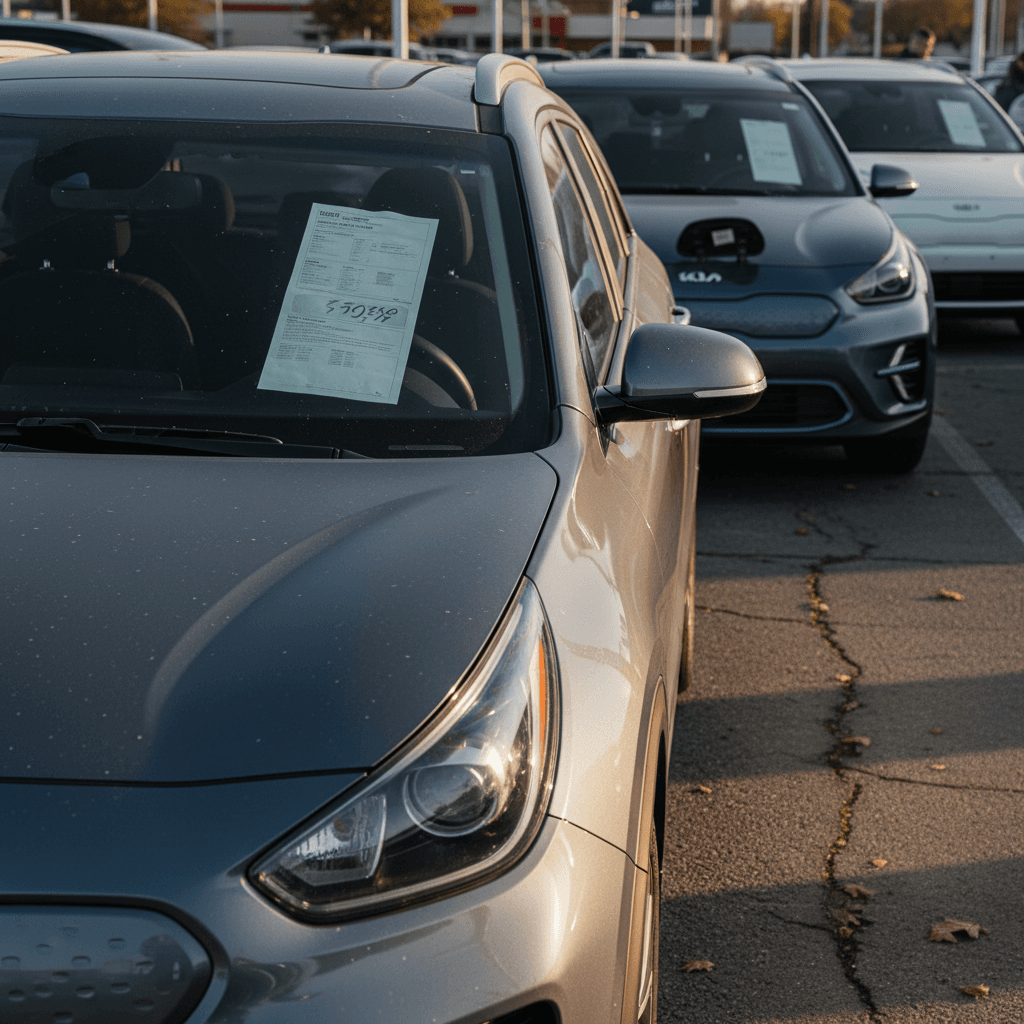
Battery health signals used‑car buyers look for
Recent, third‑party battery health report
A dedicated EV battery test that estimates remaining capacity (often expressed as a percentage) is far more convincing than a casual range guess. This is exactly the kind of insight Recharged’s <strong>Score Report</strong> is built to provide.
No high‑voltage warning lights or codes
Dashboard warnings, reduced‑power modes, or stored fault codes will quickly scare away buyers, or force a steep price concession.
Consistent charging habits
Documentation or a clear story around mostly home Level 2 charging, versus constant DC fast charging, can reassure shoppers that the pack hasn’t been hammered.
Range that matches expectations
If the car’s displayed range and real‑world performance feel close to what reviewers and EPA labels suggest for a 3‑year‑old Niro EV, that supports a stronger value.
Don’t rely only on the guess‑o‑meter
Mileage, usage patterns and regional differences
EVs don’t always follow gas‑car rules, but mileage still matters. A 3‑year‑old Niro EV with 60,000 miles has seen roughly double the use of a 30,000‑mile example, which will show up in both the suspension and the battery. But how those miles were accumulated is just as important as the odometer reading.
- Steady‑state highway commuting at moderate speeds is relatively easy on the battery.
- High‑speed road trips with repeated DC fast‑charging sessions are harder on the pack.
- Dense urban delivery or ride‑hail use generally hurts resale more than suburban commuting.
- Dry, mild climates are usually easier on EVs than extreme heat or cold.
Ask “what kind of miles?” not just “how many?”
Trim, model year and facelift differences
The Niro EV story spans multiple styling updates and trim strategies. From a 3‑year‑value standpoint, the details matter less than you might think. Condition, mileage and battery health typically overshadow subtle design differences, but certain combinations tend to perform better in the used market.
How trim and model year influence 3‑year value
Not all Niro EVs are optioned the same. Here’s what tends to matter most.
Core range & efficiency
Shoppers care first about usable range and efficiency. Niro EVs that maintain competitive real‑world range compared with similarly aged rivals (Kona Electric, ID.4, Bolt EUV) hold value better.
Driver‑assist & tech packages
Modern driver‑assist suites, good infotainment, and features like heated seats or steering wheels bump resale, especially in colder regions.
Facelift styling & wheels
Newer‑looking front ends, LED lighting and attractive wheel designs can goose demand, but they rarely outweigh a cleaner service history and lower mileage.
Trim and equipment impact on resale tiers
Think in terms of tiers more than exact dollars when comparing 3‑year‑old Niro EVs by trim and options.
| Tier | Typical trims/options | Resale impact |
|---|---|---|
| Value tier | Base trims, cloth seats, standard audio, smaller wheels | Best for budget shoppers; pricing tends to be more elastic and incentive‑driven. |
| Mainstream tier | Mid‑trims with popular comfort and safety packages | Sweet spot for many buyers; steady demand supports stronger resale. |
| Premium tier | Top‑trim, sunroof, premium audio, most driver‑assist tech | Commands the highest prices but may narrow your buyer pool slightly. |
Within each tier, condition and battery health are still the tie‑breakers.
Leasing vs buying: 3-year resale math
Three years is also when lease customers face an important decision: buy out, trade in, or walk away. Because many leases were written before the full impact of EV price cuts and incentives, some Niro EV lessees discover their buyout price is above market, while others are sitting on unexpected equity.
If you leased your Niro EV
- Compare your lease buyout quote to current retail values for similar year/miles.
- If the buyout is lower than market, you may have positive equity, either sell the car or trade it, and pocket the spread.
- If the buyout is higher than what clean retail cars are listed for, it may make more sense to walk away and shop the open market.
If you bought and financed
- Three years in, many buyers are closing in on break‑even between loan balance and market value.
- If your Niro EV has low miles and a clean history, you may be able to trade out with modest or no negative equity.
- High interest rates can complicate the math, shop multiple offers to get a feel for your vehicle’s true market value.
Using instant offers as a pricing reality check
Checklist for buying a 3‑year‑old Kia Niro EV
Shopping for a 3‑year‑old Niro EV is less about chasing the single cheapest listing and more about finding the right combination of price, battery health and history. Use this checklist to stack the odds in your favor.
Smart‑buyer checklist for a 3‑year‑old Niro EV
1. Verify trim, options and original MSRP
Decode the VIN and build sheet to know exactly which trim and packages you’re looking at. This helps you compare apples to apples and sanity‑check the asking price.
2. Get a battery health assessment
Ask for a recent EV battery report or choose a seller (like Recharged) that includes verified battery diagnostics. This is far more reliable than guessing off the remaining range display.
3. Review charging and usage history
Ask the seller how they charged (home Level 2 vs. frequent DC fast charging), how far they drove daily, and whether the car was used for rideshare or delivery work.
4. Pull full history reports
Run Carfax/AutoCheck and look for insurance claims, structural repairs, airbag deployments or recurring issues. One big crash can do more to value than 10,000 extra miles.
5. Inspect tires, brakes and suspension
Even though EVs have fewer moving parts, they’re heavier. Worn tires, tired shocks or noisy brakes can signal harder use and future expenses.
6. Test range on a mixed drive
If possible, do a real‑world test route mixing city and highway. Compare energy use and indicated range to what you’d expect for that model year and mileage.
7. Compare financing options
Some lenders still treat used EVs cautiously. Shop rates from multiple sources and consider EV‑specialist platforms that understand residual value and battery warranties.
8. Benchmark against similar listings
Look at several Niro EVs with similar age, mileage and trim, across dealers, marketplaces and EV‑focused retailers, before deciding whether a specific asking price makes sense.
How Recharged helps you shop a used Niro EV with confidence
Used EVs add a layer of complexity that traditional pricing guides weren’t built for, especially around battery health. That’s where a dedicated EV marketplace like Recharged can de‑risk the process if you’re shopping for a 3‑year‑old Kia Niro EV.
Why consider Recharged for a used Niro EV
Battery transparency, fair pricing and EV‑specialist support built in.
Recharged Score battery diagnostics
Every vehicle on Recharged comes with a Recharged Score Report that includes verified battery health and range insights. That helps you understand how a 3‑year‑old Niro EV’s pack is aging before you commit.
Fair market pricing for used EVs
Because Recharged focuses on EVs, pricing incorporates EV‑specific factors like charging performance, incentives history and battery condition, not just generic gas‑car depreciation curves.
EV‑specialist guidance & flexible selling options
Whether you’re buying or selling, Recharged offers EV‑specialist support, trade‑in and consignment options, and nationwide delivery. You handle the process digitally or visit the Experience Center in Richmond, VA if you prefer an in‑person hand‑off.
Ready to find your next EV?
Browse VehiclesFrequently asked questions about Kia Niro EV value after 3 years
Kia Niro EV 3‑year value: common questions
Bottom line: Is a 3-year-old Kia Niro EV a good buy?
For many shoppers, a 3‑year‑old Kia Niro EV hits a practical sweet spot: the heaviest early depreciation is in the rearview mirror, yet you still get a modern EV with a usable range, crossover versatility and substantial warranty coverage. The Niro EV doesn’t hold value quite like the hottest‑brand EVs, but that’s exactly what creates opportunity for value‑minded buyers.
If you focus on verified battery health, clean history, reasonable mileage and fair market pricing, and use tools and marketplaces built specifically for used EVs, you can land a Niro EV that delivers years of low‑running‑cost driving without overpaying. Whether you’re trading out of a lease, buying your first EV or expanding a household fleet, a carefully chosen 3‑year‑old Niro EV deserves a close look.