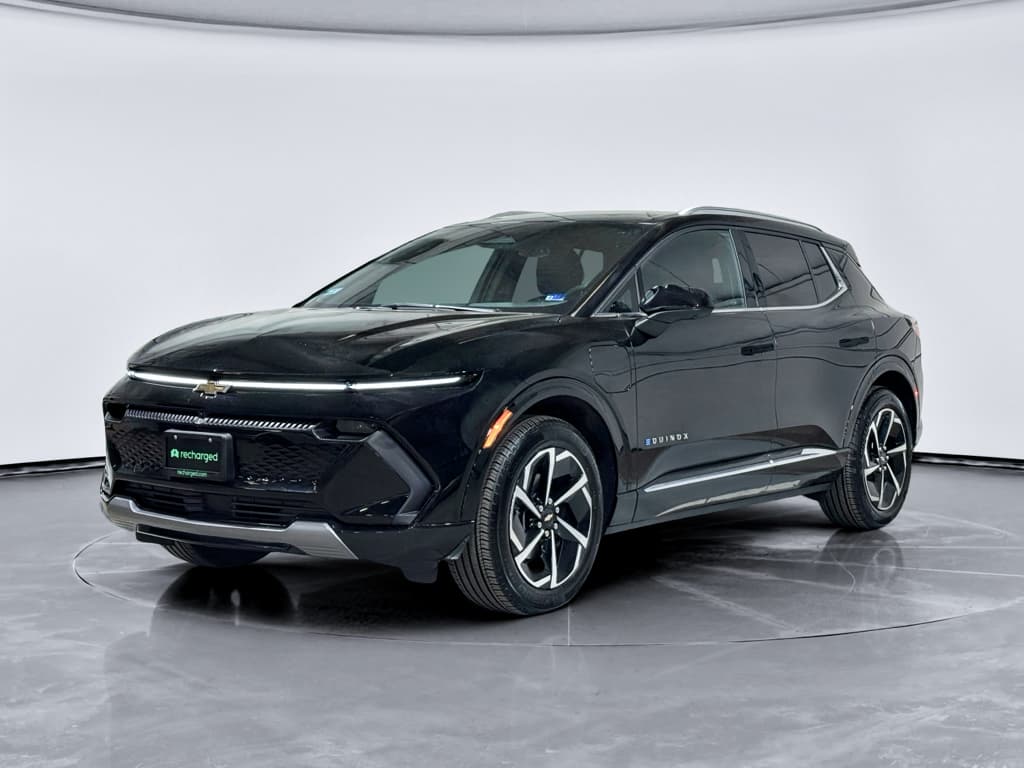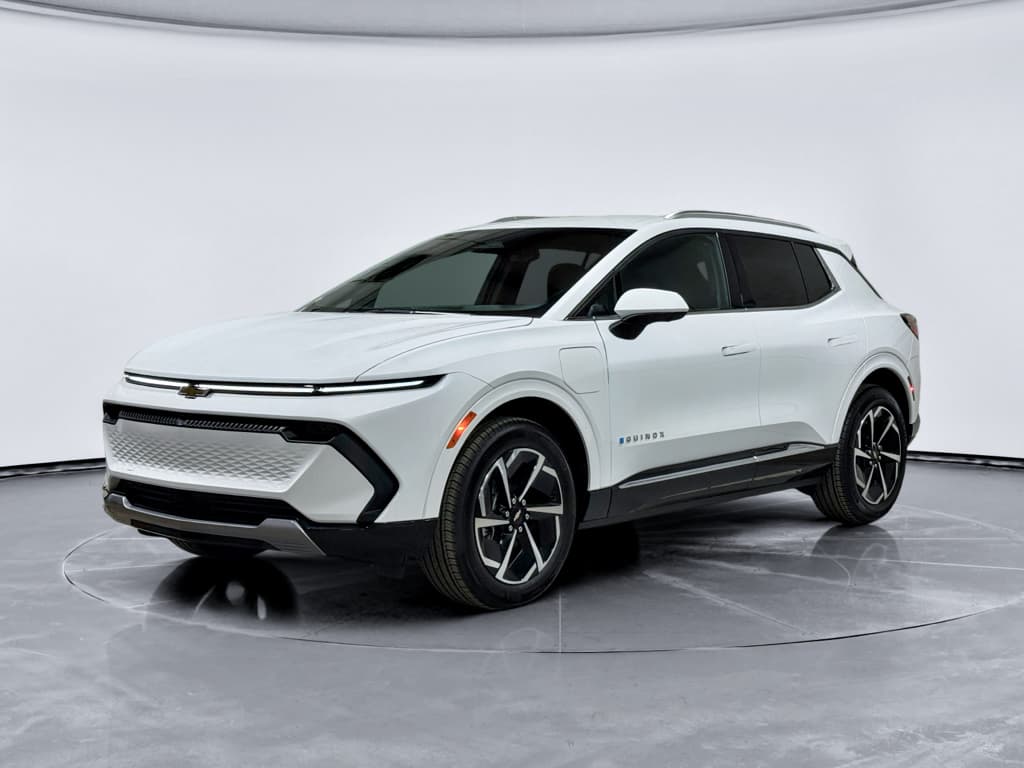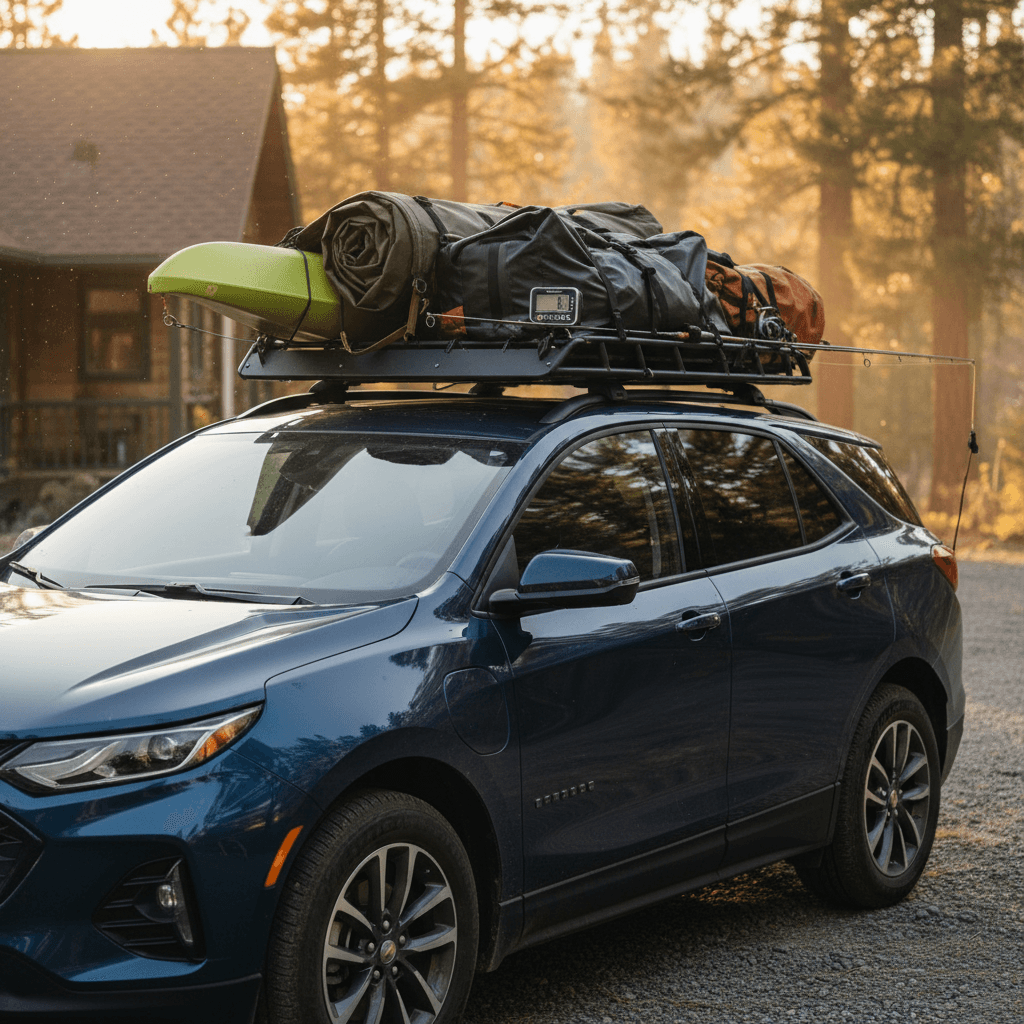
If you’re eyeing a roof rack for your Chevrolet Equinox EV, whether it’s for bikes, a cargo box, or a future rooftop tent, you need to know the real roof rack weight limit before you start loading gear. Overloading the roof can hurt handling, eat into range, and in the worst case damage the vehicle or your equipment.
Quick answer
Overview: The Equinox EV roof rack weight limit in plain English
Chevrolet doesn’t print a big bold “roof rack limit” sticker on the Equinox EV, so it’s understandable owners go hunting through manuals, forums, and rack manufacturer sites. The confusion usually comes from three places:
- The vehicle’s own roof load capability (what the body structure can safely carry).
- The crossbars’ rating (OEM or aftermarket; often 150–220 lb).
- The difference between dynamic load (while driving) and static load (parked).
Think of it like a chain: your Equinox EV roof setup is only as strong as the weakest rating among the vehicle, the crossbars, and whatever accessory you bolt on (cargo box, bike tray, tent, etc.). In most real-world cases, the limiting number you live by is around 165–220 lb while driving, and that total must include the crossbars and any attachments.
What is the official Chevrolet Equinox EV roof rack weight limit?
GM’s 2025 Equinox EV owner’s manual spends more time on overall vehicle load (GVWR and passenger/cargo weight) than on a standalone roof-load number, but you can triangulate from two key pieces of info:
How GM thinks about weight on your Equinox EV
You need to consider roof load as part of the total vehicle capacity, not in isolation.
1. Vehicle capacity weight
The manual explains that the Equinox EV has a maximum vehicle capacity weight (passengers + cargo + accessories). Every pound on the roof counts against this total, just like luggage in the hatch.
2. Accessories count as cargo
GM calls out rooftop carriers and other add-ons as part of your load calculation. That means roof rails, crossbars, cargo box, bikes, and gear all sit inside the same total capacity budget.
On the gas Equinox, GM explicitly sets a 100 kg (220 lb) maximum for the roof rack system, and the Equinox EV shares a very similar footprint and duty cycle. Accessories and dealer literature around the EV generally mirror that 220 lb system limit, which is why you see that number stamped into some OEM-style crossbars and referenced in community discussions.
Always go by the lowest number
Typical weight limits you’ll see on Equinox EV roof setups
These are example ratings from vehicle guidance and popular crossbar systems. Always verify your exact parts.
| Component | Example rating | Notes | ||||||||||||
|---|---|---|---|---|---|---|---|---|---|---|---|---|---|---|
| Vehicle roof structure (Chevy guidance) | ~100 kg (220 lb) dynamic | Mirrors gas Equinox roof rack system rating; includes bars + cargo. | OEM-style crossbars (GM-stamped) | Up to 220 lb dynamic | Some owners report 220 lb marking on factory-style bars. | Aftermarket crossbars (example: Erkul, Thule, Yakima) | 110–165 lb dynamic | Many popular kits quote 150–165 lb maximum. | Cargo box manufacturer rating | 110–165 lb cargo inside box | Box rating must be ≤ crossbar rating. | Rooftop tent manufacturer rating | 120–180 lb tent weight (dynamic); 400–600 lb static occupants | Dynamic rating must still stay within vehicle + bar limits. |
Your real-world limit is the smallest number in your specific setup.
Dynamic vs. static load: Why your use case matters
Most Equinox EV owners are thinking about one of three use cases: a cargo box for family trips, bike racks, or a rooftop tent. Each one stresses the roof in a different way, and that’s where the dynamic vs. static distinction matters.
Roof load basics for your Equinox EV
For roof rack weight limit questions, the number that matters most is the dynamic limit. That’s the rating that considers potholes, emergency maneuvers, crosswinds, and repeated stress on the roof and mounting points. Static ratings are higher because once you’re parked, the structure isn’t battling those forces, but that doesn’t give you license to ignore the dynamic limit just to get a tent up there.
Don’t ignore dynamic ratings for rooftop tents
How roof load affects vehicle capacity, handling, and range
Roof load on an Equinox EV is about more than what the rack can hold. It hits three parts of ownership: total weight, stability, and efficiency.
Total vehicle capacity
Every pound on the roof is part of the maximum vehicle capacity weight Chevy prints on your tire/door pillar label. That label might list something like 1,000 lb of combined occupants and cargo. If you add 120 lb of roof box + bars, that’s 120 lb you can’t use for passengers or luggage inside.
The manual even gives worked examples showing how to subtract accessory weight (like a rooftop box) from the available capacity before you start piling in people and bags.
Handling and range
Putting weight high on the vehicle raises the center of gravity. Chevy warns that roof loads increase rollover risk and make the car more sensitive to sharp turns, high speeds, and sudden maneuvers.
A roof box or bike rack also increases aerodynamic drag. In practice, owners report noticeable range loss on highway trips when driving with a loaded box or bikes on the roof. Plan more frequent fast-charging stops when your Equinox EV is fully loaded up top.
Range planning tip
What you can realistically carry: Bikes, boxes, and (maybe) tents
Let’s translate all of this into real-world setups. Here’s how a typical Equinox EV roof rack load adds up in practice.
Common Equinox EV roof rack setups
Approximate numbers, always confirm the exact weights and ratings for your equipment.
Two bikes on the roof
- Crossbars: ~15–20 lb
- Two upright bike trays: ~25–30 lb
- Two bikes: ~60 lb total (30 lb each)
Combined: roughly 100–110 lb on the roof. Generally safe within a 150–220 lb dynamic limit.
Medium cargo box, family trip
- Crossbars: ~15–20 lb
- Cargo box: ~35–45 lb empty
- Gear inside: ~60–90 lb
Combined: ~110–150 lb. Safe if your bars and vehicle are rated 150 lb or higher; stay well under a 165 lb limit.
Rooftop tent consideration
- Tent: 120–180 lb empty
- Crossbars: ~15–20 lb
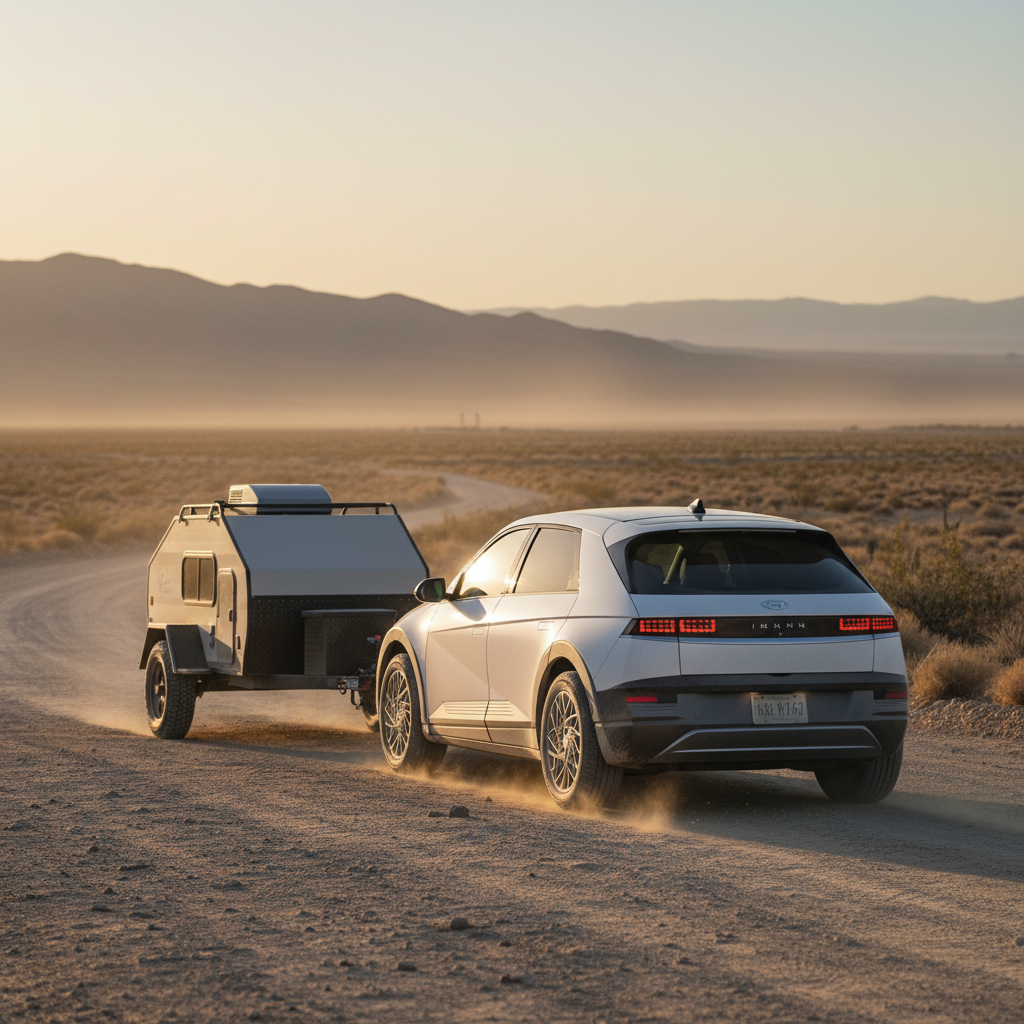
Combined: often 135–200+ lb before occupants. Many tents push right up against an Equinox EV’s dynamic limit. Choose extremely carefully, or consider a hitch-mounted camping setup instead.
Watch your accessories, not just your gear
Choosing the right roof rack and accessories for your Equinox EV
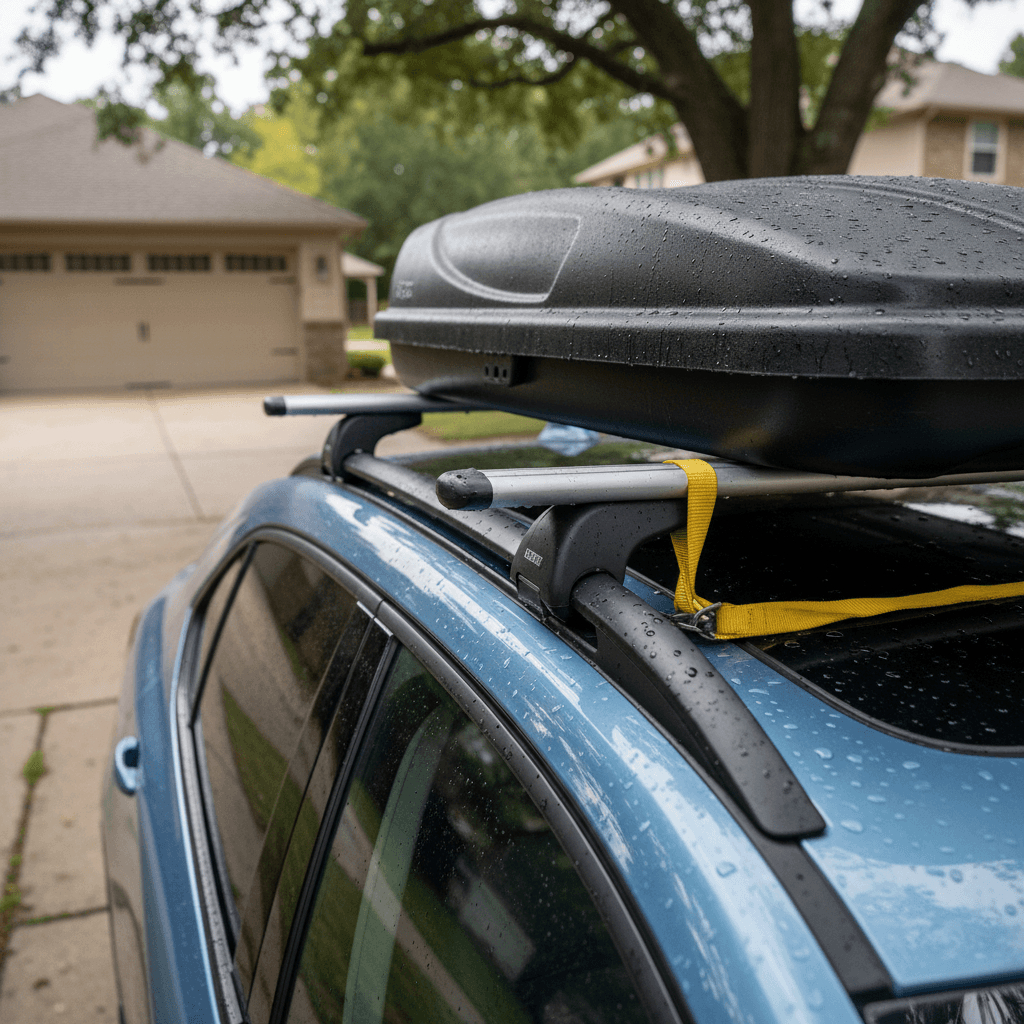
Because the Equinox EV is still relatively new, the roof rack aftermarket is playing catch-up. Some trims have factory-style flush rails; others are “naked roof” and need a different solution. Either way, your goals are the same: proper fitment, solid mounting, and clear weight ratings.
Roof rack shopping checklist for Equinox EV owners
1. Confirm your roof style
Check whether your Equinox EV has <strong>factory flush rails</strong> or a bare ("naked") roof. This determines which crossbar kits will actually fit and how they clamp onto the body.
2. Demand clear dynamic load ratings
Look for rack systems that publish a <strong>dynamic weight rating</strong> in pounds or kilograms. Avoid any setup where the manufacturer won’t state a tested limit.
3. Compare OEM vs. aftermarket
Factory GM crossbars are designed to match the vehicle’s structural limits and often stamped with a rating (commonly up to 220 lb). Aftermarket systems (Thule, Yakima, Erkul, etc.) are often in the <strong>110–165 lb</strong> range, great quality, but sometimes a lower cap.
4. Match racks to your use case
If you mostly carry skis or two bikes, a lower-rated, aerodynamic bar may be perfect. If you’re pushing toward cargo box or tent territory, you’ll want <strong>heavier-duty bars</strong> that still meet the vehicle’s limits.
5. Check accessory ratings
Each <strong>box, tray, or tent</strong> also has its own load rating. Stay at or below the smallest number when you add up bars + accessory + gear.
6. Factor in wind noise and efficiency
Boxy or tall accessories create more drag and noise, especially at highway speeds. Look for <strong>aero-style bars and streamlined cargo boxes</strong> if you care about cabin quietness and range.
Pro move for used EV shoppers
Ready to find your next EV?
Browse VehiclesSafe loading checklist for your Equinox EV roof rack
Before your next road trip, run through this quick checklist to make sure your Equinox EV’s roof load is inside the limits and secured correctly.
Pre-trip roof rack safety checklist
1. Add up every pound on the roof
Include <strong>crossbars, mounting feet, boxes or trays, the tent itself, and all cargo</strong>. Compare that total to the smallest dynamic rating among the vehicle guidance and the rack/box manufacturers.
2. Stay well under the cap for long trips
For highway drives or rough roads, it’s smart to aim for <strong>75–85% of the rated dynamic limit</strong> rather than sitting at the max. That margin helps with wind gusts, potholes, and emergency maneuvers.
3. Center and spread the load
Load gear between the crossbars, centered left-to-right, and avoid heavy weight at the very front or very rear. Uneven loading increases stress on the mounting points and can upset handling.
4. Keep the roof clear of overhangs
Chevy’s guidance warns against gear that <strong>overhangs the roof</strong>. Don’t strap long boards or lumber directly to the bare roof; use purpose-built carriers, and avoid anything that sticks far beyond the rack footprint.
5. Check straps and hardware at every stop
On longer drives, inspect <strong>torque on crossbar bolts, box latches, and tie-down straps</strong> each time you charge or stop for a break. EVs are quiet, so you might not hear a loose strap until something fails.
6. Adjust driving style with a loaded roof
With weight up high, take <strong>on-ramps, crosswinds, and emergency moves seriously</strong>. Leave more following distance, take corners more gently, and consider a slightly lower cruising speed to protect range and stability.
Where to find your exact numbers
Used Equinox EV buyers: Roof racks, warranty, and battery health
If you’re looking at a used Chevrolet Equinox EV with a roof rack already installed, the roof load story intersects with two other big ownership questions: vehicle history and battery health.
1. Has the vehicle been overloaded?
A heavily modified or heavily used road-trip rig might have spent years with bikes, boxes, or even experimental rooftop tents mounted. Overloading the roof or hitch can contribute to premature wear on suspension components and body structure, even if nothing is visibly bent.
Look for stress signs around the roof rail mounts and ask for documentation of any installed accessories.
2. How’s the battery and real-world range?
Owners who rely on roof storage often also fast-charge frequently and run lots of highway miles. That’s not a deal-breaker, but battery health matters more in those scenarios.
At Recharged, every used EV comes with a Recharged Score battery health report, plus transparent history and pricing. If an Equinox EV comes with crossbars or a box, we’ll note that and talk through how it affects range and road-trip planning.
Negotiating tip
FAQ: Chevrolet Equinox EV roof rack weight limit
Frequently asked questions
Bottom line: Stay within limits and plan your cargo smartly
The Chevrolet Equinox EV is a practical, family-friendly electric SUV, and a properly chosen roof rack system can make it even more useful. The key is to treat roughly 220 lb as the absolute upper bound for the roof system and to respect the often-lower ratings on the crossbars and accessories you actually bolt on. Add up every pound on the roof, keep plenty of margin for long trips, and adjust your driving and charging plans when you’re loaded up.
If you’re considering a used Equinox EV or another electric SUV with a roof rack, Recharged can help you understand how roof loads, towing, and real-world range all fit together. Every vehicle we sell includes a Recharged Score battery health report, transparent history, and expert guidance so you can buy the right EV, and load it the right way, for the way you actually live and travel.