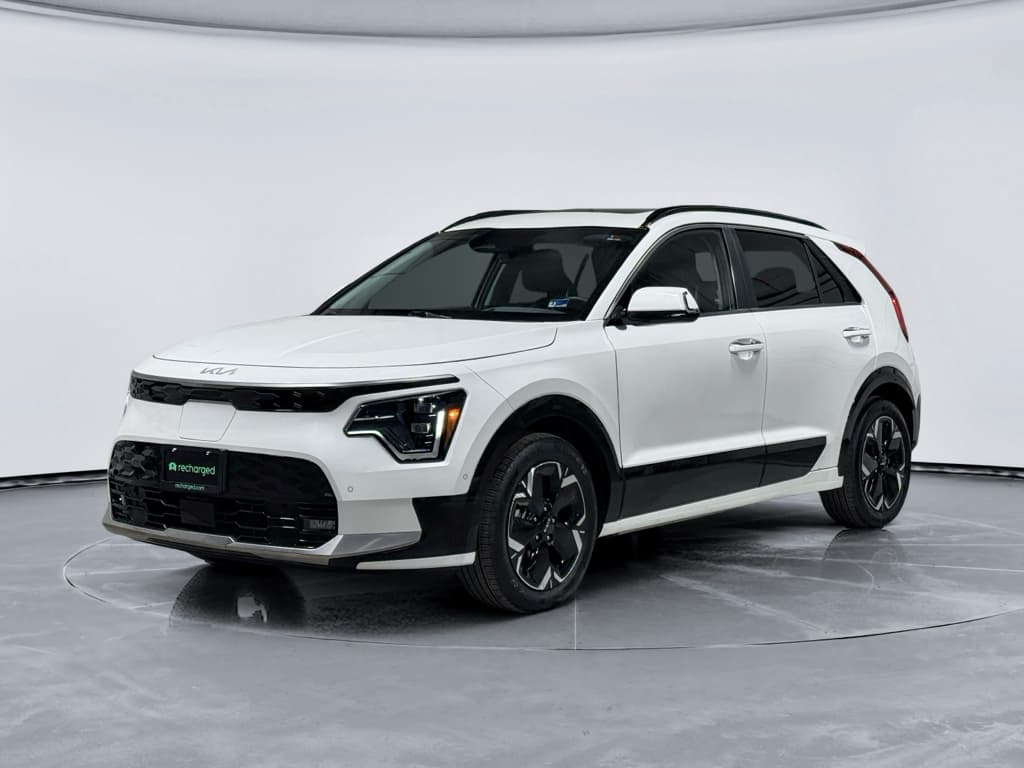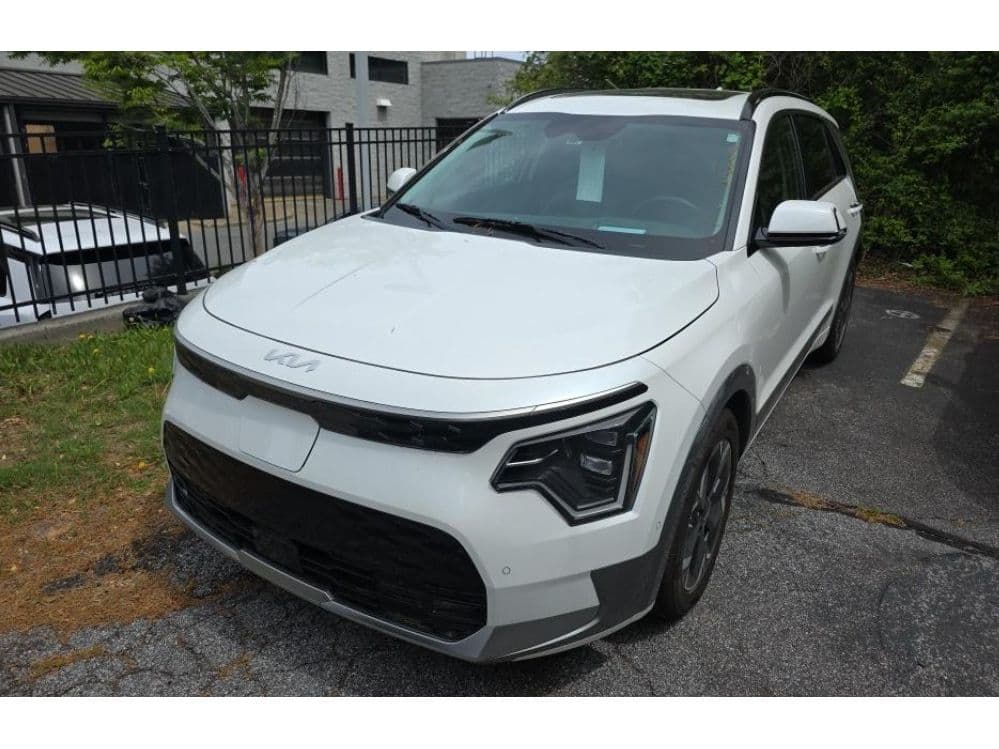
If you own a Kia Niro EV, you’ve probably noticed something frustrating: online tools and dealerships can quote wildly different Kia Niro EV trade in values for what looks like the same car. That’s not your imagination. The Niro EV is a great real‑world commuter, but like many EVs it takes a harder depreciation hit than comparable gas SUVs, and the market is still learning how to price them correctly.
Fast context on Niro EV depreciation
Why Kia Niro EV trade‑in values feel “all over the map”
Two Niro EVs that look identical on paper, same model year, trim, and mileage, can bring very different offers. There are three big reasons:
- Fast technology changes. Range and charging speeds keep improving, so older EVs feel outdated faster than gas cars of the same age.
- Battery uncertainty. Most appraisal tools still can’t see your real battery health, so they price in “risk” by default.
- Regional demand swings. A Niro EV in California or the Northeast can be worth meaningfully more than the same car in an area with weak EV incentives or sparse charging.
On top of that, pricing data shows the Niro EV losing close to **60% of its value by year five**, versus about 45–50% for the average SUV. That depreciation shows up directly in the trade‑in numbers you’re seeing.
Kia Niro EV resale and depreciation snapshot
How much is my Kia Niro EV worth today?
No article can give you a VIN‑specific number, but we can frame realistic Kia Niro EV trade in value ranges based on recent used‑EV pricing and depreciation data. Think of these as ballparks for an average‑mileage, clean‑title U.S. vehicle in “good” condition as of early 2025:
Illustrative Kia Niro EV value ranges by model year
Approximate retail and trade‑in ranges for typical mileage and condition. Local market, incentives, and battery health can move you above or below these numbers.
| Model year | Typical mileage range | Likely dealer retail range | Likely trade‑in range |
|---|---|---|---|
| 2024 Niro EV | 5,000–20,000 | $31,000–$34,000 | $26,000–$29,000 |
| 2023 Niro EV | 15,000–30,000 | $27,000–$31,000 | $23,000–$26,000 |
| 2022 Niro EV | 25,000–40,000 | $22,000–$26,000 | $18,000–$22,000 |
| 2021 Niro EV | 35,000–55,000 | $18,000–$22,000 | $14,000–$18,000 |
| 2019–2020 Niro EV | 50,000–80,000 | $14,000–$18,000 | $10,000–$14,000 |
These are directional guideposts, not formal appraisals. Always get a live offer before making a decision.
Treat ranges as directional, not guarantees
One of the strongest leading indicators is what **similar Niro EVs actually sell for**, not just asking prices. That’s exactly the kind of transaction‑level data a specialist marketplace like Recharged watches when we price and appraise used EVs.
What actually drives Kia Niro EV trade‑in value
6 biggest inputs into your Niro EV’s value
Year and miles matter, but they’re only half the story.
1. Model year & generation
2. Mileage & use pattern
3. Battery health
4. Condition & history
5. Where you live
6. Market timing
Trim and options still matter
Battery health: the silent deal maker (or breaker)
For an electric car, the battery pack is effectively the engine and fuel tank combined, and it’s the single most expensive component on the vehicle. That’s why any serious Kia Niro EV trade in value conversation has to talk about battery health.
What most trade tools do today
- Use model year and mileage as a rough proxy for battery health.
- Assume “average” degradation based on age, not your specific car.
- Build‑in a safety discount because they can’t see your pack’s real condition.
What a battery‑aware appraisal does instead
- Pulls live data from your car or diagnostic tools to estimate remaining capacity.
- Looks for signs of abuse (e.g., frequent 100% DC fast‑charging, extreme climate use).
- Rewards well‑cared‑for packs with materially higher offers.
Where Recharged is different
Example trade‑in scenarios for Kia Niro EV owners
Let’s walk through a few realistic scenarios so you can see how two similar‑looking Niro EVs can earn very different offers.
Three real‑world style scenarios
Scenario 1: Nearly new commuter
2024 Niro EV Wind, 9,000 miles, one owner, clean Carfax, battery tests near 100% capacity, in a major EV market like California or New Jersey. You might see dealer trade‑in offers in the **upper‑$20,000s to low‑$30,000s**, with retail values several thousand higher.
Scenario 2: 3‑year‑old, higher mileage
2022 Niro EV, 42,000 miles, frequent DC fast‑charging on road trips, a minor accident on record, and located in a midwestern market with modest EV adoption. Trade‑in might land in the **high‑teens to very low‑$20,000s**, even if online “average” estimates skew higher.
Scenario 3: Early Niro EV, budget buyer territory
2019 Niro EV with 72,000 miles, average cosmetic wear, no major accidents, battery still healthy but clearly not new. This is firmly value‑shopping territory: many dealers will bid in the **low‑ to mid‑teens** and aim to retail the car under $20,000.
Beware of “too good to be true” online numbers
How dealers calculate your Kia Niro EV offer
Behind the scenes, most dealers follow a relatively similar playbook when they put a number on your Niro EV:
- They check auction data and wholesale guides to see what similar Niro EVs are actually trading for in the last 30–60 days.
- They look up retail listings in your region to understand what they could realistically sell your car for in the next 30–90 days.
- They subtract expected reconditioning costs, tires, detailing, windshields, software updates, curb rash, and any obvious repairs.
- They bake in a margin for risk, especially around EV battery health and future price swings.
- They adjust for your specific car: trim, options, miles, color, condition, and history.
Typical dealer view
- "I can likely retail this Niro EV for $23,000."
- "I’ll spend $1,000–$1,500 getting it frontline ready."
- "I want $2,000–$2,500 gross profit to cover risk."
Resulting trade‑in target
In that simple example, a fair dealer trade‑in target might land around **$19,000–$20,000**. If they sense more risk, uncertain battery health, softening EV prices, that number moves lower.
Why offers change when the market moves
How to boost your Kia Niro EV trade‑in value
You can’t change your model year, but you have more control than you think over where your trade‑in offer lands within the realistic range.
Practical steps that actually move the needle
1. Get a battery health report
If you can show objective battery health, either from the dealer, a third‑party report, or a platform like <strong>Recharged Score</strong>, you reduce the fear discount most buyers build into their offers.
2. Fix cheap‑but‑visible issues
Curb rash on alloy wheels, missing charge‑port caps, deep interior detailing needs, and burned‑out bulbs are small things that matter. Spending a few hundred dollars can protect thousands in value.
3. Gather your paperwork
Service records, recall documentation, charger purchase receipts, and proof of software updates all tell a story of a well‑cared‑for EV. That often translates directly into stronger bids.
4. Time your trade smartly
If possible, avoid trading in right after a big price cut on new Niro EVs or competing models. When new‑car prices drop sharply, used values follow.
5. Shop more than one offer
Get bids from at least one local Kia dealer, one national car‑buying service, and an EV‑focused marketplace like Recharged. The spread is often thousands of dollars.
6. Consider including your home charger
If you’re exiting EV ownership entirely, bundling a compatible Level 2 home charger can sweeten the deal for a private buyer and occasionally for dealers, too.
Should you trade in or sell your Kia Niro EV privately?
The age‑old question still applies in the EV world: trade‑in or private sale? With a Kia Niro EV, the answer depends on your risk tolerance and how quickly you need to move.
Trading in your Niro EV
- Pros: Fast, simple, and you only deal with one party. In many states, you also get a tax credit on the new car’s purchase price based on your trade value.
- Cons: The dealer has to leave room for profit and uncertainty, so you’ll usually net less than a private sale would bring.
Selling your Niro EV privately
- Pros: Potential to land closer to full retail value, especially if your battery is in great shape and you can document it.
- Cons: More time, more tire‑kickers, and more risk. You’re handling test drives, paperwork, and payment security yourself.
Be cautious with private‑sale payment
Where Recharged fits in for Kia Niro EV owners
Recharged is built specifically around used EVs, including the Kia Niro EV. That shapes how we look at your car and how we support you through a sale or trade.
How Recharged can help you get full, fair value
Support tailored to EV owners, not just generic used‑car math.
Verified battery diagnostics
Flexible ways to sell or trade
Nationwide reach & delivery
Financing for the next EV
Transparent, data‑driven pricing
EV‑specialist support
Ready to find your next EV?
Browse VehiclesThinking about moving on from your Niro EV?
Kia Niro EV trade‑in FAQ
Frequently asked questions about Kia Niro EV trade‑in value
Key takeaways on Kia Niro EV trade‑in values
The Kia Niro EV is a capable, efficient electric crossover, but like most EVs, it depreciates faster than many owners expect. By understanding how model year, mileage, battery health, and local demand interact, you can interpret those online quotes with a much more critical eye.
If you’re serious about selling or trading your Niro EV, focus on what you can control: document the car’s condition, get a clear read on battery health, clean up the inexpensive flaws, and collect multiple offers. And if you’d like a partner that lives and breathes used EVs, Recharged can give you data‑driven pricing, a verified Recharged Score, and flexible paths to either a quick sale or a max‑value consignment. That way, you don’t just accept a number, you understand it, and you know you did the work to make it as strong as possible.