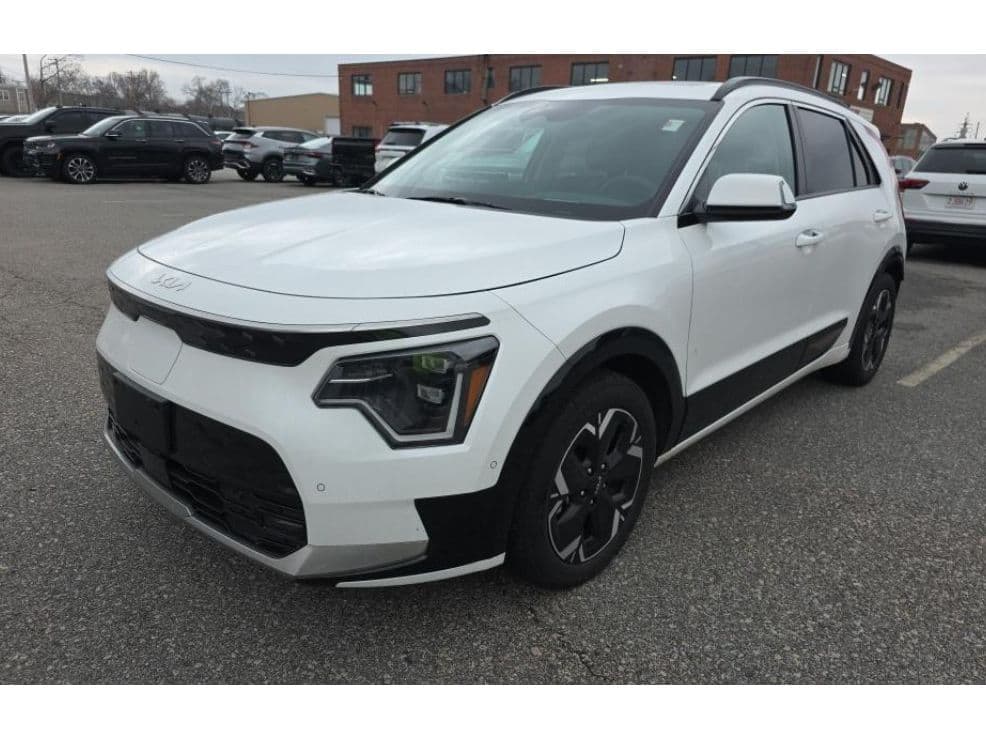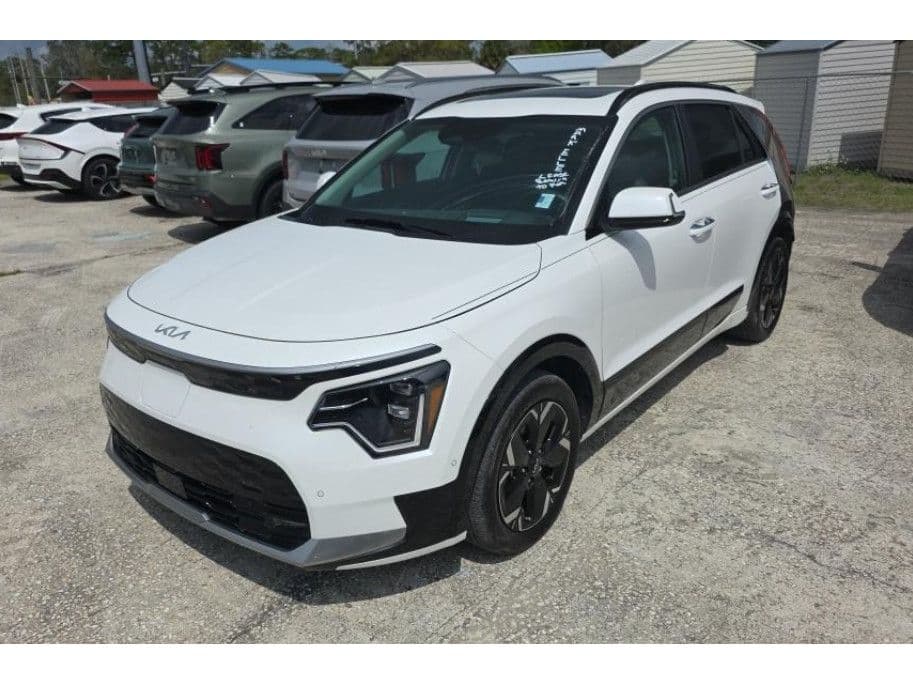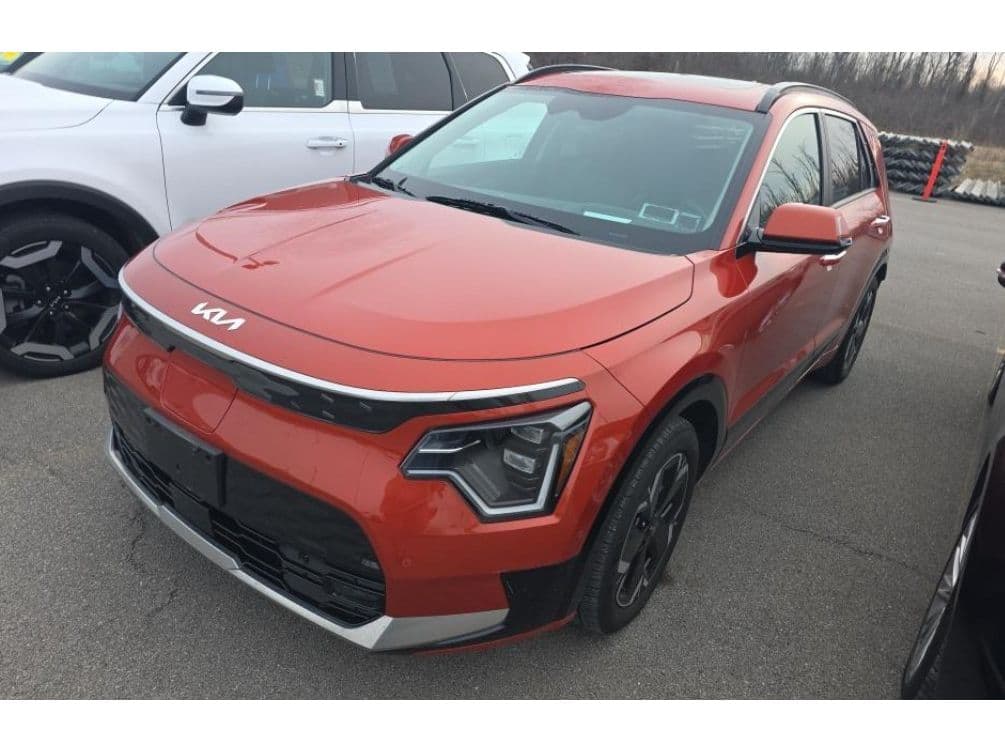
If you’re planning bikes, a cargo box, or even a rooftop tent for your Kia Niro EV, you’ve probably run into one confusing question: what’s the **real** Kia Niro EV roof rack weight limit? Between the owner’s manual, rack manufacturer ratings, and internet hearsay, it’s easy to get mixed messages. Let’s untangle it so you know exactly how much you can safely carry on the roof of your Niro EV.
Quick answer
Overview: Kia Niro EV roof rack weight limit
Kia doesn’t print “roof rack weight limit” in big friendly letters on the dash, but the numbers are there if you know where to look. For most recent generations of the Niro and Niro EV, Kia lists a **roof load capacity around 100 kg (220 lbs)** in official specs. That figure shows up across hybrid, PHEV, and EV variants and is echoed by spec databases and owner discussions that quote the same 220‑lb limit.
- That 220 lbs is the maximum total roof load while driving.
- It includes everything above the sheet metal: crossbars, feet, bike racks, cargo box, and the cargo itself.
- Many roof rack systems (Thule, OEM Kia, others) are rated a bit lower, often around 75 kg / 165 lbs.
- You’re always limited by the weakest link: if the rack is rated 165 lbs and the car is 220 lbs, your working limit is 165 lbs total.
There’s also a separate concept you’ll sometimes hear about in forums: **static load**, how much weight the roof can hold when the car is parked. That number is usually much higher than the 220‑lb dynamic rating, which is why you’ll see rooftop tents on vehicles that officially have rather modest roof load limits. But for driving, the dynamic limit is what matters.
Understanding Kia Niro EV roof load ratings
Before you bolt anything to the roof, it helps to decode the jargon. Kia and the rack manufacturers are talking about the same roof, but they use slightly different labels and assumptions.
Roof load terms you’ll see for the Kia Niro EV
Learn the language before you load up
Vehicle roof load
The limit Kia sets for the car itself, often listed as 100 kg / 220 lbs for Niro models. This is the maximum allowed total weight on the roof while driving.
Rack capacity
The maximum load the crossbars and feet can handle, typically around 75 kg / 165 lbs for common systems on the Niro EV.
Static vs dynamic
Dynamic load is the limit while driving. Static load is when parked. Rooftop tents rely on static load, but you still must respect all published limits.
Always double‑check your own car
So if your Kia Niro EV has a 220‑lb roof rating and you install a rack rated for 165 lbs, your effective limit is 165 lbs including the rack itself. If you choose a heavier‑duty rack rated closer to 220 lbs, the car’s own limit becomes the ceiling.
OEM vs aftermarket rack capacities on the Niro EV
Once you know the vehicle’s roof load limit, the next question is what your chosen rack can handle. With the Niro EV, you’ll see a mix of **OEM (Kia‑branded)** and **aftermarket** solutions, each with their own numbers.
Typical rack ratings seen on Kia Niro / Niro EV
Examples based on common systems sold for 2019–2025 Niro and Niro EV models. Always verify your specific kit.
| Rack type | Example rating (lbs) | Notes for Niro EV owners |
|---|---|---|
| Kia OEM crossbars | ~209–220 | Often sold through dealers; designed to match Kia’s 220‑lb roof load in many markets. |
| Premium aero rack (Thule, Yakima, etc.) | 165 | A very common limit for clamp‑on or rail‑mounted systems, even if the car is rated higher. |
| Budget aftermarket crossbars | 110–150 | Cheaper bars may use lighter materials and have lower ratings; check labels carefully. |
| Heavy‑duty "overland" racks | 150–220 (vehicle‑limited) | Often limited by the Niro’s own 220‑lb roof rating rather than rack strength. |
The lowest rating between vehicle and rack is your real‑world limit.
The 165‑lb rule of thumb
Don’t forget that the rack itself isn’t weightless. Many Niro EV crossbar kits weigh **10–20 lbs** before you add bikes, skis, or a cargo box. That weight counts against your limit just like any luggage.
Practical examples: how much can you actually carry?
Numbers on a chart are fine, but what does a 220‑lb roof load limit really get you in the real world? Here are some typical Kia Niro EV setups and whether they fit within common limits.
Weekend ski trip
- Rack + feet: ~15 lbs
- Ski rack: ~10 lbs
- 4 pairs of skis + poles: ~40 lbs
Total: ~65 lbs on the roof. Well within a conservative 165‑lb limit.
Two bikes on the roof
- Rack + feet: ~15 lbs
- Two upright bike trays: ~20 lbs
- Two modern mountain bikes: ~60 lbs total
Total: ~95 lbs. Still comfortably below a 165‑lb rack rating.
It’s only when you start loading bulky, heavy items, oversized cargo boxes filled with tools, or trying to position a rooftop tent and gear, that you get close to the 165–220‑lb conversation. For most "normal" road‑trip uses, the Niro EV gives you plenty of headroom if you pack thoughtfully.
What not to do
Rooftop tents on a Kia Niro EV: can you do it?
Search "Kia Niro rooftop tent" and you’ll find photos and forum debates. The short version: a rooftop tent on a Niro EV is **possible in some cases**, but it deserves extra caution and a close reading of the fine print.
- Most Niro and Niro EV models have a dynamic roof rating around 220 lbs and a much higher unquoted static strength.
- Many hard‑shell rooftop tents weigh 120–180 lbs empty, before you add people or bedding.
- Your rack system might only be rated for 165 lbs total dynamic load, which the tent alone could exceed.
- Even when parked, the rack manufacturer may not endorse using their system to support a tent and people.
Rooftop tent rulebook
Real‑world Niro owners often stick to the lightest soft‑shell tents, mounted to stout racks, and treat them as a **parked‑only** solution: slow, careful driving to camp, then climbing in once the car is stationary. If you camp frequently or carry multiple campers, a **hitch‑mounted cargo box or trailer** is usually a safer and more comfortable route than asking the Niro’s slim roof rails to play overlander.
Range, noise, and handling with a roof rack
The Kia Niro EV is a slippery little crossover, and that’s a big part of why it returns solid real‑world range. The moment you strap anything to the roof, you’re trading some of that aerodynamic efficiency for storage.
What a roof rack can cost you on the road
Efficiency‑friendly setup
The good news is that weight itself isn’t your main enemy; on a steady trip, it’s mostly the **aero drag** from your rack and cargo that bites into range. Plan your charging stops assuming a modest range penalty, then adjust once you see what your real‑world consumption looks like with your specific setup.
How to choose the right roof rack for your Niro EV
Picking a roof rack for the Niro EV isn’t just about weight limits; it’s also about how you’ll actually use the car. A daily‑driven commuter has different needs than a family that lives at the ski hill all winter.
Key steps to choosing a Niro EV roof rack
1. Start with your Niro EV’s roof rating
Open the owner’s manual or digital manual and look for "roof load" or "roof rack". Note the value (often 100 kg / 220 lbs) and treat it as a hard ceiling.
2. Decide what you’ll carry most
Two bikes? Skis and a small box? Occasional lumber? Your primary use case determines bar length, accessories, and whether a hitch rack might make more sense.
3. Pick aero bars sized for the Niro
Look for crossbars specifically listed for the Kia Niro or Niro EV. Aerofoil shapes cut wind noise and protect your range better than square or round bars.
4. Check the rack’s load rating
Look for a clearly stated dynamic load rating, often 165 lbs for premium systems. Make sure that number plus the bar weight still fits under the car’s own roof load limit.
5. Confirm clamp/rail compatibility
The Niro EV uses distinct roof rail or fixed‑point setups depending on model and market. Make sure the rack kit is built for your exact year and roof type.
6. Think about removal and storage
If you’ll only use the rack a few times a year, choose a system that’s easy to pop off and hang in the garage. Less time on the roof means less noise and less drag.
When OEM makes sense
Loading and driving safely with a roof rack
Once you’ve picked a rack and bolted it down, your job isn’t quite done. How you load the rack, and how you drive with it, matters just as much as the published weight rating.
- Weigh your setup realistically. Use a bathroom scale to check the tent, cargo box, or bikes. Add the estimated weight of the crossbars and mounts so you’re not guessing.
- Keep heavy items low. Put dense gear in the cargo area or frunk, and reserve the roof for lighter, bulkier items like sleeping bags or skis.
- Center and spread the load. Keep the heaviest part of the load as close to the middle of the roof as possible, and distribute weight evenly left‑to‑right.
- Secure everything thoroughly. Use all the straps and tie‑downs the rack maker recommends. Stop and recheck straps after the first 20–30 minutes of highway driving.
- Slow down a notch. Extra drag and a higher center of gravity make the car more sensitive at high speeds and in crosswinds. Back off a few mph and leave more following distance.
- Watch clearance. Roof boxes and bikes raise the Niro EV’s overall height. Think about parking garages, bank drive‑thrus, and your own garage door before you roll in.
Emergency‑maneuver reality check
Used Kia Niro EV shopping? Check the roof story too
If you’re shopping used, especially if you’re eyeing a Niro EV to turn into a road‑trip or bike‑hauling rig, pay attention to the car’s history upstairs, not just under the hood.
Signs of hard rack use
- Scuffed or bent roof rails.
- Indentations or paint wear where towers clamp.
- Aftermarket wiring or holes for light bars or accessories.
These can hint at heavy loads or poorly installed equipment.
Why it matters for range and value
- Persistent rack noise may mask other sounds on a test drive.
- Roof damage can rust or compromise crash performance.
- Heavy overloading may be a red flag about overall owner care.
They’re negotiating points, and reasons to look closely at the rest of the car.
Every used EV listed on Recharged includes a Recharged Score Report with verified battery health and a detailed inspection. If you’re planning to use a Niro EV for camping or cargo, you can talk with an EV specialist about roof, hitch, and towing options before you buy, and avoid surprises after your first big trip.
Kia Niro EV roof rack FAQ
Frequently asked questions about Niro EV roof limits
Key takeaways before you load up
The Kia Niro EV punches above its weight as a practical, long‑range commuter and road‑trip companion, and a properly chosen roof rack only makes it more versatile. The key is to treat the numbers with respect: assume about 220 lbs of roof load from Kia, around 165 lbs from most racks, and always obey the lower of the two. Pack light, keep the heaviest gear inside the cabin, and drive as if you’ve raised the center of gravity, because you have.
If you’re still deciding which Niro EV to buy, or you want a second opinion on whether a particular car is a good candidate for bikes, boxes, or camping gear, Recharged can help. Every used EV we list comes with a Recharged Score so you know the battery story, and our EV‑savvy team can talk you through the roof, hitch, and towing story before you ever sign. That way, the first time you load up the roof rack, you’ll be heading for a campsite, not a surprise.