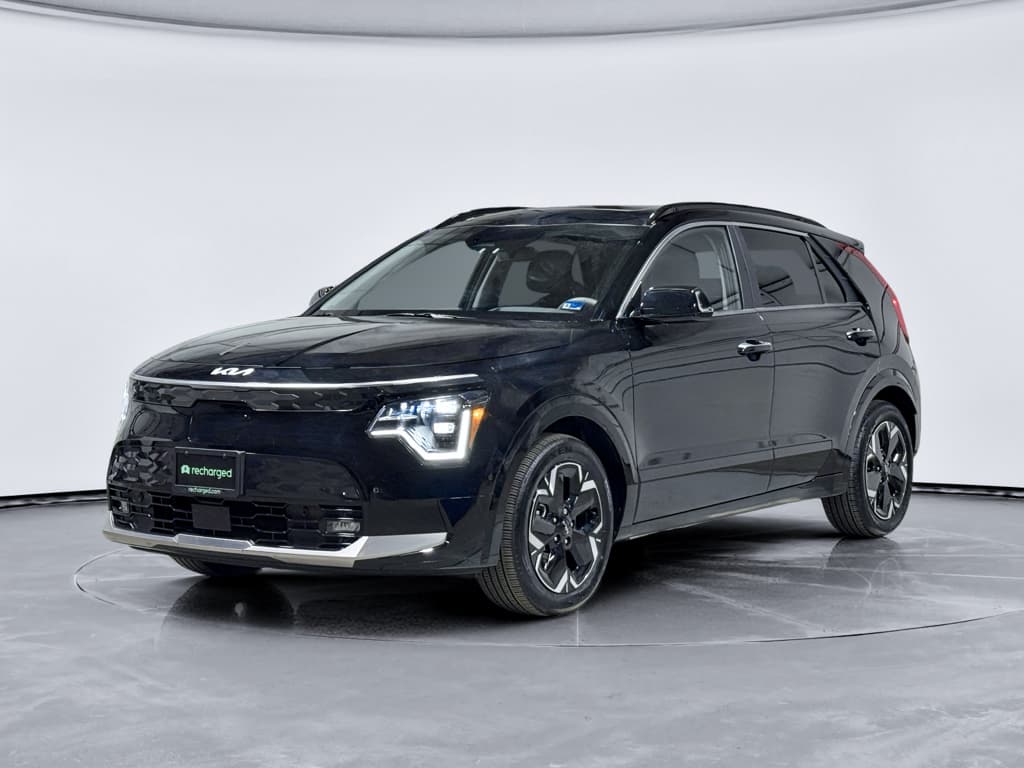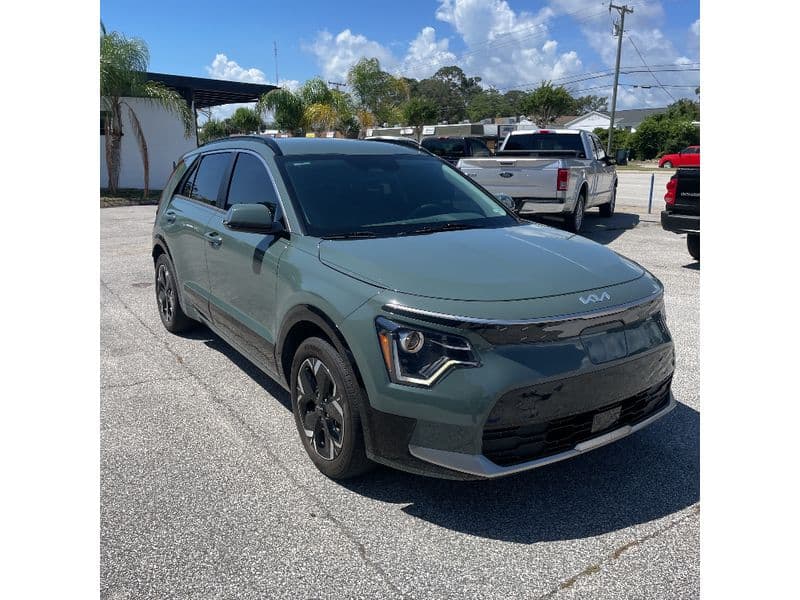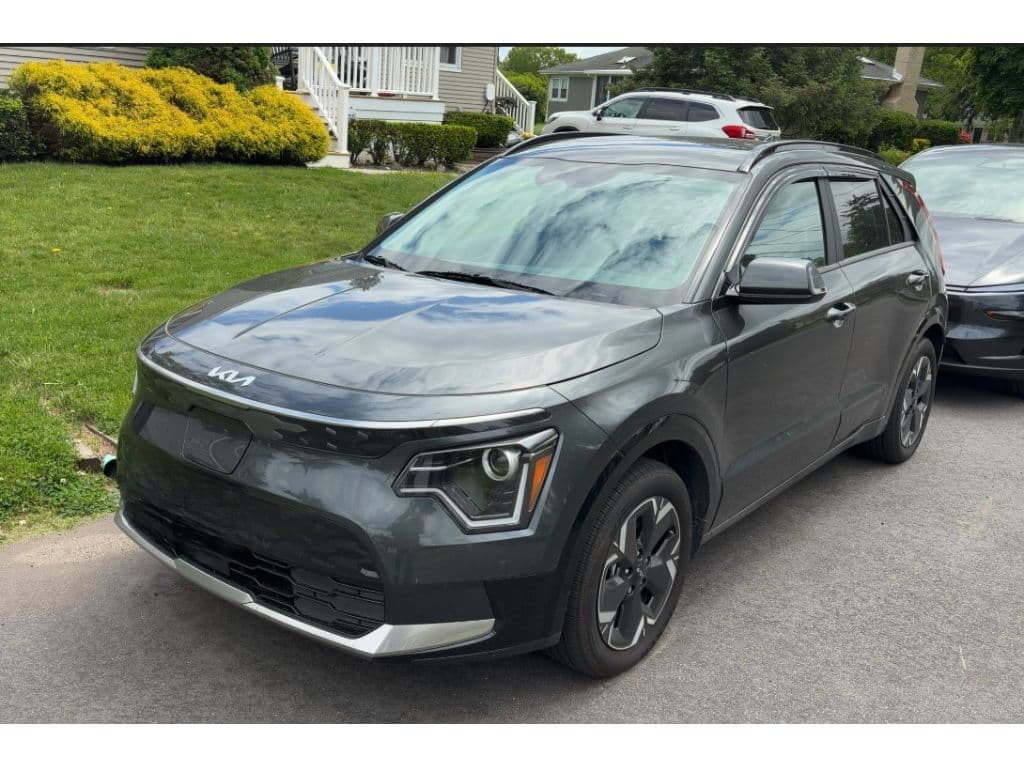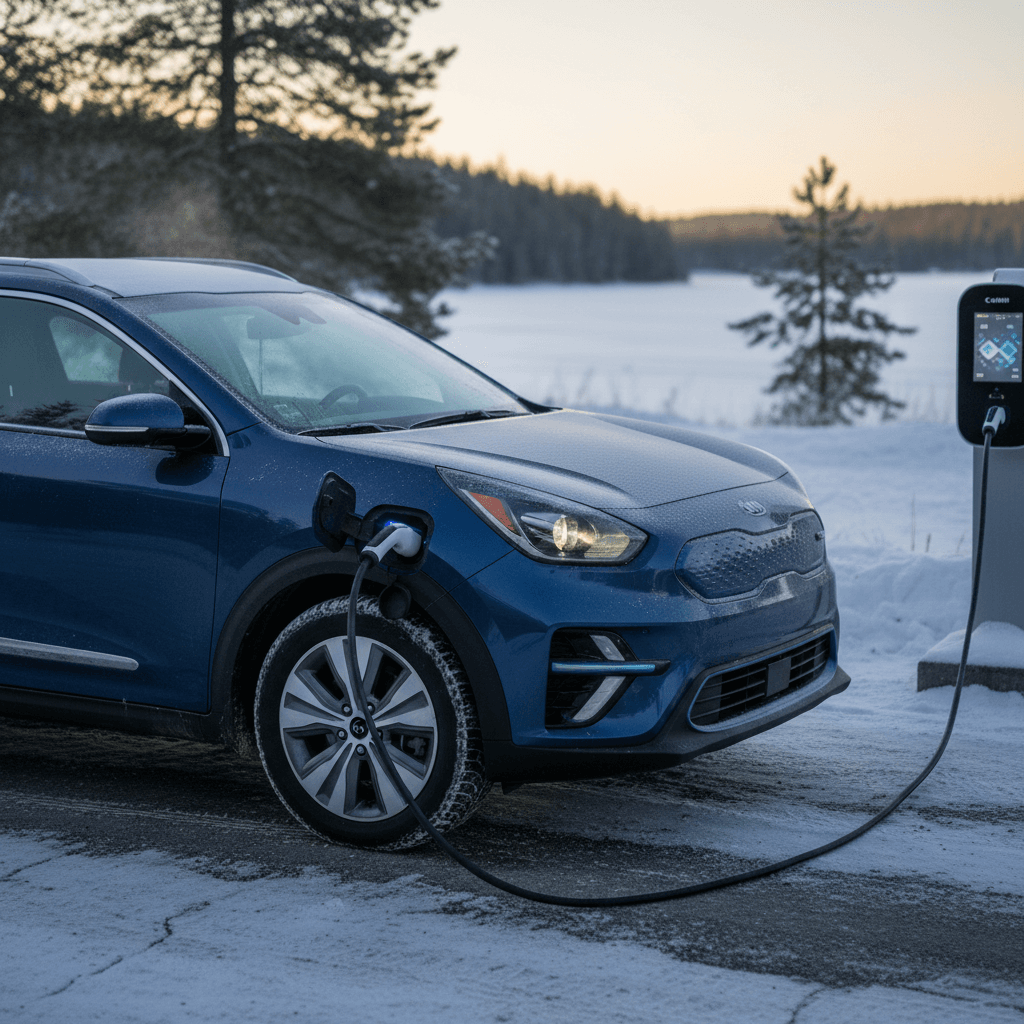
If you live where winters are real, not just sweater weather, you’re probably wondering how the Kia Niro EV’s range holds up in cold weather. The EPA says a newer Niro EV can go around 253 miles on a full charge, but that number is based on mild temperatures. In this guide, we’ll translate that into realistic winter expectations and walk through practical ways to keep your Niro EV useful and confidence‑inspiring when the temperature drops.
Key takeaway on winter range
Kia Niro EV range basics before winter hits
Before you think about winter penalties, it helps to know what your Niro EV can do in ideal conditions. Across both generations, the Niro EV has built its reputation on efficiency rather than brute battery size:
Kia Niro EV EPA range ratings (mild conditions)
Approximate EPA combined range ratings for U.S.-spec Niro EV models under moderate temperatures.
| Model years / generation | Battery size (gross) | EPA combined range | Typical mild‑weather real world |
|---|---|---|---|
| 2019–2022 Niro EV (e‑Niro long range) | 64–64.8 kWh | 239–239+ miles | 210–230 miles |
| 2023–2025+ Niro EV (redesigned body) | 64.8 kWh | ≈253 miles | 220–240 miles |
| 2026 Niro EV (Canada spec example) | 64.8 kWh | Similar to 2023–2025 | 220–240 miles |
These are lab-based ratings. Real-world range, especially in winter, will vary with speed, temperature, terrain, and HVAC use.
On paper, that places the Niro EV in the same ballpark as many compact crossovers. What sets it apart is efficiency: in moderate weather it’s common to see 3.5–4.0 miles per kWh in mixed driving, which is excellent for a front‑drive crossover. Winter conditions chip away at that efficiency; the rest of this article is about how much, and what you can do about it.
How cold weather typically affects EV range
How much Kia Niro EV range you lose in cold weather
Every route, driver, and climate is different, but once you look at owner reports and winter test data across EVs, a clear pattern emerges. The Kia Niro EV range in cold weather usually takes a meaningful, but manageable, hit.
Typical Kia Niro EV winter range by temperature band
Approximate real‑world expectations for a healthy battery, starting from a full charge.
Cool (40–55°F / 4–13°C)
- Range drop: ~5–10%
- Expected range: ~200–225 miles
- Light heater use, mostly city/suburban driving
Cold (25–40°F / -4–4°C)
- Range drop: ~15–25%
- Expected range: ~180–210 miles
- Regular cabin heat, mixed city/highway
Very cold (0–25°F / -18–-4°C)
- Range drop: ~25–35%+ at highway speeds
- Expected range: ~150–190 miles
- Strong cabin heat, defrost, higher speeds
Numbers vary by driving pattern
For daily commuting, those numbers are usually more than enough. Where winter range becomes a real planning exercise is on longer highway drives, especially if fast chargers are sparse or you’re pushing toward the edge of your comfort zone between stops.
Why cold weather reduces Kia Niro EV range
The Niro EV isn’t uniquely punished by winter; it follows the same physics as every other EV. The basic problem is that batteries and heaters are fighting the cold from two directions:
- Battery chemistry slows down. Lithium‑ion cells can’t deliver energy as efficiently when they’re cold. Internal resistance goes up, which means you burn more energy just to get the same power out of the pack.
- You’re literally heating a small house on wheels. Unlike a gas car that uses waste heat from the engine, the Niro EV’s cabin heat comes straight from the high‑voltage battery. Crank the heat and defroster, and you’re sipping significant kilowatts that could otherwise move the car.
- Short trips hit twice as hard. Every time you start a cold-soaked Niro and blast the heat for a 10‑minute errand, you spend a disproportionate amount of energy warming up the cabin and battery for very few miles.
- Winter roads add drag. Cold, dense air, snow‑packed pavement, and winter tires all increase rolling and aerodynamic resistance. The faster you drive, the more this matters.
Speed is the silent range killer
Real-world winter range examples from Niro EV drivers
Owner anecdotes are messy but incredibly useful. When you read through Niro EV forums and winter range threads, the pattern lines up well with what we’d expect from the physics:
- A 2020 Niro EV driver in the U.S. reported around 232 miles showing at 100% on a chilly 30°F morning with the front seat heater on, roughly a 10% drop from the best summer estimates.
- Several 2019–2022 Niro EV owners in colder European climates describe winter range in the 180–200 mile ballpark on full charges when temps sit around freezing and speeds hover near 65–70 mph.
- Drivers in truly harsh climates (regularly below 0°F / -18°C) commonly see effective range dip toward the 140–170 mile range on the highway, especially without a heat pump or when running studded winter tires.
Good news: winter range improves as you drive
Niro EV features that help in winter (heat pump, preconditioning & more)
Kia quietly built a lot of cold‑weather hardware into the Niro EV, especially in later model years. How much range you lose in winter depends partly on whether your car has the right options, and whether you’re using them.
Cold-weather hardware that shapes Niro EV range
Check your window sticker or owner’s manual to see which of these your car has.
Heat pump (select trims / packages)
A heat pump moves heat instead of creating it with simple resistive elements. In cool‑to‑moderately cold temps, it can cut cabin heating energy use dramatically versus pure electric resistance heating. That means more miles per kWh when the heater is on.
Battery heater & winter mode
Later Niro EVs offer battery heating / conditioning, especially when you navigate to a DC fast charger. Warming the pack before a fast‑charge stop improves charging speed and efficiency, and it also keeps the battery happier in deep cold.
Heated seats & steering wheel
These draw far less energy than blasting warm air through the whole cabin. Many owners run the cabin cooler while letting the seat and wheel heaters do most of the comfort work.
Remote climate & preconditioning
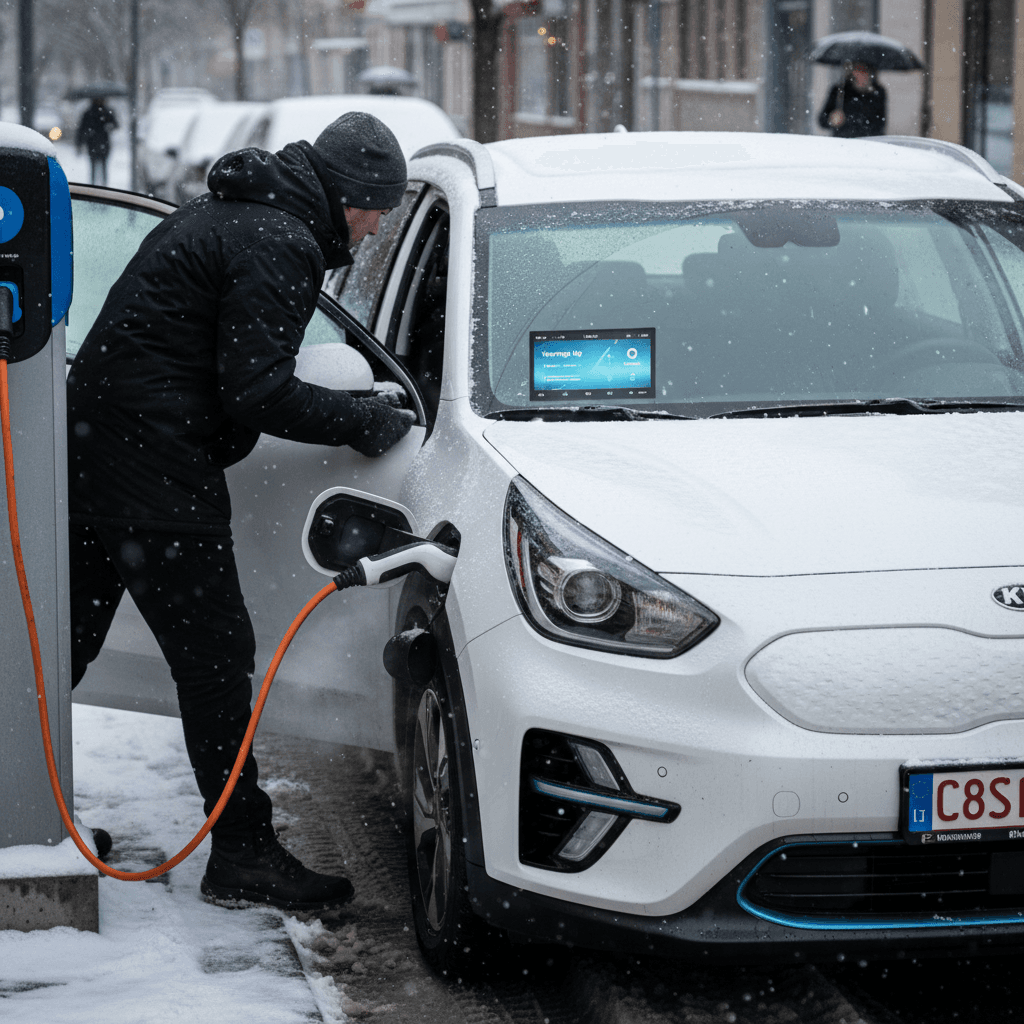
Using the Kia Connect app (where equipped) or the in‑car timer, you can preheat the cabin while plugged in. That warms up the interior (and often the pack) using grid power instead of depleting your battery at the start of the trip.
Check your trim and options list
Driving tips to boost Kia Niro EV range in cold weather
You can’t change the weather, but you have a lot of control over how much your Niro EV’s range shrinks in it. Small habits add up to double‑digit percentage gains in winter efficiency.
Winter driving habits that protect your range
1. Preheat while plugged in
Set your departure time in the car or app so the cabin warms up while the Niro EV is still connected to your home charger or public station. That way, you use grid power for the heaviest heating load instead of draining your battery before you even leave the driveway.
2. Use ECO mode generously
ECO mode softens throttle response and limits peak power draw, which naturally smooths out your driving. On snow and ice that’s not just efficient, it’s more stable and confidence‑inspiring.
3. Rely on seat and wheel heaters
Drop the cabin temperature a few degrees and let the heated seats and steering wheel do more of the work. Comfort stays high while HVAC energy usage, and range loss, stays lower.
4. Slow down on the highway
Dropping from 75 mph to 65 mph can reclaim a surprising amount of winter range. In many Niro EVs, that change alone can move you from the 150‑mile bracket back toward 180–190 miles in deep cold.
5. Avoid lots of short, cold starts
String errands together when you can. A 40‑mile trip in one shot will be much more efficient than four separate 10‑mile trips where the car has to warm itself up from cold each time.
6. Keep your tires properly inflated
Cold air lowers tire pressure. Under‑inflated tires increase rolling resistance and hurt both range and safety. Check pressures regularly in winter and set them to the placard value when the tires are cold.
Don’t sacrifice safety for range
Smart winter charging strategy for your Niro EV
Cold affects not just how far you can drive, but also how quickly you can recharge. A cold battery won’t accept high DC fast‑charging power until it warms up, and charging at 100% isn’t ideal for long‑term battery health, especially if the pack sits full in the cold for days.
For home charging
- Use Level 2 if possible. A 240V home charger shortens charge times and gives the car more opportunity to gently warm the pack versus trickling in power overnight.
- Finish charging near departure. Set a charge schedule so the car reaches your target state of charge (often 80–90%) shortly before you leave. The pack will be warmer and more efficient.
- Aim for 20–80% for daily use. In winter that window offers a good compromise between protecting battery health and keeping plenty of usable range on tap.
For DC fast charging
- Navigate to the charger in the car’s nav. On later Niro EVs with battery preconditioning, routing to a DC fast charger prompts the car to warm the pack for quicker charging.
- Expect slower speeds when the pack is cold. In deep winter, don’t be surprised if you see lower kW numbers for the first 10–20 minutes of a fast‑charge session.
- Charge what you need, not to 100%. On a winter road trip, it’s often faster overall to charge from, say, 20–70% more frequently than to sit and wait for the last 20–30% to drip in.
Think in miles, not just percent
Winter range on daily commutes vs. road trips
Many EV owners worry most about worst‑case winter road trips, but for a lot of people, the more important question is, “Will this car still fit my daily life in January?” For the Kia Niro EV, the answer is usually yes, as long as you’re realistic about your distances.
How cold-weather range plays out in real life
Two very different ownership scenarios, and how the Niro EV handles each.
Daily commuter
Profile: 35–60 miles per day, mix of city and suburban driving, overnight home charging.
- Even with a 25% winter penalty, you’re typically using only 25–40% of the battery per day.
- Preheat on the plug, set a sane climate temp, and you’ll rarely think about range.
- The car will feel nearly as convenient as a gas vehicle, just plug in at home instead of visiting a gas station.
Regular winter road‑tripper
Profile: 180–250‑mile winter highway trips, fast-charging en route.
- Plan on realistic winter legs of 120–170 miles between DC fast chargers.
- Route via reliable networks and allow some buffer for wind, snow, and detours.
- Fast‑charging in deep cold will add time; aim for stations with amenities where a longer stop isn’t a burden.
Plan your winter charging network ahead of time
Buying a used Kia Niro EV for cold climates
If you’re shopping used, the Kia Niro EV is a smart choice for colder states and provinces because it balances range, efficiency, and price very well. But not every example is the same, and winter performance depends heavily on battery health and equipment.
Winter-focused checks when shopping for a used Niro EV
Confirm battery health, not just mileage
Two cars with the same odometer reading can have very different usable range. A detailed battery health report, like the <strong>Recharged Score</strong> that comes with every EV we sell, shows how much capacity the pack has retained and flags any anomalies.
Look specifically for heat pump & battery heater
If you live in the upper Midwest, Northeast, Rockies, or Canada, prioritize Niro EVs equipped with the cold‑weather hardware. Ask the seller for the original window sticker or an options list so you can confirm.
Ask about previous winter usage
An EV that’s already been through a couple of winters in your region will give you more predictable expectations. If the owner kept efficiency logs, even better, you’ll see real numbers, not just guesses.
Verify home charging compatibility
If you’re moving from a gas car, consider your home setup. A Niro EV plus a properly installed Level 2 charger turns winter into a non‑issue for most daily driving. Recharged can help you understand charging options as part of the buying process.
How Recharged can help
Ready to find your next EV?
Browse VehiclesKia Niro EV cold-weather FAQ
Frequently asked questions about Kia Niro EV range in cold weather
Cold weather is the great equalizer for every electric vehicle, and the Kia Niro EV is no exception. Expect your usable range to step down a notch or two when the temperature does, especially at highway speeds, but remember that smart driving and charging habits can swing things by dozens of miles in your favor. If you understand how your Niro EV behaves in winter and plan around realistic numbers, it can be just as dependable in January as it is in June. And if you’re exploring a used Niro EV, or comparing it with other EVs for a cold‑climate move, Recharged is here with verified battery health reports, transparent pricing, and EV‑savvy specialists who can help you choose the right car for your climate and your life.