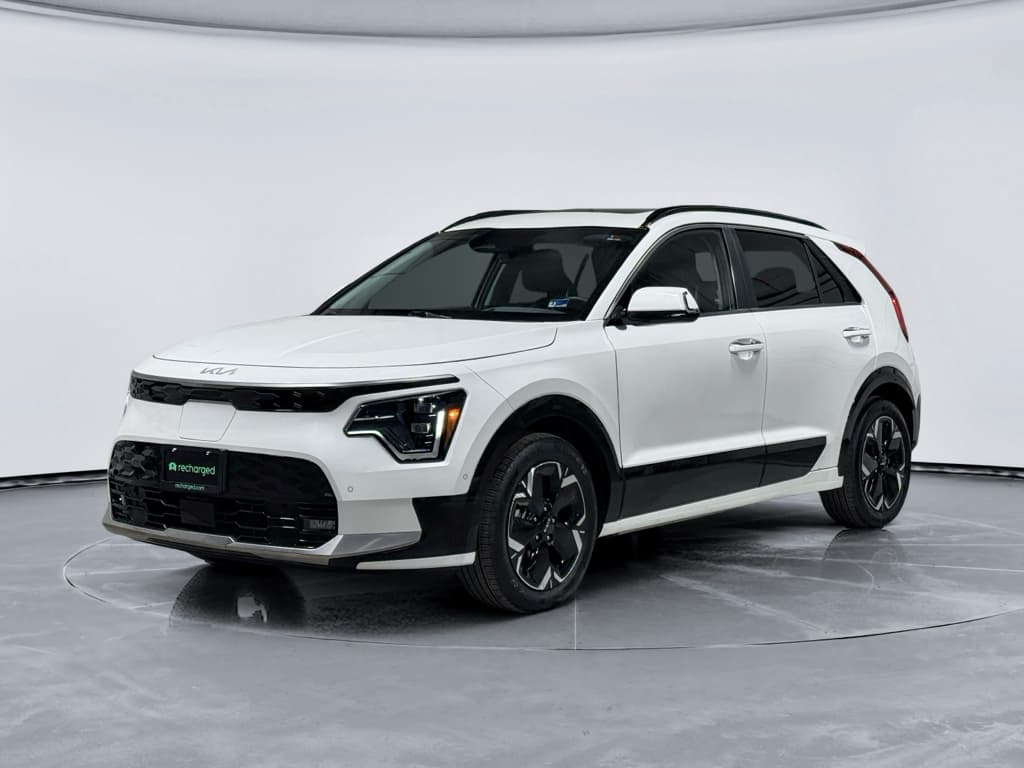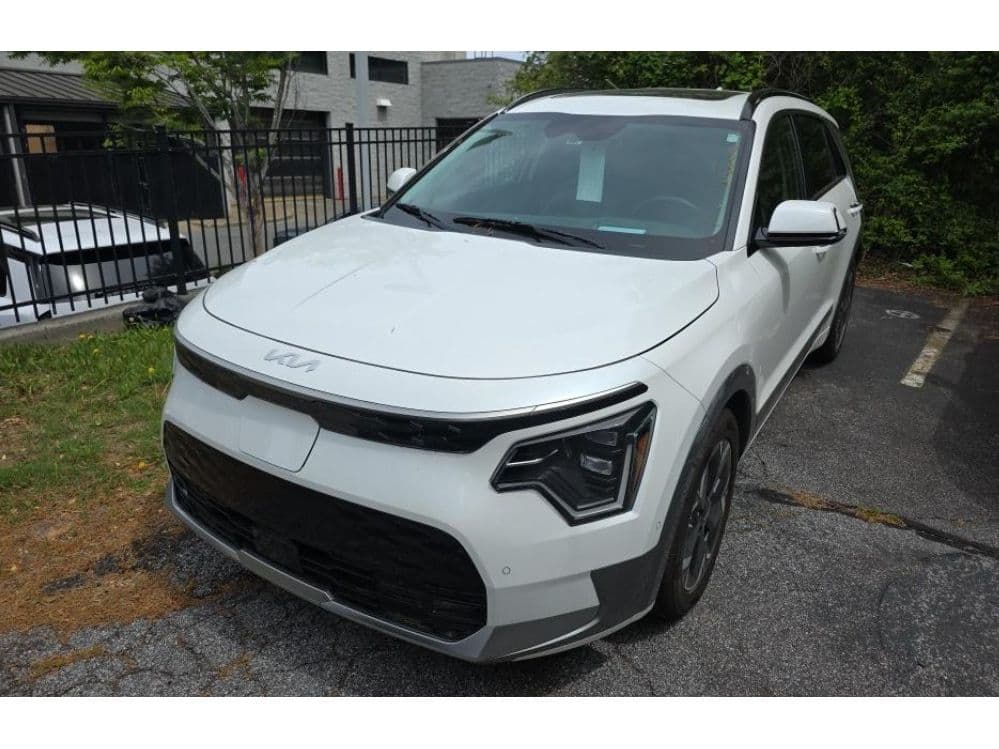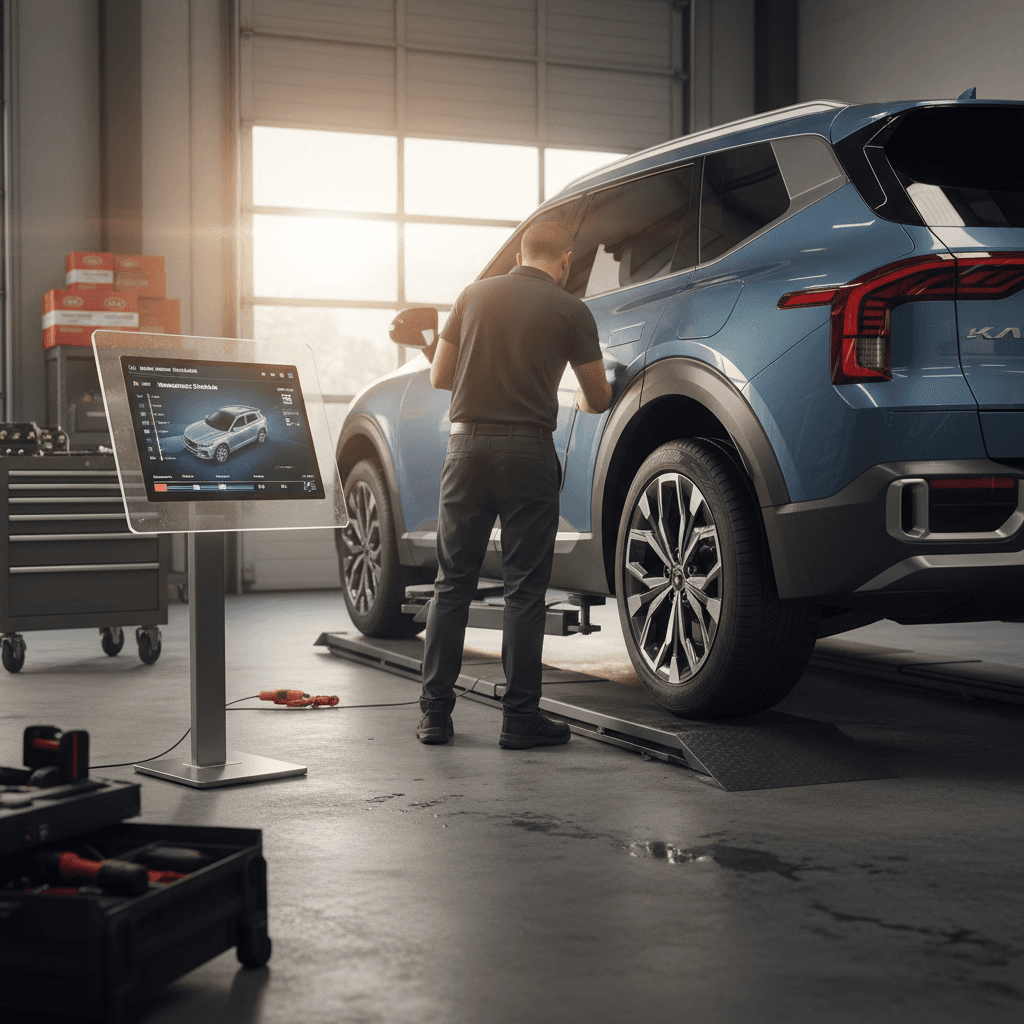
If you’re driving, or shopping for, a Kia Niro EV, you already know one of the big perks: less maintenance than a gas SUV. But “less” doesn’t mean “none.” Understanding the official Kia Niro EV maintenance schedule will help you avoid surprise repairs, protect your battery warranty, and spot a well‑cared‑for used Niro when you see one.
Quick takeaway
Overview: How Kia Niro EV Maintenance Works
Compared with a gas Niro, the Niro EV has far fewer moving parts. There’s no engine oil, timing belt, spark plugs, or exhaust system to maintain. The maintenance schedule is built around three pillars: safety inspections, tire and brake care, and fluid changes for systems that still exist (like brake fluid and coolant for the battery and inverter).
What the Niro EV doesn’t need
- No engine oil or oil filter changes
- No spark plugs or fuel filters
- No transmission fluid service in the traditional sense
- No exhaust or emissions components to maintain
What it still needs
- Regular inspections (suspension, steering, safety systems)
- Tire rotations and wheel alignments
- Brake fluid and system checks
- Coolant checks for battery/inverter systems
- Cabin air filter replacements and HVAC service
Service tip
Kia Niro EV Maintenance Schedule at a Glance
Exact intervals can vary by model year and region, so you should confirm the details in your owner’s manual. But most recent Niro EVs (both first‑gen and the newer second‑gen) follow a similar pattern, anchored around 7,500‑mile or 12‑month service visits. Here’s the big picture.
Kia Niro EV Maintenance Schedule Overview
Typical service intervals for modern Kia Niro EV models sold in the U.S. Always confirm against your vehicle’s owner’s manual.
| Mileage / Time | Key Maintenance Items |
|---|---|
| 7,500 miles / 12 months | Multi‑point inspection, tire rotation, check fluids, check brakes |
| 15,000 miles / 24 months | Repeat 7,500‑mile items; inspect cabin air filter, steering, suspension |
| 22,500 miles / 36 months | Inspection service; rotate tires; check underbody, battery cooling system |
| 30,000 miles / 36 months | Cabin air filter replacement, brake system inspection |
| 45,000 miles / 48–54 months | Repeat 15,000‑ and 30,000‑mile items; inspect high‑voltage components |
| 60,000 miles / 72 months | Brake fluid replacement typically due; cooling system inspection |
| 75,000–90,000+ miles | Repeat pattern; focus on tires, brakes, coolant, and in‑depth inspections |
Use this chart as a planning tool, not a substitute for the model‑year‑specific manual.
Important disclaimer
Kia Niro EV Service Intervals by Mileage
Let’s walk through the Kia Niro EV maintenance schedule interval by interval so you know what to expect as the odometer climbs, especially useful if you’re cross‑checking the history on a used Niro EV.
Every 7,500 miles / 12 months
- Tire rotation (front to rear, adjust pressures)
- Visual brake inspection (pads, rotors, lines, hoses)
- Fluid level check (brake fluid, coolant, washer fluid)
- Suspension and steering inspection
- Exterior and underbody inspection for damage or corrosion
- Check lights, wipers, horn, seat belts, and safety systems
These visits are your basic health check. Many owners combine them with seasonal tire changes if they run winter tires. For low‑mileage drivers, the time interval matters more than the miles, an annual inspection is still wise.
15,000–22,500 miles
Around 15,000 to 22,500 miles, Kia layers in deeper inspections. The specifics may vary, but you’ll typically see:
- Tire rotation and road test
- Cabin air filter inspection (replacement if dirty)
- HVAC system function check (important for range and comfort)
- Underbody and body panel inspection
- Electric motor, reduction gear, and driveshaft checks for leaks or noise
Cabin filter and range
30,000 miles
At roughly 30,000 miles, most Kia Niro EVs call for a cabin air filter replacement if it hasn’t already been done, plus another round of inspections. This is also a good moment to check alignment and tire wear, since many owners are nearing the end of their first tire set.
45,000–60,000 miles
By 45,000 to 60,000 miles, you’re still avoiding engine‑style maintenance, but fluid service becomes more important. Expect:
- Tire rotation or tire replacement depending on wear
- Detailed brake inspection; measure pad thickness and rotor condition
- Brake fluid testing and, typically by 60,000 miles or ~3–4 years, full replacement
- Inspection of high‑voltage cables and connectors for damage
- Battery cooling system inspection; coolant top‑up or replacement per Kia’s guidance
Don’t skip brake fluid
75,000 miles and beyond
Above 75,000 miles, the maintenance schedule largely repeats: inspections, tire rotations, brake checks, and occasional fluid or coolant service. What changes is your focus, now you’re watching for wear‑and‑tear items like suspension components, wheel bearings, and possibly the first brake job if you do a lot of highway or mountain driving.
What Typically Wears First on EVs
Fluids, Tires, and Brakes: What Still Needs Service
The Niro EV doesn’t have engine oil, but it still depends on a few key fluids and wear items. Staying ahead of these keeps the car safe and protects long‑term value, especially critical if you plan to trade in or sell later.
Core Maintenance Items on a Kia Niro EV
These are the things most likely to cost money as the miles add up.
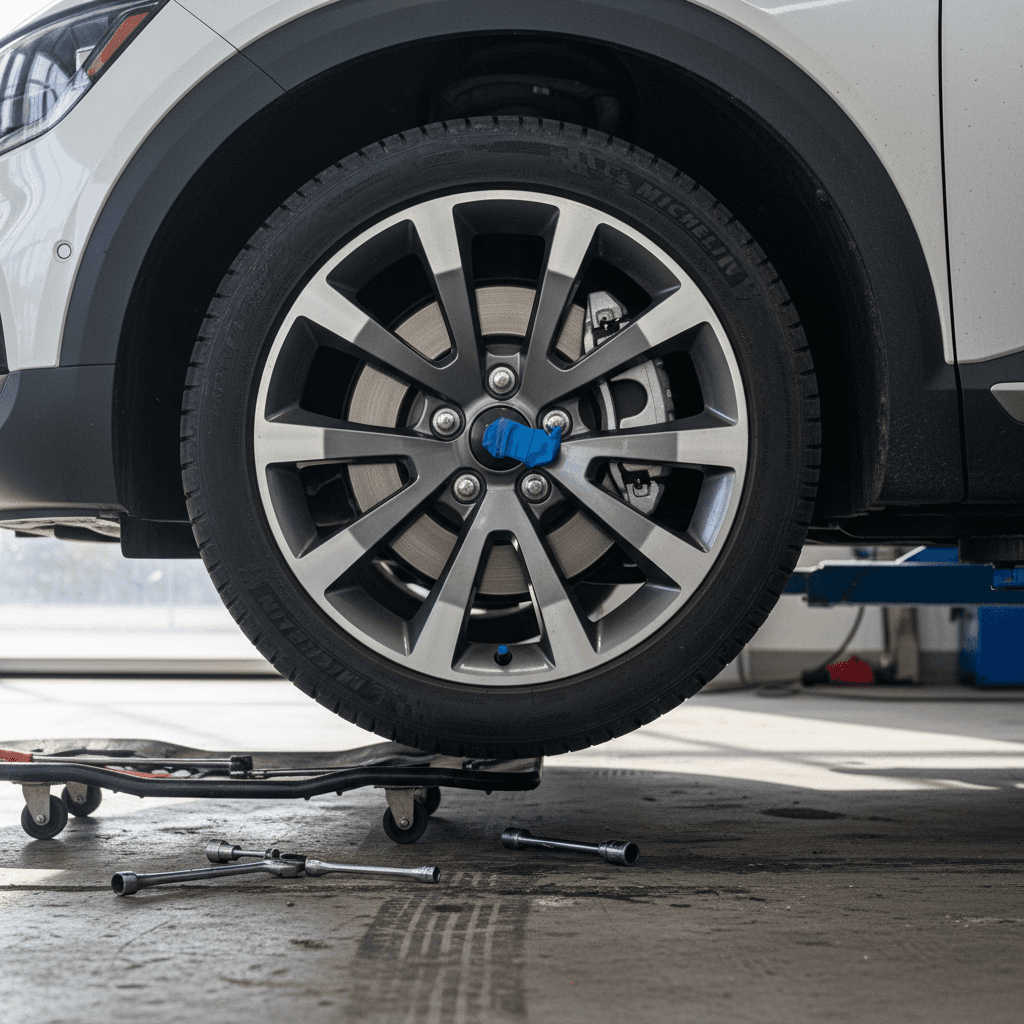
Tires
Why it matters: EVs are heavy and deliver instant torque, which can wear tires faster than comparable gas cars.
Rotate every 7,500 miles and check alignment if you see uneven wear or feel pulling.
Brakes
Why it matters: Regenerative braking saves wear, but calipers and fluid still age.
Ask shops to inspect pad thickness and make sure the parking brake and calipers move freely.
Fluids
Why it matters: Brake fluid and battery coolant ensure safe braking and thermal management.
Follow time‑based intervals; don’t wait for symptoms before replacing fluids.
Tire selection matters
Battery Health, Warranty, and Long-Term Care
The traction battery is the single most valuable component in your Kia Niro EV. Kia typically backs the high‑voltage battery with a multi‑year, high‑mileage warranty (often on the order of 8 years and 100,000 miles for capacity and defects, depending on model year and market). That warranty assumes you follow basic maintenance and usage guidelines.
- Avoid frequent 100% fast charges unless you need the range for a trip.
- Whenever possible, let the car sit between roughly 20–80% state of charge for daily use.
- Use scheduled charging at home to finish near your departure time, not hours before.
- Keep the battery and cabin out of extreme heat when you can, shade helps.
- Follow Kia’s guidance on battery and coolant system inspections.
How Recharged checks Niro EV batteries
Real-World Maintenance Costs and Budgeting Tips
In the real world, most Kia Niro EV owners will spend far less on maintenance than owners of similarly sized gas crossovers. The trade‑off is that tires and certain EV‑specific parts can cost a bit more. Here’s a broad, directional sense of what to plan for over time (actual numbers vary by region, shop rates, and tire selection).
Typical Kia Niro EV Maintenance Items and Cost Ranges
Approximate, illustrative cost bands for common Niro EV services in the U.S. outside of warranty. Always get quotes from local shops.
| Service Item | Typical Interval | Approx. Cost Range (USD) |
|---|---|---|
| Tire rotation + multi‑point inspection | Every 7,500 miles | $40–$120 (often included in service packages) |
| Cabin air filter replacement | 30,000 miles or sooner if dirty | $50–$150 |
| Brake fluid flush | Every 3–4 years or ~60,000 miles | $120–$200 |
| Wheel alignment | As needed, often 30,000+ miles | $120–$220 |
| New tires (set of 4, EV‑rated) | 20,000–45,000 miles | $600–$1,000+ installed |
| Brake pads/rotors (if needed) | Highly driving‑style dependent | $350–$900 per axle |
These are ballpark ranges, not guarantees, labor rates and parts pricing vary widely.
Budgeting rule of thumb
Buying Used? Kia Niro EV Maintenance Checklist
A clean maintenance history is one of the easiest ways to separate a great used Kia Niro EV from one that’s just “OK.” Here’s a simple checklist to use when you’re reviewing records or inspecting a car in person.
Used Kia Niro EV Maintenance Checklist
1. Confirm basic service intervals
Ask for invoices or digital records showing annual services or 7,500‑mile visits. Look for consistent tire rotations and inspections, not big gaps of several years.
2. Look for brake fluid and coolant service
By 5–6 years old, the Niro EV should have at least one brake fluid change and documented inspections of the battery cooling system.
3. Inspect tire wear patterns
Uneven wear can signal alignment or suspension issues. A Recharged inspection or professional pre‑purchase inspection can catch these before you commit.
4. Check for warning lights or errors
Turn the car on and watch the cluster. Any lingering ABS, tire pressure, or battery system warnings deserve answers before you buy.
5. Review any collision or underbody repairs
Because the battery pack sits low in the vehicle, ask about any impacts or repairs affecting the floor or underbody.
6. Ask for a battery health report
For extra peace of mind, shop with sellers who provide objective battery data. Every Niro EV sold through Recharged includes a <strong>Recharged Score Report</strong> with pack health metrics.
Where Recharged helps
Dealer vs. Independent EV Shops (and Where Recharged Fits)
For warranty‑period services, many owners prefer a Kia dealership, since software updates and any recall work can be handled at the same time as routine maintenance. As the car ages, high‑quality independent EV shops become more attractive, especially for tires, brakes, and suspension work.
Kia dealership pros
- Access to factory software updates and technical service bulletins
- Technicians trained specifically on Kia EV systems
- Easy handling of warranty and recall repairs
Independent EV shop pros
- Often lower labor rates and more flexible scheduling
- Can be more performance‑oriented for tires and suspension
- Good choice once you’re out of basic warranty
How Recharged fits in
FAQ: Kia Niro EV Maintenance Schedule
Frequently Asked Questions
Bottom Line: Keeping a Niro EV Low-Maintenance
The Kia Niro EV is designed to be a low‑maintenance daily driver, but not a no‑maintenance one. If you budget for annual inspections, tire care, and periodic fluid service, you’ll enjoy quiet, efficient driving with fewer surprises than a typical gas SUV. And if you’re in the market for a used Niro EV, pairing this maintenance schedule with verified battery‑health data, like the Recharged Score Report, gives you a clear edge when deciding which car is really worth your money.