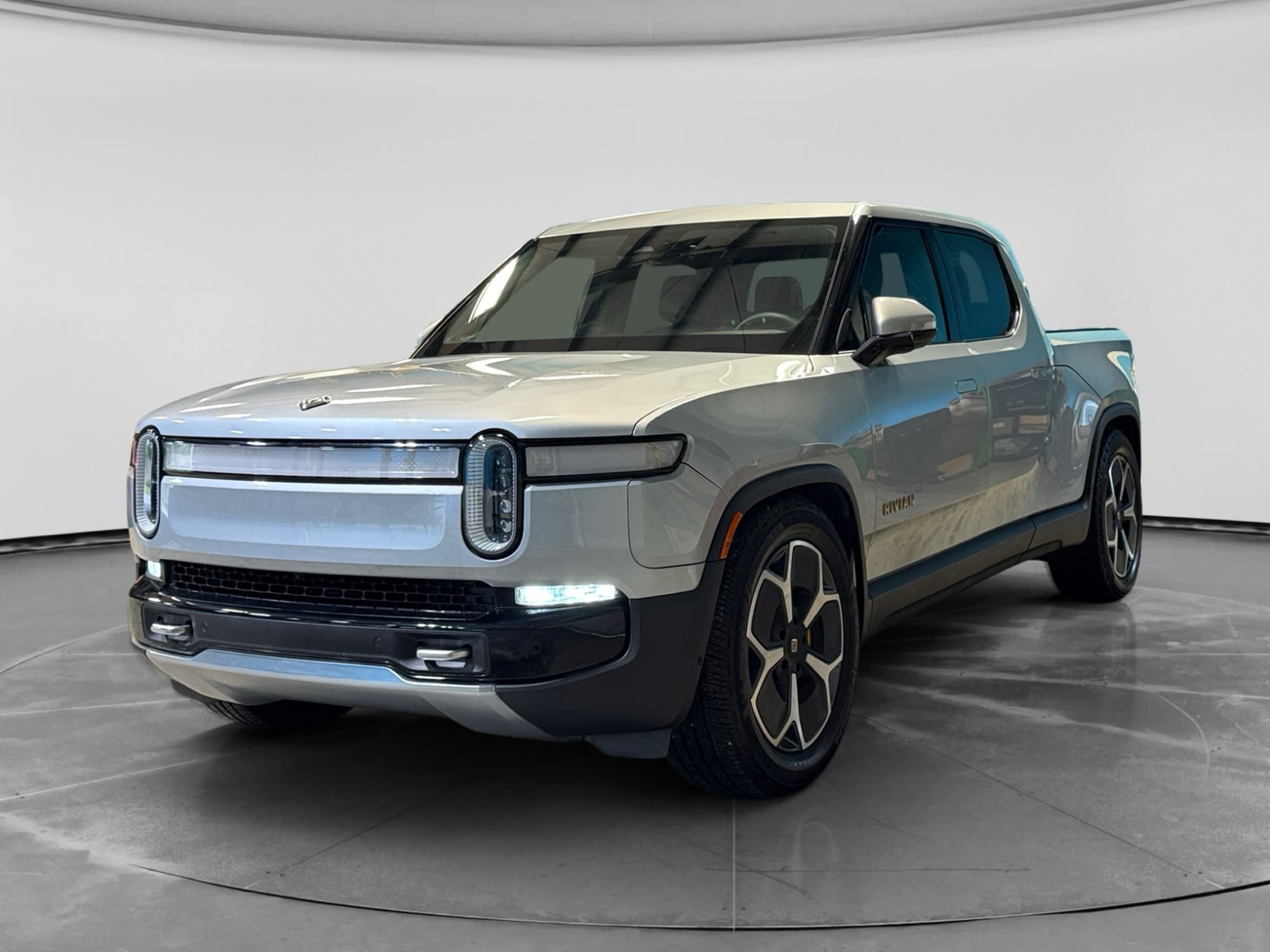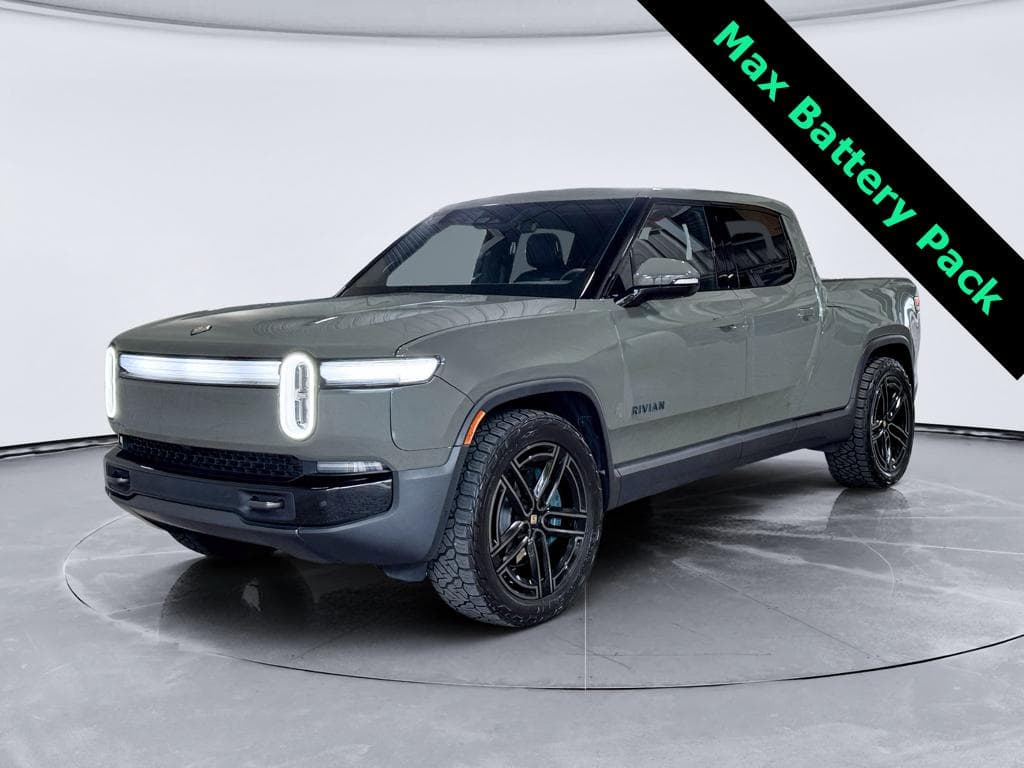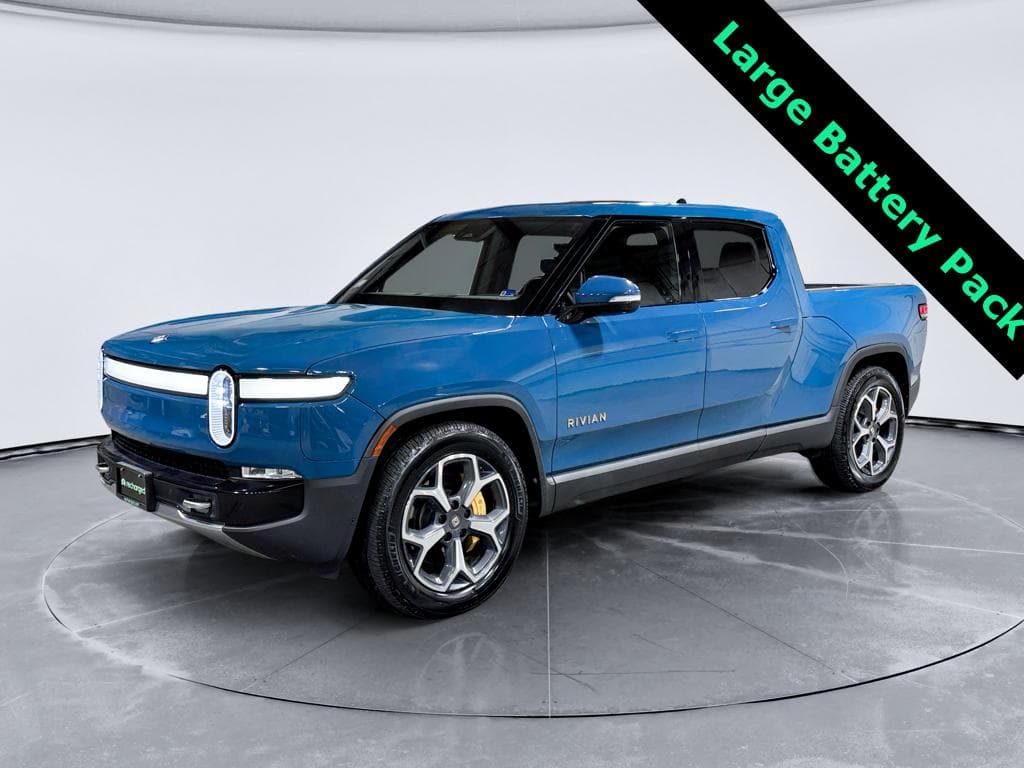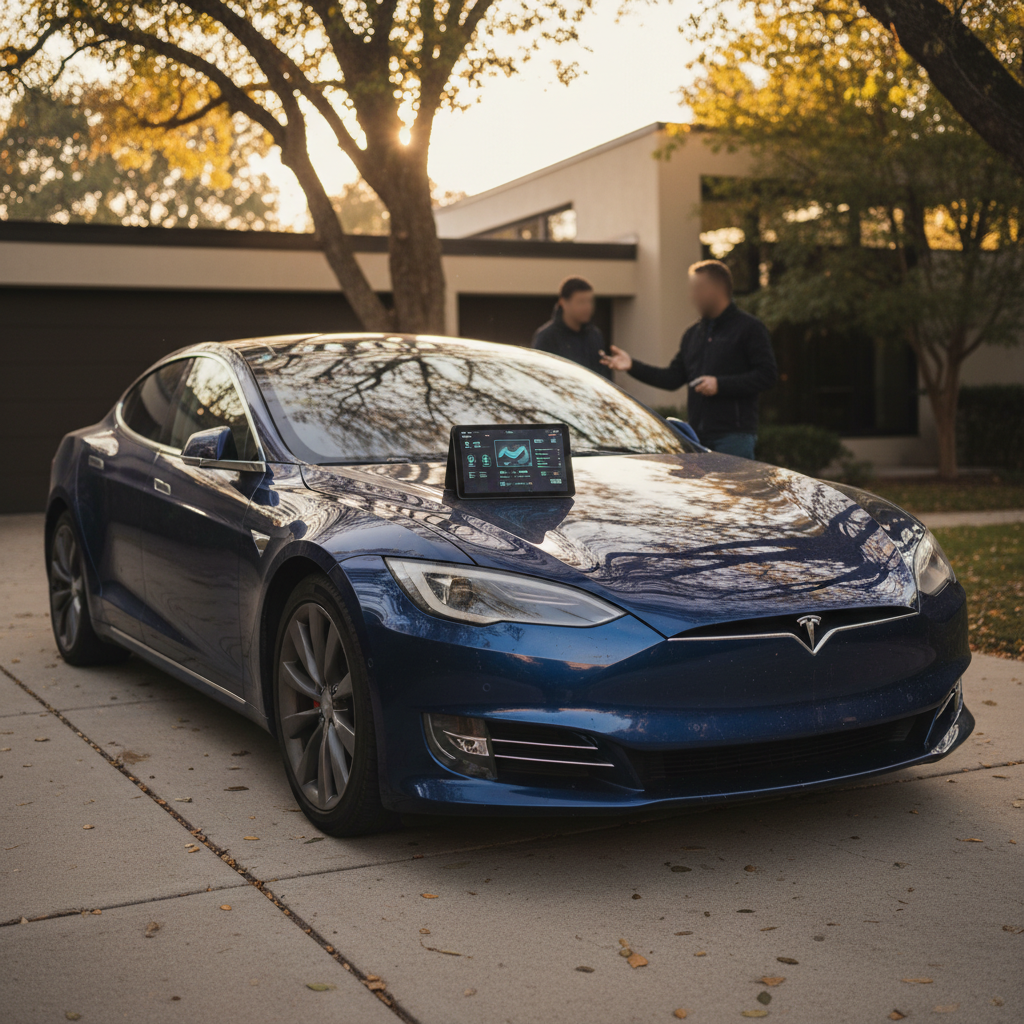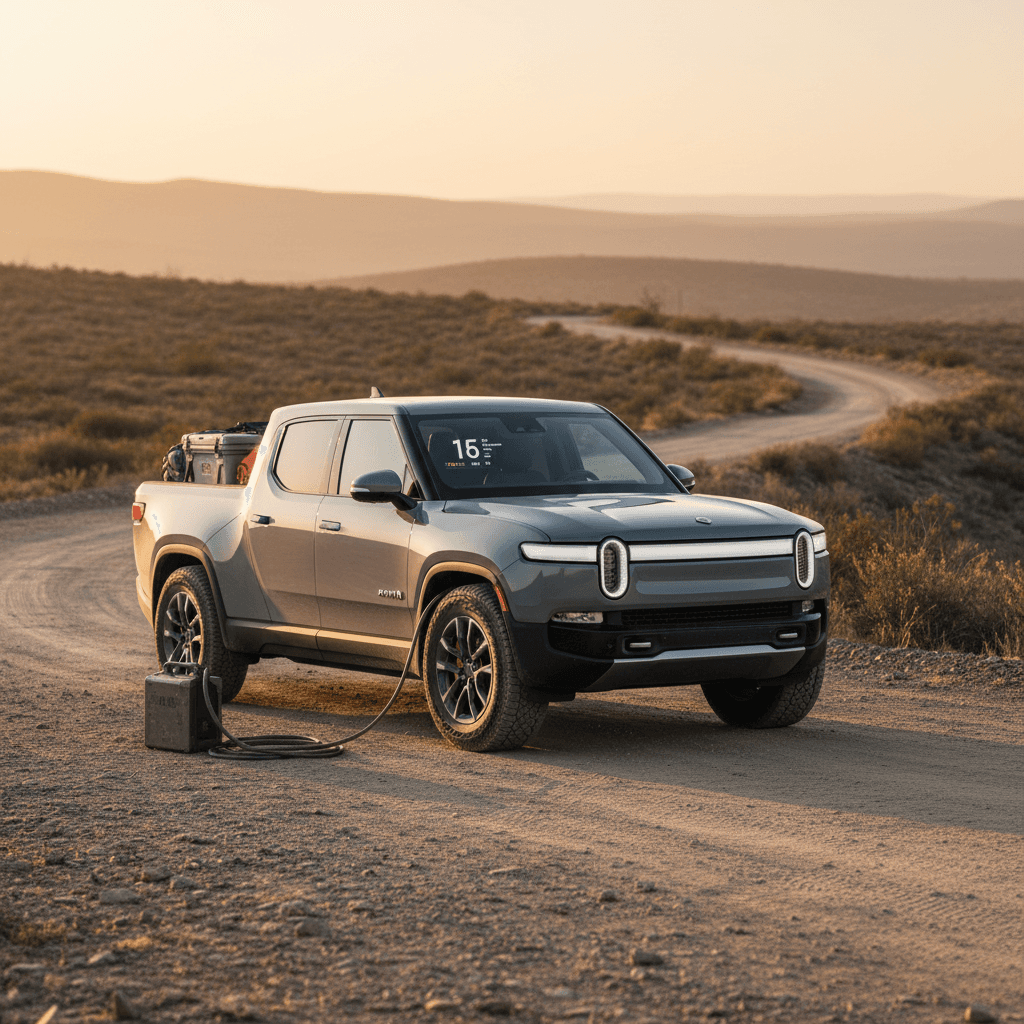
A model-year 2025 range result is only useful when the test identifies the truck’s battery configuration and operating conditions. Recharged’s available material features a large-pack, quad-motor R1T described as achieving over 350 miles of range, but it does not document a full controlled-test protocol. That distinction matters if you’re comparing the result with another truck, planning a highway trip or shopping for a used Rivian R1T.
What range result can we verify?
The available Recharged evidence supports an over-350-mile range claim for a large-pack R1T with a quad-motor setup. It does not record the route, average speed, weather, payload, starting charge, ending charge or whether the figure came from a continuous road test. You should therefore read it as evidence of what that configuration can offer, not as a universal result for every model-year 2025 R1T.
Range is a major R1T strength, but the truck’s usefulness also comes from how it combines those miles with a spacious frunk, gear tunnel, passenger room and pickup bed.
Configuration comes before comparison
Not every range number measures the same thing
A controlled road test is the most useful measure of what one specific R1T delivered under documented conditions. An estimated range shown by the truck is a prediction, while a published configuration figure is a planning reference rather than proof of miles traveled. A battery inspection answers a different question by showing whether a used pack can still store energy as expected.
How to read R1T range evidence
Use the source and test method, not just the largest number, to decide how much weight a range result deserves.
| Range evidence | Best use | Main limitation |
|---|---|---|
| Configuration figure | Trip planning | Not a road result |
| Displayed estimate | Current-trip guidance | Changes with conditions |
| Controlled road test | Real-world comparison | Route-specific |
| Battery diagnostic | Used-pack evaluation | Not a trip test |
Different range measurements answer different ownership questions.
What changes R1T range on the road?
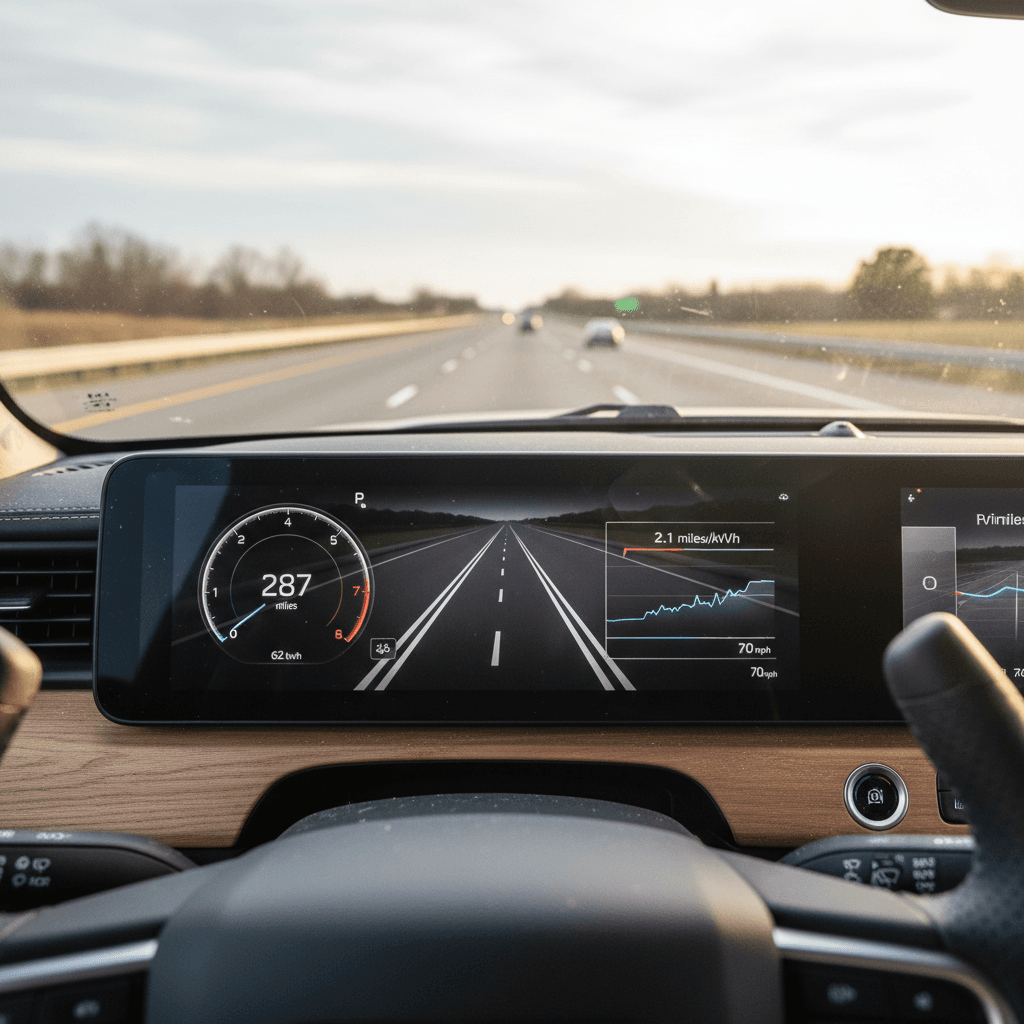
Speed, temperature, payload, towing, tires, elevation and cabin climate use can all change how far an R1T travels. Highway speed is especially important for a large electric truck because aerodynamic resistance rises as you drive faster. Cold weather can also increase energy demand for the battery and cabin, which is why a warm-weather result may not predict your winter trip; see our guide to EV range in cold weather for the practical implications.
What a useful range test should document
Exact configuration
Record the battery, motor setup, wheels and tires.
Starting and ending charge
State whether the test used the full battery or only part of it.
Route and speed
Identify highway, city and elevation conditions plus average speed.
Weather and climate use
Record temperature, wind and heating or air-conditioning use.
Payload and towing
List passengers, cargo and any trailer attached to the truck.
Energy consumption
Report the truck’s efficiency reading alongside total miles traveled.
If those details are missing, don’t use a single result as a promise. Instead, compare tests with similar routes and conditions, then keep a practical charging buffer for long trips. Our EV range-testing explainer covers why repeatable methods matter.
What Recharged’s own data adds
Recharged’s diagnostics show why battery condition should accompany any used-EV range discussion. Across 2,242 EVs inspected for a Recharged Score, tested remaining battery capacity averaged 93.9% of original capacity and had a 94.9% median. Those are fleetwide figures rather than R1T-only results, so they provide context for evaluating a used battery but do not establish the range of an individual Rivian.
Recharged also had 15 matching Rivian R1T listings in the current snapshot, with asking prices from $52,599 to $98,997 and a median of $62,998. That broad price range reinforces the need to compare configuration, condition and battery diagnostics rather than shopping on mileage or price alone. The practical takeaway is simple: use the range claim to narrow your search, then use vehicle-specific diagnostics to assess the truck you may buy.
For a used R1T, we want shoppers to look beyond the dashboard estimate. A battery-health inspection gives you vehicle-specific evidence that a generic range claim cannot provide.
Recharged data
Used EV battery health
94%
avg remaining capacity
From Recharged battery inspections, not manufacturer estimates.
- Lowest
- 63%
- Median
- 95%
- Highest
- 100%
- Est. range
- 266 mi avg
- Cell balance pass
- 100%
- Quick charges
- 18 avg
- Slow charges
- 65 avg
Average cell imbalance: 7.3 mV
Based on vehicles Recharged tested
Recharged data
Used Rivian R1t prices at Recharged
$62,998
median list price
Current list prices for matching inventory at Recharged.
- Lowest
- $52,599
- Average
- $68,171
- Highest
- $98,997
Based on available listings
Every EV is battery-tested with a Recharged Score. Nationwide delivery.
How should you evaluate a used R1T?
You should evaluate a used R1T by pairing its battery configuration with verified battery health and a drive that resembles your routine. Check whether the displayed estimate stabilizes during the drive, review recent energy consumption and note weather, speed and climate settings. Recharged includes a Recharged Score Report with verified battery health so you can interpret a truck’s range in the context of its tested remaining capacity; learn more in our EV battery-health guide.
- Confirm the battery and motor configuration.
- Review verified remaining battery capacity.
- Inspect tires and note their size and condition.
- Check recent energy-consumption history.
- Drive at your typical highway speed when practical.
- Plan around charging access, not the maximum range claim alone.
Instant offer, trade-in, or consignment. Pickup available.
Rivian R1T range test FAQ
The bottom line
The defensible conclusion is that the featured large-pack, quad-motor R1T supports an over-350-mile expectation, not a universal model-year 2025 test result. For an apples-to-apples comparison, require a documented route, speed, weather, payload and state-of-charge window. When you’re buying used, pair that range evidence with vehicle-specific battery diagnostics and charging plans that leave a reasonable buffer.