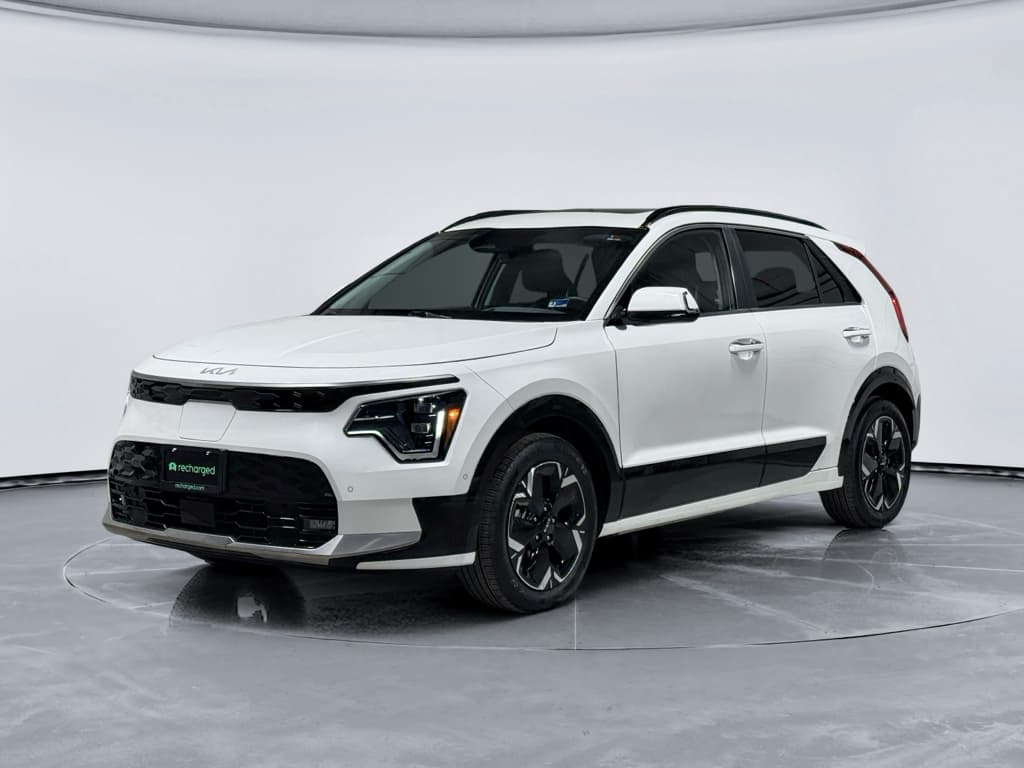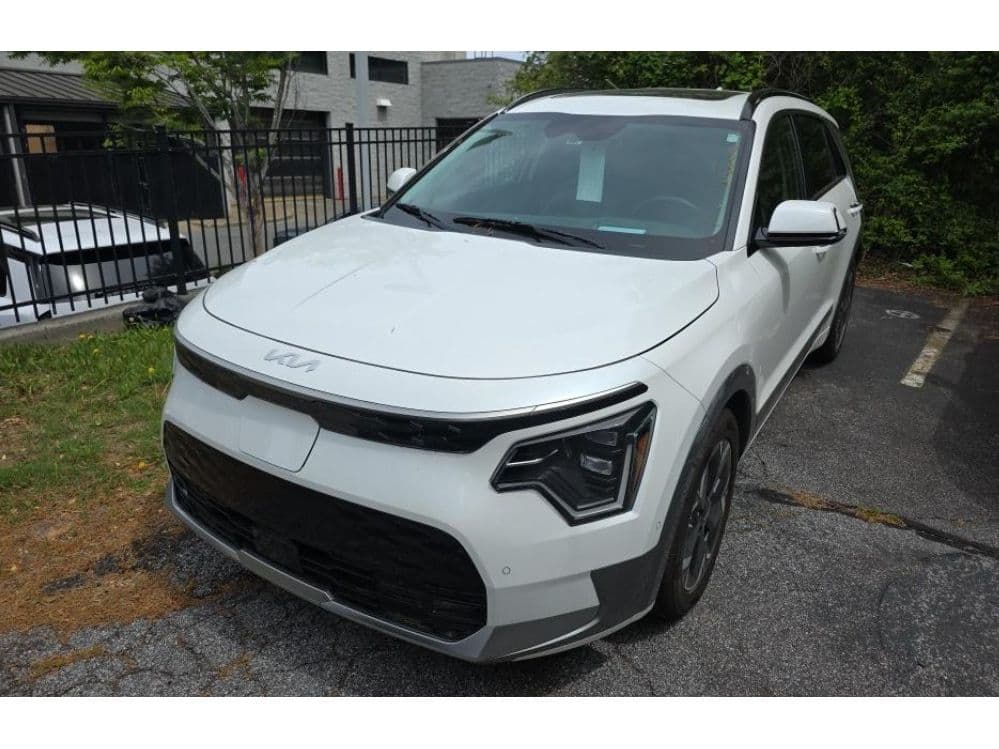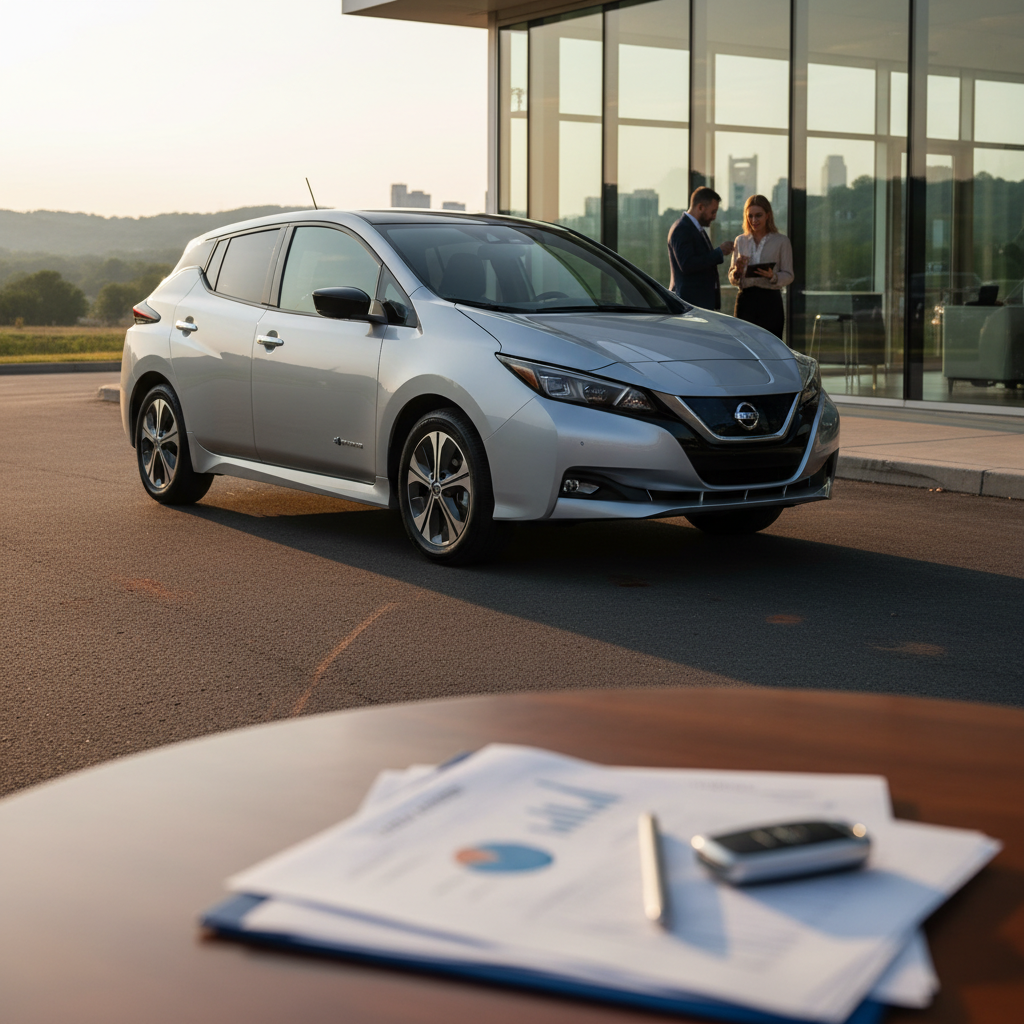
If you’re looking at a Kia Niro EV in 2026, you’re probably trying to figure out what it will really cost to maintain over the next few years. The good news: Kia Niro EV maintenance costs in 2026 are typically much lower than a comparable gas or hybrid Niro, but there are a few EV‑specific items you’ll want to budget for, especially as the miles add up.
Key takeaway
Kia Niro EV maintenance cost in 2026: overview
Kia Niro EV maintenance at a glance (2026)
Most of what you’ll spend to maintain a Niro EV isn’t on the electric bits at all. Tires, brake fluid, and coolant inspections are the big recurring items, along with standard checks you’d see on any compact SUV. Thanks to regenerative braking and no engine oil, EV maintenance line items are simply fewer than what you’d see on a gas Niro.
Dealer menu pricing can mislead
How much per year to maintain a Kia Niro EV?
Let’s translate the schedule into real numbers. Combining tire wear, brake fluid, cabin filters, inspections and occasional coolant work, a typical U.S. owner in 2026 can plan on the following, assuming 12,000–15,000 miles per year:
Estimated Kia Niro EV annual maintenance cost in 2026
Approximate averages for a Niro EV kept on its recommended schedule. Actual costs vary by region, labor rates, driving style, and tire choice.
| Ownership Year | Low Estimate (DIY/indie shop) | High Estimate (dealer, heavy tire wear) | What’s Typically Included |
|---|---|---|---|
| Year 1 | $250 | $450 | Tire rotations, inspection, cabin filter if needed |
| Year 2 | $400 | $700 | Rotations, brake inspection, first brake fluid service at some shops |
| Year 3 | $500 | $800 | New tires for many drivers, rotation and alignment |
| Year 4 | $550 | $900 | Brake fluid again, possible coolant service, wear items |
| Year 5 | $600 | $950 | Second tire set for higher‑mileage owners, routine checks |
Use these as planning numbers, not quotes, always confirm with your local shop or Kia dealer.
Over the first five years, that works out to roughly $2,500–$3,800 total maintenance spend on a Kia Niro EV for a typical driver, well below what most compact gas SUVs cost to maintain over the same period, once you factor in oil changes, transmission service, and exhaust‑system wear.
Think in cost per mile
Kia Niro EV maintenance schedule for 2026
Kia’s official maintenance schedule for the Niro EV is built mainly around mileage, with 7,500–8,000‑mile basic service intervals and a few bigger milestones where fluid changes and inspections stack up. The exact grid lives in your owner’s manual and the 2026 Niro EV Features & Functions Guide, but this simplified view captures the high points so you can plan your budget.
- Every 7,500–8,000 miles: Tire rotation, brake inspection, general EV system checks, fluid level checks
- Every 15,000–16,000 miles: Above, plus cabin air filter check or replacement as needed
- Around 24,000–30,000 miles: First brake fluid service at many shops, plus regular inspections
- Around 30,000–40,000 miles: High‑voltage coolant inspection; some dealers recommend first coolant service in this window depending on model year and TSBs
- Around 48,000–60,000 miles: Repeat brake fluid, cabin filter, deeper suspension and steering checks; potential 12V battery replacement
- Beyond 75,000–90,000 miles: Additional coolant service intervals and more frequent wear‑item replacements (tires, 12V battery, brake hardware)
Normal vs. severe service
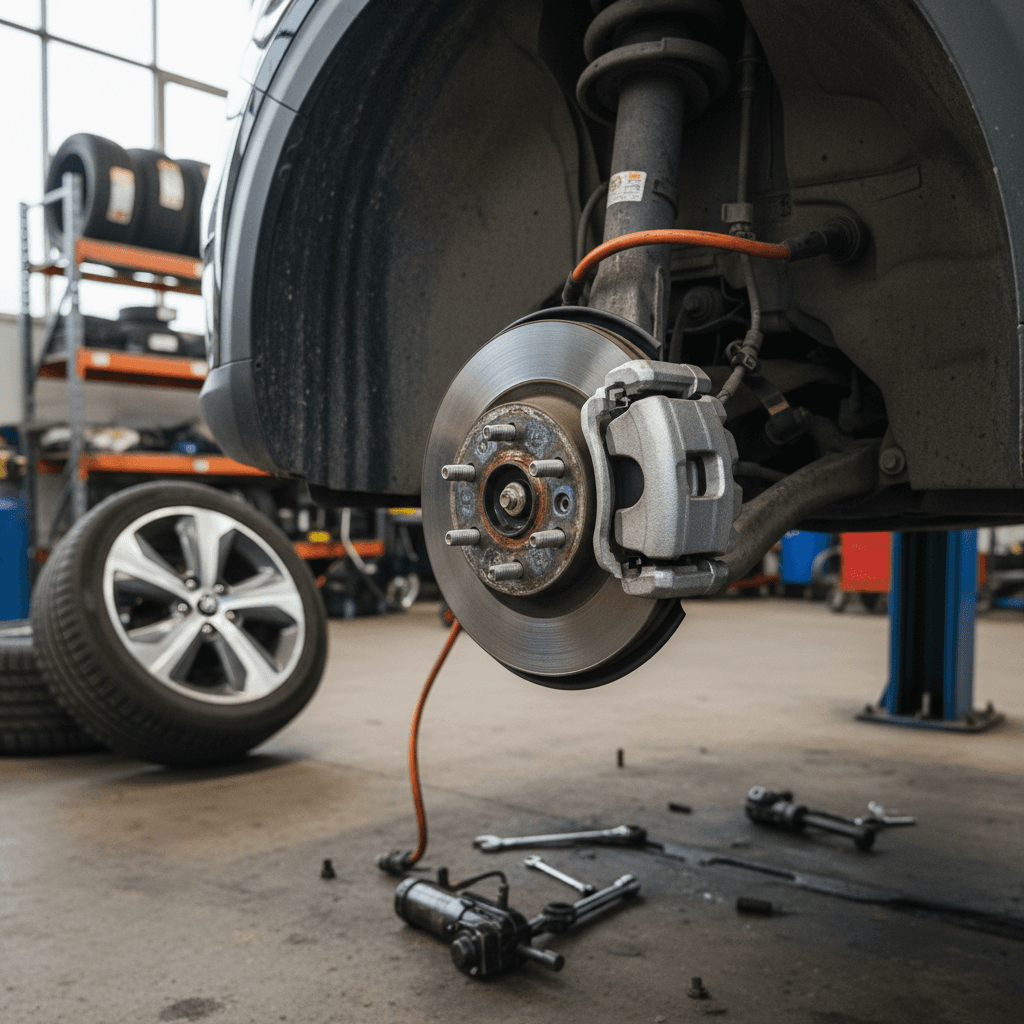
Major Kia Niro EV service items and typical costs
To get a realistic picture of 2026 Kia Niro EV maintenance costs, you need to know which items actually drive the bill. Here’s how the big ones usually break down.
Core Kia Niro EV maintenance items
These are the services most likely to show up on your 2026 repair orders.
Tires
What to expect: The Niro EV is heavier than a gas Niro, and instant torque can chew up tires faster if you drive hard.
- Typical life: 25,000–40,000 miles
- Replacement cost: $650–$1,000 for a full set with mounting and balancing, depending on wheel size and brand
- Rotations: often included or ~$40–$80 per visit
Brake fluid
EVs still use conventional hydraulic brakes. Fluid absorbs moisture over time, which can corrode components and lengthen stopping distances.
- Interval: commonly every 2–3 years or ~24,000–30,000 miles
- Cost: $130–$220 at most dealers, less at independent shops
Battery & inverter coolant
The Niro EV’s high‑voltage battery and power electronics rely on a liquid cooling system.
- Interval: inspection every service; full replacement generally around 8 years/100,000 miles, with some earlier services depending on TSBs
- Cost: $250–$500 for a full coolant service, mainly labor
Cabin air filter & HVAC
Filters clean the air you breathe and keep the HVAC system happy.
- Interval: ~15,000–30,000 miles (or sooner in dusty or urban areas)
- Cost: $40–$80 DIY, around $100–$160 at a dealer
12V auxiliary battery
This small battery powers accessories and control modules, even though propulsion comes from the big pack.
- Typical life: 4–6 years
- Replacement cost: $200–$350 installed
Inspections & alignments
These don’t always show up as line‑item “maintenance,” but they matter for tire life and safety.
- Annual inspection: $75–$150 at many shops
- Wheel alignment: $120–$200 if you notice uneven wear or pulling
Don’t ignore coolant or brake fluid
Niro EV vs hybrid vs gas: maintenance comparison
If you’re cross‑shopping Niro powertrains, it helps to look at the bigger picture. You’ll spend less on maintenance with the Niro EV than on a similar‑year hybrid or gas Niro, even though tires might be a bit more expensive.
Estimated 5‑year maintenance cost: Niro EV vs Niro Hybrid vs gas compact SUV
High‑level comparison based on 12,000–15,000 miles per year and typical U.S. costs in 2026.
| Vehicle Type | 5‑Year Maintenance Estimate | Average Annual Maintenance | Notes |
|---|---|---|---|
| Kia Niro EV | $2,500–$3,800 | $500–$750 | No oil changes or exhaust work; higher tire load and periodic fluid services |
| Kia Niro Hybrid | $3,500–$4,500 | $700–$900 | Engine oil, transmission fluid and more complex powertrain increase cost |
| Typical gas compact SUV | $4,000–$5,500 | $800–$1,100 | Oil, transmission, exhaust, belts and more frequent brake work |
Fuel costs are separate, this table focuses only on maintenance and wear items.
Several cost‑of‑ownership studies published through 2024 and 2025 have consistently found that EVs have lower scheduled maintenance costs than comparable gas vehicles, and Kia’s own maintenance‑plan marketing leans into that advantage. The Niro EV fits that pattern nicely.
Where the Niro EV really saves
Planning for 5 years of Kia Niro EV maintenance
Instead of being surprised by each service visit, it helps to map out a five‑year Kia Niro EV maintenance plan based on your expected mileage. Here’s a sample for a 2023–2026 Niro EV driven 12,000 miles per year in the U.S.
Sample 5‑year maintenance roadmap for a Kia Niro EV
Year 1: Establish a baseline
Do the initial 7,500–8,000‑mile inspection and tire rotation. Make sure the dealer or shop checks for open recalls or service bulletins, and verify that any Kia‑recommended software updates have been done.
Year 2: First fluid service
Expect another rotation and inspection plus a <strong>brake fluid flush</strong> at many shops. If you’re considering a prepaid maintenance plan, compare its cost to just paying out of pocket for these early services.
Year 3: Tires & alignment
Many Niro EVs will need their first full set of tires by 30,000–40,000 miles. Budget $650–$1,000, including a four‑wheel alignment to protect your new rubber.
Year 4: Deeper checks
Plan for another brake fluid service, cabin filter replacement, and a detailed suspension and steering inspection. Ask your service advisor to review the battery and inverter coolant system for leaks or early service needs.
Year 5: Second tire cycle, catch‑up items
Heavy‑mileage owners might be ready for a second set of tires by 60,000–70,000 miles. This is also when some 12V batteries begin to age out. Have starting performance and voltage checked at each visit.
Any time: Software & recalls
Because the Niro EV is heavily software‑driven, plan to have firmware updates checked every year or two. These are often free and can improve charging behavior, efficiency, and diagnostics.
Build maintenance into your monthly budget
Instead of treating each service as a surprise, take your five‑year estimate and divide it by 60. For many Niro EV owners, that’s around $40–$65 per month set aside for maintenance and wear items.
Combine that with your charging costs and insurance, and you’ll have a realistic monthly cost‑of‑ownership number to compare against other vehicles.
Buying used? Look backward, not just forward
On a used Kia Niro EV, past maintenance matters just as much as future budgeting. Service records that show regular tire rotations, brake fluid services, and coolant inspections are strong signs of a car that’s been cared for.
This is where tools like the Recharged Score battery‑health report and verified maintenance history help you predict what you’ll spend after you buy.
Used Kia Niro EV: what to check on maintenance
If you’re shopping the used market in 2026, maintenance history can make or break the deal. A Niro EV that’s been driven hard with little documented service may have looming costs hidden behind an attractive price.
Maintenance checks for a used Kia Niro EV
Run through this list before you commit to a pre‑owned Niro EV.
1. Tire condition & records
Uneven wear or mismatched tires can point to skipped rotations or alignment issues. Ask for rotation records at 7,500–8,000‑mile intervals and look closely at tread depth on inner and outer shoulders.
2. Brake fluid age
Look for a receipt showing a brake fluid service within the last 2–3 years. Dark, dirty fluid in the reservoir or a spongy pedal can signal overdue maintenance.
3. Coolant leaks or service history
Ask whether any high‑voltage coolant work has been done, sometimes these services are covered by bulletins. Inspect under the car and around coolant lines for dried residue or staining.
4. 12V battery health
A weak 12V battery can cause strange warning lights and no‑start conditions even when the main pack is fine. A simple test at a shop or parts store can reveal whether a replacement is imminent.
5. High‑voltage battery health
Pull up the car’s estimated range at 100% charge and compare it with the original EPA figure. Large gaps can indicate non‑ideal usage or battery degradation, though driving conditions also matter.
6. Service records vs. Kia schedule
Compare the owner’s stack of receipts to Kia’s official maintenance schedule. You’re looking for a pattern of regular care, not perfection. Gaps around major intervals may justify a lower price.
How Recharged helps on used Niro EVs
Ways to lower your Kia Niro EV maintenance costs
You can’t skip fluid changes or tires forever, but you can manage 2026 Kia Niro EV maintenance costs with a few smart habits.
- Rotate tires every 7,500–8,000 miles and keep pressures at the door‑jamb spec to extend tire life
- Drive smoothly, hard launches and heavy braking add heat and wear to tires and brakes
- Get quotes from at least two Kia dealers and one independent EV‑savvy shop for bigger services
- Use the owner’s manual schedule, not just the dealer’s menu, to decide what’s actually due
- Handle simple items like cabin filters yourself if you’re comfortable with DIY
- Bundle alignment checks with new tires instead of paying for multiple alignments in short succession
Prepaid maintenance plans: run the math
FAQ: Kia Niro EV maintenance cost in 2026
Frequently asked questions about Kia Niro EV maintenance
Bottom line: is Kia Niro EV maintenance cheap in 2026?
When you zoom out, the Kia Niro EV is one of the more affordable compact SUVs to maintain in 2026. You’ll still buy tires, brake fluid, and the occasional coolant or 12V battery service, but you skip much of the expensive complexity that comes with gas engines and traditional transmissions.
If you’re comparing a Niro EV to other compact SUVs, build your budget around 3–5 cents per mile in maintenance, then layer in charging, insurance, and depreciation. If you’re shopping used, focus hard on service history and battery health, two areas where Recharged’s transparent reports, Recharged Score, and EV‑specialist support can help you find a car that looks good on paper and stays affordable to own once it’s in your driveway.