If you own a Kia Niro EV or you’re thinking about buying one used, you’ve probably heard about battery coolant flushes and eye‑watering quotes from some dealers. The good news is that a Kia Niro EV coolant flush is an occasional expense, not a yearly one, but it can still run a few hundred dollars if you’re not prepared. Let’s break down realistic costs, when you actually need the service, and how to avoid overpaying.
Quick answer: typical Kia Niro EV coolant flush cost
Why Kia Niro EV coolant matters (and what it actually does)
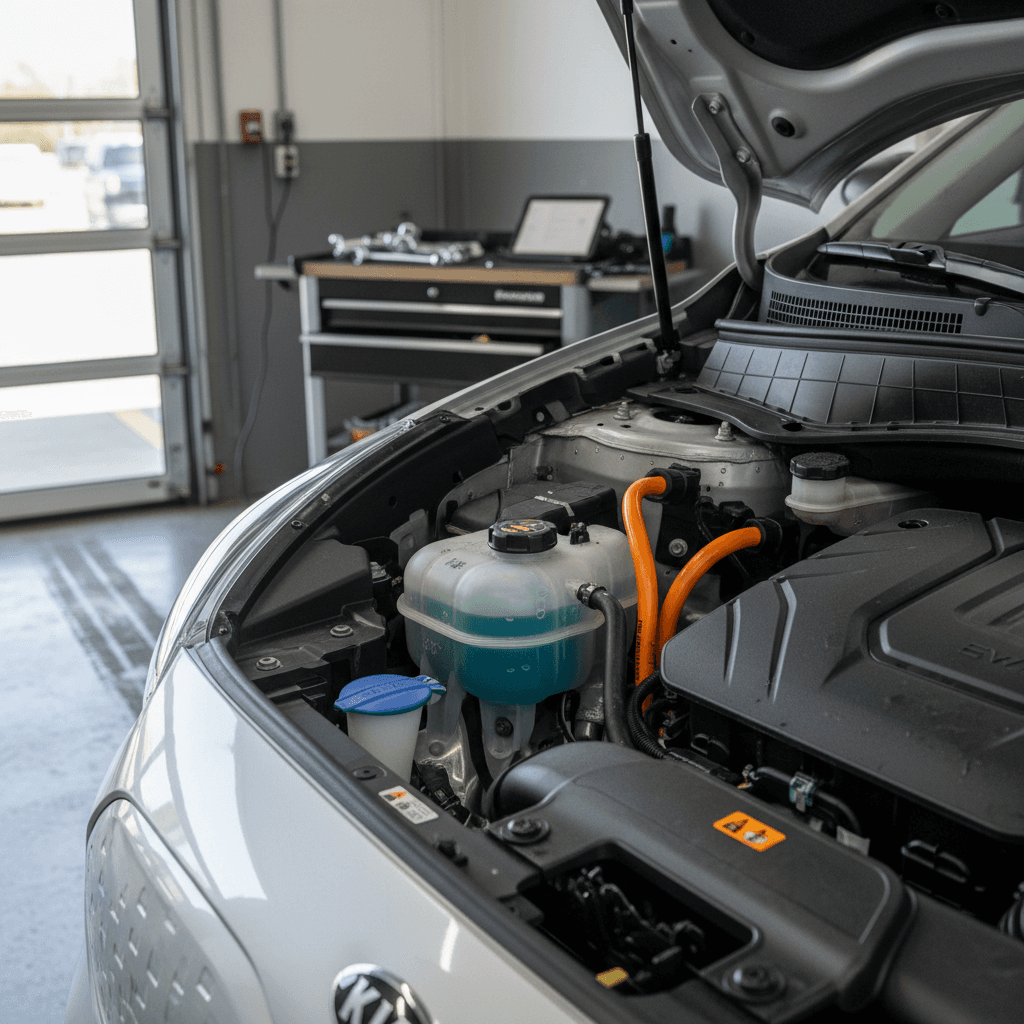
Unlike a gas Niro, your Niro EV doesn’t have engine oil changes or radiator flushes to worry about, but it does have a liquid cooling system for the high‑voltage battery, inverter, and drive unit. That coolant runs through channels and a chiller to keep the battery in its happy temperature window, which directly affects performance, fast‑charging speed, and long‑term battery health.
- The coolant is a specialized long‑life EV fluid, not generic green antifreeze.
- It circulates through the battery pack, power electronics, and sometimes the onboard charger.
- Over time it can degrade, pick up contaminants, or form deposits, especially if the factory fill had issues.
- If coolant overheats or drops low, you can see inverter/battery temperature warnings and reduced power.
Don’t treat EV coolant like old‑school radiator fluid
How much does a Kia Niro EV coolant flush cost?
Typical Kia Niro EV coolant service price ranges (2026)
Think of a Kia Niro EV coolant flush as a more specialized version of the radiator service you might remember from a gas car. The fluid itself is relatively cheap; you’re paying for time, training, and equipment.
Kia Niro EV coolant flush cost breakdown
Approximate U.S. pricing for out‑of‑warranty Niro EV coolant service in 2025–2026. Your local quotes will vary, but this gives a realistic budgeting range.
| Service scenario | What’s typically done | Typical cost (USD) |
|---|---|---|
| Basic coolant inspection & top‑off | Check level and condition, top off with Kia‑spec coolant if slightly low | $0–$80 |
| Scheduled coolant flush (battery/inverter loop) at independent EV shop | Drain and refill with OEM‑spec coolant, bleed system, basic leak check | $250–$450 |
| Scheduled coolant flush at Kia dealer | Same as above, plus dealer overhead and shop supplies | $300–$600 |
| Coolant service tied to repair (e.g., chiller, pump, hose) | Component replacement plus full coolant refill and bleed | $800+ |
Use this table as a budgeting tool, not a binding quote, always confirm with your local shop.
Ask what’s included in the quote
Dealer vs independent shop for Niro EV coolant service
Pros of a Kia dealership
- Factory procedures: Techs have access to Kia service bulletins and the latest procedures for Niro EV coolant issues.
- Campaign coverage: If your car is subject to a recall or service action, the flush may be free or discounted.
- Warranty alignment: If you’re still under warranty, the dealer is usually the right first stop for coolant warnings.
Pros of an EV‑savvy independent shop
- Lower labor rates: Hourly rates are often meaningfully lower than franchise dealers in the same area.
- More flexibility: Some independents will work with you on timing, loaners, or shuttle service.
- Personalized advice: A good EV specialist can explain what they found in the coolant and how your driving or climate affects future service.
Avoid shops that don’t know EVs
Kia Niro EV coolant change intervals by model year
Here’s where things get confusing. Kia has updated Niro EV coolant intervals over the years, and some owners have also had one‑time coolant flushes done under service bulletins related to early coolant formulations.
Typical Niro EV coolant intervals (always confirm in your owner’s manual)
Use this as a starting point, not a substitute for your specific maintenance schedule.
2019–2022 Niro EV (first generation)
- Many manuals call for a battery system coolant flush around 37,500 miles or similar early interval.
- Some owners also see later coolant changes around 75,000–112,500 miles in app/service schedules.
- Several service bulletins have addressed coolant quality and inverter warnings, some dealer flushes have been done at no charge as a result.
2023–2024 Niro EV (redesigned)
- Later manuals tend to show a much longer initial interval, for example, around 120,000 miles or 120 months for the first coolant change, then shorter intervals after.
- Intervals may differ slightly by market and software revision; check your specific manual or Kia app.
What you should do
- Pull up the latest maintenance schedule for your exact model year and trim.
- Look for items labeled EV coolant, battery system coolant, or inverter coolant.
- If your schedule shows an early flush (like 37,500 miles), budget for it, unless a dealer confirms it was already done under a campaign.
Always default to the latest official schedule
Signs your Niro EV may need coolant service sooner
Most Niro EVs will reach their first coolant service interval without drama. But a few warning signs should prompt a trip to the dealer or an EV specialist, even if you’re technically “early” on miles or years.
Red flags that justify an earlier coolant inspection
Dashboard messages about inverter or battery coolant
If you see warnings like "inverter coolant low" or temperature alerts, don’t ignore them. Reduced power and limp‑home behavior can follow if the system can’t keep up.
Coolant reservoir level dropping over time
Some level change after a flush is normal as air works its way out, but steady drops can indicate a leak or improper bleeding that needs attention.
Visible leaks or dried residue
Look for pink or blue stains under the front of the car or around coolant lines and the reservoir. Any obvious leak should be addressed quickly.
Unusual pump noises or frequent fan operation
If you hear new whirring or buzzing from the front of the car, even when parked and charging, it may be the coolant pump working overtime to keep temperatures in check.
History of recall or TSB work
If a prior owner had a coolant‑related campaign completed, confirm that the system was properly flushed, filled, and bled. Ask for the repair order if you can get it.
Don’t top off with the wrong fluid
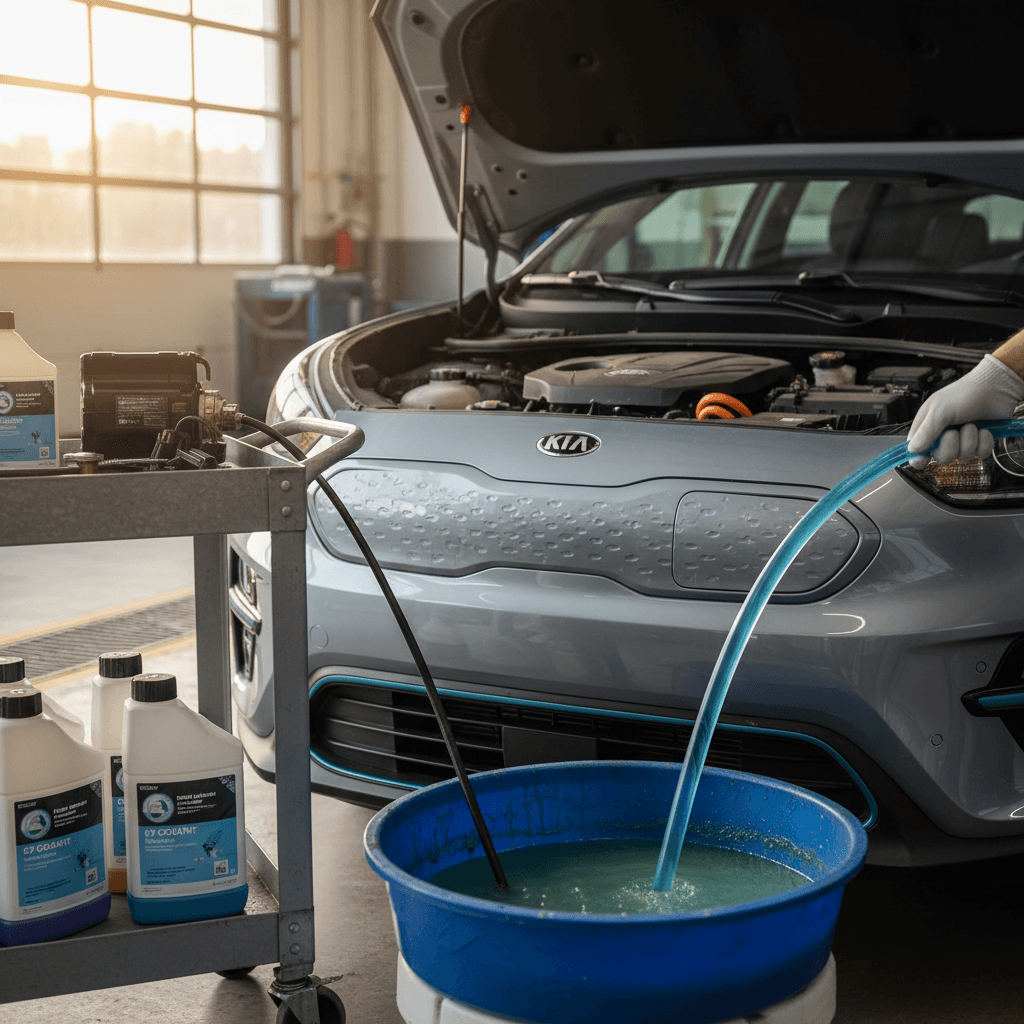
How a Kia Niro EV coolant flush is actually done
You don’t need to perform this job yourself, but understanding the process helps you gauge whether a $300 or $500 quote is reasonable, and recognize when a shop is taking shortcuts.
- Vehicle is powered down, high‑voltage safety procedures are followed, and the car is placed on a lift.
- The technician drains the EV coolant from the battery/inverter loop using factory‑specified points and equipment.
- Components like the chiller, pump, and hoses are inspected for leaks or damage.
- The system is refilled with the correct Kia‑spec long‑life EV coolant in the proper mixture.
- Specialized tools or vacuum fill equipment are used to bleed air out of the cooling loop, critical for avoiding hot spots in the pack.
- The tech runs the coolant pump and fans through a test routine, checks for leaks, clears any fault codes, and verifies normal operation.
Ask about labor time, not just price
Budgeting a coolant flush into Niro EV ownership costs
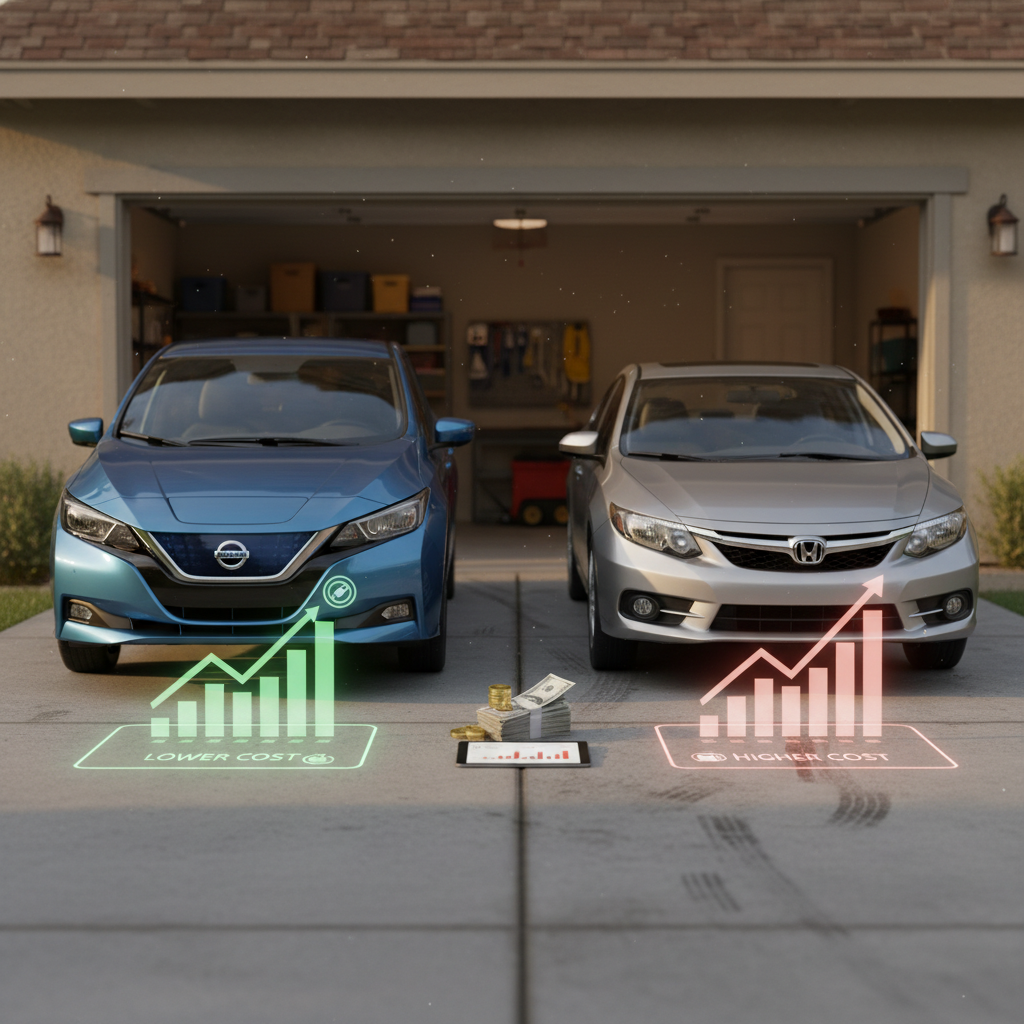
One reason EVs are attractive is low routine maintenance: no oil changes, fewer moving parts, and long service intervals for most fluids. A coolant flush is one of the few “big ticket” maintenance items you’ll see on a Niro EV, but it’s still relatively rare over the life of the car.
Where coolant flush fits in your Niro EV maintenance budget
Approximate U.S. ownership costs assuming mainstream Kia Niro EV trim, averaged over the first 8–10 years.
| Item | Typical interval | Typical cost | Annualized cost |
|---|---|---|---|
| Tire rotation | 7,500–10,000 miles | $40–$80 | $40–$80 |
| Cabin air filter | Every 1–2 years | $60–$150 | $30–$75 |
| Brake fluid flush | Every 3–5 years | $120–$200 | $25–$65 |
| Coolant service (battery/drive unit) | Every 8–10 years, or per Kia schedule | $300–$600 | $30–$60 |
| Basic annual inspection | Yearly | $75–$150 | $75–$150 |
Real numbers will vary, but this comparison shows why coolant service is an occasional spike, not an annual headache.
The big picture: still low maintenance
Coolant flush tips if you’re shopping for a used Niro EV
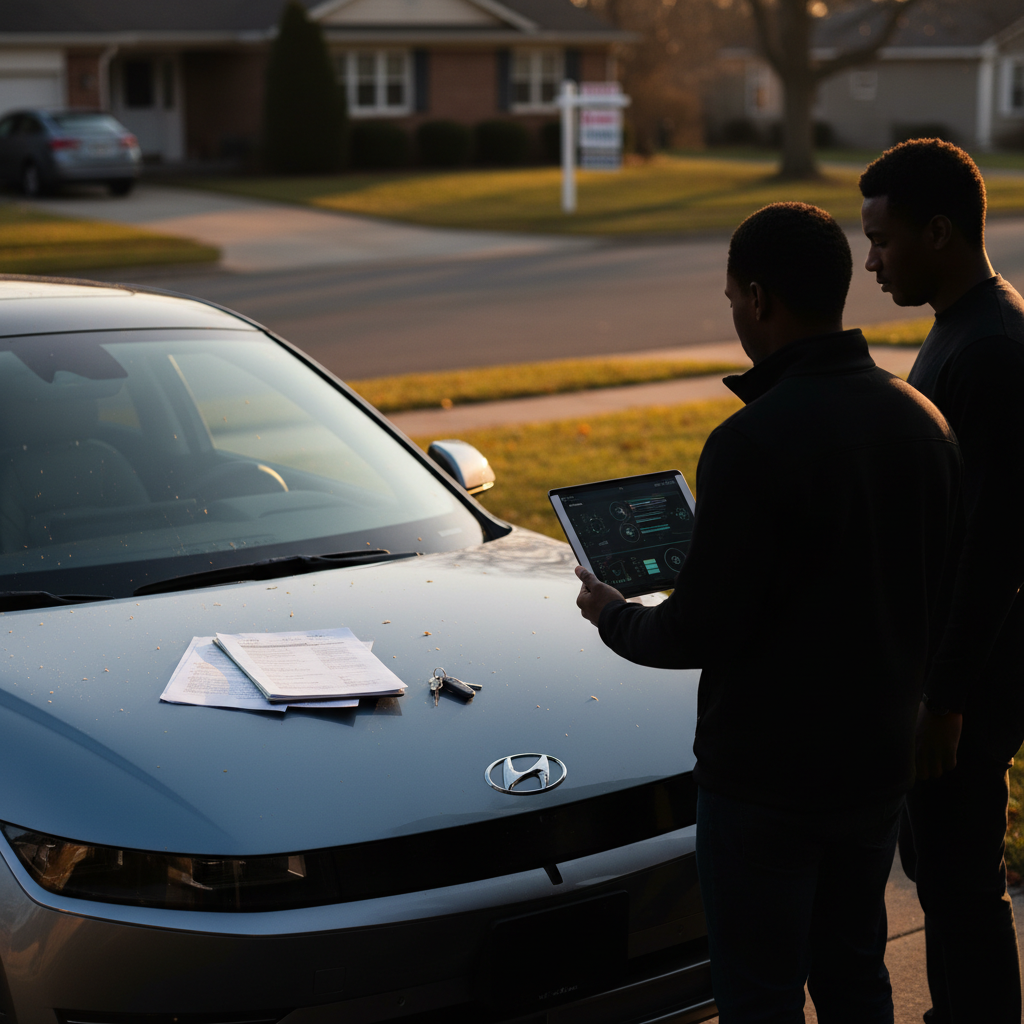
If you’re looking at a used Kia Niro EV, especially a 2019–2022 model, it pays to ask a few targeted questions about the cooling system. That’s exactly the kind of detail most sellers and salespeople gloss over, but it matters for long‑term peace of mind.
Used Niro EV: coolant‑related questions to ask
Has the coolant ever been flushed or replaced?
If the car is near or past its first scheduled interval, ask for service records. A documented coolant flush done by a Kia dealer or EV specialist is a plus, not a red flag.
Were any recalls or service campaigns done?
Some early Niro EVs have had coolant‑related service bulletins. If the seller has paperwork showing that work, it may mean you’re already ahead of schedule on the first flush.
Any history of inverter or coolant warnings?
Ask directly about any warning lights, overheating messages, or limp‑mode incidents. Intermittent coolant‑related faults can be tricky to chase and may justify a pre‑purchase inspection.
What does the coolant look like today?
A pre‑purchase EV inspection can include a visual check: proper level, no discoloration, and no obvious contamination. Sludge or debris in the reservoir is a red flag.
Factor coolant service into your offer
If you’re close to a scheduled coolant change, build that into your budget or negotiation. Knowing a flush might run <strong>$300–$600</strong> helps you decide whether to push for a lower purchase price.
How Recharged helps with cooling‑system questions
FAQ: Kia Niro EV coolant flush cost & service
Common Kia Niro EV coolant flush questions
Bottom line: what to expect from Kia Niro EV coolant costs
Over its life, a Kia Niro EV is still a low‑maintenance vehicle compared with a similar gas crossover. A battery coolant flush is one of the relatively rare but important services that protects the heart of the car, the high‑voltage pack and power electronics. In practical terms, you’re looking at $300–$600 every 8–10 years or at the interval Kia specifies, with the possibility of lower costs at a trusted independent EV shop.
If you already own a Niro EV, the smartest move is to confirm the current maintenance schedule for your exact model year and ask your dealer whether any coolant‑related campaigns have been performed. If you’re shopping used, build a potential coolant flush into your budget and lean on tools like the Recharged Score Report to understand the car’s battery health and upcoming maintenance before you sign. A little homework up front can turn that mysterious coolant line item into just another predictable part of EV ownership.