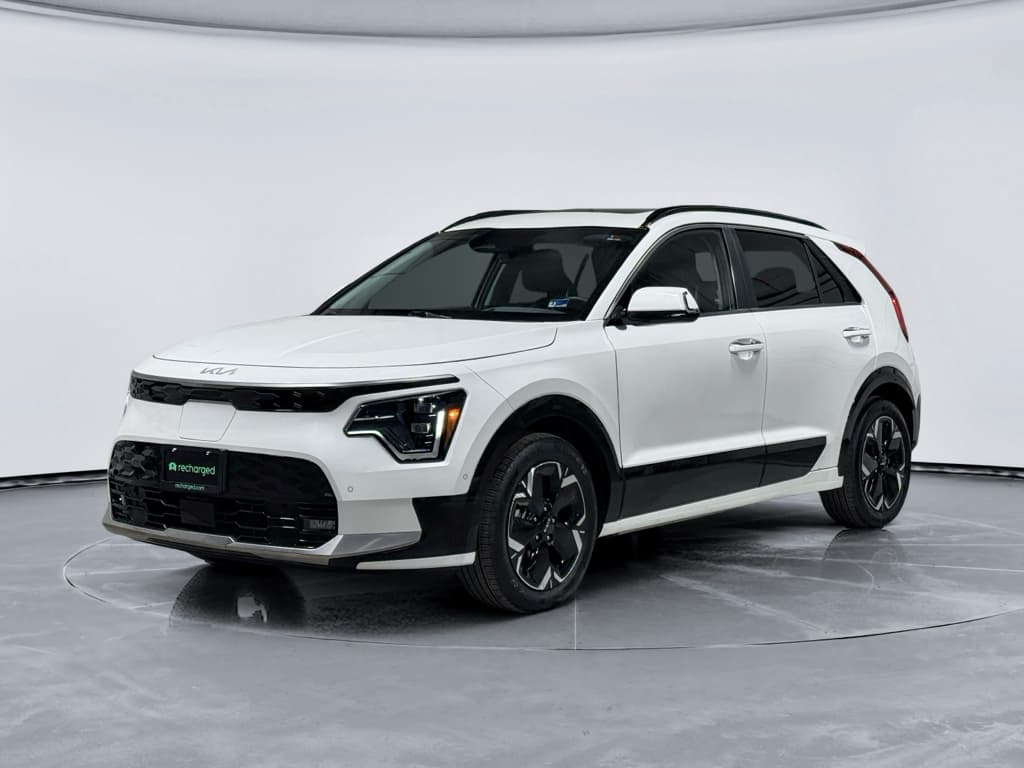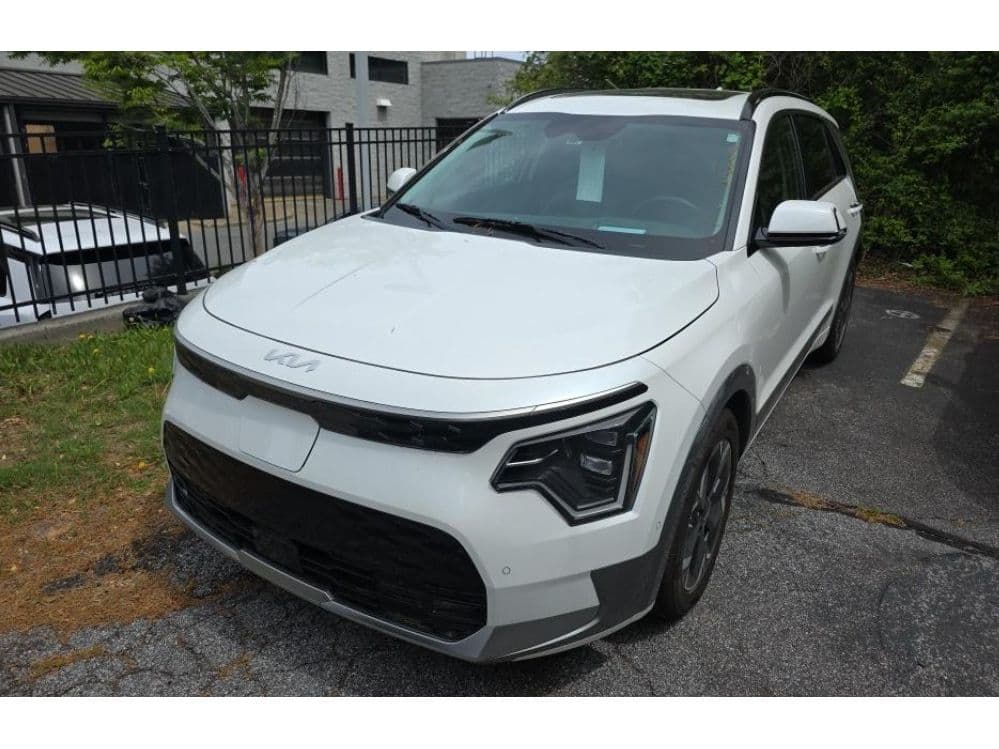
If you’re shopping for a Kia Niro EV, you’ve probably seen horror stories about rising electric car insurance. The good news: the Kia Niro EV cheapest insurance scenarios are actually quite competitive, often lower than sporty EVs and even some gas SUVs, if you set things up the right way.
Quick snapshot
Why Kia Niro EV insurance can be cheaper than you think
Insurers don’t really price your Niro EV like a niche luxury EV. They look at claim history, repair costs, safety performance, and driver behavior. On those fronts, the Niro EV quietly scores well. Owners tend to be conservative drivers, the car has strong crash ratings, and real‑world claim losses have historically been lower than average for 2019–2022 Niro EVs, which can translate into lower premiums compared with riskier models like performance EVs or big three‑row SUVs.
Kia Niro EV insurance in context (2025–2026 data)
Reality check on "cheap"
How much does Kia Niro EV insurance actually cost in 2026?
Let’s put real numbers behind the averages so you know what “cheap” actually looks like. Different data sources cut the numbers in different ways, but a picture emerges when you look across them.
Typical Kia Niro EV insurance cost ranges (U.S., full coverage)
These are comparison tools, not quotes. Your rate will depend heavily on your age, driving record, location, credit, coverage limits, and how much you drive.
| Source / scenario | What it’s describing | Approx. annual cost | Notes |
|---|---|---|---|
| Recharged model comparison (late 2025 / early 2026) | Typical annual full‑coverage premium for a 35‑year‑old with a clean record, good credit | $1,800–$2,200 | Benchmarks the Niro EV against other mainstream EVs; sits on the cheaper side of the compact crossover segment. |
| Recharged Niro‑specific guide (2025) | Common range many Niro EV drivers actually see in 2025 | $1,600–$2,500 | Shows how much real‑world rates move by state and underwriting appetite. |
| CarInsurance.com EV comparison | National average for Kia Niro EV full coverage | ≈$2,200 | Places Niro EV in the cheaper half of EVs to insure. |
| Outlier high quotes (certain carriers/states) | Quotes some owners report in high‑cost areas or with prior claims | $2,700+ | Usually linked to youthful drivers, dense urban ZIP codes, prior accidents/tickets, or very high liability limits. |
Use this table to sanity‑check quotes. If you’re much higher than the upper range with a clean record, it’s a sign to shop around.
Beware of confusing averages
9 factors that make Kia Niro EV insurance cheap or expensive
What moves your Niro EV premium most
Understanding these levers helps you know where to push for savings, and where not to cut corners.
1. Driver profile
2. Tickets & claims
3. Where you live & park
4. Coverage limits
5. Deductibles
6. Repair & parts costs
7. Safety & loss data
8. Annual mileage
9. Discounts & bundling
11 strategies to get the cheapest Kia Niro EV insurance
You can’t change your age or magically move states overnight, but you can absolutely engineer your way toward the cheapest Kia Niro EV insurance that still protects you. Think of this as a playbook, pick the strategies that match your situation.
Practical steps to lower your Niro EV premium
1. Shop at least 5 carriers, not just 1–2
EV pricing varies wildly by insurer. Some carriers are still figuring out EV risk and quote high to stay safe, while others actively court EV drivers. Get quotes from a mix of national brands, regional carriers, and at least one online‑first insurer.
2. Quote the car both alone and bundled
Try quoting your Niro EV on its own and bundled with home, renters, or a second vehicle. Sometimes bundling saves 15–25%; other times a stand‑alone EV policy at a different carrier is cheaper.
3. Right‑size your liability, don’t minimize it
Start by deciding how much you need to protect your income and assets, often $100k/$300k/$100k or higher, then hunt for the carrier that gives you that coverage affordably. Cutting liability to state minimums is a false economy.
4. Raise deductibles, carefully
If your emergency fund can handle a $1,000 out‑of‑pocket repair, ask your agent to price $1,000 deductibles vs. $500. For many Niro EV drivers this trims 5–10% off the premium with minimal real‑world pain.
5. Ask specifically about EV and green‑vehicle discounts
Some insurers quietly offer discounts for driving an EV, having a Level 2 home charger, or doing low‑mileage commuting. These aren’t always advertised in bold type on the website, ask directly.
6. Opt into telematics if you’re a smooth driver
Usage‑based programs track acceleration, braking, and time of day. If you mostly drive during daylight and avoid hard stops, you can earn sizable discounts after a trial period.
7. Keep the Niro EV as a commuter, not a workhorse
If you plan to use the car for rideshare or delivery, be upfront, hiding it can void coverage. But if it’s just your personal commuter and family errand car, make sure the policy reflects that lower‑risk use.
8. Choose wheels, tires, and accessories wisely
Huge aftermarket wheels and aggressive tires can nudge rates upward and may not be fully covered. Keeping to OEM or near‑OEM setups not only preserves efficiency, it helps insurers view your car as lower risk.
9. Clean up old tickets by re‑shopping every renewal
Most violations impact your rate for 3–5 years. When a ticket or minor accident ages off, treat that renewal as a fresh shopping moment, you may qualify for a much lower Niro EV premium elsewhere.
10. Adjust comprehensive vs. collision on older Niros
On a higher‑mileage 2019–2020 Niro EV with a modest market value, you may reach a point where full collision coverage doesn’t pencil out, especially if you have savings to self‑insure some risk. Do the math before dropping anything, ideally with an agent who can show the tradeoffs.
11. Pay attention to credit and payment plans
In most states, better credit still earns lower rates. On top of that, paying in full or on a 6‑month plan instead of monthly often shaves service fees and small percentage surcharges.
Target for a "cheap but solid" policy
Choosing smart coverage limits and deductibles for a Niro EV
Where you shouldn’t skimp
- Liability coverage: Medical care and modern vehicles are expensive. Minimum limits can be exhausted quickly in a serious crash. Many Niro EV owners are better served with at least $100k/$300k bodily injury and $50k–$100k property damage.
- Uninsured/underinsured motorist (UM/UIM): Protects you if someone else hits you and doesn’t have enough coverage. This is especially crucial in states with high uninsured‑driver rates.
- Gap or loan/lease coverage: If you’re financing a newer Niro EV and put little down, consider gap coverage so you’re not underwater if the car is totaled early in the loan.
Where you can safely dial back
- Deductible levels: Moving from a $500 to a $1,000 deductible is one of the cleanest ways to cut premium, if you keep the difference in a rainy‑day fund.
- Low‑value extras: Rental reimbursement and roadside assistance can be handy, but if your Niro EV is not your only car, you may be paying for benefits you won’t miss.
- Collision on older, low‑value Niros: Once the car’s actual cash value falls near just a few thousand dollars above your deductible, collision coverage can be a bad trade. Run the math before removing it.
Don’t under‑insure an EV battery
Special considerations for used Kia Niro EV insurance
A lot of shoppers come to Recharged for used Kia Niro EVs, and that changes the insurance math in your favor. You’re insuring a lower‑value vehicle with the same strong safety story, which can make it easier to land the cheapest Niro EV insurance compared with buying new.
Why used Niro EVs can be cheaper to insure
And how to avoid surprises with an older battery electric vehicle.
Lower actual cash value
Battery health transparency
Prior damage & claims
Accurate garaging & usage
Leverage quotes during the purchase process
How Recharged helps you lower total ownership costs
Insurance is just one line item in your Kia Niro EV’s total cost of ownership, but it’s one you’ll feel every month. The way you buy the car, finance it, and verify its condition can all influence the rate you ultimately pay.
- Transparent vehicle history and condition: Every Niro EV sold through Recharged includes a Recharged Score Report with verified battery health and condition details. Clean, well‑documented cars tend to be easier to insure at competitive rates than mystery‑history EVs.
- Right‑sized financing: Recharged’s financing tools help you avoid over‑stretching on price or term. A sensible loan balance reduces the need for expensive add‑ons and makes it easier to pick smart coverage levels.
- Expert EV guidance: Our EV specialists can walk you through realistic insurance expectations for different Niro EV model years and trims, and how those premiums fit into your overall budget.
- Trade‑in and instant offer options: If your current vehicle is unusually costly to insure, trading into a Niro EV with a cleaner risk profile can lower both your fuel and insurance bills over time.
Think in total monthly cost, not just premium
Kia Niro EV cheapest insurance: FAQ
Common questions about cheap Kia Niro EV insurance
Key takeaways for cheaper Kia Niro EV insurance
The Kia Niro EV sits in a sweet spot: practical, efficient, and backed by solid safety data, without the high‑risk profile of more extreme EVs. That’s why the Kia Niro EV cheapest insurance scenarios compare favorably to many electric and gas crossovers, especially when you’re buying used.
- Aim for a full‑coverage premium that makes sense for your age, record, and state, then work backwards through discounts, deductibles, and carriers to get there.
- Protect the big things (liability, UM/UIM, and a still‑valuable battery electric vehicle) rather than chasing the absolute lowest bare‑bones price.
- Leverage used Niro EVs, transparent condition reports, and right‑sized financing, like you’ll find at Recharged, to keep your total monthly cost of ownership in check, not just the insurance line item.
- Treat every renewal as a chance to re‑shop, especially as tickets fall off, your mileage changes, or you move. EV insurance is evolving quickly; your carrier mix should, too.