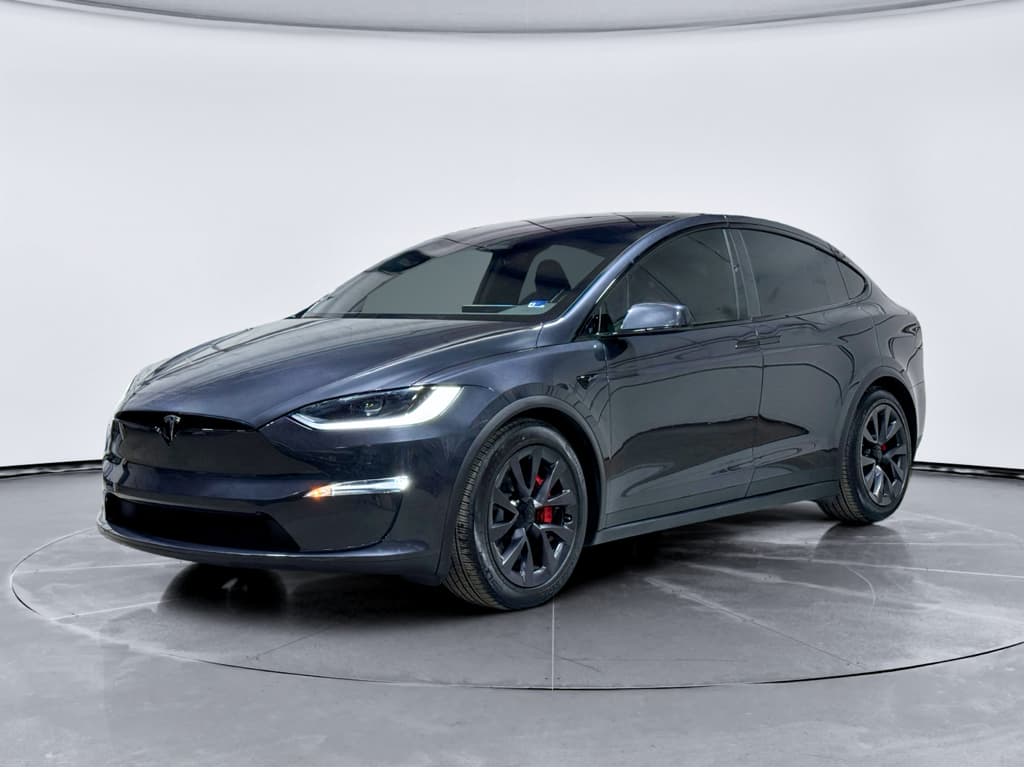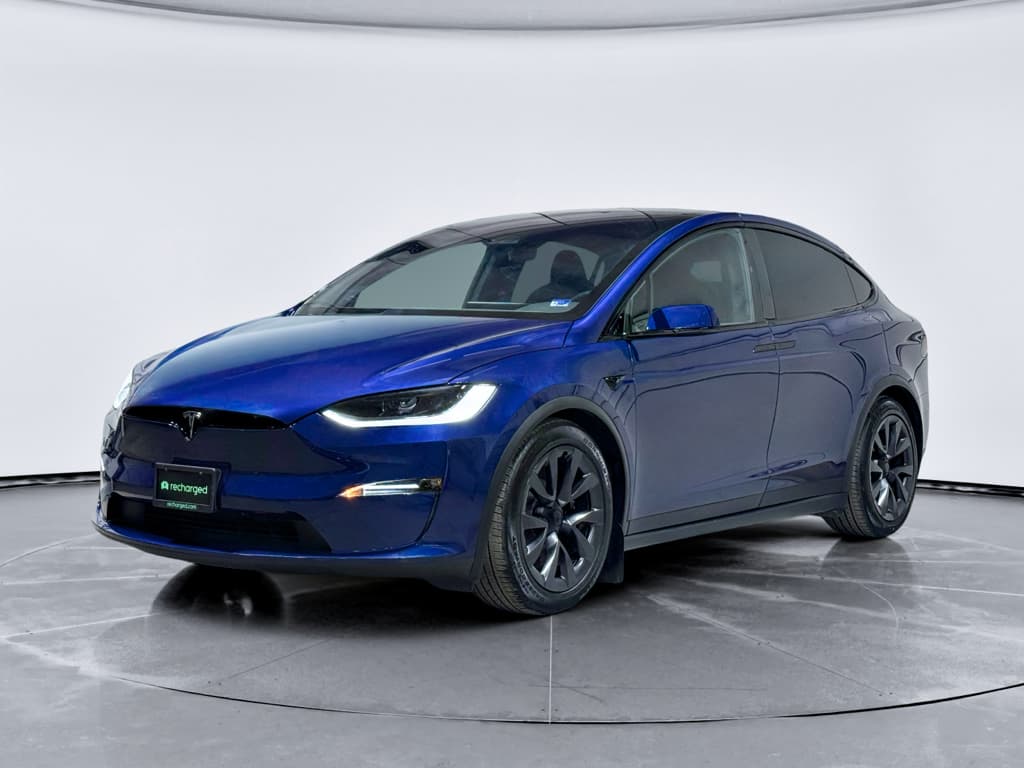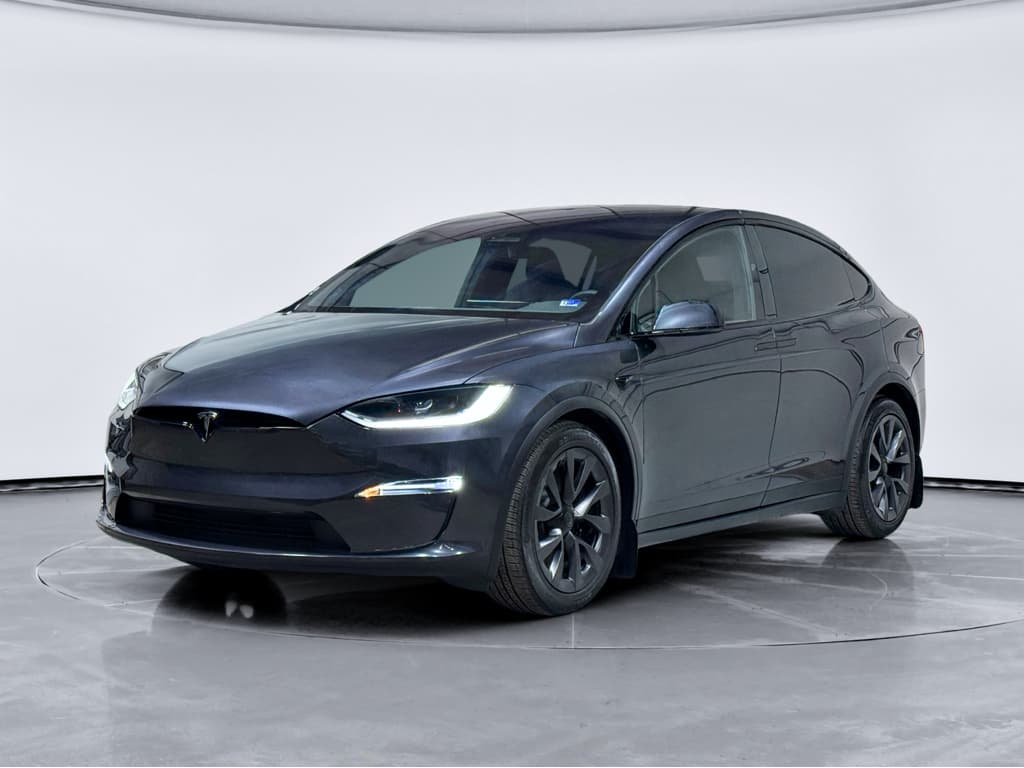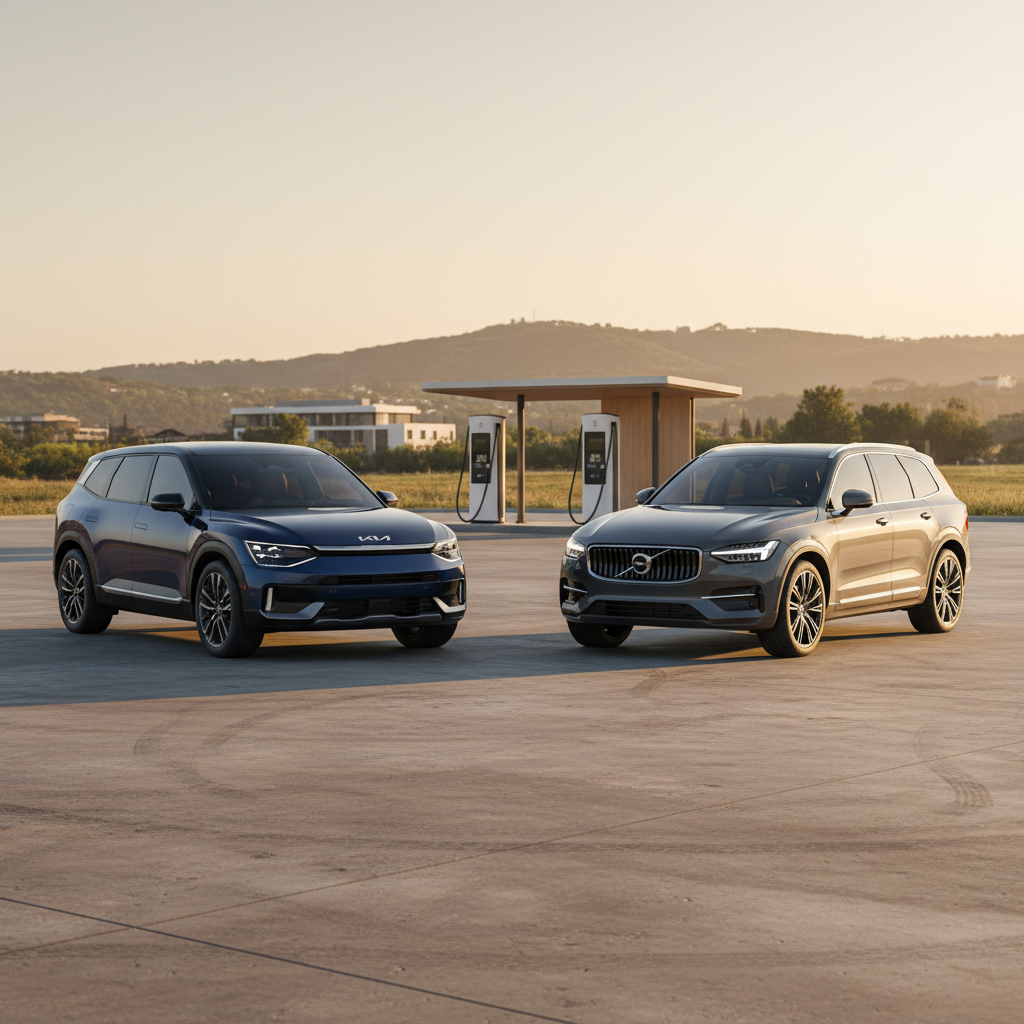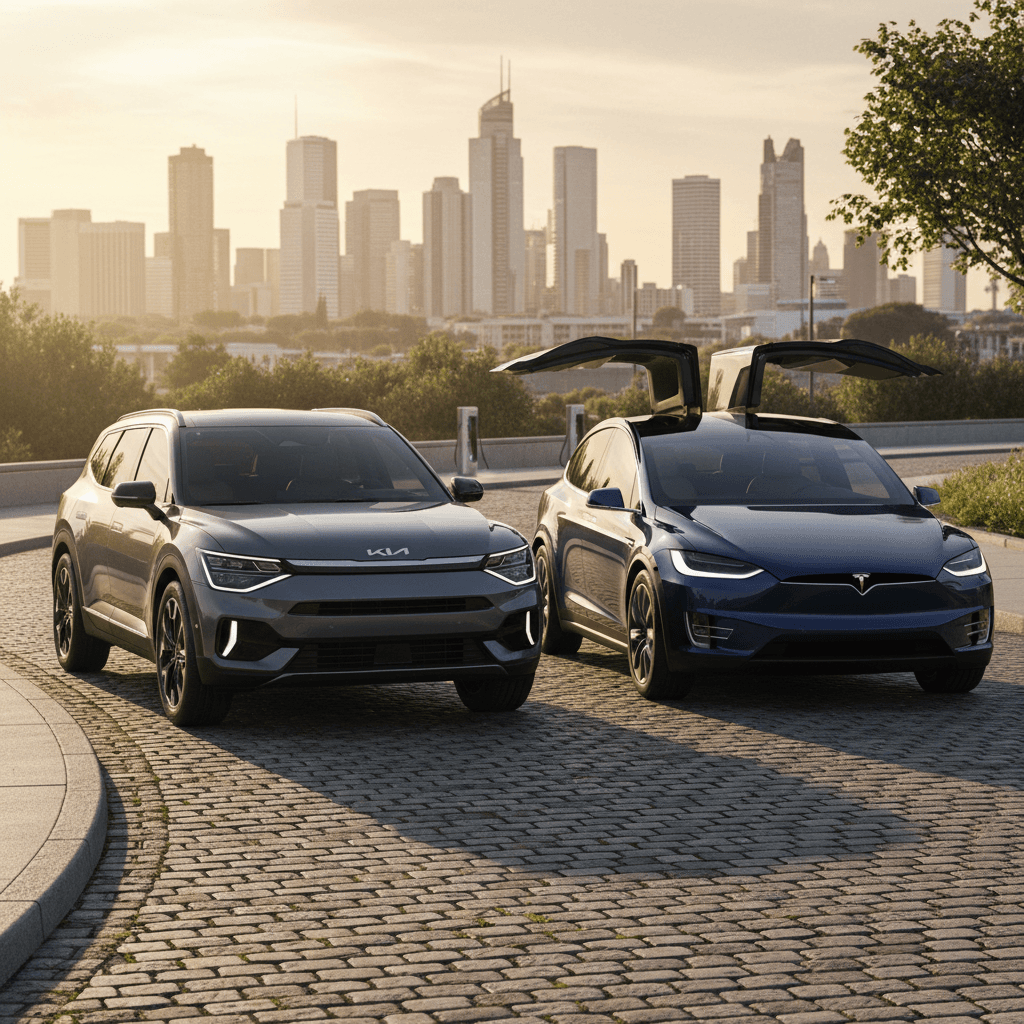
If you’re shopping for a three-row electric SUV, you’ve probably landed on the same question as a lot of families right now: Kia EV9 vs Tesla Model X – which is better? One is the fresh, award-winning newcomer; the other helped invent the category but is heading for the exit. Let’s walk through what actually matters in 2026 so you can pick the SUV that fits your life, not just the spec sheet.
First, a 2026 reality check
Kia EV9 vs Tesla Model X: quick overview
At-a-glance: how EV9 and Model X differ
Both are big, fast, three-row electric SUVs, but aimed at slightly different buyers.
Kia EV9: the modern family EV
- 3-row SUV with adult-friendly 2nd row and usable 3rd row
- Multiple trims from relatively attainable to near-luxury
- Boxy, upright design and easy-to-use physical controls
- Qualifies for incentives in some cases; strong warranty
- New model with improving availability and software updates
Tesla Model X: the OG tech flagship
- Performance-focused luxury SUV with dramatic falcon-wing doors
- Very quick, with strong efficiency for its size
- Minimalist interior and heavy reliance on the touchscreen
- No longer in long-term product plans; production ending
- Deep access to Tesla Supercharger network (especially used)
Key numbers: Kia EV9 vs Tesla Model X (typical 2024–2026 specs)
Pricing, value & tax credits
Let’s start with what most buyers feel first: the price. The Kia EV9 was engineered to sit at the top of Kia’s lineup, not in the rarefied air of ultra-luxury EVs. Recent U.S. MSRPs have generally ranged from the mid-$50,000s for a base Light trim to around $70,000–$80,000 for well-equipped Land and GT-Line models, with 2026 updates nudging some long-range trims slightly higher. By contrast, a new Tesla Model X has typically lived closer to the $90,000 neighborhood once you’re out the door, and recent inventory-only pricing has been moving around quickly as Tesla winds the model down.
How the EV9 saves you money
- Lower starting price: You can get a nicely equipped EV9 for what a lightly optioned Model X used to cost years ago.
- Potential incentives: Depending on how and where it’s built and your tax situation, certain EV9 configurations may qualify for federal or state EV incentives.
- Reasonable options strategy: Traditional trim ladder instead of every feature as a separate upsell.
Where the Model X can still pencil out
- Used market deals: With Tesla ending Model X production, there’s real pressure in the used market. A clean 3–6‑year‑old Model X can sometimes overlap a new or lightly used EV9 on price.
- Performance per dollar: If you care most about zero‑to‑60 bragging rights, the Model X still gives you more shove than an EV9.
- Depreciation already taken: Shopping used means someone else already absorbed the steepest part of the curve.
How Recharged can help on price
Range, battery & efficiency
On paper, the Tesla Model X still has the edge in outright range and efficiency. Dual-motor Model X variants have typically offered EPA-rated range in the low-to-mid 300‑mile zone when new, helped by Tesla’s slippery aerodynamics and efficient powertrain tuning. The Kia EV9, especially in 2026 long-range trims, now sits comfortably in the upper 200s to just over 300 miles depending on whether you choose rear-wheel drive or dual-motor all-wheel drive.
Approximate range & battery specs (recent model years)
Actual range varies with speed, temperature, wheels, and how you drive. Think of these as ballpark guideposts, not guarantees.
| Model | Typical battery size | Drive layout | Approx. EPA range |
|---|---|---|---|
| Kia EV9 Light Long Range (RWD) | High 70s kWh usable | RWD | ≈300+ miles |
| Kia EV9 Wind/Land (AWD) | High 70s kWh usable | AWD | ≈270–285 miles |
| Kia EV9 GT-Line (AWD) | High 70s kWh usable | AWD | ≈270 miles |
| Tesla Model X Dual Motor | ≈95–100 kWh usable | AWD | ≈320–340 miles when new |
| Tesla Model X Plaid | ≈95–100 kWh usable | Tri-motor AWD | ≈310–330 miles when new |
EPA-style ranges for common versions; exact figures depend on model year and wheel size.
In the real world, you’ll see other forces at work. The EV9’s tall, boxy body catches more wind on the highway, so sustained 75‑mph cruising will pull the range down faster than it might in a more streamlined Model X. On the flip side, many owners report the EV9’s efficiency being easy to live with day to day, especially in city and suburban driving where its regenerative braking shines.
Don’t ignore used-battery reality
Charging experience & road-trip ability
There’s no getting around it: Tesla’s Supercharger network is still the benchmark for reliability and coverage in the U.S., and the Model X was designed to live there. Plug in, walk away, and you’re usually back on the road quickly with minimal fuss. Kia owners have historically leaned on CCS fast‑charging networks such as Electrify America, EVgo, and others. Those networks have been improving, but they’re still more hit‑or‑miss than most Tesla drivers are used to.
How charging compares in the real world
Both can road trip. One still makes it simpler, though the gap is closing.
Tesla Model X charging
- Network: Native access to Tesla Superchargers, plus adapters for some third‑party networks.
- Speed: Up to 250 kW on newer Superchargers; strong taper profile means quicker 10–80% sessions.
- Planning: Built‑in trip planner that routes you through Superchargers and pre‑conditions the battery.
- Integration: Tap on the screen, arrive, plug in, billing is automatic.
Kia EV9 charging
- Hardware: 800‑volt architecture on many trims, with DC fast‑charge peaks up to around 210–230 kW.
- Networks: CCS fast chargers today; NACS (Tesla-style connector) access is rolling out via adapters and future hardware updates depending on the brand agreements.
- Planning: Kia’s native nav can route via chargers, and you can layer in third‑party apps like PlugShare, Chargeway, or ABRP.
- Home charging: Straightforward Level 2 setup with widely compatible equipment.
Supercharger access is evolving
Space, comfort & real-world family usability
If you’ve got kids, dogs, strollers, or all of the above, the shape of the cabin matters more than another tenth of a second to 60 mph. This is where the Kia EV9 quietly outmuscles the Model X for a lot of families. It was engineered from day one as a brick-shaped, three-row family hauler with a profoundly usable second and third row, plus a big, squared‑off cargo bay.
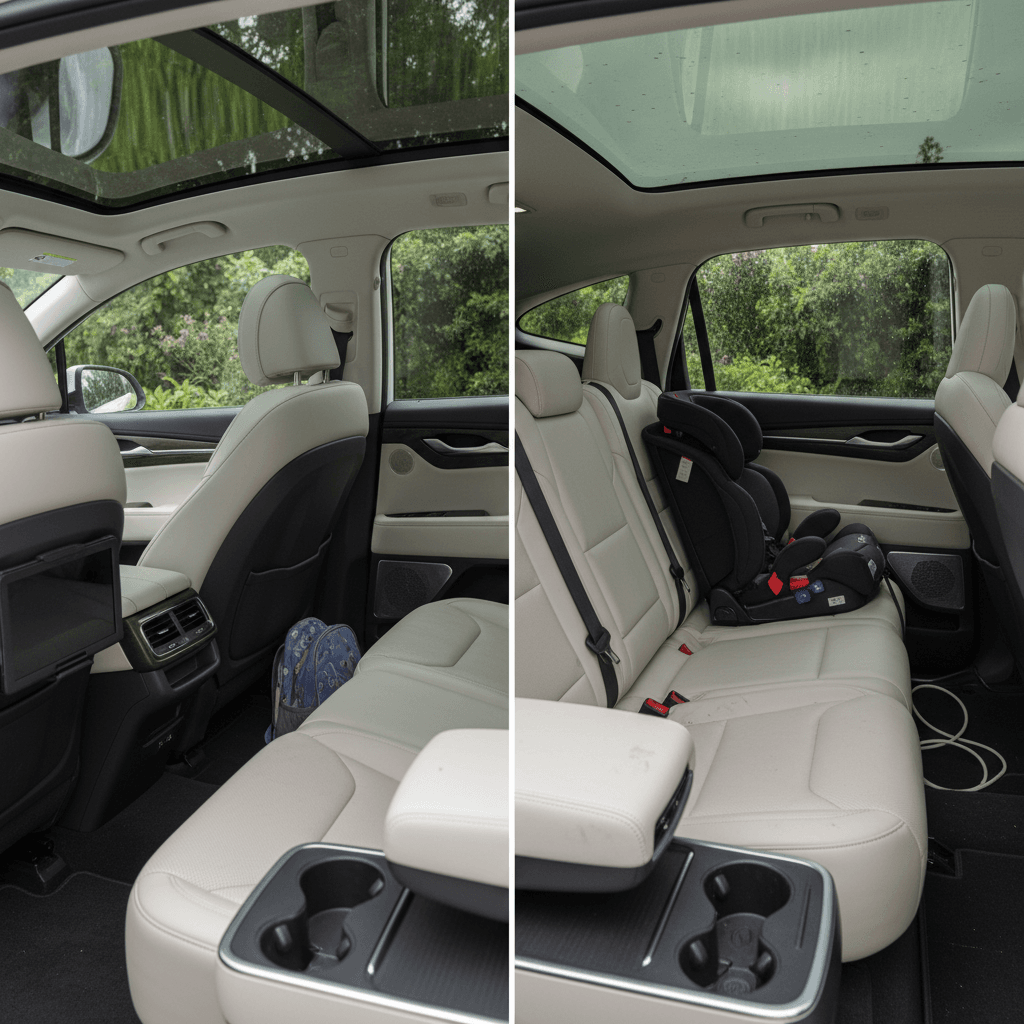
- Third row: In the EV9, adults can survive back there for more than just restaurant runs, especially in the 6‑seat configuration with captain’s chairs. The Model X’s third row is better than many gas SUVs, but the swoopy roofline pinches headroom and cargo flexibility.
- Second row: Both offer 6‑ and 7‑seat layouts. The EV9’s conventional doors and hardware make child seats and daily buckling much easier. Model X’s falcon‑wing doors are dramatic and useful in some tight spaces, but can be finicky and introduce long‑term repair questions.
- Cargo: With its tall, square tail, the EV9 makes packing bulky stuff, bikes, camping gear, a Costco run, simple. The Model X still has strong cargo volume and a front trunk, but the rear opening and sloping roof are less box‑friendly.
- Ride comfort: Owners coming from Model X often describe the EV9’s ride as more composed and quiet, especially over broken pavement. In earlier Model X years, air suspension tuning could feel busy or floaty depending on settings.
If you live in your SUV, the EV9 feels built for it
Tech, safety & driving experience
On the technology front, Tesla still sets the pace in some areas, especially when it comes to on‑screen responsiveness, over‑the‑air feature updates, and the integration of navigation, charging, and driver‑assist systems. But the EV9 isn’t showing up with a cassette deck either. Kia has been moving quickly with high‑resolution screens, modern infotainment, and a full suite of advanced driver‑assistance systems (ADAS).
Feature highlights: EV9 vs Model X
Both are packed with tech, but one leans convenience, the other leans cutting-edge.
Driving & performance
- Model X: Exceptional acceleration, especially in performance trims. Steering feel can be light and somewhat disconnected, but it’s genuinely fast.
- EV9: Solid power, particularly in dual‑motor trims, with a more traditional, predictable driving feel.
Safety & driver assist
- Both: Offer adaptive cruise, lane‑keeping, collision avoidance, blind‑spot monitoring, and more.
- Model X: Autopilot and FSD (if equipped) add lane‑changing and automated driving features, though they’re under intense regulatory scrutiny and changing quickly.
- EV9: Highway driving assist and lane‑centering are calmer and less controversial, if not as aggressive feature‑wise.
Cabin tech & UX
- Model X: A single, dominant touchscreen and very few physical buttons. Slick and minimalist, but not everyone loves hunting through menus while driving.
- EV9: Large screens plus dedicated buttons and switches for common tasks. Easier to just get in and drive without a learning curve.
A note on Autopilot and FSD
Reliability, build quality & ownership experience
This is where real‑world owner stories start to matter more than glossy brochures. Early Model Xs were famous for jaw‑dropping acceleration and equally dramatic quality headaches, falcon‑wing doors that misbehaved, trim that didn’t quite line up, and software gremlins. Later years improved, but the Model X remains a complex vehicle built in relatively small volumes.
The Kia EV9, by comparison, has been praised for solid build quality out of the gate. Panel alignment, interior materials, and squeaks and rattles all feel more in line with the best modern crossovers than with a bleeding‑edge tech experiment. Kia also backs the EV9 with a long battery and powertrain warranty, along with a dealer network that may be easier to access if you’re not near a Tesla Service Center.
Coming out of a 2020 Model X, our EV9 feels like a tank, in a good way. The ride is better, the interior feels screwed together more tightly, and I don’t worry every time the doors open in a parking garage.
Used EV? Make battery health your first filter
Used market: EV9 vs used Model X
Because the Model X has been on sale for roughly a decade and the EV9 is still new, the used stories are very different. You’ll find everything from high‑mileage, early‑production Xs with big discounts to nearly new, heavily optioned Plaid models still commanding serious money. Used EV9s are just starting to appear as early adopters trade out or move to different trims.
How they compare in the used market (typical U.S. patterns)
Exact numbers depend on mileage, condition, options, and local demand, but this gives you a sense of where each tends to land.
| Vehicle | Typical used price bands | What to watch for |
|---|---|---|
| 2017–2019 Tesla Model X | Often mid‑$30Ks to low‑$50Ks | Battery health, falcon‑wing door operation, MCU/infotainment issues, air‑suspension wear, Autopilot hardware generation. |
| 2020–2023 Tesla Model X | Roughly high‑$40Ks to $70Ks+ | Battery degradation, warranty balance, accident history, and whether FSD is included or subscription‑only. |
| 2024+ Tesla Model X | Can overlap with new EV9 pricing or exceed it | Where it sits relative to a new EV9; whether looming discontinuation hurts or helps resale long‑term. |
| Kia EV9 (early used) | So far mostly high‑$40Ks and up, depending on trim | Lease returns, demo vehicles, and first‑owner trades. Battery health and software update history. |
Use this as a directional guide when you start browsing used listings.
Used EV9 vs Model X: checklist before you buy
1. Pull a battery health report
This is non‑negotiable. Whether it’s through Recharged’s battery diagnostics or another trusted source, insist on data about current battery capacity and fast‑charging history.
2. Inspect doors, seals & glass
On a Model X, test every door multiple times, including the falcon‑wing doors, and listen for creaks or binding. On an EV9, look for wind noise and water leaks around the large tailgate and panoramic roof.
3. Understand software & options
For Tesla, verify exactly what software features are active on the car you’re considering, especially FSD and premium connectivity. On EV9, check which driver‑assist and convenience packages are included by trim.
4. Compare real monthly cost
A cheaper purchase price can be wiped out by repairs or rapid depreciation. Use total cost calculators, or Recharged’s pricing insights, to compare not just sticker price, but insurance, charging, and likely resale.
Kia EV9 vs Tesla Model X: who should buy which?
Choose the Kia EV9 if:
- You want a modern three-row family SUV that just happens to be electric.
- You value space, comfort, and practicality over maximum acceleration.
- You like having physical controls for common tasks and an easy learning curve for any driver in the house.
- You’re planning to keep the vehicle a long time and want a current‑generation product with strong warranty coverage.
- You live somewhere with decent CCS coverage today and are comfortable with the industry’s shift toward NACS and better cross‑network access.
Choose the Tesla Model X if:
- You want blistering performance and still‑excellent efficiency in a big SUV.
- You road‑trip constantly and want deep, immediate access to the Tesla Supercharger network without thinking about adapters.
- You’re shopping used and can find a well‑cared‑for Model X where the price, battery health, and options all line up.
- You’re comfortable owning a vehicle that’s been officially discontinued and are betting that parts and service support will remain strong for years.
So…which is better?
If you’re torn between a new EV9 and a used Model X, this is where a hands‑on, data‑driven comparison pays off. On Recharged, you can compare real vehicles, not just spec sheets, with verified battery health, Recharged Score reports, and transparent pricing. That makes it much easier to answer the only question that really matters: which one is better for your garage, your family, and your budget.