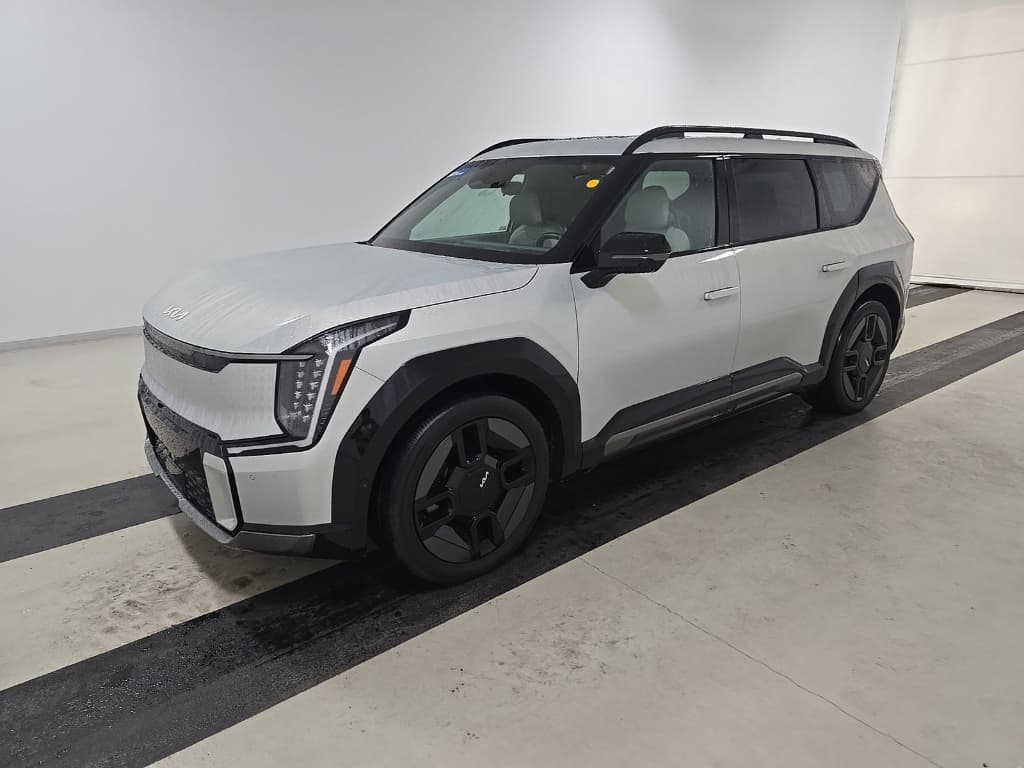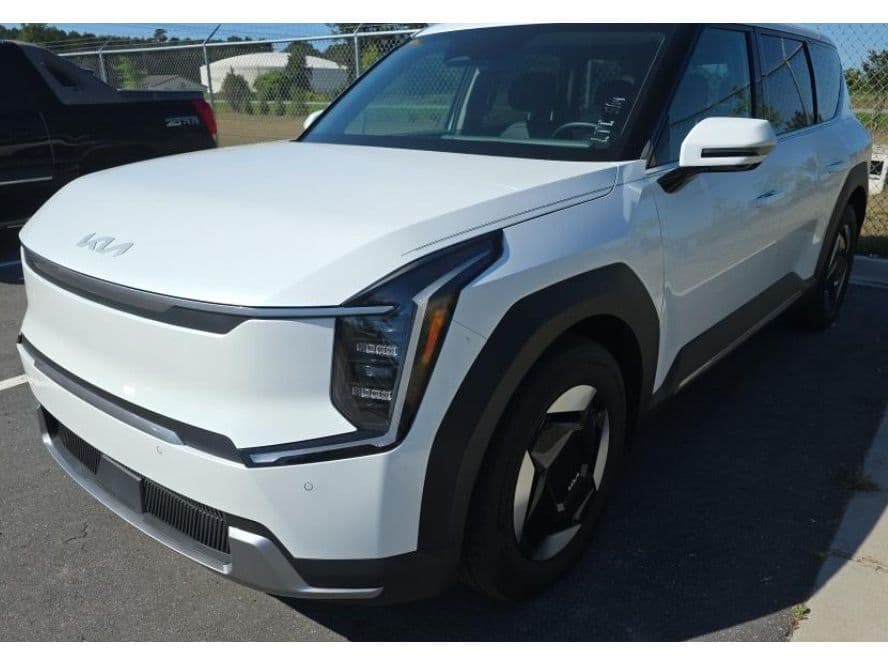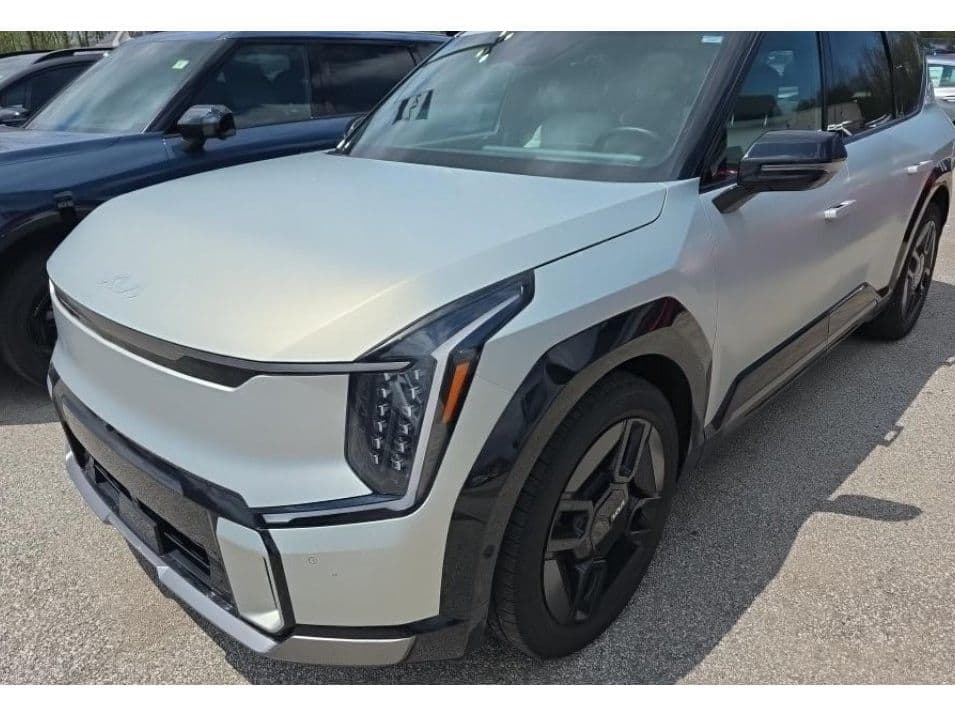
If you’re eyeing a Kia EV9 road trip, you’re probably wondering about the big three: real-world range, fast‑charging time, and whether your crew will still be speaking to you after 500 miles in one day. The good news is that the EV9 is one of the most road‑trip‑friendly electric SUVs on sale right now, if you understand its strengths, its quirks, and how to plan around them.
Quick verdict
Why the Kia EV9 Makes Sense for Road Trips
On paper, the EV9 looks like it was built for interstate duty. It’s a three‑row electric SUV riding on Hyundai–Kia’s 800‑volt E‑GMP platform, the same fast‑charging foundation as the EV6 and Ioniq 5. Most U.S. trims pair a 99.8 kWh usable battery with either rear‑wheel drive or dual‑motor all‑wheel drive and offer up to roughly 300 miles of EPA‑rated range, depending on configuration. That big pack, plus ultrafast DC capability and a long‑wheelbase, comfortable ride, gives you a solid starting point for long days on the highway.
Kia EV9 Road Trip Numbers at a Glance
Think in legs, not in range
Real-World Highway Range in the Kia EV9
EPA figures are helpful, but what matters on a road trip is what the EV9 does at 70–80 mph with people, cargo, and climate control running. In typical conditions, most drivers see 10–20% less than the EPA rating once you’re out in steady highway traffic, which is normal for EVs.
- Long‑range RWD trims can often manage around 270–300 real‑world highway miles at 65–70 mph in mild weather with a light load.
- Dual‑motor AWD models, especially with large wheels and all‑season tires, tend to sit more in the 230–260‑mile real‑world highway window at 70–75 mph.
- In cold weather or with strong headwinds, expect another 15–25% hit, especially before the battery and cabin are fully warmed.
That sounds like a big drop, but in practice, it still gives you comfortable 2.5–3‑hour stints between DC fast‑charge stops, about what your passengers and your back will tolerate, anyway.
Weather and speed matter
Fast Charging on the Road: How the EV9 Really Performs
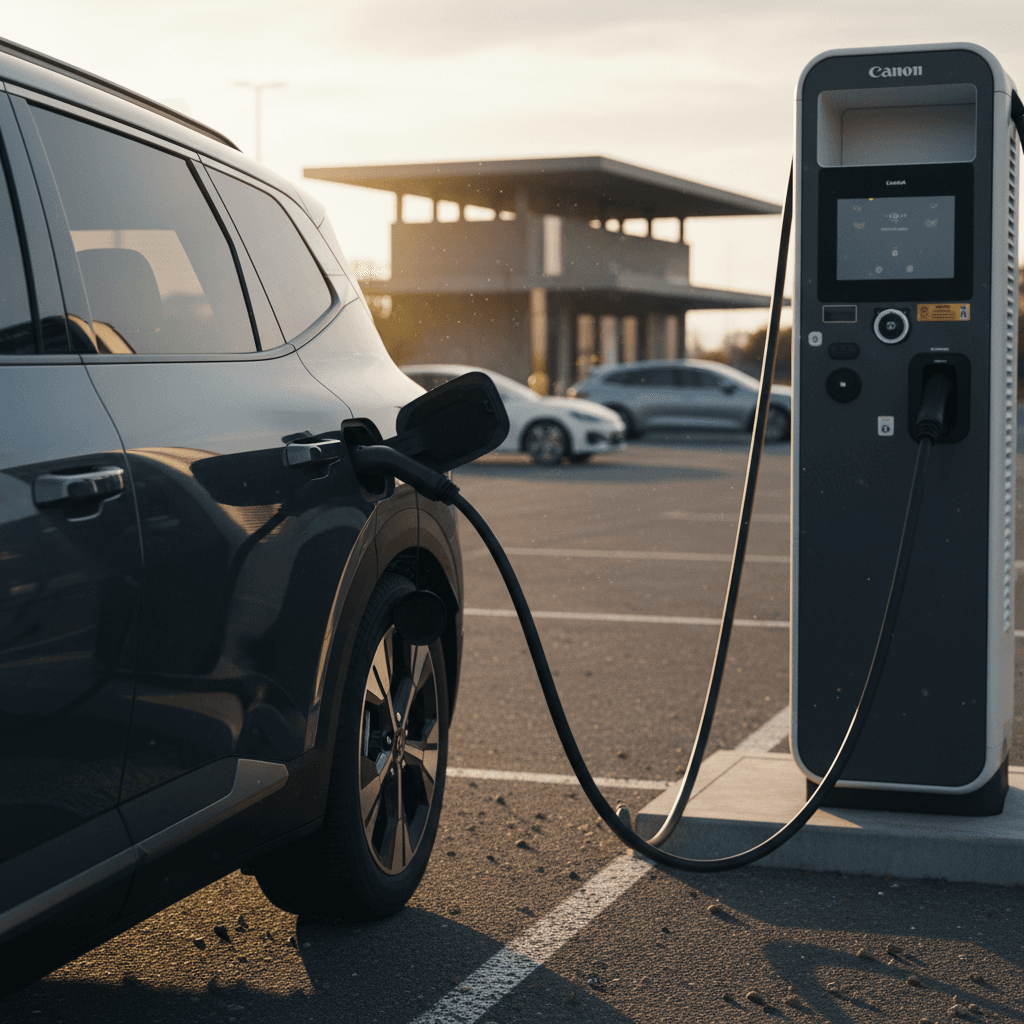
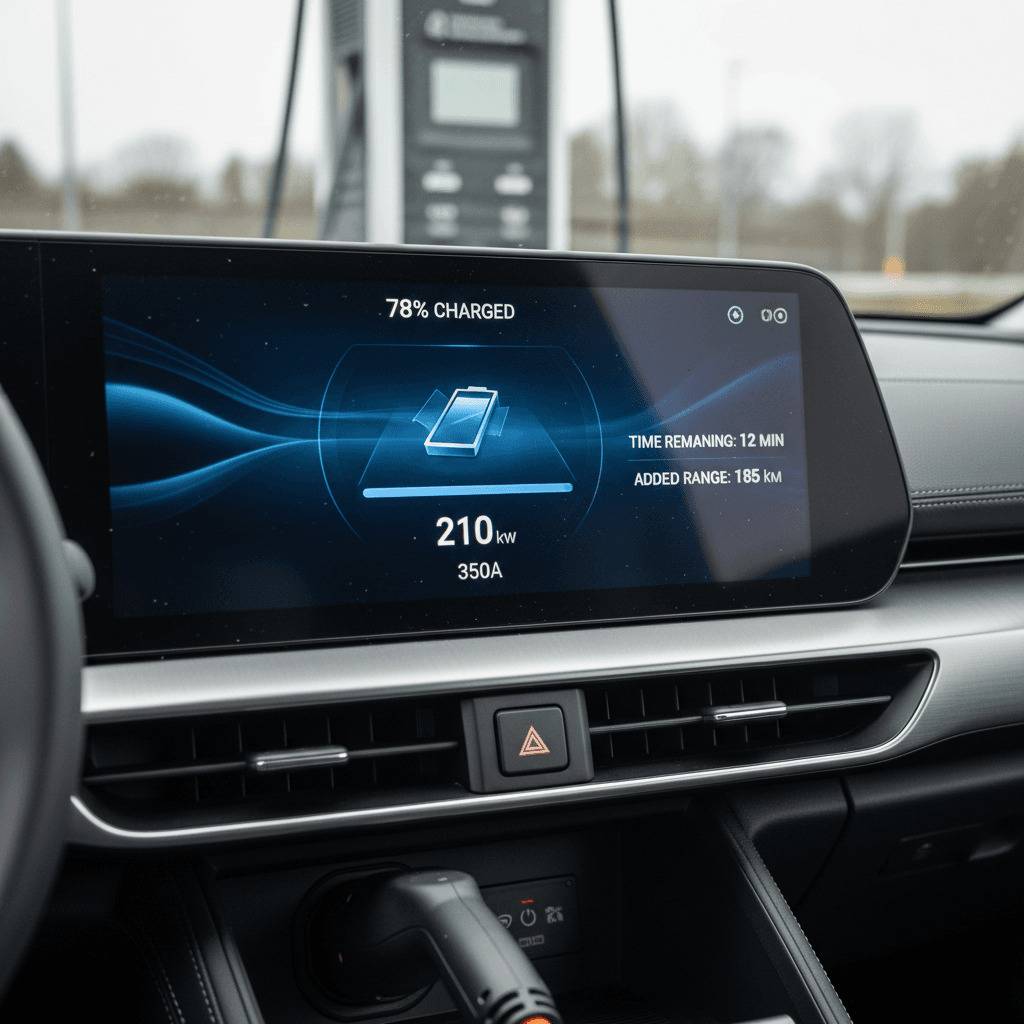
Charging is where the EV9 earns its road‑trip stripes. Thanks to its 800‑volt system, it can take advantage of the fastest DC chargers on the network. Kia quotes a 10–80% charge in about 24 minutes on a 350 kW station in ideal conditions, with peak power in the low‑200‑kW range and a very flat charging curve.
Kia EV9 Charging Speeds You’ll See on the Road
Approximate times based on typical conditions; real‑world results vary with temperature, state of charge, and charger quality.
| Charging Type | Power | Use Case | Approx. Time |
|---|---|---|---|
| DC fast, 350 kW | Up to ~230 kW peak | Highway road trips, 10–80% | ~24 minutes |
| DC fast, 50–150 kW | 50–150 kW | Rural corridors, older sites | 35–70 minutes (10–80%) |
| Level 2, 48 A | Up to 10.9 kW | Overnight at hotel or rental | 7–9 hours (0–100%) |
| Level 1, 120 V | ~1.5 kW | Emergency or top‑off only | 2+ days (0–100%) |
Use 10–80% DC fast‑charge sessions for quick, predictable road‑trip stops.
In practice, if you arrive at a good 350 kW station with 10–15% charge and a preconditioned pack, you can often add ~170–200 miles of range in the time it takes to stretch, use the restroom, and grab a drink. The curve tends to stay strong up to about 60–70% state of charge before tapering more noticeably toward 80% and above.
Road‑trip charging sweet spot
Charger quality still matters
Comfort, Noise, and Driving Feel Over Long Days
After a few hundred highway miles, the EV9’s character settles in: this is a long‑legged cruiser more than a back‑road plaything. Steering is light but accurate, the suspension is tuned for composure, and the long wheelbase helps it shrug off expansion joints and bridge seams.
How the Kia EV9 Feels on a Road Trip
Where it shines, and where it doesn’t, after hours on the interstate.
Seat comfort
Cabin quiet
Ride and stability
If you’re coming from a gas SUV, the biggest difference you’ll notice is the effortless torque when merging or passing, and the lack of engine drone on long climbs. Regenerative braking helps reduce fatigue in stop‑and‑go traffic; in one‑pedal modes, you do far less work with your right foot around towns on your route.
Cabin Space, Third Row, and Cargo on a Family Trip
A road‑trip SUV lives or dies on space and storage. Here, the EV9 feels like the all‑electric twin of a traditional large family hauler. The second row is generous, especially in captain’s‑chair layouts, and even the third row can handle adults for stretches without immediate complaints.
- With all three rows up, you’ve still got usable space for several carry‑on suitcases or a week’s worth of grocery bags.
- Fold the third row flat and the EV9 turns into a genuine road‑trip cargo van, swallowing strollers, coolers, and camping gear with room to spare.
- Cabin storage is excellent: big door bins, a deep center console, and open shelves under the floating center stack keep chargers, snacks, and devices from piling up in one spot.
Packing tip for EV road trips
Planning a Kia EV9 Road Trip: Routing and Charging Strategy
Planning a long drive in the EV9 is more about changing your rhythm than reinventing the road trip. Instead of gas‑station roulette, you build your day around DC fast‑charge stops every 150–220 miles, plus an overnight Level 2 session at your hotel, campground, or rental if possible.
1. Use EV‑aware trip planners
Start with EV‑specific tools that factor in elevation, weather, and real‑time charger status. Options include:
- Built‑in navigation in the EV9 with charging stops suggested along the way.
- Apps like A Better Routeplanner and PlugShare to preview charger ratings and amenities.
- Network apps (Electrify America, EVgo, etc.) for live stall status and pricing.
2. Aim for 10–25% arrivals
The EV9’s DC fast‑charging is quickest when you arrive with a low state of charge. On longer legs, target arriving at fast chargers between 10% and 25%, then charging up to around 65–80% before heading to the next stop.
Think of each stop as a scheduled break, not an interruption. Plan meal, restroom, and leg‑stretch time around your charging windows.
Precondition the battery for faster charging
Charging Network Access, Including Tesla Superchargers
The EV9 launched with CCS fast‑charging, which plugged it into major third‑party networks across the U.S. As of 2025, Kia EVs, including the EV9, also have official access to Tesla’s Supercharger network using a CCS‑to‑NACS adapter for earlier models and an integrated NACS port on newer ones. That dramatically increases the number of high‑speed stations you can count on during a road trip.
Where You Can Charge a Kia EV9 on a Road Trip
Public DC networks plus slower but valuable backup options.
Major DC fast networks
Tesla Superchargers
Level 2 at destinations
Check connector types before you book
Cost of a Road Trip in the Kia EV9
Road‑trip energy costs in the EV9 depend heavily on where you charge. Highway DC fast‑charging can run similar, or sometimes slightly higher, per‑mile costs than a frugal gas SUV. But if you mix in overnight Level 2 charging at reasonable residential or hotel rates, you can bring the overall trip cost down.
DC fast‑charging costs
Many high‑speed networks bill by the kWh, typically in the $0.30–$0.55 per kWh range in the U.S. At highway consumption of roughly 2.0–2.4 mi/kWh for a loaded EV9, you’re often paying about the same, or less, per mile as you would in a comparable gas SUV.
Try to cluster the most expensive DC sessions around mealtime and longer breaks, so you get more value out of the time you’re stopped.
Saving with Level 2 and off‑peak rates
If your home or destination offers cheaper electricity, schedule Level 2 charging for off‑peak hours. Filling a big pack like the EV9’s at $0.12–$0.18 per kWh can make a meaningful difference on a week‑long trip.
Even one inexpensive overnight fill can offset several pricey highway fast‑charge stops.
Road Trip Pros and Cons of the Kia EV9
Kia EV9 on a Road Trip: Pros and Cons
What stands out when you live with it for hundreds of miles at a stretch.
What the EV9 does well
- Fast, repeatable DC charging with a strong 10–70% curve.
- Spacious, quiet cabin that makes long days easier on everyone.
- Loads of cargo room even with three rows in use.
- Easy passing power for merging and mountain grades.
- Access to multiple networks, including Tesla Superchargers on supported models.
Where you’ll notice compromises
- Higher consumption at 75–80 mph vs. smaller EVs.
- Large footprint can be awkward in tight city centers or old parking lots.
- Still reliant on public charging reliability in less‑traveled regions.
- Big battery means long full charges on Level 2 if you arrive nearly empty.
Checklist: How to Prepare Your Kia EV9 for a Road Trip
Pre‑Trip Checklist for a Smooth Kia EV9 Road Journey
1. Update software and maps
Before you leave, confirm the EV9’s infotainment, navigation, and charging‑related software are up to date. Fresh maps improve route planning and charger accuracy, and updates can refine charging behavior.
2. Verify charging cables and adapters
Check that your portable Level 1/2 cable is in the car, plus any CCS or NACS adapters you rely on. Inspect connectors for damage and test your home or local fast charger a few days before departure.
3. Plan primary and backup chargers
Lay out your route with a primary fast‑charge stop every 150–220 miles, then identify at least one backup station for each leg in case of outages or queues.
4. Set charging preferences
In the EV menu, confirm your AC charging limit is at 100% and DC limits are appropriate. If you normally cap to 80% for daily driving, you may want to allow higher charges on days with sparse chargers.
5. Check tires and cargo load
Set tire pressures to the recommended spec when cold, especially with a full cabin and luggage. Avoid heavy roof boxes if you can; they hurt aero efficiency and range at highway speeds.
6. Arrange overnight Level 2 when possible
When booking lodging, look specifically for on‑site chargers or nearby public Level 2. A full battery every morning makes the rest of your day’s planning much easier.
Kia EV9 Road Trip FAQ
Frequently Asked Questions About Kia EV9 Road Trips
Is the Kia EV9 a Good Road Trip SUV? Final Take
If your idea of a perfect road trip is a big, quiet SUV that shrugs off long miles and swallows kids, dogs, and luggage without complaint, the Kia EV9 absolutely belongs on your shortlist. It doesn’t change the fundamentals of EV travel, you still need to plan your charging, but its fast DC performance, roomy three‑row cabin, and growing access to both CCS and Tesla Superchargers make it one of the easiest long‑distance EVs to live with.
Where the EV9 really shines is in rhythm: drive a couple of relaxed hours, stop for a 20‑minute fast‑charge and a stretch, repeat. If you’re coming from gas, that cadence feels different at first, then quickly becomes more humane. And if you’re leaning toward a used EV9 to get the most value, buying through a platform like Recharged, with verified battery health, fair market pricing, and expert EV‑specialist support, can give you the confidence that your long‑distance family rig is ready for many road‑trip seasons to come.