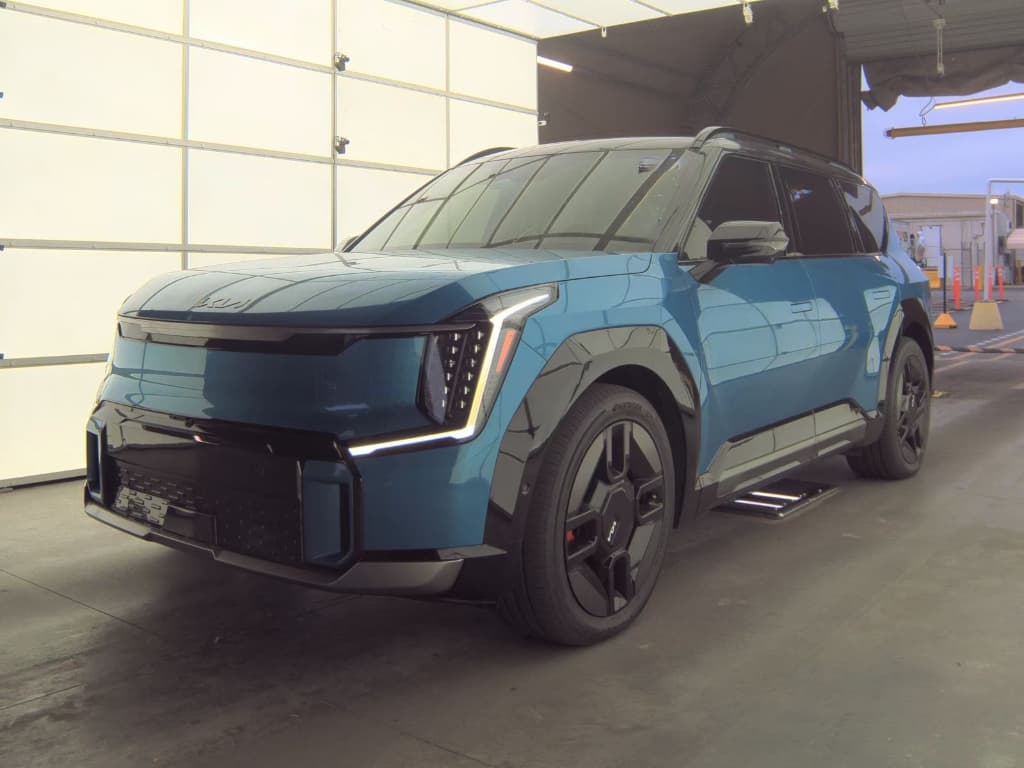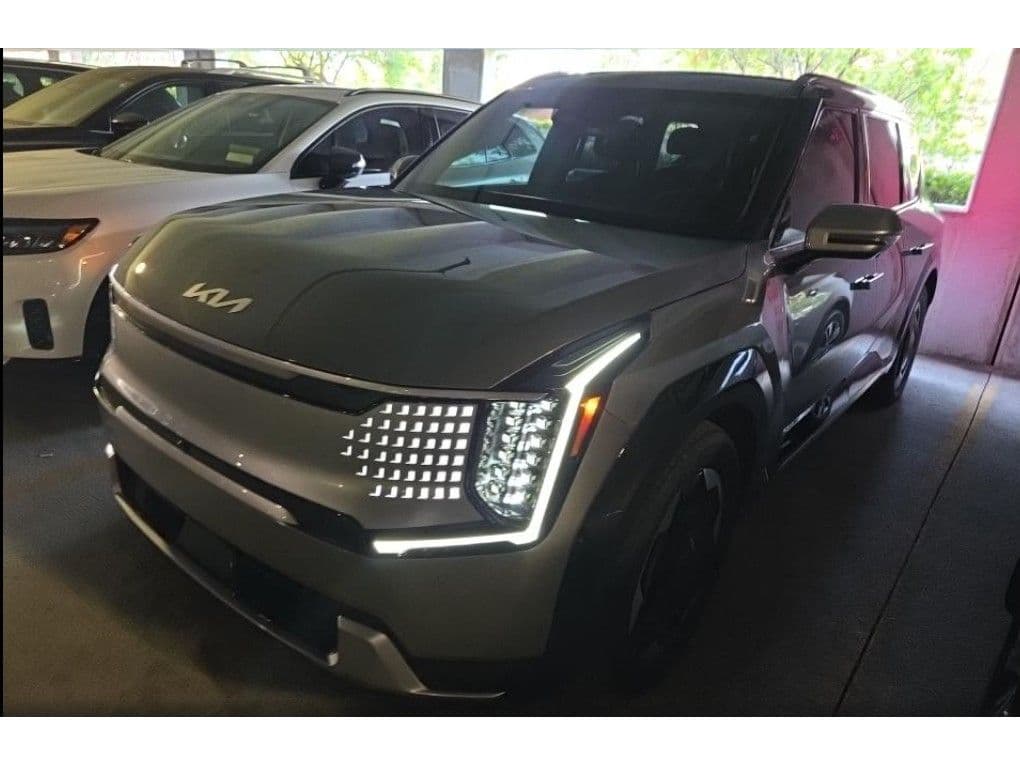
If you’re considering a Kia EV9, you’re not just shopping for a three‑row electric SUV, you’re making a six‑figure‑ish decision once you add financing, insurance, and energy over time. Understanding the Kia EV9 depreciation curve over 5 years is the difference between feeling stuck in negative equity and being ready for your next EV with money still in your pocket.
Quick take on the EV9’s 5‑year curve
Why the Kia EV9’s 5‑year depreciation curve matters
The EV9 only reached U.S. driveways in late 2023, but lease programs, cost‑to‑own calculators, and early used listings already give us a reasonably clear picture of how its value behaves. You care about that curve because it directly affects your total cost of ownership, when you can comfortably trade out, and whether a used EV9 might actually be the smarter buy than new.
- You’re thinking about buying new and keeping it 5–7 years.
- You’re debating a 3‑year lease versus a 5‑year loan.
- You’re cross‑shopping a used EV9 against a new gas SUV or minivan.
- You want to know if a big three‑row EV is going to tank in value.
Let’s start with the big question: what does that 5‑year depreciation curve actually look like in dollars and percentages?
Kia EV9 5‑year depreciation in real numbers
Different analysts model depreciation slightly differently, but when you line them up, a clear range emerges. Cost‑to‑own estimates for a 2025 Kia EV9 show about $36,000–$37,000 of depreciation over five years from new, roughly half the purchase price for a mid‑trim EV9. Separate modeling from sites like CarEdge points to about 52% depreciation after 5 years, leaving an EV9 worth just under half of its original MSRP.
Kia EV9 5‑year depreciation at a glance
In plain English: if you buy a well‑equipped EV9 in the mid‑$60,000s and drive it normally, it’s reasonable to expect it to be worth somewhere in the low‑to‑mid $30,000s after five years. Exact numbers will vary by trim, mileage, condition, and especially by battery health.
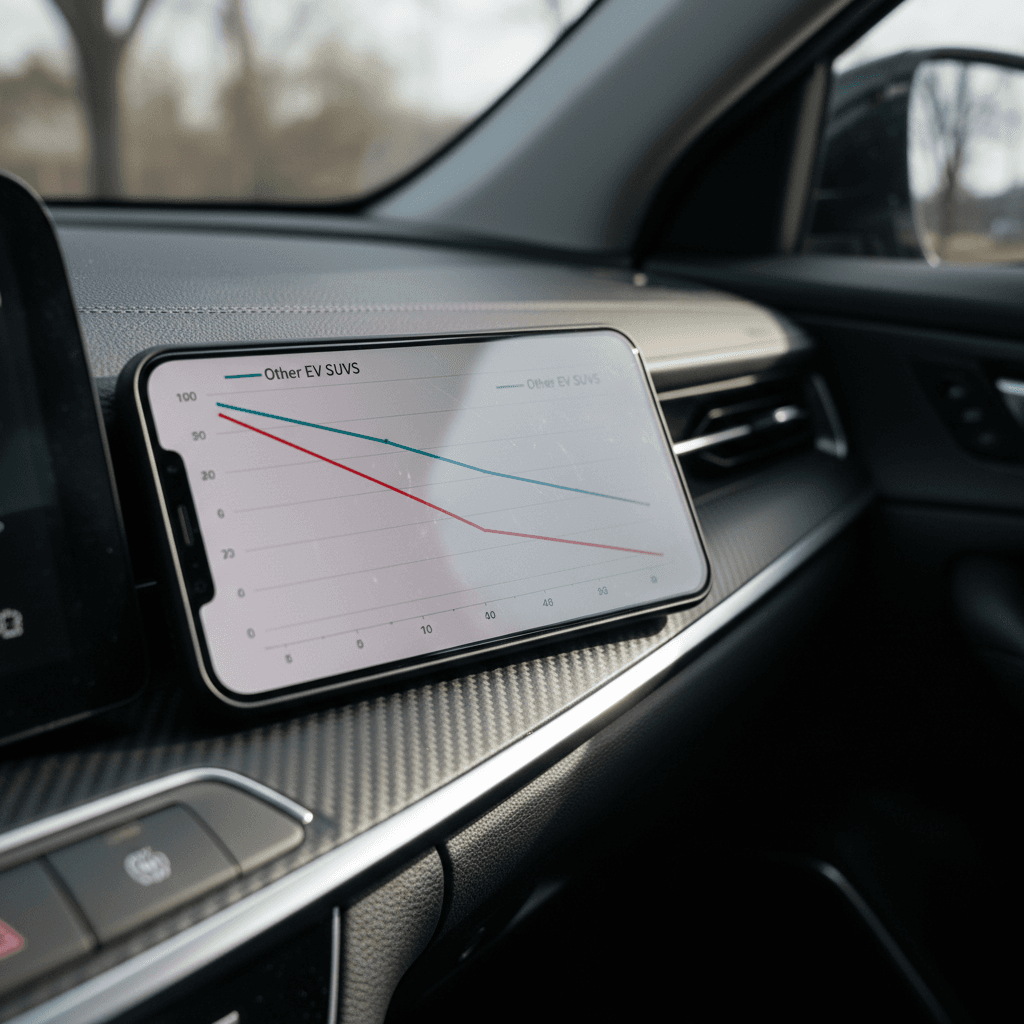
Year‑by‑year Kia EV9 depreciation curve
Because the EV9 is still relatively new, no one has a real‑world 10‑year history yet. But with early lease residuals, cost‑to‑own data, and what we know from similar EVs (like the Kia EV6 and Hyundai Ioniq 5), we can sketch a realistic year‑by‑year depreciation curve from MSRP.
Illustrative 5‑year Kia EV9 depreciation curve
This example assumes a $65,000 new EV9 purchase (before taxes/fees) and typical family‑use mileage. Real‑world values will vary, but the shape of the curve is what matters.
| Year of ownership | Approx. value % of original | Approx. dollar value | What’s happening |
|---|---|---|---|
| New (MSRP) | 100% | $65,000 | You pay full sticker (or close) unless there are heavy incentives. |
| End of Year 1 | ≈75–80% | $49,000–$52,000 | Typical big first‑year hit as the EV9 becomes a used vehicle and incentives/discounting normalize. |
| End of Year 2 | ≈68–72% | $44,000–$47,000 | The market settles; supply improves; some early owners trade out of leases or loans. |
| End of Year 3 | ≈58–62% | $38,000–$40,000 | Many 36‑month leases end here, pushing more EV9s into the used market. |
| End of Year 4 | ≈50–55% | $32,500–$35,500 | Depreciation slows; condition and battery health start to matter more than model‑year bragging rights. |
| End of Year 5 | ≈46–50% | $30,000–$32,500 | The curve flattens. A well‑kept EV9 with a healthy pack can still be highly desirable. |
Think of these numbers as a range, not a guarantee, your specific EV9 will sit somewhere above or below this band depending on trim, mileage, demand, and battery health.
Don’t treat this like a guaranteed schedule
How the Kia EV9 compares to other electric SUVs
If you’re cross‑shopping, you’re probably wondering, “Is the EV9 worse than other EVs for depreciation, or just average?” So far, it’s landing right in the middle of the pack for big family EVs.
EV9 vs other popular electric SUVs after 5 years
Broad strokes, based on current modeling and early resale data.
Kia EV9
≈50–55% value left after 5 years in most models.
Similar 5‑year curve to mainstream three‑row gas SUVs when you look at dollars lost, but with lower fuel and maintenance spend helping total cost of ownership.
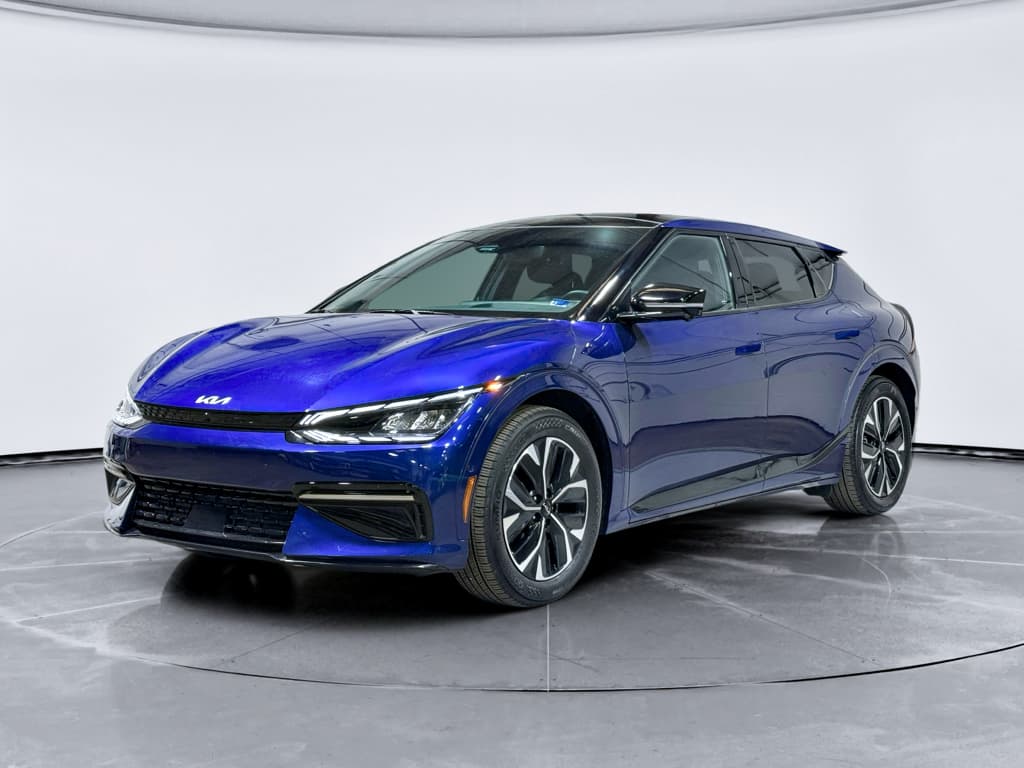
Kia EV6 / Hyundai Ioniq 5
Compact E‑GMP siblings tend to retain ~38–42% of original value after 5 years, meaning 58–62% depreciation.
These smaller EVs see strong early demand but can be more exposed to incentive shifts and new‑model competition.
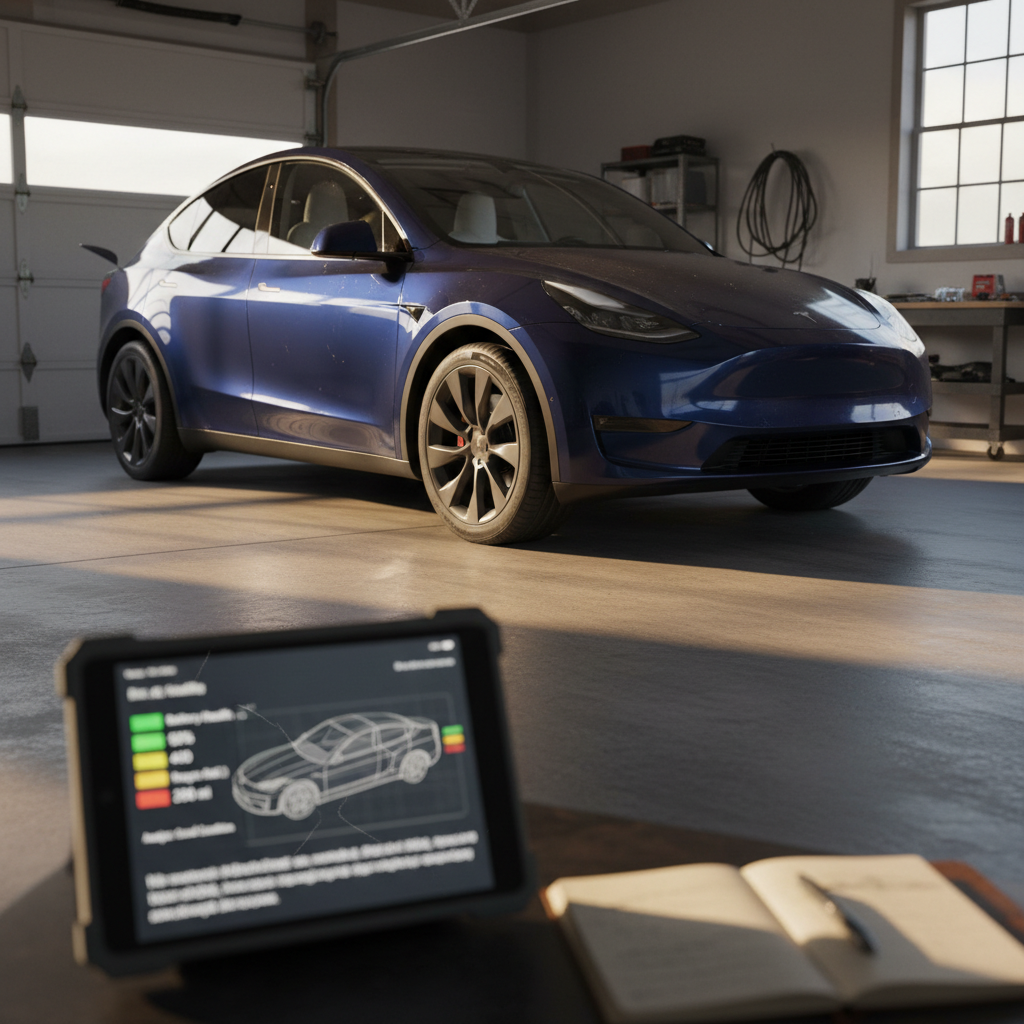
Tesla Model Y & other rivals
Well‑known EVs like the Model Y typically sit in the same neighborhood or slightly better, with some trims retaining a bit more than half their value in 5 years.
Brand pull and charging network access help, but price cuts can cause sudden drops.
In short, the EV9 isn’t a resale superstar, but it also isn’t a disaster. It’s behaving like what it is: a well‑equipped three‑row family vehicle in a fast‑moving EV market. For most buyers, that makes the used EV9 sweet spot around years 2–4, after the steepest part of the curve has already happened.
6 factors that shape the EV9’s depreciation curve
Every EV depreciates, but why an EV9 lands where it does comes down to a familiar mix of technology, incentives, and simple supply and demand. Here are the six big forces to watch.
Key drivers of Kia EV9 depreciation
1. Technology aging and new‑model pressure
Big software updates, range bumps, and new driver‑assist features can make earlier EV9 model years feel older, faster. That tends to push down values around years 3–5 when a major refresh or new competitor arrives.
2. Battery health and real‑world range
A three‑row SUV lives on family road trips. If a specific EV9 shows strong battery health and still delivers solid range, it will command a premium over otherwise similar examples. Visible degradation will do the opposite.
3. Federal and state incentives
Manufacturer discounts, tax credits, and lease incentives can drop effective new‑car prices overnight. That’s great when you’re buying new, but it also resets what buyers are willing to pay used, especially in the first 2–3 years.
4. Charging access and home setup
In regions with strong fast‑charging coverage and high home‑charging adoption, demand for used EV9s tends to be stronger. If charging is a headache in your area, shoppers may stick to plug‑in hybrids or gas SUVs instead.
5. Brand reputation and reliability
Kia’s recent EVs have earned good reviews for comfort and tech. If the EV9 proves reliable and trouble‑free in years 3–5, that will help resale. If early years are plagued by recalls, values take a hit.
6. Trim mix, options, and price band
A Light or Wind trim with sensible options will usually depreciate less (in percentage terms) than a fully loaded GT‑Line that started deep into luxury‑SUV pricing territory.
Why used buyers have the advantage
Lease residuals: what they reveal about 3–5 year value
One of the cleanest windows into how experts expect a vehicle to depreciate is its lease residual value, the percentage of MSRP a finance company thinks the car will be worth at the end of the term.
Typical EV9 lease residuals
Across model years 2024–2026, many mainstream trims of the EV9 (Wind, Land, GT‑Line) have seen:
- Mid‑to‑high 50% residuals at 36 months for popular trims and mileages.
- Upper‑40% residuals at 48 months on some programs.
- Lower residuals on base trims with weaker demand.
Those numbers imply that finance companies expect a healthy chunk of value remaining at 3–4 years, especially on well‑optioned models.
What that means for a 5‑year owner
If a lender assumes the EV9 will still be worth close to 60% after 3 years, a 5‑year owner is likely landing in the mid‑40% range by year 5, once the curve flattens.
For you, that translates to:
- A reasonable exit value if you sell or trade around year 5.
- Less risk of being deeply upside‑down if you financed sensibly.
- A used‑EV9 market that should have plenty of solid choices coming off lease.
Lease vs. buy through the depreciation lens
How to shop a used Kia EV9 smartly
Because the EV9’s depreciation curve is steepest up front, model‑year 2–4 EV9s will likely be the value sweet spot. You’re sidestepping the biggest drop while still getting modern tech, great range, and warranty coverage on the high‑voltage battery.
Used Kia EV9 buying checklist
1. Focus on battery health, not just miles
Two EV9s with the same mileage can have very different battery health. Look for a <strong>third‑party battery health report</strong>, like the Recharged Score Report, to see real state‑of‑health, fast‑charge history, and any red flags.
2. Compare price to original MSRP
Ask what the EV9 cost new, and compare your offer to that figure. A 3‑year‑old EV9 priced at 70% of original MSRP is expensive; one at 55–60% can be right on the money depending on condition and options.
3. Watch for heavy fleet or rideshare use
High‑mileage family use is one thing; rideshare or delivery duty is another. Those vehicles often see more DC fast charging and harder use, which can accelerate degradation and hurt resale later.
4. Check software and recall history
EVs are rolling computers. Make sure the EV9 has had all recall work done and is on current software. That’s safer and also helps keep features like driver assistance and route‑based charging competitive.
5. Validate charging fit for your life
An EV9 is easiest to live with if you can charge at home. If you can’t, line up convenient public charging first, depreciation hurts a lot less when your daily life actually works with the car.
6. Factor in total cost, not just price
Insurance, energy costs, and maintenance are generally lower than a comparable gas SUV. A slightly higher payment on a used EV9 can still be cheaper to live with than a thirsty V6 minivan.
Where Recharged fits in
Ready to find your next EV?
Browse VehiclesProtecting your EV9’s resale value over 5 years
Whether you’re buying new or used, you’re not helpless against depreciation. You can’t change the market, but you can absolutely change where your specific EV9 lands within that range.
Five high‑impact ways to slow depreciation
These habits won’t eliminate value loss, but they can keep you on the high end of the curve.
Be kind to the battery
Avoid living at 0% or 100% charge, don’t fast‑charge unnecessarily, and keep the vehicle within recommended temperature ranges when possible.
A healthier pack equals better range, and stronger resale.
Stay ahead on service
EVs need less maintenance than gas SUVs, but they still need tires, brake fluid, and inspections. Keep every receipt and service record.
A documented history is gold for the second owner.
Protect the interior
Three rows mean kids, gear, and road‑trip snacks. Seat covers, all‑weather mats, and regular detailing help an EV9 look newer, longer.
Choose the right market moment
If you can, avoid selling into a flood of off‑lease EV9s or during a major incentive shock on new inventory. Timing around those waves can add thousands to your sale price.
Finance conservatively
Shorter loans, reasonable down payments, and not rolling negative equity from a previous car all reduce the risk of being underwater.
Sell where EVs are wanted
Some regions simply value EVs more. If you’re flexible, marketing your EV9 in an EV‑friendly metro can bump both price and speed of sale.
What hurts EV9 resale fastest
Kia EV9 5‑year depreciation FAQ
Frequently asked questions about Kia EV9 depreciation
Bottom line: is a Kia EV9 a good 5‑year value play?
Looking at the Kia EV9 depreciation curve over 5 years, this big three‑row EV behaves exactly like what it is: a well‑equipped family flagship in a rapidly evolving segment. You should plan on losing about half the purchase price over five years, but that’s broadly in line with other large SUVs, and your fuel and maintenance savings help even out the ledger.
If you’re buying new and want the latest and greatest, a 5‑year ownership window is reasonable as long as you finance conservatively and keep an eye on incentives. If you’re value‑hunting, a 2–4‑year‑old EV9 with documented battery health is where the numbers really start to make sense.
Either way, the more you understand that depreciation curve, the more control you have. And if you’d rather not decode it alone, Recharged can help you compare used Kia EV9s with transparent Recharged Score Reports, financing options, instant offers on your trade‑in, and even model‑by‑model depreciation insights so you know exactly what you’re getting into, before you click “buy.”