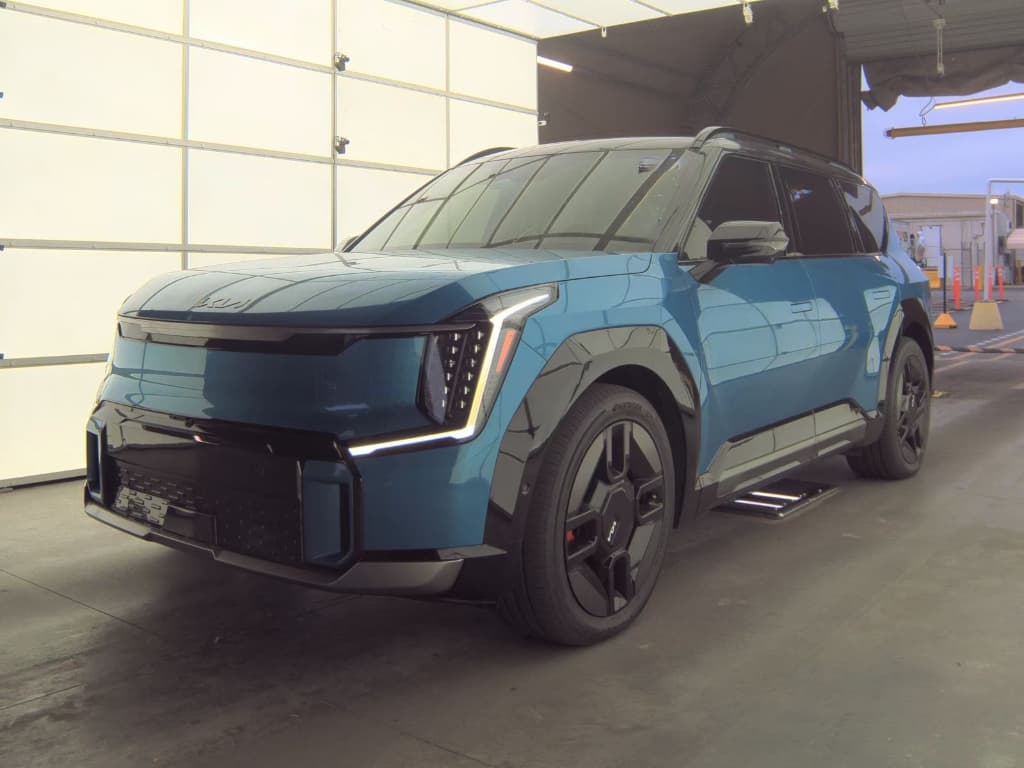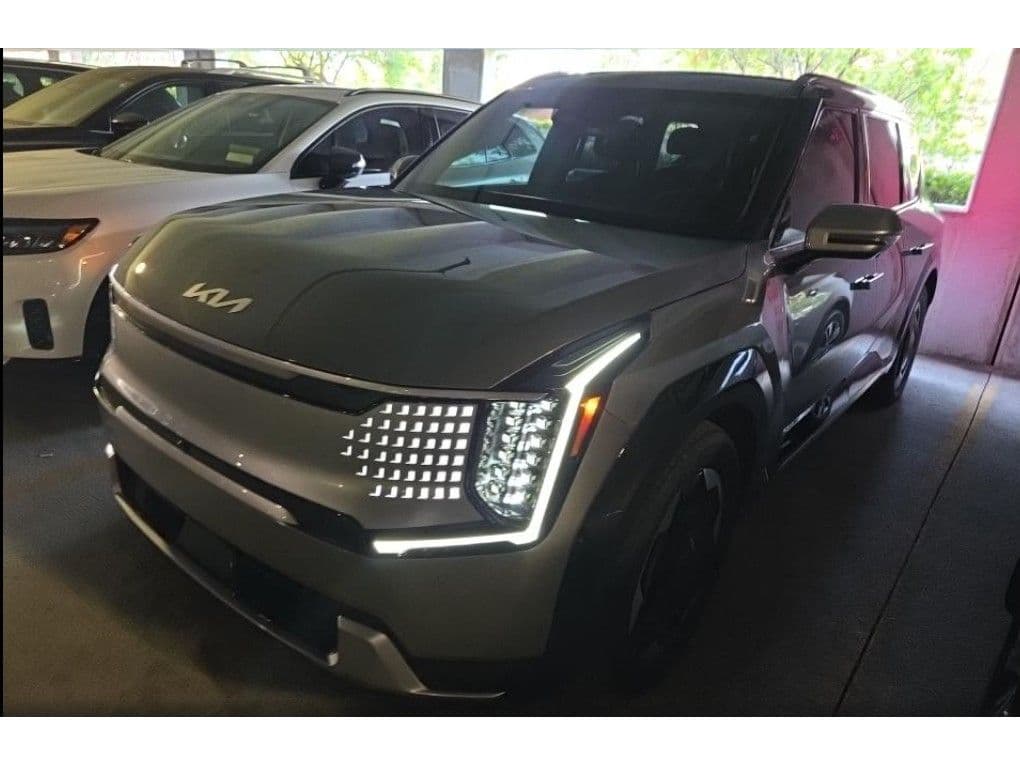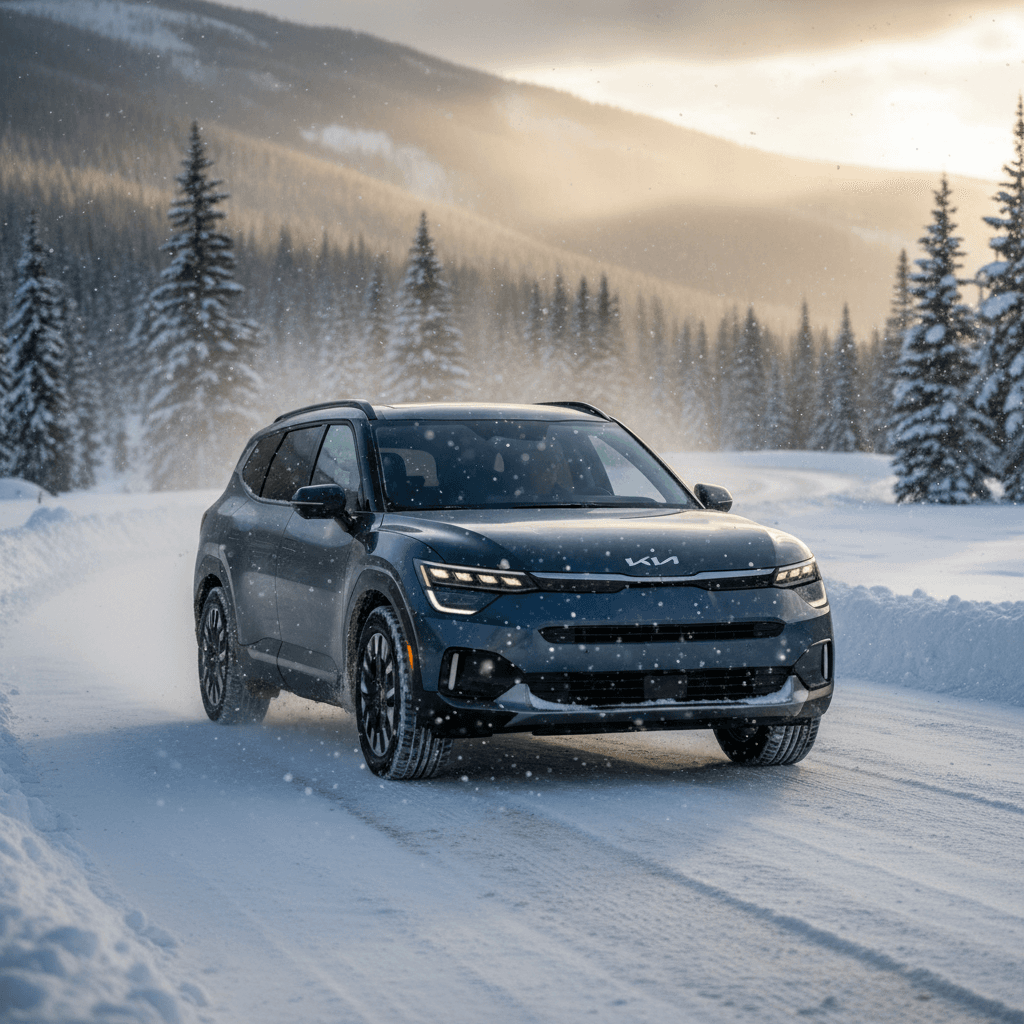
If you live where roads stay white half the year, you’re probably wondering whether the Kia EV9 is actually good in snow and ice, and more specifically, which versions and setups work best. As a three‑row electric SUV with available dual‑motor all‑wheel drive, generous ground clearance, and a dedicated Snow mode, the EV9 is built with winter in mind. But like every heavy EV, its cold‑weather performance depends heavily on tires, settings, and how you use it.
Short answer
Kia EV9 in Snow and Ice: Big Picture
Before we drill down into trims, tires, and settings, it helps to frame what makes the EV9 attractive for winter use. You get instant electric torque for getting moving in deep snow, up to roughly 7.0–7.8 inches of ground clearance depending on trim, a dual‑motor torque‑vectoring AWD system on Wind, Land, and GT‑Line, and Snow terrain modes designed specifically for low‑grip surfaces. At the same time, you’re dealing with more than 5,000 pounds of curb weight and the usual EV winter range loss, so driving one well in February takes a bit of strategy.
Key Kia EV9 Specs That Matter in Winter
EV9 Winter Strengths vs. Limitations
Winter strengths
- Available torque‑vectoring AWD on Wind, Land, and GT‑Line trims helps send power where there’s grip.
- Good ground clearance (around 7–7.8 inches) compared with many crossovers, so you’re less likely to high‑center in rutted snow.
- Low center of gravity from the battery pack helps stability in quick maneuvers on slick roads.
- Snow and Terrain modes tune throttle response and traction control for better control in deep or slippery snow.
- Strong cabin pre‑heat and heated features make cold starts far more pleasant than in most gas SUVs.
Winter limitations
- Weight works for and against you: great for traction, harder to stop on glare ice.
- Range loss in sub‑freezing temps; 25–40% reduction is realistic depending on speed and heater use.
- All‑season OEM tires on many trims are a weak link on hard‑packed snow or ice.
- Snow and ice buildup around the wipers and in the wheel wells has been a recurring owner complaint.
- Electronics are sensitive; packed snow/ice can occasionally interfere with sensors or wiper operation if not cleared.
Heavy EVs still obey physics
Which Kia EV9 Trims Are Best for Snow and Ice?
Not every Kia EV9 is created equal for winter duty. If you’re shopping new or used, it’s worth knowing how each trim is configured. In the U.S., trims with the optional 99.8‑kWh pack and dual‑motor AWD, typically Wind AWD, Land AWD, and GT‑Line, are the most winter‑capable, and they also unlock Snow mode and Kia’s torque‑vectoring e‑AWD system.
Kia EV9 Trims Through a Winter Lens
How common U.S. EV9 trims stack up for snow and ice performance. Always verify exact equipment on a specific used vehicle.
| Trim (U.S.) | Drivetrain | Battery | AWD / Snow Mode | Ground Clearance* | Winter Takeaway |
|---|---|---|---|---|---|
| Light | RWD | 76.1 kWh | No AWD / No Snow | ~7.0 in | Best for mild‑winter climates; rely heavily on good all‑weather or winter tires. |
| Light Long Range | RWD | 99.8 kWh | No AWD / No Snow | ~7.0 in | Excellent range but one‑axle drive; fine for plowed roads with proper tires. |
| Wind AWD | Dual‑motor AWD | 99.8 kWh | Yes AWD / Snow mode | ~7.4–7.8 in | Sweet spot for snow; plenty of power and traction with the right tires. |
| Land AWD | Dual‑motor AWD | 99.8 kWh | Yes AWD / Snow mode | ~7.8 in | Arguably the best all‑round winter pick: height, AWD, and comfort. |
| GT‑Line AWD | Dual‑motor AWD | 99.8 kWh | Yes AWD / Snow mode | ~7.8 in | Most capable but on big wheels; consider downsizing wheels and adding winters. |
AWD and Snow mode availability can change by market and model year; check the window sticker or build sheet for confirmation.
Shopping used? Check for AWD + Snow mode
Tires: The Single Biggest Winter Upgrade
Ask any seasoned winter driver and you’ll hear the same thing: tires matter more than badges. An AWD EV9 on mediocre all‑season tires will often be outclassed by a rear‑drive SUV on quality dedicated winters. Most EV9 trims ship with all‑seasons designed to balance efficiency, cost, and quiet, not to claw through frozen slush or stop quickly on black ice.
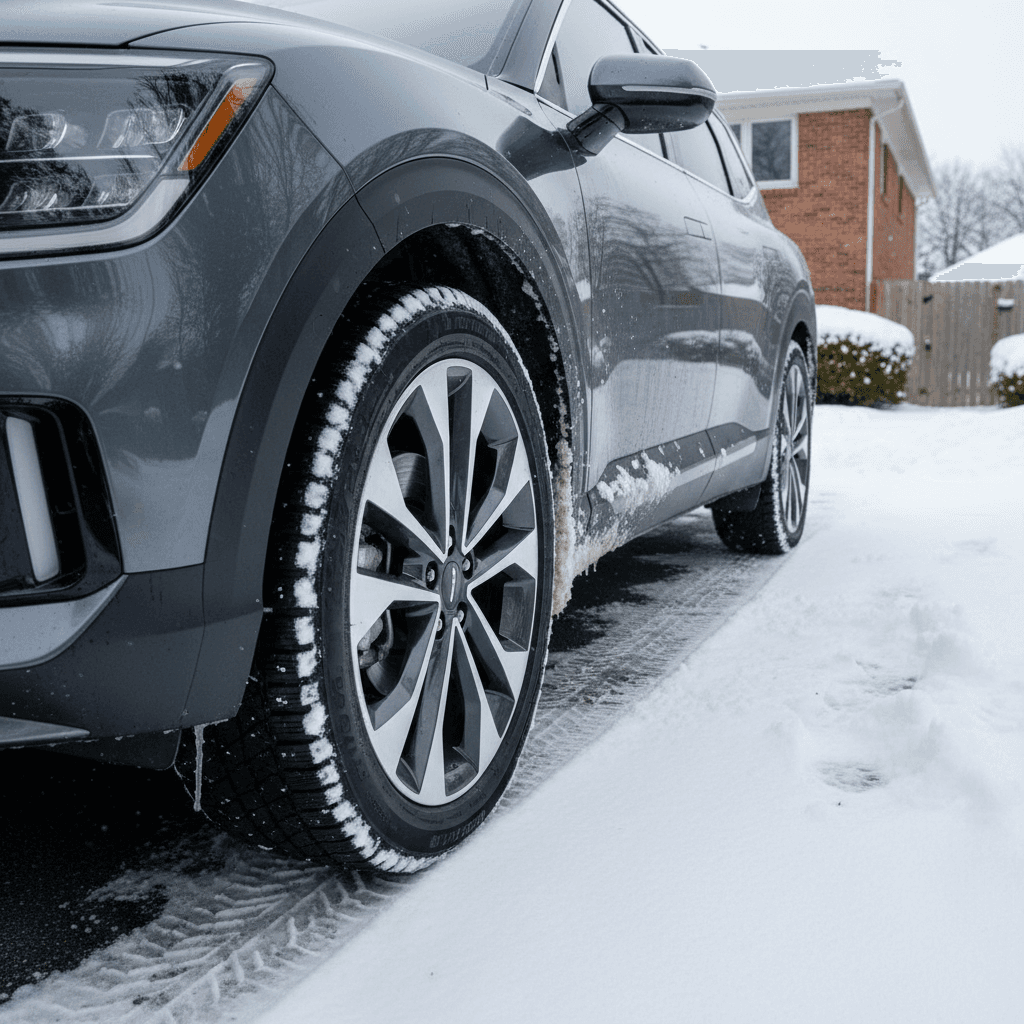
Choosing Tires for a Snow‑Belting EV9
Match your tire strategy to how often you see real winter, not just chilly rain.
Full winter tires
Best for: Regular snow/ice, mountain passes, ski‑town living.
- Maximum grip on packed snow and ice.
- Transform braking and cornering feel.
- Plan on range dropping a bit from the extra rolling resistance.
All‑weather 3PMSF tires
Best for: Mixed climates with a few serious storms a year.
- Carry the three‑peak mountain/snowflake (3PMSF) rating.
- Better winter grip than ordinary all‑seasons.
- Still fine for year‑round use in many regions.
Conventional all‑seasons
Best for: Mostly mild, coastal, or southern climates.
- Adequate in light snow at low speeds.
- Weak on ice and hard‑packed snow.
- Consider stepping up if you move north or add mountain trips.
Don’t let efficiency trump safety
Ground Clearance, Weight and AWD Tech
On snowy back roads, the EV9’s basic hardware matters as much as its software. With around 7.0 to 7.8 inches of ground clearance, it sits higher than many compact crossovers and in the same ballpark as several three‑row gasoline SUVs. That helps it ride up and over ruts instead of plowing through them bumper‑first.
- The battery pack’s low mounting gives the EV9 a very low center of gravity, which calms body roll and makes emergency moves on slippery highways feel more controlled than in a tall, top‑heavy SUV.
- Dual‑motor AWD trims use electric torque vectoring, which can adjust how much power goes to each axle, and in some situations, each wheel, far faster than a traditional mechanical system can react.
- The flip side of that planted feel is mass. The EV9 is a heavy vehicle; in an emergency stop on ice, it will still slide if the tires can’t bite. That’s where good winter rubber and defensive spacing pay off.
How its AWD compares
Drive Modes: Using Snow and Terrain Settings Correctly
Kia gives the EV9 both standard drive modes and, on AWD trims, Terrain modes, including Snow. Used wisely, these can make a noticeable difference in how the SUV behaves on slick roads, but they’re not magic buttons and they do come with trade‑offs.
What EV9 Winter Modes Actually Do
Think of modes as helpers, not substitutes for careful inputs and proper tires.
Normal, Eco, Sport
- Normal: Best everyday choice on plowed but cold roads.
- Eco: Softens throttle and can help in light snow but may feel sluggish for passing.
- Sport: Sharp and responsive, avoid on slick surfaces unless you know exactly what you’re doing.
Snow (Terrain) mode
- Dials back throttle sensitivity to reduce wheelspin.
- Adjusts AWD logic to favor stability over outright speed.
- Often reduces regenerative braking so the car doesn’t decelerate too abruptly on ice.
- Best for fresh snow, unplowed side streets, and low‑speed maneuvering.
Don’t live in Snow mode
Real‑World EV9 Owner and Tester Feedback in Winter
Specs only tell part of the story. Early owners have now driven Kia EV9s through multiple winters in places like Colorado, the Upper Midwest, New England, and Canadian provinces. Their experiences are mixed, but the pattern is less about the EV9 itself and more about tires, expectations, and prep.
- Drivers running dedicated winter tires often describe the EV9 as a “winter beast,” with stable high‑speed highway behavior and confident starts on snow‑covered grades.
- Owners on stock all‑season tires tend to report more sliding and longer stops on hard‑packed snow or glare ice, especially in stop‑and‑go city traffic.
- Several report that Snow mode helps with crawling and starting, but can feel vague or overly intrusive at higher speeds; some prefer Normal mode with gentle throttle inputs on plowed but slick roads.
- A recurring gripe is snow and ice accumulation around the windshield wipers and in the cowl area. In heavy, wet snow, buildup here can affect wiper performance and even trigger warnings until cleared.
- Some owners in extremely cold mountain climates note snow buildup in the wheel wells on long, slushy drives, an issue shared with many large SUVs and trucks.
The Kia EV9 feels planted and secure on snow with proper tires, but like every heavy EV, you can’t ignore physics. The drivers who love it in winter are the ones who equipped it for winter.
Winter Range Loss and Charging Habits
Whatever EV you drive, winter cuts into range. For the Kia EV9, a realistic expectation in sub‑freezing U.S. climates is roughly 25–40% less range than the EPA rating, depending on speed, wind, elevation changes, HVAC usage, and tire choice. That’s not the car misbehaving, that’s cold batteries, dense air, and snow‑covered roads doing what they always do.
Approximate winter range reality
Cold‑Weather Habits That Make the EV9 Easier to Live With
You can’t control the temperature, but you can control how your EV9 responds to it.
Charge more often
In real winter, don’t plan around 0–100%. Instead, think in shorter hops and top up whenever it’s convenient.
Time pre‑conditioning
Use the Kia Connect app to pre‑heat the cabin and battery while plugged in. You’ll start with a warm pack and preserve more on‑road range.
Dial back the heater
Seat and steering‑wheel heaters use far less energy than blasting hot air. Use them aggressively so you can keep the cabin temperature slightly lower without feeling cold.
If you buy a used EV9 through Recharged, your Recharged Score Report will include battery‑health data and real‑world range estimates, including how winter temperatures are likely to change your day‑to‑day experience. That’s far more useful than a raw EPA number when you’re planning school runs or ski trips in January.
How to Set Up Your EV9 for Winter Success
Practical Winter Setup Checklist for Kia EV9 Owners
1. Pick the right trim for your climate
If you regularly see snow‑covered roads, prioritize an <strong>AWD trim with Snow mode</strong> (Wind, Land, or GT‑Line). In milder climates, RWD plus good all‑weather tires may be enough.
2. Invest in a proper tire strategy
In true winter states or provinces, <strong>buy a dedicated winter wheel‑and‑tire set</strong>. If you’re more in the occasional‑storm zone, consider 3PMSF all‑weather tires as a strong compromise.
3. Learn your drive modes before the first storm
Try Normal, Eco, and Snow modes on a quiet, empty street after a light snowfall to feel how each responds. Once you understand the differences, you’ll know which to pick on the fly.
4. Protect your wipers and sensors
If heavy snow is forecast, lift or cover the wipers when parked outside, and <strong>clear packed snow from the cowl and around sensors</strong> before driving so driver‑assist systems work properly.
5. Adjust your range expectations
Plan routes and charging with a comfortable margin. If you used to arrive with 30% in summer, aim for 40–45% in deep winter until you learn how your EV9 behaves in your exact conditions.
6. Use scheduled charging and pre‑heat
Set your EV9 to finish charging shortly before departure and <strong>pre‑heat the cabin while plugged in</strong>. This warms the battery, improves regen, and saves energy once you hit the road.
7. Consider accessories
Rubber floor mats, a rear cargo tray, and a compact snow brush/ice scraper that lives in the car make winter life less messy. In deeper‑snow regions, a compact shovel is cheap peace of mind.
Where Recharged fits in
Ready to find your next EV?
Browse VehiclesFAQ: Kia EV9 in Snow and Ice
Common Questions About the Kia EV9 in Winter
Is the Kia EV9 the Right Winter EV for You?
If your goal is a three‑row electric SUV that can handle real winter, the Kia EV9 deserves a spot high on your list. In AWD form with the right tires, it offers stable, confident behavior in snow, competitive ground clearance, and the kind of seamless traction control that only a modern EV can deliver. It’s not immune to the usual EV winter trade‑offs, range loss, heavy curb weight, and the need for thoughtful charging and pre‑conditioning, but driven with respect for physics, it’s a solid partner for snowy commutes and mountain getaways alike.
The key is to match the trim and setup to your climate. If that’s something you’d like help with, Recharged can guide you through which used EV9s make the most sense for your winters, share Recharged Score battery‑health insights, and even coordinate delivery to your driveway, whether that’s in Phoenix sunshine or a Minnesota snowbank.