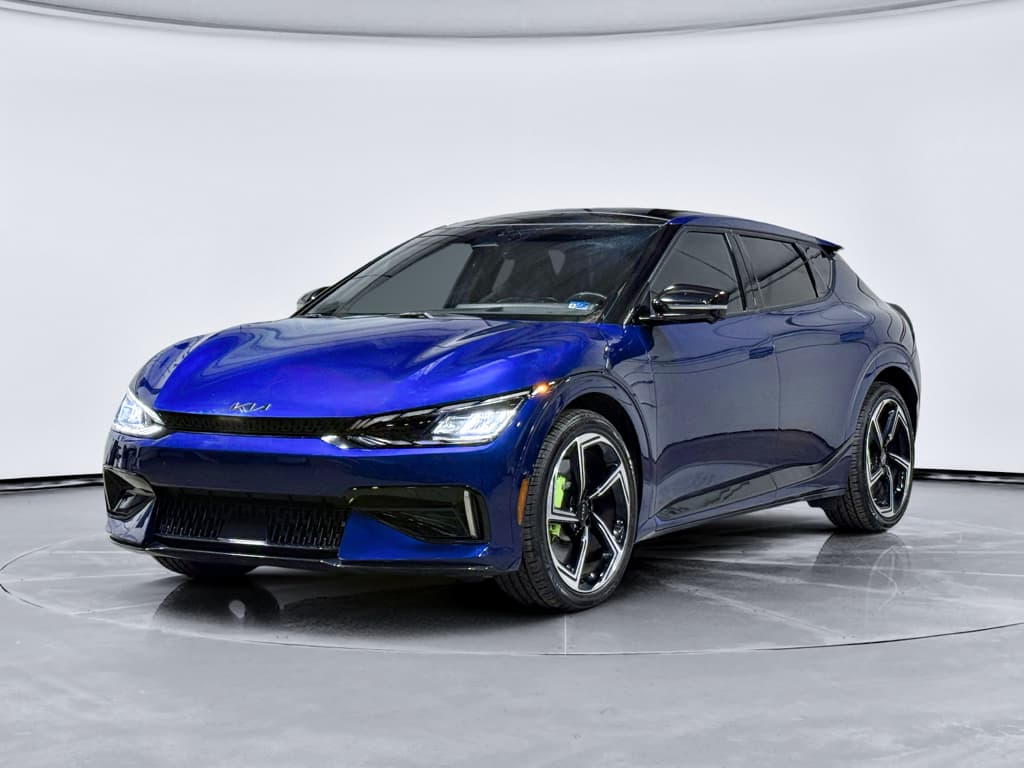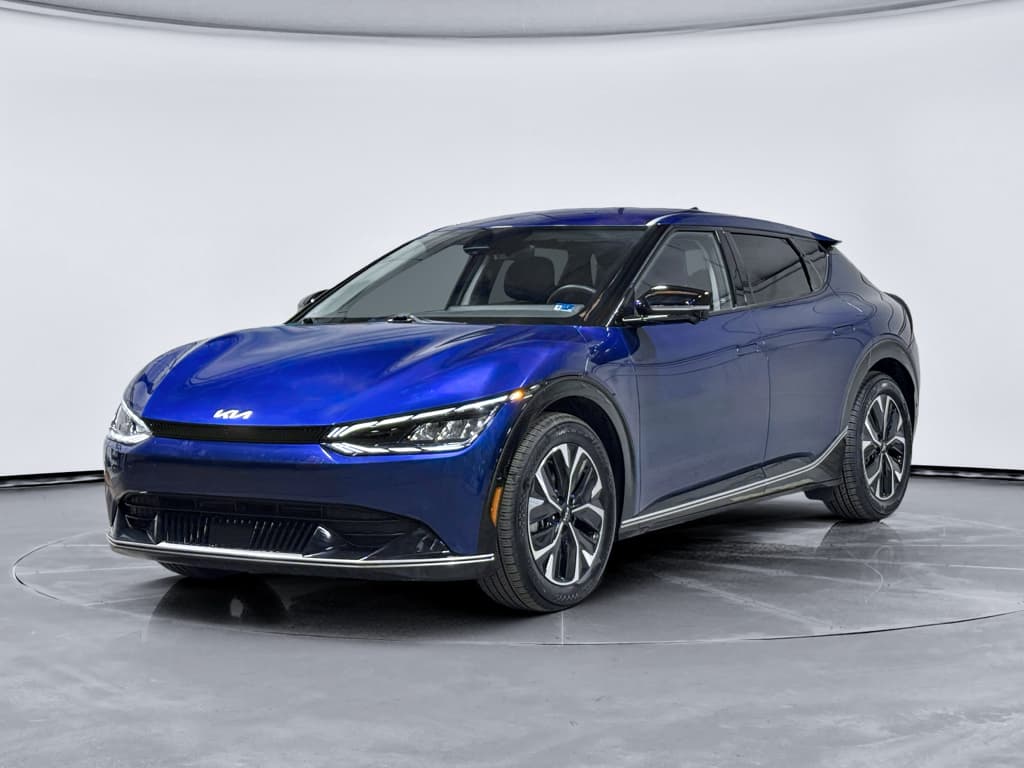
If you’re eyeing a Kia EV6, you’ve probably heard that it’s cheaper to own than a comparable gas SUV. But how much cheaper, and over how many years? This guide walks through a realistic Kia EV6 vs gas car cost comparison using current U.S. gas and electricity prices, real-world efficiency data, and a 5‑year ownership example.
What this article covers
Kia EV6 vs gas car cost: big picture
Kia EV6 vs gas SUV: key cost signals
At a national‑average level, the EV6 tends to win on **fuel** and **maintenance**, is roughly similar on **insurance**, and can be competitive on **depreciation**, especially if you buy used instead of new. But the exact spread between a Kia EV6 and a gas SUV depends heavily on three things: your electricity rate, local gas prices, and how many miles you drive.
Costs vary by driver
The assumptions behind this EV6 vs gas cost comparison
To keep things apples‑to‑apples, we’ll use a clear, simple baseline and then show how you can adjust it for your situation.
- Time frame: 5 years of ownership, a common loan or lease cycle.
- Annual mileage: 12,000 miles per year (close to the U.S. average), so 60,000 miles over 5 years.
- EV: 2024 Kia EV6 Long Range RWD, combined electricity use around 31 kWh/100 miles for an AWD model and a bit lower for RWD, based on EPA data.
- Gas comparison: A similar compact crossover/SUV (think Kia Sportage / Hyundai Tucson / Toyota RAV4), averaging 28 MPG combined in real-world driving.
- Electricity price: Recent U.S. residential average around $0.17/kWh (nationally, many regions are between ~13–20 cents).
- Gas price: Recent U.S. average for regular unleaded in 2024/2025 of roughly $3.10–$3.30 per gallon, with seasonal swings.
- Mix of home/public charging: We’ll assume 80% home, 20% public Level 3 fast charging for a typical owner who mainly charges at home but road-trips occasionally.
Use your own bills & prices
Fuel and electricity: Kia EV6 energy cost per mile vs gas
Step 1: EV6 electricity cost per mile
Take the EV6’s combined electricity use and multiply by your kWh rate.
- EV6 example efficiency: 31 kWh/100 miles for a Long Range AWD model.
- That’s 0.31 kWh per mile.
- At $0.17/kWh: 0.31 × $0.17 ≈ $0.053 per mile.
If your rate is lower (say $0.13/kWh), that drops closer to $0.04 per mile. At $0.22/kWh, it’s closer to $0.07 per mile.
Step 2: Gas SUV fuel cost per mile
Now do the same for the gas SUV.
- Gas SUV example: 28 MPG combined.
- At $3.20 per gallon: $3.20 ÷ 28 ≈ $0.114 per mile.
- At $3.50 per gallon: fuel cost rises to about $0.125 per mile.
In other words, even at modest electricity prices, an EV6 typically uses **about half the energy cost per mile** of a similar gas SUV, and often less than half in high‑gas‑price states.
Annual fuel savings snapshot
- EV6: about $600/year in electricity.
- Gas SUV: about $1,440/year in gasoline.
- Estimated savings: roughly $800–$900 per year, or $4,000–$4,500 over 5 years, before maintenance differences.
Maintenance: why the EV6 usually wins
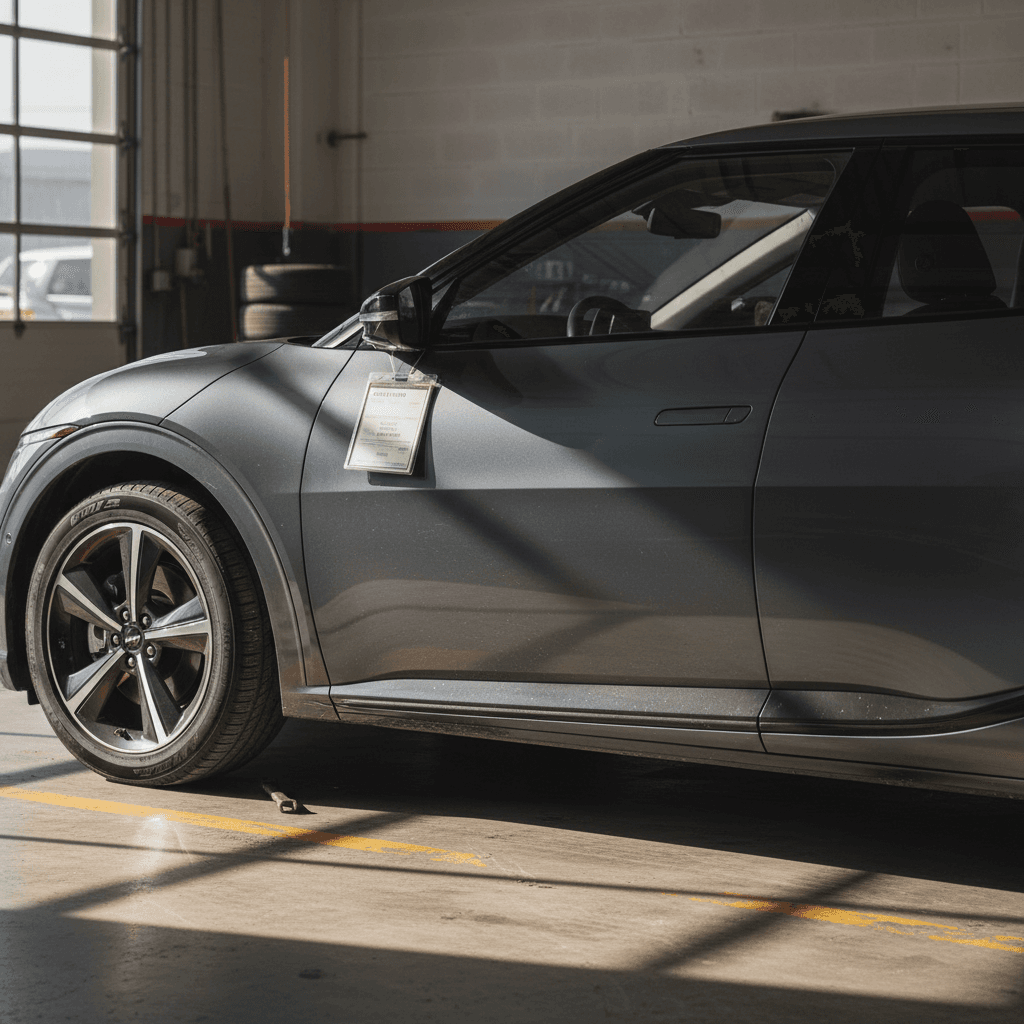
The Kia EV6 doesn’t need oil changes, timing belts, spark plugs, or exhaust work. Over time, that matters. Third‑party cost‑to‑own data for the 2024 EV6 shows about $4,200 in maintenance over 5 years for a new vehicle, including wear items. A comparable gas SUV typically runs 20–40% higher, especially once you add transmission service, engine‑related repairs, and more frequent fluid changes.
Common maintenance: Kia EV6 vs gas SUV
What you do, and don’t, pay for over 5 years
Kia EV6: Fewer routine services
- No oil changes or transmission fluid service.
- Less brake wear thanks to regenerative braking.
- Focus on tires, cabin filters, brake fluid, and inspections.
- Battery and drive unit are typically under long warranties.
Gas SUV: More moving parts
- Regular oil and filter changes.
- Engine air filter, spark plugs, belts.
- Transmission service and potential repairs.
- Exhaust system, emissions components, and more fluids.
Battery health and long-term costs
Insurance, taxes and fees
Insurance tends to track vehicle price, repair costs and local factors more than fuel type. New EV6 premiums can sometimes run slightly higher than mainstream gas crossovers, but the gap is usually modest, and in many ZIP codes, it’s negligible. Over 5 years, plan on total insurance costs in the same ballpark as a similarly priced gas SUV.
- Registration fees: Some states base them on vehicle weight or price, which can make an EV6 moderately more expensive to register than a budget gas crossover but comparable to a similarly priced gas SUV.
- EV fees: A few states add annual EV surcharges to replace gas-tax revenue. That can add $100–$250 per year, but it typically doesn’t erase the EV6’s fuel and maintenance advantage.
- Taxes: Upfront sales tax is tied to purchase price more than powertrain. If you buy a used EV6 priced similarly to a used gas SUV, you’re on essentially level ground here.
Watch for EV-specific fees
Depreciation and resale value
Depreciation, the value your vehicle loses over time, is often the largest single ownership cost, EV or gas. For a brand‑new Kia EV6, 5‑year depreciation can exceed $30,000, similar to many new compact crossovers in this price range. That’s why more shoppers are turning to late‑model used EV6s, where earlier depreciation is already baked into the price.
Depreciation: new vs used EV6
Why buying used often flips the script
New EV6
- Higher upfront price.
- Steepest depreciation in first 3 years.
- Best if you plan to keep the car 8–10 years.
3–4‑year‑old EV6
- Major depreciation already absorbed.
- Still modern tech and range.
- Often the sweet spot for value buyers.
Comparable gas SUV
- More predictable historical depreciation curves.
- Can hold value well, but fuel and maintenance costs eat into the advantage.
- Used prices reflect local fuel-price expectations.
5‑year cost example: Kia EV6 vs comparable gas SUV
Let’s put this together with a simple 5‑year example for a typical U.S. driver logging 12,000 miles per year. We’ll ignore financing for the moment and focus on operating costs plus depreciation. Numbers are rounded for clarity.
Illustrative 5‑year cost comparison (new vehicles)
Approximate 5‑year ownership costs for a new Kia EV6 vs a new gas compact SUV, using recent averages.
| Cost category (5 years) | Kia EV6 (new) | Gas compact SUV (new) |
|---|---|---|
| Fuel / energy | ≈$6,000 | ≈$10,000–$11,000 |
| Maintenance & repairs | ≈$4,500–$5,000 | ≈$6,000–$7,500 |
| Insurance | ≈$4,300–$5,000 | ≈$4,000–$4,700 |
| Registration & EV fees | ≈$800–$1,500 | ≈$700–$1,300 |
| Depreciation | ≈$30,000+ | ≈$25,000–$30,000 |
| Estimated 5‑yr total | ≈$45,000–$48,000 | ≈$47,000–$50,000+ |
Actual costs will vary by state, insurer, driving style and how you buy (new vs used).
What this tells you
New vs used Kia EV6: how the math changes
Where the EV6 can really shine vs a gas car on cost is in the **used market**. Early depreciation on EVs has been steep in some years, which hurts first owners but creates opportunity for second owners who can buy a low‑mileage EV6 at a significant discount from new.
Scenario A: Used Kia EV6
Imagine buying a 3‑year‑old EV6 that originally stickered around $50,000, now selling for, say, $30,000–$32,000 depending on trim, mileage and market conditions.
- You avoid the steepest years of depreciation.
- You still get strong range, fast charging and modern tech.
- Your 5‑year depreciation from this point might be closer to $12,000–$16,000, not $30,000+.
Scenario B: Used gas SUV
Now compare a 3‑year‑old gas SUV with similar original MSRP and current price.
- Its purchase price might be similar, but your fuel and maintenance bills are higher.
- Over your 5‑year ownership window, that can easily add $4,000–$7,000 to your total cost.
- Depreciation may be comparable, so ongoing costs become the tie‑breaker.
Where Recharged fits in
Ready to find your next EV?
Browse VehiclesHow your location and driving habits change the math
4 factors that change EV6 vs gas costs
Run through these before you decide
1. Local gas prices
2. Electricity rates
3. Annual mileage
4. Charging mix
Quick rule of thumb
How Recharged helps you run your own numbers
Turn a gas-to-EV6 switch into a clear business case
1. Start with a real vehicle, not a brochure
On Recharged, you’re looking at actual used Kia EV6s with VIN‑level details, not generic estimates. That lets you compare specific vehicles against your current gas car.
2. Review the Recharged Score Report
Every EV6 listing includes a Recharged Score with verified battery health and pricing data. You can see how the pack has been treated and how the asking price compares to similar vehicles.
3. Estimate your fuel and electricity costs
Use your current annual mileage and local gas price to estimate what you’re spending now. Then plug in your electric rate to estimate what the EV6 would cost per mile.
4. Factor in maintenance and repairs
Use your maintenance history as a baseline, especially if your gas vehicle is older. Compare that to the EV6’s simpler service schedule, no oil changes, fewer moving parts.
5. Consider financing and trade‑in
Recharged offers financing and trade‑in options or instant offers on your current gas car. Rolling strong fuel and maintenance savings into a monthly payment often makes the EV6 easier to justify.
6. Talk to an EV specialist
If you’re unsure how your local rates or driving habits affect the math, Recharged’s EV‑specialist support can walk you through a tailored cost comparison before you commit.
Kia EV6 vs gas car cost: FAQ
Frequently asked questions
Bottom line: When does a Kia EV6 beat a gas car on cost?
If you drive a typical amount, can charge at home most nights, and pay somewhere near the national averages for gas and electricity, a Kia EV6 will usually cost less to own than a similar gas SUV over 5 years, sometimes by several thousand dollars. The more you drive and the higher local gas prices climb, the stronger the EV6’s case becomes.
Where the numbers get especially compelling is in the used market. A late‑model EV6 bought at the right price can combine lower depreciation with big savings on fuel and maintenance. That’s the gap Recharged is built to surface clearly, with verified battery health, transparent pricing and EV‑savvy support from first click to delivery.
If you’re comparing a Kia EV6 vs your current gas car on cost, the next step is to look at a specific EV6, plug in your own miles and energy prices, and let the math decide. Recharged is designed to make that comparison simple, and to help you switch to an EV when the numbers work for you.