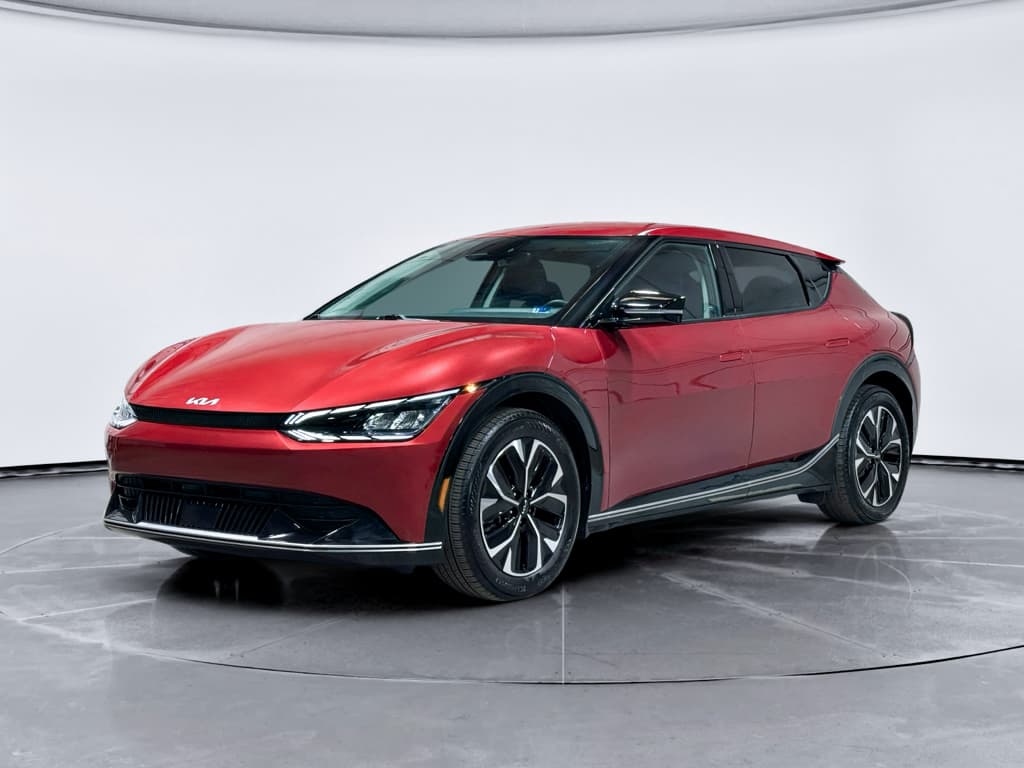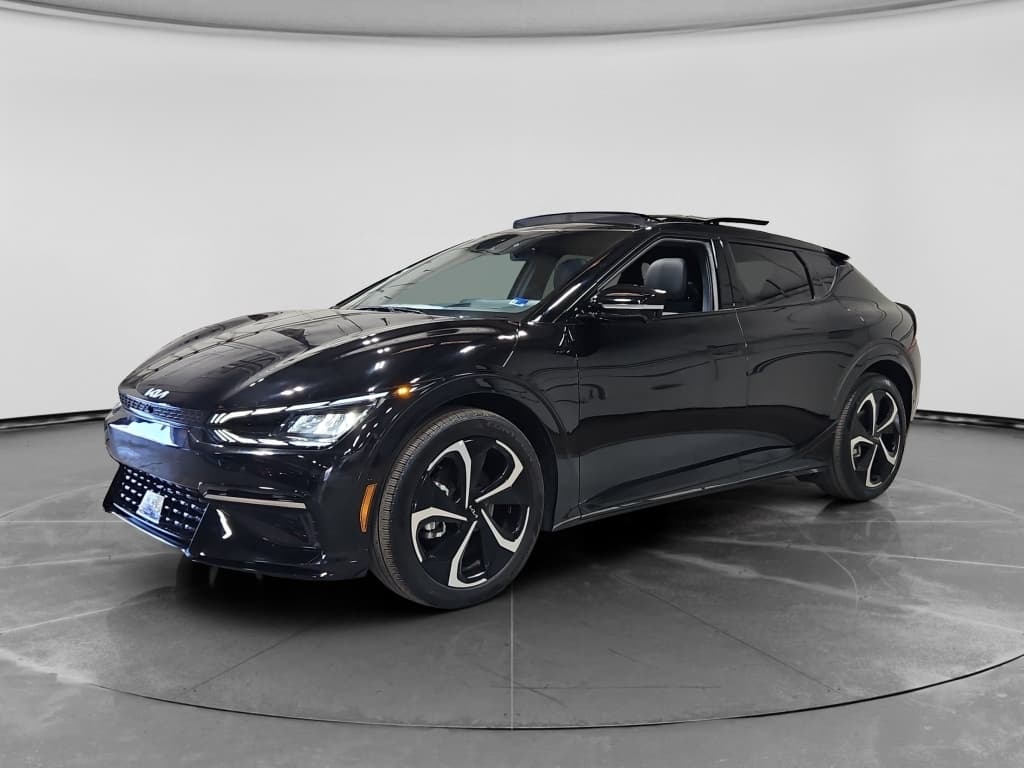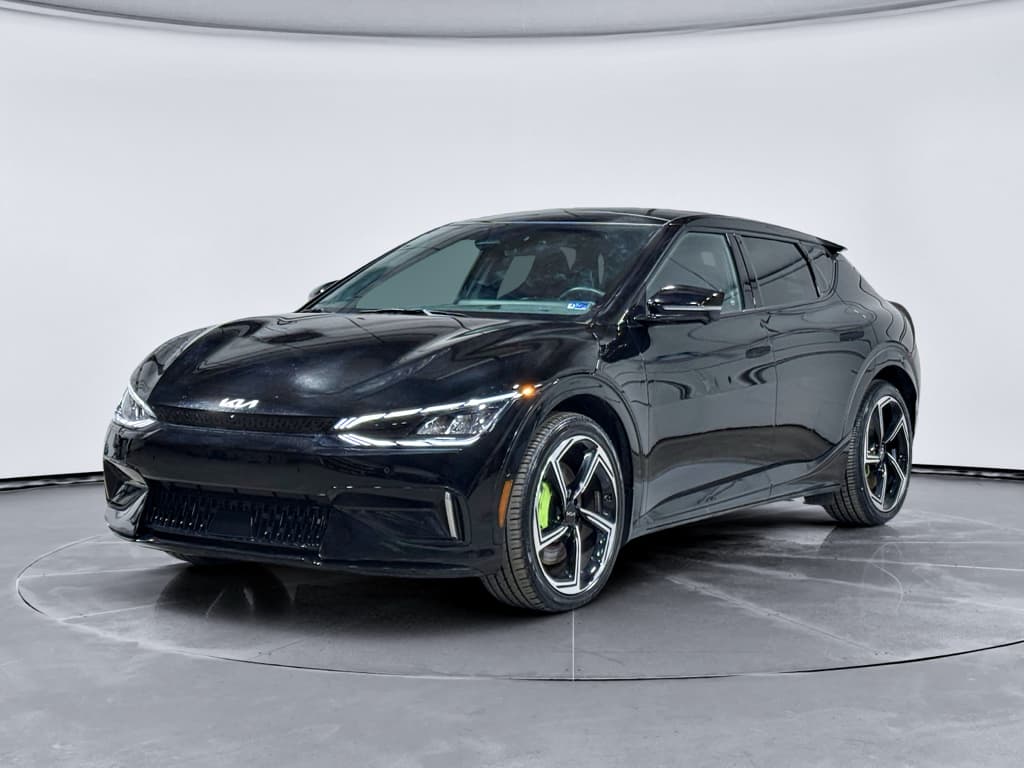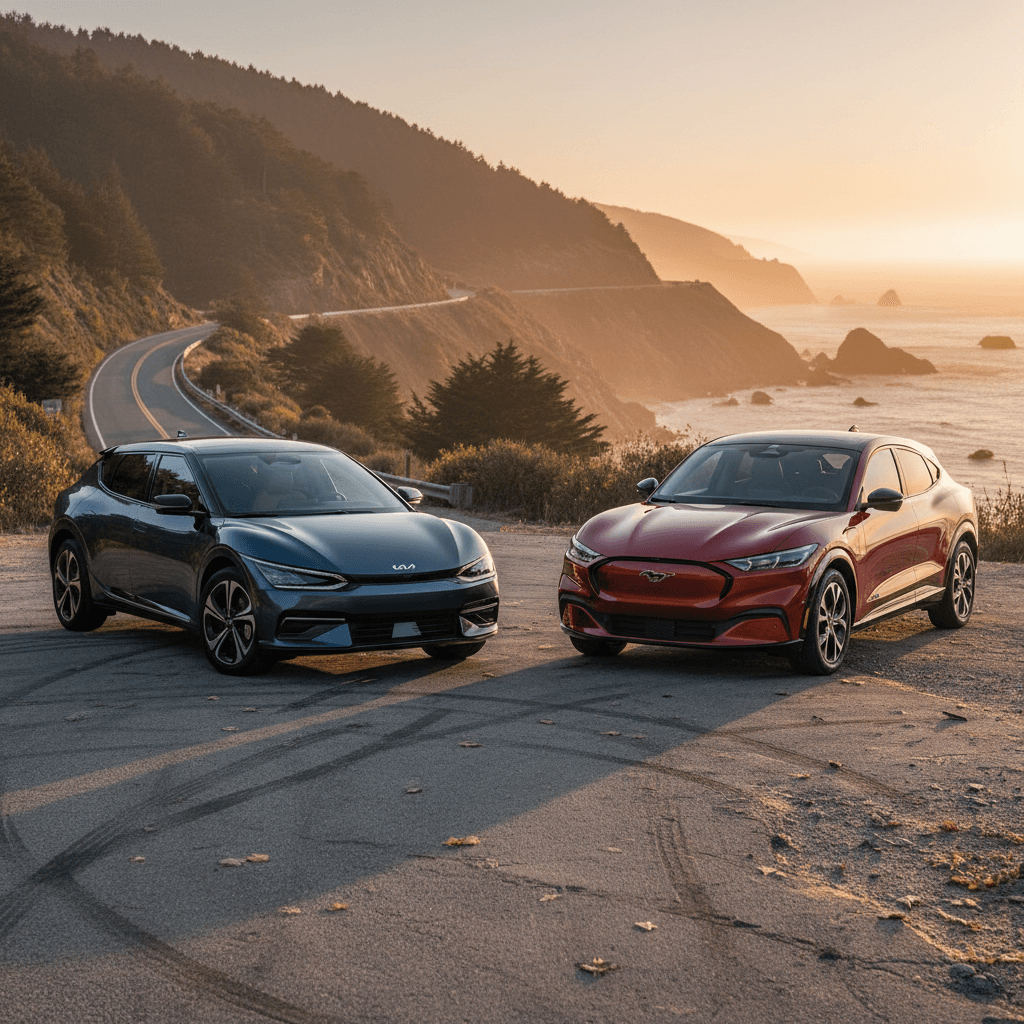
Cross-shopping the Kia EV6 vs Ford Mustang Mach-E puts you right in the heart of today’s EV market: two stylish, fun-to-drive electric crossovers from legacy brands trying to win over Tesla-curious buyers. Both offer strong performance, practical range, and family-ready space, but they take noticeably different approaches to design, charging, and long-term ownership.
Two EVs, same mission
Kia EV6 vs Mustang Mach-E: quick overview
Kia EV6 in a sentence
A sleek, hatchback-like crossover with ultra-fast DC charging, a long warranty, and a slightly sportier, more futuristic vibe. Think tech-forward all-rounder with a subtle performance streak.
Ford Mustang Mach-E in a sentence
An electric SUV wearing an iconic badge, with muscular styling, quick acceleration, and a more traditional SUV feel. Think emotional appeal and brand heritage with family practicality.
Headline numbers: EV6 vs Mustang Mach-E
Key specs: Kia EV6 vs Ford Mustang Mach-E
Core specs comparison
Representative specs for mainstream trims; exact numbers vary by model year and configuration.
| Kia EV6 (2024–2025) | Ford Mustang Mach-E (2024–2025) | |
|---|---|---|
| Battery options | ~58–63 kWh standard, ~77–84 kWh long-range | Standard-range and extended-range packs, similar usable capacity |
| Max EPA range (RWD) | Up to ~310–319 miles (model-year dependent) | Up to ~320 miles (Premium extended-range RWD) |
| Typical AWD range | Mid- to high-200s miles | Mid- to high-200s miles |
| DC fast-charge peak | Up to ~230 kW on 800V hardware | Up to ~150 kW on long-range versions |
| 0–60 mph (sport trims) | ≈3.4 sec (EV6 GT) | ≈3.1–3.3 sec (GT Performance) |
| Drivetrain layout | RWD or AWD | RWD or AWD |
| Seats | 5 | 5 |
| Cargo (rear seats up) | Mid-20s cu ft (varies by trim) | Around 29–30 cu ft plus small frunk |
| Warranty – basic | 5 yr/60,000 mi | 3 yr/36,000 mi |
| Warranty – powertrain | 10 yr/100,000 mi | 5 yr/60,000 mi |
| Warranty – battery | 10 yr/100,000 mi | 8 yr/100,000 mi |
Always check the specific trim and year you’re considering, especially in the used market.
How to read these specs
Range, battery size, and efficiency
On paper, the Kia EV6 and Ford Mustang Mach-E trade punches on range. In many trims, they land in the same high-200s to low-300s mile band, so the right choice is less about a single EPA number and more about how you’ll actually drive.
- Kia EV6: Early 77.4 kWh long-range RWD models are rated up to ~310 miles, with the 2025 refresh bumping battery capacity slightly and nudging range estimates to roughly 319 miles on certain RWD trims.
- Ford Mustang Mach-E: Extended-range RWD Premium trims reach about 320 miles. Standard-range and AWD variants typically sit between ~240 and 300 miles depending on configuration.
- Performance models: EV6 GT and Mustang Mach-E GT/GT Performance carve big chunks off their range, down into the low-200s, by trading efficiency for acceleration.
Don’t over-buy range you won’t use
Efficiency is where the EV6 quietly shines. Its slippery, low-slung body and 800-volt hardware help it translate kWh into miles very effectively, especially at highway speeds. The Mach-E is no energy hog, but its boxier SUV profile and heavier feel mean you’ll likely see slightly lower miles per kWh in the same conditions.
Charging speed and real-world charging experience
For EV road trips, your patience at fast chargers matters as much as your battery size. This is where the Kia EV6’s 800-volt platform and very high peak charge rates give it a meaningful advantage over the Mustang Mach-E.
Charging: Kia EV6 vs Mustang Mach-E
How long you’ll actually sit at a DC fast charger
Kia EV6 charging experience
- 800-volt architecture enables very high charge rates.
- Real-world tests show 10–80% in under ~18 minutes on a 350 kW charger when conditions are ideal.
- More consistent power delivery over the middle of the charge curve than many competitors.
- Excellent for frequent highway use and long legs between stops.
Mustang Mach-E charging experience
- Long-range packs typically peak around 150 kW on DC fast chargers.
- Expect 10–80% in roughly 30–40 minutes in good conditions.
- Ford’s BlueOval Charge Network gives app-based access to a wide mix of third-party DC fast chargers.
- Later model years add support for the NACS (Tesla) connector, improving fast-charging options over time.
If you road-trip a lot…
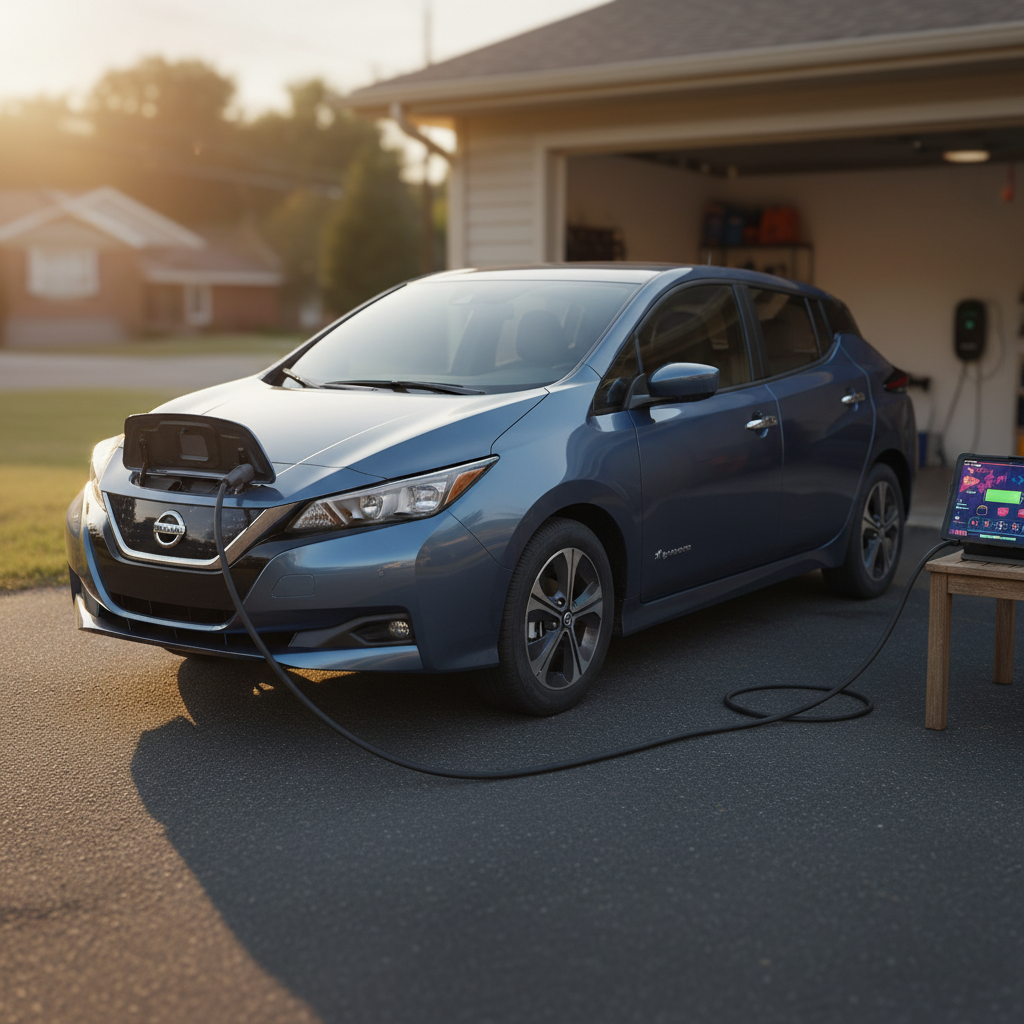
At home, both vehicles support Level 2 charging around 11 kW, which means you can typically go from a low state-of-charge to full overnight on a 240V, 40–48 amp home charger. The key is making sure your home electrical service and wiring are up to the task before you buy, a step many first-time EV shoppers underestimate.
Home charging and used EVs
Performance, handling, and driving feel
Both the EV6 and Mustang Mach-E deliver the instant torque and smooth acceleration that define modern EVs, but they express their personalities differently. The EV6 leans toward agile, European-style composure; the Mach-E feels more like an electric muscle SUV.
Driving character: head vs. heart
How they feel from behind the wheel
Kia EV6
- Lower seating position and more car-like stance.
- Quick steering and a planted feel at highway speeds.
- AWD versions deliver strong, confident acceleration; GT models push into full hot-hatch territory.
- Ride quality skews firm but controlled, especially on larger wheels.
Ford Mustang Mach-E
- Taller seating position and more traditional SUV vibe.
- Plenty of punch even in mainstream trims; GT Performance is seriously quick.
- Steering feel is user-selectable via drive modes, from comfort-biased to sportier.
- Some owners report a slightly busier ride on imperfect pavement, particularly on performance-oriented trims.
Performance bottom line
Interior space, comfort, and practicality
Both of these EVs are firmly in the compact crossover class, with generous space for four adults and acceptable space for five. The differences come down to how they use their volume and how the cabins feel.
Cabin & seating
- Kia EV6: Feels airy and modern, with a minimalist dashboard and dual-screen setup. The lower roofline looks sporty but can slightly reduce rear headroom for very tall passengers.
- Mustang Mach-E: More upright seating and a big central touchscreen give it a familiar SUV-with-a-tech-twist vibe. Rear headroom is a touch better, and the wide body gives good shoulder room.
Cargo & utility
- EV6: Hatchback-style tailgate, with mid-20s cubic feet of space behind the rear seats and more with seats folded. Enough for a family’s luggage or weekly IKEA run.
- Mach-E: Slightly more cargo volume behind the rear seats (around 29–30 cu ft), plus a small front trunk that’s great for charging cables, muddy gear, or groceries.
Think about your actual stuff
Infotainment, safety tech, and driver assistance
Both Kia and Ford treat these EVs as technology flagships, so you’re getting large screens, always-connected navigation, and a full suite of active safety features. The details, though, can swing some shoppers one way or the other.
Technology and driver-assist comparison
Screen wars, software, and hands-free driving
Kia EV6 tech highlights
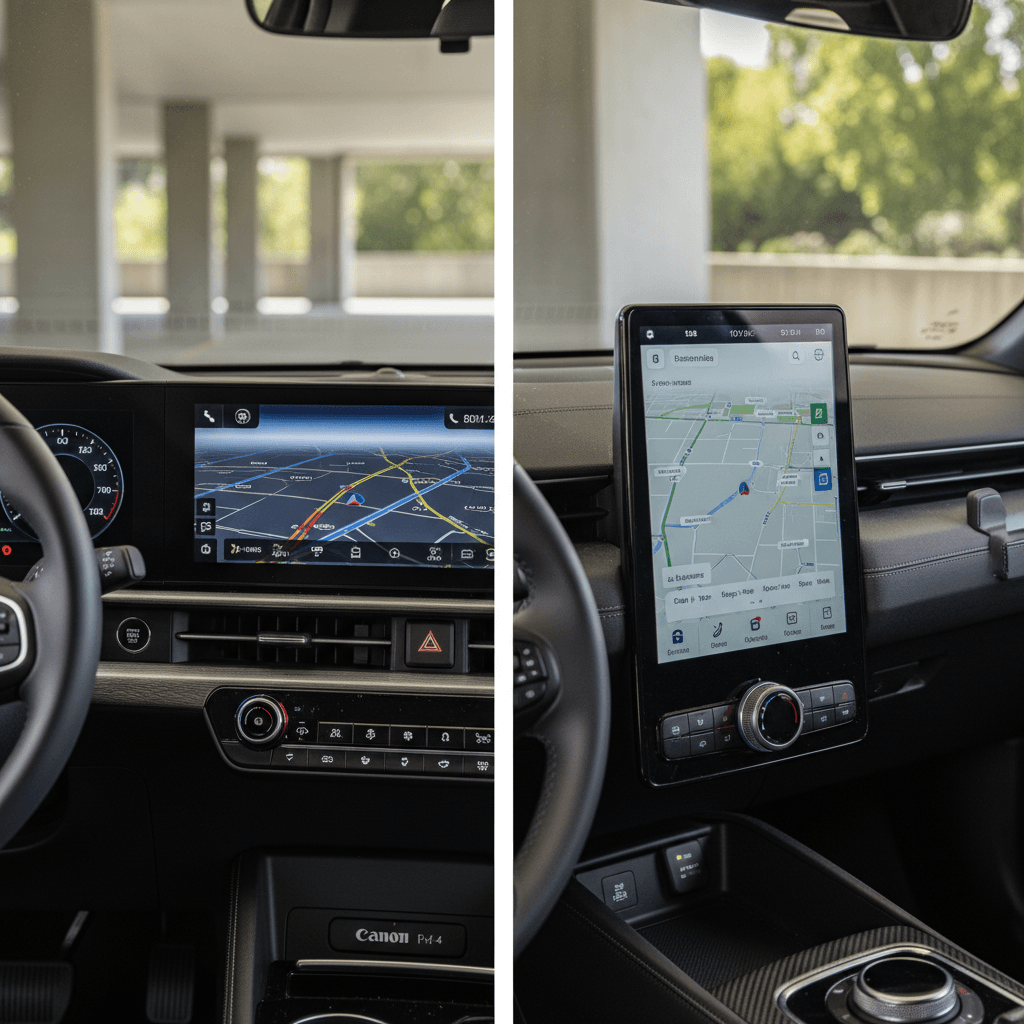
- Dual 12.3-inch curved displays for cluster and infotainment on most trims.
- Clean, modern UI with physical knobs for volume and climate on many models.
- Kia Drive Wise suite: adaptive cruise, lane centering, blind-spot view monitor, highway assist, and more.
- Over-the-air software updates are available, though depth varies by model year.
Mustang Mach-E tech highlights
- Large vertical central touchscreen (around 15 inches) plus a smaller driver display.
- Ford’s latest Sync software with native route planning that can factor in charging stops.
- Available BlueCruise hands-free driving on supported highways in many newer trims.
- Regular software updates, including improvements to charging behavior and driver aids over time.
Safety ratings
Ownership costs, warranty, and used-EV considerations
New, the EV6 and Mustang Mach-E can price out very similarly once you line up comparable trims. In the used market, incentives, inventory, and brand perception can swing pricing month to month, but two things stay constant: warranty coverage and how the previous owner treated the battery.
Warranty and ownership basics
Factory warranty coverage for typical U.S. models (always confirm details by model year).
| Kia EV6 | Ford Mustang Mach-E | |
|---|---|---|
| Basic (bumper-to-bumper) | 5 yrs / 60,000 mi | 3 yrs / 36,000 mi |
| Powertrain | 10 yrs / 100,000 mi | 5 yrs / 60,000 mi |
| High-voltage battery | 10 yrs / 100,000 mi | 8 yrs / 100,000 mi |
| Corrosion (perforation) | Often 5 yrs or more | Similar, varies by year |
| Roadside assistance | Typically 5 yrs / 60,000 mi | Typically 5 yrs / 60,000 mi |
Stronger warranties can make a used EV purchase significantly less stressful.
Big win for Kia: warranty
Key checks when shopping used EV6 or Mach-E
1. Verify battery health
Look for a <strong>battery health report</strong>, not just the dashboard range guess. Recharged’s vehicles include a Recharged Score with independent battery diagnostics, so you can see how the pack has aged before you buy.
2. Confirm remaining warranty
Have the seller or dealer confirm the in-service date and remaining coverage for basic, powertrain, and battery warranties. This matters more on a used EV than on most gas cars.
3. Review charging history
Cars that lived on DC fast chargers 24/7 aren’t automatically bad, but consistent high-heat fast charging can accelerate degradation. Ask about typical charging patterns, home Level 2 is ideal.
4. Inspect tires and brakes
EVs are heavier and can be harder on tires. Check for uneven wear, and budget for a high-quality replacement set if tread is low.
5. Test all driver-assist features
On a test drive, engage adaptive cruise, lane centering, parking sensors, cameras, and any hands-free features (BlueCruise, Highway Driving Assist) to make sure everything works as advertised.
6. Confirm charging connector & adapters
Later Mach-E and EV6 models are rolling into the NACS (Tesla) standard; earlier cars may rely on CCS. Make sure you understand which connector you’re getting and whether an adapter is included.
How Recharged helps on the used side
Kia EV6 vs Mustang Mach-E: which EV fits you?
There’s no universally “better” choice between the Kia EV6 and Ford Mustang Mach-E, only the one that better matches how you drive, where you charge, and what you care about over a 5–10 year ownership window.
Who should pick which electric SUV?
Match the EV6 or Mach-E to your priorities
The Kia EV6 is likely better for you if…
- You value fast, predictable DC fast charging and plan frequent road trips.
- You want the peace of mind of a longer powertrain and battery warranty, especially when buying used.
- You prefer a sleeker, more hatchback-like design and a slightly sportier, more efficient drive.
- You’re drawn to a modern, minimalist interior with dual-wide screens and thoughtful ergonomics.
The Mustang Mach-E is likely better for you if…
- You love the Mustang brand and styling and want an EV that still feels emotionally engaging.
- You want a bit more cargo space and an extra front trunk for daily practicality.
- You’re interested in Ford’s BlueCruise hands-free driving and deep FordPass app ecosystem.
- You plan to leverage the growing NACS (Tesla connector) access in newer Mach-E model years.
Test drive them back-to-back
If you lean rational, focused on warranty, charging, and efficiency, the Kia EV6 is hard to beat. If you lean emotional, brand, styling, and character, the Mustang Mach-E delivers a uniquely compelling package. In either case, going used through a transparent platform like Recharged lets you compare real battery health, fair pricing, and total ownership costs side by side before you commit.