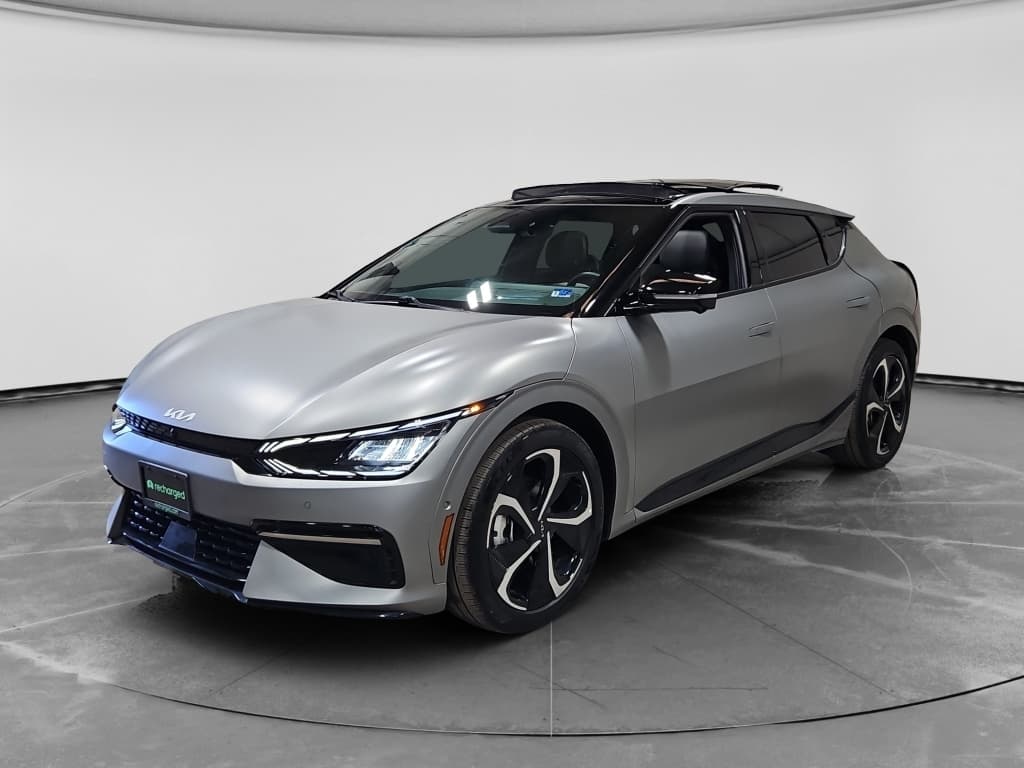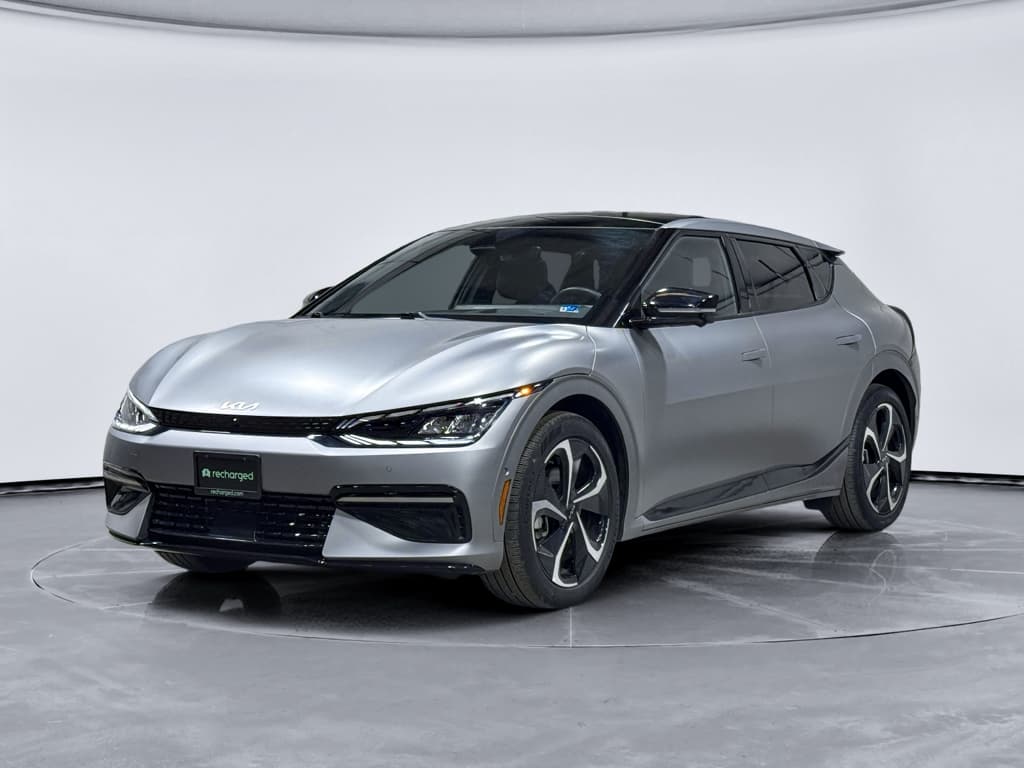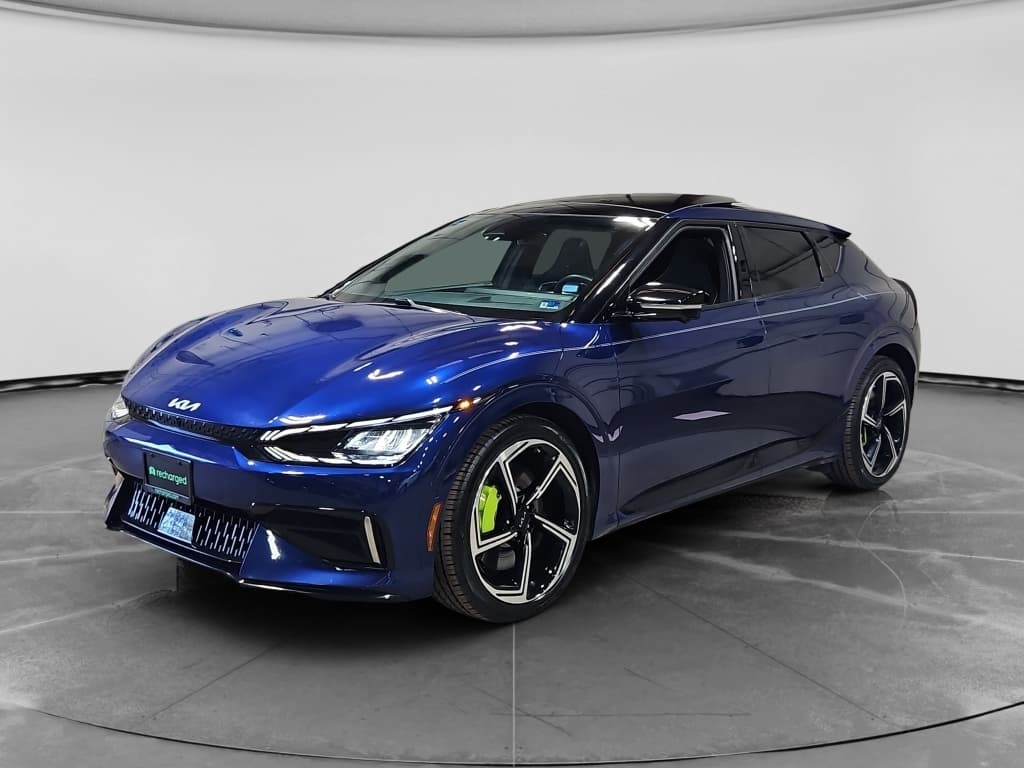
If you’re thinking about buying a Kia EV6, or wondering when to sell yours, the big question is what the Kia EV6 value after 5 years really looks like. Electric vehicles have been depreciating faster than many owners expected, and the EV6 is no exception. But that same curve makes used EV6s some of the most interesting values in today’s EV market.
Why 5‑year value matters so much
Kia EV6 value after 5 years: big picture
Kia EV6 depreciation snapshot
Across major market trackers, a new Kia EV6 typically sheds right around 60% of its value in the first five years. That sounds harsh, but it’s broadly in line with other modern EVs and slightly better than some rivals in the electric SUV segment. The real story is that first owners take the hit; second owners often get a lot of car for the money.
How much value does a Kia EV6 lose in 5 years?
Different analysts slice the data slightly differently, but they end up in a similar place. Big national datasets and cost‑of‑ownership tools show the EV6 losing just under half its value by year three and roughly 59–61% of MSRP gone by year five. In other words, you’re left with about 39–41% of what the car cost new.
Kia EV6 depreciation curve (typical scenario)
Approximate depreciation and resale values for a new Kia EV6 based on aggregated market data. Actual numbers will vary by trim, options, mileage, region, and incentives at the time of purchase.
| Age | Estimated depreciation | Value remaining | Example resale value* |
|---|---|---|---|
| Year 1 | ≈25% | ≈75% | Low–mid $40,000s on a well‑equipped EV6 bought around $60,000 |
| Year 3 | ≈45–50% | ≈50–55% | Low–mid $30,000s |
| Year 5 | ≈59–61% | ≈39–41% | Roughly $17,000–$23,000 in typical cases |
| Year 7 | ≈67–70% | ≈30–33% | Often low‑$20,000s or teens depending on miles |
| Year 10 | ≈74%+ | ≈25% or less | High‑teens or lower, heavily mileage‑ and condition‑dependent |
Use this as a directional guide, not a precise quote for any individual car.
Depreciation isn’t a straight line
What Kia EV6 value after 5 years looks like in dollars
To make the numbers concrete, imagine a common real‑world scenario in the U.S. market:
- You buy a nicely equipped Kia EV6 Wind or GT‑Line with an out‑the‑door price around $55,000–$60,000, including destination and some taxes/fees.
- You drive an average of 12,000 miles per year, mostly commuting with a few road trips.
- You keep up on maintenance, avoid major accidents, and the car stays clean with no open recalls.
In that situation, five years down the road a realistic private‑party or well‑priced retail value for your EV6 is often in the high‑teens to low‑$20,000s. If you bought at the peak of pandemic‑era pricing or layered big rebates on top of MSRP, your personal numbers can land slightly higher or lower, but the percentage loss is similar.
If you bought new
Most of the pain is front‑loaded. A new EV6 owner is likely to see:
- Sharp drops in the first 2–3 years as incentives, new EV6 variants, and fresher rivals hit the market.
- 5‑year resale in that ~$17k–$23k range in normal conditions.
- High total depreciation cost if you trade every 3–5 years.
If you buy used
If you’re shopping a 3–5‑year‑old EV6 today, you’re often paying less than half of what the original buyer did, while still getting:
- Strong performance and fast charging.
- Modern safety tech and a roomy cabin.
- Years of useful battery life left when the pack has been cared for.
That’s why the EV6 is becoming a compelling used EV value play.
5 factors that move your Kia EV6 value up or down
What really shapes Kia EV6 value after 5 years?
You can’t change the market, but you can control a lot of what buyers care about.
1. Region & charging network
EV values are very location‑sensitive. In areas with strong charging infrastructure, HOV perks, or lots of EV adoption, demand for used EV6s is higher. In regions where public charging is sparse or electricity is expensive, buyers lean back toward hybrids and gas SUVs, which can weigh on prices.
2. Mileage & use pattern
Most 5‑year‑old EV6s will show 50,000–75,000 miles. Cars that are well under the average, or that have mostly easy highway miles, typically bring stronger offers than examples with heavy ride‑share, commercial, or harsh‑climate use.
3. Condition & history
A clean history report, no major accidents, and visible care (good tires, fresh brakes, tidy interior) all push your EV6 toward the top of the value range. Flood damage, structural repairs, or a stack of open recalls has the opposite effect.
4. Battery & charging behavior
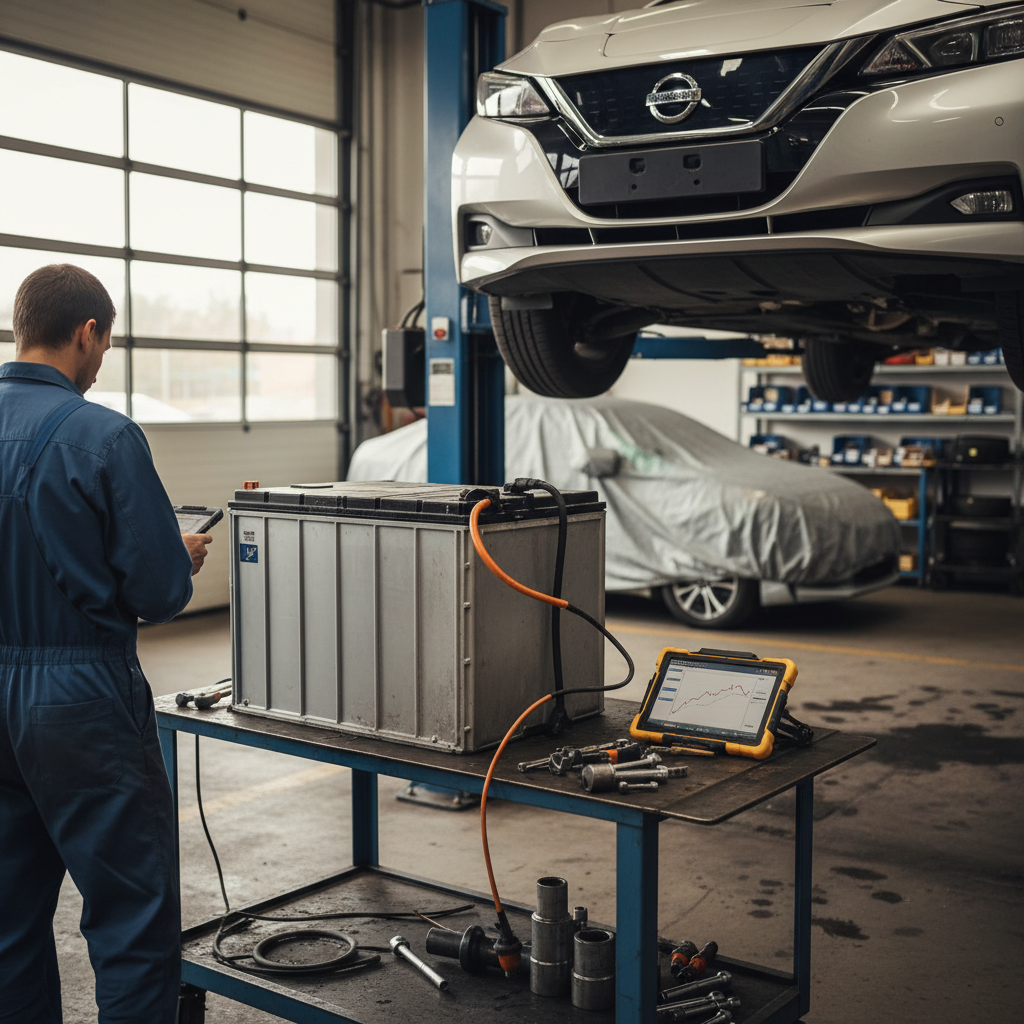
Buyers are watching battery health closely on used EVs. EV6s that haven’t been fast‑charged constantly, kept at 100% for long periods, or abused in extreme heat tend to show healthier packs, something Recharged verifies with our battery diagnostics.
5. Recalls, ICCU and software
The EV6 has had some public attention around integrated charging control unit (ICCU) failures and software quirks. Having recall work documented and up to date reassures a buyer and can make your car more desirable than similar EV6s that haven’t been to the dealer in years.
6. Trim, options and color
Higher‑spec Wind and GT‑Line trims with long‑range batteries, desirable wheels, and popular colors tend to hold a bigger slice of MSRP than base cars with unusual specs or niche color combinations.
Document everything
Battery health, degradation and 5‑year resale value
With any used EV, shoppers worry about the battery first. The good news for the Kia EV6 is that its long‑range pack has been holding up well in real‑world use. Owner data and independent testing suggest that, when cared for, many EV6s show only low‑single‑digit capacity loss by 50,000–60,000 miles. That means a 5‑year‑old car can still deliver range very close to what it did new.
- Most EV6 owners who follow best practices, keeping daily charge around 70–80%, minimizing DC fast charging, parking in shade when possible, report modest degradation through the first 5–6 years.
- Battery‑related warranty coverage from Kia (often 8 years/100,000 miles on the pack, check your specific terms) can add confidence for second owners.
- Market prices are currently reacting more to EV oversupply and fast tech turnover than to widespread EV6 battery failures. In other words, prices are dropping faster than the batteries are wearing out.
How Recharged looks at EV6 battery health
Kia EV6 5‑year value vs Tesla and other EVs
A lot of shoppers want to know if the EV6 is “worse” or “better” than a Tesla or other electric SUV when it comes to 5‑year value. The honest answer: it’s in the same ballpark, but the details vary.
5‑year value comparison: Kia EV6 vs common EV rivals
High‑level look at how the EV6’s 5‑year depreciation compares to popular electric crossovers and SUVs, based on recent market data and forecasts.
| Model | Segment | Typical 5‑yr depreciation | 5‑year value takeaways |
|---|---|---|---|
| Kia EV6 | Electric compact SUV | ≈59–61% | Aggressive early depreciation creates attractive used prices; value stabilizes once the big drop is done. |
| Tesla Model Y | Electric compact SUV | ≈50–55% | Historically stronger brand pull and charging network help, but heavy recent price cuts have hit used values. |
| Hyundai Ioniq 5 | Electric compact SUV | ≈60–65% | Very similar curve to EV6; shared platform and incentives keep used prices competitive. |
| Ford Mustang Mach‑E | Electric compact SUV | ≈60–65% | Early incentives and rapid model updates pushed depreciation higher; used examples can be strong deals. |
| Gas compact SUV (mainstream) | Gas compact SUV | ≈40–45% | Traditional small SUVs still hold value better on average, but have higher fuel and maintenance costs. |
Percentages represent typical 5‑year depreciation from original MSRP in U.S. market conditions as of early 2026.
Think “total cost,” not just resale
If you own a Kia EV6 today: how to protect value
If you already have an EV6 in the driveway, you can’t change the market, but you can absolutely influence where your car lands within the value range. A 5‑year‑old EV6 that’s clean, documented, and battery‑healthy can be worth thousands more than a similar one that’s been neglected.
Owner moves that help your EV6’s 5‑year value
Stay on top of recalls and software
Schedule dealer visits promptly for ICCU‑related campaigns, charging updates, and safety recalls. A printout or app record that everything’s up to date removes a major red flag for future buyers.
Charge in a battery‑friendly way
Use 70–80% as your daily target, save 100% charges for trips, and avoid leaving the car full or empty for long periods. Occasional DC fast charging is fine, but constant ultra‑fast sessions will worry savvy buyers.
Keep a clean service and tire record
Even though EVs need less maintenance than gas cars, regular tire rotations, alignment checks, and brake inspections show you’ve cared for the car. Keep receipts and digital records together.
Fix cosmetic issues early
Door dings, cracked glass, curbed wheels, and interior stains all chip away at perceived value. Taking care of small items over time keeps your EV6 looking “showroom ready” at trade‑in time.
Plan your exit timing
If you know you’ll want out, consider selling or trading before a major redesign or right before your battery and powertrain warranty milestones. That’s when many buyers are most confident stepping into a used EV6.
Get a pre‑sale health report
Before you list or trade, consider getting a third‑party inspection and battery‑health report. At Recharged, our <strong>Recharged Score</strong> gives buyers hard data, which often translates into better offers for clean cars.
Buying a 4–6‑year‑old Kia EV6: smart shopper’s guide
From a shopper’s point of view, a Kia EV6 that’s 4–6 years old, exactly in that 5‑year window, can be a sweet spot. The worst of the depreciation is behind you, yet the car still feels modern, with competitive range, charging speed, and tech.
What to look for in a 5‑year‑old Kia EV6
Focus on battery, history, and how the previous owner treated the car.
Battery and charging profile
- Ask for battery‑health documentation if available (dealer printout, independent scan, or a Recharged Score report).
- Look for a history of mostly home Level 2 charging and limited abuse in hot climates.
- Range that’s reasonably close to original EPA figures on typical drives is a good sign.
Ownership and accident history
- Pull a full history report to check for major collision damage, flood events, or lemon buybacks.
- Multiple owners aren’t always bad, but short ownership stints with high miles deserve extra scrutiny.
- Confirm title status is clean and free of liens.
Recalls and ICCU work
- Confirm ICCU‑related recalls or service campaigns have been completed.
- Ask for any paperwork on high‑voltage or charging‑system repairs.
- A car with documented fixes can be a better bet than one with no history at all.
Price vs. equipment
- Compare comparable trims, Wind vs GT‑Line vs GT, and factor in wheels, driver‑assist packages, and audio upgrades.
- A fair price on a better‑equipped trim usually beats a low price on a sparse one.
- Consider total cost: financing terms, expected insurance, and energy costs, not just the sticker.
How Recharged simplifies used EV6 shopping
Ready to find your next EV?
Browse VehiclesChecklist: maximizing Kia EV6 value at 5 years
Quick 5‑year value checklist for Kia EV6 owners
1. Know your numbers
Estimate your EV6’s current value using multiple guides and real listings. Look at both trade‑in and private‑party values, and adjust for your mileage and condition.
2. Audit your battery health
Check what range you’re getting in normal use and, if possible, get a scan or report of pack health. Healthy, documented batteries help your EV6 stand out in a crowded market.
3. Close open loops
Before selling, take care of open recalls, minor service items, and small cosmetic fixes. Buyers will mentally subtract more than the repair actually costs.
4. Gather documentation
Put your title (or lien info), service records, recall letters, and purchase paperwork in one folder. A clean paper trail builds trust with buyers and dealers alike.
5. Decide how to sell
Compare three paths: trading to a dealer, getting an <strong>instant offer or consignment listing through Recharged</strong>, or selling private party. Each has its own balance of convenience, time, and price.
6. Time the market
If you’re flexible, consider selling before a big new‑model launch or incentive wave, and before your Kia powertrain or battery warranty crosses a major mileage threshold.
Kia EV6 5‑year value: FAQs
Frequently asked questions about Kia EV6 value after 5 years
Bottom line: is the Kia EV6 a good 5‑year bet?
If you’re focused on Kia EV6 value after 5 years, you’re right to pay attention, this is where most of the financial story happens. As a new purchase, the EV6 depreciates quickly, much like its EV peers. As a used purchase, though, that same curve turns into an opportunity: you can step into a stylish, quick, long‑range electric crossover at a fraction of its original cost, especially if you choose a car with verified battery health and clean history.
Whether you’re planning when to sell your own EV6 or shopping for a used one, think beyond a single guidebook value. Look at battery condition, charging behavior, warranty coverage, and how the vehicle fits your daily life. And if you want help running the numbers, Recharged can provide a Recharged Score battery‑health report, fair‑market pricing analysis, financing, trade‑in options, and even nationwide delivery, so you can make a 5‑year decision with 10‑year confidence.