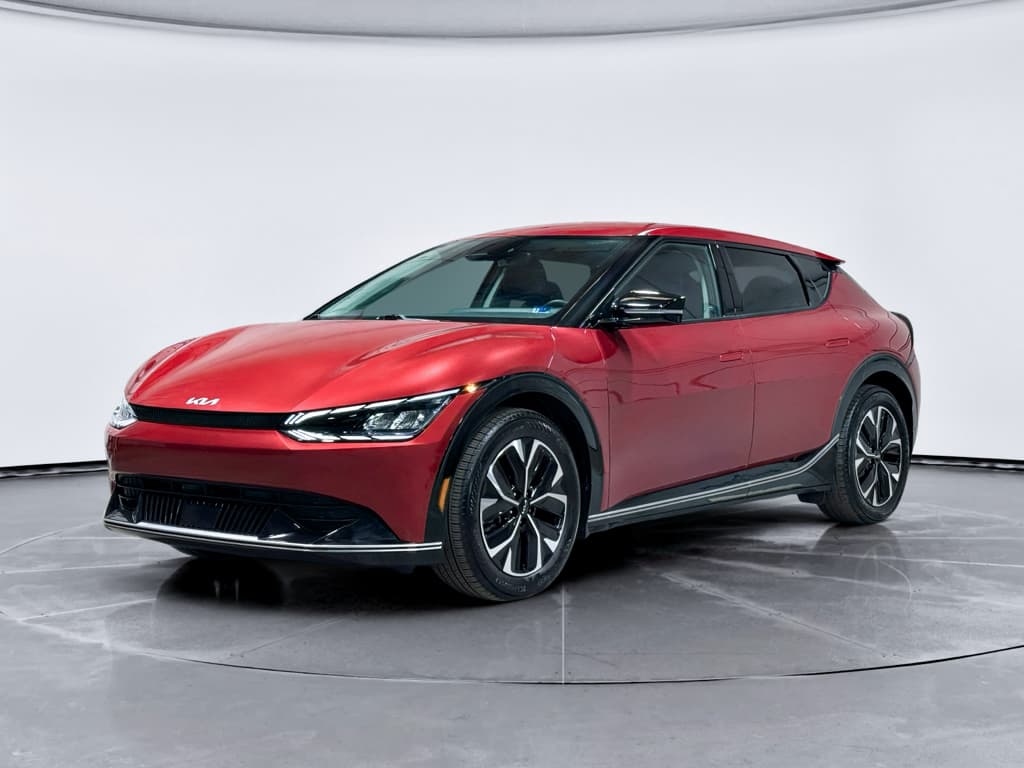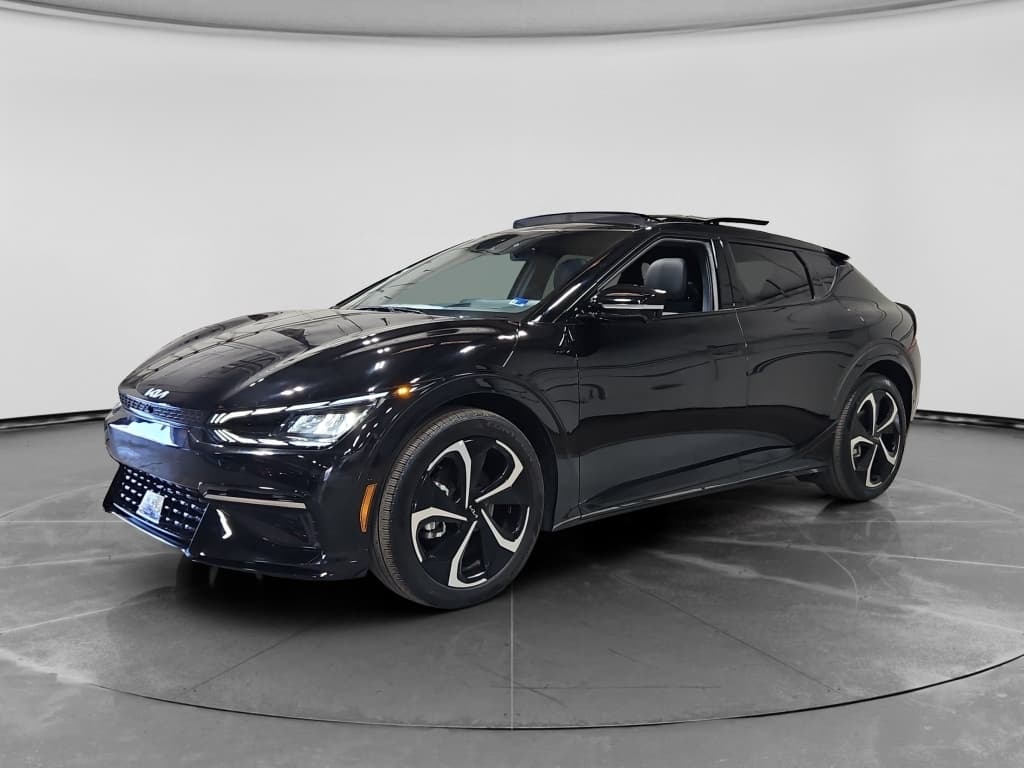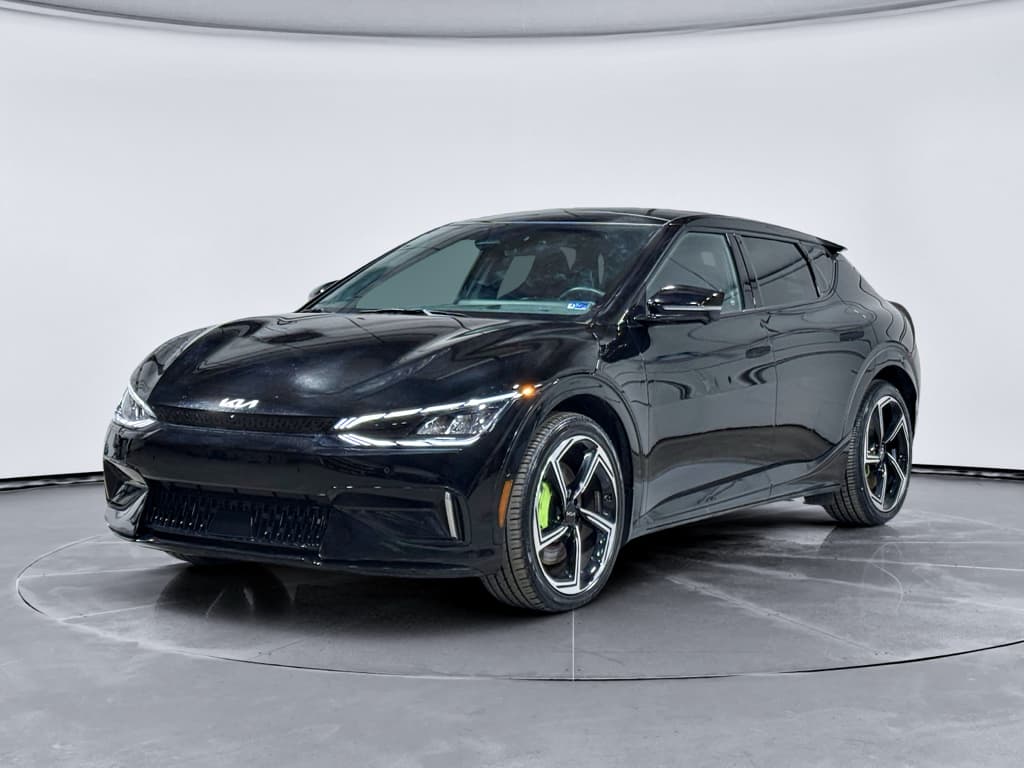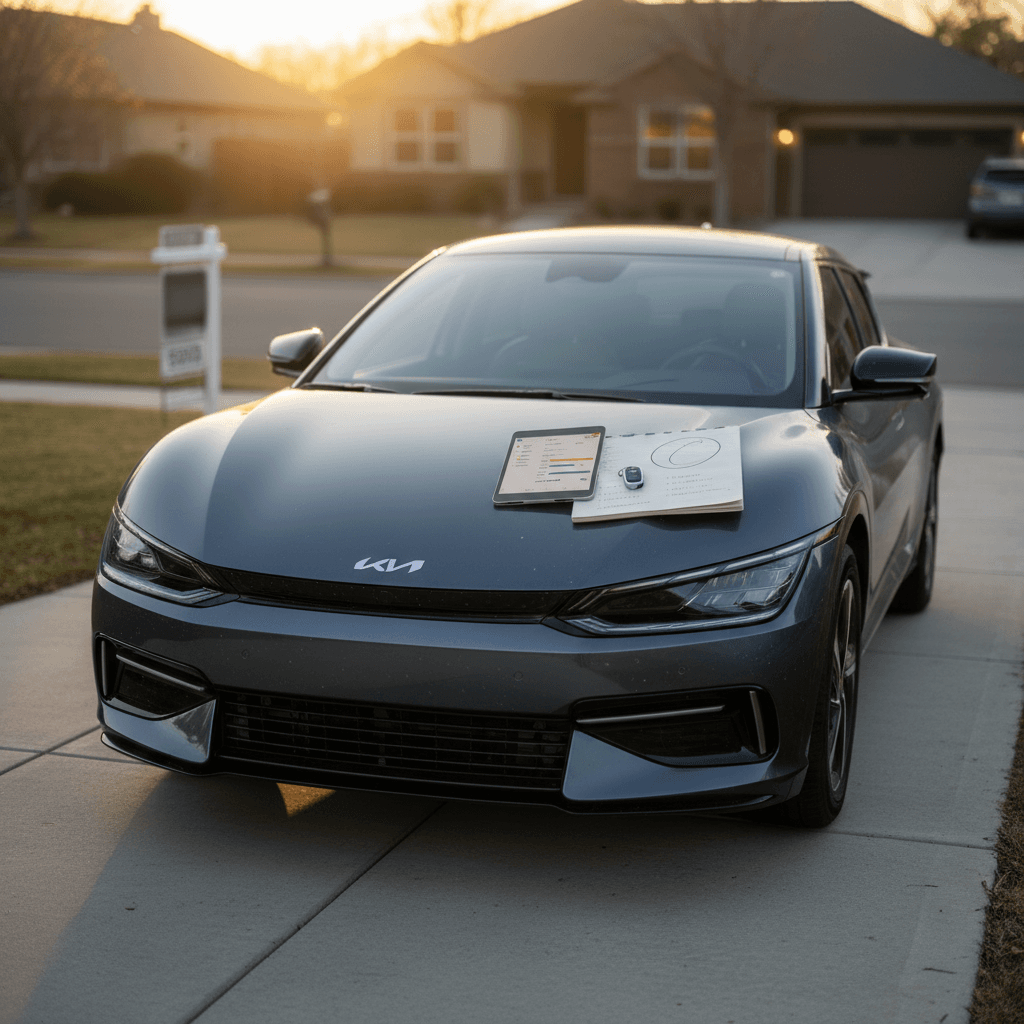
If you’re staring at your driveway wondering how to sell your Kia EV6 in 2026, you’re not alone. Used EV prices have swung wildly over the last two years, and the EV6 in particular has seen steep early depreciation, great when you’re buying used, less fun when you’re the seller. A clear Kia EV6 selling checklist turns that uncertainty into a plan: you’ll know what your car is worth, how to prove battery health, and which selling route, trade‑in, instant offer, consignment, or private sale, actually makes sense for you.
Context: The Kia EV6 resale rollercoaster
Step 1: Know your Kia EV6’s value
Before you clean a wheel or upload a photo, you need a realistic sense of what your EV6 is worth. The goal isn’t to chase the single highest number you find online, it’s to understand the pricing bands for trade‑in, instant cash offers, and private‑party sales so you can decide where you want to land.
Kia EV6 value snapshot for 2026 sellers
- Check multiple valuation guides (KBB, Edmunds, Recharged’s own Kia EV6 value guide) for trade‑in and private‑party values for your exact year, trim, and mileage.
- Look at real listings near you, filter for your model year (for example, 2022 Wind RWD vs 2023 GT‑Line AWD), similar mileage, and similar equipment.
- Note how long well‑priced EV6s seem to sit on the market. Deep discounts usually signal that the seller overshot the market and had to cut.
- Set a realistic target range: a floor you’d accept for a fast sale and a stretch price you’ll test first with room to negotiate.
Use EV‑specific valuation, not just generic guides
Step 2: Document battery health and warranty
On a used EV6, the single biggest fear buyers have is the battery. Most shoppers don’t really care how fresh your wiper blades are if they’re worried about paying for a pack someday. Your job is to de‑risk the battery as much as possible with clear documentation and realistic expectations.
How to prove your EV6’s battery story
Combine official documents with real‑world data
1. Show remaining warranty
Gather documentation on Kia’s battery and EV component warranty and how much coverage remains on your specific car.
- Many EV6s carry a high‑voltage battery warranty of up to 10 years / 100,000 miles for the original owner.
- Note current mileage and in‑service date so buyers can see what’s left.
2. Capture range & usage
Buyers care about **usable range**, not just brochure numbers.
- Take photos of the dash at 100% and 50–60% charge with estimated range.
- Include your typical driving mix (highway vs city) and climate if it affects range.
3. Get an independent battery check
Third‑party diagnostics go much further than a dashboard guess.
- Ask about a Recharged Score battery health report or similar third‑party inspection.
- Share before/after reports if you’ve owned the car for several years.
Don’t oversell “100% battery health”
Step 3: Get your EV6 mechanically and cosmetically ready
Once you understand value and have your battery story together, it’s time to make the car itself look, and feel, worth your asking price. The trick with EVs is to focus on the things buyers actually notice on a test drive, not a long list of repairs that won’t change your sale price.
Pre‑sale condition checklist for your Kia EV6
Get a basic multi‑point inspection
Ask a shop familiar with EVs, or an EV‑focused retailer like Recharged, to check tires, brakes, suspension, wipers, lights, and cabin air filter. You’re looking for inexpensive items that can spook buyers if left undone.
Address obvious warning lights
Resolve any dash warnings (especially high‑voltage system or charging faults) before you list the car. Buyers will either walk away or demand huge discounts if they see active faults.
Fix inexpensive cosmetic issues
Touch up curb rash if it’s cheap, fix obvious dings in prime sightlines, and replace broken trim pieces or missing charge‑port caps. Skipping a $40 fix can cost you hundreds in perceived value.
Detail the interior like a showroom car
Deep‑clean seats and carpets, wipe down the vegan leather, clean the glass and infotainment screen, and remove personal items, cords, and clutter from every storage area.
Clean and dress the exterior correctly
Wash, clay, and wax if needed. Avoid greasy tire dressing or products that make plastic trim shiny and streaky in photos.
Top off charge for showings
Aim to have the car at 70–90% state of charge for photos and test drives. A nearly empty pack makes buyers worry the car won’t meet their daily needs.
Skip the expensive reconditioning
Step 4: Gather records and EV‑specific paperwork
Paperwork is where you turn a nicely detailed EV6 into a car a buyer can trust. Because EVs are still unfamiliar to many used‑car shoppers, a tidy folder of documents can do more for buyer confidence than another price cut.
Documents to collect before you list your Kia EV6
Use this as a packing list so you’re never scrambling when a serious buyer appears.
| Document | Why it matters | Where to find it |
|---|---|---|
| Title or payoff info | Shows you have the right to sell and whether there’s a lien. | State DMV records, lender portal, or existing title. |
| Registration & emissions (if applicable) | Proves the car is legal to drive and up to date. | Glove box, state DMV portal. |
| Service and repair history | Shows how the car has been maintained and whether recalls were addressed. | Dealer service portal, independent shop invoices, app screenshots. |
| Battery/EV component warranty details | Clarifies remaining coverage and terms for the next owner. | Kia warranty booklet, Kia owner portal, original window sticker copy. |
| Charging equipment receipts | Adds confidence that included home or portable chargers are safe and legitimate. | Original purchase receipts, Amazon or retailer order history. |
| Recharged Score or other inspection report | Third‑party validation of battery health, condition, and fair market value. | From Recharged after their diagnostic and valuation process. |
Store digital copies in the cloud and bring printed highlights to in‑person showings.
How Recharged simplifies the paperwork
Ready to find your next EV?
Browse VehiclesStep 5: Take photos that actually sell an EV
Online buyers scroll past weak photos, no matter how fair your price is. With the EV6, you’re not just selling a crossover, you’re selling modern design and the promise of low‑drama EV ownership. Your photos should make that obvious in seconds.
- Shoot in soft light (early morning or late afternoon) to avoid harsh reflections on the EV6’s curves and glossy trim.
- Find a clean, neutral background: an empty parking lot, simple building, or uncluttered driveway works better than a busy street.
- Capture all four corners, both sides, front and rear straight‑on, wheel close‑ups, and any cosmetic flaws you plan to disclose.
- Inside, highlight the infotainment system, digital cluster, front and rear seats, cargo area with seats up and down, and the frunk (if equipped).
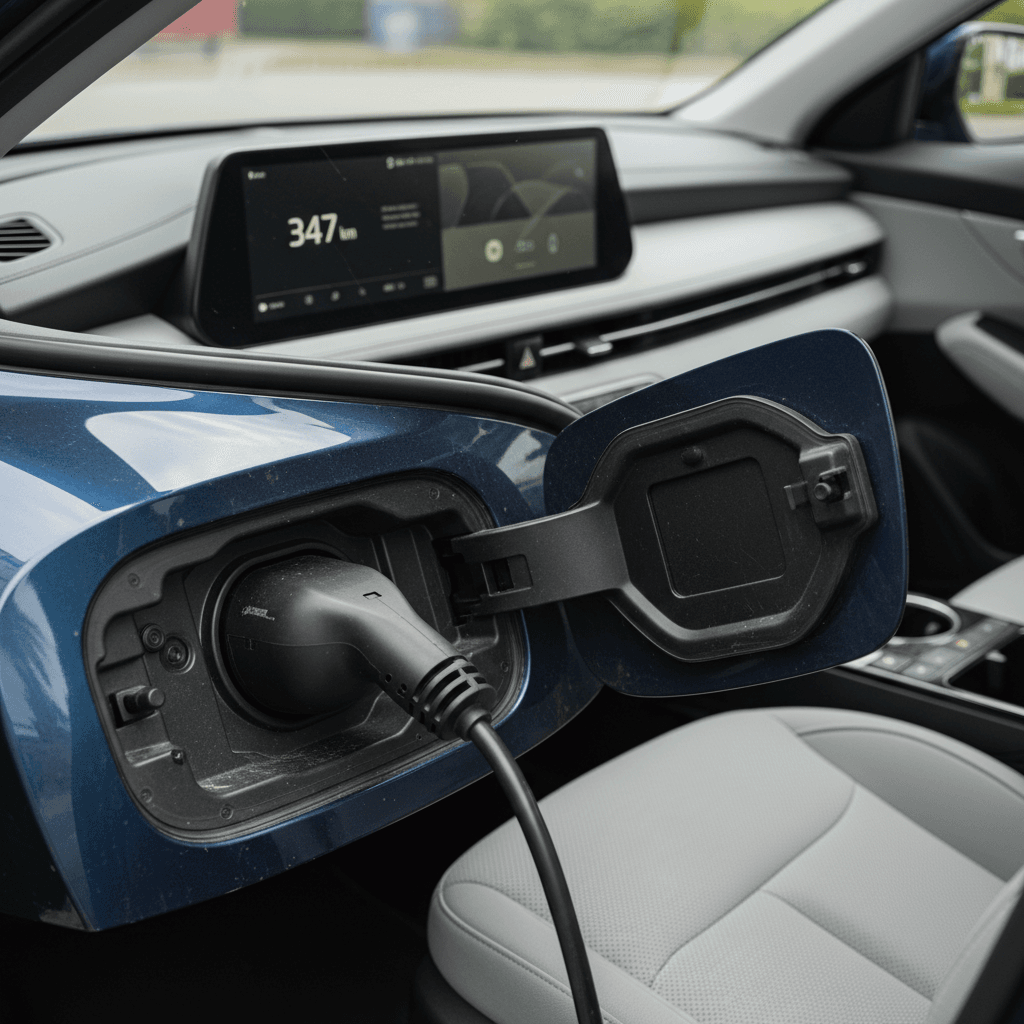
- Take a few EV‑specific shots: charging port open with cable plugged in, range estimate on the dash, and included charging gear laid out neatly.
Avoid misleading angles
Step 6: Write a Kia EV6 listing that builds confidence
A good listing for a used EV6 doesn’t read like a brochure. It answers the questions a thoughtful buyer would ask on a test drive, before they even contact you. Focus on your car’s story, how it’s been used, and what a new owner can expect day‑to‑day.
Key details to include
- Exact trim and drivetrain (Wind RWD, GT‑Line AWD, GT, etc.).
- Battery/range summary: real‑world range you see at 80–90% charge.
- Charging habits: mostly home Level 2, workplace, or DC fast‑charging heavy.
- Ownership history: original owner vs second owner, accident history, recalls completed.
- Included extras: portable charger, winter wheels, roof racks, floor liners.
Sample EV6 listing snippet
“2023 Kia EV6 Wind RWD – 31,200 miles. Single‑owner, clean title, no accidents. Mostly charged at home on Level 2, very little DC fast charging. At 85% charge I typically see 240–250 miles of range in mild weather. Kia battery and EV component warranty still active. Includes OEM Level 1 portable charger plus aftermarket Level 2 wall unit (NEMA 14‑50). Recharged Score battery health report available on request.”
Lead with what matters to EV buyers
Step 7: Choose how to sell, trade‑in, instant offer, consign, or private sale
Once the car is ready and your listing is drafted, decide how much time, risk, and effort you’re willing to trade for extra money. With EVs, especially something like the EV6, whose resale has been a moving target, the channel you choose can change your outcome by thousands of dollars.
Kia EV6 selling options compared
Match the channel to your risk tolerance and timeline
Dealership trade‑in
- Pros: Fastest, handles payoff, good when you’re buying another car.
- Cons: Often the lowest price; EV6 values at many dealers lag behind current data.
- Best for: Convenience over max dollars.
Online instant offer
- Pros: Quick quotes from home, easy comparisons.
- Cons: Offers may drop after inspection; EV‑specific condition (charging history, software state) isn’t always valued correctly.
- Best for: Tight timelines.
Consignment with an EV specialist
- Pros: Professional photos, marketing, and showings; experts explain EV details to buyers.
- Cons: You’ll pay a fee or commission; may take longer to sell.
- Best for: Maximizing price without managing the sale yourself.
Private‑party sale
- Pros: Usually brings the most money.
- Cons: You handle screening, test drives, and paperwork; more no‑shows.
- Best for: Sellers comfortable investing time to gain $2k–$5k over wholesale‑type offers.
Where Recharged fits in
Step 8: Screen buyers and handle test drives safely
Selling a modern EV is different from selling a 10‑year‑old gas sedan. Many of your potential buyers will be test‑driving their first EV at all, and they’ll be watching how you manage the process as a proxy for how you cared for the car.
Safe, efficient test‑drive checklist for your EV6
Pre‑qualify by message or phone
Before you schedule anything, confirm the buyer’s timeline, budget, and whether they’ve driven an EV before. Share your asking price and minimum acceptable offers so you’re not hosting joyrides.
Meet in a public, well‑lit place
Use a bank parking lot or similar spot with cameras. If a buyer insists on seeing the car at your home, bring a friend and keep valuables and other vehicles out of view.
Check driver’s license and insurance
Verify their license and take a quick photo (with permission). In some states, you may want to confirm they have valid insurance before letting them drive.
Explain basic EV6 controls
Show how to start the car, use the shifter, operate one‑pedal or strong regen modes, and adjust mirrors. Mention the EV6’s brisk acceleration so they’re not surprised pulling into traffic.
Choose the route and ride along
Map out a 10–15 minute loop with a mix of low‑speed streets and short highway stretches. Ride along to answer questions and avoid hard, unnecessary launches when the pack is cold.
Debrief and discuss next steps
After the drive, ask for their impressions, address any concerns, and outline how you’d handle deposit, payment, and paperwork if they want to move forward.
Trust your instincts
Step 9: Close the deal and handle paperwork
When you’ve found your buyer and agreed on a price, the final step is to execute cleanly. EVs add a couple of wrinkles, apps, charging accounts, and connectivity, but the basics are the same: secure payment, a clear transfer of ownership, and a paper trail that protects both sides.
Payment and title transfer
- Use safe payment methods: cashier’s check verified at the issuing bank, wire transfers, or completing the sale at the buyer’s bank or credit union.
- Handle any loan payoff: contact your lender in advance to understand the exact payoff amount and process. In some cases, you may need to complete the sale at a branch.
- Complete bill of sale and title: follow your state’s DMV guidance carefully for odometer disclosure, signatures, and any emissions or inspection forms.
Hand‑off and digital cleanup
- Reset the infotainment system and remove your Bluetooth devices, navigation destinations, and saved home/work addresses.
- Unlink Kia Connect and any apps tied to the EV6 once the buyer takes possession.
- Cancel or update charging accounts (public networks, toll tags) and home‑charging access if the buyer is moving into the same household.
- Give the new owner a quick orientation if they’re new to EVs: charging basics, scheduled charging, and key settings that affect range.
One‑and‑done through Recharged
Kia EV6 selling checklist: printable summary
Here’s the entire process compressed into a single checklist you can keep open on your phone or print out while you work through it.
Your Kia EV6 selling roadmap
Pricing & proof
Check at least two valuation guides plus local listings for your EV6’s year, trim, and mileage.
Decide your target price range and your absolute minimum.
Document remaining battery and EV component warranty coverage.
Capture photos of real‑world range estimates at typical charge levels.
Get an independent battery or full‑vehicle health report (such as a Recharged Score).
Prep & listing
Schedule a basic multi‑point inspection and address low‑cost issues.
Deep‑clean interior and exterior; remove personal items and clutter.
Gather title/registration, service records, warranty info, and charger receipts.
Take a full set of honest, well‑lit photos including EV‑specific shots.
Write a listing that leads with trim, mileage, battery story, charging habits, and remaining warranty.
Selling & closing
Choose your selling channel: trade‑in, instant offer, EV‑focused consignment, or private sale.
Screen buyers, set safe meeting locations, and define a standard test‑drive route.
Agree on payment method and understand your state’s title transfer steps in advance.
Complete bill of sale, title, and any DMV forms accurately.
Reset infotainment and apps, transfer keys and charging gear, and confirm cancellation of your accounts.
Kia EV6 selling FAQ
Frequently asked questions about selling a Kia EV6
Selling a Kia EV6 in 2026 means navigating a market that’s still figuring out what used EVs should be worth. The good news is that you don’t have to guess. If you follow this Kia EV6 selling checklist, ground your price in real data, document battery health, prepare the car thoughtfully, and choose the right selling channel, you can turn a volatile market into an opportunity rather than a risk. And if you’d rather not manage it all yourself, Recharged can step in anywhere along that journey, from battery diagnostics and valuation to instant offers, trade‑ins, or consignment, so you get a fair outcome without becoming a full‑time car dealer.