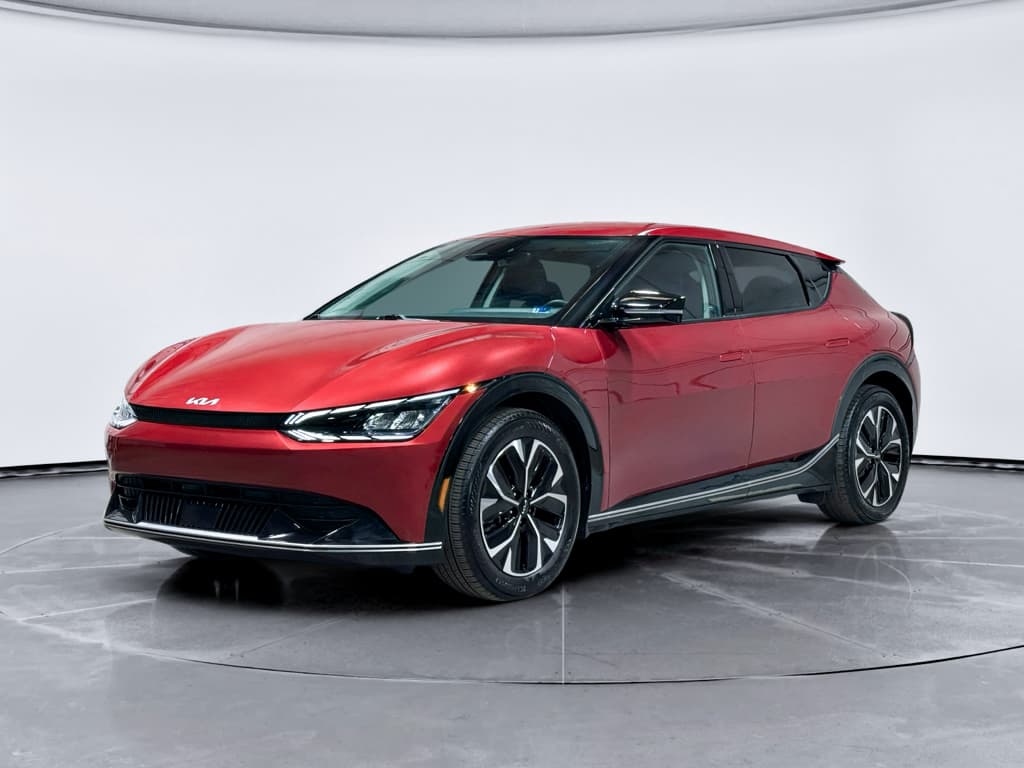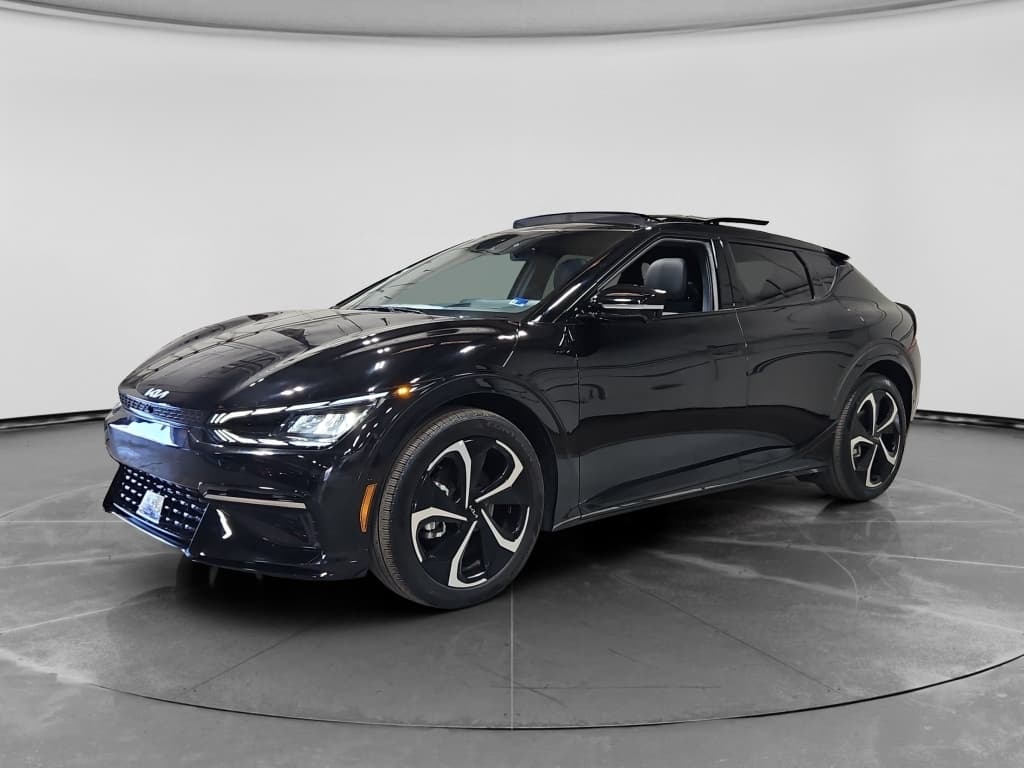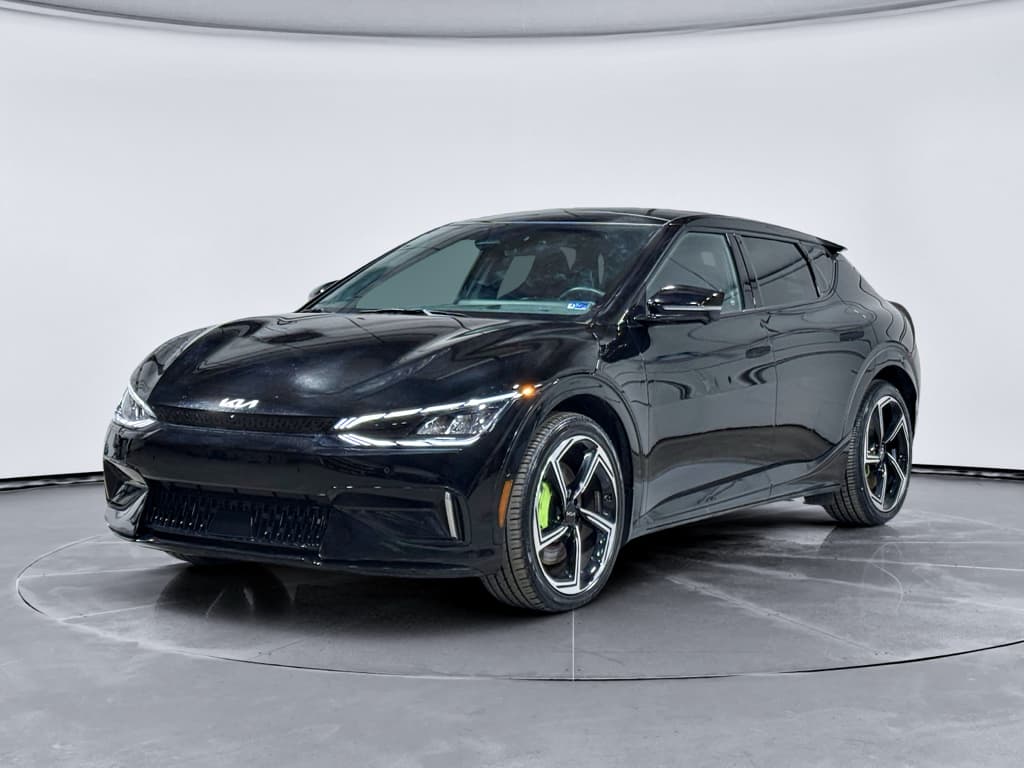
If you own a Kia EV6, or you’re eyeing a used one, its resale value in 2025 is probably weighing on your mind. The EV market has been a rollercoaster, and Korean EVs like the EV6 have taken some of the biggest hits as tax credits and new-car discounts reshaped prices overnight. The good news: if you understand what’s really driving Kia EV6 depreciation, you can avoid nasty surprises and even turn 2025’s market weirdness to your advantage.
Quick take: is the Kia EV6 holding its value?
Why Kia EV6 resale value matters in 2025
Resale value isn’t just something you care about the week you sell your EV6. It affects total cost of ownership from day one. The difference between a model that holds 45% of its value after five years and one that holds 35% can easily run into many thousands of dollars.
In late 2025, several forces are squeezing Kia EV6 resale value at once: - The expiration of the $7,500 federal EV tax credit in September 2025 pushed many shoppers from new to used, and then right back to new when automakers responded with aggressive discounts and subvented leases. - Korean EVs, including the EV6, saw some of the steepest sales drops when the tax credit disappeared, prompting even more factory incentives to keep metal moving. - A growing wave of off‑lease EV6s is hitting the used market just as new EV prices are being cut to stay competitive. Put simply: if you bought new at sticker in 2023–2024, 2025 hurts. If you’re shopping used in 2025, it’s a far more interesting story.
Kia EV6 value snapshot for 2025
How the Kia EV6 is actually depreciating
Let’s talk numbers. Different data providers slice the market differently, but a few 2024–2025 trends around Kia EV6 depreciation are clear:
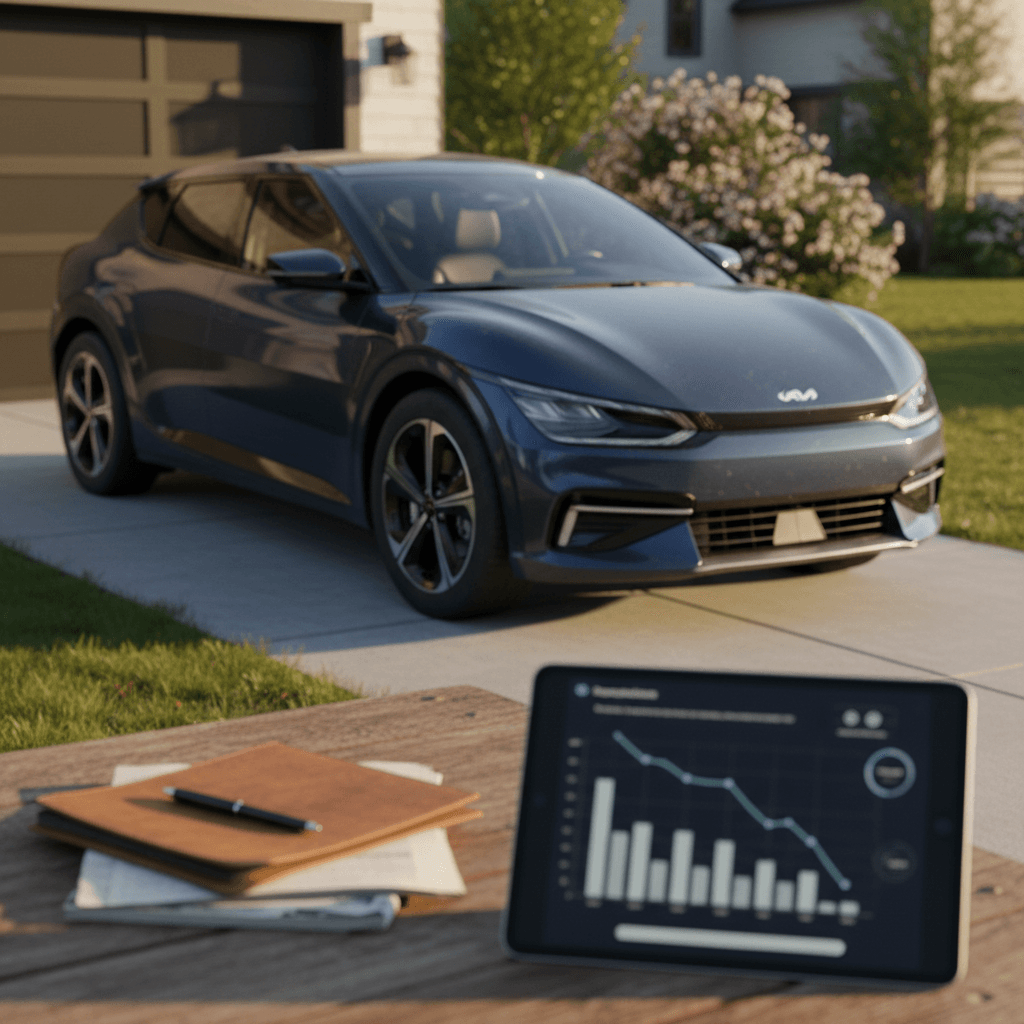
- Many sources now peg the EV6’s first‑year depreciation at roughly 30–35%, with one major analysis citing a -33.3% loss after just one year, about $18,000 off MSRP for the average example.
- Five‑year forecasts for the 2025 EV6 suggest around 57–66% total depreciation depending on whether you look at trade‑in or retail values.
- In other words, a 2025 EV6 that sells new in the mid‑$40,000s may realistically be worth somewhere in the mid‑$20,000s by the time it’s five years old, assuming normal miles and solid battery health.
That sounds brutal, and it is if you’re the first owner paying close to MSRP. But depreciation is a curve, not a straight line. EVs tend to lose value fastest in the first three years, then level off. As a buyer in 2025, you’re finally seeing EV6 prices reach that “sweet spot” where somebody else already took the punch on depreciation.
Why 2025 feels especially rough
Kia EV6 resale value vs Tesla Model Y & Ioniq 5
Resale value only makes sense in context. The EV6 doesn’t live alone on an island; it lives in used‑car search results next to the Tesla Model Y, Hyundai Ioniq 5, and a growing crowd of compact EV crossovers.
How the Kia EV6 stacks up on resale
Broad 2025 trends, not hard‑and‑fast rules
Vs. Tesla Model Y
Tesla still enjoys stronger brand pull on the used market, and Model Y resale has historically been better than most non‑Tesla EVs.
- Often higher retained value after 3–5 years.
- Supercharger access and brand familiarity help resale.
- But Tesla’s own price cuts have hammered Y values too.
Vs. Hyundai Ioniq 5
The EV6 and Ioniq 5 are cousins under the skin. Their depreciation curves are, unsurprisingly, quite similar.
- Both have taken big early‑year hits.
- Styling and trim mix can tip demand either way.
- Battery tech and charging performance are nearly identical.
Vs. other non‑Tesla EVs
Against many mainstream EVs, the EV6 is actually competitive.
- Better than some early mass‑market EVs with small packs.
- On par or slightly better than a few legacy‑brand EV crossovers.
- Interior and performance help keep it desirable used.
The EV6’s challenge isn’t that it’s a bad car; it’s that shoppers in 2025 can often cross‑shop it against discounted new EVs and subsidized leases. That compresses the used price ceiling. If a brand‑new, incentivized EV is only $4,000–$5,000 more than a used EV6, shoppers start to ask hard questions, unless the used EV6 is clearly the better deal.
How to read the market correctly
What drives Kia EV6 resale value up or down
Several factors have an outsized impact on Kia EV6 resale value in 2025. Some you can control, some you can’t, but you should understand all of them.
Biggest factors affecting EV6 resale value
What today’s used‑EV shoppers are actually paying for
1. Battery health & usable range
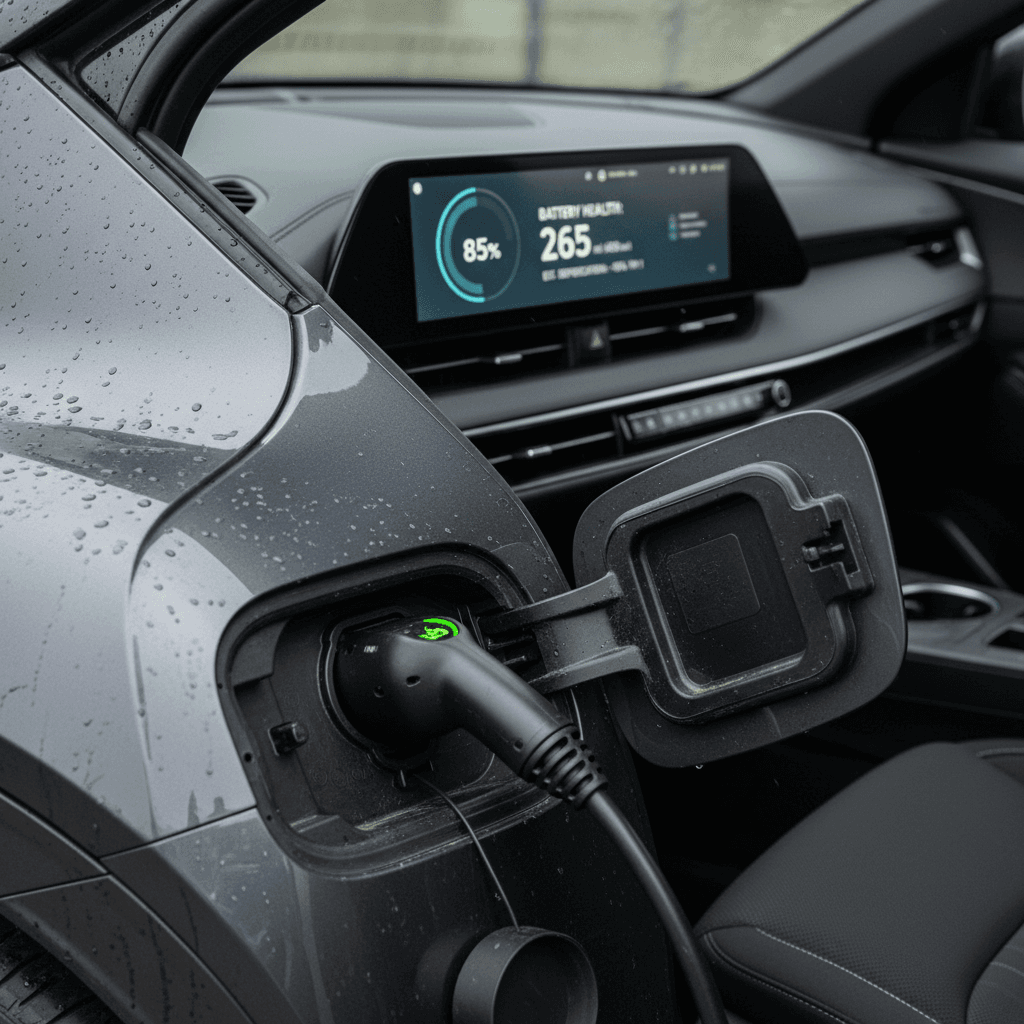
Battery State of Health (SOH) is the new odometer. For used EVs in 2024–2025, data shows buyers and lenders increasingly fixating on SOH:
- 80%+ SOH is the rough line for a “healthy” used EV.
- Anything under ~75% SOH sends values tumbling.
- Real‑world range that matches expectations is critical.
Two identical‑mileage EV6s can have very different values if one’s pack is healthier.
2. Charging experience & connector
Buyers want easy road‑trip charging, not homework.
- DC fast‑charging speed and reliability matter.
- Access to growing NACS / Supercharger infrastructure helps perception.
- Software updates that improve charging curves or route planning are a quiet value booster.
3. Trim, options & cosmetic condition
Wind and GT‑Line trims with the larger battery, good wheels and desirable packages will always sit higher in the resale food chain than bare‑bones base models.
- Buyers pay for bigger packs, better interiors and safety tech.
- Wheel rash, cheap tires, and visible wear drag prices down fast.
- Clean history + clean presentation = stronger offers.
4. Market forces you can’t control
Even the cleanest EV6 can’t outrun macro‑economics:
- Federal and state incentives move the goalposts overnight.
- Automaker discounts and lease deals reset what “new” costs.
- Off‑lease supply swells used inventory and pushes prices down.
That’s why you’re seeing the sharpest value swings right now, in 2024–2025.
The one red flag you shouldn’t ignore
Realistic used Kia EV6 prices in 2025
Used‑car sites and valuation tools don’t agree to the dollar, but by early 2025 a clear pattern has emerged. For a typical 2024–2025 EV6 with average miles and no major damage, you’re usually looking at something like this:
Typical 2025 used Kia EV6 price bands (U.S.)
Approximate asking prices for clean‑title examples with average mileage. Actual values vary by region, trim, mileage and battery health.
| Model year & condition | Likely trim examples | Typical mileage | Rough asking‑price band |
|---|---|---|---|
| 2025 EV6, nearly new | Light LR, Wind, GT‑Line | Under 10,000 miles | $37,000 – $45,000 |
| 2024 EV6, 1–2 years old | Light LR, Wind, GT‑Line | 10,000–25,000 miles | $32,000 – $40,000 |
| 2022–2023 EV6, 2–3 years old | Wide mix incl. GT | 25,000–45,000 miles | $26,000 – $35,000 |
| Early, higher‑mile EV6 | Any trim, 45,000+ miles | 45,000–70,000+ miles | Low‑to‑mid $20,000s, higher if battery SOH is strong |
These ranges are directional, not appraisals for a specific car.
If you see an EV6 far below these bands, assume there’s a story: accident history, very high mileage, weak battery, or a seller who simply wants out fast. That doesn’t mean you should walk away, but it does mean you need more data than a Kelley Blue Book screenshot.
How to maximize your EV6’s resale value
You can’t rewrite policy or stop automakers from slashing new‑EV prices, but you can absolutely put your EV6 at the top of the list when a buyer or dealer compares similar cars. Think like a future buyer who has a dozen EV6s open in browser tabs.
Six moves that help your EV6 hold value
1. Document battery health every year
Run an official battery health diagnostic annually, and keep the reports. A clear record showing 80–90%+ SOH as the car ages is resale gold, and it’s exactly what solutions like the Recharged Score are built to verify.
2. Stay current on software updates
Kia regularly tweaks charging behavior, range estimation and driver‑assistance features via software. Keeping your EV6 updated not only improves day‑to‑day driving, it proves to the next owner that the car hasn’t been neglected digitally.
3. Protect the interior & exterior
EV shoppers tend to be detail‑oriented. Fix wheel rash, address cracked glass, repair small dings, and keep the cabin clean. A professional detail before sale is usually cheaper than the price hit you’ll take for a shabby presentation.
4. Keep charging habits battery‑friendly
Avoid living at 100% or 0% state of charge and minimize frequent DC fast‑charging when you don’t need it. Gentle charging habits slow degradation, which keeps both your usable range and your resale value higher.
5. Maintain tires, brakes & records
Fresh, appropriate tires, healthy brakes and complete service history make a used EV6 easier to value and easier to sell. Save invoices, buyers and modern EV‑focused retailers will actually read them.
6. Time your sale strategically
Try not to sell right after massive new‑car rebates are announced, or when a refreshed EV6 hits showrooms. If possible, list your car once incentives normalize and before a big wave of similar off‑lease EV6s hits your local market.
Thinking of selling? Get more than a single trade number
Buying a used Kia EV6 in 2025: smart or risky?
From a cost‑per‑mile standpoint, 2025 is arguably the best time so far to be shopping for a used Kia EV6, if you’re picky. The steep early‑year depreciation that hurts first owners can turn into a blessing for you.
Why a used EV6 is a smart buy in 2025
- Big depreciation already baked in: You’re not the one taking the 30%+ first‑year hit.
- Strong real‑world range: Long‑range trims still deliver comfortable highway legs even with modest degradation.
- Modern platform: 800‑volt architecture, fast DC charging and a future‑proof cabin keep it feeling current.
- Plenty of inventory: More off‑lease EV6s mean more choice and better negotiating room.
Where you need to be careful
- Battery unknowns: Without an SOH report, you’re guessing about future range and value.
- Warranty timing: Know exactly how much of the battery and powertrain warranty is left.
- Charging access: Make sure your local infrastructure, and your home setup, fit the EV6’s fast‑charging strengths.
- Price vs new: If a heavily discounted or leased new EV is only marginally more expensive, run the numbers carefully.
Shopping tip: compare by cost per usable mile
How Recharged helps you understand Kia EV6 value
A big reason EV resale feels murky in 2025 is that most traditional tools were built for gas cars. They’re great at mileage and trim codes; they’re not so great at battery health, charging performance, and EV‑specific market swings. That’s where Recharged comes in.
What you get with a Kia EV6 from Recharged
Clarity on value, from first click to final signature
Recharged Score report
Fair market pricing
End‑to‑end convenience
Ready to find your next EV?
Browse VehiclesIf you’re selling, you can lean on Recharged for trade‑in, instant offer, or consignment options and let that Recharged Score battery report do the talking for your car’s value. If you’re buying, you get the peace of mind that someone has already done the EV‑specific homework for you.
Kia EV6 resale value 2025: FAQ
Frequently asked questions about Kia EV6 resale value
Bottom line on Kia EV6 resale value in 2025
The 2025 story of Kia EV6 resale value is a tale of two shoppers. If you bought new at full price in 2022 or 2023, rapid market shifts and aggressive discounts have been painful to watch. But if you’re shopping used in 2025, and you’re willing to demand proof of battery health, the EV6 is one of the most compelling ways to get a fast‑charging, long‑range, legitimately fun electric crossover for far less than its original MSRP.
Focus on the fundamentals: battery State of Health, charging performance, history, and realistic pricing versus today’s new‑car incentives. Use EV‑aware platforms like Recharged that surface this information instead of hiding it in fine print. Do that, and the Kia EV6 stops being a scary depreciation headline and starts being what it actually is in 2025: a seriously good used‑EV value hiding in plain sight.