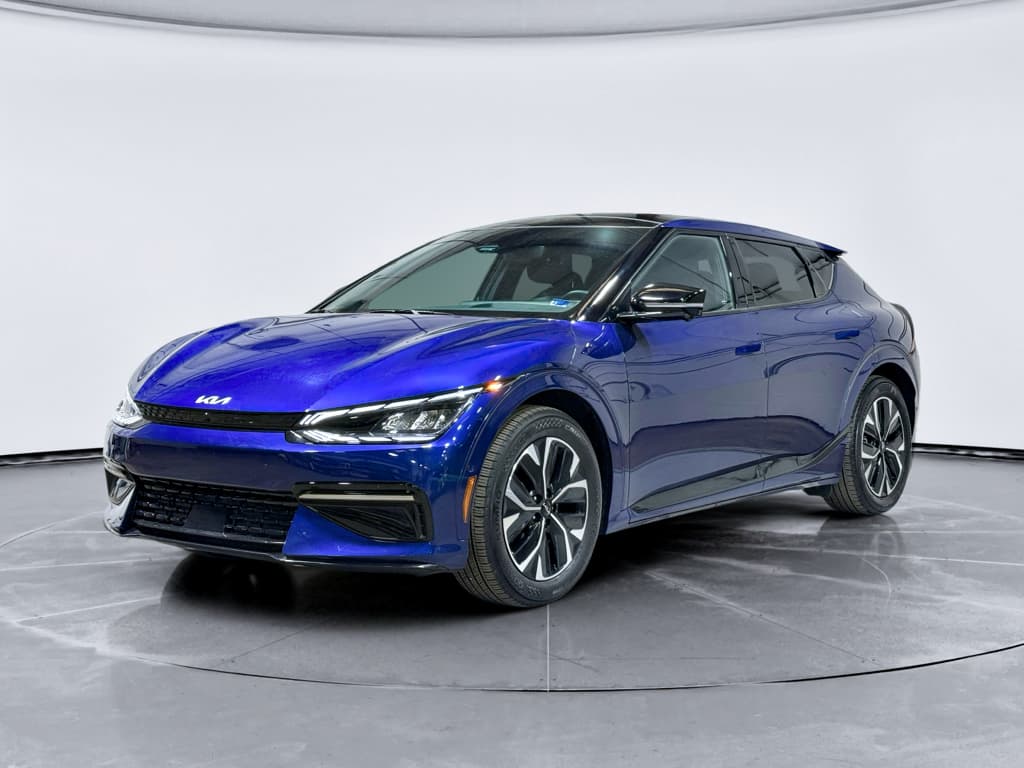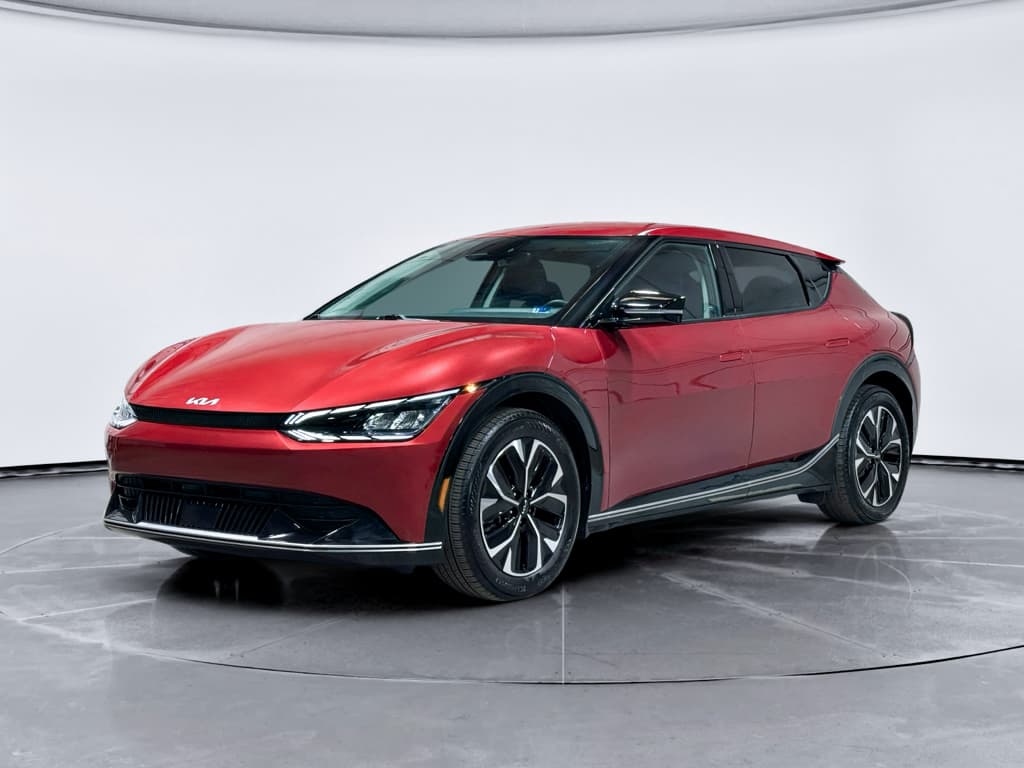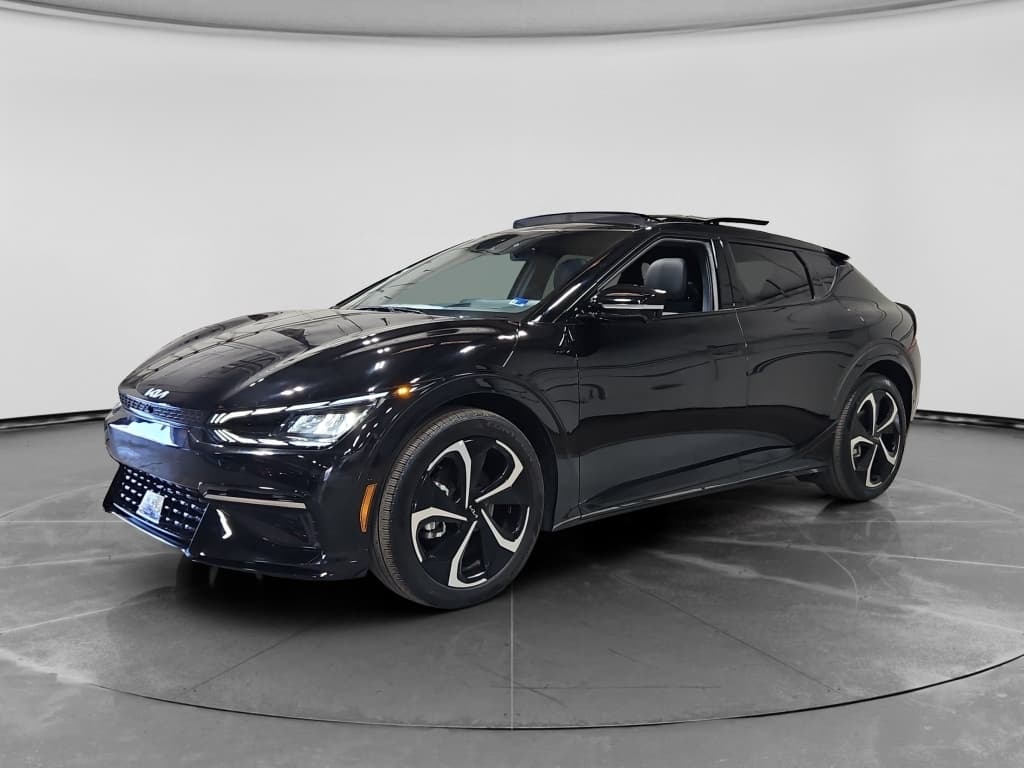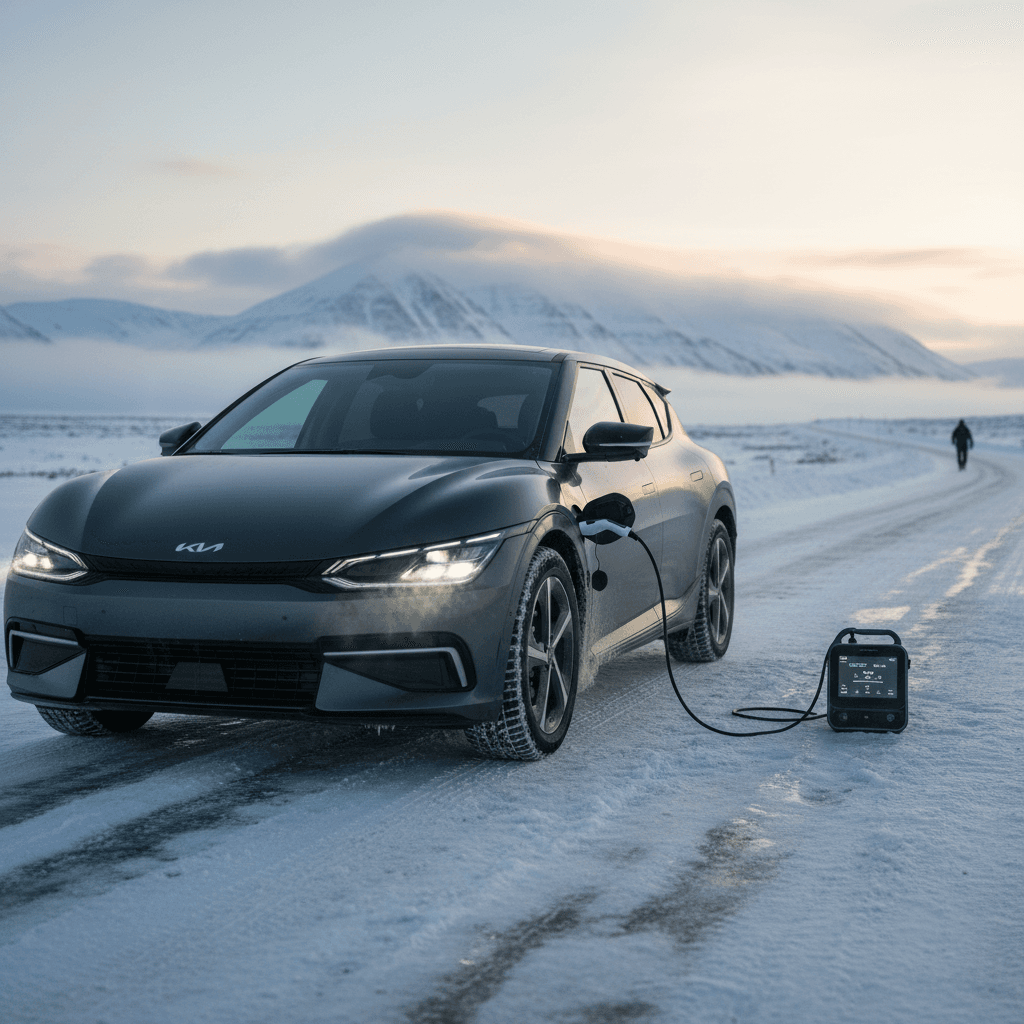
If you’re shopping for or already driving a Kia EV6, you’ve probably heard two stories about winter. On paper, it’s a sleek crossover with 280–320 miles of EPA range. Then your friend in Minnesota says, “Cut that by a quarter when it’s 10°F and snowing.” This guide looks squarely at Kia EV6 range in cold weather, what owners actually see, why it happens, and how to keep the numbers on your screen from ruining your ski trip.
Quick winter-range snapshot
Kia EV6 range in cold weather: what really happens
Before we dive into numbers, it helps to frame expectations. The EV6 is one of the more cold-capable non‑Tesla EVs on sale today. Independent winter tests and owner logs consistently show the EV6 losing around 20% of its rated range in normal cold (teens–30s °F) and around 25–35% in sustained deep cold with fast highway driving. That’s not unique to Kia, that’s lithium‑ion chemistry in a parka, but the EV6’s modern battery management, heat pump, and efficient drivetrain put it on the right side of the curve.
Kia EV6 winter range at a glance
How to read these numbers
EPA range vs winter reality for the Kia EV6
Kia’s official numbers, whether you’re looking at a 2023 or 2025 EV6, put long‑range trims roughly in the 280–320 mile EPA band depending on drivetrain and wheels. Rear‑wheel‑drive cars with smaller wheels score highest; all‑wheel‑drive performance models and bigger wheels take a hit.
Representative EPA ranges for Kia EV6 (long-range pack)
Approximate EPA estimates for popular U.S. EV6 trims. Exact figures vary slightly by model year and wheel size, but the winter percentage drops are similar.
| Trim (long-range) | Drivetrain | Typical EPA range | Winter range in mild cold (≈20% loss) | Winter range in deep cold (≈30% loss) |
|---|---|---|---|---|
| Wind / Light Long Range | RWD | 300–310 mi | 240–250 mi | 205–220 mi |
| Wind / GT-Line Long Range | AWD | 280–295 mi | 225–235 mi | 190–205 mi |
| EV6 GT | AWD performance | ≈225 mi | 175–180 mi | 150–160 mi |
Use these as your starting point before applying winter percentage losses.
EPA labels vs your driveway
How much range the EV6 actually loses in the cold
Across owner reports, winter road tests, and controlled studies, the pattern for Kia EV6 range in cold weather is remarkably consistent. The big variables are temperature, speed, and how you use climate control.
Typical Kia EV6 winter range scenarios
Realistic expectations for different kinds of cold-weather driving
Cool, not brutal (35–45°F)
Driving: Mixed city/suburban, speeds below 60 mph, light cabin heat.
- Range loss: ~10–15%
- RWD LR: often 260–280 mi
- AWD LR: often 230–250 mi
Normal winter (15–30°F)
Driving: Commuting, some highway, full HVAC, maybe winter tires.
- Range loss: ~20–25%
- RWD LR: roughly 225–250 mi
- AWD LR: roughly 200–225 mi
Deep cold (0–10°F and below)
Driving: Steady 70–75 mph, snow, strong heater, roof box, etc.
- Range loss: ~30–35% (sometimes more)
- RWD LR: 190–215 mi common
- AWD LR/GT: 160–190 mi common
Short trips hurt most
Why cold weather hurts Kia EV6 range
1. Colder battery, lower efficiency
Like every modern EV, the Kia EV6 uses a lithium‑ion pack that’s happiest in a Goldilocks zone, roughly room temperature. When the pack is cold‑soaked, say your EV6 sat outside overnight at 10°F, the internal resistance goes up. The car has to work harder to pull the same power, and it limits how much power it will accept while charging to protect the cells.
The result? Higher consumption (fewer miles per kWh) and slower DC fast‑charging unless the car can warm the pack with its thermal management system.
2. Cabin heat is energy‑hungry
Gas cars get cabin heat as a by‑product of a hot engine. EVs don’t. Your EV6 has to spend precious battery energy turning electricity into warm air. At 10–20°F, the HVAC can easily pull 2–5 kW continuously, especially while the cabin is warming up.
That’s like constantly running multiple space heaters while you drive. Over a 45‑minute commute, a few extra kilowatt‑hours devoted to heat instead of motion can erase 20–40 miles of potential range.
- Heavier rolling resistance from cold, sticky tires and slush on the road.
- Denser cold air increasing aerodynamic drag at highway speeds.
- Winter tires, roof boxes, and crossbars adding friction and drag.
- More frequent use of defog/defrost modes, which crank up fan speed and compressor draw.
Heat pumps help, but can’t break physics
Highway vs city driving: the big winter swing
Many new EV6 drivers assume city driving is bad and highway driving is good, because that’s what they learned in gas cars. In winter, the script flips. At a steady 70–75 mph, your EV6 is pushing cold, dense air and turning more energy into drag. Around town at 25–45 mph, it leans on regenerative braking and wastes less energy as aerodynamic heat.
Kia EV6 winter range: city vs highway (long-range trims)
Approximate real-world observations for an EV6 long-range RWD or AWD at different speeds in cold weather, starting from 100% charge.
| Conditions | Example temps & use | Observed range vs EPA | What it feels like |
|---|---|---|---|
| Mostly city / suburban, 25–45 mph | 25°F, plowed roads, moderate heat, no roof box | ~80–90% of EPA | Surprisingly close to summer; guesses from the guess‑o‑meter feel conservative. |
| Mixed commute, 45–65 mph | 20°F, some highway, full heat, winter tires | ~70–80% of EPA | Range bar drops faster than you’re used to, but trips are short enough that it’s fine. |
| Pure highway, 70–75 mph | 5–15°F, snow tires, strong heater, headwind | ~60–70% of EPA | Range falls in big gulps; you start planning DC fast‑charge stops more like a gas car with a tiny tank. |
Lower speeds and gentler driving dramatically improve winter range.
Set your cruise like it’s raining
Heat pump, cabin heat and climate settings
The EV6’s climate system is quietly one of its winter superpowers. Trims with the heat pump use a kind of reversible air‑conditioning cycle to move heat rather than just creating it with resistance coils. In moderate cold, a heat pump can cut HVAC energy use dramatically compared with older EVs.
Smart climate settings for more winter range
Stay warm without lighting your battery on fire
Use seat & wheel heaters first
Seat and steering‑wheel heaters sip energy compared with blasting cabin air. Turn them on early and you can lower the cabin setpoint a few degrees without feeling cold.
Avoid max defrost when you can
Max defrost often runs everything at once, compressor, fans, heating elements. Use it to clear the glass, then drop to a gentler mode and reduce fan speed.
Try Eco or Eco+ in town
Eco modes soften throttle and limit HVAC output slightly. In cold weather commuting, that’s a quiet way to shave a few kW of draw while the car still feels perfectly normal.
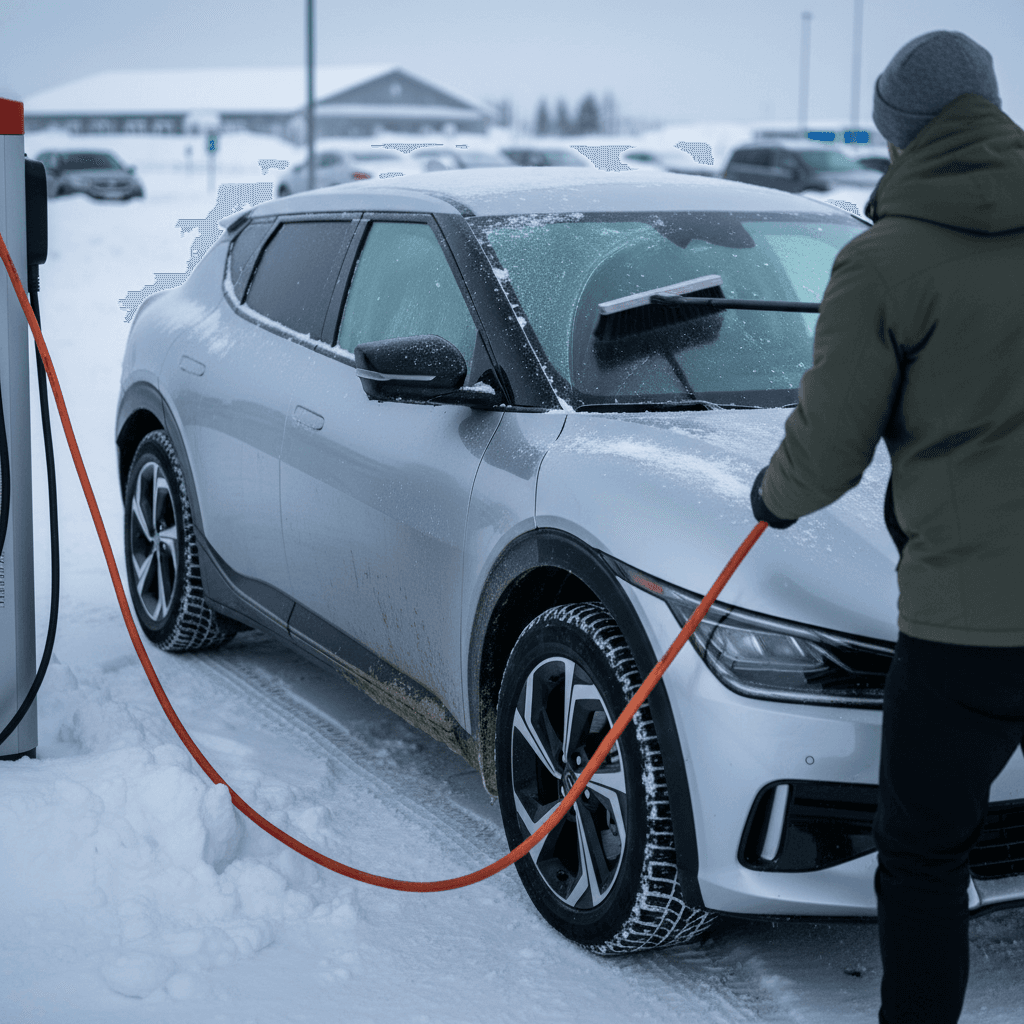
Beware the "pre‑heat on battery" habit
Battery preconditioning & fast charging in the cold
Range loss is only half the winter story. The other half is how fast you can get that range back when you stop at a DC fast charger. A cold EV6 pack will often limit itself to 40–70 kW even on a 150–350 kW charger. With a warm pack, it can briefly spike well into triple‑digit kW and achieve Kia’s headline 10–80% times.
How EV6 battery preconditioning works
On modern software, the EV6 can actively warm the battery before a DC fast‑charge stop. In most regions, you:
- Enable battery preconditioning in the EV menu.
- Set a compatible DC fast charger as your destination in the built‑in navigation (or via Kia’s connected services, depending on model year).
- Drive to the charger; the car decides when to start warming the pack so it’s near optimal temperature when you arrive.
On some newer Kia models and markets, you can also start preconditioning manually from the infotainment system or Kia Connect app, especially handy before a planned winter road trip or scheduled fast charge.
What you gain by preconditioning
- Much faster fast‑charging: Instead of being stuck around 40–70 kW on a cold battery, you’re more likely to see the EV6’s strong charging curve near its peak.
- Shorter stops: Real‑world winter sessions often shrink from 30–40 minutes to something closer to the mid‑20‑minute range for a 10–80% charge when the pack is warm.
- Less battery stress: Controlled warming is easier on the pack than repeatedly hammering a frozen battery and letting the BMS fight back.
Time your preconditioning
Driving strategies to extend EV6 winter range
Winter driving habits that really move the needle
1. Start warm, start plugged in
Preheat the cabin and, if available on your market/model year, trigger battery preconditioning while your Kia EV6 is still connected to home charging. That way the grid, not your high‑voltage pack, pays for the warm‑up.
2. Drop 5–10 mph on the highway
Above ~60 mph, aerodynamic drag is your enemy, especially in dense cold air. Backing cruise control down from 75 mph to 65–70 mph can easily save 15–30 miles of range on a winter leg without meaningfully changing arrival time on a few‑hour drive.
3. Use Eco mode in bad weather
In snow and ice, smooth inputs are a safety feature as well as an efficiency win. Eco mode softens throttle response and can moderate HVAC draw, helping you stay in the EV6’s efficient window while keeping traction predictable.
4. Lean on seat and wheel heaters
Crank seat and steering‑wheel heaters to high and set the cabin temperature a few clicks lower than you would in a gas car. You’ll feel just as warm while shaving a meaningful chunk off HVAC consumption.
5. Watch tire pressure
Cold air shrinks tire pressure. A few psi under spec adds rolling resistance and hurts range. Check and top up your EV6’s tires when the first real cold front hits, and again mid‑winter.
6. Plan state of charge, not perfection
In winter, don’t obsess over arriving at a charger with exactly 5% remaining. Build a 10–15% buffer until you’ve learned how your specific EV6 behaves in your climate, on your routes, with your driving style.
You don’t have to baby it
Planning winter road trips in a Kia EV6
Where winter really concentrates the mind is on longer road trips, say, a 400‑mile ski run or a Thanksgiving trek across the Plains. The good news: the EV6’s strong DC fast‑charging performance and relatively modest winter losses make it a solid road‑trip partner, as long as you plan with winter math, not brochure math.
Step-by-step winter trip planning
- Start with 60–70% of EPA range as your leg length if temps are below freezing and speeds are 70–75 mph.
- Use a trip planner (A Better Routeplanner, PlugShare, etc.) and set a conservative consumption figure (e.g., 2.3–2.5 mi/kWh for AWD at highway speeds in winter).
- Favor 150–350 kW stations so the EV6 can flex its charging curve once the pack is warm.
- Stack chargers: have a backup site within 20–40 miles of your primary stop in case one is busy or offline.
What a realistic winter day looks like
A typical 400‑mile winter day in a long‑range EV6 might look like:
- Depart 90–100% after overnight home charging and preheat.
- Drive ~180–200 miles, arrive with 15–25% SOC.
- DC fast‑charge to 70–80% in ~25–35 minutes while you get food and use the restroom.
- Drive another ~160–180 miles to your destination, arriving with a comfortable buffer.
It’s not wildly different from a gas‑car road trip, your “gas” stops are just scheduled a little more deliberately.
Mountain passes and headwinds
Used Kia EV6 buyers: what to ask about winter range
If you’re considering a used Kia EV6 in a cold‑weather state, winter range should be part of your due diligence, but not a deal‑breaker. The platform has proven to be robust in snowbelt duty. What matters most is battery health, tire setup, and how the previous owner treated the car.
Winter-focused questions for a used EV6
Especially important if you live where salt trucks are a season, not a surprise
1. Ask for real winter range numbers
Have the seller describe their experience at 20°F and below. What range did they see on a full charge in mixed driving? Long‑range EV6s that consistently deliver around 200–230 miles in true winter mixed use are behaving normally.
2. Get objective battery health
Because cold weather hides weak packs, a battery health report is worth its weight in road salt. At Recharged, every EV6 we sell comes with a Recharged Score Report that includes verified battery diagnostics, so you know exactly how much usable capacity you’re buying.
Winter-specific checks before you sign
Confirm heat pump and cold-weather package
Not every market and trim has the same climate hardware. Check whether the EV6 you’re eyeing has the heat pump and heated seats/steering wheel, those features pay for themselves in comfort and efficiency every winter.
Inspect tires and wheels
Oversized wheels and aggressive snow tires look great but cost range. Ask which wheel/tire setups were used in winter and whether a more efficient all‑season set is included or available.
Look for corrosion and underbody wear
Salt and slush are rough on any car. Inspect the underbody, brake components, and charge port area for excessive corrosion. A clean underbody suggests more careful winter ownership.
Ask about DC fast-charging habits
Occasional winter DC fast‑charging is expected. A history of pounding a hot battery at high SOC all the time is less ideal. A transparent owner, and a third‑party marketplace like Recharged, will help you understand how the car was used.
How Recharged helps winter buyers
Ready to find your next EV?
Browse VehiclesKia EV6 cold weather range: FAQ
Frequently asked questions about Kia EV6 range in cold weather
Bottom line on Kia EV6 range in cold weather
The Kia EV6 doesn’t cheat winter, but it handles it with composure. In ordinary cold, expect roughly three‑quarters of EPA range; in true deep‑freeze conditions at highway speeds, work off two‑thirds until you’ve learned your car. Within those bounds, the EV6 is a confident, capable winter companion, especially when you use preconditioning, respect physics on the highway, and let the heat pump do its work instead of panic‑blasting the defroster all day.
If you’re thinking about a used EV6, winter shouldn’t scare you off. Focus on objective battery health, the right trim and options, and honest expectations about range. Recharged was built to make that easy: from verified Recharged Score battery diagnostics to fair pricing, financing, trade‑ins, and delivery, we help you step into EV ownership, snow boots and all, with your eyes open and your range anxiety dialed way down.