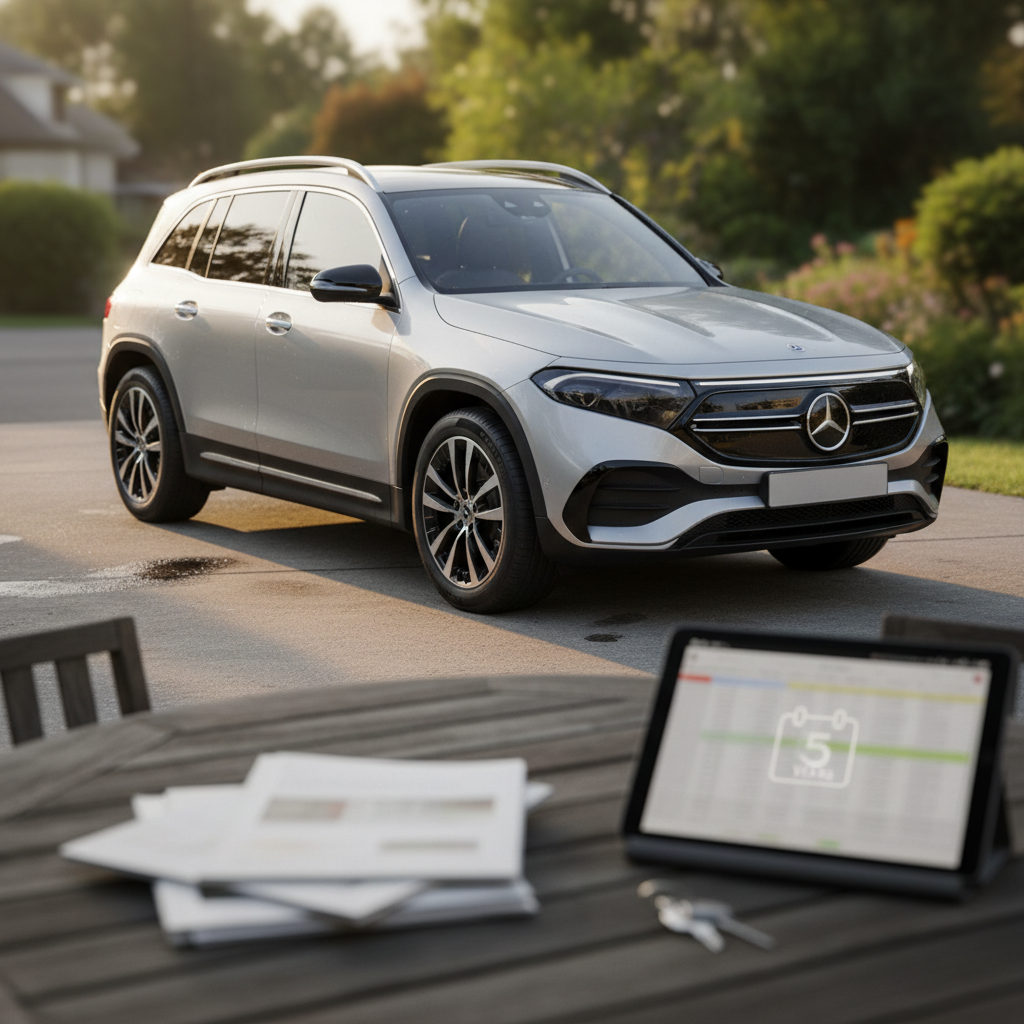
Two years is where the honeymoon ends and reality begins. A Kia EV6 owner review after 2 years is less about 0–60 times and more about the stuff that actually wears on you: real-world range, charging quirks, random warning lights, and whether you’d buy the same car again, especially if you’re eyeing a used EV6 today.
Context for this review
Why a Kia EV6 owner review after 2 years matters
When you buy a used EV, you’re inheriting someone else’s charging habits, software updates, and maybe a few dealer visits. The Kia EV6 is now old enough that 2022 models have two to three years and 25,000–40,000 miles on them, exactly the sweet spot for the used market. You want to know: has the EV6 aged gracefully, or is there trouble hiding behind that concept‑car sheetmetal?
- Range in winter vs summer, and city vs highway
- How often charging or software gremlins show up
- Whether the interior and tech still feel modern
- What’s happening to battery health as miles add up
- How the EV6 stacks up against newer rivals and price‑cut Teslas
Used EV6 sweet spot
Kia EV6 at a glance: the two‑year picture
Typical 2‑year Kia EV6 snapshot
What most EV6 owners say after 2 years
The elevator pitch, before we dive into the weeds
Still feels special
Great to drive
Charging is the wild card
Real-world range after two years
When new, long‑range rear‑drive EV6 trims are EPA‑rated around 300–310 miles, with AWD closer to the 270s and the high‑performance GT dipping just above 200. Two years in, the story in owner logs and forums is that the numbers are still strong, but more honest.
Typical real‑world range for a 2‑year‑old Kia EV6
Approximate ranges owners report in mixed conditions, assuming healthy tires and moderate driving.
| Trim (long‑range pack) | Drive | Season / Speed | Typical range after 2 years |
|---|---|---|---|
| Light LR / Wind / GT‑Line | RWD | Mild weather, 65–70 mph highway | 240–260 miles |
| Light LR / Wind / GT‑Line | RWD | Cold winter highway | 190–220 miles |
| Wind / GT‑Line | AWD | Mild weather, 65–70 mph highway | 220–240 miles |
| Wind / GT‑Line | AWD | Cold winter highway | 180–210 miles |
| GT | AWD | Mixed driving, mild weather | 170–190 miles |
Think of these as realistic expectations, not lab‑perfect numbers.
Cold weather reality check
City & suburban driving
In stop‑and‑go use, the EV6’s strong regenerative braking flatters the range estimate. Many owners see 3.5–4.0 mi/kWh or better around town, even after two years. That translates to real‑world ranges that are surprisingly close to EPA numbers in temperate climates.
Highway and road trips
At 70–80 mph, aero drag is the villain. Two‑year‑old EV6s typically settle in around 230–250 miles per full highway charge for RWD long‑range models, with AWD a bit lower. Add wind, hills, or winter, and you’ll be stopping more often than the brochure suggests.
Living with the EV6: charging every day and on road trips
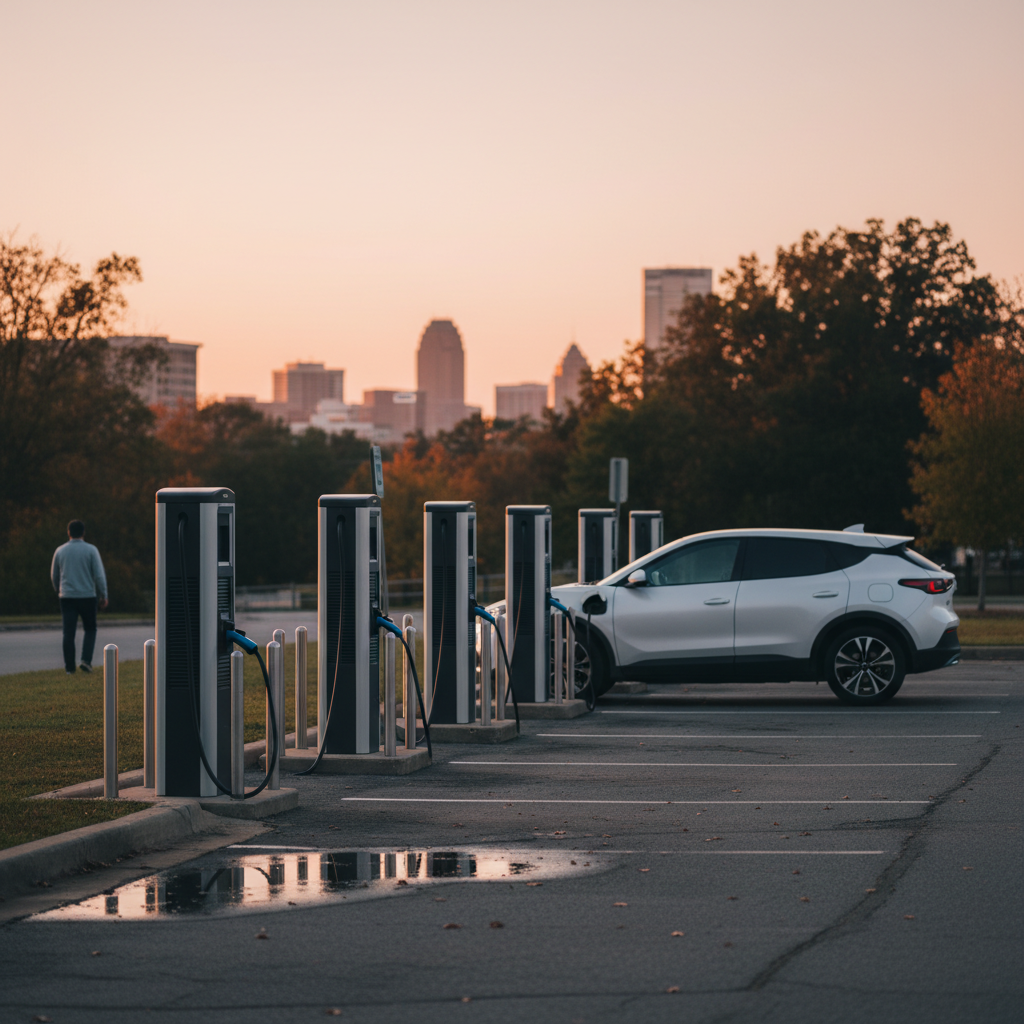
The EV6 is a charging overachiever on paper: 800‑volt architecture, peak DC rates around 240–250 kW on newer packs, and an 11 kW onboard AC charger. Two years on, that technical brilliance runs headfirst into the very human reality of America’s patchwork charging networks.
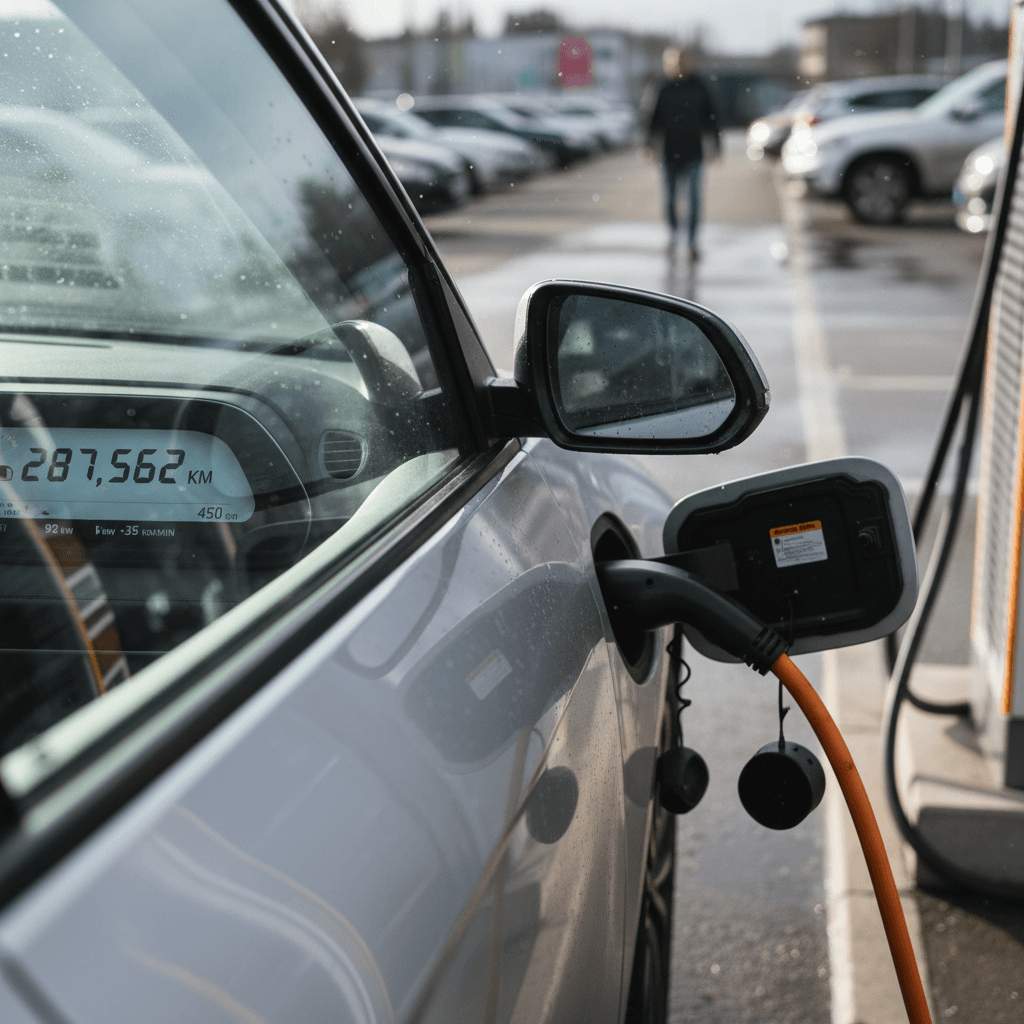
2‑year EV6 charging experience: home vs. public
Where the car shines and where the infrastructure lets it down
Home charging
Public & road trips
Is it the car or the charger?
Two‑year road‑trip tips from EV6 owners
1. Test fast chargers near home
Before a big trip, visit a couple of local DC fast chargers and see how your EV6 behaves. Note peak speeds and whether any stations consistently fail.
2. Aim for 10–60%, not 10–100%
The <strong>fastest charging happens between about 10% and 60%</strong>. On long drives, it’s quicker to add a few short sessions than to sit for a 10–100% marathon.
3. Watch preconditioning and route planning
The EV6 doesn’t precondition its battery for fast charging as seamlessly as some rivals. Use the navigation to route to the charger and avoid arriving with a freezing‑cold pack in winter.
4. Have a backup network in mind
If you plan around one DC network (like Electrify America), know where your Plan B stations are. Apps like PlugShare and A Better Routeplanner are your friends.
Battery health and degradation
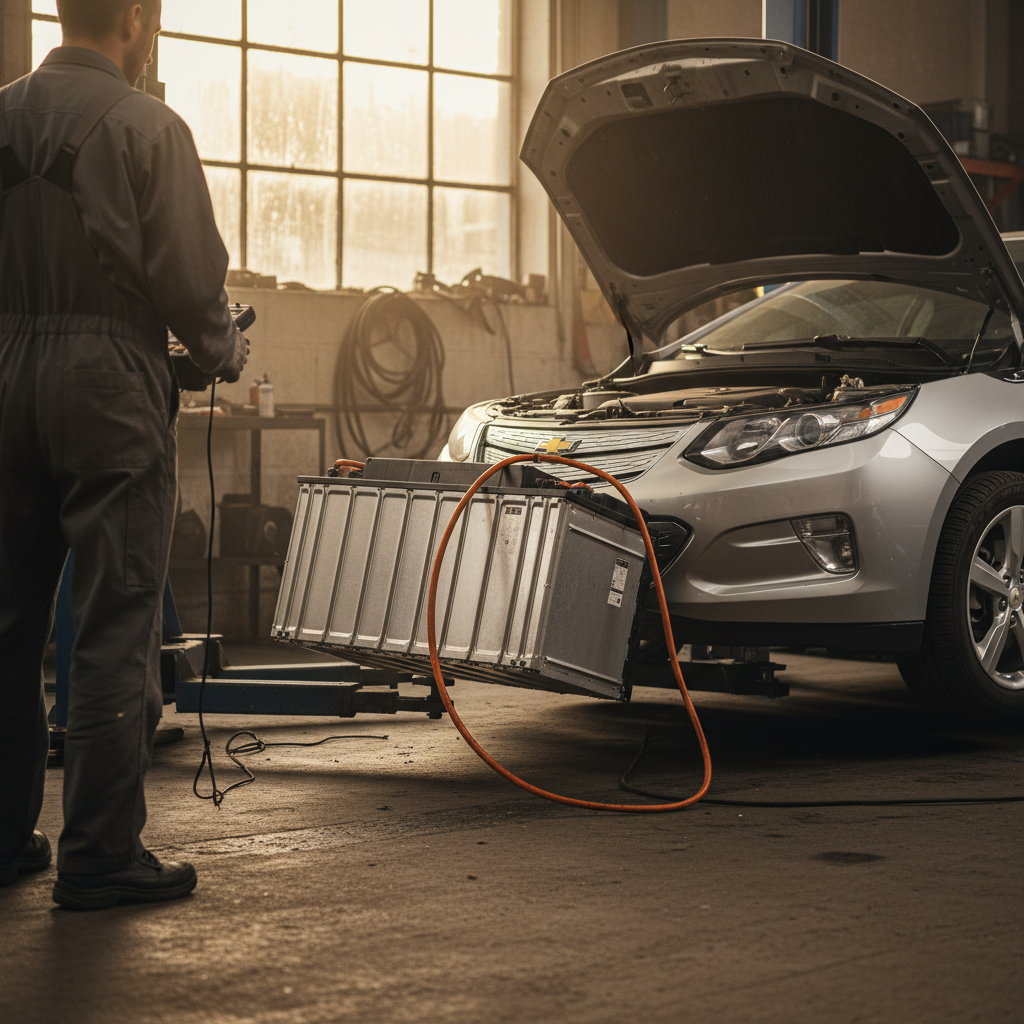
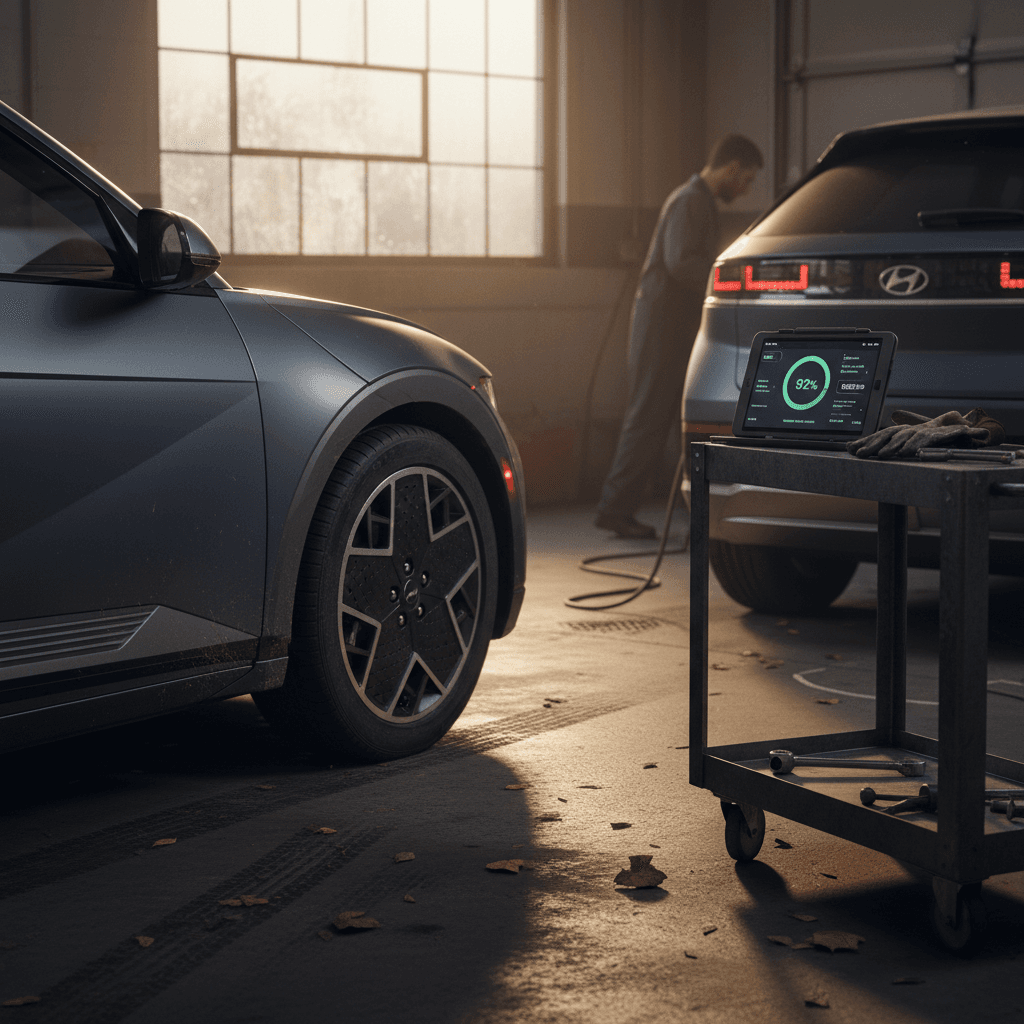
Battery anxiety isn’t about today’s range; it’s about tomorrow’s. The EV6 uses a liquid‑cooled lithium‑ion pack, 58 kWh on early base models and about 77.4 kWh on most trims, with newer cars moving to roughly 84 kWh. Kia backs it with a 10‑year/100,000‑mile warranty against capacity dropping below 70%.
The encouraging part
What healthy degradation looks like
- Displayed range gradually settles 5–10% below the original EPA number.
- DC fast‑charge curve stays mostly intact, 10–80% in ~18–25 minutes when the station cooperates.
- No persistent “Check electric vehicle system” or charging warnings.
Red flags to watch for
- Sudden big drops in estimated range (e.g., 90% charge but only 90–100 miles shown).
- Chronic charging errors across multiple stations and cables.
- State of charge readings that jump or freeze, or a dealer mentioning low cell‑group voltage.
Don’t obsess over the guess‑o‑meter
Reliability: issues owners actually see
On the reliability spectrum, the Kia EV6 lives squarely in the middle lane. It’s not a problem child, but it’s not Lexus‑quiet either. Independent reliability surveys rate the EV6 around average overall, but there’s a pattern: when things go wrong, they often revolve around charging electronics and the lowly 12‑volt battery.
Common EV6 trouble spots after 2 years
Not every car has these issues, but they’re the ones you see repeated in owner reports.
Charging & ICCU faults
12‑volt battery weakness
Software & infotainment quirks
Pay attention to warnings
The upside: routine maintenance has been pleasantly boring for most EV6 owners. No oil changes, far less brake wear thanks to regen, and tire rotations and cabin filters are the big recurring items. Compared with a similar‑age turbo crossover, the EV6 still looks like a financial vacation.
Comfort, practicality, and tech after the honeymoon phase
The EV6’s shape suggests sci‑fi concept car; the cabin experience is more Scandinavian loft. After two years, owners broadly still like living with it, but there are a few compromises you should understand if you’re coming from a traditional SUV.
How the EV6 cabin holds up over time
Where it still feels premium, and where reality creeps in
Seats & ride
Space & practicality
Tech & UI
Trim choice matters
Two-year costs: what EV6 ownership really costs
Total cost isn’t just your payment. After two years, EV6 owners have a pretty clear sense of what the car really costs to run: electricity, insurance, tires, and the odd dealer visit. The headline: energy costs are dramatically lower than a comparable gas crossover, while tires and insurance can be a bit higher.
Typical 2‑year cost picture: Kia EV6 vs gas crossover
Illustrative example for a U.S. driver doing ~12,000 miles per year.
| Category (2 years) | Kia EV6 | Comparable gas SUV |
|---|---|---|
| Energy (fuel/electricity) | Lower – home charging often beats $/mi of gas | Higher – fuel and oil changes add up |
| Routine maintenance | Low – tires, cabin filter, brake fluid | Moderate – plus oil, more wear items |
| Unexpected repairs | Varies – some owners pay for 12 V batteries or out‑of‑warranty trim fixes | Varies – more moving parts, but known territory for shops |
| Depreciation | Steep in first 2 years, then levels off | Also steep early, but EVs have been a bit more volatile |
| Insurance | Often slightly higher (performance & price) | Slightly lower, more actuarial history |
Actual numbers vary by energy prices and driving style, but the pattern is consistent: you spend less on energy, more on tires and insurance.
Where Recharged fits in
Is a used Kia EV6 a smart buy right now?
In 2026, the EV6 faces discount‑heavy Teslas, newer Hyundai/Kia models, and fresh competition from legacy brands. That’s good news if you’re shopping used: values have softened, and you can often buy a 2‑year‑old EV6 for the price of a new compact gas crossover.
Why a used EV6 makes sense
- Still‑strong range and fast charging that hold up after 2 years.
- Distinctive styling and a cabin that still feels ahead of many rivals.
- Long battery warranty offers peace of mind deep into used ownership.
- Depreciation works in your favor: the first owner ate the steepest drop.
Reasons to be cautious
- Documented charging‑system and 12 V issues on some cars, needs careful screening.
- Not as practical as a traditional SUV if you need maximum cargo height.
- Rapid EV tech progress means newer rivals may charge a bit faster or go a bit farther.
Who the EV6 suits best after 2 years
What to check on a used EV6 before you buy
Because EV failures can be expensive and mysterious, due diligence matters more than ever. The good news is that the EV6 gives you plenty of clues if you know where to look.
Pre‑purchase checklist for a used Kia EV6
1. Scan for warning lights and messages
On the test drive, watch for persistent <strong>“Check electric vehicle system”</strong> messages or charging‑system alerts. Ask for any dealer repair records related to the high‑voltage system or ICCU.
2. Test AC and DC charging
Plug into a Level 2 charger and, if possible, a DC fast charger. Confirm that charging starts reliably and ramps up to reasonable speeds. Repeated failures across multiple stations are a red flag.
3. Evaluate real‑world range
With the battery at ~80–90%, note the estimated range and compare it to the trim’s original EPA rating. A modest drop is normal; a dramatic one suggests battery or calibration issues.
4. Ask about the 12‑volt battery
Find out if the <strong>12 V battery</strong> has been replaced. Multiple 12 V failures in a short period can hint at deeper electrical issues, not just a bad battery.
5. Inspect tires and brakes
EV6s are quick and heavy. Uneven tire wear or scored rotors can tell you about driving style and alignment issues. Factor tire replacement into your budget if the set is nearing the end.
6. Get a professional EV‑specific inspection
If you’re not buying through a marketplace that already provides detailed battery diagnostics, consider an <strong>independent EV inspection</strong> for peace of mind.
How Recharged shortens this list
Frequently asked questions about the Kia EV6 after 2 years
Kia EV6 2‑year ownership FAQ
Bottom line: Kia EV6 after 2 years
Two years in, the Kia EV6 has largely delivered on its promise: it’s still one of the most distinctive, satisfying EVs you can buy, new or used. Real‑world range stays competitive, charging is genuinely quick when the hardware behaves, and the cabin hasn’t aged out of fashion. The flipside is a reliability story that’s merely average and concentrates its drama in the places EV owners fear most: charging electronics and the 12‑volt system.
If you’re hunting for a used EV6, the smart play is to buy the car’s history, not just its styling. Prioritize clean service records, trouble‑free charging behavior, and verified battery health. Do that, and ideally, lean on a marketplace like Recharged that bakes battery diagnostics and expert support into the process, and a 2‑year‑old Kia EV6 can be one of the most rewarding ways to go electric without paying new‑car money.