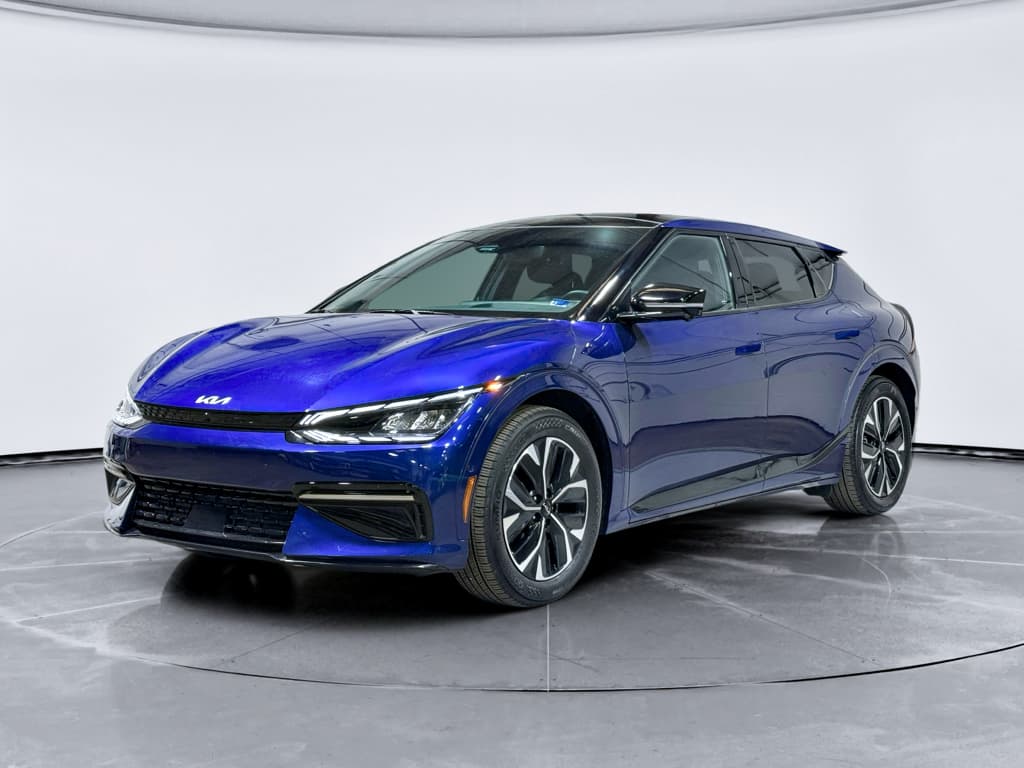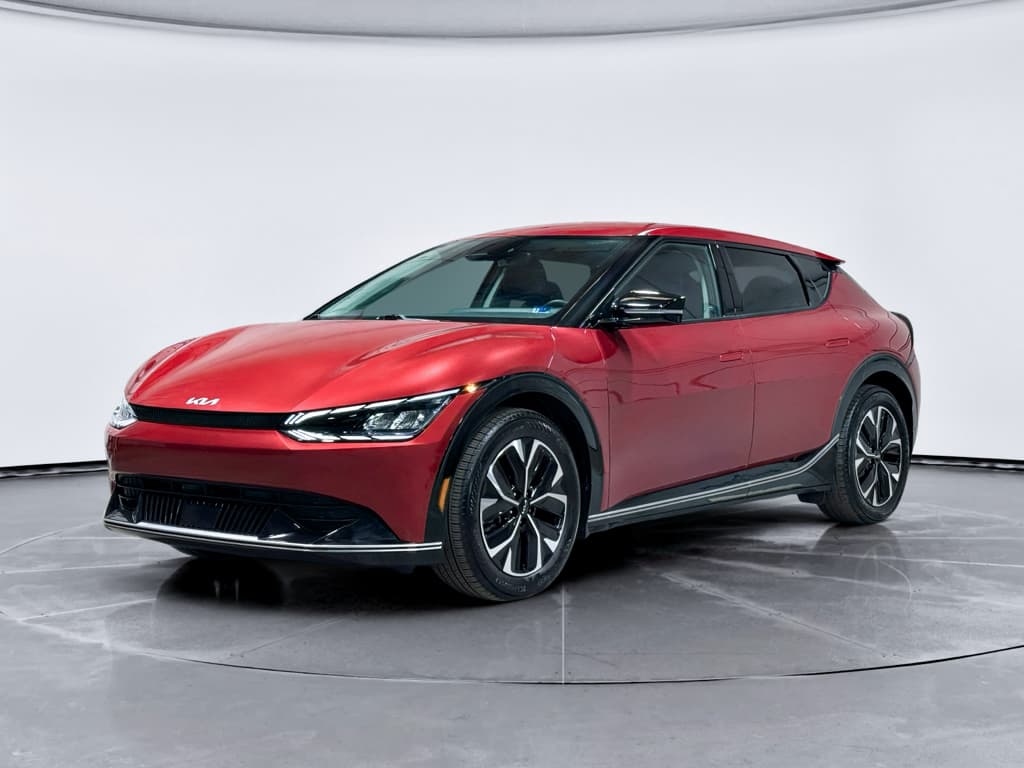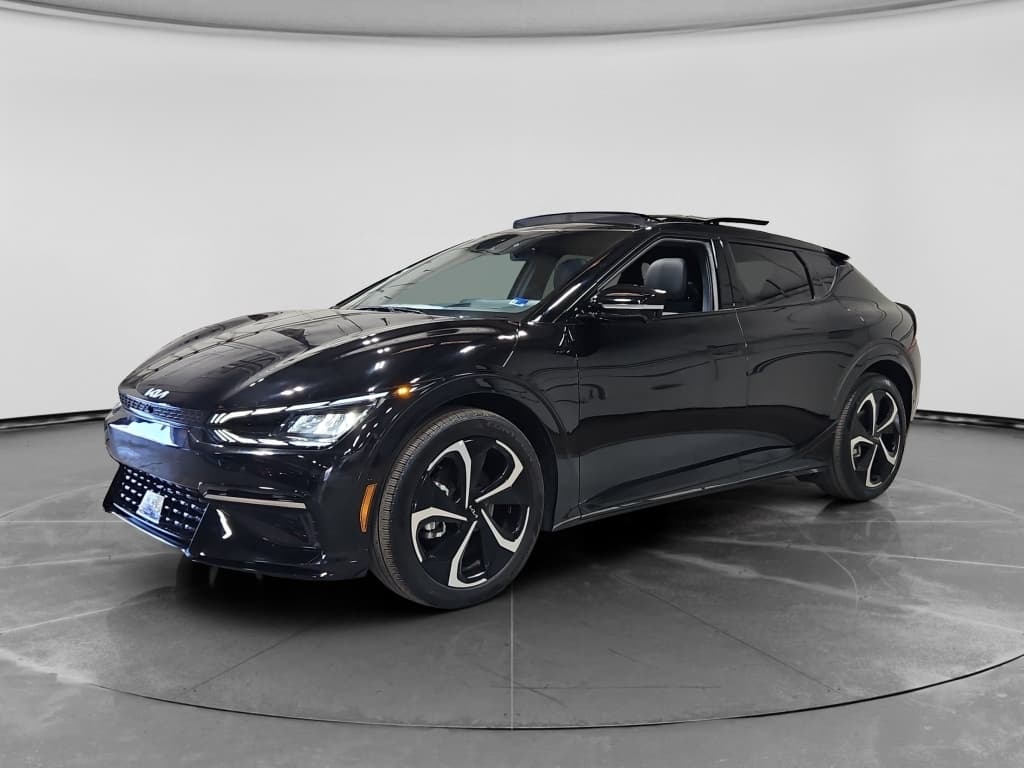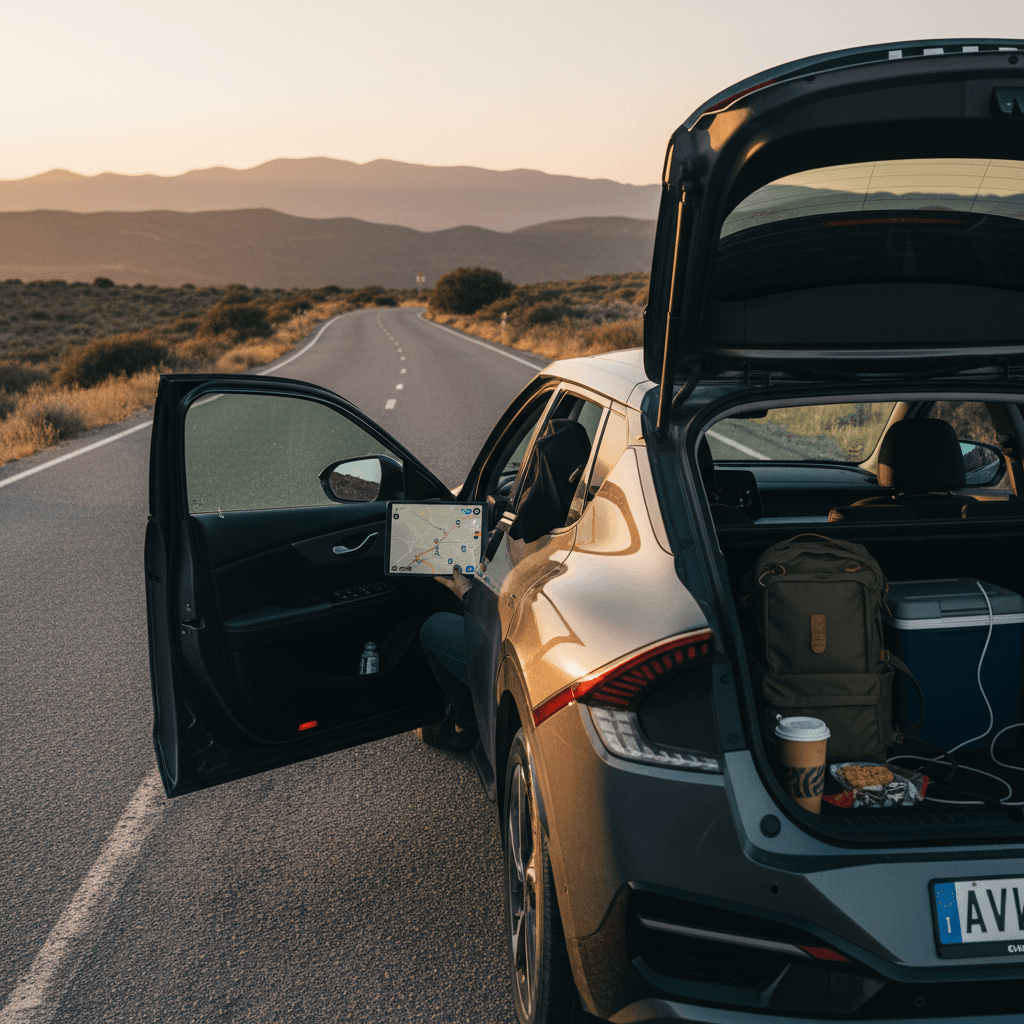
If you’re planning your first long road trip in a Kia EV6, you’re driving one of the best highway EVs on the market. But getting the most out of its range and ultra-fast charging takes a bit of strategy. These Kia EV6 long distance driving tips will help you plan smarter routes, charge less often, and arrive with a healthy battery and a lower stress level.
The EV6 is built for road trips
Why the Kia EV6 is great for long trips
Before we get into detailed Kia EV6 long distance driving tips, it’s worth understanding why the EV6 is such a capable road-trip machine. That context will shape how you plan.
Core Kia EV6 strengths on the highway
Lean into these on every long drive
Ultra-fast DC charging
The EV6’s 800V system can accept very high power from modern DC fast chargers, shrinking your stop times when you arrive with a warm battery and a low state of charge.
Stable highway performance
Strong acceleration for merging, comfortable suspension, and confident lane keeping assistance make long stints behind the wheel less tiring.
Built-in EV route planning
Kia’s EV route planner can add charging stops automatically and, on newer models, supports Plug & Charge with select networks so you spend less time fiddling with apps.
The catch: It’s not a range monster
Know your EV6’s real-world highway range
EPA range is a starting point, but long-distance driving in a Kia EV6 happens mostly at 70–80 mph, often with passengers, luggage, and weather that’s less than perfect. For trip planning, you want realistic numbers, not the brochure headline.
Typical real-world EV6 highway range (70–75 mph, mild weather)
Planning shortcut
- If you’re in a long-range RWD, plan legs of ~180–220 miles between fast chargers.
- In a long-range AWD, plan for ~160–200 mile legs, especially with 20–21" wheels.
- In winter, or at 75–80 mph, trim those numbers by another 15–25%.
Don’t chase the guess-o-meter
Plan your route around fast charging
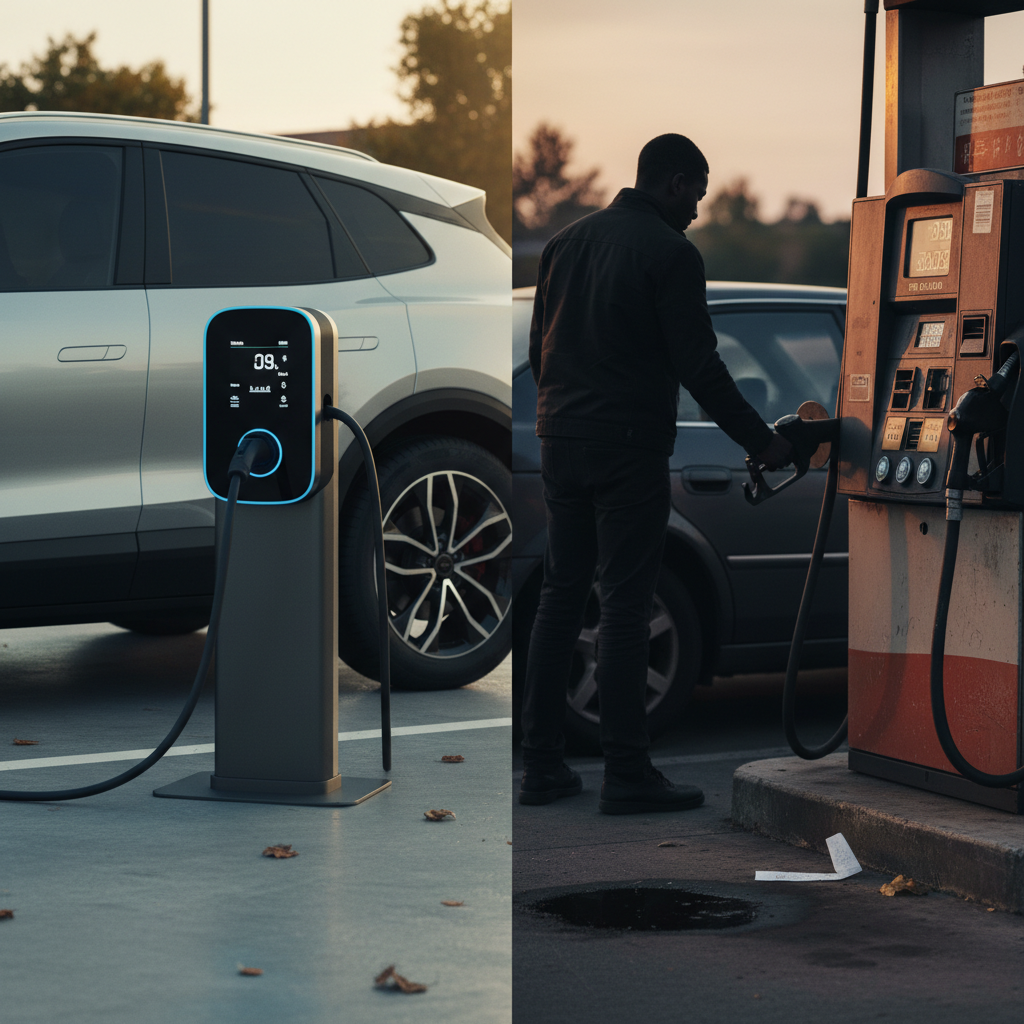
Long-distance EV driving is really about stringing together reliable fast chargers. The good news: the EV6’s charging curve is fantastic on high-power stations, so a bit of planning can save hours over a long day.
Best tools for planning Kia EV6 road trips
Use at least two sources so you’re never caught off guard
Kia EV route planner
In the EV6’s built-in navigation, enter a destination beyond your current range and enable EV route planning. The system will suggest fast-charging stops and, on newer models, can trigger battery preconditioning for those stops.
Third-party planners
Apps like A Better Routeplanner (ABRP), PlugShare, or ChargeHub let you model your trim, speed, weather, and charging preferences, then export waypoints to your phone or car.
Network apps
Install Electrify America, EVgo, and other regional networks you expect to use. Check recent check-ins and uptime so you can favor reliable sites and avoid known-problem stations.
Aim for chargers near services
Recommended arrival and departure state-of-charge (SoC)
For most Kia EV6 long-distance trips, cycling between these charge levels balances speed and convenience.
| Leg type | Arrival SoC target | Departure SoC target | Why it works |
|---|---|---|---|
| Normal highway leg | 10–20% | 60–80% | Keeps you in the EV6’s fastest charging zone and minimizes time above ~80%. |
| Sparse charging area | 15–25% | 80–90% | Gives more buffer where backup options are limited. |
| Winter or heavy headwind | 15–30% | 70–90% | Extra margin for weather-driven consumption spikes. |
Adjust for weather, terrain, and how dense fast charging is along your route.
Use battery preconditioning for faster charging
One of the most overlooked Kia EV6 long distance driving tips is battery preconditioning. Fast charging is only truly “ultra-fast” when the battery is in the right temperature window. Preconditioning gets it there before you plug in.
What battery preconditioning does
Preconditioning uses the EV6’s thermal management system to warm (or sometimes cool) the high-voltage battery so it can safely accept high DC power, especially at low state of charge.
- Warms the pack on cold days to avoid slow initial charging.
- Helps you see higher peak kW and shorter 10–80% times.
- Reduces the chance you’ll sit at a charger wondering why it’s so slow.
How to trigger preconditioning
On most EV6s, preconditioning only kicks in when you set a DC fast charger as your destination or a specific waypoint:
- From the nav, search for a DC fast charger near your route.
- Set it as your next stop (not just a POI on the map).
- Watch for a snowflake/conditioning icon or message on the EV screen as you approach.
Note: On some software versions, changing DC charge limits in the app can interfere with conditioning. If you’re not seeing it activate, check your manual or dealer for the latest guidance.
Cold weather matters more than you think
Driving techniques to extend highway range
You don’t need to hypermile your Kia EV6 to see better range on long trips. A handful of simple habits can easily swing your efficiency by 10–20%, which is often the difference between one fewer charging stop in a day.
Highway driving habits that pay off
Set a realistic cruising speed
Every 5 mph over about 65 mph hits your efficiency hard. If traffic allows, cruising at 65–70 mph instead of 75–80 mph can add tens of miles of range over a full battery.
Use smart cruise control
The EV6’s adaptive cruise smooths out acceleration and braking better than most humans do. On long, steady stretches, it’s often more efficient than manual driving.
Avoid hard launches
Instant torque is fun, but repeated full-throttle launches chew through energy. On a long day, brisk but smooth starts are your friend.
Look far ahead
Anticipate slowdowns and let off the throttle early instead of diving into the brake pedal. Coasting and gentle regen are more efficient than late, heavy deceleration.
Optimize regen level
Try i-Pedal or a medium regen setting in mixed traffic, but on open highway, a lighter regen level that lets you coast can improve efficiency if you plan ahead.
Follow, but not too closely
Tucking in behind a taller vehicle (at a safe distance) reduces aerodynamic drag. Use the longest following-distance setting that still keeps you in its wake.
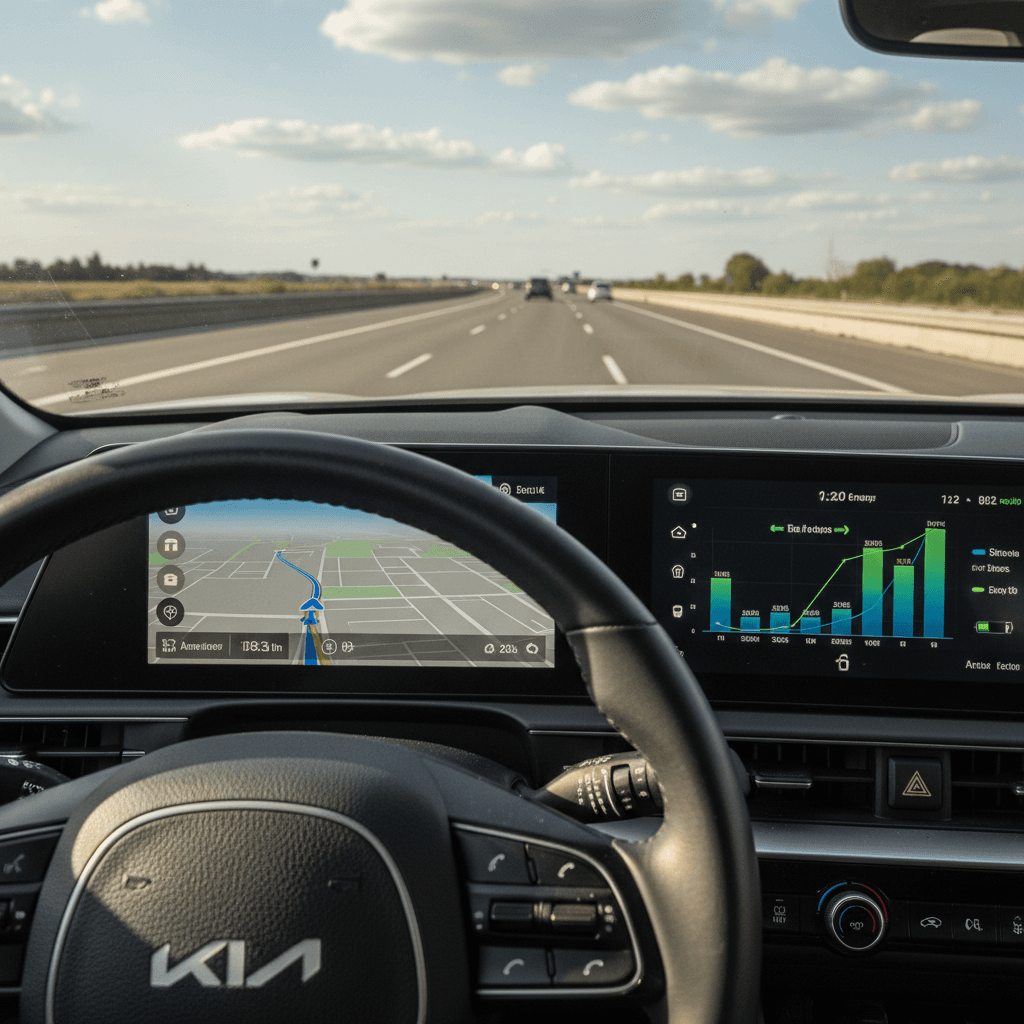
Track efficiency in real time
Climate control and comfort without killing range
Comfort is non-negotiable on long drives, but heat and A/C are some of the biggest non-driving energy loads in any EV. The EV6 gives you tools to stay comfortable while still protecting your highway range.
Use seat and steering wheel heaters first
Heating surfaces is more efficient than blasting hot air. In cold weather:
- Turn on seat and steering wheel heaters and keep the cabin set a bit cooler.
- Use the "driver only" climate mode when you’re alone to reduce wasted heat.
- Preheat the cabin while plugged in so you start with a warm interior.
Smart A/C use in summer
Highway A/C use is less punishing than winter heat, but still matters:
- Start your trip with a pre-cooled cabin while connected to a charger.
- Use auto climate at a moderate temperature instead of rapid swings.
- On very hot days, prioritize a comfortable but not "meat-locker" setting.
You’ll usually be better off using A/C than rolling down windows at 70–80 mph, where aerodynamic drag from open windows hurts efficiency more.
Don’t turn comfort into anxiety
Seasonal tips: winter and summer road trips
Season and weather can move your real-world range up or down by 30% or more. Building that into your Kia EV6 long distance driving plan keeps “surprises” to a minimum.
How to adapt your EV6 road trip by season
Same car, very different conditions
Winter road trip tips
- Assume 20–30% less range in freezing temps, more if it’s windy.
- Preheat while plugged in; use seat/steering wheel heat heavily.
- Use battery preconditioning religiously before every fast charge.
- Check tire pressures, cold weather drops PSI and hurts efficiency.
Summer road trip tips
- Park in shade when possible to reduce cabin pre-cool load.
- Expect slightly better efficiency than EPA in mild temps.
- Watch battery temps on back-to-back fast charges in extreme heat.
- Hydrate and rest; driver fatigue is a bigger risk than range.
Terrain and wind are hidden range killers
Charging strategy: how low to go and how high to charge
The Kia EV6 charges fastest at low and mid state-of-charge. The art of road tripping is deciding when to leave, when to stop, and how long to stay so you’re riding the steep part of the charging curve instead of trickle-charging at high percentages.
- For most routes with decent DC coverage, aim to arrive between 10–20% and leave between 60–80%.
- On very sparse corridors, bump that to arriving at 15–25% and leaving at 80–90% for safety.
- Avoid spending time from 90–100% on DC fast chargers unless you truly need every mile, charge time per mile added gets painfully slow up there.
- If you’re stopping anyway for a meal, it can be more efficient to charge shorter, more frequent bursts (15–25 minutes) than one huge top-up. The EV6 rewards that pattern.
Think in hours, not just miles
How to pack and prepare your EV6 for a road trip
Packing and pre-trip checks don’t just make your life easier, they protect efficiency and battery health on long drives.
Pre-trip checklist for a Kia EV6 road trip
Check tires and pressures
Set pressures to the door-jamb spec (or slightly higher within spec) before you leave. Underinflated tires increase rolling resistance and can easily cost you 5–10% range.
Update software and maps
Install pending infotainment or navigation updates a few days before you leave so EV routing, station locations, and Plug & Charge features are current.
Organize charging cards and apps
Set up accounts and payment methods for major networks you’ll use. Enable Plug & Charge or Kia Charge Pass if your EV6 and region support it.
Pack your charging kit
Bring your portable Level 1/Level 2 EVSE, any adapters you own, and a backup plan for overnight charging at hotels or family homes.
Distribute weight smartly
Heavy cargo on the roof is an aerodynamic penalty. When possible, keep weight low and inside the cabin or trunk rather than on crossbars or a cargo box.
Plan your “Plan B” stops
For each critical charger, identify a backup within 20–40 miles. Save both in your planner so you’re not scrambling if a site is down. This is where tools like PlugShare shine.
Extra tips for used Kia EV6 owners
Everything above applies whether your EV6 is brand new or a few years old. With a used EV6, you’ll just want to add a quick battery and charging reality check before you count on that big trip.
- Review recent trip efficiency and maximum DC charging speeds to understand how your specific car behaves today.
- If you bought through Recharged, look at your Recharged Score Report to see verified battery health and how that translates into practical road-trip range.
- On your first fast-charge session, note peak kW and how quickly charge power tapers; use that as a baseline for future planning.
- Consider doing a shorter “shakedown” trip of 150–200 miles before a multi-day road trip to learn how your EV6 handles your driving style and local charging networks.
How Recharged can help
Ready to find your next EV?
Browse VehiclesFAQ: Kia EV6 long-distance driving
Kia EV6 long-distance driving FAQs
Key takeaways for stress-free EV6 road trips
Taken together, these Kia EV6 long distance driving tips boil down to a simple playbook: know your realistic highway range, plan around fast chargers, keep the battery in its happy zone with preconditioning and sensible charge levels, and drive smoothly at reasonable speeds. When you do that, the EV6’s strengths, fast charging, comfortable highway manners, and solid real-world range, turn long trips into a predictable routine rather than an experiment.
If you’re considering a used Kia EV6 specifically for road trips, buying through Recharged adds another layer of confidence. Every car includes a Recharged Score battery health report, transparent pricing, and EV-focused support, so your first big highway drive feels like a shakedown cruise, not a leap of faith.