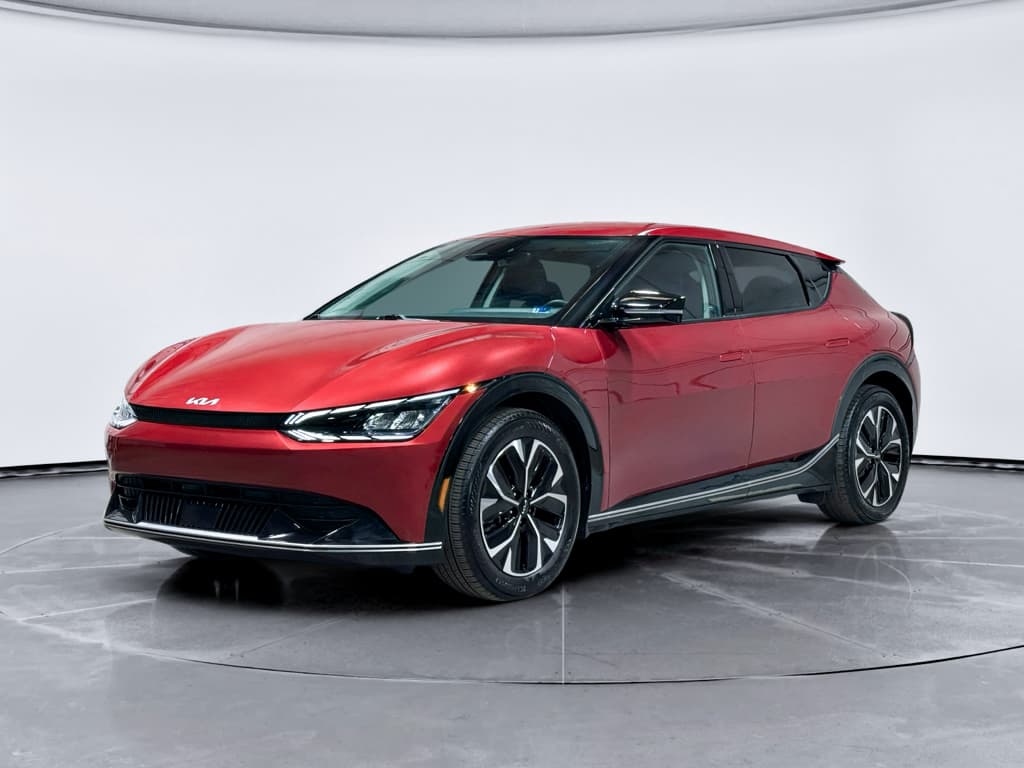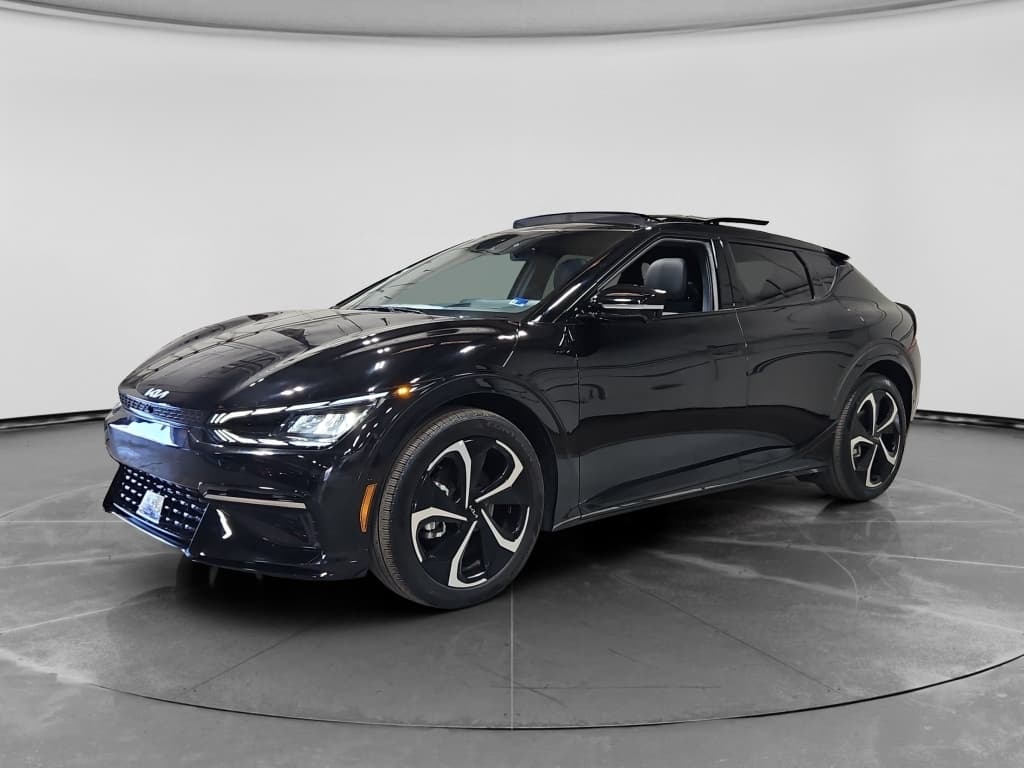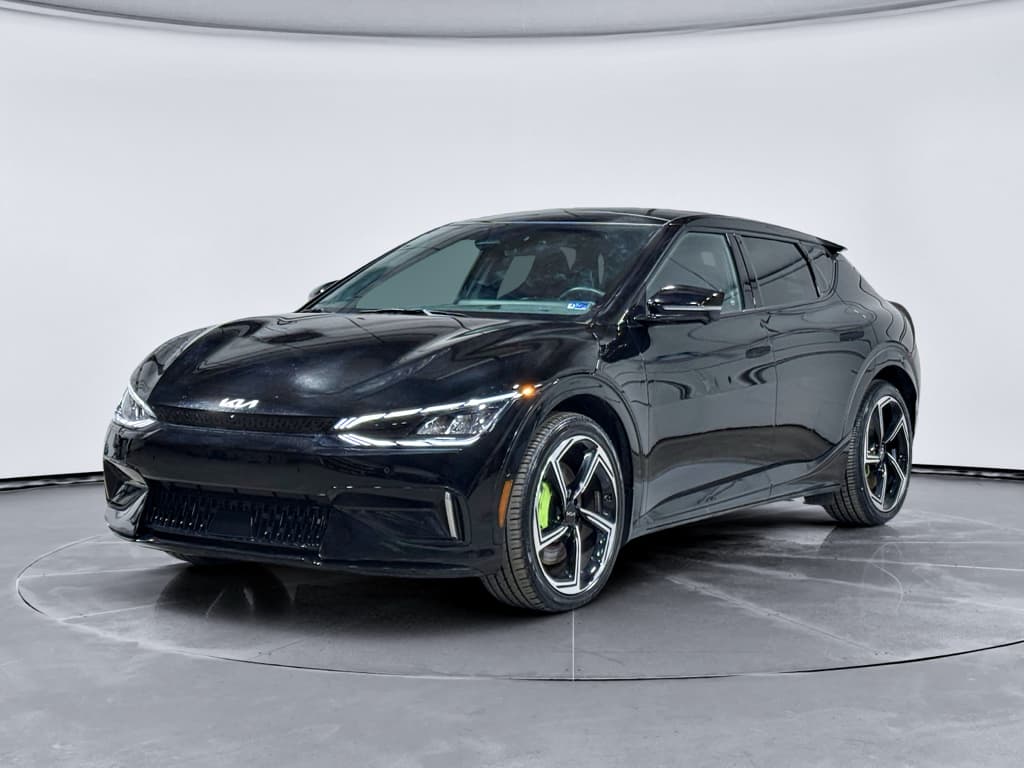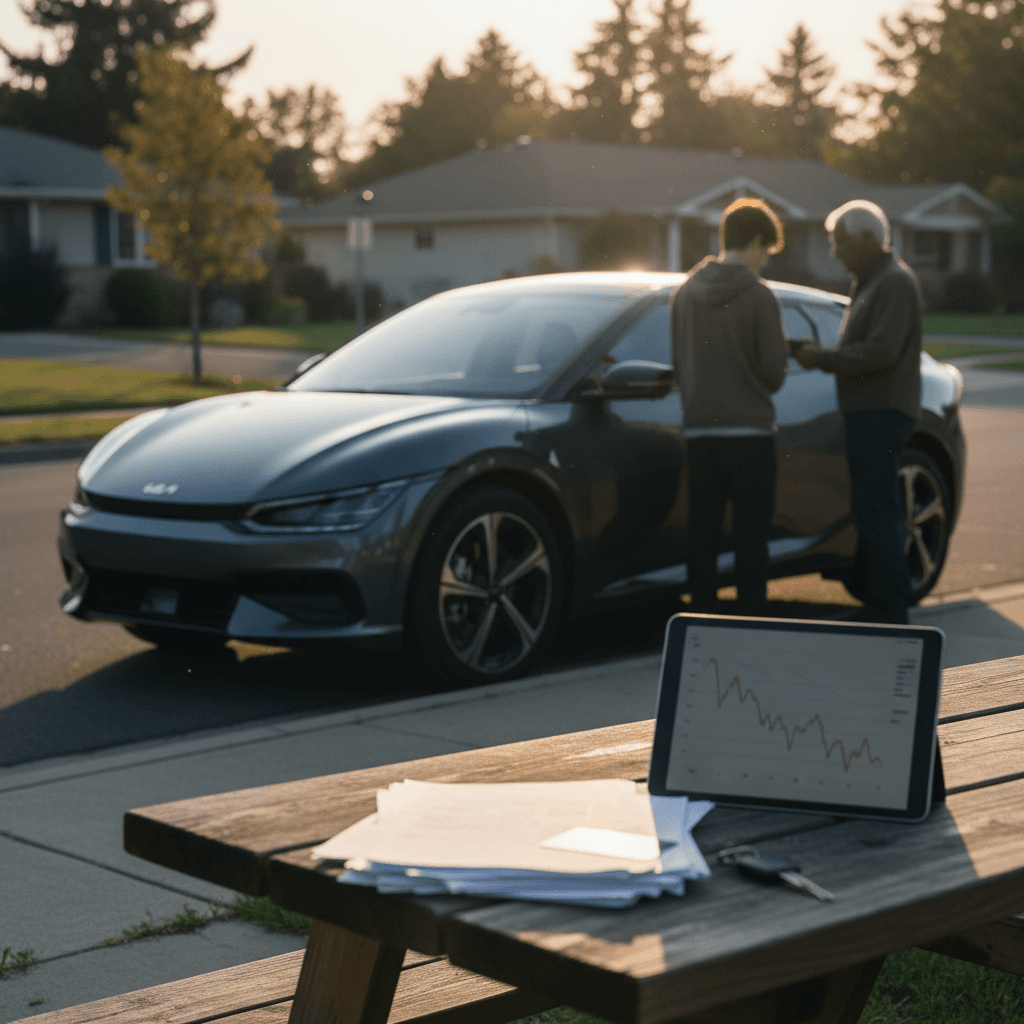
If you’re shopping for a Kia EV6 or already own one, the next big question after price and range is simple: **what will my Kia EV6 insurance cost at my age?** Because auto insurance is heavily age‑based, a 20‑year‑old and a 50‑year‑old can see dramatically different quotes for the same EV6 parked in the same driveway.
Key takeaway
Why Kia EV6 insurance varies so much by age
Age is one of the bluntest tools insurers use to predict **risk**. Teen and early‑20s drivers crash more often and file more claims, so insurers charge a steeper premium to cover that risk. As drivers move into their 30s, 40s, and 50s with clean records, claim frequency drops, and premiums generally follow. In the U.S., industry data for 2025–2026 shows EV insurance averaging roughly **20–50% higher** than comparable gas vehicles, with many EV owners paying in the **$3,500–$4,000 per year** range for full coverage. Your age amplifies or softens that EV premium bump.
Kia EV6 insurance in context (2026 snapshot)
The Kia EV6 sits in the middle of the EV pack. It’s not as expensive or exotic as a luxury EV sedan, but it’s a fast, high‑tech crossover packed with sensors and a large battery pack. Those traits raise repair costs, which insurers bake into your premium. On the plus side, the EV6 has **excellent crash‑test ratings**, which many insurers reward with better pricing than less safe vehicles in the same price bracket.
Why age matters even more with an EV
Typical Kia EV6 insurance rates by age group
There’s no single official price for **Kia EV6 insurance rates by age**. Every quote is built from dozens of variables: your state, ZIP code, coverage limits, credit tier, mileage, trim level, and more. But by blending what we know about U.S. insurance by age with current EV pricing patterns, you can build a realistic expectation before you start shopping quotes.
Approximate annual Kia EV6 insurance ranges by age
Illustrative full‑coverage ranges for a Kia EV6 in 2026. These are ballpark figures assuming a clean record, good credit, and typical limits in a medium‑cost state. Your actual quote can fall outside these ranges.
| Driver age | Typical annual range | Monthly equivalent | How it usually feels |
|---|---|---|---|
| 18–20 | $4,000–$5,500 | $335–$460 | Often a shock; EV6 can be pricey for new drivers |
| 21–24 | $3,200–$4,300 | $265–$360 | Still expensive, but noticeably better than teen rates |
| 25–34 | $2,400–$3,400 | $200–$285 | More manageable; clean records start to pay off |
| 35–44 | $2,000–$3,000 | $165–$250 | Often the sweet spot for EV6 insurance costs |
| 45–59 | $1,900–$2,900 | $160–$240 | Frequently the lowest EV6 rates with strong histories |
| 60–74 | $2,000–$3,100 | $165–$260 | Still competitive, may creep up slowly in 70s |
| 75+ | $2,400–$3,600 | $200–$300 | Insurers price in slower reaction times and claim patterns |
Use these numbers as planning anchors, not promises. Always compare live quotes for your exact situation.
Important disclaimer
What younger EV6 drivers can expect (under 25)
If you’re under 25, especially under 21, the EV6 may be one of the more expensive vehicles you can insure in your household. Teens and early‑20s drivers already sit in the riskiest bucket; an EV6’s high replacement value and complex electronics stack more cost on top. It’s not unusual to see **$300–$450 per month** quotes for full coverage on an EV6 for an 18‑ to 22‑year‑old with limited driving history, even with no accidents.
- Staying on a parent’s policy usually costs far less than having your own solo policy.
- Choosing a lower‑power trim (like a standard Wind or Light RWD) instead of a GT or GT‑Line can trim premiums.
- Higher deductibles and usage‑based “telematics” programs can sometimes knock 10–25% off for good habits.
The middle‑age advantage (25–59)
Most Kia EV6 drivers in their late 20s through 50s see the most favorable pricing, assuming **clean records, good credit, and stable insurance histories**. In this band, EV6 premiums often land closer to **$160–$250 per month** for full coverage. That can still be higher than a similar gas crossover, but it’s typically within reach for many households when you factor in fuel and maintenance savings.
Older drivers in an EV6 (60+)
Once you cross into your 60s and 70s, many insurers start to edge premiums back up to reflect slower reaction times and a greater chance of injury in a crash. For a 70‑year‑old in a Kia EV6, premiums may creep back toward **$200–$280 per month**, even with a spotless record. That’s still often less than what the same driver would’ve paid in their 20s or 30s, but it’s a reminder that age cuts both ways.

Factors beyond age that shape EV6 premiums
Age is just the starting point. When an underwriter looks at a Kia EV6, they also price in how, where, and how far you drive. Two 35‑year‑old EV6 owners can see wildly different quotes if one lives in a dense city, commutes 18,000 miles a year, and carries high coverage limits, while the other is in a small town driving 7,000 miles annually.
Top non‑age factors for Kia EV6 insurance
These can move your premium more than you might expect
Location & garaging
Driving record
Coverage & deductibles
Annual mileage
Trim & equipment
Credit & insurance history
Don’t forget liability limits
How being an EV changes Kia EV6 insurance
The Kia EV6 doesn’t just look different from a gas crossover; insurers treat it differently, too. Across the U.S., multiple studies in 2024 and 2025 found that **insuring an EV can cost about 20–50% more** than a comparable gas vehicle. That’s driven more by repair economics than by crash risk.
Why EV6 insurance can be higher
- Battery pack costs: Damage to the high‑voltage battery could total the vehicle, even after what looks like a minor collision.
- Specialized repair network: Fewer shops are trained and tooled to work on EV6‑level electronics and high‑voltage systems.
- OEM parts dependence: Many parts must be sourced directly from Kia, with few aftermarket alternatives.
Why EV6 isn’t the worst‑case EV
- Excellent safety scores: Top crash‑test results help reduce the frequency and severity of injuries.
- Mass‑market positioning: The EV6 is priced below many luxury EVs, capping maximum claim size.
- Growing repair familiarity: As more EV6s hit the road, repair data gets better and some costs come down.
Safety works in your favor
How to save on Kia EV6 insurance at every age
Whatever your age, you have more control over your EV6 insurance rate than you might think. Some levers you can pull immediately; others require a bit of planning. If you’re budgeting a payment on a new or used EV6, it pays to work these steps *before* you sign the buyer’s order.
Universal strategies to lower Kia EV6 insurance
Shop at least 3–5 insurers
Rates for the same EV6 and driver can vary by 30% or more between companies. Use online comparison tools, but also get at least one quote from a carrier that publicly leans into EVs.
Bundle auto and home when possible
Combining your Kia EV6 with a homeowner’s or renter’s policy can unlock sizable discounts. That bundle can shrink some of the EV premium gap versus a gas car.
Right‑size your coverage and deductibles
Avoid state minimums, but don’t blindly over‑insure either. Many EV6 owners find a sweet spot at liability limits well above the legal minimum and deductibles in the $500–$1,000 range.
Enroll in telematics if you’re a smooth driver
Usage‑based programs that track acceleration, braking, and mileage can reward gentle driving with double‑digit discounts, especially helpful for younger EV6 owners trying to prove themselves.
Ask about EV‑specific discounts
Some insurers now offer small breaks for EVs, advanced driver‑assistance systems, or owning multiple green vehicles. These typically won’t erase the EV upcharge, but every bit helps.
Clean up tickets and claims over time
If your record is bumpy, time is your ally. Mark your calendar for when old claims and tickets age off your record and requote your EV6 around those anniversaries.
Age‑specific moves that help most
Best Kia EV6 insurance tactics by age band
Prioritize the levers that move *your* premium most
Drivers under 25
- Stay on a parent or guardian’s policy where possible, it’s often far cheaper.
- Complete recognized driver‑education or defensive‑driving courses.
- Ask about good‑student discounts if you’re in school.
- Consider a lower‑spec EV6 trim when you’re just starting out.
Drivers 25–39
- Leverage stable employment and good credit to qualify for the best tiers.
- Bundle policies as you buy a home or start a family.
- Use telematics to demonstrate low‑risk habits and commute patterns.
Drivers 40–59
- Review coverage annually; don’t let “set and forget” creep premiums upward.
- Increase deductibles slightly if you have a strong emergency fund.
- Ask your agent to re‑shop your EV6 when you hit a “clean record” milestone.
Drivers 60+
- Ask carriers that specialize in mature drivers for quotes.
- Re‑document defensive‑driving courses and low annual mileage.
- Consider reducing coverages on older, low‑value secondary vehicles, not your primary EV6.
Leasing vs. buying used: Insurance angles for a Kia EV6
How you acquire your EV6 can also nudge insurance costs. Leasing a brand‑new EV6, financing a new one, or buying a used example each changes how much the lender or lessor demands in coverage, and that affects your premium.
Leasing or financing a new EV6
- Higher required limits: Lenders and leasing companies usually insist on specific minimum liability limits and comprehensive/collision coverage.
- Gap or loan/lease coverage: Many contracts require it, which adds cost but protects you if the car is totaled while you owe more than it’s worth.
- Higher vehicle value: A fresh‑off‑the‑lot EV6 Wind or GT Line commands higher comprehensive and collision premiums than a 4‑year‑old model.
Buying a used EV6 outright
- More flexibility: If you own the EV6 free and clear, you decide whether to carry full coverage or drop to liability‑only as it ages.
- Lower physical‑damage premiums: As the EV6 depreciates, comprehensive and collision typically become cheaper.
- Room to adjust deductibles: You can take on a bit more risk in exchange for a lower annual bill if you’re comfortable doing so.
Where Recharged fits in
Insurance and the true cost of owning a Kia EV6
Insurance is just one slice of EV ownership cost, but for younger drivers or those in high‑cost states, it can rival your monthly payment. At the same time, many Kia EV6 owners enjoy **significantly lower fueling and maintenance costs** than they would with a comparable gas SUV, especially if they can charge at home on off‑peak electricity rates.
- Fuel: Electricity is typically cheaper per mile than gasoline, especially if you charge overnight at home.
- Maintenance: No oil changes, fewer wear items, and strong brake‑regeneration mean lower routine service costs.
- Depreciation: As used EV prices normalize, buying a lightly used EV6 can reduce both loan payments and insurance costs versus a brand‑new one.
The smartest way to look at EV6 insurance is not in isolation, but as one line in a full cost‑of‑ownership spreadsheet over three to seven years.
When you add it all up, **Kia EV6 insurance rates by age** are just another way the market prices risk. Younger drivers pay more because the statistics say they crash more. Older, experienced drivers see the benefit in lower premiums, at least until age‑related risks creep in again. No matter where you fall on that spectrum, the EV6’s safety, efficiency, and growing repair ecosystem can keep your premiums more reasonable than some headline EV insurance stories suggest. Do the homework now, get quotes, adjust coverages, and, if you’re shopping used, lean on tools like the Recharged Score, so the cost to insure your EV6 fits comfortably into your long‑term ownership plan.