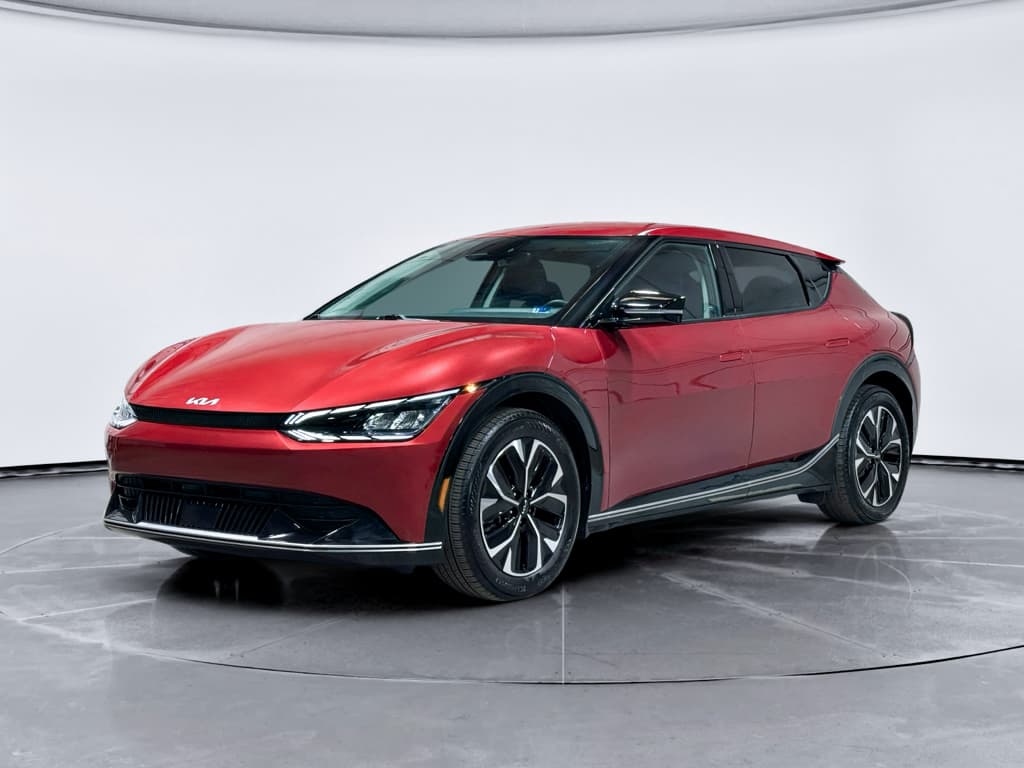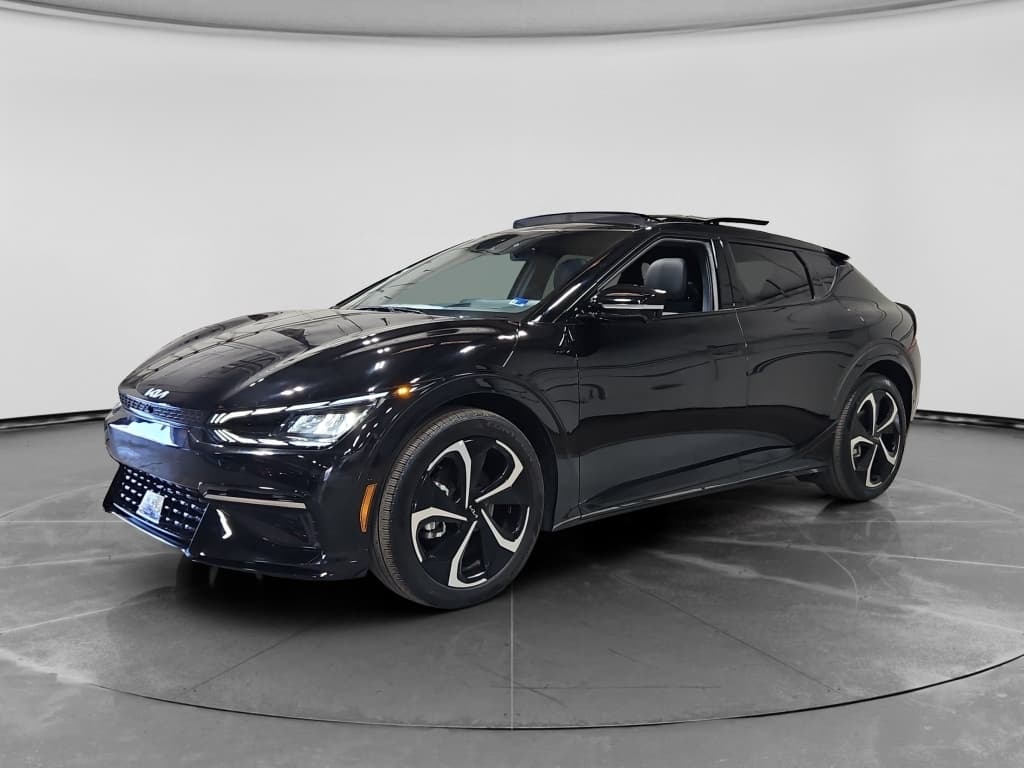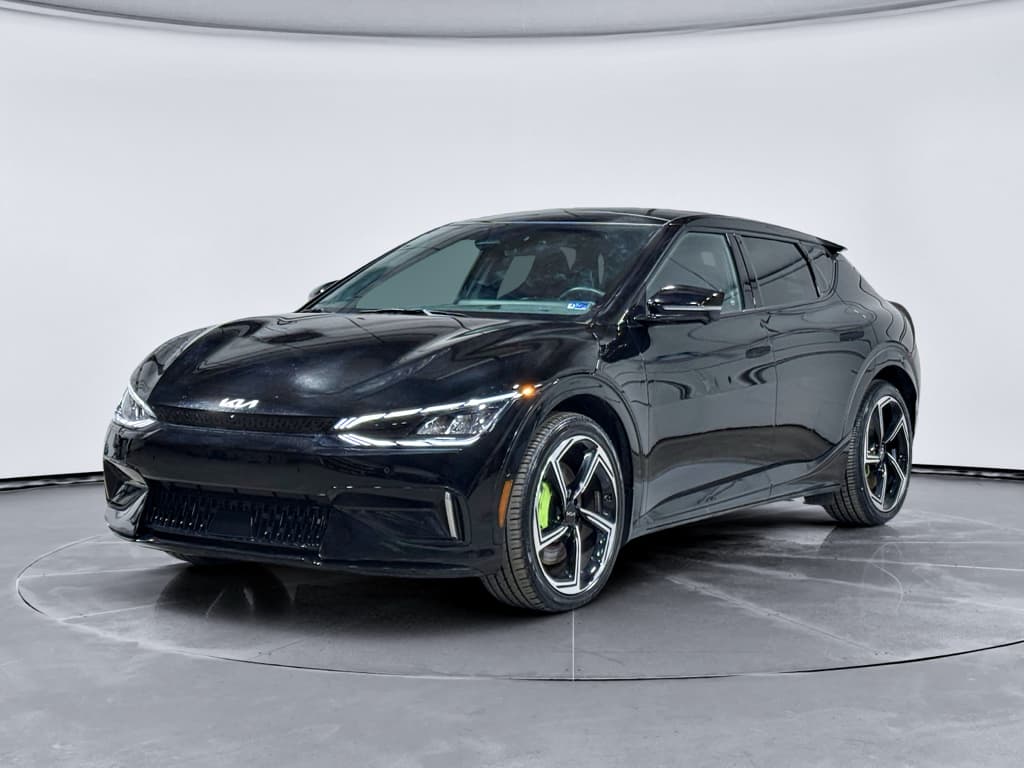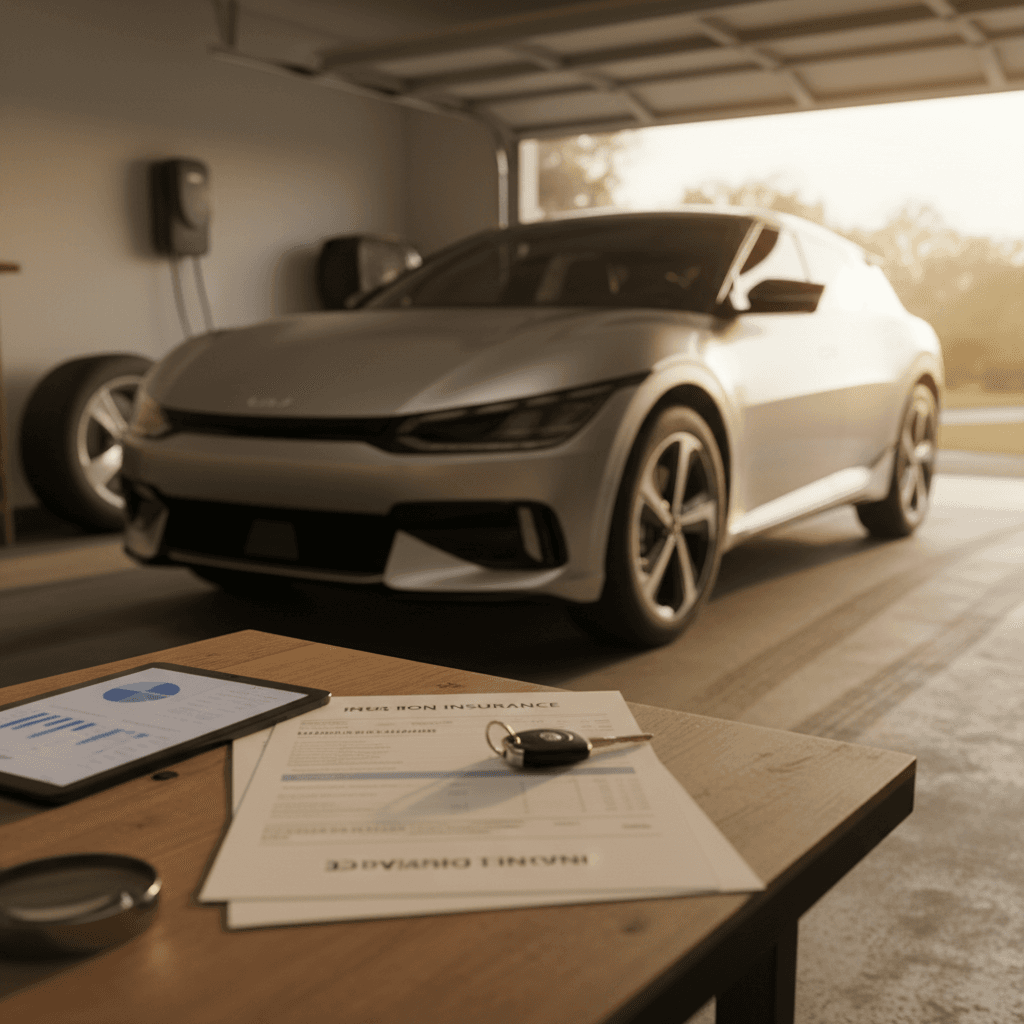
If you’re eyeing a Kia EV6 in 2026, new or used, you already know it’s a sharp-looking, quick electric crossover. What usually comes next is the less glamorous question: “What will my Kia EV6 insurance cost in 2026?” This guide breaks down real-world numbers, why EV insurance can run higher than gas cars, and specific moves you can make to keep your premium in check.
Quick take for 2026
Kia EV6 insurance cost in 2026: the short version
Kia EV6 insurance in context for 2026
Big picture, Kia EV6 insurance costs in 2026 sit in the middle of the EV pack. It’s generally more expensive to insure than a comparable gas Kia Sportage, but far cheaper than insuring a Tesla Model S or other performance EVs. The EV6’s strong safety ratings and mainstream pricing help, its expensive battery pack and sophisticated electronics do not.
How much is Kia EV6 insurance in 2026?
Insurance companies don’t publish one official number for Kia EV6 insurance in 2026, but multiple rate studies and insurer tools give us a realistic range. Across the U.S., recent data for EV6-specific policies and broader EV insurance studies point to the following ballpark numbers for full-coverage insurance (liability + collision + comprehensive) in 2026:
- National average full coverage, all vehicles: around $2,100–$2,700 per year in 2025–2026.
- Average electric vehicle insurance: often 15–40% higher than similar gas cars, depending on state and model.
- Typical Kia EV6 range in 2026: about $2,000–$2,800/year for a clean-record driver in a typical-risk state.
- Best-case scenarios (older driver, low-risk state): can drop near $1,500/year with strong discounts.
- High-risk or high-cost states: teen drivers or dense metro areas can see $3,500+ per year.
Why the wide range?
Remember, these are directional averages, not quotes. The only way to know your exact 2026 Kia EV6 insurance cost is to run your details through a few insurers. But knowing where the typical numbers land helps you spot whether a quote is fair, or way out of line.
Why Kia EV6 insurance can cost more than a gas SUV
If you’re coming from a gas crossover, the jump in premium for an electric like the EV6 can be surprising. The logic is pretty simple from the insurer’s point of view: what would it cost them to fix or total your car? With EVs, that answer is often “more than a similar gas model.”
Key reasons EV6 insurance can be higher
The EV6’s strengths (and quirks) from an insurer’s perspective
Expensive battery & electronics
The EV6’s high‑voltage battery pack and power electronics are costly to repair or replace. In some crash scenarios, damage near the battery can push the car toward a total loss faster than a similar gas SUV.
Specialized repair network
Not every body shop can safely work on high‑voltage EVs. Fewer qualified shops and specialized parts often mean higher labor rates and longer repair times, which insurers have to price in.
High performance for a family EV
Even non‑GT EV6 trims are quick. High power and instant torque don’t automatically mean you’ll crash, but insurers see performance as potential risk, especially for younger drivers.
Excellent safety, lower injury costs
On the plus side, the EV6’s crash ratings are outstanding. Better occupant protection can mean fewer severe injury claims, which helps offset some of the higher repair costs.
EV6 vs other EVs
7 factors that really change your EV6 premium
Insurers are less interested in what’s parked in your driveway than in how likely they think you are to file a claim and how expensive that claim might be. For a Kia EV6 in 2026, these are the levers that move your rate up or down the most.
Sample Kia EV6 insurance costs by driver profile
To make this less abstract, here’s a simplified snapshot of how 2026 Kia EV6 insurance costs might shake out for different types of drivers. These aren’t quotes, just realistic ranges based on current national averages, EV insurance studies, and what EV6 owners report.
Illustrative Kia EV6 annual insurance costs (full coverage)
Examples assume typical liability limits (100/300/50), comprehensive and collision coverage, and average U.S. rates in 2026. Your own quote may fall outside these ranges.
| Driver profile | Location type | Approx. annual premium | Notes |
|---|---|---|---|
| Age 45, clean record, 10k mi/year | Suburban, moderate‑cost state | $1,700–$2,200 | Homeowner, multi‑car, lots of discounts; likely insuring a Wind or Light trim. |
| Age 35, one minor speeding ticket | Metro, higher‑cost state | $2,200–$2,800 | Ticket and denser traffic nudge the rate up; EV6 still cheaper than a luxury EV. |
| Age 22, clean record | Urban, high‑cost state | $3,000–$4,000+ | Youth + city + EV = expensive. Shopping aggressively and using telematics is critical. |
| Age 60, retired, low miles | Small town, low‑cost state | $1,500–$2,000 | Low mileage and mellow driving history can offset EV repair costs nicely. |
| Used EV6, liability‑only | Rural, older vehicle, paid off | $700–$1,200 | Some owners of older EV6s eventually drop collision/comprehensive to save money. |
Use these examples as a gut check, not a guarantee.
Don’t underinsure to chase a low number
10 smart ways to lower your Kia EV6 insurance cost
You can’t change the fact that the EV6 is an electric, high‑tech crossover. You can change how attractive you look to insurers. Here are practical, EV‑specific ways to lower your Kia EV6 insurance cost in 2026 without cutting essential coverage.
- Shop at least 3–4 insurers. EV pricing varies wildly between carriers. Some companies are still figuring out EV repair data; others already price EVs more competitively.
- Adjust deductibles, not liability limits. If you need to trim cost, raise collision and comprehensive deductibles to $500–$1,000 before you touch your liability coverage.
- Ask about EV and telematics discounts. Many insurers now offer green‑vehicle, low‑mileage, and usage‑based discounts that fit EV6 owners who drive fewer long road trips.
- Bundle with home or renters insurance. Bundling is one of the biggest single discounts available. If you’re moving to an EV6, it’s a perfect time to re‑shop all your policies together.
- Limit high‑risk drivers on the policy. If your teen doesn’t regularly drive the EV6, talk with your agent about how they’re listed to avoid defaulting them as a primary driver on the EV.
- Choose a non‑GT trim if you’re rate‑sensitive. A Wind or Light trim EV6 costs less to repair and replace than a GT, which can translate into noticeable savings over a few years.
- Take advantage of safe‑driver and education discounts. Defensive‑driving courses, good‑student discounts, and long accident‑free streaks all stack nicely with EV6‑specific deals.
- Verify estimated mileage. Many EV owners drive fewer miles than in their gas days. Make sure your policy reflects realistic annual mileage so you’re not priced like a heavy commuter.
- Install and use security features. Garage parking, cameras, and active Kia Connect tracking can make it easier to recover a stolen vehicle, which some carriers reward.
- Ask your dealer or marketplace for guidance. If you’re buying a used EV6 through a specialist like Recharged, their EV experts can point you toward insurers that tend to treat EVs fairly in your state.
Pair financing and insurance smartly
Insuring a used Kia EV6: what’s different?
By 2026, a growing share of Kia EV6s on the road are used. That’s good news for your insurance bill: as the car’s value drops, collision and comprehensive coverage usually get cheaper. But used EVs come with their own wrinkles.
Where you can save
- Lower vehicle value: A 2022 EV6 is worth less than a fresh‑off‑the‑lot 2026, so the maximum payout the insurer owes is smaller.
- Opportunity to raise deductibles: Once your EV6 is a few years old, some owners are more comfortable carrying a higher deductible to cut premiums.
- More repair data: As insurers collect more claims data on older EV6s, some rate shock from the early years may settle down.
Where costs can creep up
- Battery health concerns: In severe crashes, older EV batteries may still push a vehicle toward a total loss, especially if diagnostics aren’t conclusive.
- Out‑of‑warranty repairs: If your used EV6 is out of warranty, insurers know big repairs likely go straight through them, not back to the manufacturer.
- Coverage decisions: Dropping collision/comprehensive too early on a still‑valuable used EV6 can backfire if you have a major loss.
Leverage the Recharged Score

How the EV6’s safety ratings help (and where they don’t)
On paper, the Kia EV6 is a safety overachiever. The 2023 EV6 earned the Insurance Institute for Highway Safety’s Top Safety Pick+ rating, and NHTSA testing has given the EV6 a 5‑star overall crash rating. That translates into fewer severe injuries and fatalities, something insurers care about a lot.
Safety features that can lower EV6 insurance risk
What your insurer sees beyond the brochure
Strong crash structure
A stiff passenger cell, advanced crumple zones, and lots of airbags help prevent severe injuries, which can keep medical and legal payouts lower.
Advanced driver assists
Features like forward‑collision avoidance, lane‑keeping assist, blind‑spot monitoring, and rear cross‑traffic alerts can reduce or soften crashes.
Cameras & sensors
Surround‑view cameras and parking sensors reduce low‑speed fender benders, small claims that add up quickly in insurers’ data.
Still, excellent safety ratings don’t automatically make your Kia EV6 insurance cheap. If a relatively minor crash damages the battery enclosure or high‑voltage components, repair estimates can dwarf what a gas SUV would cost to fix in the same scenario.
The battery question
Where insurance fits in your EV6 total cost of ownership
It’s easy to obsess over the monthly premium and forget that insurance is just one slice of owning an EV6. When you stack everything together, payment, charging, maintenance, and insurance, many EV6 owners still come out ahead compared with a similarly quick gas SUV.
Costs that tend to be higher with an EV6
- Insurance: Often 15–40% higher than a similar gas crossover, depending on your state.
- Purchase price: The EV6’s sticker price is typically higher than a comparable gas Kia.
- Home charging setup: Level 2 hardware and any electrical upgrades are an upfront hit.
Costs that can be lower over time
- Fuel: Electricity is usually cheaper per mile than gasoline, especially off‑peak.
- Maintenance: No oil changes, fewer moving parts, and less brake wear can cut routine costs.
- Used EV pricing: Buying a used EV6 through a marketplace like Recharged often means letting the first owner eat the steepest depreciation.
Run the full‑picture math
Kia EV6 insurance cost 2026: FAQs
Frequently asked questions about Kia EV6 insurance in 2026
The bottom line on Kia EV6 insurance in 2026
Electric vehicles shook up the insurance world just like they shook up the car market, and the Kia EV6 sits right in the middle of that story. In 2026, you should plan for EV6 insurance that’s higher than a comparable gas SUV but lower than many luxury EVs, roughly in the $2,000–$2,800 per year band for a typical full‑coverage policy.
The real win comes from looking at the whole picture: lower fuel and maintenance costs, strong safety performance, and the price break you can get by buying a used EV6 from a trusted marketplace. At Recharged, every EV6 comes with a Recharged Score Report, verified battery health, and expert guidance, so when you call your insurer, you’re not guessing about the car you’re insuring. Put that information to work, shop your coverage wisely, and your 2026 Kia EV6 insurance cost becomes just one more predictable line item in an EV ownership story that makes sense long‑term.