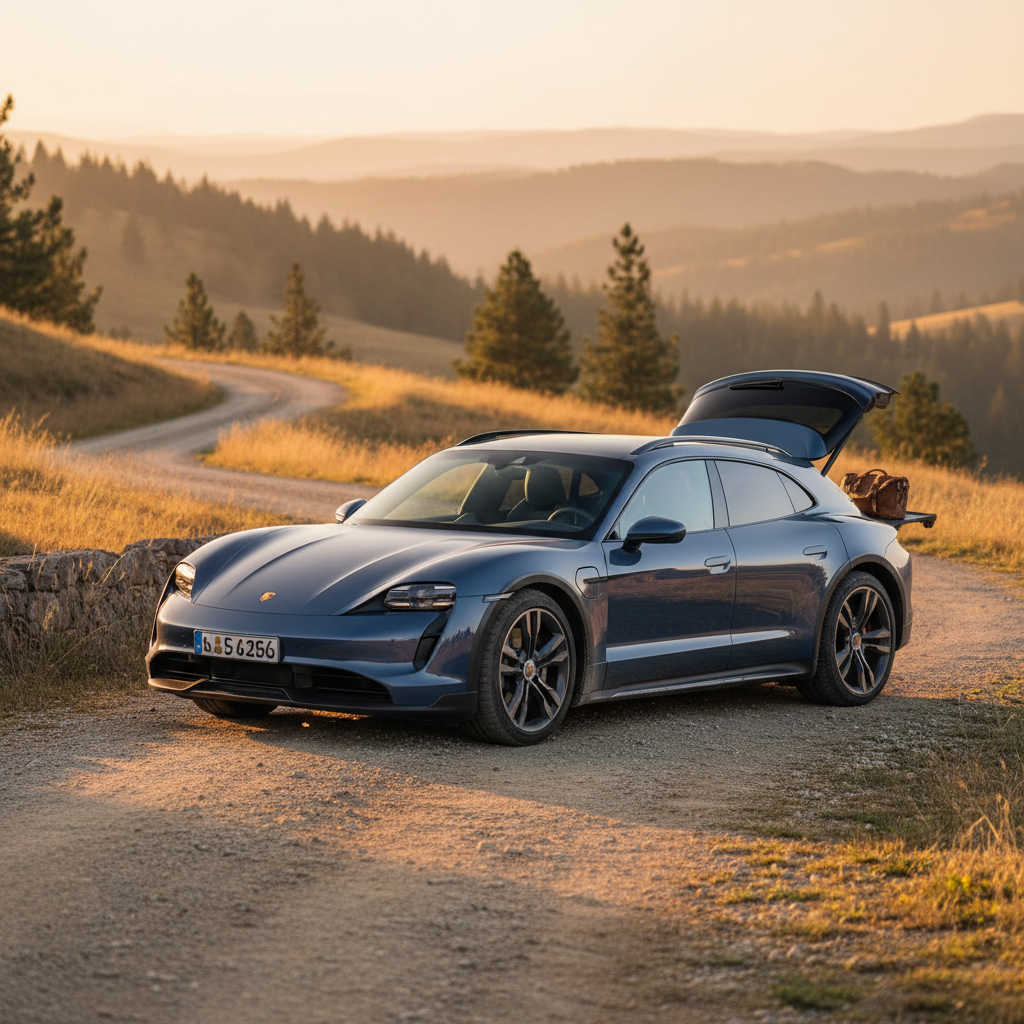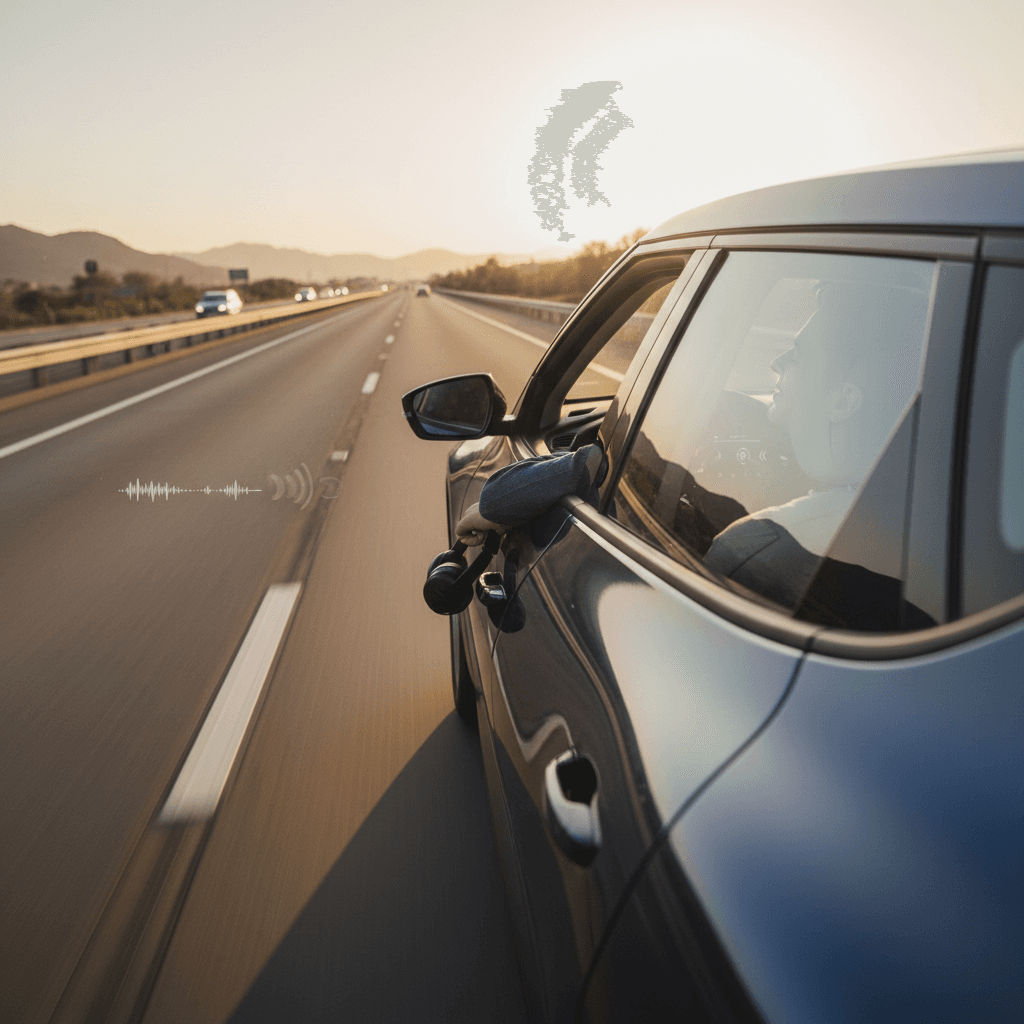
If you’re looking at a Kia EV6, odds are you care about more than 0–60 times. You want to know what it’s like to live with every day, especially whether the Kia EV6 highway noise level makes long drives relaxing or tiring. In an EV, there’s no engine to hide the cheap stuff; if the cabin isn’t well engineered, the highway will tell on it.
Snapshot verdict
Kia EV6 highway noise level: the short answer
- On a smooth highway at 65–70 mph, most EV6s sit around the mid‑60 decibel range in the cabin, quiet conversation is easy.
- Kia’s own type‑approval data lists the EV6 at about 68 dB while moving, which lines up with independent real‑world readings.
- Versus rivals, the EV6 is typically quieter than a Tesla Model Y and roughly on par with a Hyundai Ioniq 5 or VW ID.4.
- The character of the noise matters: you’ll mostly hear low‑frequency road roar from the rear tires and a bit of wind rustle around the mirrors, rather than whistles or rattles in a healthy car.
If you’re stepping out of a compact gas SUV, the EV6 will likely feel significantly calmer at 70 mph. If you’re coming from a big German luxury car, you’ll notice more tire and wind noise, but also that the EV6 costs a fraction to run and maintain. The key is understanding what the numbers mean and what you can change.
How loud is the Kia EV6? The objective numbers
Kia EV6 noise numbers at a glance
Kia publishes standardized noise figures for its lineup, and the EV6 family (including GT‑Line and GT) is rated at about 68 dB “moving”. That’s broadly in line with other compact crossovers and only a hair louder than the smaller Niro EV. In practice, many owners who’ve put a phone‑based sound meter in the cabin see mid‑60s dB at U.S. highway speeds.
About decibels in the real world
Real-world highway impressions from EV6 drivers
What happy owners describe
- “Rock solid up to 80–85 mph.” Many EV6 drivers report that the car tracks straight and feels planted with no nervousness from crosswinds.
- “Quieter than my old SUV.” Compared with mainstream gas crossovers, the EV6’s lack of engine noise and good sealing stand out.
- “Whispers, not whistles.” On well‑aligned cars, wind noise is a soft rush around the mirrors, not a high‑pitch whistle from a door seal.
Common complaints when something’s off
- Vibration or rumble at a specific speed. Usually traced to wheel balance or a single bad tire, not the EV6’s design.
- Roof‑rack roar. Owners who leave factory or aftermarket racks mounted often report wind noise above about 40 mph.
- Coarse‑chip pavement drone. On rough asphalt, the rear tires can drum more than in some softer‑tuned crossovers.
The difference between “whisper quiet” and “a bit boomy” is often down to tires, alignment, and accessories, not the basic vehicle.
As with any modern EV, a healthy Kia EV6 should not drone, buzz, or vibrate at a constant highway speed. If you feel a shake in the steering wheel around, say, 65–70 mph, that’s a classic wheel‑balance issue. A rumbling that starts when you exceed a certain speed and then smooths out again higher up often points to a single out‑of‑round tire.
When to be suspicious
What actually makes noise in an EV6 at 70–80 mph?
Main sources of highway noise in the Kia EV6
With the engine gone, the supporting cast gets loud
Tire & road noise
Most of what you hear is the interaction between the tires and the pavement. Coarse asphalt, expansion joints, and concrete grooves all change the soundtrack.
Low‑rolling‑resistance EV tires tend to be quieter when new but can get louder as they wear.
Wind around mirrors & pillars
The EV6’s sleek shape helps, but air still has to get past the side mirrors, A‑pillars, and door frames.
Misaligned glass, deformed weatherstripping, or roof‑mounted racks can turn a soft rush into a whistle.
Structure & suspension
Underneath, the EV6 rides on a stiff battery skateboard. Impacts are well controlled but sharp edges can send a thump through the body.
Cheaper rivals may boom or rattle more; premium SUVs isolate that last 10% better.
Because there’s no combustion engine, the EV6’s cabin is a bit like an acoustics lab. Kia has done the homework: good door sealing, tight panel gaps, laminated glass on upper trims, and enough mass in the floor to avoid the “tin drum” effect you sometimes get in lighter EVs. Most of what you hear is therefore environmental, the road surface you’re on and the particular tires bolted to your car.
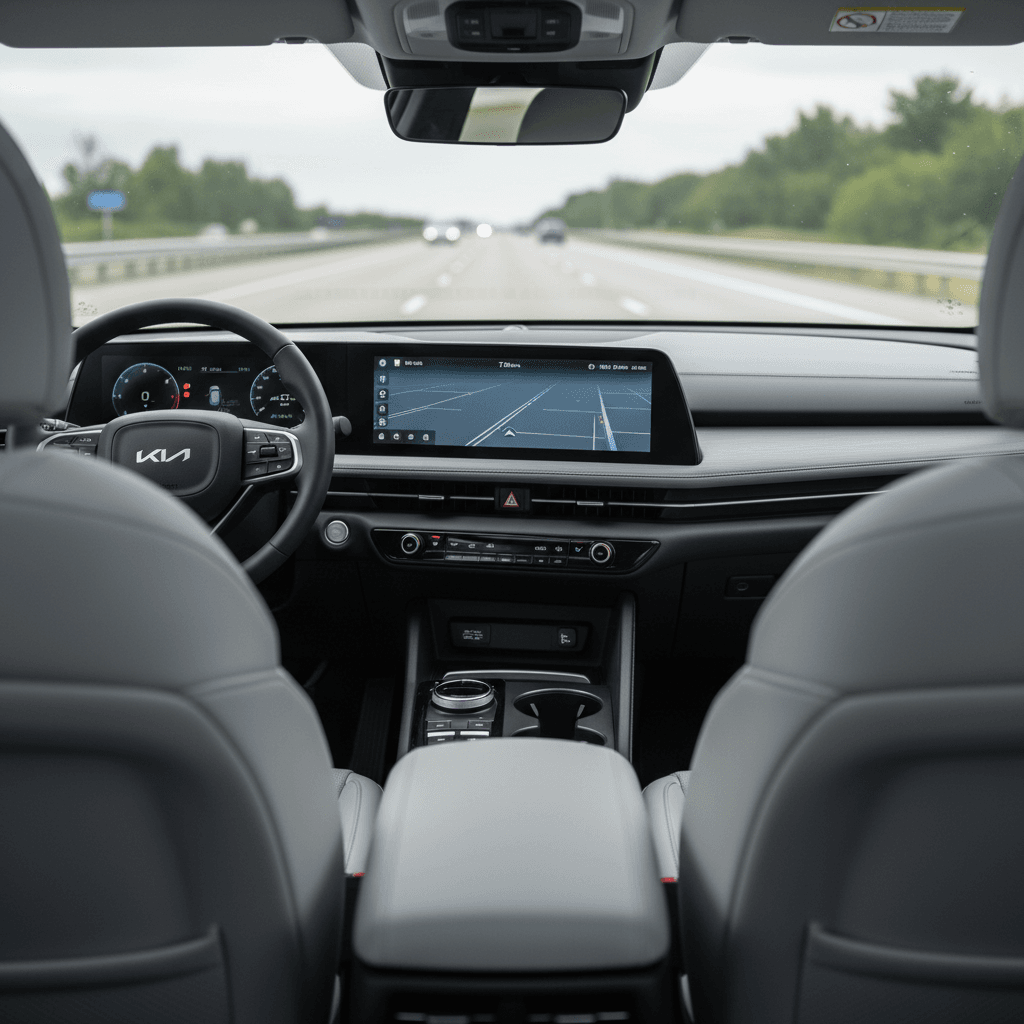
Kia EV6 vs Tesla Model Y and other EVs for highway noise
Highway noise comparison: EV6 vs key rivals
Approximate cabin noise at ~60 mph on comparable roads, based on owner dB app readings and road tests. Exact numbers vary with tires and pavement.
| Model | Approx. cabin level @ ~60 mph | Subjective impression | Notes |
|---|---|---|---|
| Kia EV6 | ~65–66 dB | Calm, muted road roar | Slight tire thump on rough surfaces |
| Tesla Model Y | ~68–69 dB | Sharper, echo‑like noise | Big glass roof and harder suspension make it feel louder |
| Hyundai Ioniq 5 | ~65–67 dB | Very similar to EV6 | Same platform; tire and wheel choices matter |
| VW ID.4 | ~66–68 dB | Soft but a bit boomy | More wind noise in crosswinds; softer suspension |
The EV6 generally undercuts the noisier end of the segment, especially the glass‑roof Teslas.
In back‑to‑back drives, many owners report the EV6 is noticeably quieter than a Tesla Model Y over the same stretch of highway. That tracks with the dB readings we’ve seen: mid‑60s for the EV6 versus high‑60s for the Model Y, which tends to amplify bumps and introduce more interior squeaks and rattles as it ages.
Where the EV6 shines
Trim, tires, and options: why some EV6s seem louder
Not all EV6s sound the same. Two cars with identical motors can feel very different at 75 mph simply because of trim level, wheel size, and the options bolted to the roof.
Factors that change your EV6 highway noise level
Same car, different soundtrack
Trim & glass
- GT‑Line and higher trims may have more sound‑deadening and, in some markets, acoustic front glass.
- Panoramic glass roofs (where offered) can slightly increase wind and rain noise compared with a solid roof.
- Base Air/Wind trims are still refined, but not trimmed to luxury‑car standards.
Wheels, tires & accessories
- 20-inch wheels with low‑profile tires transmit more thumps and roar than 19s.
- Switching from OE EV tires to aggressive all‑seasons or all‑terrain rubber can add several decibels.
- Roof racks and cargo boxes are the enemy of quiet; they often introduce a distinct whoosh or whistle above 40–50 mph.
Quick win: check for roof hardware
How to make your Kia EV6 quieter on the highway
Simple steps to reduce EV6 highway noise
1. Start with tires and wheel balance
Have a shop check wheel balance and inspect all four tires for uneven wear or flat spots. A mildly unbalanced wheel can turn into a steering‑wheel buzz at 65–70 mph and add a low rumble to the cabin.
2. Consider a quieter tire when you replace
When it’s time for new rubber, look for tires marketed with <strong>low noise</strong> or an EU ‘A’ noise rating. Many EV‑specific tires include foam inserts or tread designs that cut cabin roar by a few decibels.
3. Remove unused roof racks and boxes
If you don’t need the crossbars this week, take them off. You’ll often gain a noticeable drop in wind noise and a small bump in efficiency, especially at 70+ mph.
4. Inspect door seals and glass alignment
On a used EV6, run your hand around the doors and windows. Crushed or mis‑seated rubber seals, or glass that’s not fully snug in its frame, can create a faint whistle that gets annoying on long drives.
5. Use the car’s sound settings wisely
The EV6 lets you adjust things like <strong>active sound design</strong> (artificial motor noises) and audio EQ. Dialing back gimmicky sounds and tuning the stereo away from shrill treble can make the cabin feel calmer.
6. Check for software and TSB updates
Occasional service bulletins address things like suspension noises, buzzing trim, or other annoyances. When you’re in for service, ask the advisor to check for <strong>noise‑related campaigns</strong> on your VIN.
Noise that isn’t normal
Shopping used? How to test-drive and judge EV6 noise
Highway noise is one of those things you can’t read off a spec sheet. If you’re considering a used Kia EV6, especially one you found online, you want to know exactly what you’re hearing before you sign. This is where a structured test drive, and a bit of objectivity, pays off.
Highway noise checklist for a used EV6
1. Find a 65–75 mph stretch
Insist on at least a few miles of freeway. Around‑town drives tell you almost nothing about wind and road noise, especially in EVs.
2. Do a steady‑speed run
Hold a constant speed (say 70 mph) for a minute. Listen for <strong>steady‑state sounds</strong>: roar from the rear, whistle near your ear, vibration through the wheel or seat.
3. Try different surfaces
If possible, sample smooth asphalt and rougher concrete. A car that stays composed on both is better screwed together than one that turns boomy on anything but perfect pavement.
4. Use a phone dB meter
Free phone apps are not lab instruments, but they’re great for <strong>A/B comparisons</strong>. Note the reading at 70 mph in the EV6, then in any other car you’re considering, under similar conditions.
5. Listen with the audio off
Turn off the radio and HVAC fan for a minute. Any rattles, buzzes, or localized wind whooshes will be much easier to pinpoint without background noise.
6. Ask for documentation
On a used EV6 from a serious seller, or from a marketplace like <strong>Recharged</strong>, ask what’s been done for wheel balance, tires, and noise fixes. A paper trail beats reassurance every time.
How Recharged helps with the intangibles
FAQ: Kia EV6 highway noise and refinement
Frequently asked questions about Kia EV6 highway noise
Bottom line: Is the Kia EV6 quiet enough for you?
Taken on its own terms, the Kia EV6 is a well‑sorted, impressively quiet highway car. It won’t erase the road the way a six‑figure luxury barge will, but for a mainstream electric crossover it hits the sweet spot: stable, composed, and hushed enough that fatigue usually comes from the miles, not the noise.
If you want the quietest experience, prioritize EV6s on smaller wheels with calmer tires, avoid unnecessary roof hardware, and make sure any used example has been properly aligned and balanced. And if you’re browsing used EV6s on Recharged, you get more than a pretty listing photo, you get objective battery data, a fair price benchmark, and experts who can help you find the car that fits not just your commute, but your ears.