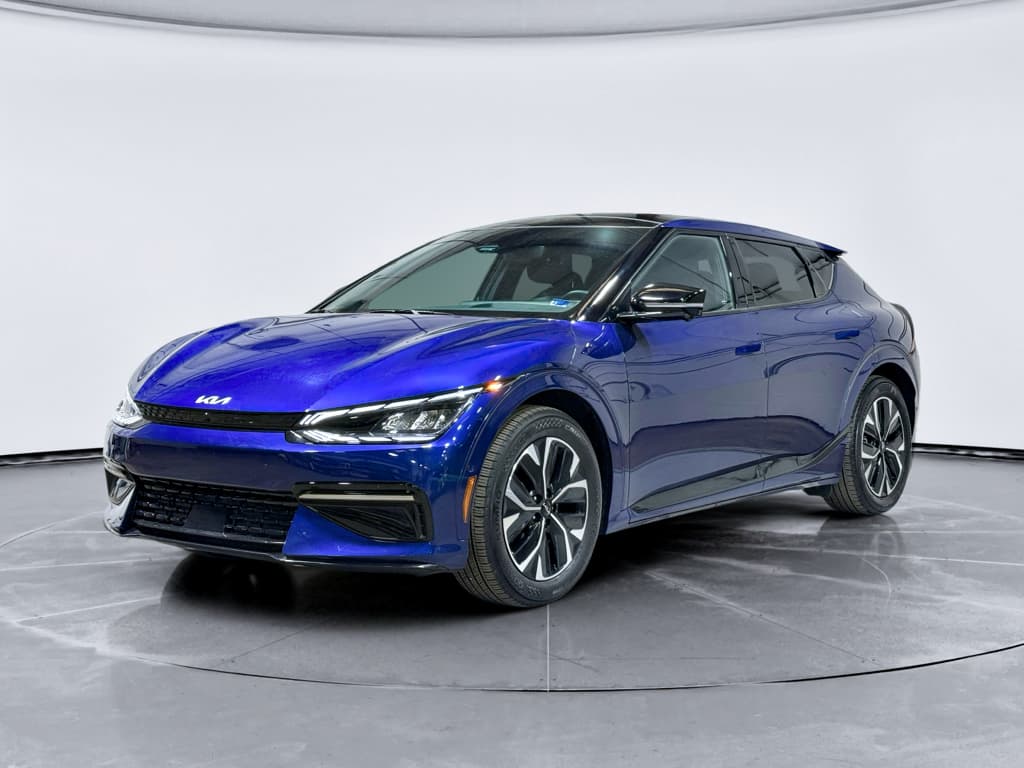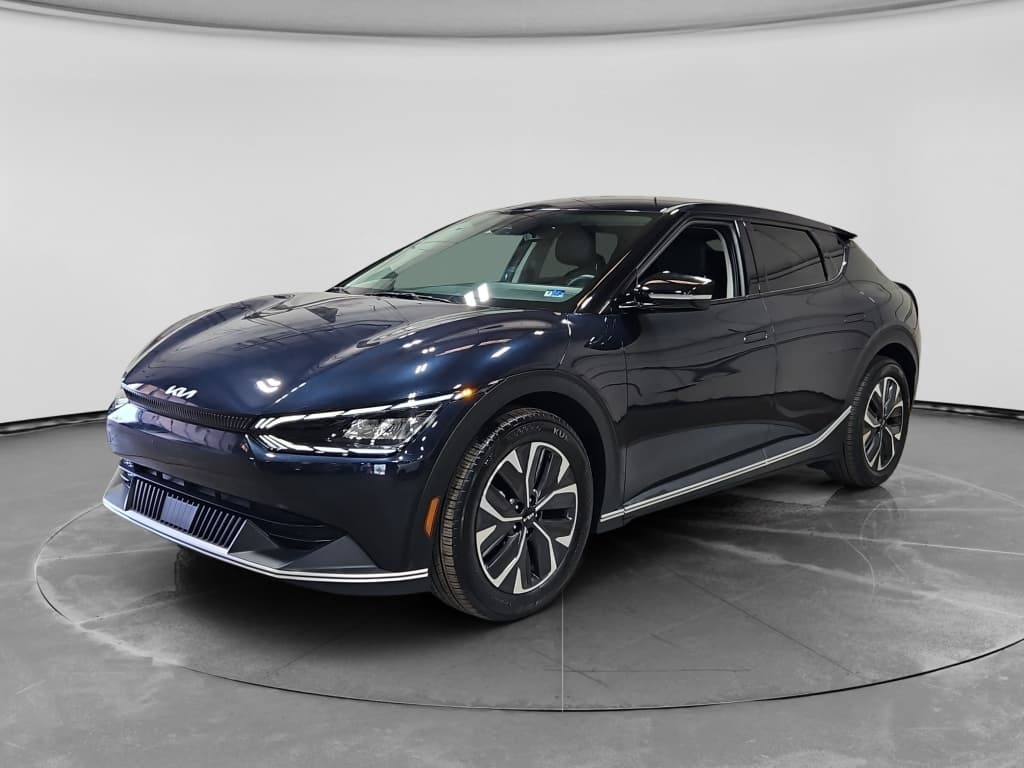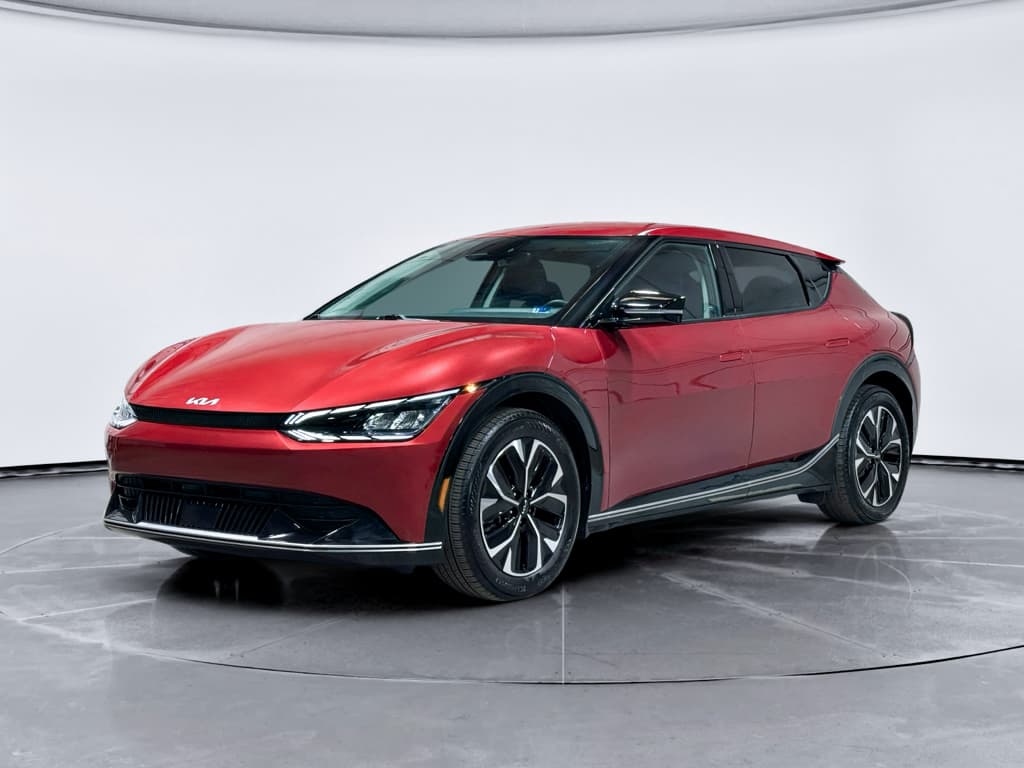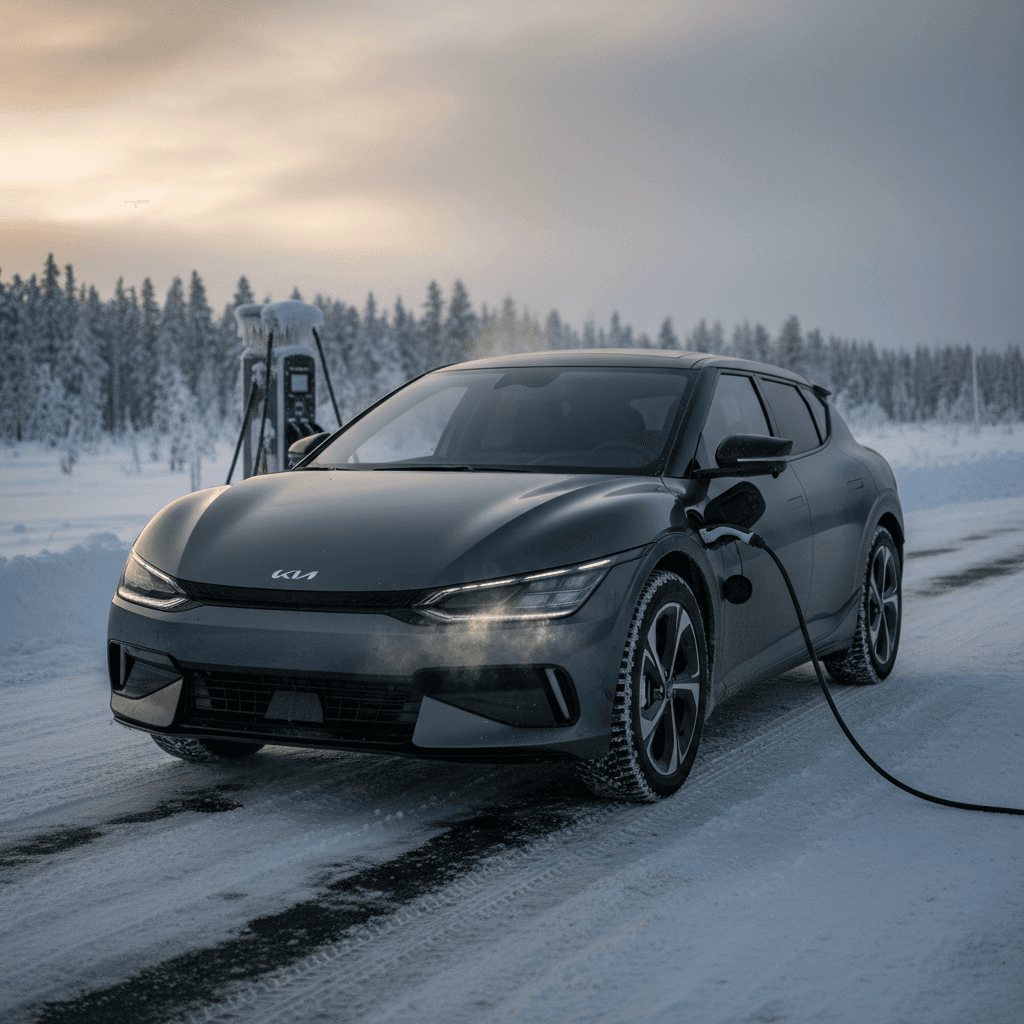
If you live where winter means freezing temps, snow, and road salt, you’re right to ask how strong Kia EV6 cold weather performance really is. Like every EV, the EV6 loses range and charges more slowly in the cold, but its 800V architecture, available heat pump, and battery preconditioning mean it often handles winter better than many rivals when used correctly.
Key takeaway
Kia EV6 in winter: what actually changes?
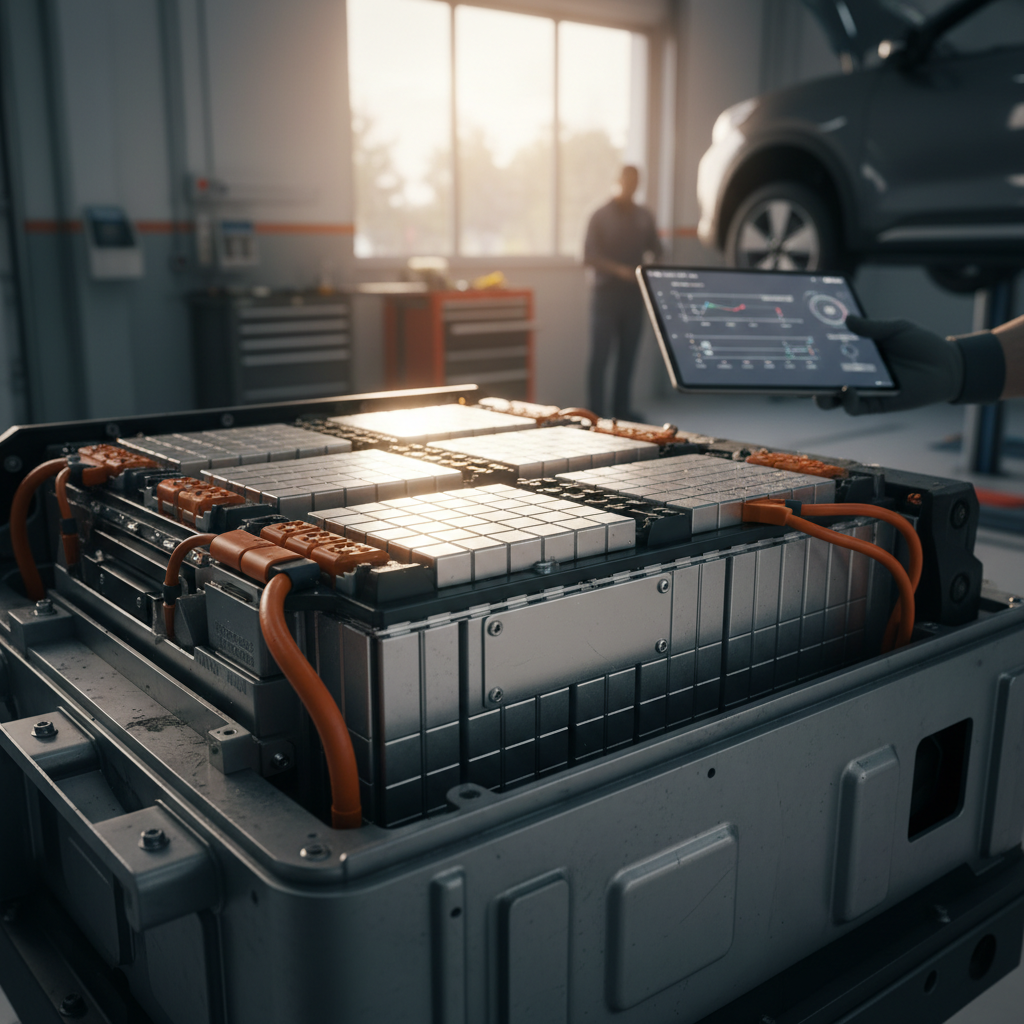
Cold weather doesn’t “damage” your EV6 battery in normal use, but it does change how the car behaves day to day. Below roughly 40°F (4°C), the battery’s chemistry slows down, cabin heating loads go way up, and the car’s software becomes more conservative about how much power it will accept or deliver. You’ll notice this as reduced range, slower DC fast charging, and a less eager acceleration feel until everything warms up.
What gets worse in the cold
- Usable range drops because more energy goes to cabin heat and keeping the battery in its comfort zone.
- DC fast charging slows down, especially if you arrive at a charger with a cold pack and no preconditioning.
- Regen braking can be limited until the battery is warm enough, so one-pedal driving may feel weaker at first.
What stays surprisingly good
- Traction and stability are strong with winter tires; the instant torque is easy to modulate.
- Cabin comfort is excellent once the heat pump/HVAC system is up to temperature.
- Charging consistency is solid on road trips if you use built-in navigation to trigger battery preconditioning before DC fast charging.
Watch your tires, not just your battery
How much winter range loss can you expect?
Every EV loses range in the cold. Large independent tests across multiple brands have shown average winter losses around 14% in mild cold, and over 30% once you’re well below freezing. The Kia EV6 sits in the middle of the pack: not the absolute best, but better than some rivals that lack heat pumps or modern thermal management.
Realistic Kia EV6 winter range expectations
Those are big-picture estimates, but your numbers will depend on how you drive. Running 75–80 mph in 15°F air on winter tires with ski gear on the roof is a very different story than 55 mph on clear roads around freezing. The EV6’s 800V platform and thermal system help, but physics still wins.
Quick rule of thumb
Cold weather charging performance: DC fast and Level 2
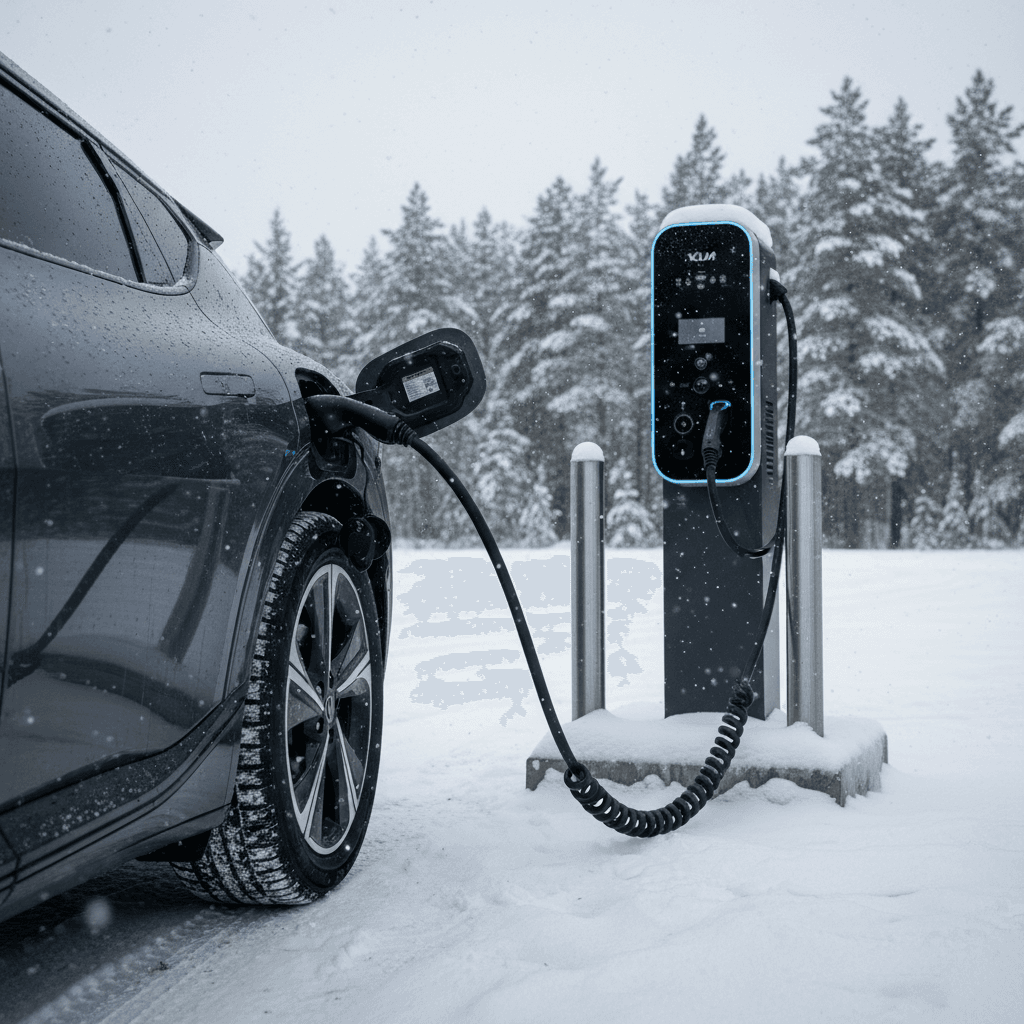
On paper, the Kia EV6 is one of the fastest-charging EVs you can buy, with claims of 10–80% in about 18 minutes on a 350 kW DC fast charger under ideal conditions. In freezing weather, that headline number only holds if the battery is already warm, either from a long drive or active battery preconditioning before you plug in.
How the EV6 actually charges in winter
What you can expect from DC fast chargers and home charging when it’s cold
1. Cold battery, no preconditioning
If you drive straight from a cold soak to a DC fast charger, don’t be shocked to see 40–80 kW instead of 200+ kW, even on a 350 kW station. The car is protecting the pack.
2. Warmed or preconditioned battery
Owners routinely see 180–230 kW peaks in winter when they navigate to the charger in the built‑in system, giving the EV6 30–60 minutes to heat the pack before arrival.
3. Home Level 1 & 2 charging
Level 2 charging at home may start slower in deep cold, but once the pack warms up it generally returns to its normal rate. Level 1 is simply too slow to meaningfully warm the battery.
Don’t panic at the first kW number
For regular commuting, the bigger winter story is actually home charging. If your EV6 lives outside in sub‑freezing temps, schedule Level 2 charging to end right before you leave in the morning. That way the battery is already warm and your first few miles of range aren’t spent just getting the pack up to temperature.
Battery preconditioning, Winter Mode, and new software updates
Kia has steadily improved the EV6’s winter behavior with software updates. Early 2022 builds in some markets shipped without full automatic battery preconditioning for DC fast charging, but later software added the ability to heat the pack automatically when you navigate to a DC fast charger and, on newer cars, even via manual controls in the EV menu or connected app.
- Winter Mode (older language on some early cars) focuses on keeping the pack from getting too cold during driving and charging.
- Battery Conditioning (on updated and newer EV6s) actively warms the battery when a DC fast charger is set as the destination or when you enable preconditioning from the EV screen or app.
- Newer EV6 model years also refine when the system decides the pack is “warm enough,” helping preserve range without crippling charging speed.
How to use battery preconditioning on the EV6
Some owners also trigger preconditioning by remotely starting cabin heat from the Kia app while plugged in at home on cold mornings. When done correctly, the car draws most of that energy from the wall, not the battery, giving you a warm cabin and a happier battery before you ever shift into Drive.
Software and trim differences matter
Heat pump, HVAC, and cabin comfort in the cold
The EV6’s available heat pump is one of its secret weapons in cold weather. Rather than using an energy‑hungry resistive heater alone, the heat pump moves heat around the system, cutting how much battery energy is required to keep you warm. On trims without a heat pump, or in very low temperatures where the heat pump is less efficient, the car relies more on resistive heating and you’ll see a steeper range hit.
How the EV6 keeps you warm efficiently
Smarter HVAC settings can free up surprising range in winter
Use seat & wheel heaters first
Heated seats and steering wheels draw much less power than blasting hot air. Set the cabin a few degrees lower and rely on those surfaces to feel comfortable, your winter Wh/mile will thank you.
Avoid “MAX” climate settings
Max defrost and full‑blast heat are energy hogs. Use automatic climate with a reasonable temperature setpoint, and let the EV6’s system ramp heat more smoothly.
If you’re cross‑shopping a used EV6, note that not every trim and market got the heat pump as standard equipment. In the U.S., for example, some 2022 trims listed it as an option. In snow‑belt states, choosing a car with the heat pump can easily mean 10–15% better effective winter range on typical mixed driving.
How Recharged helps here
Ready to find your next EV?
Browse Vehicles7 ways to maximize Kia EV6 winter range
Practical steps to stretch EV6 range in the cold
1. Precondition while plugged in
Use the Kia app or in‑car settings to warm the cabin and battery while the car is still on Level 2 at home. That shifts the heaviest heating load off the pack and onto grid power.
2. Time your charging
Schedule overnight Level 2 charging so it finishes shortly before you leave. A recently charged pack is warmer and more efficient than one that finished charging at midnight and sat in the cold all night.
3. Choose Eco or Normal mode
In snow and ice, Eco or Normal mode smooths throttle response and reduces peak power draw. That improves traction and cuts down on wasteful full‑throttle blasts that burn winter range.
4. Use seat and wheel heaters, not just air
Set the HVAC a couple degrees cooler and let the seat and steering‑wheel heaters do most of the comfort work. They use significantly less energy than heating the entire cabin volume.
5. Reduce highway speeds
Aerodynamic drag is a killer in cold, dense air. Dropping from 75 mph to 65 mph can make a bigger difference to your EV6’s winter range than almost anything else you do.
6. Plan shorter SOC windows on trips
In deep winter, plan to fast charge more often between about 10–60% instead of pushing to 80–90%. The EV6 charges fastest in the lower SOC band; using that window keeps stops shorter.
7. Keep the car garaged when possible
Even an unheated garage helps. Shielding the EV6 from wind and radiative cooling at night means a warmer starting battery, faster cabin warm‑up, and less overnight range loss.
Buying a used Kia EV6 for cold climates: checklist
If you’re considering a used EV6 in a cold‑weather state, winter performance should be on your inspection list right alongside price, mileage, and features. Here are the items savvy buyers focus on.
Used Kia EV6 winter-readiness checklist
Questions to ask and things to verify before buying a used EV6 for snow-belt duty
| Item | What to check | Why it matters in winter |
|---|---|---|
| Heat pump HVAC | Confirm whether the car has the heat pump option or standard fitment for that trim/year. | Improves cabin heating efficiency and preserves range in freezing temps. |
| Battery preconditioning | Ask if Battery Conditioning is available and enabled, and whether the car has the latest software. | Directly affects DC fast‑charge speed in cold weather. |
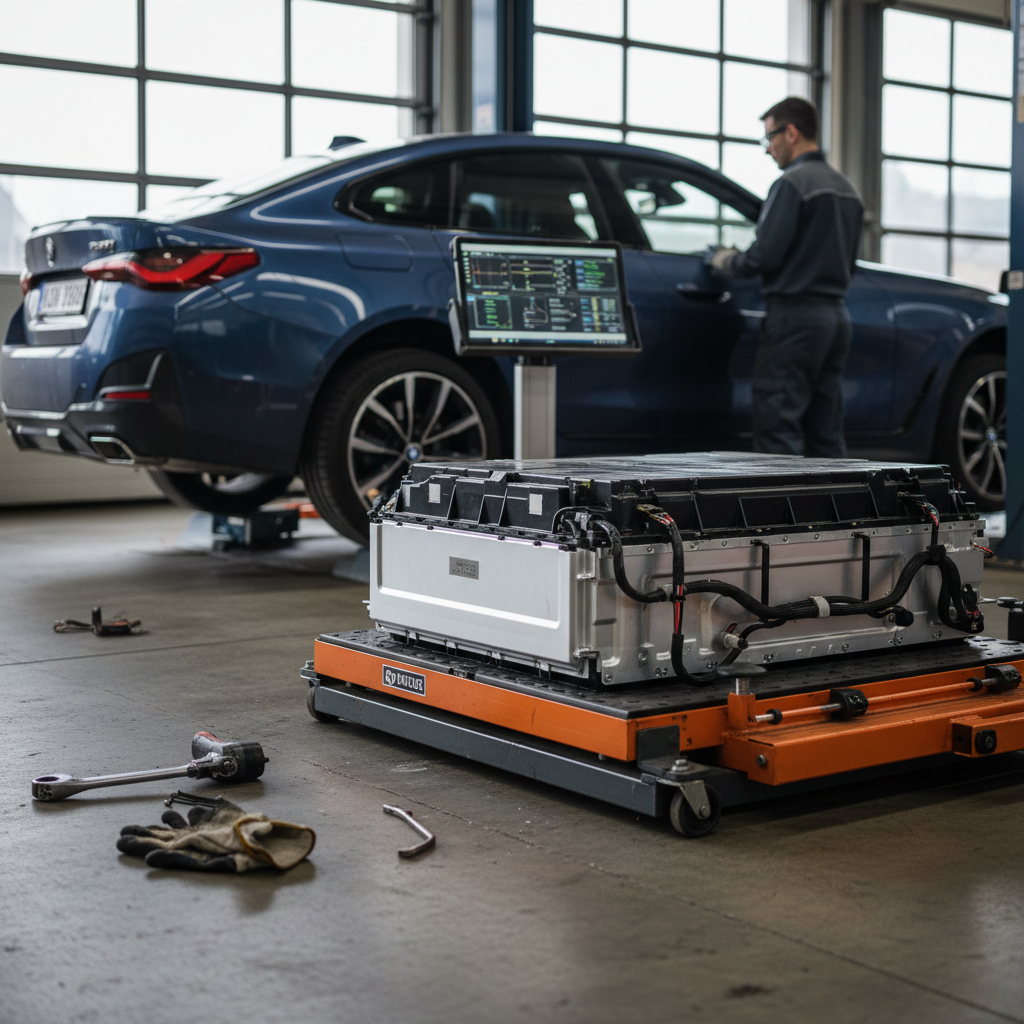
| Battery health | Review a third‑party or platform‑provided health report, including usable capacity vs. original spec. | A tired pack starts with fewer kWh, which magnifies winter range loss. |
| Tires & wheels | Look for an extra set of winter wheels/tires or budget to buy them. | Traction and safety in snow; also affects efficiency and braking distance. |
| Charging history | Ask how often the car has been DC fast‑charged vs. home‑charged. | Aggressive, repeated peak‑power fast charging can age packs faster over many years. |
| Corrosion & underbody | Inspect underbody panels, suspension, and brake hardware for rust, especially in salt-heavy regions. | Doesn’t change range, but impacts long‑term durability and serviceability. |
Pair this checklist with a battery health report, like the Recharged Score, to get a full picture of cold-weather performance potential.
Leverage data, not just guesses
Kia EV6 cold weather performance: FAQ
Frequently asked questions about EV6 winter performance
Bottom line: Is the Kia EV6 good in cold weather?
If you go in expecting summer EPA numbers year‑round, the Kia EV6’s cold weather performance will disappoint you, just like any other EV. But if you understand how temperature affects range and charging, and you use the tools Kia has baked in, the EV6 is a confident, comfortable winter companion. Battery preconditioning unlocks much of its impressive fast‑charging capability, the available heat pump keeps you warm without torching range, and thoughtful planning around speeds and charging windows makes ski trips and snowbelt commutes very manageable.
For used‑EV shoppers, the trick is matching the right EV6 to your climate. Confirm heat pump and preconditioning features, insist on transparent battery health data, and factor winter tires into your budget. That’s exactly the kind of due diligence Recharged builds into every listing through its Recharged Score Report, EV‑specialist guidance, and nationwide buying support, so your first cold snap with an EV6 feels like a validation of your choice, not a surprise.