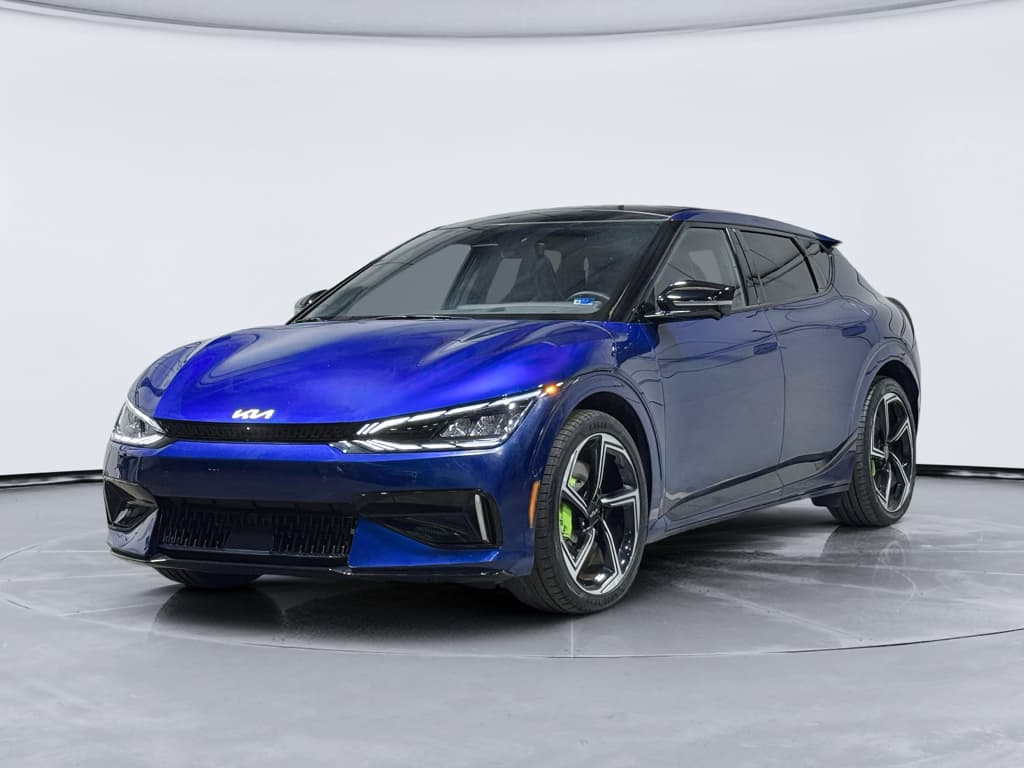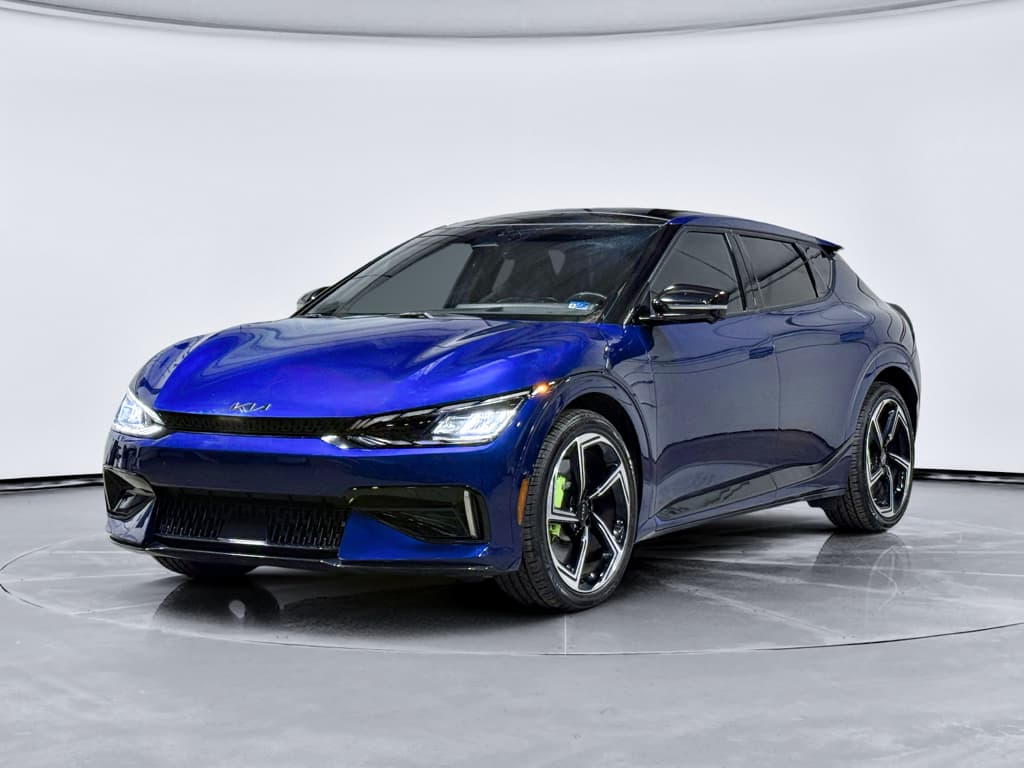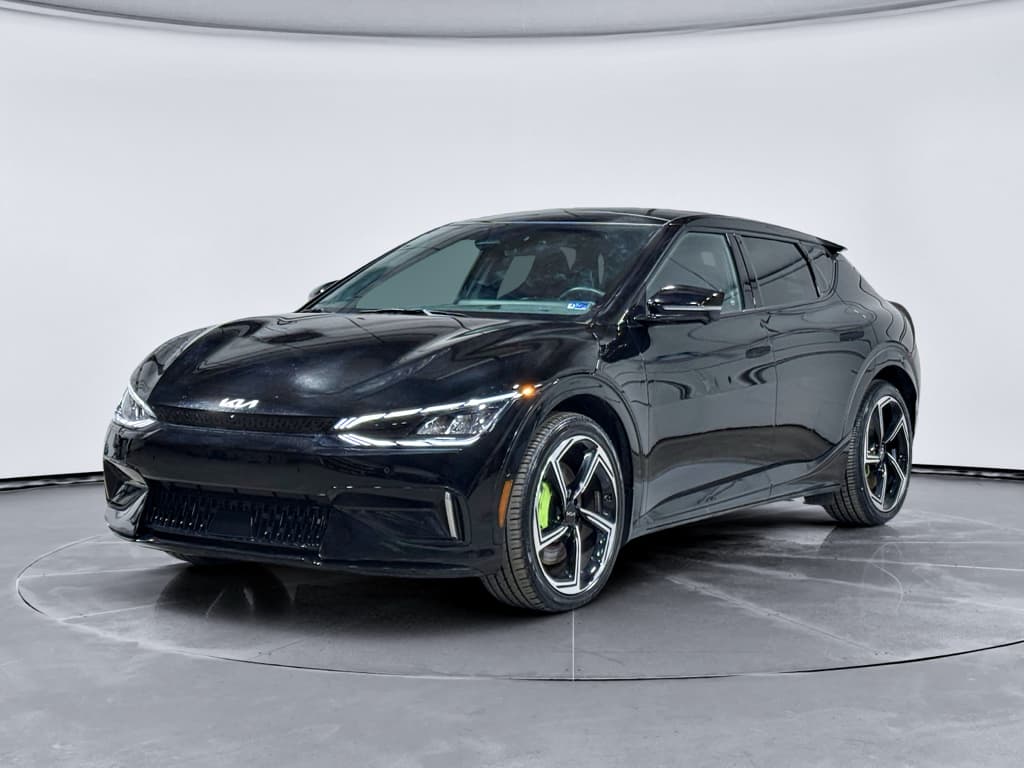
On paper, the Kia EV6 is a charging monster: an 800‑volt architecture, a claimed 10–80% in under 18 minutes on a 350 kW DC fast charger, and enough juice added in one coffee stop to erase range anxiety. This Kia EV6 charging speed test unpacks how those promises play out in the real world, and what you can expect on your own road trips and daily charging routine.
Headline EV6 charging stats at a glance
Why Kia EV6 charging speed matters in the real world
If you’re cross‑shopping EVs, the Kia EV6 keeps popping up in the same sentence as the Hyundai Ioniq 5 and Tesla Model Y largely because of charging speed. You’re not just buying a battery; you’re buying how quickly that battery goes from “I’m sweating the next exit” to “let’s add another 150 miles and get lunch.” For road‑trip comfort, shared household charging, or a used‑EV purchase where battery health really matters, understanding the EV6’s charging performance is as important as 0–60 times.
This guide blends manufacturer claims with independent testing and owner reports, and then translates all of it into plain English: what you’ll actually see in minutes, miles, and station choices. Along the way, we’ll also flag what to watch for when you’re considering a used EV and how tools like Recharged’s Recharged Score battery health report can give you a clearer view of an individual EV6’s real‑world performance.
Kia EV6 batteries, trims, and charging hardware
Kia EV6 battery packs and key charging hardware
Understanding which EV6 you have is step one before any charging speed test.
Battery packs
- Early U.S. EV6: 58 kWh (Standard Range), 77.4 kWh (Long Range)
- Updated EV6 (2025+): 63 kWh and 84 kWh packs
- Real‑world usable capacity is slightly lower than gross figure
Charging architecture
- 800‑volt system (like Porsche Taycan, Hyundai Ioniq 5)
- Max DC peak around 230–240 kW on long‑range packs
- 11 kW onboard AC charger for Level 2
Port & connector
- CCS1 on early U.S. cars, NACS (Tesla) port on newer models
- Compatible with 400 V chargers via built‑in DC/DC conversion
- Vehicle‑to‑load (V2L) capability for powering devices
For our purposes, the pack size mostly affects how long you sit at the charger and how far you go per minute of charging. The charging curve shape is similar across trims; the 84 kWh pack simply has more energy to stuff in.
Kia EV6 charging numbers that matter
Lab claim vs. reality: Kia EV6 DC fast-charging speeds
Kia says the EV6 can charge from 10% to 80% in under 18 minutes when plugged into a high‑power DC fast charger. Independent tests with earlier 77.4 kWh long‑range cars have essentially confirmed this: 10–80% in about 17–18 minutes, with peaks around 230–240 kW when everything lines up.
Kia EV6 DC fast-charging time benchmarks
Approximate real‑world times for long‑range EV6 variants on modern public infrastructure, assuming a healthy battery and moderate temperatures.
| Scenario | Charger rating | SOC window | Approx. time | Notes |
|---|---|---|---|---|
| Ideal highway stop | 350 kW DC | 10–80% | ~18–20 minutes | Best case with preconditioned battery and strong station |
| Good but common | 150 kW DC | 10–80% | ~25–30 minutes | Most big‑brand highway sites today |
| Short top‑off | 350 kW DC | 20–60% | ~10–12 minutes | Fastest part of the curve; great for splash‑and‑dash stops |
| Full to 100% | Any DC | 80–100% | +20–30 minutes | Charge rate falls off a cliff past ~80% |
Your exact charging time will depend on temperature, starting state of charge, station quality, and battery conditioning.
Why your EV6 might be slower than the brochure
Charging curve explained: 10–80% and what happens after
Fast‑charging an EV isn’t like filling a gas tank at a constant rate. The Kia EV6 follows a classic charging curve: fast in the middle, slow at the edges. Independent curve measurements on earlier 58 kWh standard‑range cars, for example, show an average of about 129 kW from 10–80%, translating to roughly 17–18 minutes for that window. Long‑range packs hit higher peak power but follow the same basic shape.
- 0–10%: The car often limits power to protect a deeply depleted pack. You may see 80–150 kW instead of full peak until it stabilizes.
- 10–55%: This is the sweet spot. The EV6 can sit north of 200 kW for a surprising amount of time if the charger and battery are happy.
- 55–80%: Power starts to taper, but you’re still getting solid speed, often 120–150 kW trending downward.
- 80–100%: Welcome to molasses. Expect 30–60 kW and a lot of clock watching. This is why experienced drivers almost never DC fast‑charge to 100% unless they really need it.
How to plan around the charging curve
350 kW vs. 150 kW chargers: what you’ll actually see
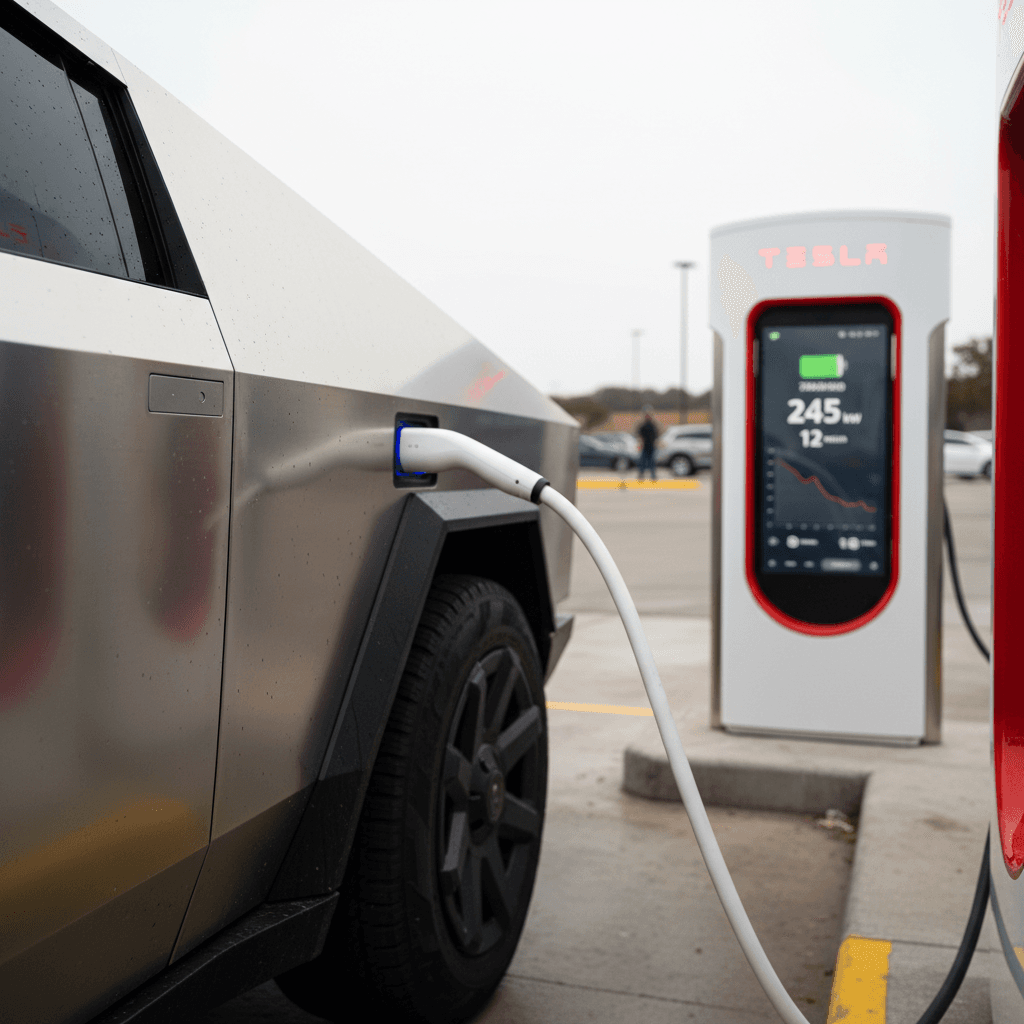
The EV6’s 800 V system is happiest on a so‑called 350 kW charger, but that doesn’t mean you’ll ever see 350 kW. The car itself is the bottleneck around 230–240 kW. On a 150 kW unit, you’re limited by the station instead, yet owners consistently report the car still feels very quick on either plug.
On a 350 kW station
- Peak power: ~220–240 kW
- 10–80%: ~18–20 minutes
- Best when the battery is preconditioned via nav
- Great for minimizing stop time on long highway legs
On a 150 kW station
- Peak power: limited near 150 kW
- 10–80%: ~25–30 minutes
- Still quick compared with many competitors
- For most people, the difference is a longer bathroom break and scrolling your phone once more.
Newer EV6 models and NACS (Tesla) access
Level 2 home charging speed test
Most of your miles won’t come from DC fast charging; they’ll come from your driveway or garage. On Level 2, the Kia EV6 has an 11 kW onboard charger, which is the governor no matter how muscular your wallbox claims to be. That translates roughly to 30–35 miles of range per hour on a typical 40–48 amp setup.
Kia EV6 Level 2 charging scenarios
Approximate home charging times for a long‑range EV6 on common residential setups.
| Outlet / circuit | Charger setting | Approx. power | 0–100% time | Miles of range per hour* |
|---|---|---|---|---|
| Standard 120 V outlet | 12 A | ~1.4 kW | 30+ hours | 3–4 mi/hr |
| 240 V, 20–30 A circuit | 16–24 A | ~3.8–5.8 kW | 13–18 hours | 12–20 mi/hr |
| 240 V, 40 A circuit | 32 A | ~7.7 kW | 9–11 hours | 22–27 mi/hr |
| 240 V, 60 A circuit | 48 A | ~11 kW (max) | ~7–8 hours | 30–35 mi/hr |
Assumes a healthy battery and reasonably efficient charging. Individual results will vary with ambient temperature and driving style.
What this means for daily life
How to get the fastest Kia EV6 charging speeds
Checklist: Reproducing Kia EV6 fast-charge claims
1. Start in the right state of charge
Arrive at the fast charger between about 5–20% state of charge. That puts you right at the bottom of the EV6’s fast part of the charging curve.
2. Use a high-power station with good uptime
Pick a reputable 150–350 kW site from the car’s nav or a charging app. Poor maintenance or shared cabinets can turn a "350 kW" logo into an 80 kW reality.
3. Precondition the battery
On EV6 models with battery conditioning, set the DC fast charger as your destination. The car will warm or cool the pack so it can safely accept maximum power on arrival.
4. Avoid extreme temperatures when possible
Very cold or very hot days slow charging. In winter, drive a bit longer before your first fast‑charge stop; in summer, avoid baking the car in direct sun before plugging in.
5. Don’t chase 100% on DC
Plan your trip so you can unplug around 70–80% and get back on the road. That’s where the EV6 is still charging briskly; above 80%, you’re mostly feeding your anxiety, not your range.
6. Keep an eye on software updates
Kia periodically refines charging behavior via software. Make sure your EV6 is updated so you’re getting the latest improvements in charge curves and battery management.
Safety note: don’t DIY your fast home charging
Charging speed and battery health on a used EV6
Fast charging is the sugar rush of EV life: intoxicating in the moment, but you don’t want to live on it. The EV6’s battery management is conservative enough that occasional DC fast‑charging won’t doom the pack, yet an older, hard‑driven car may show slightly slower charge acceptance or more aggressive tapering than a low‑mileage example.
How heavy DC use shows up
- Reduced peak power (e.g., maxing out at 150–170 kW where new examples hit ~230 kW)
- Earlier taper: charging speed begins to fall sooner in the SOC window
- A few extra minutes added to each 10–80% session
What to look for when buying used
- Ask about the car’s history: road‑trip commuter or city grocery‑getter?
- Compare observed charging speeds with known benchmarks from this guide.
- Use third‑party battery diagnostics where available.
How Recharged helps you read between the lines
FAQ: Kia EV6 charging speed
Frequently asked questions about Kia EV6 charging speed
Bottom line: is the Kia EV6 a fast charger?
Yes, when you respect its rules, the Kia EV6 is one of the quicker‑charging mass‑market EVs you can buy. The 800 V platform, strong DC peaks, and robust Level 2 performance turn long‑distance driving into a series of short, manageable breaks rather than forced marches. But like any EV, the brochure numbers are a weather‑dependent fantasy unless you arrive with a warm battery, a low state of charge, and a competent charging station.
If you’re considering an EV6, especially a used one, the right questions are: How has this battery been treated, and how much real‑world range does it still deliver between those fast, 18‑minute coffee stops? That’s exactly the kind of nuance Recharged’s Recharged Score battery health report is built to answer, so you can enjoy the EV6’s impressive charging speed without gambling on its past.