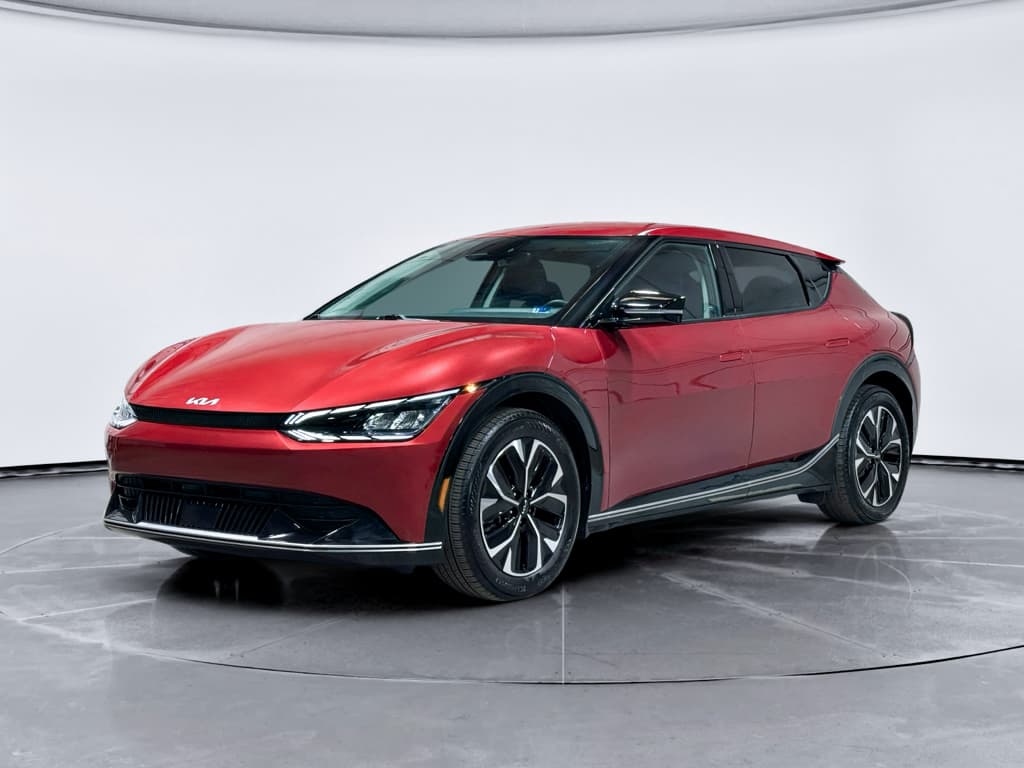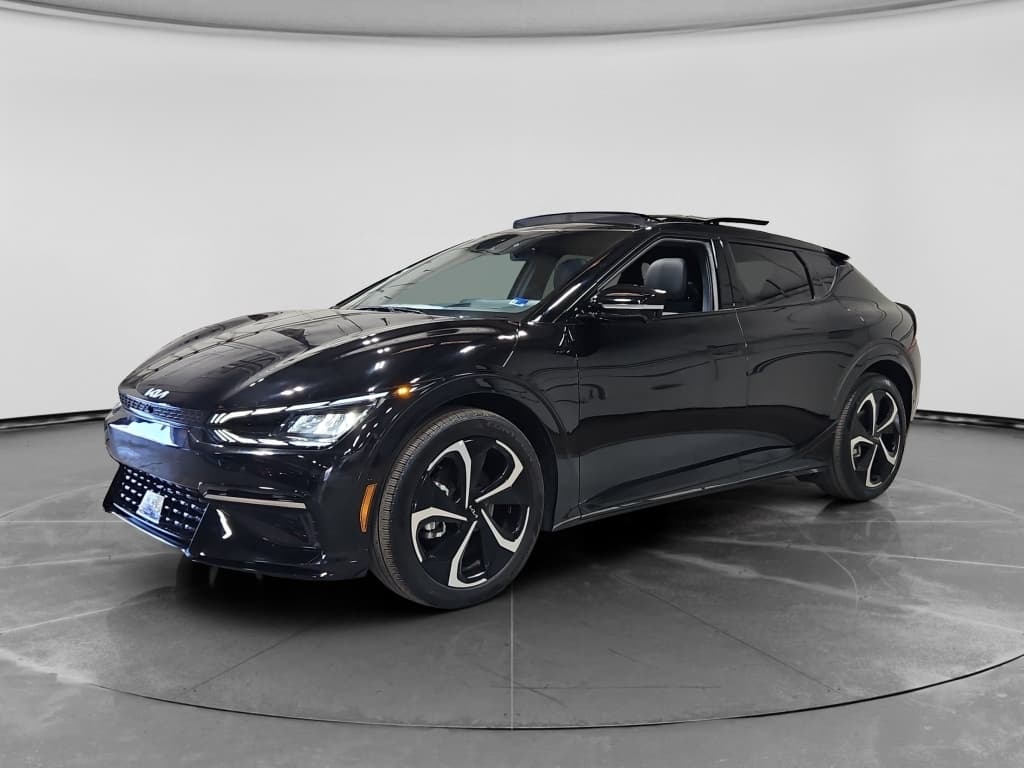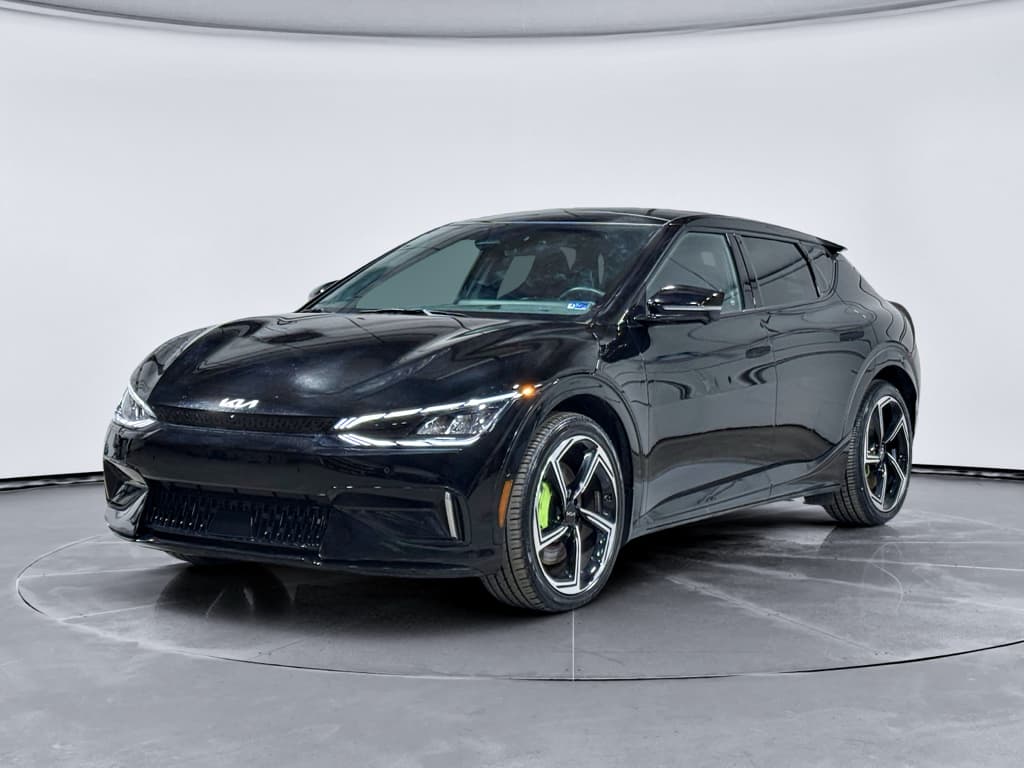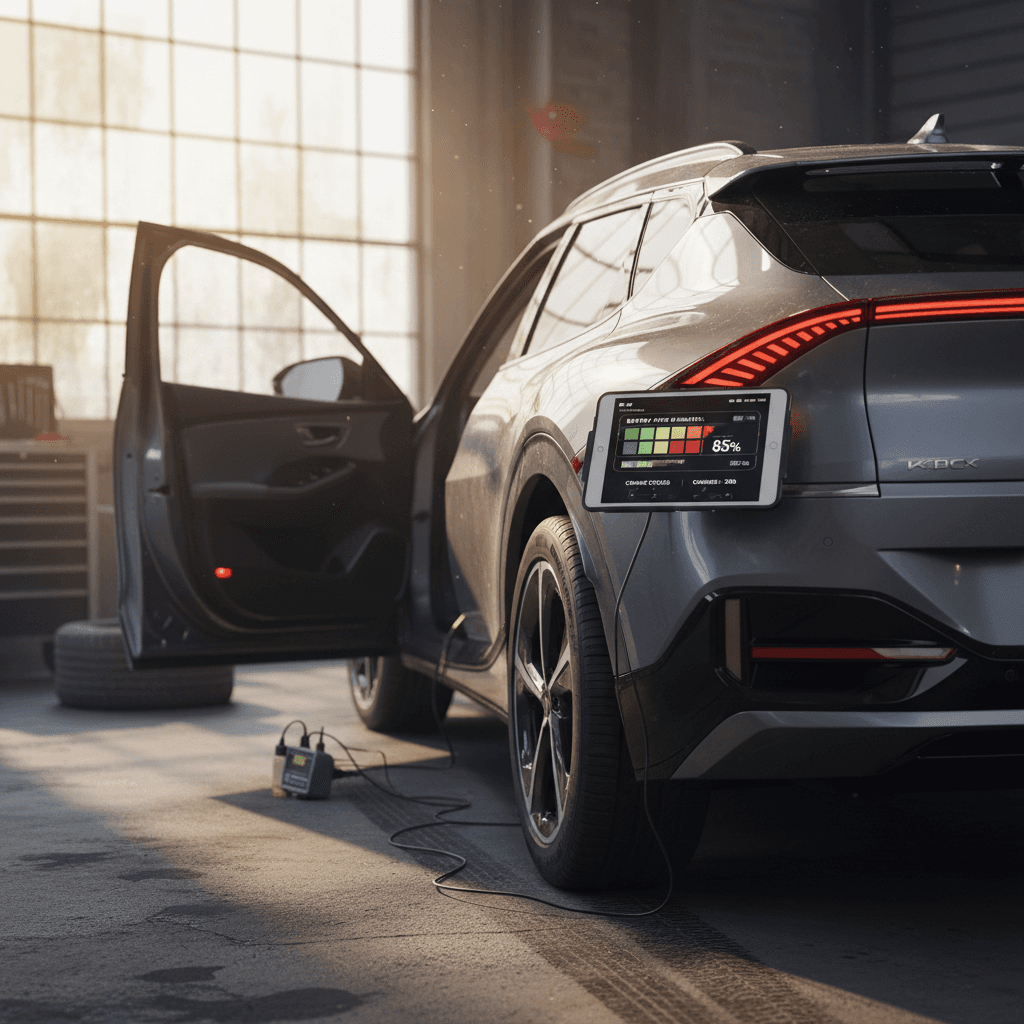
If you’re drawn to the Kia EV6’s sleek styling and fast‑charging capability, you’re not alone. It’s one of the most popular electric crossovers on the market, and also one of the easiest to get a little overwhelmed by when you start comparing trims, ranges, and options. This Kia EV6 buying checklist walks you step‑by‑step through what to decide before you sign anything, whether you’re buying new from a dealer or shopping a used EV6 from a marketplace like Recharged.
How this checklist is organized
Why the Kia EV6 Is Worth a Closer Look
The Kia EV6 sits on Hyundai–Kia’s E‑GMP platform, the same skateboard used for the Hyundai Ioniq 5 and Genesis GV60. That gives it three major advantages: a flat floor and roomy interior, an 800‑volt electrical architecture for very fast DC charging when you find a strong charger, and a long‑warranty battery pack (Kia backs the high‑voltage system for up to 10 years/100,000 miles in the U.S.). Recent model years add an 84 kWh battery on most trims, stretching range on rear‑drive versions past 300 miles in ideal conditions.
Kia EV6 at a Glance
Know the reliability picture
Step 1: Define How You’ll Use Your EV6
Before you start comparing window stickers, get clear on how the EV6 fits your life. This simple exercise will keep you from over‑ or under‑buying on battery, trim, or options.
Usage Profile Questions to Answer First
1. Daily miles and weekly pattern
Estimate your typical weekday and weekend driving. A commuter doing 40–60 miles per day can comfortably live with a shorter‑range EV6, especially with home charging. If you regularly exceed 120–150 miles in a day, you’ll want a long‑range battery and possibly AWD for poor‑weather confidence.
2. Climate and terrain
Cold winters, hot summers, and lots of highway hills all cut into real‑world range. If you live in a northern climate or spend lots of time at 70–80 mph, consider extra range headroom and look for a heat pump option where available.
3. Passenger and cargo needs
Think about how many people ride with you most of the time and how often you max out cargo. The EV6 has generous rear legroom but a more hatchback‑like cargo area than a big SUV. If you routinely haul bulky strollers or gear, you’ll want to confirm the cargo area works for you in person.
4. Towing and adventure use
Some EV6 configurations can tow modest loads (for bikes or a small trailer). If that’s part of your lifestyle, verify the specific trim you’re shopping is rated for towing and that a hitch can be added, OEM or aftermarket.
5. Home charging reality
Do you have dedicated off‑street parking and access to a 240‑volt outlet? If not, your EV6 experience will rely heavily on public fast charging. That’s doable, but you’ll want to prioritize long‑range trims and understand local charging networks.
Match the car to the hardest day, not the average day
Step 2: Choose the Right Battery, Range, and Drivetrain
The EV6 has been offered with a smaller standard‑range battery and a larger long‑range pack, and with rear‑wheel drive (RWD) or dual‑motor all‑wheel drive (AWD). Later model years move heavily toward the larger pack, especially in the U.S. Here’s how to navigate that choice.
Typical Kia EV6 Battery & Drivetrain Combinations (U.S.)
Specific numbers vary by model year and trim, but this gives you a realistic shopping framework.
| Config | Approx. Battery | Drive | Typical EPA Range* | Best For |
|---|---|---|---|---|
| Standard Range RWD | ~58–63 kWh | RWD | 220–240 mi | Budget‑conscious buyers with short daily drives and reliable home charging. |
| Long Range RWD | ~77–84 kWh | RWD | 295–310+ mi | Maximizing range and efficiency at the lowest price; mild climates; mostly paved roads. |
| Long Range AWD | ~77–84 kWh | AWD | 265–295 mi | Snowbelt drivers, performance fans, and buyers who want more traction and power. |
| EV6 GT (performance) | Long‑range | AWD | High 200s or less | Enthusiasts prioritizing acceleration over maximum range. |
Always check the exact EPA rating and equipment for the VIN you’re considering.
Real‑world range vs. EPA numbers
How to Decide Between RWD and AWD
Use your climate and driving style as the tiebreakers.
Rear‑Wheel Drive (RWD)
Pros: Lower price, better efficiency, and usually the longest range. Plenty of power for everyday driving.
- Best choice for warmer climates.
- Less drivetrain complexity to maintain.
- Lighter weight can mean better ride and handling feel.
All‑Wheel Drive (AWD)
Pros: More traction in snow and rain, stronger acceleration, and higher tow ratings on some trims.
- Range penalty vs. RWD, especially at freeway speeds.
- Typically comes bundled with more upscale trims.
- Can be worth it if you live where roads stay slick for months.
Step 3: Understand EV6 Trims and Key Features
Trims and names vary a bit by model year, but U.S. buyers will typically see a mix of Light, Wind, GT‑Line, and the high‑performance GT. Used listings may also show early model‑year special packages. Instead of memorizing names, focus on the feature jumps that matter most to you.
Common EV6 Feature Tiers (Simplified)
Use this as a translation guide when you look at window stickers or online listings.
Value / Entry (Light, Light Long Range)
- Smaller wheels, fabric or mixed upholstery.
- Heated front seats, dual 12.3" displays, wireless Apple CarPlay & Android Auto in newer years.
- Basic driver assistance: adaptive cruise, lane centering, blind‑spot warning.
Good if you want EV tech with minimal extras.
Comfort / Touring (Wind, some GT‑Line)
- Leatherette or upgraded seating materials, often ventilated fronts.
- Power passenger seat, power liftgate, extra sound insulation.
- More interior ambient lighting, upgraded audio in some years.
Sweet spot for daily comfort if you can afford it.
Sport & Performance (GT‑Line, GT)
- Dual‑motor standard on many trims, sportier suspension tuning.
- Unique wheels, exterior styling, and interior trim.
- Additional drive modes, sometimes larger brakes and performance tires.
Best if you care more about acceleration than ultimate range.
Must‑have vs. nice‑to‑have
High‑Value Options to Look For on an EV6
Features that can significantly improve day‑to‑day ownership or resale value.
| Feature | Why It Matters | How to Check |
|---|---|---|
| Heat pump (where equipped) | Improves winter efficiency and range. | Look for it on the window sticker or ask the seller for the original build sheet. |
| Vehicle‑to‑Load (V2L) outlet | Lets you power tools, camping gear, or even part of a home circuit in a pinch. | Check for the V2L adapter and the interior 120V outlet in the rear seat area. |
| Advanced Highway Assist | Can make long drives less fatiguing with lane centering and smarter cruise control. | Test on a highway segment; verify it stays centered without ping‑ponging. |
| Surround‑view camera | Makes parking and tight maneuvers easier, especially in cities. | Put the car in reverse and confirm the 360° view appears and looks clear. |
| Premium audio | If you care about sound quality, the upgraded audio is worthwhile and helps resale. | Play a familiar track at moderate volume, listen for clarity and rattles. |
Exact availability depends on model year and trim, so always confirm on the specific car.
Step 4: Check Charging Needs, Home and Road Trip
On paper, the EV6 is one of the quickest‑charging EVs in its class, thanks to its 800‑volt architecture and high DC fast‑charge capability. How easy it is to live with, though, depends just as much on your home setup and the charging networks you’ll use.
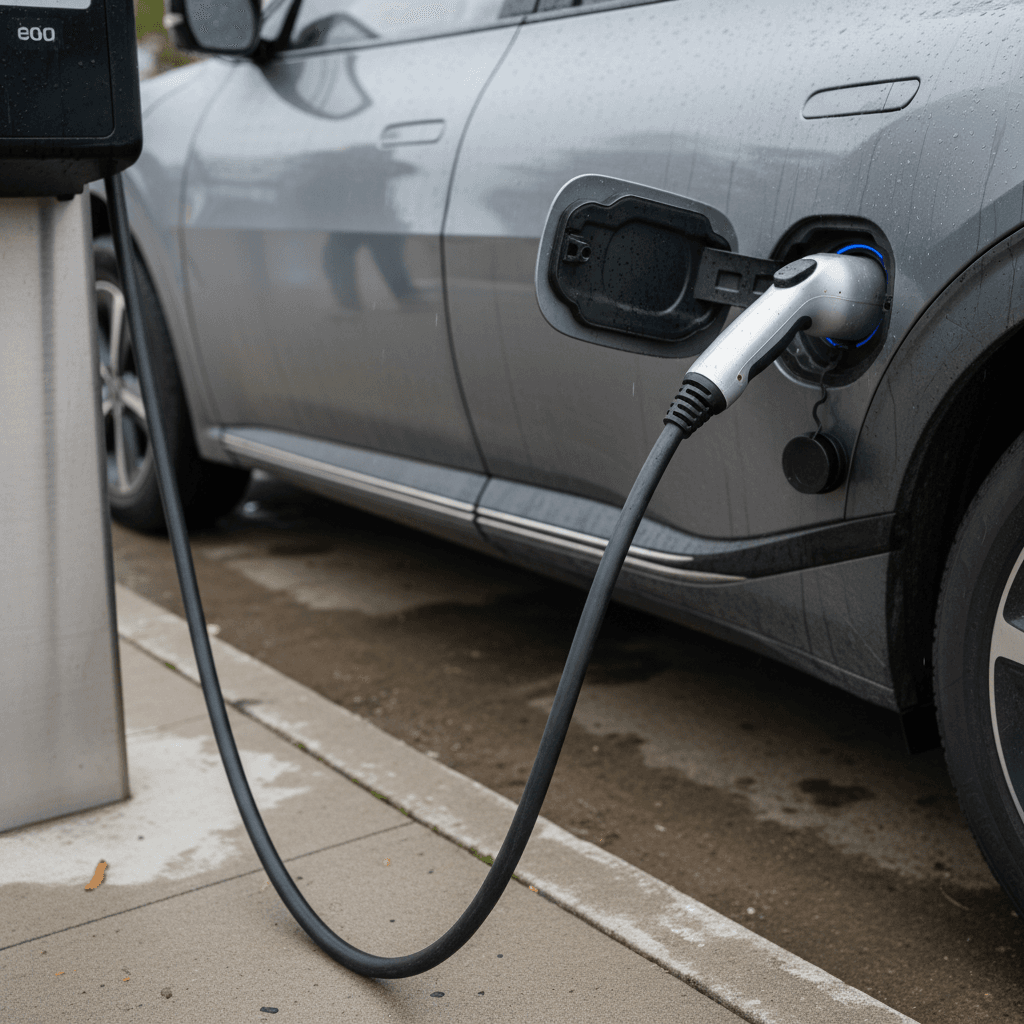
Home Charging Checklist
- Parking situation: Do you have a garage, carport, or driveway where the EV6 can park consistently?
- Electrical capacity: Ask an electrician or landlord about adding a 240‑volt, 40‑ or 50‑amp circuit for a Level 2 charger.
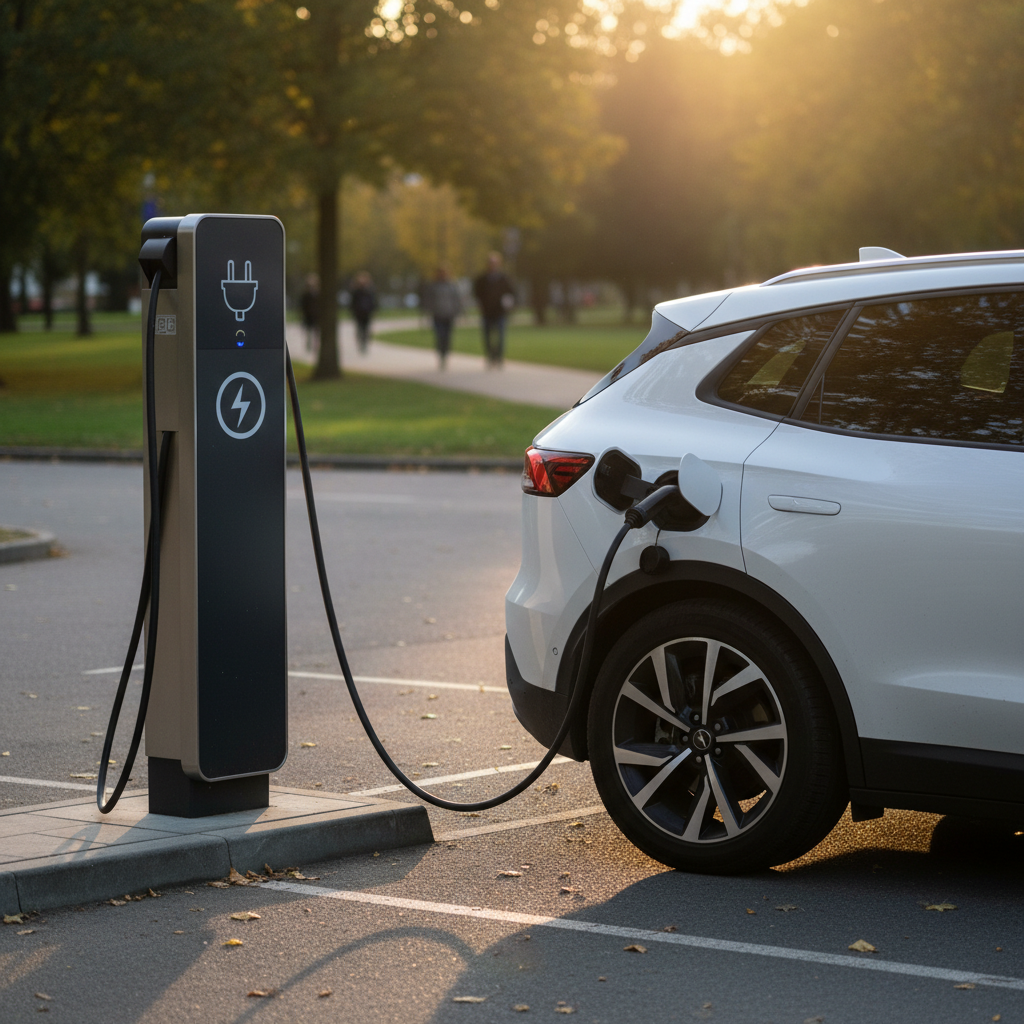
- Charger type: Many owners install a 40‑amp Level 2 unit, which adds roughly 25–35 miles of range per hour.
- Cable reach: Make sure the cable easily reaches the EV6’s charge port on the rear quarter panel.
Public & Road‑Trip Charging Checklist
- Networks in your area: Check coverage from Electrify America, EVgo, and others along your common routes.
- DC fast speed: Aim for 150 kW+ stations to take advantage of the EV6’s strong charging curve.
- Apps & payment: Set up accounts before your first trip so you’re not installing apps at the charger.
- Charging etiquette: Move when you’ve reached your target state of charge, especially after 80% when speeds drop.
Watch for station reliability, not just speed
Step 5: Safety Tech and Driver Assistance
Most EV6 trims come well equipped with modern driver‑assistance features, but details change as Kia updates the model. When you test a specific car, don’t just confirm that the features are present, make sure they behave in a way you’ll actually want to live with.
Safety & Driver‑Assist Features to Test
Adaptive cruise control
On a highway stretch, set the cruise a few mph above traffic. Confirm the car smoothly follows, accelerates, and brakes without abrupt lurches.
Lane‑keeping and lane‑centering
Turn on lane‑keeping and, if equipped, highway assist. The EV6 should track confidently between the lines without constant steering corrections from you.
Blind‑spot and rear cross‑traffic alerts
With a friend’s help in a safe area, confirm that warnings appear when a vehicle sits in your blind spot or crosses behind you while backing up.
Automatic emergency braking
You can’t safely test a full emergency stop, but you can confirm that forward‑collision warnings and pedestrian alerts trigger when appropriate.
Headlights and visibility
Drive at night if possible. Make sure the headlights give you a clear view and check for excessive glare from the rearview mirror screens or ambient lighting.
Step 6: Budget, Pricing, Incentives, and Total Cost
EV6 pricing in the U.S. has shifted as Kia has updated the battery and moved some production to Georgia. Depending on trim, a new EV6 can sit in the low‑ to mid‑$40,000s and climb past $60,000 for a fully loaded performance model. Lightly used examples can offer meaningful savings while still sitting well within Kia’s warranty coverage.
Cost Factors to Include in Your EV6 Budget
Look beyond the monthly payment to the full ownership picture.
Purchase Price & Fees
- Compare new vs. 1–3‑year‑old used EV6 pricing.
- Include destination, documentation, and dealer add‑ons.
- On used, factor in taxes and registration in your state.
Incentives & Rebates
- Check federal, state, and utility incentives for new or used EVs.
- Some programs only apply to vehicles under a price cap.
- Leasing may unlock incentives that buying does not.
Running Costs
- Electricity vs. gasoline savings (especially with home charging).
- Insurance quotes, performance trims may cost more.
- Tires: big wheels with performance rubber wear more quickly.
Use pre‑qualification to sharpen your numbers
Extra Checklist for Buying a Used Kia EV6
A used EV6 can be a smart buy because modern EVs tend to have less mechanical wear than their gas counterparts. But you’re trading engine complexity for battery health and high‑voltage electronics, so your inspection and paperwork review need to reflect that.
Used Kia EV6 Buyer’s Checklist
1. Battery health and degradation
Ask for a recent battery‑health report if available. Platforms like <strong>Recharged</strong> run diagnostic tools that estimate remaining capacity vs. original. On a private sale, check the car’s full‑charge range on the dash vs. the factory rating as a rough indicator.
2. Charging and ICCU repairs or recalls
Because some EV6s have experienced charging‑system and ICCU issues, ask specifically about past repairs and open recalls. Review service records to see whether any related components have been replaced and whether warning lights or reduced‑power events have occurred.
3. DC fast‑charging history
Frequent high‑power DC fast charging is convenient but can contribute to faster battery aging. You can’t always see this history directly, but a car used primarily for long‑distance rideshare or road‑tripping may have more fast‑charge miles. Look for clues in mileage vs. tire wear and talk candidly with the seller.
4. Software update status
Confirm the car is on current software, which can improve charging behavior, range estimates, and infotainment stability. Ask a dealer to pull the VIN and check for any outstanding campaigns or updates.
5. Tires, wheels, and alignment
Performance trims and big 20–21" wheels look great but eat tires. Inspect for uneven wear, curb rash, and vibration on the test drive. Budget for a fresh set if you’re close to the wear bars.
6. Remaining warranty coverage
Check the in‑service date to calculate what’s left on Kia’s comprehensive and battery warranties. A 2‑ or 3‑year‑old EV6 should still have significant coverage left, which adds peace of mind for a first‑time EV buyer.
Don’t skip a high‑voltage health check
Test Drive and Inspection: What to Feel and Look For
However you’re buying, you should experience how a specific EV6 drives and feels. EVs can mask issues with smooth torque and one‑pedal driving, so pay attention to the details rather than just the instant acceleration.
On the Road
- Ride quality: Over rough pavement, the EV6 should remain composed, not crashy. Big‑wheel trims ride more firmly, make sure you’re okay with that.
- Steering feel: Expect light steering but consistent response. Excess on‑center play or pulling can point to alignment or suspension issues.
- Noise levels: Wind and tire noise stand out more in an EV. Note any whines, grinding, or clunks under acceleration and braking.
- Regen behavior: Try different regenerative‑braking levels to see if you prefer one‑pedal driving or coasting; verify that transitions feel smooth.
Static Checks
- Panel gaps & paint: Walk around and look for mismatched paint, ripples, or uneven gaps that might indicate collision repairs.
- Interior wear: Check seat bolsters, steering wheel, and center console for wear out of proportion to the mileage.
- Charging test: If possible, plug into a Level 2 charger to confirm the car initiates and maintains a charge without warnings.
- All keys & accessories: Make sure you get all key fobs, V2L adapter (if equipped), charging cable, and any locking wheel‑lug tools.
Where Recharged Fits In If You’re Buying Used
If you’re leaning toward a used Kia EV6, buying through a specialist EV marketplace can take a lot of uncertainty out of the process. At Recharged, every EV6 listing includes a Recharged Score Report that combines verified battery‑health diagnostics, pricing analysis, and a review of high‑voltage components so you’re not guessing about the most expensive part of the car.
How Recharged Helps With a Used EV6
Designed specifically around the questions EV shoppers actually have.
Verified Battery Health
Fair Market Pricing
EV‑Savvy Support & Delivery
Ready to find your next EV?
Browse VehiclesKia EV6 Buying Checklist: Summary
The Kia EV6 is one of the most compelling electric crossovers you can buy right now, but it rewards a little homework. Start by defining how you’ll use the car, then choose the right combination of battery, range, and drivetrain. Compare trims based on the features that actually matter to you, not just the marketing names, and be realistic about your charging options at home and on the road. If you’re shopping used, give extra attention to battery health, charging‑system history, and remaining warranty coverage.
Work through the checklist in this guide, take a thoughtful test drive, and you’ll be in a much stronger position to negotiate confidently, whether that’s at a local Kia store, through a private seller, or with a digital EV specialist like Recharged. The EV6’s blend of range, charging speed, and everyday practicality can make it an excellent long‑term companion when you choose the right one for the way you drive.