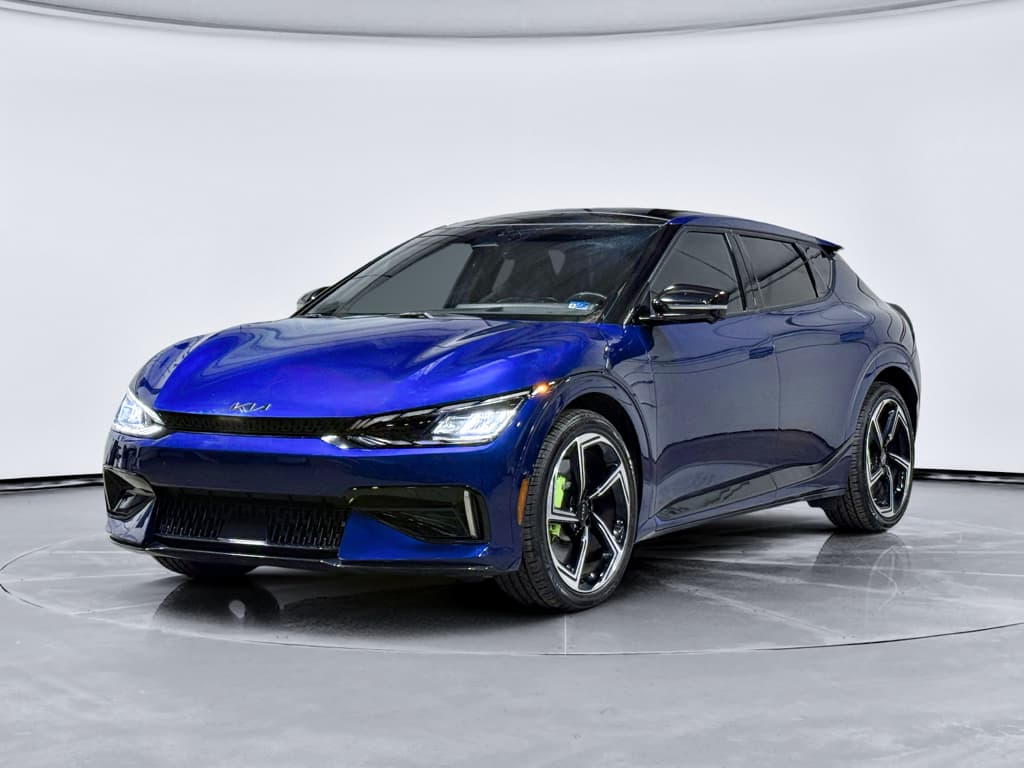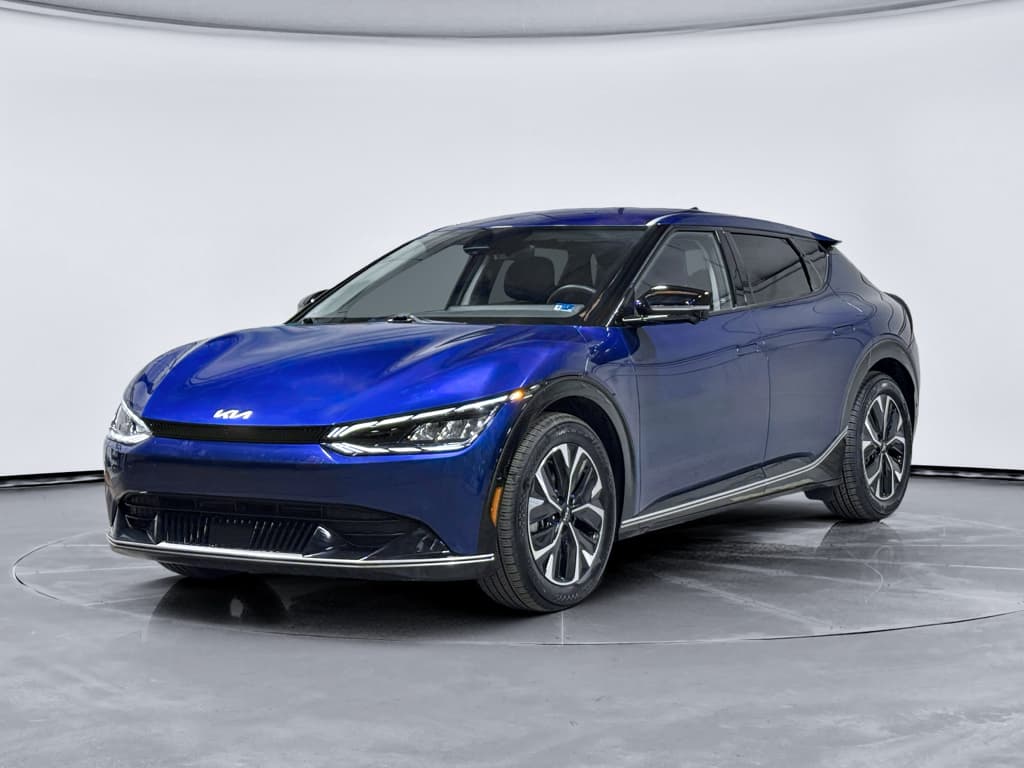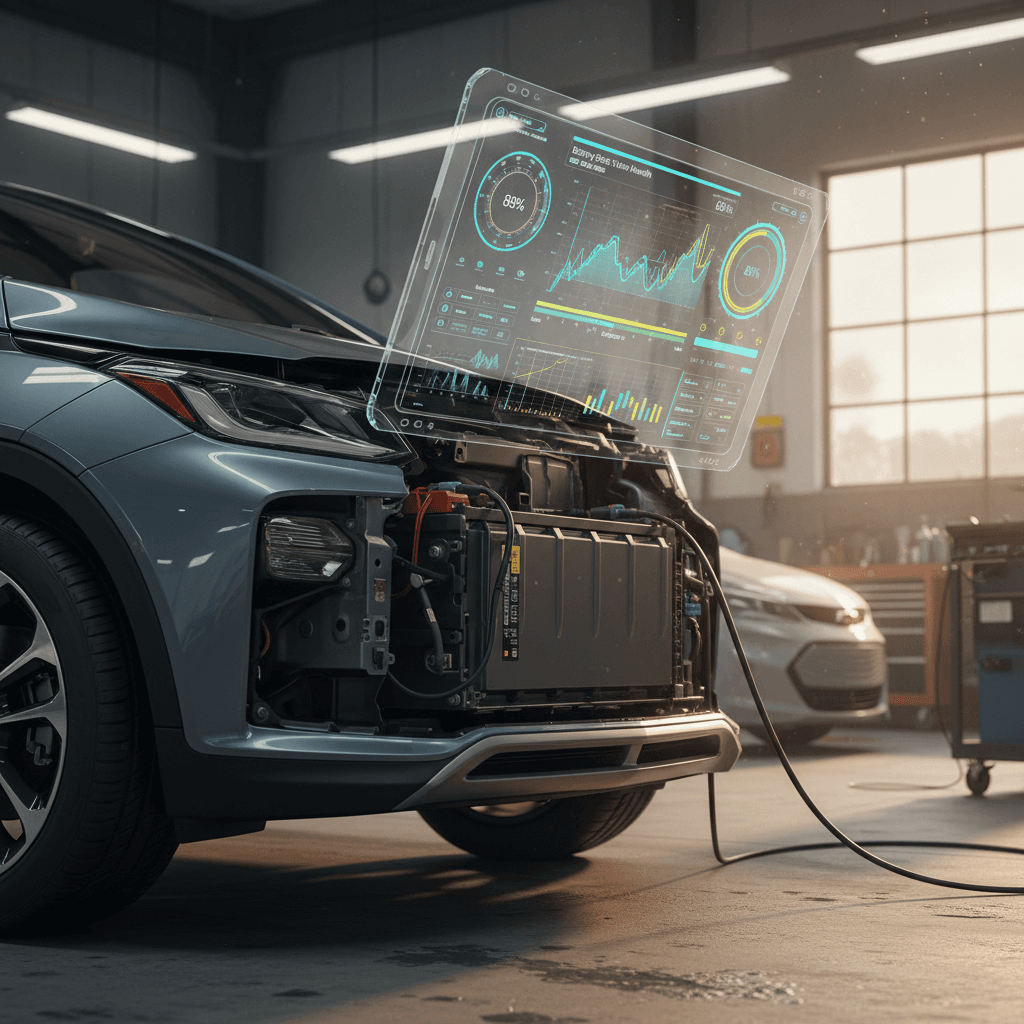
If you own or are shopping for a Kia EV6, the big invisible question is always the same: how healthy is the battery, really? A proper Kia EV6 battery health check tells you whether the car still has the range you paid for today, and how much you can count on tomorrow.
Good news first
Why Kia EV6 battery health matters
Unlike an engine in a gas car, the EV6’s high‑voltage battery is a single, spectacularly expensive component. Replacement quotes in the U.S. commonly fall into the five‑figure range when out of warranty, and range loss can quietly erode the value and usefulness of the car long before anything “breaks.”
- Range: Battery health determines how far you can actually go on a charge, not just what the window sticker once claimed.
- Resale value: A strong battery report can add thousands of dollars in value to a used EV6, while a weak one does the opposite.
- Warranty leverage: Kia’s EV battery warranty is tied to capacity. If you can prove the pack has dropped below the threshold, you may qualify for a repair or replacement.
- Peace of mind: Knowing the real health of your pack turns vague anxiety into clear numbers you can plan around.
Don’t rely on guesswork
Kia EV6 battery basics and warranty rules
All versions of the Kia EV6 use a liquid‑cooled lithium‑ion pack, generally in the 63–84 kWh total capacity range depending on trim and model year. Usable capacity (what you can actually draw) is lower, and Kia deliberately hides some buffer at the top and bottom to protect long‑term health.
Kia EV6 battery overview (simplified)
High‑level look at typical pack sizes and what they mean for range and health checks.
| EV6 variant | Approx. total pack size | Typical usable capacity reference | EPA‑rated range (ballpark) |
|---|---|---|---|
| Standard Range (RWD) | ~58–63 kWh | ~54–57 kWh usable | ~225–240 miles |
| Long Range (RWD/AWD) | ~77–82 kWh | ~72–74 kWh usable | ~250–310 miles |
| Performance/GT | Similar pack, higher consumption | Same usable capacity, lower range | ~200–250 miles |
Exact numbers vary by year and trim, but this table captures the broad picture.
In the U.S., Kia backs that battery with an EV battery capacity warranty of 10 years or 100,000 miles. During that period, Kia promises the pack will retain at least about 70% of its original capacity. If it falls below that and you’re still in‑warranty, Kia may repair or replace the pack at no cost to you, subject to the usual exclusions for abuse or improper use.
70% doesn’t mean “good as new”
4 ways to check Kia EV6 battery health
Four main ways to check Kia EV6 battery health
From quick impressions to deep‑dive diagnostics.
1. In‑car information
Later‑model Kia EVs are slowly gaining native battery health displays, but for many EV6 owners there’s no simple SOH readout in the menus yet. You mainly see state of charge and range, not capacity.
Still, big unexpected range loss, especially in mild weather, can be an early sign something’s off.
2. Dealer diagnostic tools (KDS)
Kia dealers use a diagnostic system (often called KDS) that can read Battery State of Health from the Battery Management System and run official tests.
If you suspect a warranty issue, or you’ve had an accident or major fault, this is the pathway Kia will trust.
3. DIY OBD app method
Many owners use a Bluetooth OBD dongle and apps like Car Scanner Pro to read SOH and remaining energy directly from the car.
This is the best mix of convenience and detail for most technically curious owners and used‑car shoppers.
4. Independent battery reports
Third‑party inspection tools and services measure usable energy and cell balance under controlled conditions.
At Recharged, every EV6 we sell includes a Recharged Score Report with verified battery health, so you’re not relying on a salesperson’s shrug and a guess.
Use more than one lens
What EV6 State of Health (SOH) numbers actually mean
State of Health (SOH) is the battery’s report card. It compares current capacity to what the pack could store when new. A brand‑new EV6 should be close to 100% SOH. Over time, that number drifts downward as the chemistry ages and as you stack on miles and charge cycles.
How to read EV6 SOH numbers at a glance
Dealer vs. app SOH numbers
DIY Kia EV6 battery health check with an OBD app
If your EV6 doesn’t show battery health in its own menus, and most don’t yet, you can get a surprisingly detailed picture using a Bluetooth OBD adapter and a phone app that understands Kia’s EV data. This is the go‑to method for many enthusiasts and a smart move before buying a used EV6 from a private seller.
Step‑by‑step: EV6 battery health check with OBD + Car Scanner
1. Get the right OBD adapter
Choose a reputable Bluetooth OBD dongle that works well with modern EVs and supports the Kia/Hyundai protocols. Cheap no‑name adapters can drop connections or report garbage data, this is not the place to save $15.
2. Install and configure the app
Download an app like <strong>Car Scanner Pro</strong> and select the profile for Kia EVs (often labelled for Ioniq 5/6, EV6, EV9, Niro EV, etc.). This unlocks EV‑specific data channels such as SOH and Remaining Energy.
3. Warm up and charge strategically
Battery readings are most meaningful when the pack is near room temperature and charged to a high state of charge. Many owners aim for <strong>90–100% charge</strong> on a mild‑temperature day to run their checks.
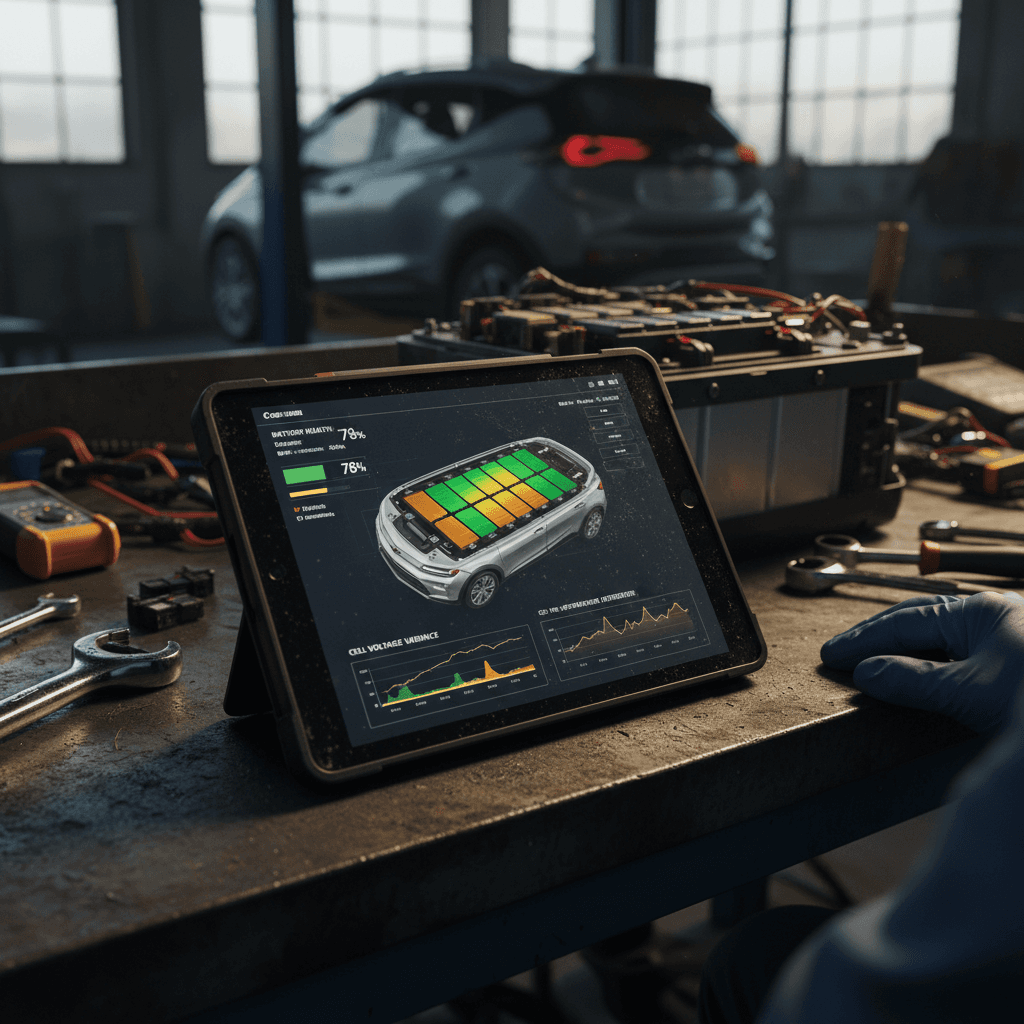
4. Connect and read SOH
With the car in the ON/Ready state and parked safely, plug in the OBD dongle, connect via the app, and navigate to the EV dashboard. Look for fields like <strong>State of Health</strong> and <strong>Remaining Energy</strong> (often reported in Wh or kWh).
5. Calculate real‑world capacity
At or near 100% charge, divide Remaining Energy by 74 kWh (for long‑range EV6 packs) to estimate true battery health. For example, 71 kWh remaining ÷ 74 kWh ≈ 96% SOH. Remember: cold temps can make this look slightly worse than it is.
6. Save screenshots and repeat over time
Battery health isn’t a one‑time number. Take screenshots a few times per year under similar conditions. If you’re buying a used EV6, those screenshots make great documentation for your own records or resale later.
Safety first around high voltage
Charging habits that protect EV6 battery health
The EV6 pack is robust, but your daily habits still matter. You don’t need to baby the car, but you also don’t need to treat the battery like a rental scooter in Vegas.
Healthy vs. harmful EV6 charging habits
Nobody’s perfect, but tilt your habits to the left column.
Habits that help
- Living between ~20–80% for daily use when convenient.
- Charging to 100% only for trips, or occasionally to help the BMS calibrate.
- Parking in the shade or garage in very hot climates.
- Using AC Level 2 at home as your primary charging method.
- Letting the car manage preconditioning before DC fast charges in winter.
Habits that hurt
- Leaving the car at 100% for days on end in summer heat.
- Deep discharges to near 0% on a regular basis.
- Daily DC fast charging when you could use Level 2 instead.
- Ignoring software updates that can improve battery management.
- Storing the car long‑term either nearly empty or nearly full.
Realistic expectation
How to check battery health when buying a used EV6
A used EV6 with a tired battery is a bad deal at almost any price. The problem is that a lot of traditional used‑car infrastructure, auctions, dealer trade‑ins, still treats EV batteries like a big shrug. You have to ask the right questions and insist on numbers, not vibes.
Used Kia EV6 battery health checklist
1. Confirm model year, trim, and warranty status
Get the VIN, model year, and exact trim. Check whether the car is still within Kia’s <strong>10‑year/100,000‑mile EV battery warranty</strong> and whether it has a clear title. A branded title or severe accident may affect coverage.
2. Ask for documented battery testing
Politely ignore hand‑waving like “It seems fine.” Ask the seller for <strong>service records</strong> showing a dealer‑performed battery test or SOH reading, or an independent battery health report.
3. Run your own OBD‑based check
If the seller allows it, bring an OBD dongle and run the <strong>DIY test</strong> described earlier. At minimum, capture SOH and Remaining Energy near a high state of charge, plus a screenshot of total mileage.
4. Compare range claims to reality
On a test drive at highway speeds in mild weather, note the projected range vs. battery percentage over 30–40 miles. You’re looking for obvious mismatches, not precision lab results.
5. Adjust price for borderline results
If an EV6 is showing mid‑80s SOH or weaker, that’s not normal for most cars in the market today. Either you walk away, or the price needs to move dramatically to reflect the risk of earlier‑than‑expected battery work.
6. Consider a verified‑battery marketplace
If all of this sounds like too much homework, shop where the heavy lifting is already done. At <strong>Recharged</strong>, every used EV6 listing includes a <strong>Recharged Score Report</strong> with independently verified battery health and fair‑market pricing, so you’re not guessing about a five‑figure component.
Recharged Score vs DIY checks: how they fit together
What a DIY check gives you
- Hands‑on confidence if you enjoy digging into data.
- Immediate answers when a seller is light on paperwork.
- Low cost once you already own an OBD dongle and app.
- The satisfaction of knowing exactly how your own EV6 is aging over time.
What a Recharged Score adds
- Standardized testing under consistent conditions, so one EV6 can be fairly compared to another.
- Professional interpretation of SOH, usable capacity, and cell‑level data instead of raw numbers alone.
- Full‑car context: battery health, accident history, pricing, and financing options in one place.
- Expert EV support to walk you through the report before you commit.
Use your own tools for ongoing peace of mind; rely on a Recharged Score when you’re deciding which EV6 to buy in the first place.
Kia EV6 battery health: FAQ
Frequently asked questions about Kia EV6 battery health
Bottom line: what to expect from an EV6 battery
The Kia EV6 has proven to be a strong battery car. Across owner reports, properly used packs are aging slowly and staying well within Kia’s generous warranty envelope. The real risk isn’t that every EV6 is hiding a dying battery, it’s that you might buy one of the rare problem cars without realizing it, or pay top‑shelf money for a pack that’s already had a chunk of its life used up.
A thoughtful Kia EV6 battery health check, using the in‑car information, an OBD app, and professional diagnostics when needed, turns that risk into a manageable equation. Whether you’re checking your own car or hunting for a used EV6, the goal is simple: know the numbers before you commit.
If you’d rather skip the detective work, Recharged exists for exactly this moment. Every EV6 on our marketplace comes with a Recharged Score battery health report, fair‑market pricing, financing options, trade‑in support, and nationwide delivery. You focus on the drive; we’ll sweat the high‑voltage details.