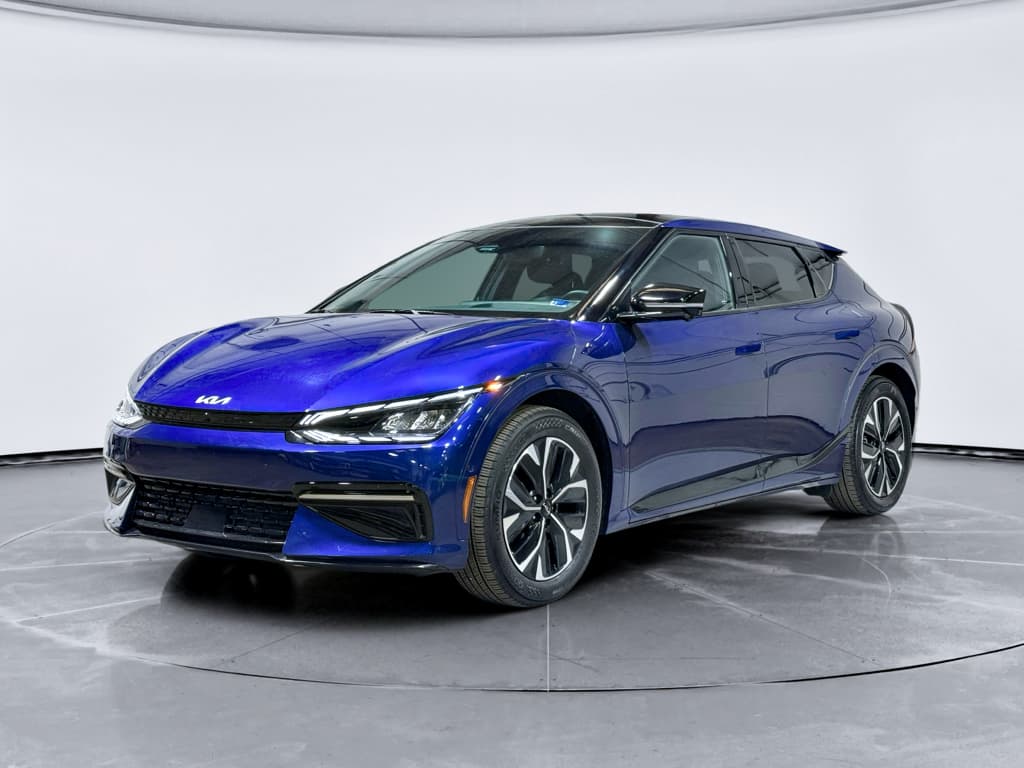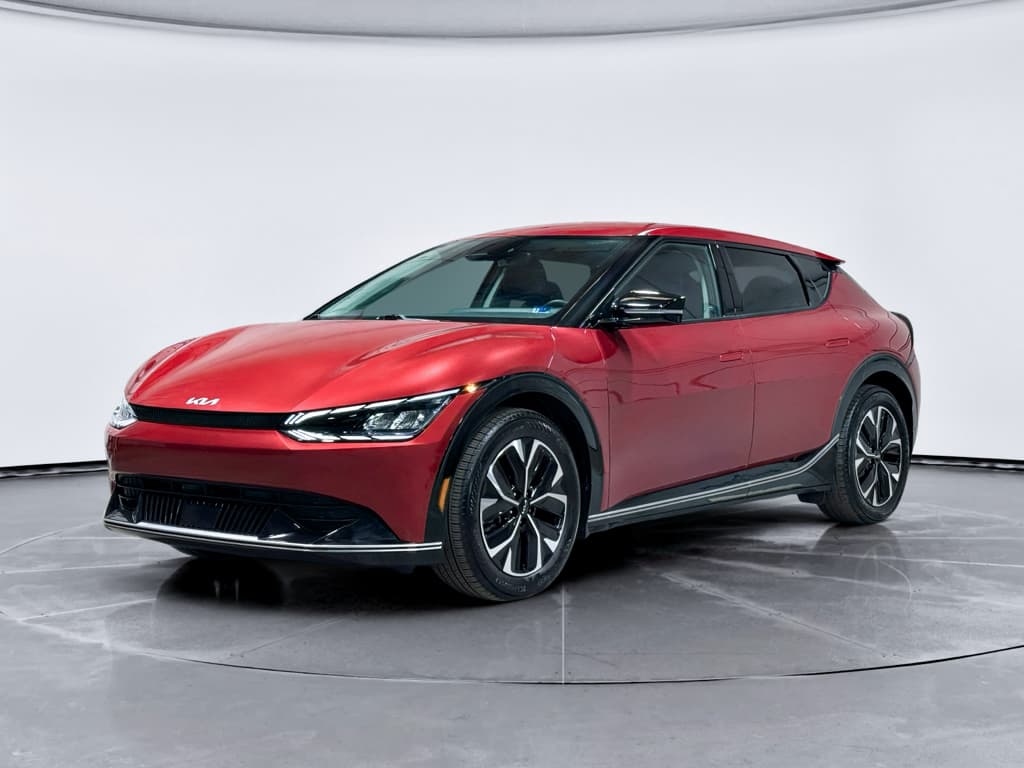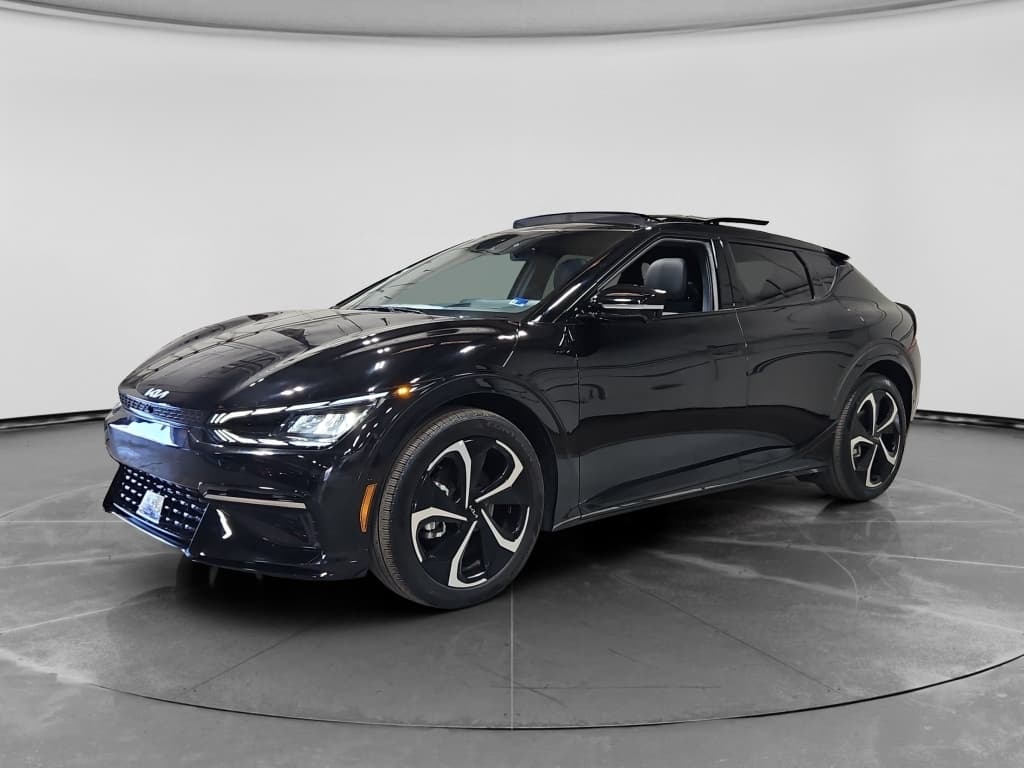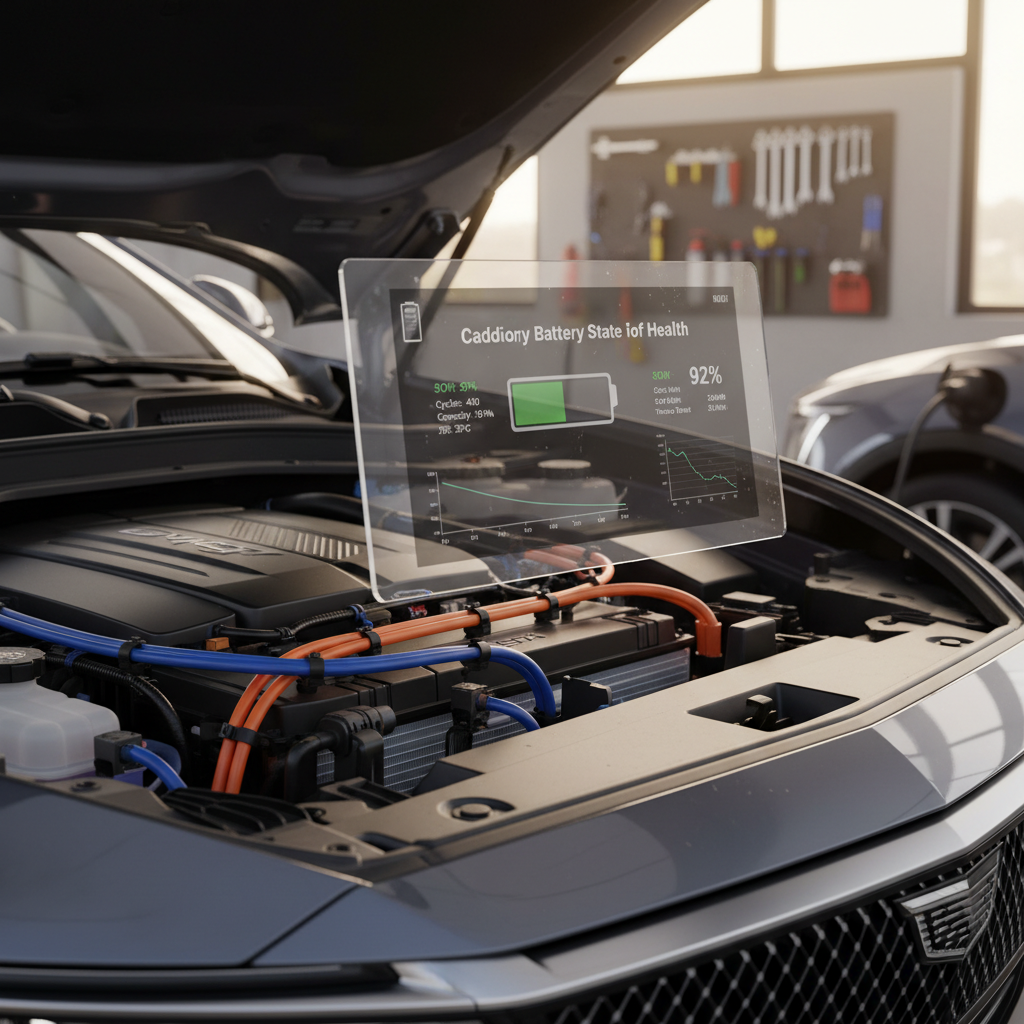
If you own a Kia EV6, or you’re shopping for a used one, battery health sits right at the top of the worry list. The good news: EV6 packs are proving to be robust, and you don’t need a lab full of equipment to get a solid read on your car’s battery health. With a little patience, a phone app, or a quick visit to a pro, you can understand what’s happening under the floor and decide whether it’s time for concern, a warranty conversation, or simply peace of mind.
High‑level takeaway
Why Kia EV6 battery health matters, especially if you’ll own it a while
Battery health affects three things you care about every day: driving range, fast‑charging speed, and ultimately the value of your EV6. As the lithium‑ion pack ages, it slowly loses usable capacity. That might mean 10–20 fewer miles of range over several years, or, if something goes wrong, much more. For long‑term owners and used‑EV shoppers, understanding where your pack stands today is the difference between a smart purchase and inheriting someone else’s problem.
How EV6 battery health shows up in real life
You feel it long before you see a warning light
Range
If your EV6 used to show 300 miles at 100% and now shows 270 in similar weather and driving, that’s capacity loss in action.
Fast‑charge speed
A tired pack may spend more time at lower kW on DC fast chargers, especially in the upper part of the charge, stretching road‑trip stops.
Resale value
Buyers are getting savvier. A documented, healthy battery can help your EV6 stand out, and command a stronger price, when it’s time to sell.
What “battery health” actually means on a Kia EV6
When we talk about “battery health” on your Kia EV6, we’re mostly talking about State of Health (SOH). SOH is the battery management system’s estimate of how much usable capacity remains compared with when the pack was new. A brand‑new EV6 sits near 100% SOH; as it ages, that number slowly ticks down.
- State of Charge (SOC) is how full the battery is right now (e.g., 60% charged).
- State of Health (SOH) is how big your "gas tank" is compared with new (e.g., 94% of original capacity).
- Degradation is the percentage you’ve lost over time (100% – SOH).
How Kia measures SOH for warranty
Quick Kia EV6 battery health check in 5 minutes
You don’t need tools to get a rough sense of how your EV6’s battery is aging. This isn’t as precise as a full diagnostic, but it’s a good first pass, especially if you’re test‑driving a used EV6 at a dealer or meeting a private seller.
5‑minute Kia EV6 battery health snapshot
1. Look at 100% range in familiar conditions
On a fully charged battery, note the projected range in the same drive mode and climate settings you normally use. Compare it to what you remember from earlier in ownership, or to EPA estimates, knowing that heavy tires and driving style also matter.
2. Check for battery‑related warnings
Scan the cluster for any high‑voltage battery warnings or charging error messages. A happy battery pack won’t quietly light the dash like a Christmas tree.
3. Review recent charging behavior
Think about your last few DC fast‑charging sessions. Has your EV6 suddenly started tapering hard at lower state of charge, or refusing to charge above certain percentages? Sudden changes can be red flags.
4. Compare real‑world range to your routine
On your typical commute, did the car used to return home with 40% left and now it arrives at 25% in similar weather and speeds? That’s a sign you’re working with less usable capacity.
5. Note age and mileage
A 6‑month‑old EV6 with 5,000 miles and a dramatic range loss is a different story than a 7‑year‑old pack with 90,000 miles. Jot down build year, in‑service date, and odometer so you can line them up against normal degradation later.
Method 1: Range-based Kia EV6 battery health check
The simplest way to estimate your Kia EV6’s battery health is by watching how much energy the car uses on a controlled trip. It’s not perfect science, but it’s close enough to tell if you’re in "looks normal" territory or if something is way off.
Step 1: Start with a known SOC window
Pick a calm day and start your trip around 80–90% state of charge. Plan to drive down to about 10–20%. Avoid strong headwinds, extreme cold, or high speeds for this test.
- Set the car to Normal or Eco mode.
- Use a steady route you know well, ideally mostly highway or mostly city, not a wild mix.
- Reset one of the trip computers before you start.
Step 2: Record distance and energy used
At the end of the drive, note:
- Starting SOC and ending SOC (for example, 90% down to 20% = 70% used).
- Miles driven on that 70%.
- Average efficiency (mi/kWh or kWh/100 mi) from the trip computer.
From there, you can back into a rough usable capacity.
Back-of-the-envelope EV6 capacity math
Use these examples to sanity‑check your numbers after a test drive.
| Example | Trip Data | Approx. Usable Capacity | What It Suggests |
|---|---|---|---|
| Healthy result | Drove 150 miles using 70% (0.7) of the pack | 150 ÷ 0.7 ≈ 214 mi per full pack. At 3 mi/kWh, that’s ~71 kWh usable. | Within shouting distance of new, likely modest degradation. |
| Concerning result | Drove 130 miles using 70% of the pack | 130 ÷ 0.7 ≈ 186 mi per full pack. At 3 mi/kWh, that’s ~62 kWh. | If repeatable, that’s sizable capacity loss, worth deeper testing. |
| Test‑drive shortcut | Drove 40 miles using 20% of the pack | 40 ÷ 0.2 = 200 mi full‑pack equivalent. At 3 mi/kWh, that’s ~67 kWh. | Short drives are noisy, but you’ll catch anything dramatically wrong. |
The EV6’s usable capacity is roughly mid‑70 kWh when new, depending on trim. Don’t obsess over decimals, look for big outliers, not tiny differences.
Don’t judge health on one cold‑weather commute
Method 2: Using OBD apps to read EV6 battery state of health (SOH)
If you want more precision, or you’re seriously evaluating a used Kia EV6, an inexpensive Bluetooth OBD dongle and the right phone app can read the battery management system’s own SOH estimate. That’s the same underlying data dealers lean on for warranty decisions, just with a consumer‑friendly front end.
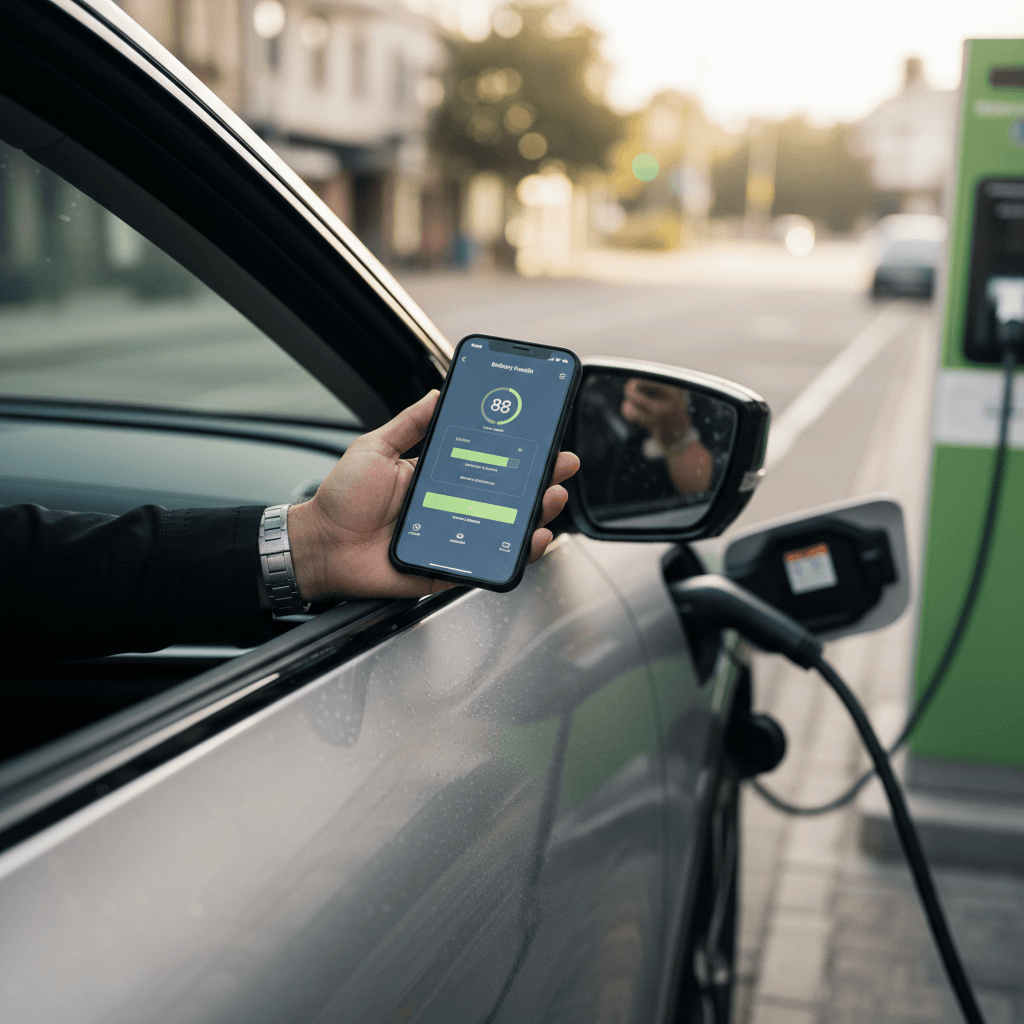
How to check Kia EV6 battery SOH with an OBD app
1. Buy a compatible Bluetooth OBD adapter
Look for a well‑reviewed OBD2 dongle that supports EV‑specific data and works with your phone’s operating system. Many EV6 owners use adapters like the OBDLink CX or similar units that play nicely with popular apps.
2. Download an EV‑aware scan app
Install an app that knows Kia/Hyundai EVs, many owners use tools such as Car Scanner or other EV‑focused apps that include profiles for <strong>Kia EV6 / Ioniq 5 / Ioniq 6 / EV9</strong>. Make sure you select the correct profile so the app surfaces battery fields, not just generic OBD data.
3. Plug in safely and pair
With the car parked and in Park, plug the dongle into the OBD port under the dash (above the driver’s left shin area). Power the car to ON/Ready as the app instructs, then pair via Bluetooth and connect from within the app.
4. Locate SOH and remaining energy fields
In the app’s live data or dashboard, look for metrics labelled <strong>SOH</strong>, <strong>State of Health</strong>, or <strong>Remaining Energy</strong> in kWh. Some owners calculate SOH by taking remaining energy at 100% and dividing by the EV6’s expected usable capacity (roughly mid‑70 kWh for many trims).
5. Take readings at 100% charge
For the cleanest SOH reading, charge to 100% occasionally and then pull data. Many owners track SOH once a month, logging the value and mileage in a spreadsheet so they can see trends instead of obsessing over single numbers.
6. Sanity‑check against real‑world behavior
If the app says 96% SOH but you clearly lost 30% of your range, something’s off, either with the reading or the car. Use SOH as one data point alongside range, charging behavior, and your own experience.
For data nerds and used‑EV shoppers
Method 3: Dealer and specialist Kia EV6 battery diagnostics
When numbers look suspicious, or you’re close to warranty limits, it’s time to get the pros involved. Kia dealers and independent EV specialists can both look deeper than consumer apps, especially when they can interrogate individual cell groups, pack temperatures, and historical fault codes.
Dealer vs. independent EV specialist: Who should you call?
Both can read battery health, each has different strengths
Kia dealer
- Uses factory diagnostic tools and official procedures.
- Can document SOH for warranty capacity claims.
- Can check open recalls, ICCU (charging unit) updates, and software campaigns that may affect perceived battery behavior.
- Best move when you’re nearing 10 years/100,000 miles or seeing battery‑related warnings.
Independent EV specialist
- Often spends more time explaining results and talking through options.
- May offer pre‑purchase battery inspections on used EV6s.
- Useful if your car is out of warranty and you’re comparing repair vs. sale or trade‑in.
- Can sometimes spot patterns (e.g., charging habits) a rushed dealer visit might brush past.
Get help fast if you lose power or can’t charge
What’s “normal” EV6 battery degradation?
Real‑world data from Kia EV6 owners has been encouraging so far. Most drivers report only a few percent of capacity loss in the first couple of years, even with regular DC fast charging. That lines up with what Recharged sees in inspection data: the EV6’s pack chemistry has been holding its own in daily use.
Kia EV6 battery health: What owners usually see
Front‑loaded vs. long‑term loss
Red flags: Signs your EV6 battery needs attention
Most Kia EV6s quietly rack up miles with nothing more dramatic than a few percentage points of degradation. But there are warning signs that deserve a closer look, especially if they appear suddenly or in clusters.
- Sudden, large range loss: You’re driving the same routes in similar weather, but you’re arriving home with far less SOC than you used to, or the car’s 100% estimate has dropped dramatically in a short time.
- Big mismatch between SOH and behavior: Your app shows mid‑90s SOH, but your usable range feels 25–30% lower than when the car was new.
- Charging problems that follow the car: Multiple DC fast chargers slow to a crawl at modest SOC or refuse to talk to your EV6, while other EVs charge normally at the same station.
- High‑voltage battery or charging error messages: Warnings on the cluster referencing the high‑voltage system, battery, or charging hardware.
- Loss of motive power: The car refuses to go into Drive, or it shuts down unexpectedly while driving, this can be tied to 12‑volt or charging‑unit issues, but it always deserves diagnosis.
Don’t confuse 12‑volt drama with pack failure
Warranty, used EV6s, and how pros check battery health
If you’re nervous about battery health, the Kia EV6’s warranty and the emerging used‑EV inspection world are your safety net. Understanding how that safety net works will make you a more confident owner, or shopper.
Kia EV6 battery warranty basics (U.S.)
- High‑voltage battery typically covered for 10 years or 100,000 miles from first in‑service date, whichever comes first.
- Warranty usually includes a capacity guarantee: if SOH drops below about 70% within that window, Kia may repair or replace the pack to restore it to at least that level.
- Capacity is measured using Kia’s diagnostic procedures, not your app or your back‑of‑the‑envelope math.
- Coverage terms can vary by region and model year, so always confirm against the EV6’s Warranty & Consumer Information Manual and VIN.
Buying a used EV6? How to check the battery
- Ask the seller for service records showing any high‑voltage or charging system work.
- Request a battery health report from a Kia dealer or independent EV specialist, especially if the car is older or high‑mileage.
- Use an OBD app to spot‑check SOH and cell balance, or bring someone who can.
- On platforms like Recharged, every used EV6 comes with a Recharged Score battery report that verifies SOH, range, and charging performance before it’s ever listed.
How Recharged takes the guesswork out
Ready to find your next EV?
Browse VehiclesHow to take care of your Kia EV6 battery
You can’t freeze your EV6’s battery in time, but you can absolutely influence how gracefully it ages. The biggest enemies are extreme heat, long periods at 100%, and chronic deep discharges. The EV6’s thermal management does a lot for you, but a few habits on your end go a long way.
Everyday habits that help your EV6 battery age gracefully
1. Live in the middle of the pack
For daily driving, try to float your usable SOC between about <strong>20% and 80%</strong>. It’s fine to use the full capacity when you need it, but long stretches at 100% or down near zero are harder on the cells.
2. Time 100% charges for departure
If you need a full battery for a road trip, use the EV6’s charging scheduler or your home charger’s app so it finishes near departure time instead of sitting at 100% overnight.
3. Don’t fear fast charging, just be thoughtful
Occasional DC fast charging is baked into the EV6’s design. Still, if you have a choice, use Level 2 at home for routine charging and save DC fast chargers for trips and genuine convenience.
4. Be kind in extreme heat
In very hot weather, park in the shade when you can, avoid stacking a 100% charge on top of hours in a blazing lot, and let the car complete any cooling cycles after rapid charging.
5. Keep software up to date
Kia periodically releases software updates that can tweak battery management, charging behavior, or instrumentation. Make sure the EV6 is current so you’re getting the latest protections and accuracy.
6. Check the 12‑volt system periodically
Because the 12‑volt system can trigger odd symptoms that look like battery failure, have it tested during regular service, especially on earlier EV6s that were more prone to 12‑volt complaints.
Kia EV6 battery health FAQ
Common questions about Kia EV6 battery health
Bottom line: How to stay confident in your EV6 battery
Your Kia EV6’s battery is built to go the distance, and early real‑world data backs that up. The trick is to move from vague anxiety, "Is my pack okay?", to informed confidence. A simple range‑based check, a $40 OBD dongle with the right app, and, when needed, a dealer or specialist report are more than enough to keep tabs on health and catch issues early.
If you’re shopping for a used EV6, don’t settle for guesswork. Ask for documentation, insist on real battery data, or choose a marketplace like Recharged that bakes battery diagnostics into every listing with a Recharged Score Report. Whether you’re driving your EV6 into the ground or planning to pass it along, a clear picture of battery health is the surest way to enjoy the car, and to protect your wallet.