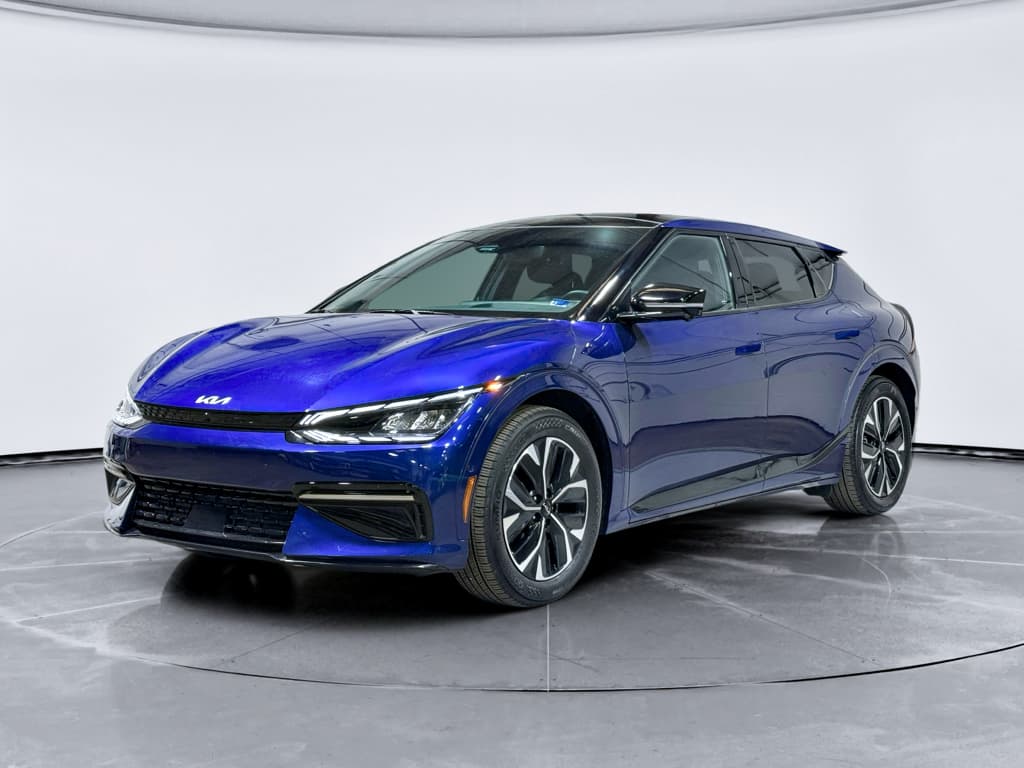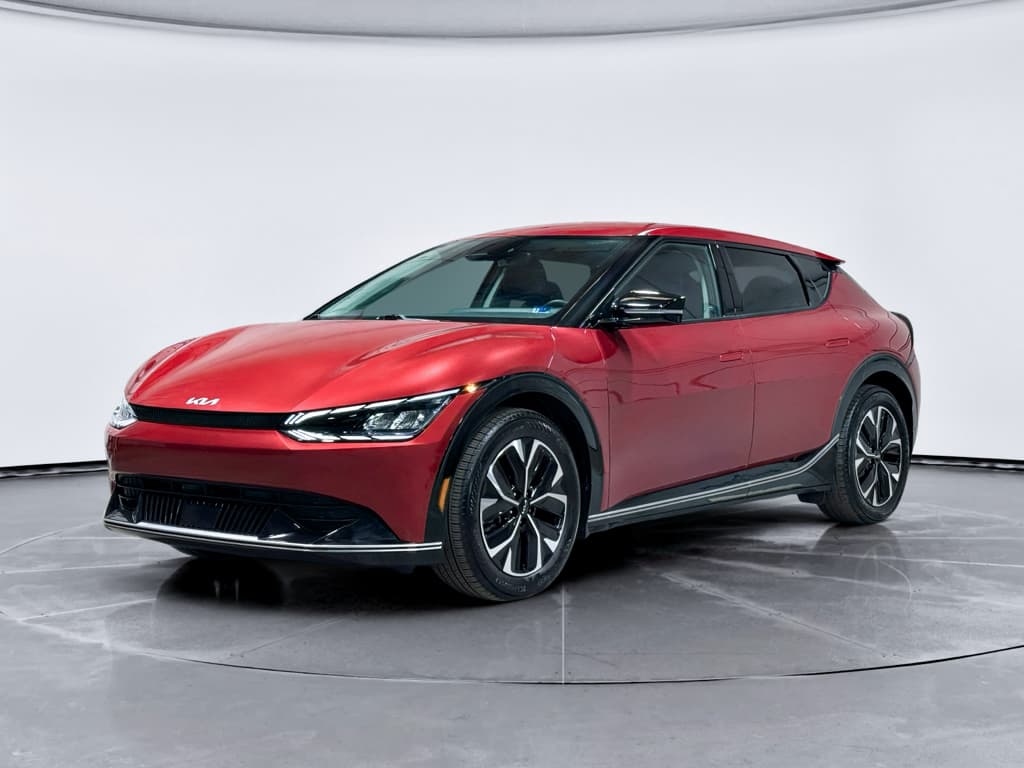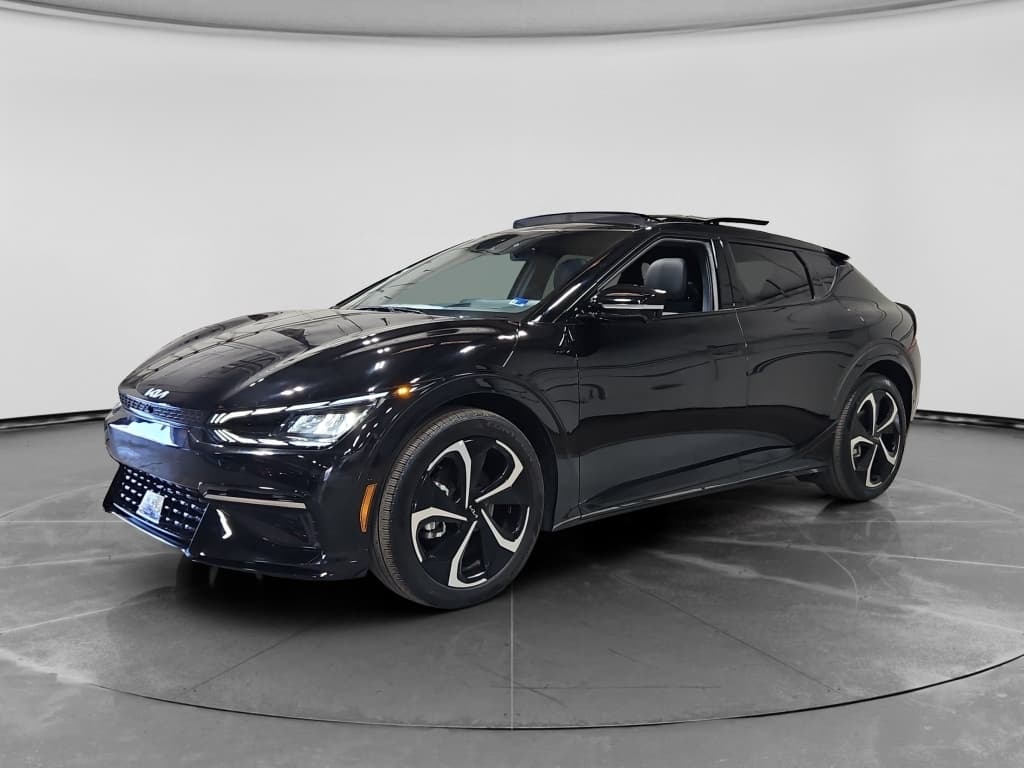
If you own, or are eyeing, a Kia EV6, you’ve probably wondered how much Kia EV6 battery degradation per year you should expect. Range is the lifeblood of an EV, and for many shoppers, long‑term battery health is the difference between confidently buying an EV6 or walking away.
Key takeaway up front
Kia EV6 battery degradation per year: quick overview
Kia EV6 battery health at a glance
Because the EV6 launched for the 2022 model year, we don’t yet have 10‑year histories. But we do have three things that paint a realistic picture: early EV6 owner reports, Kia’s battery design and thermal management, and long‑term data from comparable Korean EVs (like the Hyundai Ioniq 5) that share similar battery tech.
- Early EV6s (2022–2023) generally show very mild degradation so far.
- Most owners reporting data after 20,000–40,000 miles still see over 90% of original capacity.
- Abuse, lots of fast charging, extreme heat, or parking full for days, can push you toward the high end of degradation rates.
Rule‑of‑thumb for planning
How EV battery degradation works (and why it’s slower than you think)
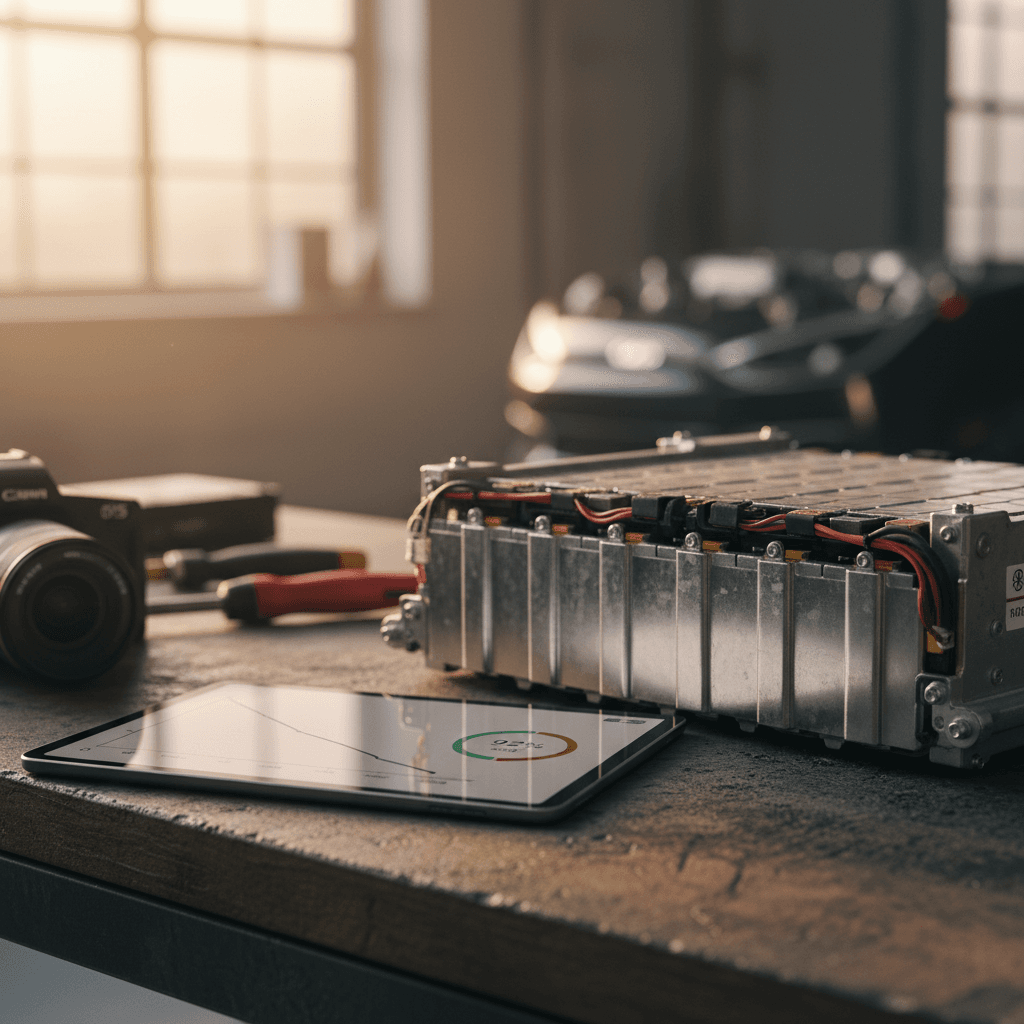
Battery degradation is simply the gradual loss of how much energy your pack can store. For a Kia EV6, that shows up as fewer kWh available and slightly shorter range over time. Modern EVs are engineered to manage this loss so most drivers experience it slowly and predictably rather than as a sudden failure.
Two main types of degradation
- Calendar aging – Happens just because time passes. Heat speeds it up; cooler climates slow it down.
- Cyclic aging – Caused by charging and discharging. More energy throughput and deeper cycles mean faster wear.
How your EV6 fights degradation
- Thermal management actively heats/cools the battery.
- Software buffers keep part of the pack’s capacity hidden to protect cell health.
- Charging limits and tapering slow down current at high states of charge.
Why heat matters so much
Real‑world Kia EV6 degradation data so far
Because the earliest EV6s are only about four years old, published, large‑sample degradation studies are still limited. But we can combine owner‑shared data, dealership observations, and experience from similar Hyundai‑Kia EV batteries to frame realistic expectations.
Estimated Kia EV6 battery degradation over time
Approximate annual and cumulative loss under different usage patterns. These are broad estimates, meant for planning, not guarantees.
| Vehicle age | Typical use (cool/temperate climate) | Heavy DC fast charging + hot climate |
|---|---|---|
| After 1 year | ~1–3% capacity loss | ~3–5% capacity loss |
| After 3 years | ~3–7% total loss | ~8–12% total loss |
| After 5 years | ~6–10% total loss | ~12–18% total loss |
| After 8 years | ~10–15% total loss | ~18–25% total loss (around Kia’s warranty trigger zone) |
Actual results will vary by climate, driving style, charging habits, and build year. Well‑cared‑for EV6s can perform even better than these estimates.
Why the first few percent fall quickly
5 factors that speed up Kia EV6 battery degradation
The EV6’s pack is robust, but it’s not invincible. Certain real‑world habits can “tax” the battery and push your degradation toward the higher end of the range. The good news: most are under your control.
Top degradation drivers for Kia EV6 owners
1. Constant high state of charge
Keeping your EV6 at 90–100% for days at a time is harder on the battery than cycling between roughly 20–80%. Storing the car long‑term while full is especially tough on the pack.
2. Frequent DC fast charging
Occasional road‑trip fast charging won’t ruin your battery. But relying on 150–350 kW stations several times a week, especially in hot weather, will accelerate wear compared with mostly Level 2 home charging.
3. Extreme heat, especially when parked
Regularly parking in direct sun in hot climates (think Phoenix summers) and leaving the car full or nearly full can age the pack faster. Using shade or a garage helps more than most owners realize.
4. High annual mileage with deep cycles
If you drive 25,000+ miles per year and frequently go from single‑digit state of charge to full, you’re putting a lot of energy through the pack. That’s not inherently bad, but it does add up over years.
5. Aggressive driving plus heavy loads
Hard launches, towing, and mountain driving pull high power from the pack, warming it up. Occasional fun is fine, but if your EV6 is constantly working hard, that thermal stress can add to long‑term aging.
Worst‑case scenario in one sentence
How to slow Kia EV6 battery degradation in everyday use
You don’t have to baby your EV6 to get good battery life. A handful of simple habits can meaningfully reduce year‑over‑year degradation without changing how you use the car day to day.
Practical Kia EV6 battery‑care habits
Simple changes that add up over years of ownership
Use a charging limit
For daily driving, many owners set the charge limit around 70–80%. This gives you plenty of range while avoiding constant high‑SOC stress. Save 100% charges for road trips.
Favor Level 2 at home
Where possible, charge overnight on Level 2 instead of relying on DC fast charging. It’s gentler on the pack and often cheaper per kWh, especially if your utility offers off‑peak rates.
Keep it cool when parked
Park in a garage or shade, especially in summer. If shade isn’t an option, even a windshield sunshade helps. Reducing interior and pack temperature slows calendar aging.
Avoid sitting full for days
Try not to top off to 100% if the car will then just sit. Time departure charging so it hits your target shortly before you leave, especially on hot days.
Drive smoothly when you can
The EV6 is quick, but smoother driving keeps pack temperatures and energy throughput in a healthier zone. You’ll also see more consistent range.
Use fast charging strategically
Don’t fear DC fast charging, but think of it as a road‑trip tool, not your daily lifeline. Stopping at 70–80% on road trips reduces high‑SOC fast‑charge stress and usually saves time.
Kia EV6 battery warranty and what it really covers
Kia backs the EV6’s high‑voltage battery with an 8‑year/100,000‑mile warranty, whichever comes first. The critical detail for degradation is the capacity threshold Kia considers acceptable.
- The EV6 warranty typically guarantees the pack will retain at least around 70% of its original capacity during the 8‑year/100,000‑mile period.
- If the battery drops below that threshold under normal use and maintenance, Kia may repair or replace the pack under warranty.
- Damage from misuse, improper modifications, or lack of basic care can limit coverage, so following the owner’s manual matters.
What this means for owners
What degradation actually means for Kia EV6 range
Percentage degradation can feel abstract. Range loss is what you actually live with. The Kia EV6’s usable battery size and efficiency will differ slightly by trim, wheel size, and driving style, but we can sketch out ballpark impacts.
Approximate Kia EV6 range vs. battery degradation
Illustrative example using an EV6 with a ~300‑mile EPA rating in mild conditions. Real‑world range will vary by driver and climate.
| Battery capacity remaining | Approx. usable capacity | Illustrative EPA‑style range |
|---|---|---|
| 100% (new) | 100% | ~300 miles |
| 95% | 95% | ~285 miles |
| 90% | 90% | ~270 miles |
| 85% | 85% | ~255 miles |
| 80% | 80% | ~240 miles |
| 70% (near warranty threshold) | 70% | ~210 miles |
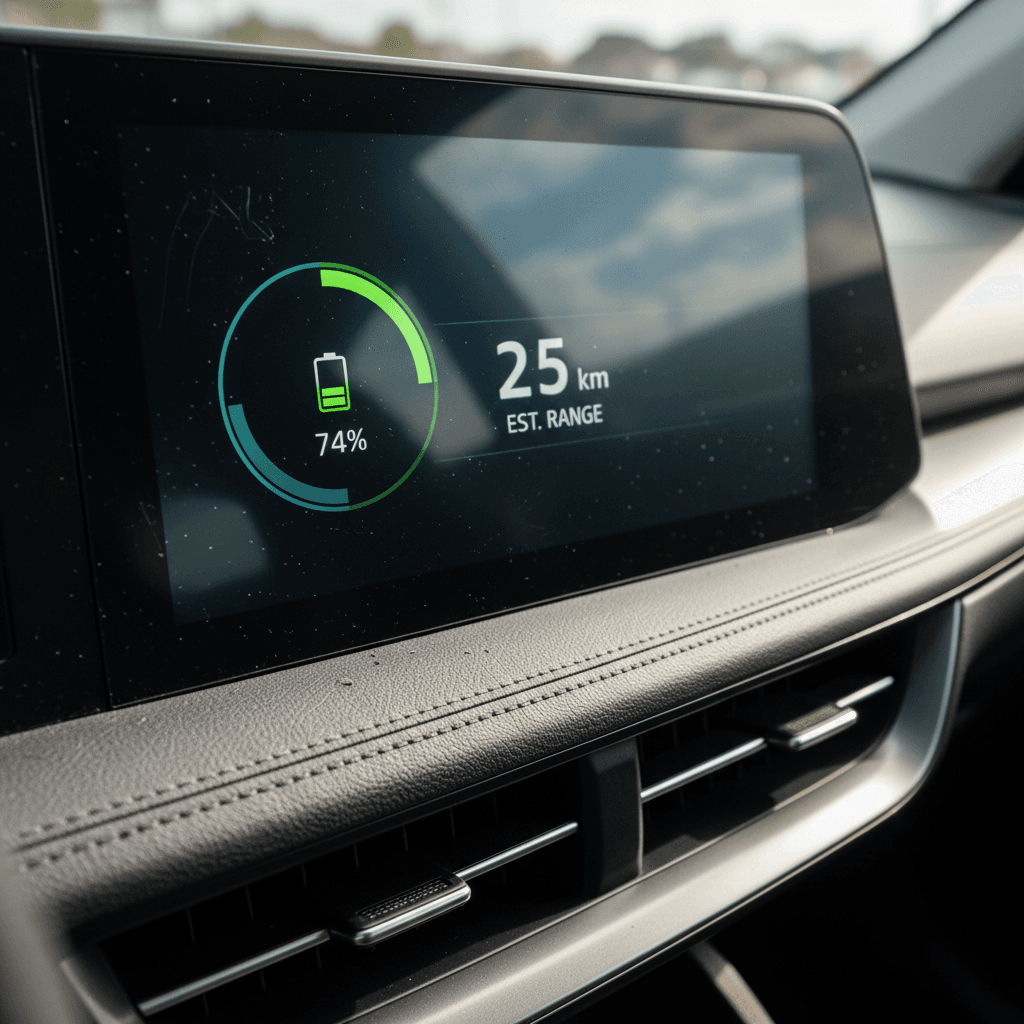
Even with 10–15% degradation, many owners still have more range than they routinely use in a day.
Most drivers don’t use full range daily
Buying a used Kia EV6? Battery‑health checklist
If you’re shopping for a used Kia EV6, battery degradation per year matters even more. Two similar‑looking EV6s with different histories can have noticeably different remaining capacity, and future range. Here’s how to protect yourself.
Used Kia EV6 battery checks before you buy
1. Review battery and range history
Ask the seller for photos or screenshots of the EV6’s range at 100% over time, plus typical trip energy use. Sudden drops or very low range at full charge can be a red flag.
2. Check mileage and usage pattern
A high‑mileage EV6 isn’t automatically bad if it lived on Level 2 charging in a cool climate. Ask about commuting distance, road‑trip frequency, and whether DC fast charging was daily or just occasional.
3. Look for climate clues
Where did the car spend most of its life? A 60,000‑mile EV6 from coastal Oregon may have a healthier battery than a 30,000‑mile example from a very hot region that sat outside fully charged.
4. Scan for battery or charging warnings
During a test drive, watch for any warnings related to the high‑voltage system, DC charging limits, or unusually slow fast‑charge speeds. These can hint at underlying battery or thermal issues.
5. Ask about software updates and recalls
Confirm that important software updates and any relevant recalls have been addressed. Battery‑management refinements often come via over‑the‑air or dealer updates and can affect longevity.
6. Get a third‑party health report when possible
A data‑driven battery‑health assessment goes beyond gut feel. That’s exactly what services like the Recharged Score are designed to provide on used EVs.
How Recharged measures Kia EV6 battery health
Battery degradation is where used EV shopping gets opaque. Odometer readings don’t tell you much about pack health, and most EV dashboards only show a rough estimate. At Recharged, every EV6 we list comes with a Recharged Score Report that brings more transparency to the table.
What you get with a Recharged Kia EV6
Battery clarity plus a smoother used‑EV experience
Verified battery health
Our diagnostics look at real battery performance, not just mileage, to estimate remaining capacity. You see whether a specific EV6 is closer to “like new” or already showing meaningful degradation.
Fair market pricing
Because battery health, trim, and market data all factor into pricing, you avoid overpaying for a car with a tired pack, or missing a good deal on one that’s been well cared for.
End‑to‑end EV support
From trade‑ins and financing to nationwide delivery and our Experience Center in Richmond, VA, you get EV‑specialist support instead of generic used‑car treatment.
Ready to find your next EV?
Browse VehiclesMake degradation work in your favor
Kia EV6 battery degradation per year: FAQ
Frequently asked questions about Kia EV6 battery degradation
Bottom line: Should you worry about Kia EV6 battery degradation?
For most drivers, Kia EV6 battery degradation per year is far more manageable than scary headlines suggest. Modern battery design, active thermal management, and conservative software buffers mean that, under typical use, your EV6 is likely to lose only a small slice of capacity each year, often without any noticeable impact on your daily routine.
If you’re buying new, a few simple habits around charging limits, heat, and fast‑charging frequency will stack the odds in your favor. If you’re shopping used, the smartest move is to treat battery health like any other major vehicle system: ask questions, look for data, and lean on objective diagnostics rather than guesses.
That’s exactly where a data‑driven partner like Recharged earns its keep. Every used EV we sell, including the Kia EV6, comes with a Recharged Score Report, transparent pricing, and EV‑savvy support so you can buy with confidence instead of worrying about what’s hiding inside the pack.