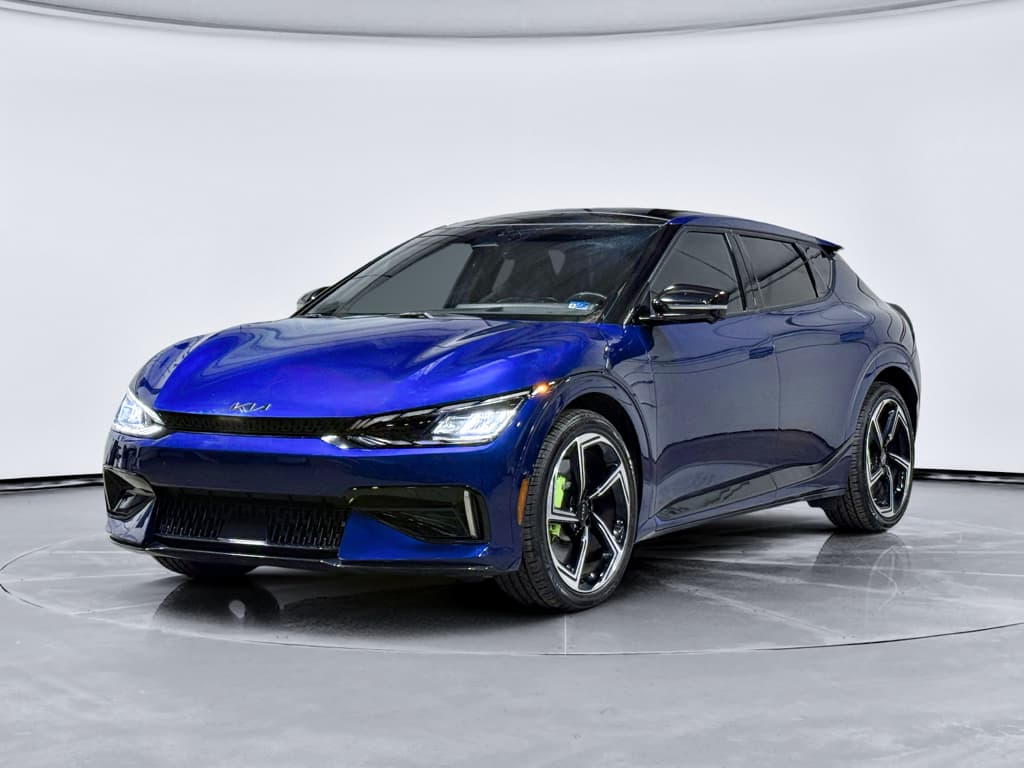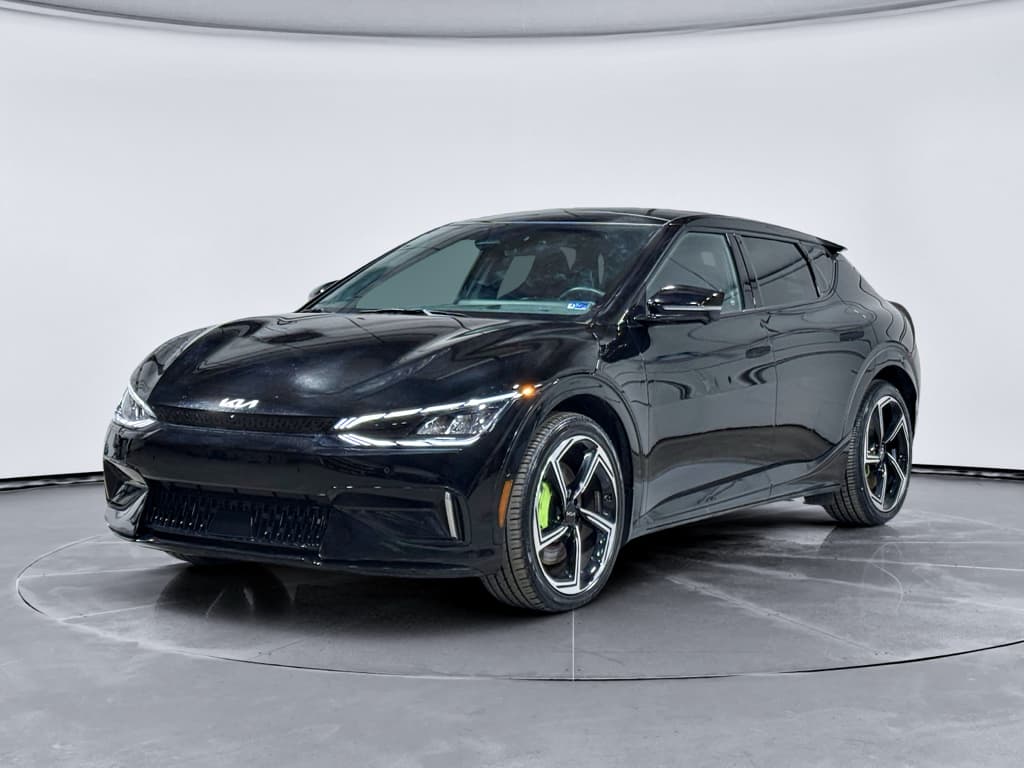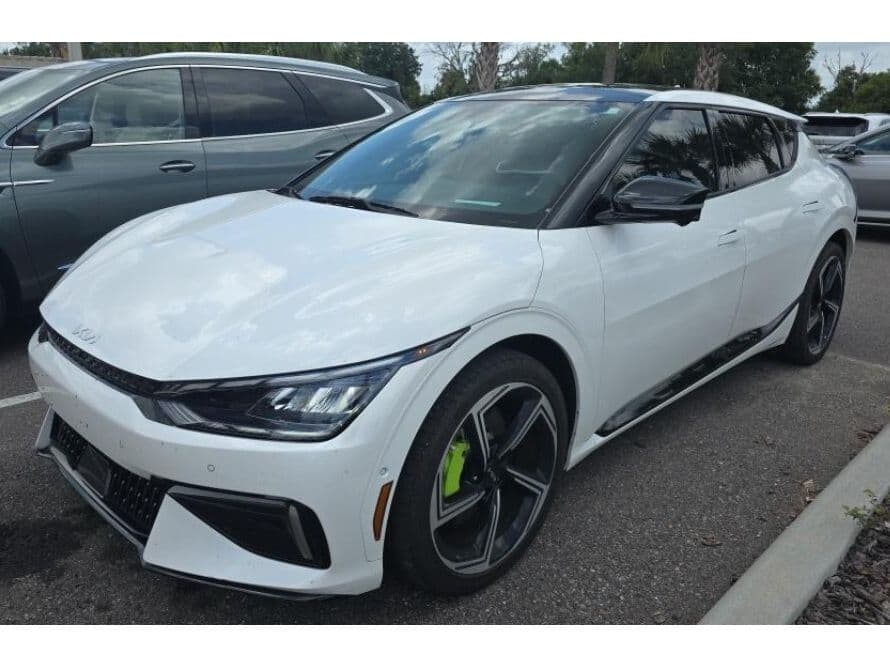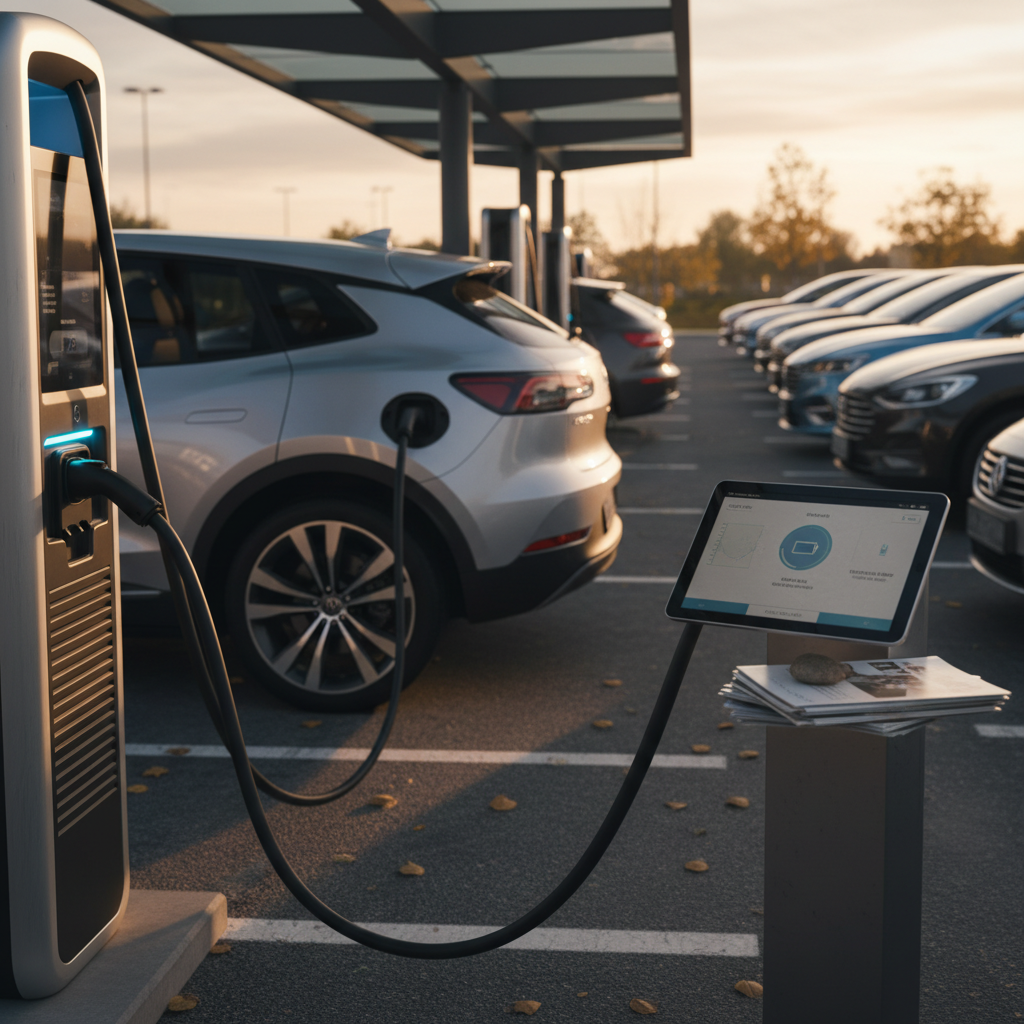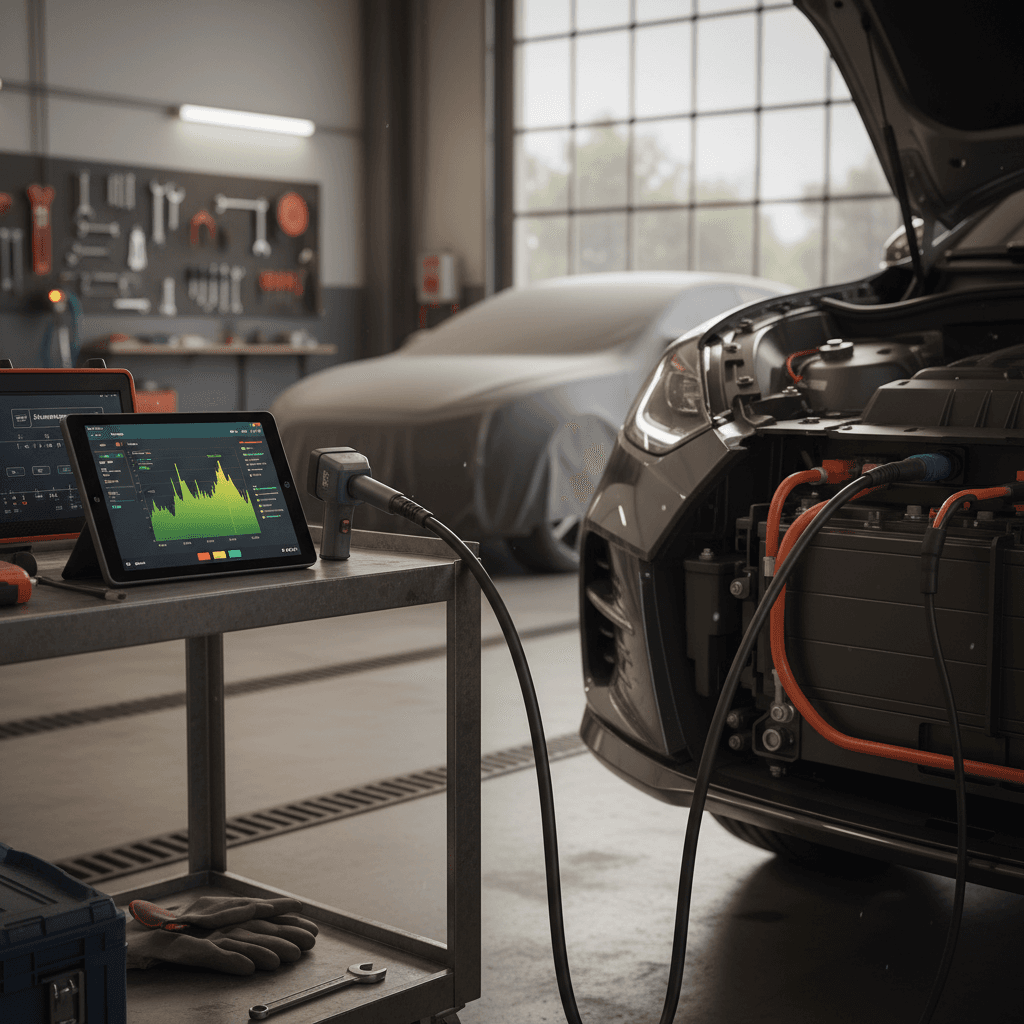
If you’re shopping used, a Kia EV6 100,000‑mile review tells you more than any glossy brochure ever will. By the time an EV6 hits six figures on the odometer, its battery health, charging behavior, cabin wear, and running costs have all had a chance to reveal their true character.
Context: What We’re Looking At
Why a 100,000‑Mile Kia EV6 Review Matters
In a gasoline world, 100,000 miles is the line where many buyers start to worry about transmission failures, oil leaks, and the next big repair bill. With EVs, that anxiety shifts to battery degradation, fast‑charging wear, and replacement costs. The Kia EV6’s battery is covered for 10 years or 100,000 miles down to 70% capacity, so this mileage point is a natural milestone for owners and used buyers alike.
- For first owners, 100k is roughly the end of full battery warranty coverage by mileage.
- For second owners, it’s where battery health and charging history matter more than cosmetics.
- For used shoppers, it’s the point where depreciation has done most of the heavy lifting, but there’s still a lot of usable life left, if the car’s been cared for.
How Recharged Looks at High‑Mileage EVs
Kia EV6 Battery Health Around 100,000 Miles
Let’s start with the anxiety question: what does the EV6’s battery look like at or near 100,000 miles? Kia backs the EV6’s lithium‑ion battery with a 10‑year/100,000‑mile warranty to at least 70% capacity, which is in line with the longest EV battery warranties on the market. Real‑world owner data so far paints a more reassuring picture than that minimum threshold.
Battery Health Snapshot for High‑Mileage EV6s
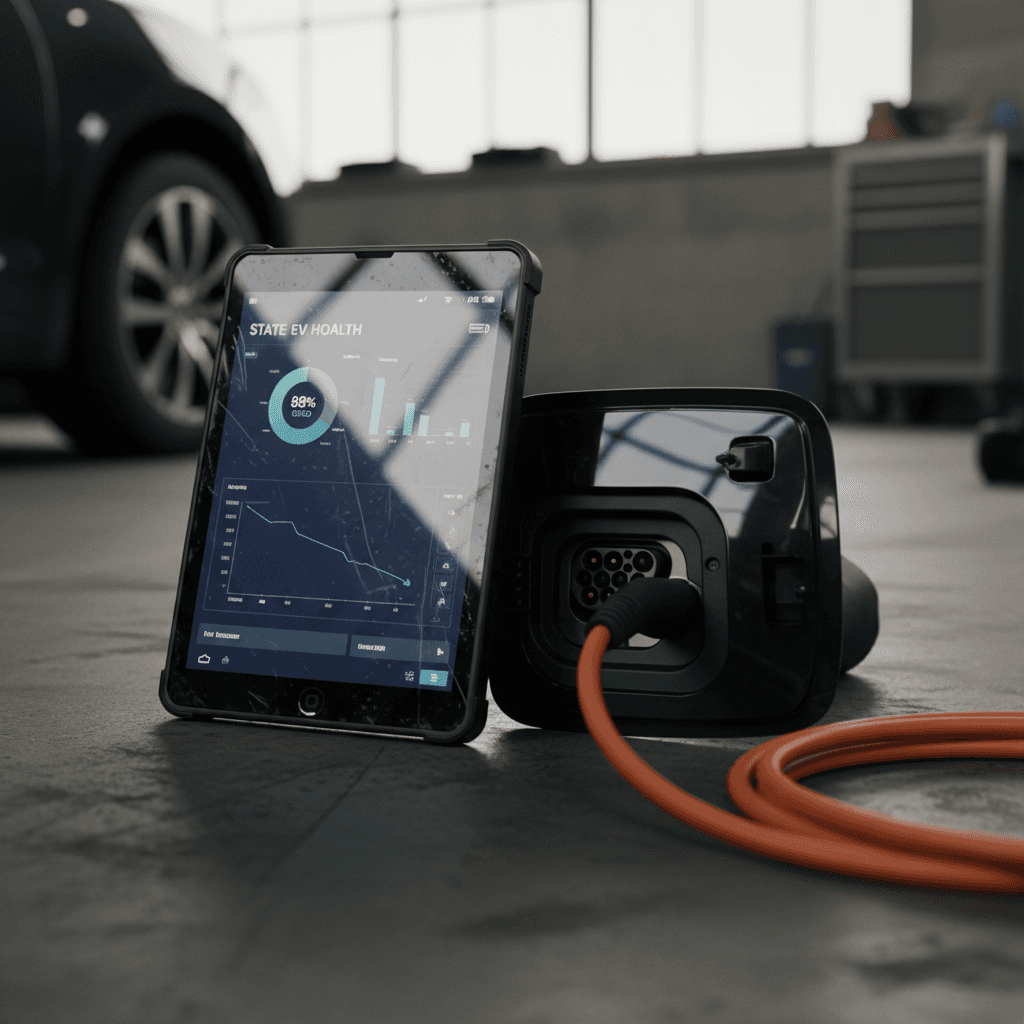
Early high‑mileage EV6 owners who track state of health (SOH) via OBD tools and service reports generally report capacity in the low‑90% range at 60,000–80,000 miles, with very few dipping below 90% without a clear fault. That suggests that under normal use, mix of DC fast charging and home Level 2, the EV6’s pack chemistry is aging gracefully rather than falling off a cliff at 100k.
Fast Charging & Heat Still Matter
Real-World Range & Charging After Heavy Use
Out of the box, long‑range rear‑wheel‑drive EV6s are rated around 300–310 miles of EPA range, with dual‑motor all‑wheel‑drive models in the mid‑200s. At 100,000 miles, you’re not suddenly driving a short‑range city car, but you should expect a noticeable, yet manageable, drop versus new.
Range Expectations at ~100,000 Miles
- RWD long‑range: Many owners see an effective highway range in the 240–270 mile ballpark in mild weather.
- AWD models: Expect something closer to 200–230 miles, depending on wheel size and driving style.
- Winter penalty: In cold climates, 20–30% range loss in winter is still normal, regardless of mileage.
Charging Behavior Over Time
- The EV6’s 800V architecture enables very fast DC charging when new; that advantage largely remains at 100k if the pack is healthy.
- You might see slightly more tapering at high state of charge, but it’s subtle compared with the impact of charger quality and battery temperature.
- Level 2 home charging performance is effectively unchanged as long as the onboard charger and charge port are in good shape.
How to Test Real-World Range on a Test Drive
Maintenance, Repairs & Common Issues
An EV6 with 100,000 miles has already done the experiment for you: if there were weak systems, they’ve had time to show themselves. The good news is that, like most dedicated EVs, the EV6 eliminates many traditional wear items, no oil changes, timing belts, spark plugs, or multi‑gear transmissions.
What Usually Needs Attention by 100,000 Miles
Where high‑mileage EV6s actually cost money
Tires & Alignment
Brakes & Regeneration
Cooling & HVAC
High‑mileage owner reports on the EV6 so far haven’t revealed a single catastrophic “Achilles’ heel,” but there are themes to watch for: occasional infotainment glitches, charge‑port door issues, and the usual wear on suspension bushings and dampers you’d expect on any 100k‑mile crossover.
Don’t Ignore High-Voltage Safety Checks
Depreciation, Resale Value & Used Pricing
Depreciation is where the Kia EV6 quietly becomes very interesting for a value‑oriented buyer. New EV6s have seen steep early‑life depreciation, in part because of fast‑changing incentives and intense competition from newer models. Five‑year depreciation forecasts for recent model years show values falling by roughly half from MSRP, even before you get to 100,000 miles.
Illustrative Depreciation for a Kia EV6
Approximate retained value versus original MSRP for a typical long‑range trim in the U.S. market.
| Age / Mileage | Approx. Odometer | Typical Value vs. Original MSRP* | What It Means for You |
|---|---|---|---|
| 2–3 years | 30,000–45,000 mi | ~55–65% | Lightly used EV6s lose a big chunk of value quickly, great for second owners. |
| 5 years | 70,000–90,000 mi | ~40–50% | A well‑specced EV6 can be thousands below comparable new EVs with plenty of life left. |
| 6–7 years | 90,000–120,000 mi | ~30–40% | Prices flatten out; you’re paying mostly for remaining battery life and condition, not novelty. |
Exact numbers vary by year, trim, region, and incentives, but the pattern is clear: the EV6 takes a big hit early, then levels off.
The Sweet Spot for Value
Ready to find your next EV?
Browse VehiclesWhat’s Still Under Warranty at 100,000 Miles?
Warranty coverage is crucial when you’re stretching into six‑figure mileage. Kia’s coverage on the EV6 breaks into a few buckets, and what’s left at 100,000 miles depends on the model year, in‑service date, and whether you’re the first or a subsequent owner.
Kia EV6 Warranty Snapshot (U.S.)
1. EV Battery & High-Voltage Components
The lithium‑ion battery on the EV6 is generally covered for <strong>10 years or 100,000 miles</strong> down to at least 70% capacity. Hit 100k, and you’re at the mileage limit even if the calendar says otherwise.
2. Powertrain & EV System Coverage
Kia’s broader EV system and powertrain warranties often extend beyond the basic bumper‑to‑bumper term. The good news: EV drive units are proving very durable; failures are rare compared with engines and transmissions.
3. Basic Bumper-to-Bumper
The standard 5‑year/60,000‑mile basic warranty is long gone by 100k. At this stage, wear items and minor electronics are on you unless you have a third‑party plan.
4. Transferability for Second Owners
Unlike some brands, Kia’s EV battery and EV system coverage <strong>does transfer</strong> to subsequent owners, but powertrain coverage rules can differ. Always verify coverage for your specific VIN with a Kia dealer.
Pro Move: Pull the Warranty History
How a High‑Mileage EV6 Compares to Other EVs
Evaluating a 100,000‑mile EV6 in isolation misses the bigger question: how does it stack up to other high‑mileage EVs you might be cross‑shopping, like a Tesla Model 3/Y, Hyundai Ioniq 5, or Ford Mustang Mach‑E?
High‑Mileage EV6 vs. Other Mainstream EVs
Where the EV6 shines, and where it’s just average
Battery & Charging
Ride, Handling & Comfort
Value & Incentives
“Long‑term, the EV6’s architecture and battery management seem to have been engineered with durability in mind, not just spec‑sheet bragging rights.”
High‑Mileage Kia EV6 Inspection Checklist
If you’re seriously considering a 90,000–120,000‑mile EV6, treat your inspection like you’re buying a high‑mileage German sedan, thorough, methodical, and a little skeptical. Here’s where to focus.
Pre-Purchase Checklist for a 100k‑Mile EV6
1. Verify Battery State of Health
Ask for a <strong>battery health report</strong> from a Kia dealer or a third‑party tool. You’re looking for capacity comfortably above 70% and no history of unresolved battery faults. A Recharged Score Report will summarize this for you.
2. Review Charging History & Use Case
Cars that DC fast‑charged occasionally on road trips are fine. A rideshare or fleet vehicle that fast‑charged multiple times a day is a different story. Ask how it was used and where it typically charged.
3. Inspect Tires, Brakes & Suspension
Uneven tire wear, noisy wheel bearings, or a floaty ride at highway speeds can signal deferred maintenance. Budget for an alignment, fresh tires, and possibly shocks/struts on any 100k‑mile crossover.
4. Check for Underbody & Battery Damage
Use a lift if possible. Look for scrapes or dents on the battery enclosure and underbody panels. Minor scuffs are common; anything that looks crushed, pierced, or repaired deserves a professional evaluation.
5. Test All Charging Methods
Before signing, plug into Level 2 and, if possible, a DC fast charger. Confirm that charging starts quickly, no warning lights pop up, and the charge port door operates smoothly.
6. Confirm Software Updates & Features
Make sure the infotainment and driver‑assist systems are up to date and functioning. High‑mileage cars sometimes lag on software, which can affect charging curves and efficiency.
Leverage Third-Party Inspections
Who Should (and Shouldn’t) Buy a 100k‑Mile EV6
High‑mileage EVs aren’t for everyone. The same things that make a 100,000‑mile EV6 an incredible value for one buyer can make it a poor fit for another. It comes down to your risk tolerance, driving pattern, and time horizon.
Good Candidates for a 100k‑Mile EV6
- Budget‑conscious commuters who drive 8,000–12,000 miles a year and want modern range for a used‑car price.
- Second‑car households where the EV6 handles daily duties while a second vehicle covers infrequent long trips.
- Enthusiasts who value the EV6’s design and performance, and understand EVs well enough to judge battery health.
Who Might Prefer Lower Mileage
- Drivers planning to add another 100,000 miles in a short time horizon, like high‑mileage commuters or rideshare drivers.
- Buyers in regions with limited EV service support, where out‑of‑warranty repairs could be inconvenient.
- Anyone who simply sleeps better with more warranty coverage and lower odometer readings.
Kia EV6 100,000‑Mile FAQ
Frequently Asked Questions About High‑Mileage Kia EV6s
Bottom Line: Is a 100k‑Mile Kia EV6 a Smart Buy?
If you strip away the fear and look at the data, a well‑cared‑for Kia EV6 with 100,000 miles can be one of the most compelling values in the used EV market. Battery health so far looks solid, charging performance remains competitive, and depreciation does most of the work to make monthly costs approachable.
The key is not to buy blind. Demand a clear picture of battery state of health, charging and service history, and real‑world driving behavior. That’s exactly what a Recharged Score Report is designed to deliver, so you can compare a 40,000‑mile and a 100,000‑mile EV6 on more than just odometer numbers.
If you’re ready to see how a high‑mileage EV6 stacks up against lower‑mileage examples and other used EVs, explore Recharged’s inventory, trade‑in options, and nationwide delivery. With transparent diagnostics and EV‑specialist support from start to finish, you can treat 100,000 miles as a data point, not a deal‑breaker.